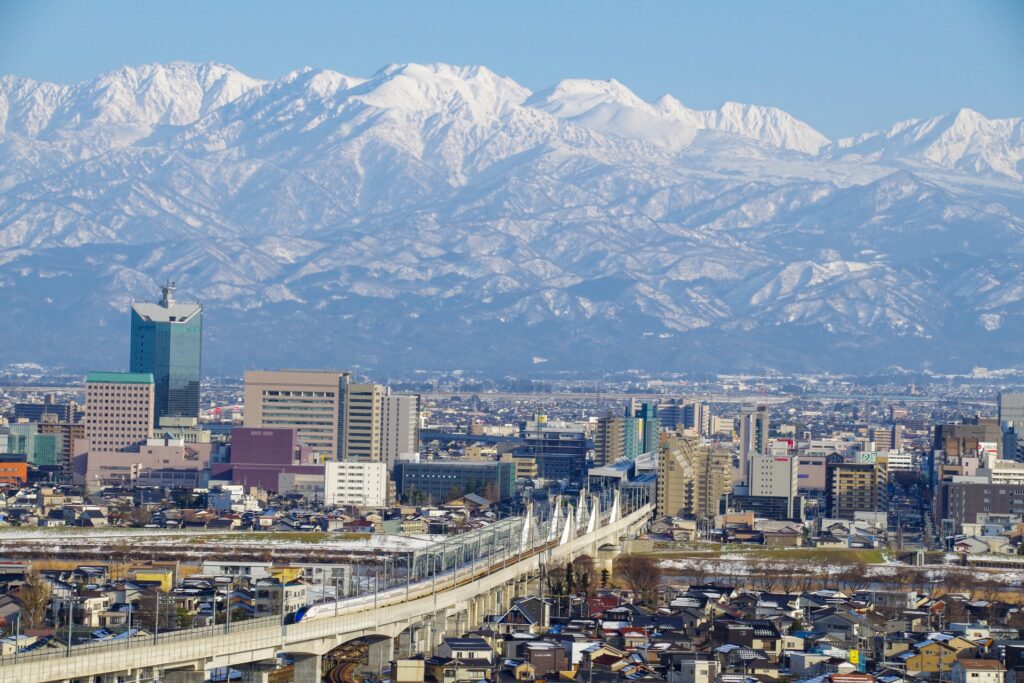


Toyama in January is fully enveloped in the profound silence of deep winter, a season where the landscape settles into a stunning, monochrome world of sculpted snow and frozen splendor. Having surrendered completely to the cold, the prefecture offers a travel experience defined by its extraordinary seclusion and majestic, unrelenting beauty. Here, the crisp, sub-zero air sharpens the view of the snow-laden Northern Alps, rewarding the dedicated traveler with the peak season's finest seafood and deepest tranquility. From exploring heritage villages encased in thick white blankets to finding restorative warmth in the steaming refuge of traditional ryokan, January invites you to witness Toyama at its most authentic, stark, and breathtakingly beautiful.
Weather in January
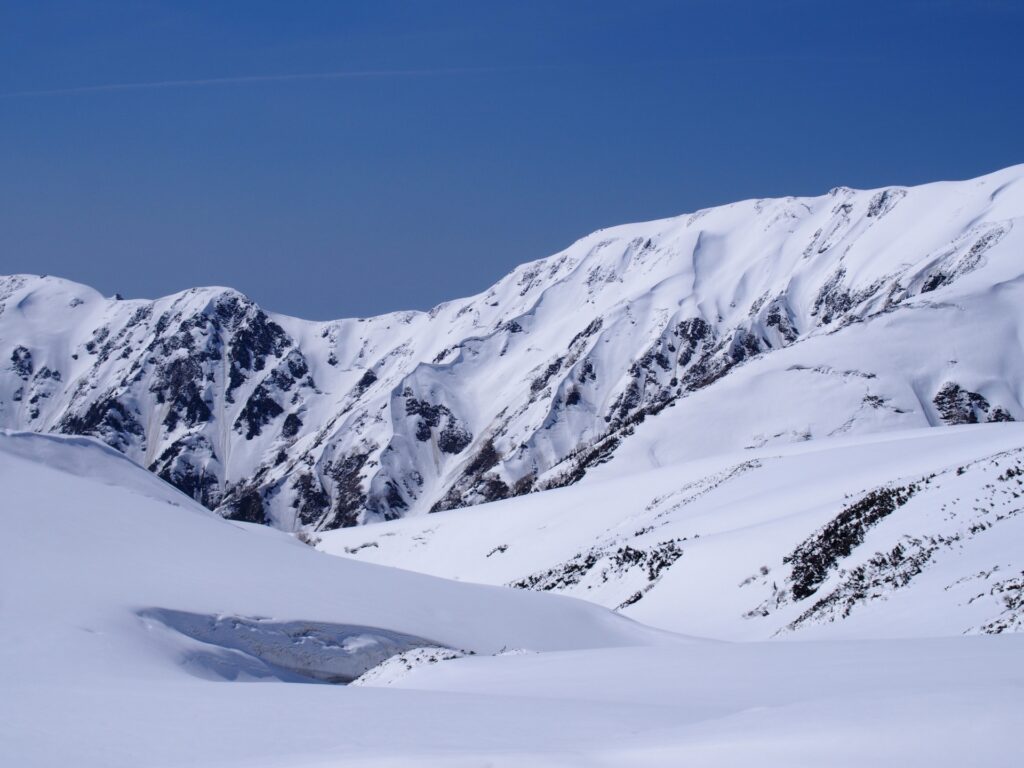
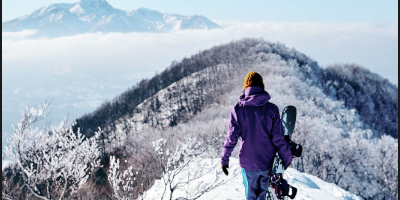
January solidifies Toyama's deep winter identity, bringing consistently colder temperatures and heavy, reliable snowfall across the entire prefecture. In the plains and coastal areas, daytime temperatures rarely climb above 5°C, and nights consistently drop to or below the freezing point, making widespread snow accumulation common even in the city. The high mountain regions, including the valleys of Gokayama and the slopes near Unazuki, are locked in severe winter conditions, with daytime highs typically remaining below -2°C and nighttime lows plunging significantly further. This constancy of cold ensures that snowfall is the norm, rapidly creating the iconic thick blankets of snow that define the region. Just a warning but serious, multi-layered winter gear is a must for all travel to Toyama.
Seasonal Highlights in January
Toyama Snowpiad White Illumination
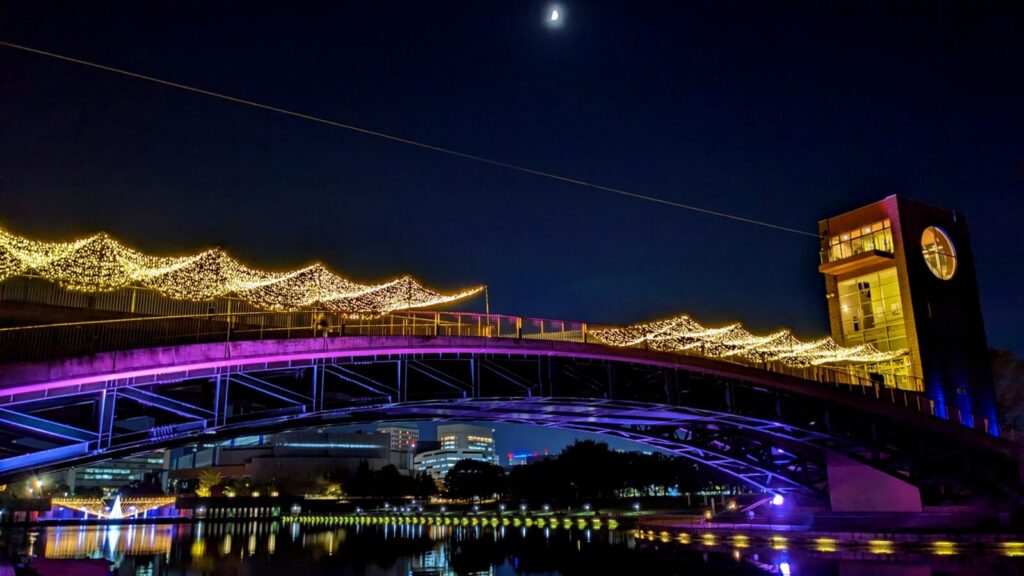
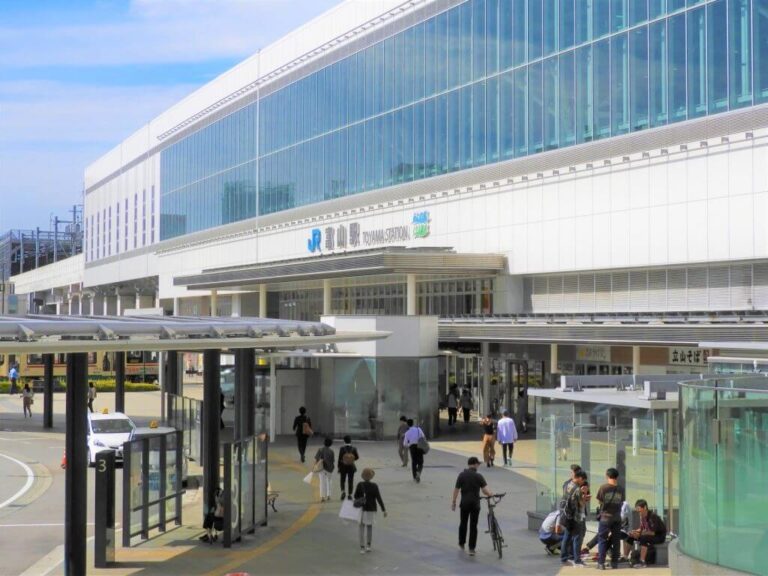
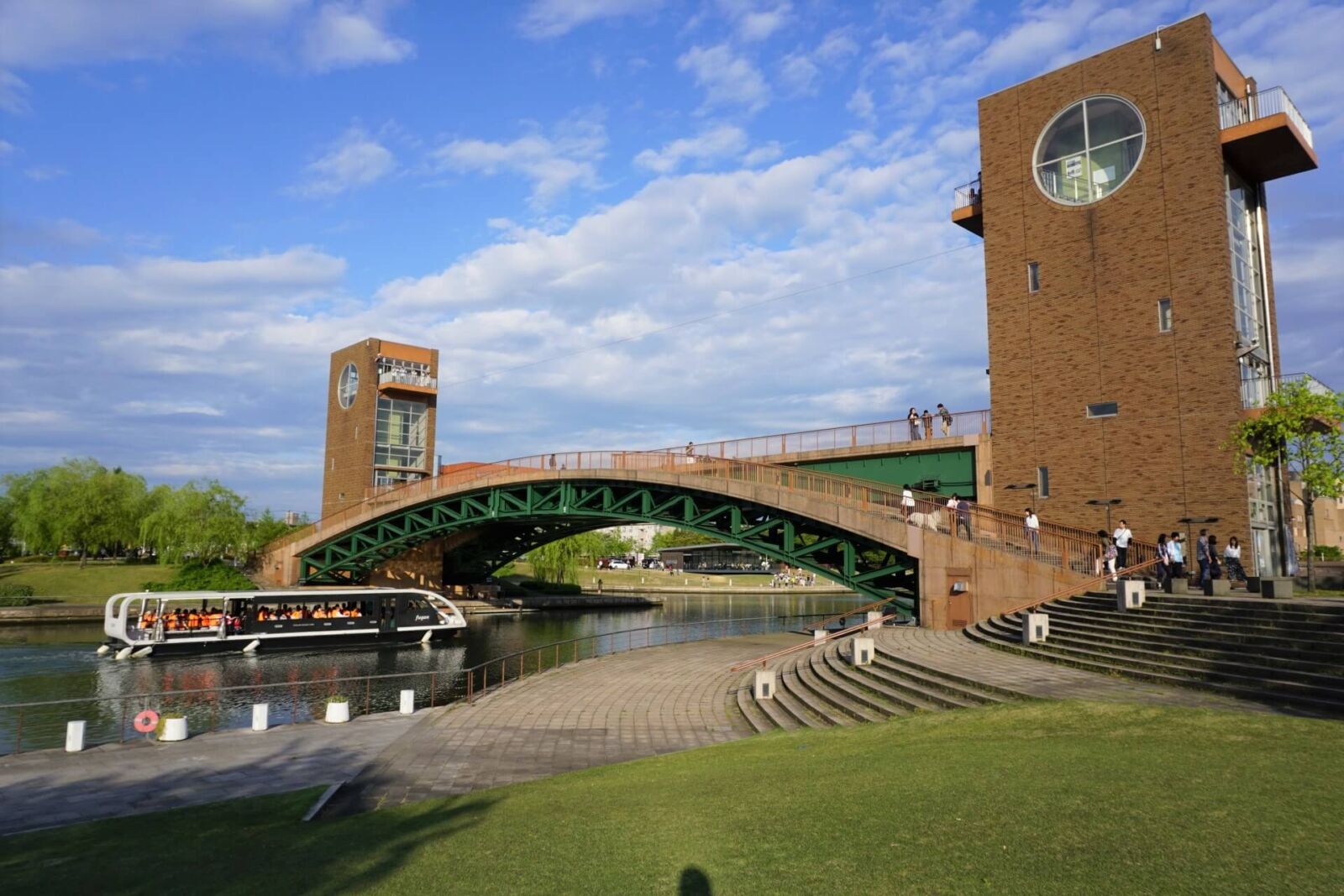
The deep, often snow-laden January chill is spectacularly countered by the ongoing Toyama Snowpiad White Illumination, which transforms the city center into a shimmering, festive urban landscape throughout the New Year. This brilliant display, runs from December and well into the winter season. It is concentrated around the Toyama Station South Gate area, the historic grounds of Toyama Castle Park and the Fugan Kansui Park. Thousands of elegant white and blue lights drape the trees and structures, casting a soft, spectacular ambiance that encourages a magical evening promenade, providing a warm, lively focal point against the silent, monochrome beauty of the deep winter city.
Beautiful Winter Snowscapes
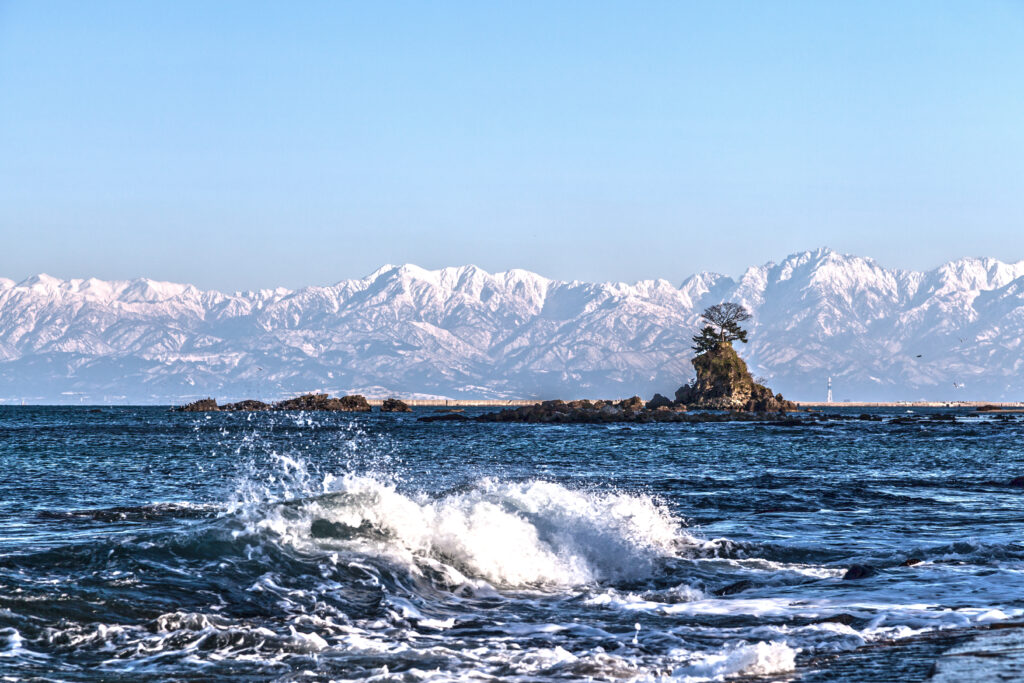
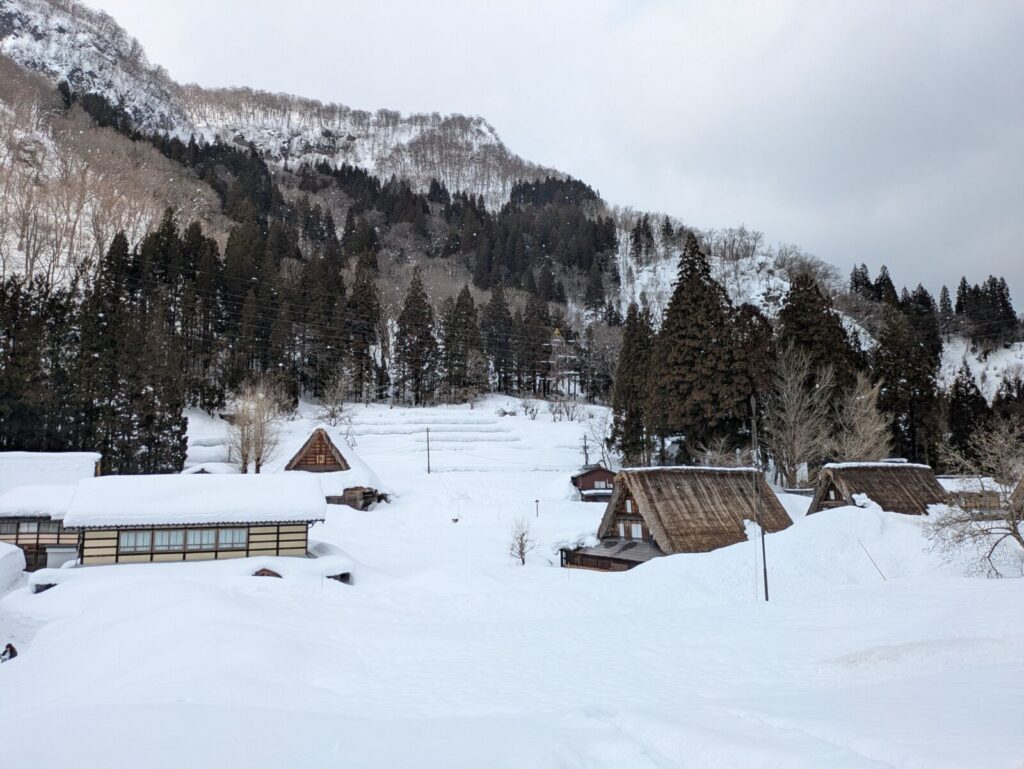
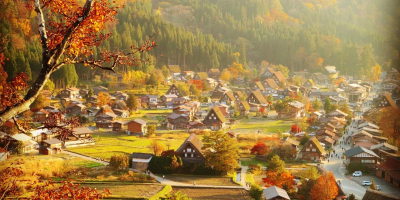
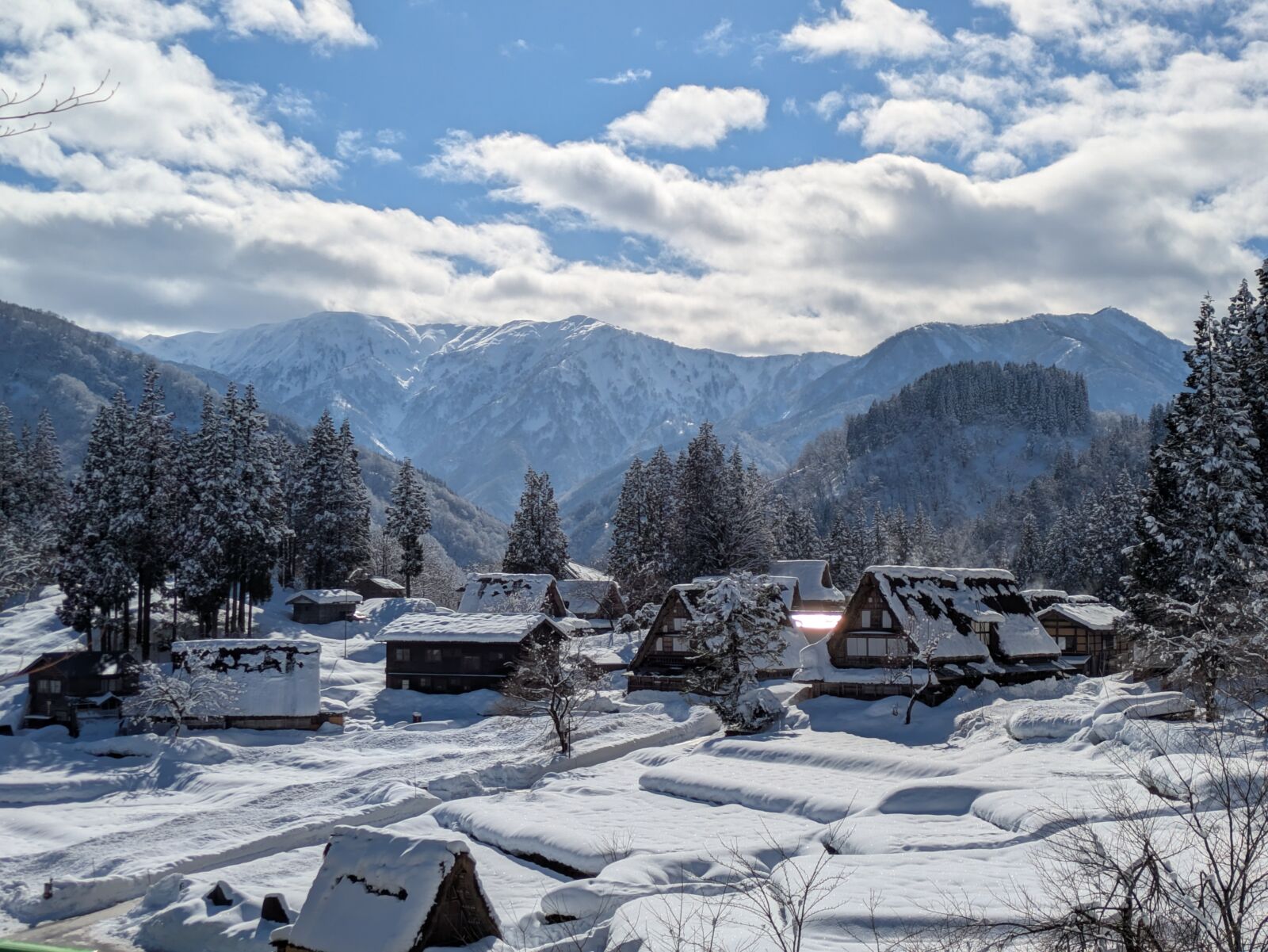
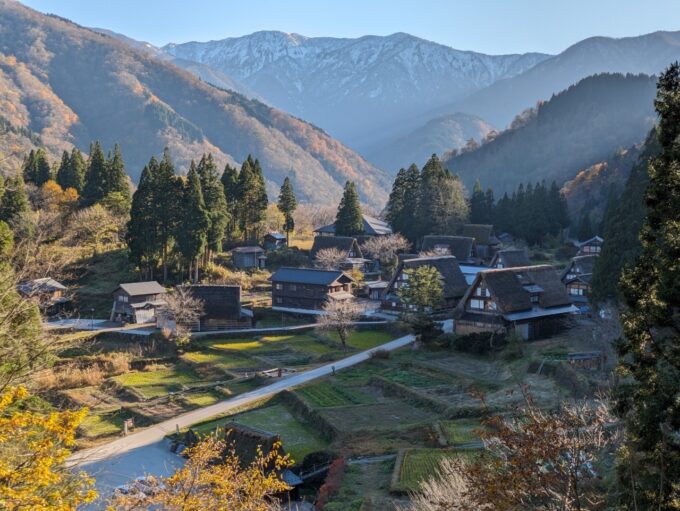
January settles the deep, unrelenting snow upon Toyama's inland geography, perfecting the region’s distinct and spectacular snowscapes. The UNESCO World Heritage villages of Gokayama—including Ainokura and Suganuma—are fully encased in the massive white accumulation of deep winter. This transforms the unique gassho-zukuri farmhouses into scenes of profound, silent isolation, where the thick, thatched roofs bear the heavy burden of snow in the valley, creating a picture of almost unbelievable, ancient tranquility.
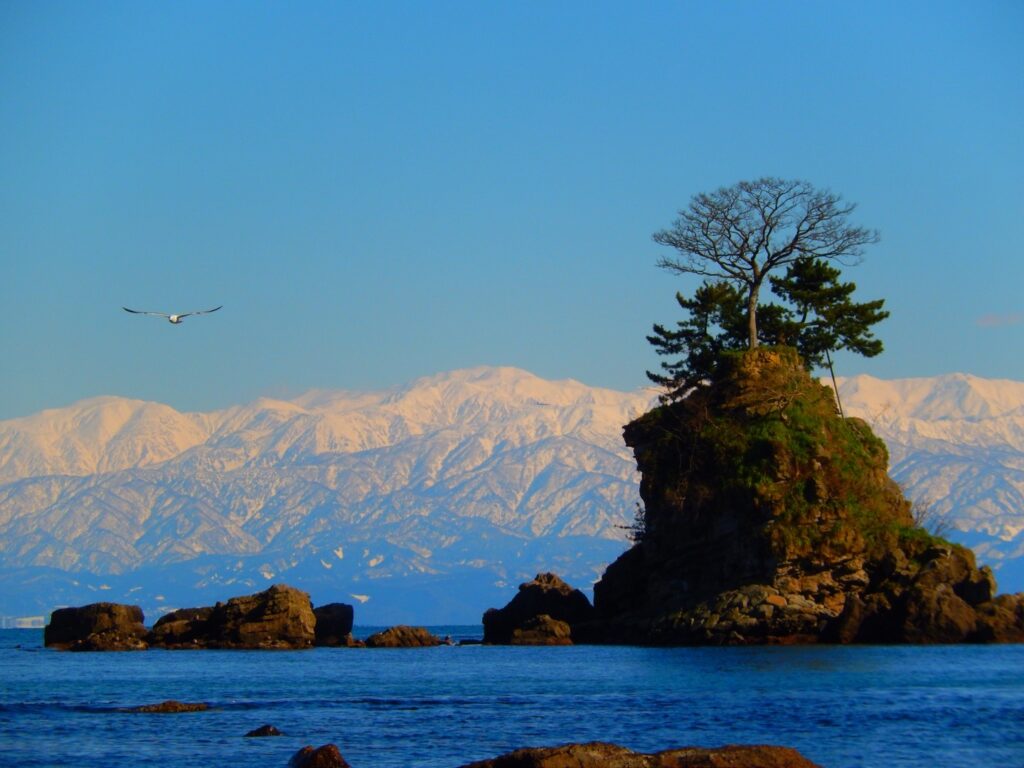
In striking contrast, the Amaharashi Coast near Takaoka offers a majestic vista unparalleled in Japan: the deep, clear winter air ensures optimal visibility, revealing the massive, snow-covered peaks of the Tateyama Mountain Range rising dramatically across the steely blue waters of Toyama Bay. This intense scene presents a stunning natural fusion of frozen, towering rock and the cold, restless energy of the sea, defining the ultimate beauty of Toyama's coastal winter.
Hot Onsen for the Chilly Weather
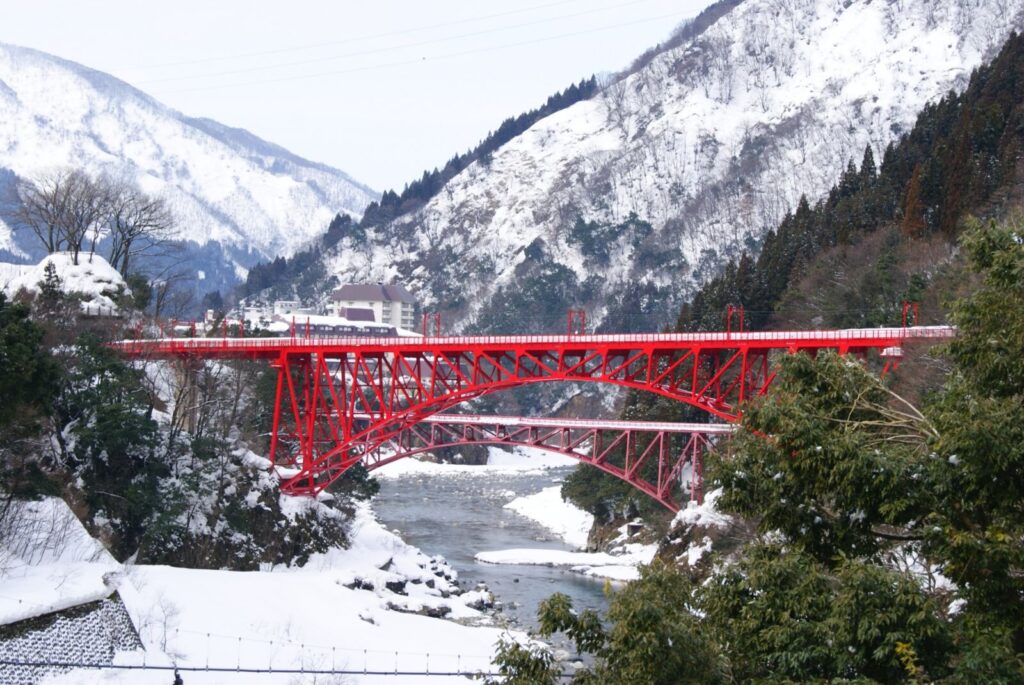
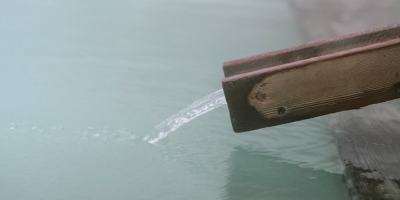
As the air turns crisply autumnal, the ultimate pleasure is relaxing in an open-air hot spring, often while surrounded by the season's beautiful foliage. Unazuki Onsen, famously situated near the entrance to the scenic Kurobe Gorge, remains an exceptionally popular destination for this rejuvenating experience. Beyond the Kurobe area, the prefecture hosts other equally tranquil options. For instance, in the southern mountains, Shogawa Onsen offers relaxing riverside baths that are perfectly set amidst the stunning autumn scenery of the Shogawa River valley. Additionally, for a truly secluded retreat, the unique Omaki Onsen provides an unforgettable, traditional experience, as it is solely accessible via a peaceful ferry ride across the Shogawa River.
Winter Seafood Delicacies
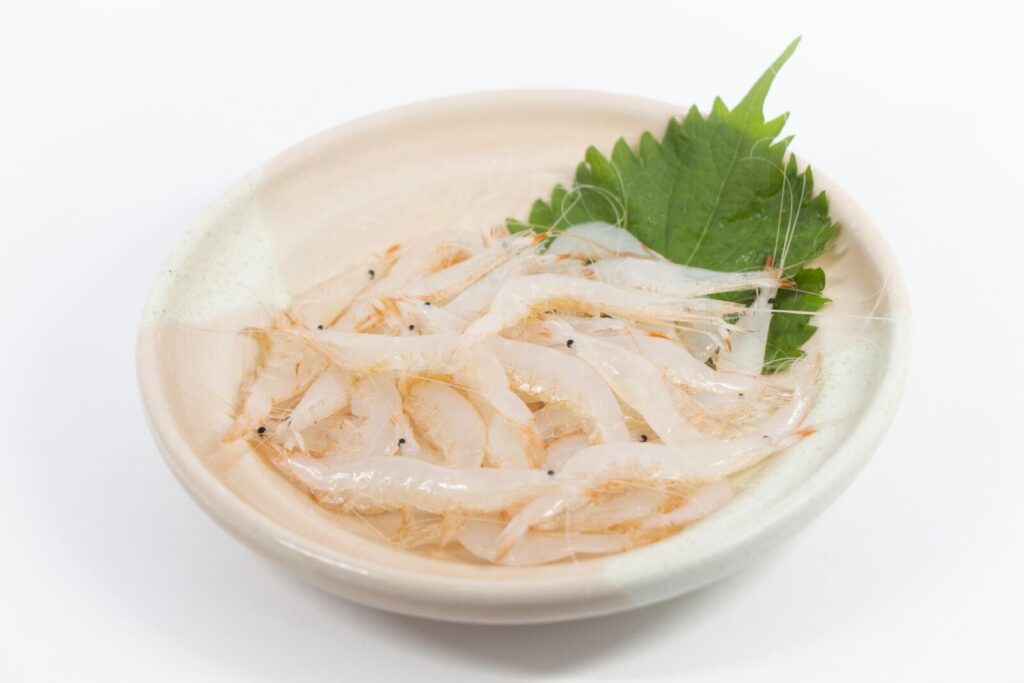
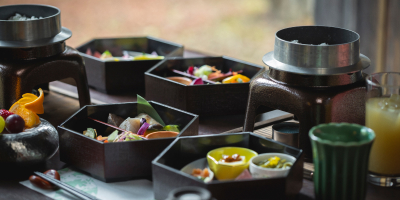
January’s deepening cold heralds the arrival of the supreme dining season in Toyama, dominated by the magnificent Kanburi (Winter Yellowtail). Sourced from the depths of Toyama Bay, this celebrated fish achieves its peak richness, presenting an unparalleled, melting texture and buttery flavor that defines winter luxury. Complementing this, the prized Beni-zuwaigani (Red Snow Crab) contributes its distinct, elegant sweetness to the regional table. Furthermore, the delicate Shiro Ebi (White Shrimp), the signature jewel of Toyama Bay, is often featured in rich winter preparations. These coastal treasures offer a high-quality dining experience that perfectly complements the unique atmosphere of the winter season.
Featured Tours in December
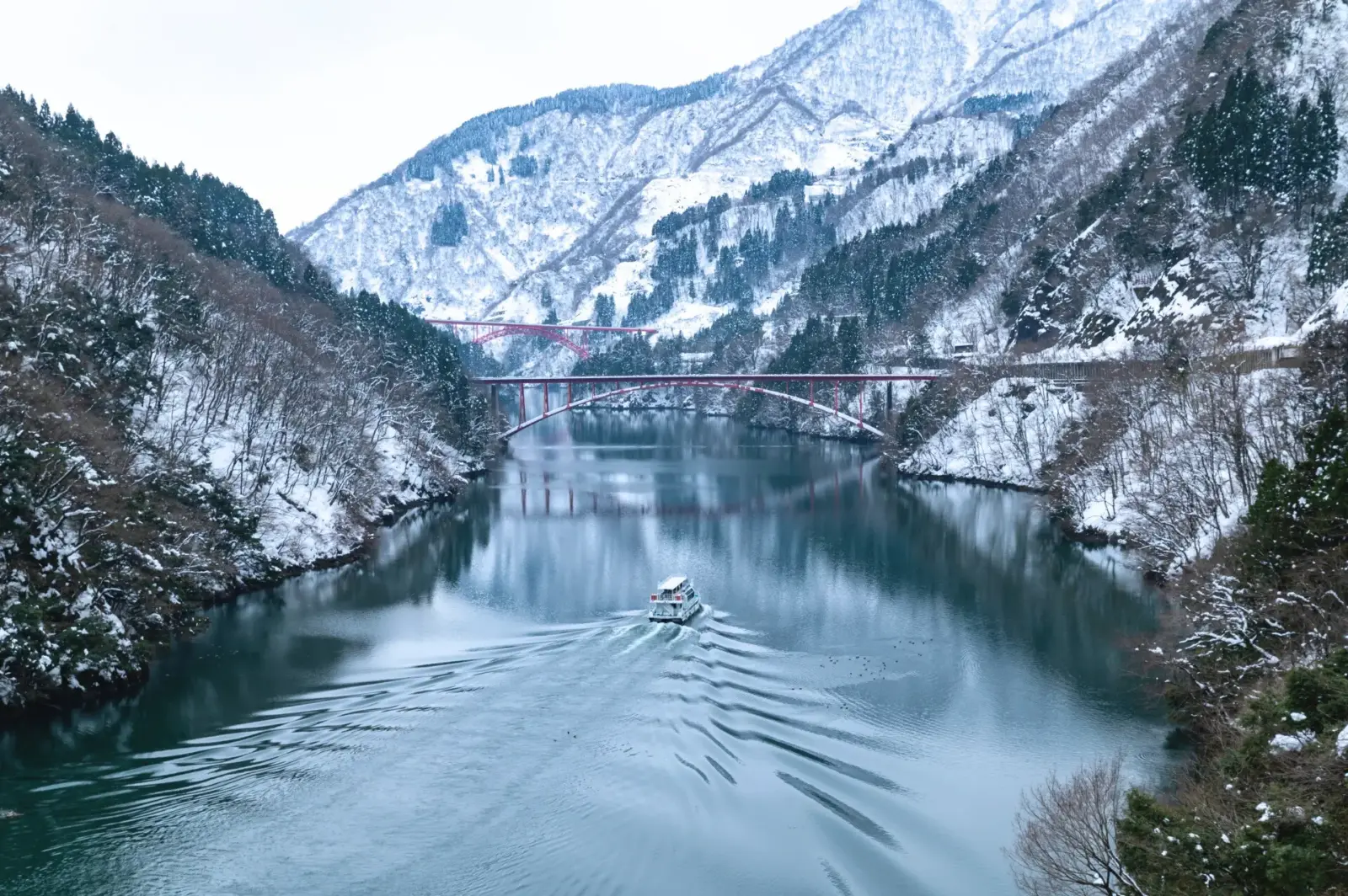
1 Day Tour from Kanazawa: Beautiful Amaharashi, A Big Buddha and the Shogawa Valley River Cruise
January is a great month for exploring the Amaharashi Coast and the historic city of Takaoka. With the landscape fully settled into deep winter, a stark and dramatic beauty emerges along the coast. The icy, clear air of mid-winter significantly increases the chances of witnessing the region's most iconic vista: the magnificent, fully snow-covered Tateyama Mountain Range rising across the dark blue waters of Toyama Bay. This tour beautifully combines stunning coastal scenery—now defined by snow and sea—with the rich cultural heritage of Takaoka, offering a perfect time to experience the region's serene, deep-winter atmosphere and the warmth of the city's history.
Highlights:
- Capture photos of the Amaharashi Coast, where the sea, mountains, and trees meet.
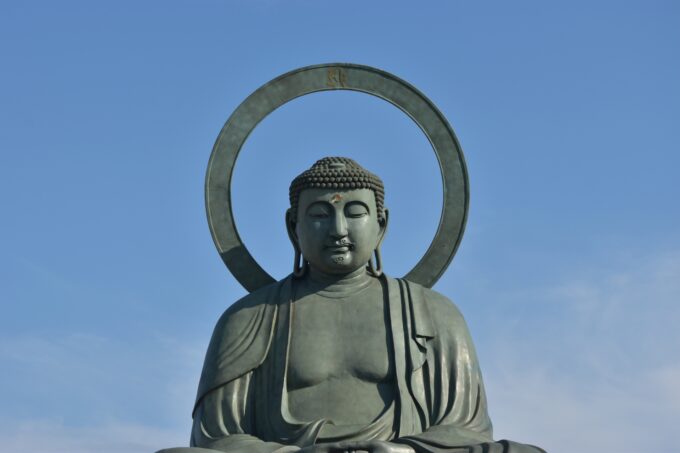
- See the famous Takaoka Big Buddha and the traditional streets of the city.
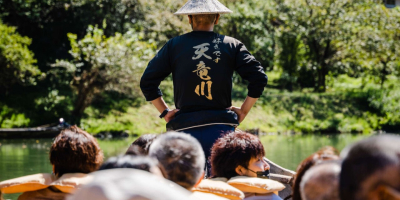
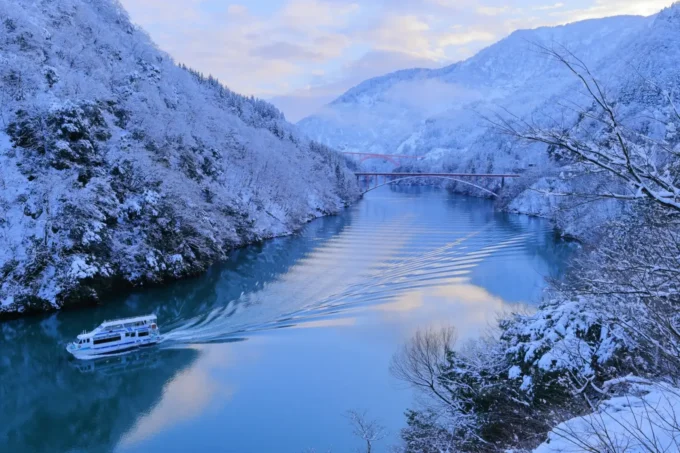
- Take a river cruise through the scenic Shogawa Valley.
Recommended
1 Day Tour from Kanazawa: Beautiful Amaharashi, A Big Buddha and the Shogawa Valley River Cruise
1 Day Tour from Kanazawa: Shirakawa-go, Gokayama and Wood Carving Village
January fully envelops the traditional Japanese countryside, turning it into a spectacular winter sanctuary where heavy snow defines the scene. The UNESCO World Heritage Sites of Shirakawa-go and Gokayama reach their peak seasonal beauty: the preserved gassho-style houses become utterly magical, encased in thick blankets of white. This profound, over 250-year-old history of Japan's farming communities is enhanced by the deep winter snowscape.
To balance the snowy exterior of the traditional villages, the tour includes a stop in the historic town of Inami, where the enduring tradition of woodcarving provides a warm, engaging contrast. Visitors can admire expert craftsmanship, particularly the intricate temple carvings, and even try their hand at Japanese style paper making, a local craft. This full-day bus tour from Kanazawa seamlessly navigates the deep-winter conditions, connecting the breathtaking, snow-covered majesty of the World Heritage homes with the unique, living artistic traditions thriving in the mountains.
Highlights:
- Visit the town of wood carvers in Inami, where you will walk through a street that is still home to masters of the craft and then see Zuisenji, a 300-year-old temple known for its beautiful carvings.
- Try your hand at traditional Japanese paper making in Gokayama.
- Explore the UNESCO World Heritage site village of Shirakawa-go and enter one of the homes to get more of a feel for the history and excellent craftsmanship of the area.
- ***December 27 - January 5rd: There is no papermaking experience on these days. We apologize for the inconvenience.***
Best Selling
1 Day Tour from Kanazawa: Shirakawa-go, Gokayama and Wood Carving Village
- Spots:
- KanazawaShirakawago
- Pick-up:
- Kanazawa
- Drop-off:
- KanazawaTakayama
More Ways to Visit Toyama
Beyond our guided tours, we provide private charters and flexible travel options to Toyama. These are an excellent choice for travelers who prefer a personalized itinerary or the comfort of a private vehicle. Charters are ideal for families, couples, or groups who want to experience the best of Toyama and the surrounding region with complete convenience and freedom.
COMING SOON!
Local News & Travel Updates
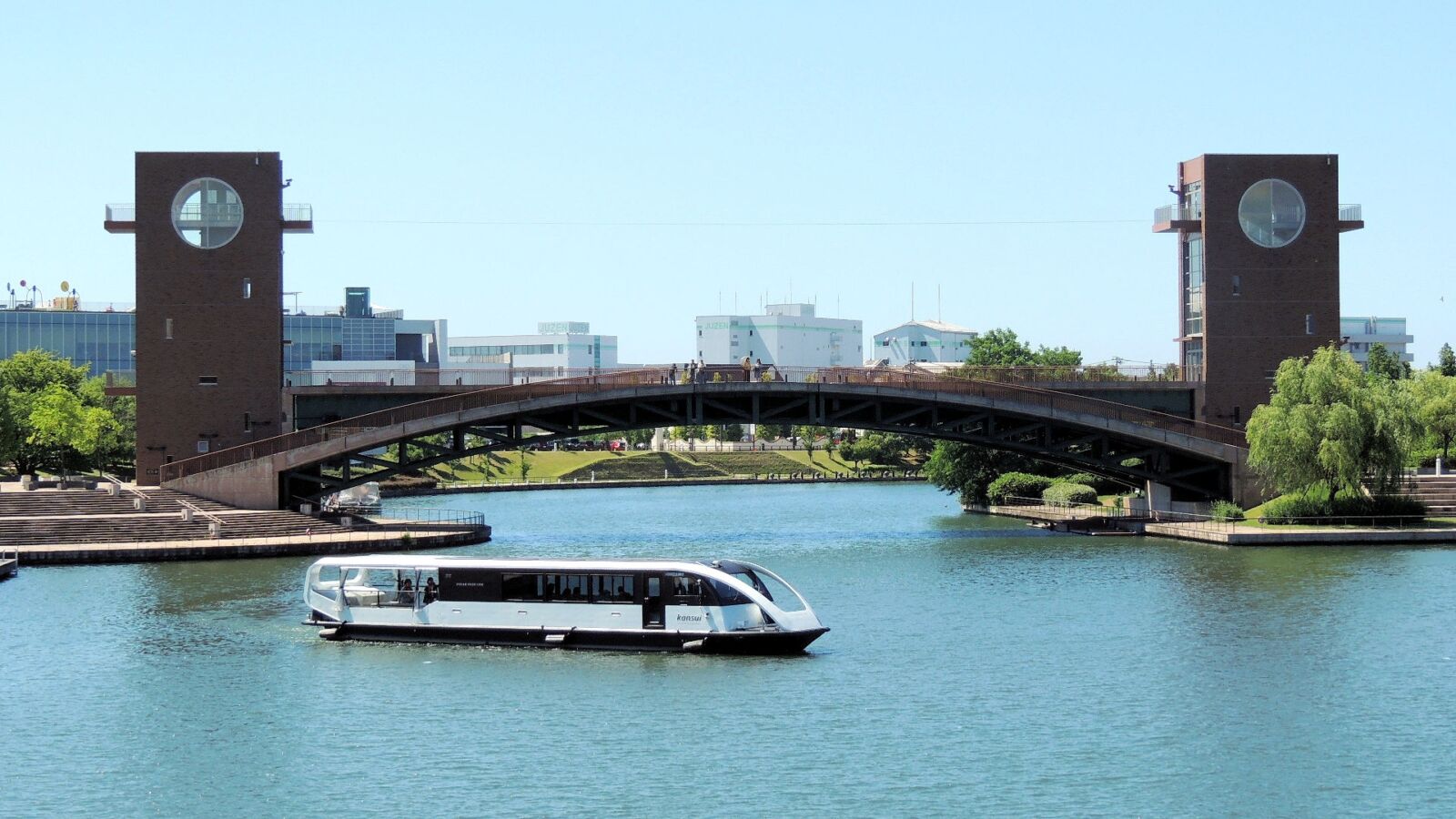
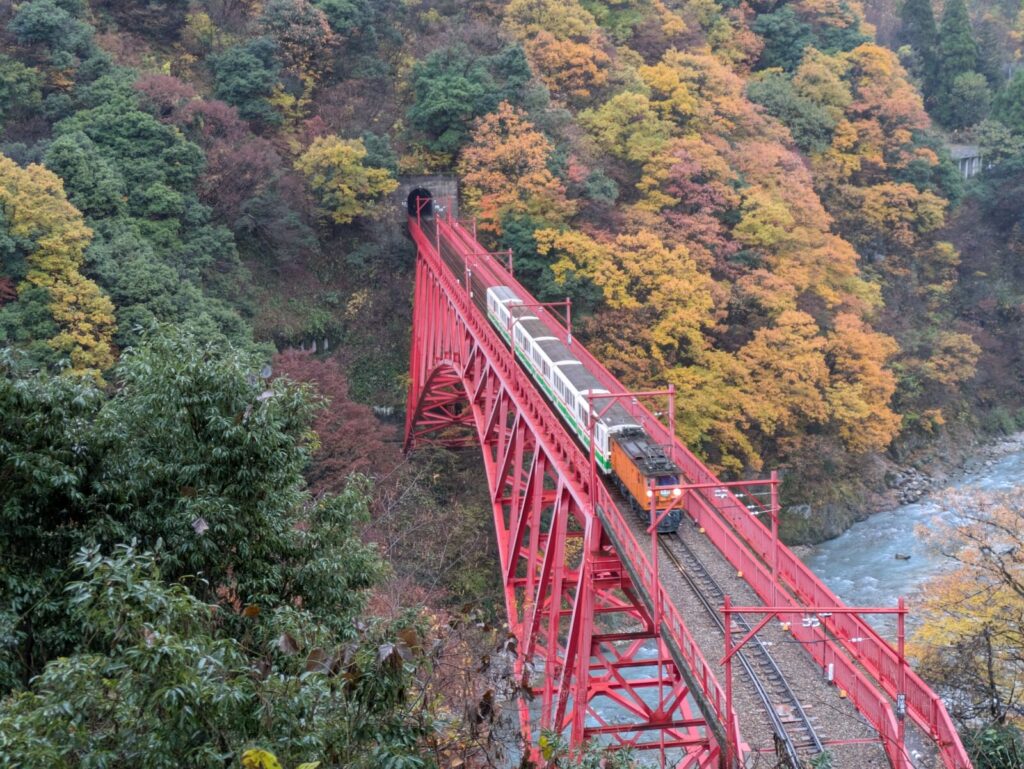
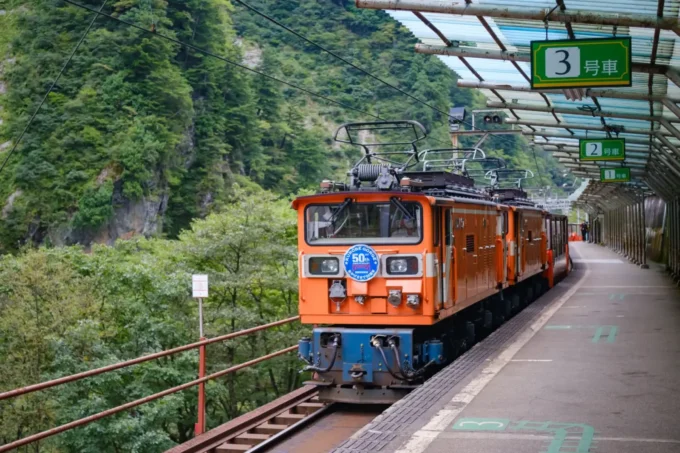
- Crowds & Travel Tips - January marks the peak of deep winter in Toyama, defined by consistently heavy snow and very cold temperatures. Seasonal sites, such as the Kurobe Gorge Railway, are closed, shifting the focus to indoor culture and snow-based activities. Museums such as the Toyama Glass Museum are great stops to escape the cold! The landscape is entirely covered in white, offering travelers fewer crowds and the most dramatic, peak snowscapes of the entire year.
However, the New Year's period can be quite busy with tourists but at the same time many businesses are closed.
- Transport Updates - In January, deep winter conditions strictly dictate transportation planning in Toyama. Seasonal routes, including the Kurobe Gorge Railway and the Tateyama Kurobe Alpine Route, remain closed. While central areas are accessible, all travel—even in the lowlands—requires caution due to consistent snow and ice. Reaching mountain destinations like Gokayama or secluded hot springs is challenging, necessitating specialized winter preparations, such as mandatory snow tires, and, ideally, four-wheel-drive vehicles.
- Onsen Towns in Season - January is the optimal month for experiencing Toyama's hot springs, which offer an essential warm refuge from the extreme winter cold amidst heavy snow. Accessible resorts like Unazuki Onsen remain popular, especially since seasonal gorge baths are closed. Travelers can also visit Shogawa Onsen for relaxing riverside baths with deep snow views, or seek isolation at the unique Omaki Onsen, a secluded resort accessible only by a scheduled boat journey on the Shogawa River.
Where to Stay in January
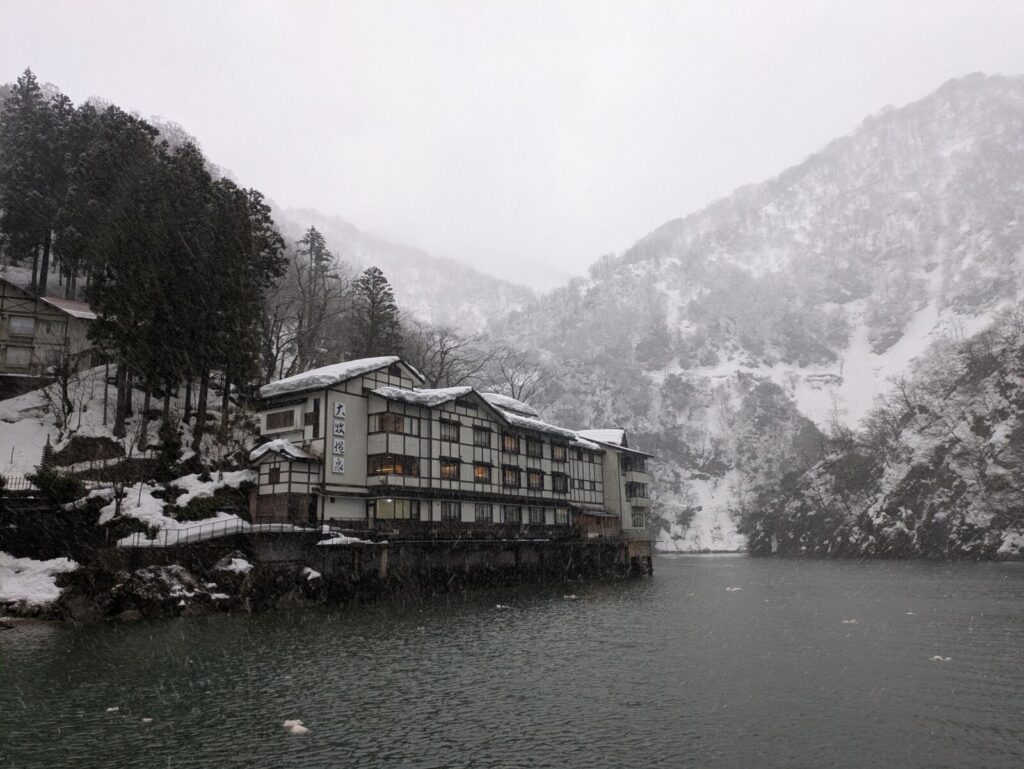
Choosing an accommodation base requires strategic planning for January's deep winter conditions, prioritizing warmth and seamless access to Toyama's primary draws. For an immersive experience, consider a cozy ryokan in a hot spring town like Unazuki, which offers essential steaming refuge and direct views of the heavy snowpack. Alternatively, staying at traditional inns near the Gokayama region guarantees early access to the magnificent, secluded gassho-zukuri snowscapes.
In contrast, selecting a modern city hotel near Toyama Station provides the most optimal logistical base for deep winter travel. This location ensures quick access to key transport hubs and proximity to the ongoing illumination display and celebrated local dining. Planning your stay thoughtfully ensures you select the perfect base that aligns with the season's primary rewards: guaranteed warmth, stability against challenging roads, and unparalleled access to the peak winter seafood.
- Toyama City – Toyama City serves as an excellent base for exploring its own vibrant urban attractions, like the winter illuminations, while offering crucial, convenient access to the region's most celebrated January features, from the serene, snow-dusted gassho villages of Gokayama to the coastal ports of Himi, where the season's finest seafood awaits.
- Unazuki Onsen – Staying in Unazuki Onsen in January is ideal for travelers who seek a steaming, luxurious refuge, offering serene open-air baths where one can immerse themselves in the deep winter chill while observing the snow-dusted banks of the Kurobe River.
- Takaoka – An excellent choice for those interested in exploring the city's rich history and traditional crafts, while also being well-positioned to visit the nearby Amaharashi Coast
- Gokayama – Ideal for those seeking a tranquil and traditional experience, as you can see the World Heritage gassho-zukuri farmhouses beautifully framed by a pristine blanket of the season's first snow, enhancing their profound and ancient beauty.
Wherever you choose to stay, winter is one of the busiest times of year, so it’s best to make arrangements well in advance. For more guidance, see our Best Places to Stay in Toyama.
Plan Your January Visit to Hokuriku
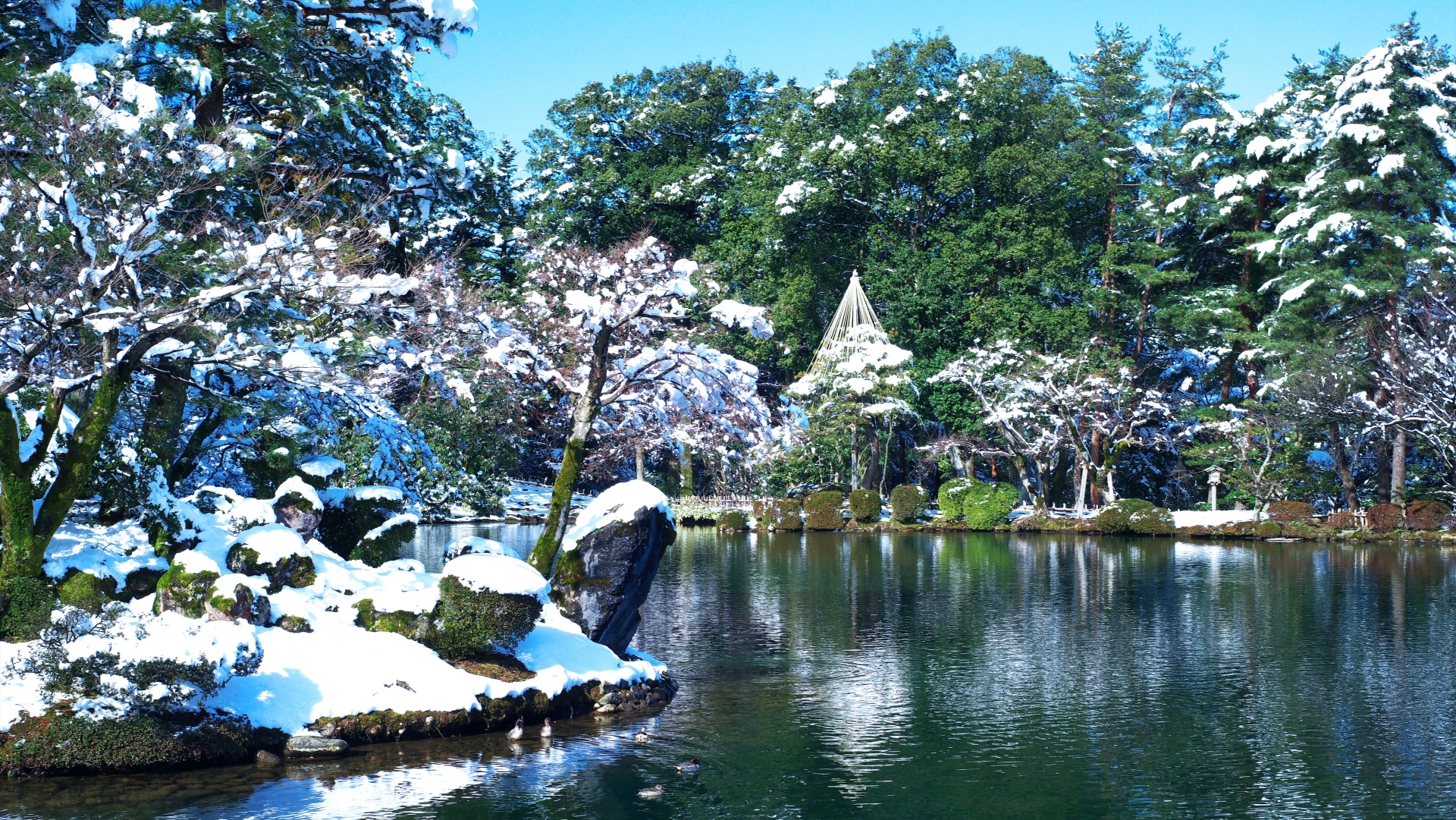
January brings deep winter peace to the Hokuriku region, where culture and nature truly shine in the elegance of deep winter. In Kanazawa, the iconic Kenrokuen Garden is transformed into a world-class snowscape: the intricate yukitsuri (snow ropes) create dramatic, sculptural artistry against the heavy white mantle. Meanwhile, the historic teahouse districts, like Higashi Chaya, gain an irresistible, cozy charm, their wooden facades glowing warmly against the deep winter chill.
Further south, the majestic Eiheiji Temple in Fukui stands framed by ancient cedars and constant snowfall, lending an atmosphere of spectacular silence and meditative grandeur to the remote scene. With so much profound beauty to access and the specific challenges of deep-winter travel, strategic planning remains the key to maximizing the trip. This means securing warm accommodation and transport early, or considering a guided tour to seamlessly navigate the heavy snow and reserve celebrated dining experiences across the region.