




Sapporo is the prefectural capital of Hokkaido, which is Japan's northernmost and largest prefecture. The city's northern location and proximity to Siberia allows for Sapporo to receive approximately 5 meters (16 feet) of snowfall every winter! Incredibly, Sapporo is also Japan's 5th largest city, boasting a population of nearly two million. As Hokkaido's largest city there is plenty to do all year 'round — in this page we'll touch on 30 of our favorite Things to Do in Sapporo.
Best Things To Do in Sapporo
As the largest city north of Tokyo it is subject to a long, cold winter, but this just sets the stage for world-class seasonal events. These winters are then followed by short, pleasant summers. Whatever time of year you visit, there will be no shortage of things to do. Known especially for its food, drink and nightlife, Sapporo is well-worth exploring while you're in Japan. Here at Snow Monkey Resorts, we have compiled a list of our top suggestions to give you inspiration and to help you plan your trip! The suggestions below include activities included on our tours and some additional activities in the City of Sapporo.
1 / Sapporo Snow Festival / February
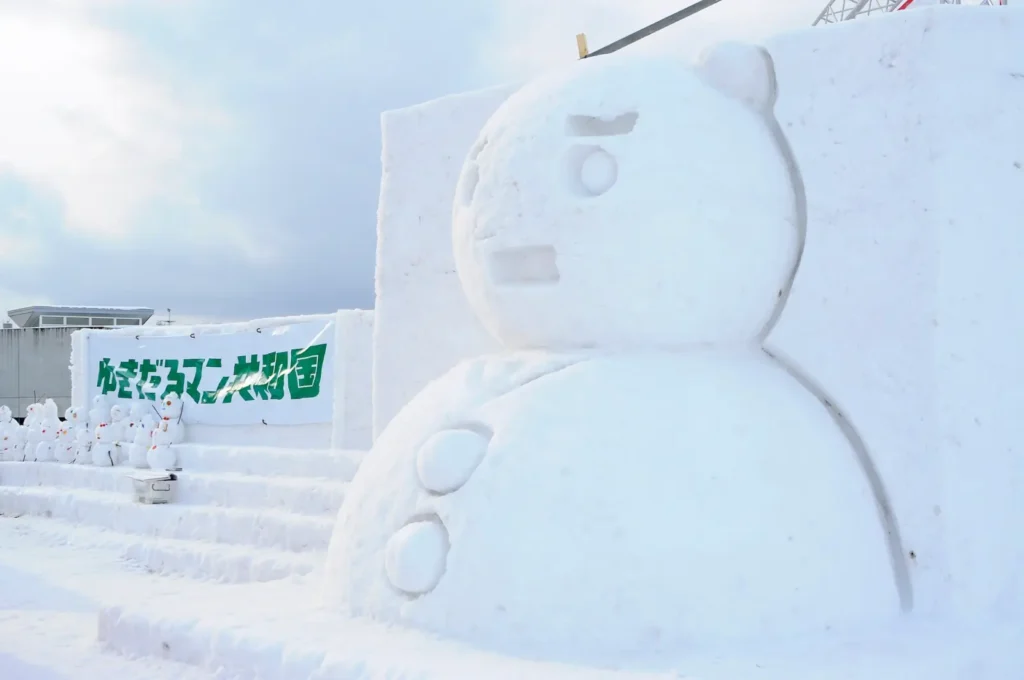
The Sapporo Snow Festival, held every February, is one of Japan’s most famous winter events. It transforms Sapporo into a snowy wonderland featuring massive snow and ice sculptures, light displays, and winter activities. The festival spans two main sites, with the main one in Odori Park, showcasing towering snow creations, often themed around pop culture, history, or world landmarks. The festival is most famous for its huge ice and snow sculptures, some measuring up to 15 meters in height and 25 meters across. The Susukino site focuses on various carved ice statues. The Odori and Susukino sites are illuminated until 22:00 daily. The Sapporo Snow Festival draws millions of visitors annually! It is a celebration of art, winter, and Hokkaido’s unique charm each year in February. Stunning!
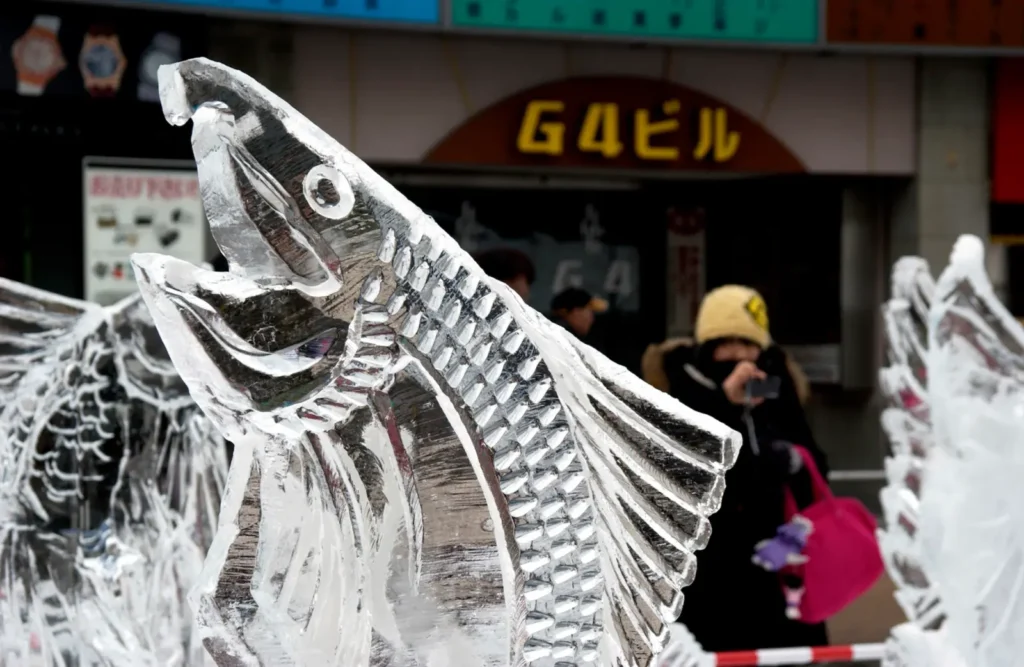
The Susukino Ice Festival, as part of the larger Sapporo Snow Festival, transforms into a glittering gallery of ice sculptures, all illuminated nightly. Located just one subway stop south of Odori Park, this area showcases around 100 intricate ice creations, ranging from mythical creatures to pop culture icons. Artists from around the world compete to carve stunning frozen masterpieces. Sip warm drinks in a bar made entirely of ice—yes, even the glasses. Nighttime Illumination: The ice sculptures glow under colorful lights, creating a surreal, romantic atmosphere. Both Odori and Susukino offer a rare blend of creative spectacle, seasonal charm, and authentic Hokkaido hospitality, making The Sapporo Snow Festival one of Japan’s most iconic and unforgettable winter experiences.
2 / Susukino / all year round
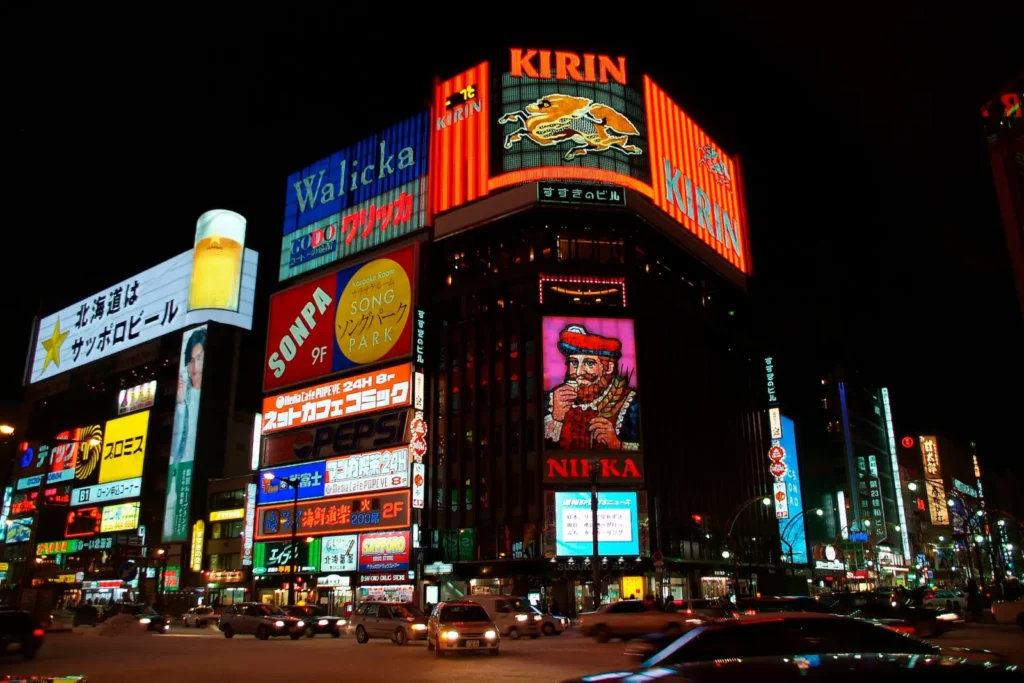
Susukino is Sapporo’s vibrant entertainment district, famous for its neon lights, bustling nightlife, and endless variety of restaurants, bars, and izakaya. Known as one of Japan’s largest entertainment quarters, it offers everything from gourmet Hokkaido seafood and ramen alleys to karaoke, craft cocktails, and lively nightclubs. In winter, Susukino transforms into a sparkling wonderland with the Susukino Ice Festival, where breathtaking ice sculptures line the streets, illuminated against the snowy backdrop. Whether you’re here to taste local flavors, explore the nightlife, or marvel at frozen artistry, Susukino is the energetic heart of Sapporo after dark.
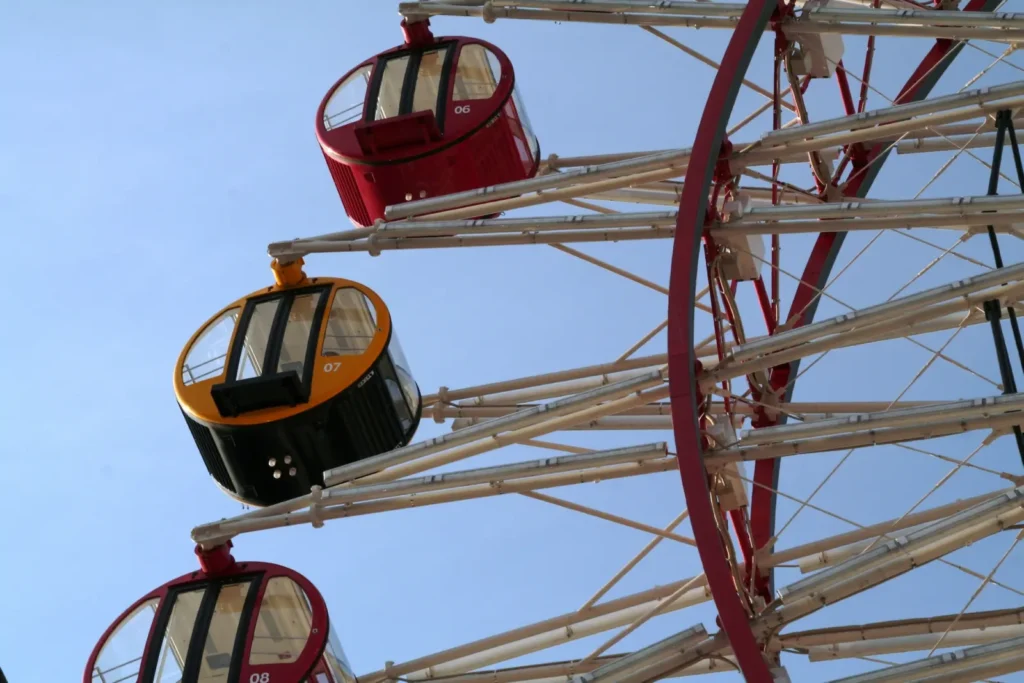
The Norbesa Ferris Wheel, is a “skyward gem” and a standout attraction in Sapporo, offering visitors a unique perspective of the city. Located atop the Norbesa commercial department store complex in the vibrant Susukino district, this Ferris wheel stands as Hokkaido's first rooftop Ferris wheel, reaching a height of 78 meters (255 feet) above ground. The 10-minute ride offers 360-degree views of Sapporo's skyline, including landmarks like the Sapporo TV Tower and Mount Moiwa. From the gondolas, you can admire the city's expansive urban landscape, the surrounding mountains, and the bustling streets below. Whether it's the daytime clarity or the nighttime glow, the Ferris wheel provides a dynamic and captivating perspective of Sapporo's skyline.
3 / Susukino Ramen Alley / all year round
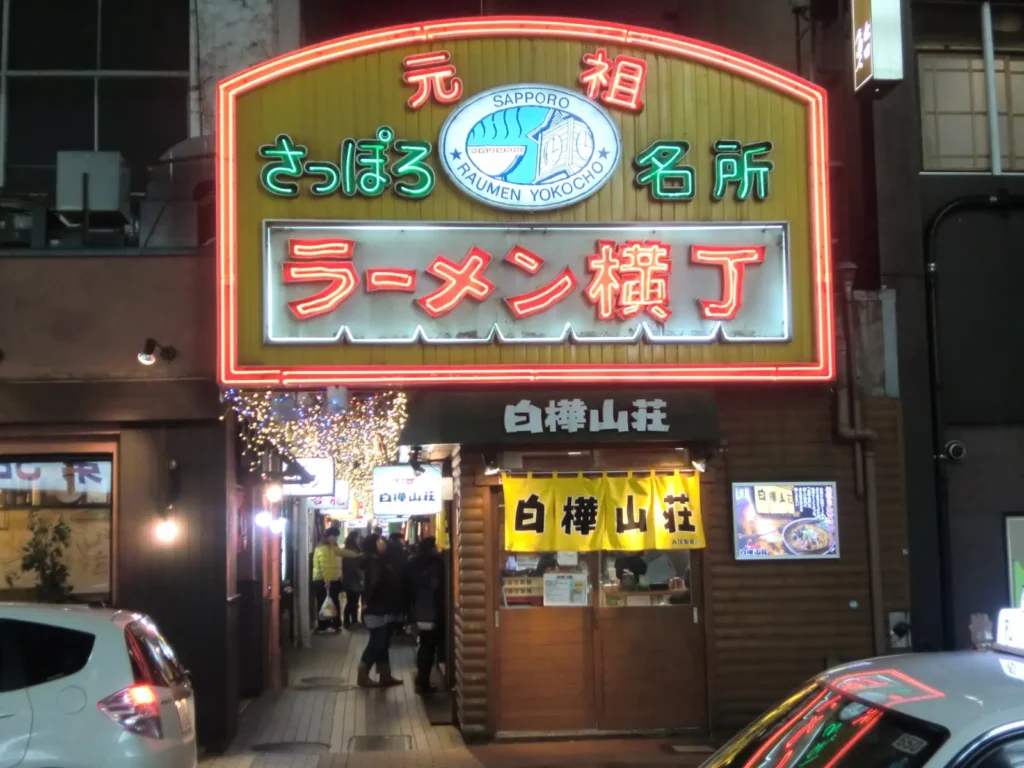
Ramen Alley is a legendary Sapporo culinary destination tucked into a narrow street in Susukino. Dating back to the 1950s, it started as a small cluster of ramen shops catering to local workers and has since grown into a must-visit food alley for tourists. The alley is lined with dozens of tiny, family-run shops, each with its own secret recipe, giving visitors a unique experience at every stop. Taste the city’s signature miso ramen, rich with buttery corn and tender pork slices.
4 / Tanukikoji Shopping Arcade / all year round
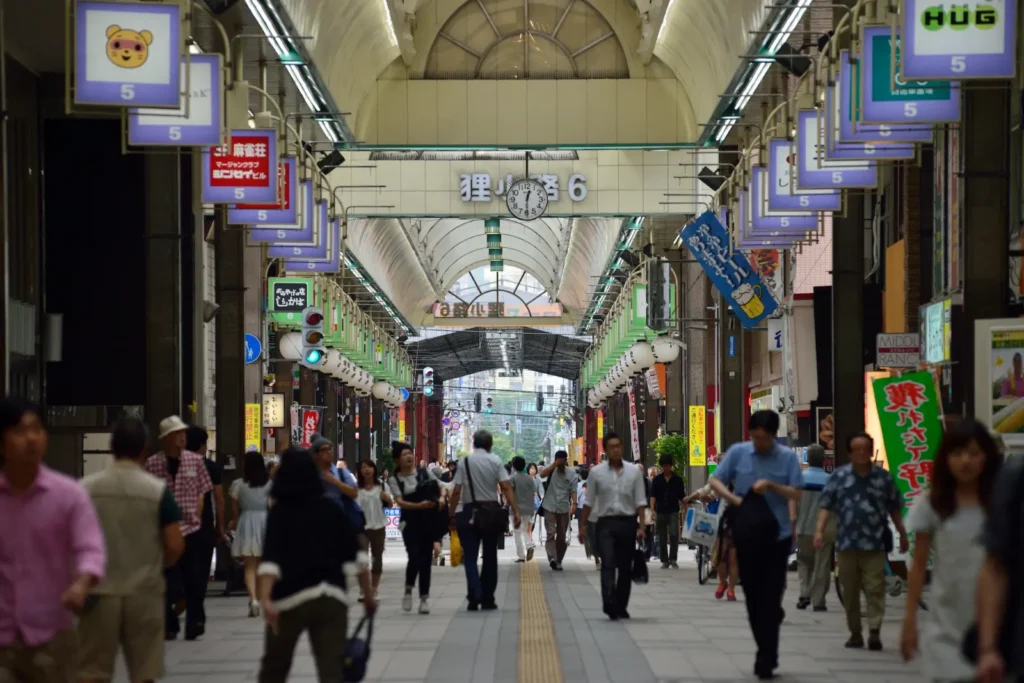
Tanukikoji Shopping Arcade is a vibrant 1 km-long pedestrian street in central Sapporo, lined with over 200 shops and eateries. It's a fantastic place to explore, offering a mix of traditional and modern experiences. One spot of interest to explore mighht be Don Quijote, a tourist favorite. Don Quijote is a quirky discount store packed with everything from quirky gadgets to snacks and souvenirs. It's a treasure hunt experience in itself! Guaranteed you will find things to buy as well as having loads of fun in this store! Along Tanukikoji Shopping Arcade, visitors will have an ample selection of stores in which to purchase unique Hokkaido-themed souvenirs to take home.
5 / Odori Park / all year round
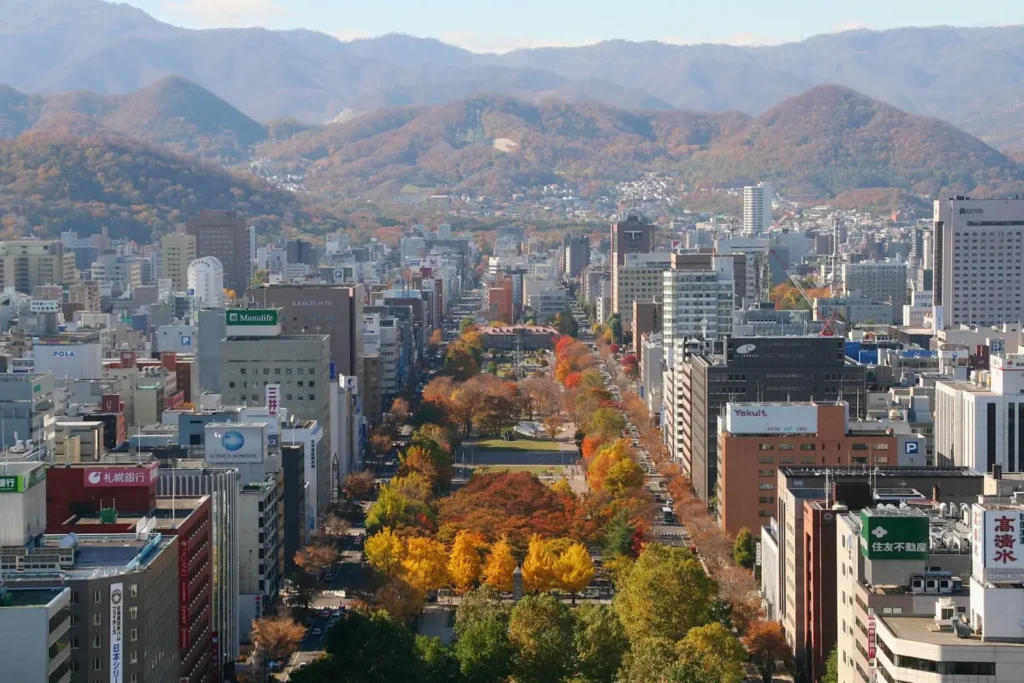
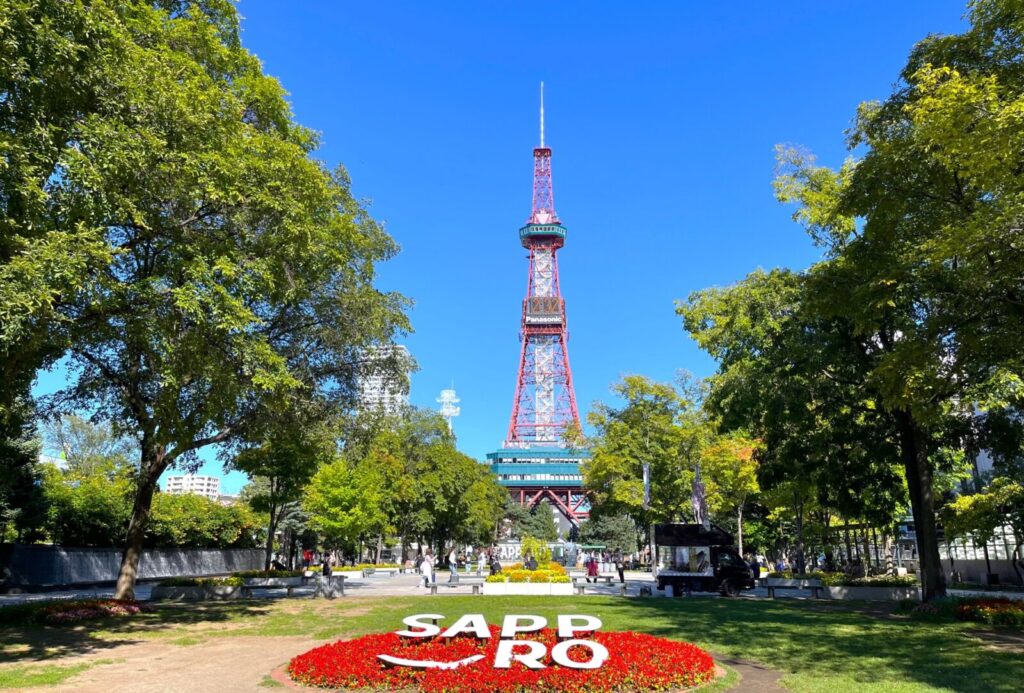
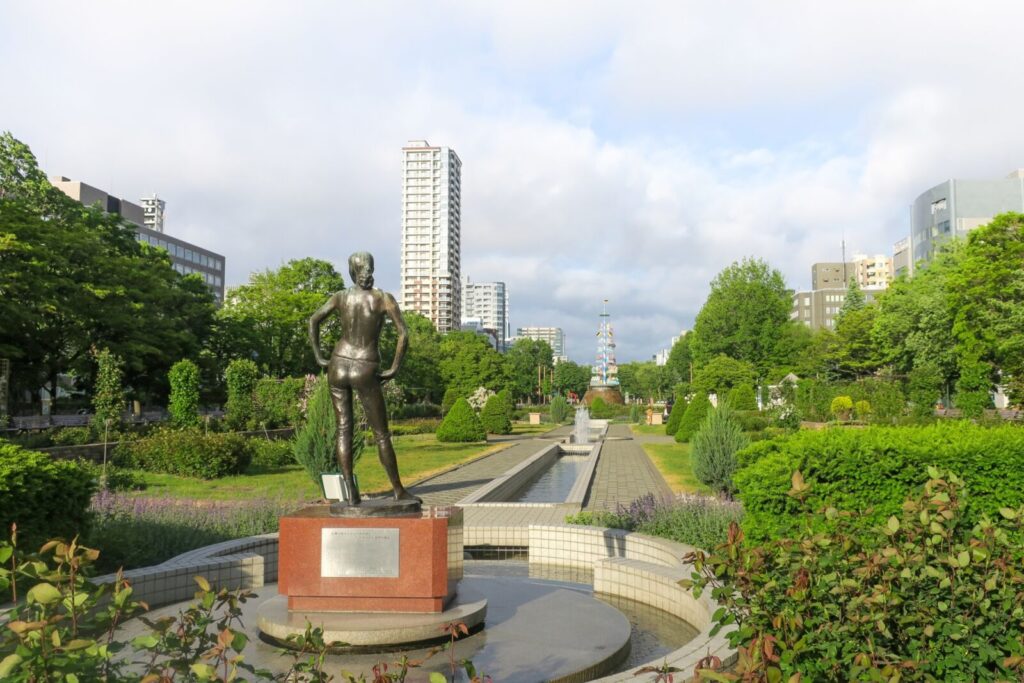
Odori Park stretches 1.5 km through the heart of Sapporo, acting as the city’s green oasis and cultural hub. Lined with fountains, gardens, and seasonal flower displays, it hosts major events like the Sapporo Snow Festival in winter and the Lilac Festival in spring. Highlights include the iconic Sapporo TV Tower at the eastern end, elegant sculptures, and open spaces perfect for strolling or relaxing. With its blend of nature, art, and city views, Odori Park is both a scenic retreat and a window into Sapporo’s lively urban life.
6 / Sapporo TV Tower / all year round
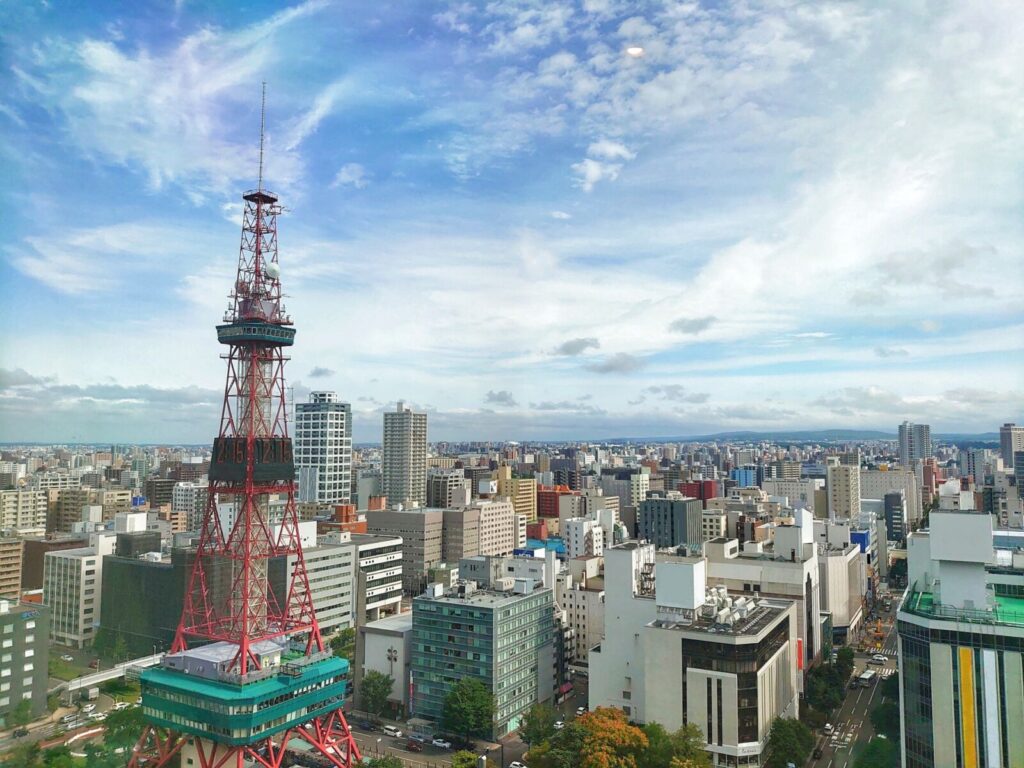
Built in 1957, the Sapporo TV Tower is a broadcast tower which stands at approximately 147 meters tall (some sources cite 144 meters). Designed by the renowned architect Tachū Naitō—also known for Tokyo Tower—it has become an iconic landmark of Sapporo. It marks the eastern gateway of Odori Park, the green heart of downtown Sapporo that stretches about 1.5 km through the city.

7 / Sapporo Clock Tower / all year round
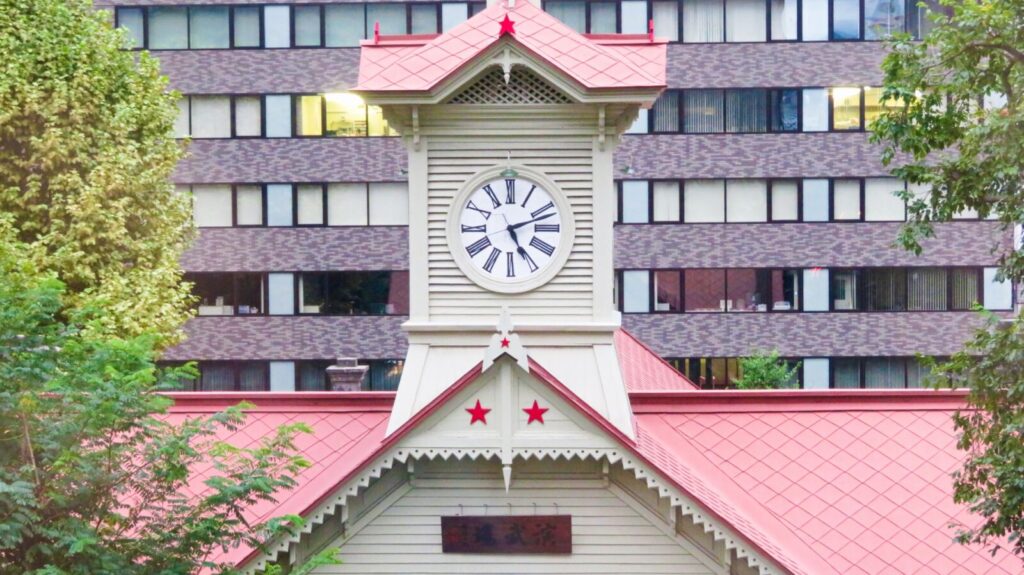
The Sapporo Clock Tower (札幌時計台, Sapporo Tokeidai) is one of the city’s most iconic landmarks and symbols. Built in 1878 as part of the former Sapporo Agricultural College (now Hokkaido University), it originally served as a drill hall and assembly space for students. The clock mechanism, imported from Boston in 1881, still keeps time today, making it one of the oldest working clocks in Japan. Architecturally, the building reflects a simple American wooden style of the late 19th century, a rare sight in Japan, with its red roof, white walls, and prominent clock face on all four sides of the tower. Now preserved as a museum, the Clock Tower offers exhibits on Sapporo’s early development and the history of the building itself. Though modest in size, it’s a beloved cultural asset and a must-see photo stop just a short walk from Odori Park in downtown Sapporo.
8 / Court of Appeals Museum / all year round

Hokkaido Appeals Court Museum Building, with its elegant Western-style architecture, offers visitors a glimpse into Hokkaido’s judicial history. The building, constructed in 1926, is recognized for its Western-style architecture—a rarity in the region, blending with traditional Japanese elements. It now hosts a range of exhibitions, including contemporary art, historical artifacts, and cultural displays, celebrating both Hokkaido’s heritage and international connections. This small museum at the far end of Odori Park, is usually overlooked by visitors. However, it provides context on the development of the legal system in northern Japan, making it both an excellent educational and photogenic stop in the city. In all honesty, quite a “hidden gem”. Highly recommended as you stroll Odori Park.
9 / Sapporo Factory / all year round
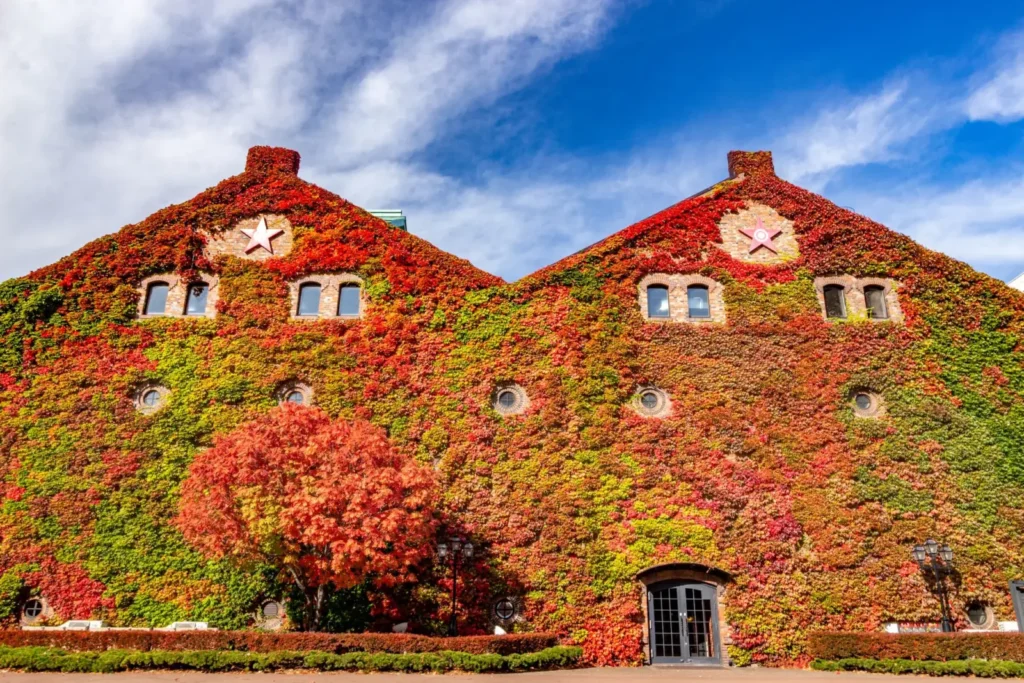
Originally established in 1876 as the Sapporo Brewery, this red-brick complex is the birthplace of Japan’s iconic Sapporo beer. In 1993, this original brewery was transformed into what we today call Sapporo Factory. It is now a vibrant mix of shopping, cafés, and cultural spaces, while carefully preserving its historical architecture. A highlight within the complex is the Original Beer Museum, housed in one of the former brewery buildings. Here, visitors can learn about the origins and brewing process of Sapporo beer, explore exhibits detailing the city’s industrial history, and gain a sense of how this landmark shaped both Sapporo and Japan’s beer culture. The rooftop garden, tucked above the shopping area, offers a quiet, photogenic space with views of the historic red-brick buildings and surrounding city. A hidden gem for a peaceful pause.
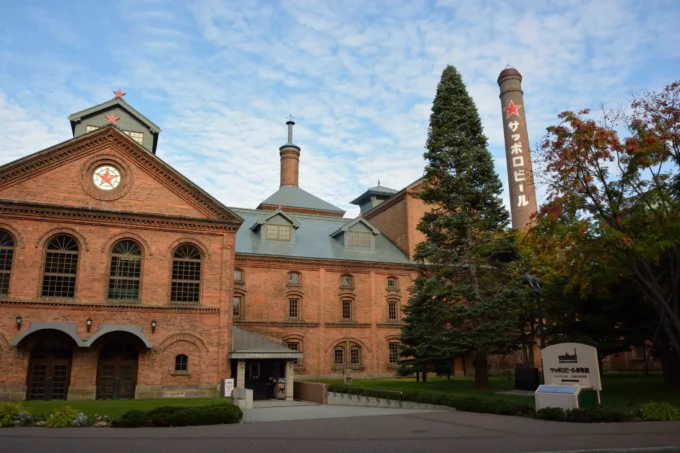
10 / Sapporo Beer Museum / all year round
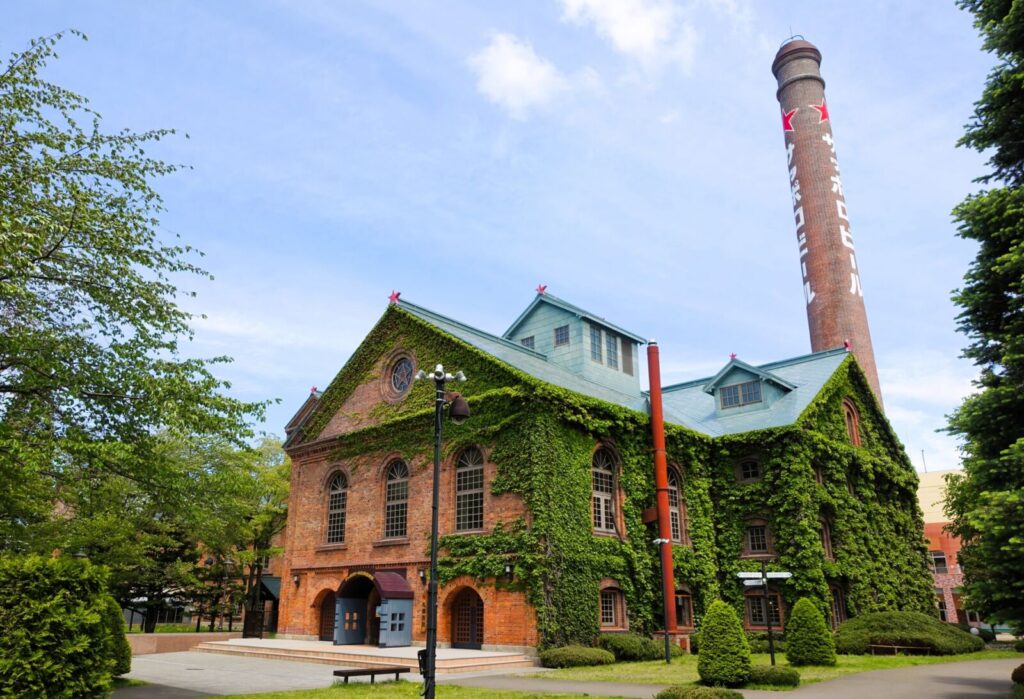
The Sapporo Beer Museum, housed in a historic red-brick building in eastern Sapporo, traces the story of Japan’s oldest beer brand, founded in 1876. The museum showcases the evolution of Sapporo Beer, from its early German-inspired brewing techniques to modern production, highlighting Hokkaido’s role in developing Japan’s beer culture. Today, Sapporo Beer is one of Japan’s most recognized beers, consistently ranked among the top domestic brands alongside Asahi, Kirin, and Suntory, with its Sapporo Classic variety being especially popular in Hokkaido. The museum combines historical exhibits with tastings, allowing visitors to experience both the cultural and flavor legacy of this iconic Japanese beer.
11 / Nijo Fish Market / all year round
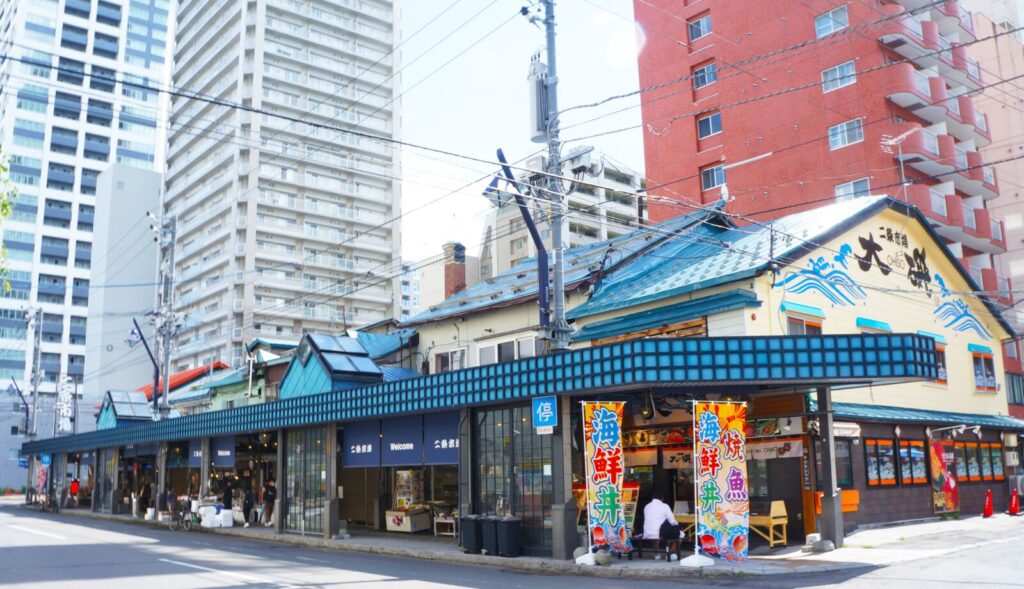
The Nijo Fish Market is a lively, traditional marketplace in central Sapporo, just a few blocks south of Odori Park. Its history dates back over 100 years, when local fishermen began selling their catch near the Sosei River. Over time, the stalls grew into a permanent market, supplying fresh seafood not only to locals but also to nearby restaurants and shops.
Today, the market stretches about one city block, lined with vendors offering Hokkaido’s specialties—crabs (king, snow, and hairy), scallops, sea urchin, salmon roe, and fresh sashimi. Small eateries inside serve hearty kaisendon (seafood rice bowls), making it a popular breakfast or lunch stop for visitors.
While modernized for tourists, Nijo Fish Market still retains its local charm and offers a glimpse into Sapporo’s culinary culture, connecting travelers to the region’s deep relationship with the sea.
12 / Shiroi Koibito Park / all year round
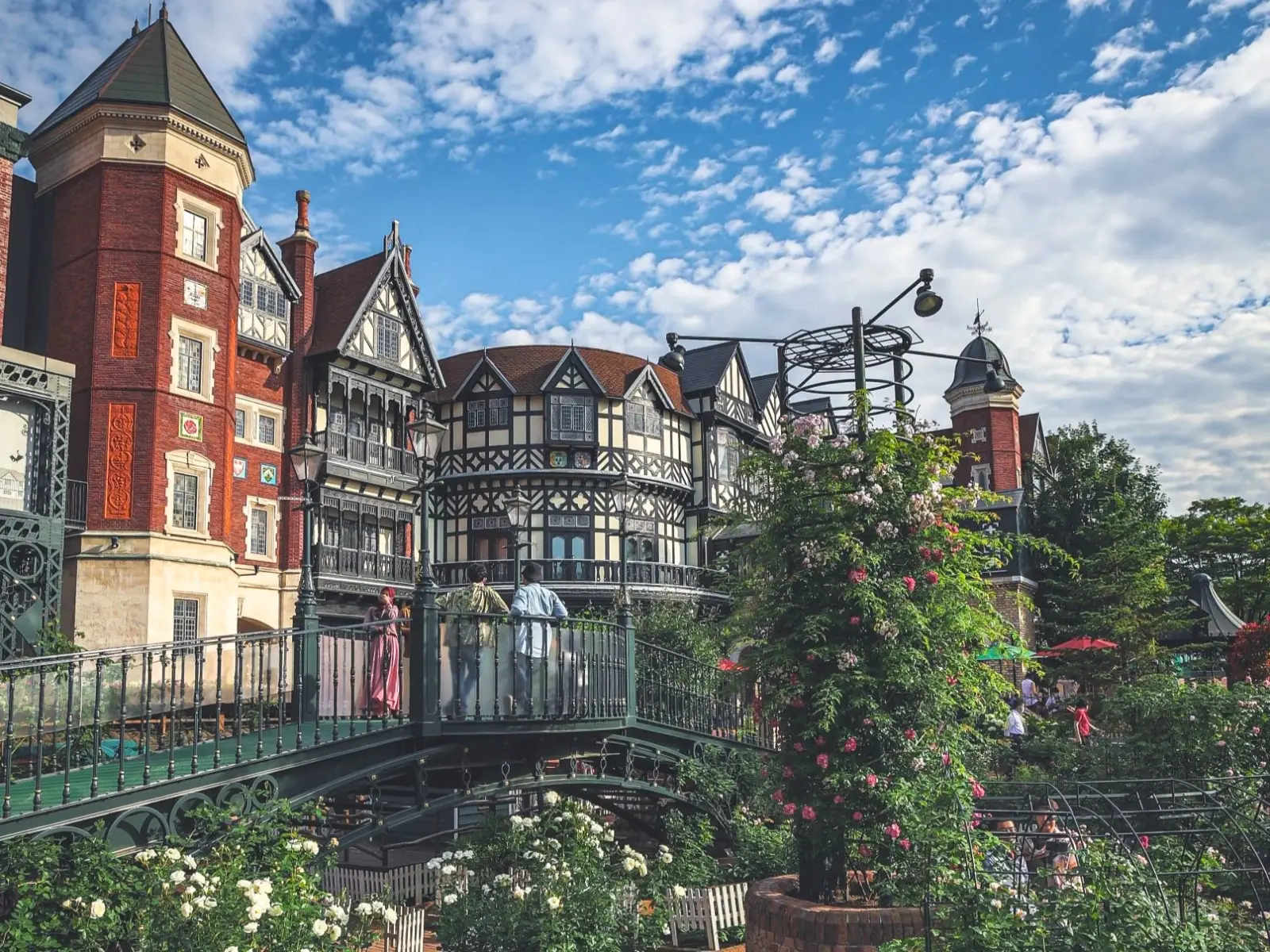
Shiroi Koibito Park is a chocolate-themed theme park featuring a factory tour, exhibitions on confectionery history, hands-on cookie-making experiences, and whimsical European-style gardens.
The park gets its fame from Shiroi Koibito (白い恋人, “White Lover”), one of Hokkaido’s most famous sweets and souvenirs. First created in 1976 by the Sapporo-based confectionery company Ishiya, it is a delicate langue de chat cookie—two thin, buttery biscuits sandwiching smooth white (or sometimes milk) chocolate.
The Shiroi Koibito brand has become a symbol of Hokkaido’s craftsmanship and quality, with beautifully packaged boxes making it a popular gift all over Japan. In short, Shiroi Koibito is more than just a sweet—it represents Hokkaido’s blend of local pride, high-quality dairy, and playful presentation, making it a must-try for travelers.
13 / Maruyama Park / all year round
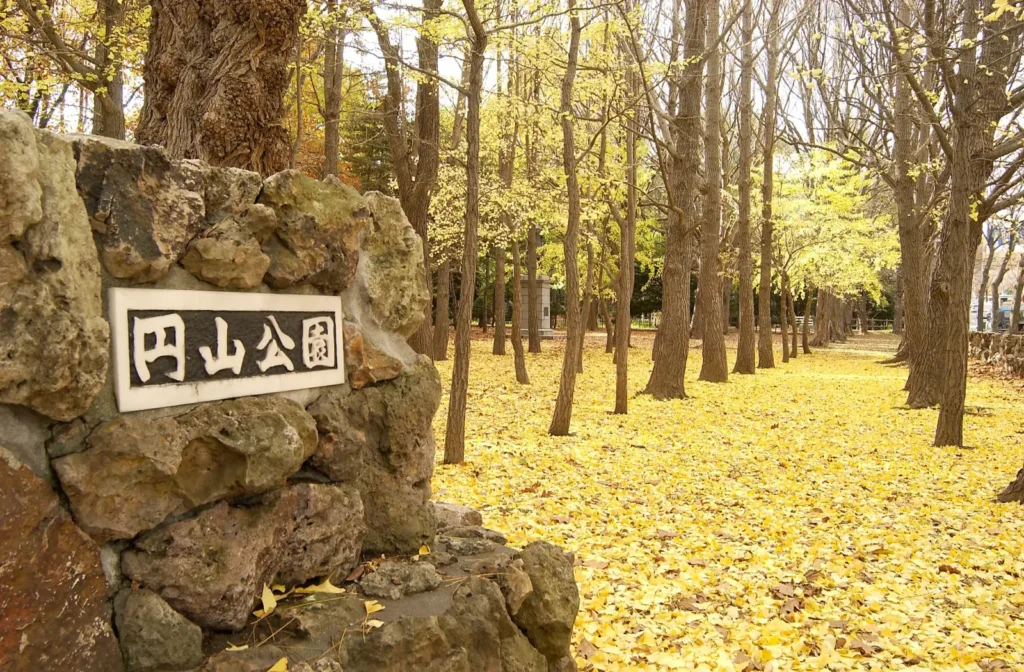
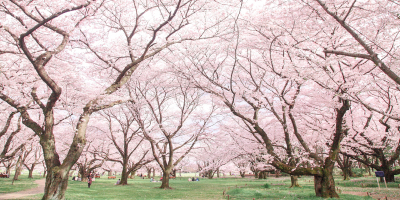
Maruyama Park sprawls across approximately 68–70 hectares at the western edge of central Sapporo, nestled beneath Mt. Maruyama in Chūō-ku. Originally part of a Meiji-era planning and tree-testing landscape begun in the late 19th century. Trees were first planted in 1875 and the area evolved into an official park by 1957. The park encompasses a virgin forest considered a designated natural monument. Over 1,500 cherry trees transform the park each spring into one of Sapporo’s most beloved hanami (flower viewing) spots. Hokkaido Shrine, founded in 1869, sits at the northern edge of the park.
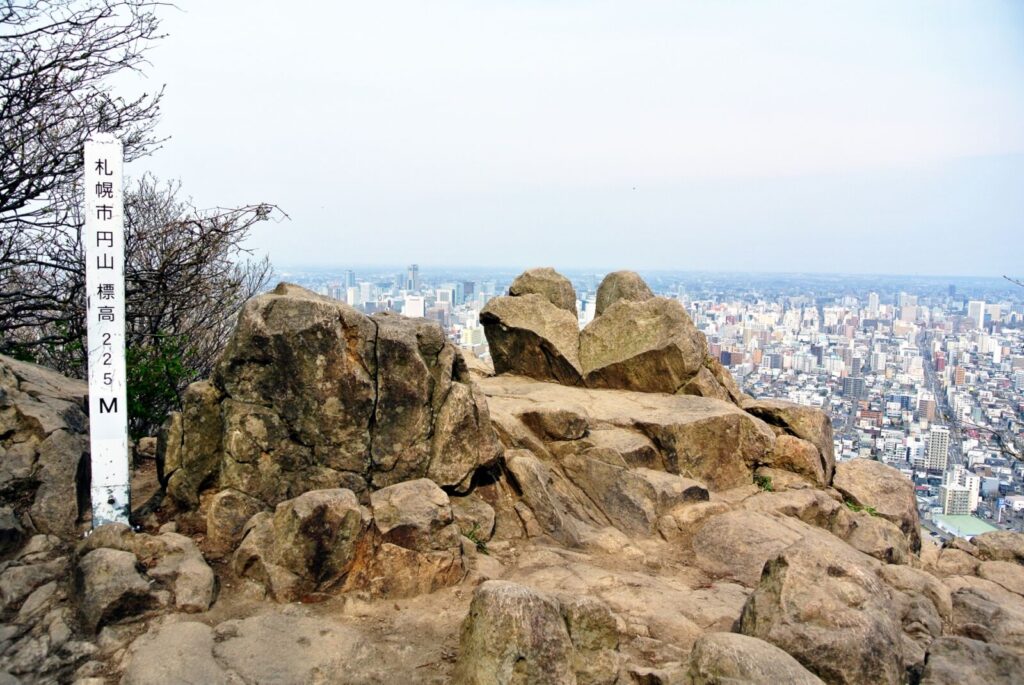
The Mt. Maruyama Hike in Sapporo is a popular outdoor activity that combines nature, city views, and seasonal beauty. Located adjacent to Maruyama Park and the Hokkaido Shrine, the trail leads up to the summit of Mt. Maruyama, which stands at 225 meters—a manageable climb for most visitors.
The hike typically takes 30–60 minutes one way, depending on pace and route, winding through lush forest, streams, and shaded paths. Along the way, hikers can spot local wildlife, enjoy the serenity of the primeval forest, and in spring, see cherry blossoms extending from the park up into the trail.
From the summit, there are panoramic views of Sapporo city, Maruyama Park, and nearby mountains, making it a favorite for both casual walkers and photography enthusiasts. In winter, snowshoeing is possible along the trail, offering a quiet snowy retreat within easy reach of the city.
14 / Hokkaido Shrine / all year round
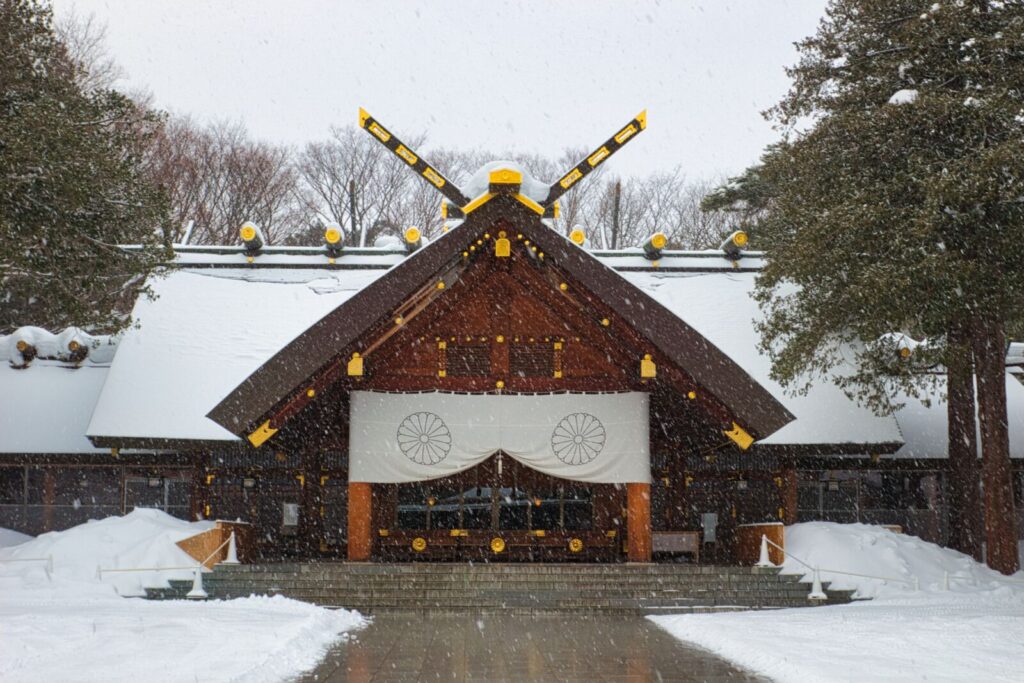
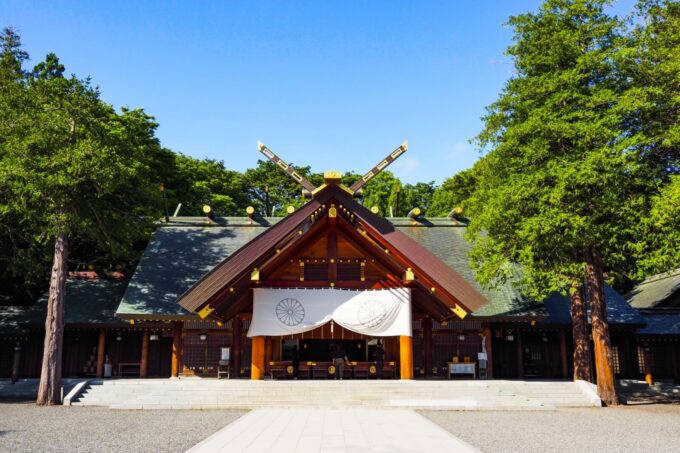
Hokkaido Shrine at Maruyama Park was originally established in 1869 as part of the Meiji government’s effort to promote Shinto and consolidate spiritual protection over the newly developed Hokkaido region. It enshrines Ōkunitama no Kami and other deities associated with agriculture, prosperity, and protection of Hokkaido’s settlers. The shrine is surrounded by lush forests and seasonal blooms. It offers visitors a serene cultural experience, with traditional Shinto architecture, tranquil walking paths, and a glimpse into Hokkaido’s spiritual heritage — a perfect spot for reflection, photos, and enjoying nature in the city.
15 / Mt. Okurayama Ski Jump / all year round
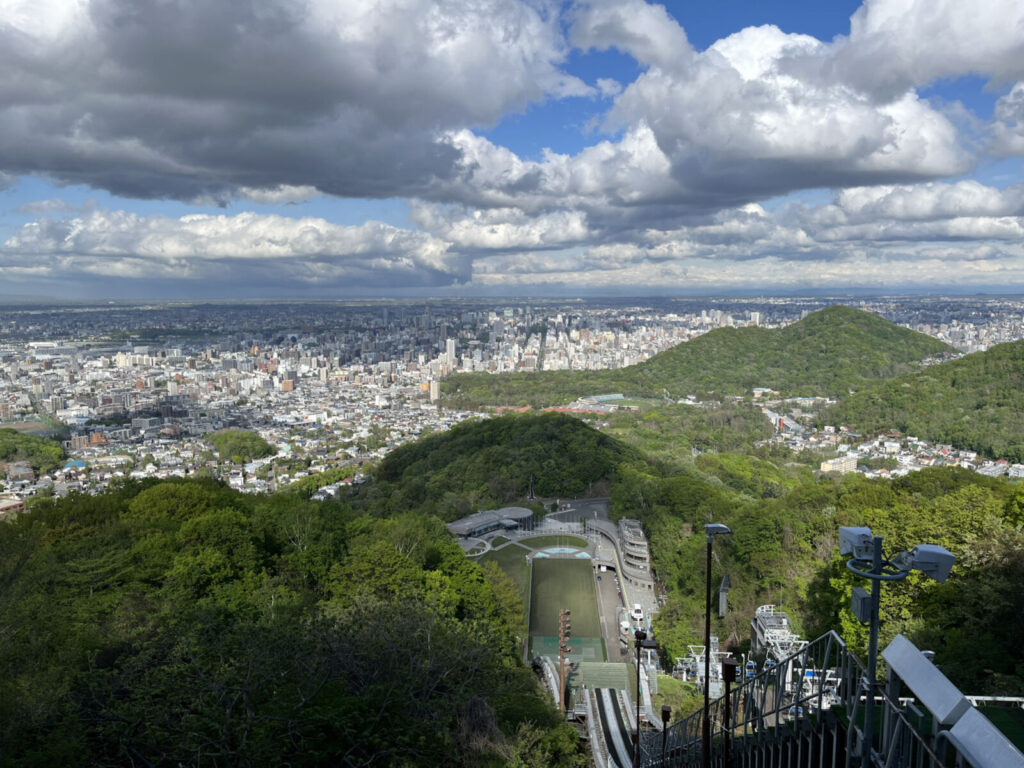
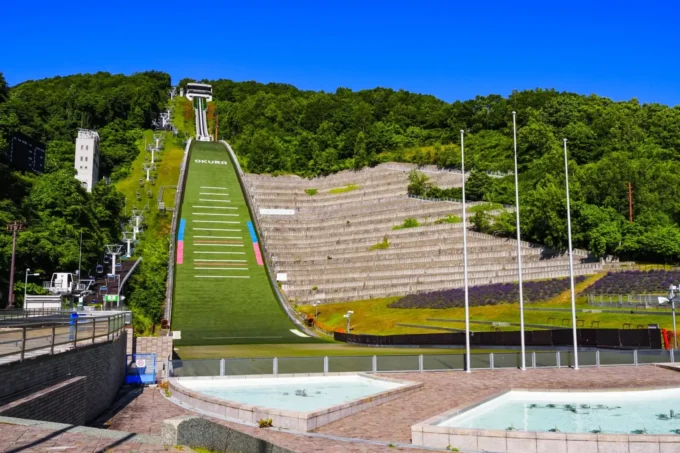
The Okurayama Ski Jump Stadium is a famous sports and sightseeing spot in Sapporo, located on the slopes of Mt. Okura. Built in 1931, it gained international recognition when it hosted the 1972 Winter Olympics ski jump events.
The jump hill is still used for competitions today, including World Cup events, and is a training ground for athletes. Visitors can ride a lift up to the observation deck at the top of the 133-meter hill, where sweeping views of Sapporo city, Ishikari Bay, and surrounding mountains unfold.
16 / Hill of The Buddha / all year round
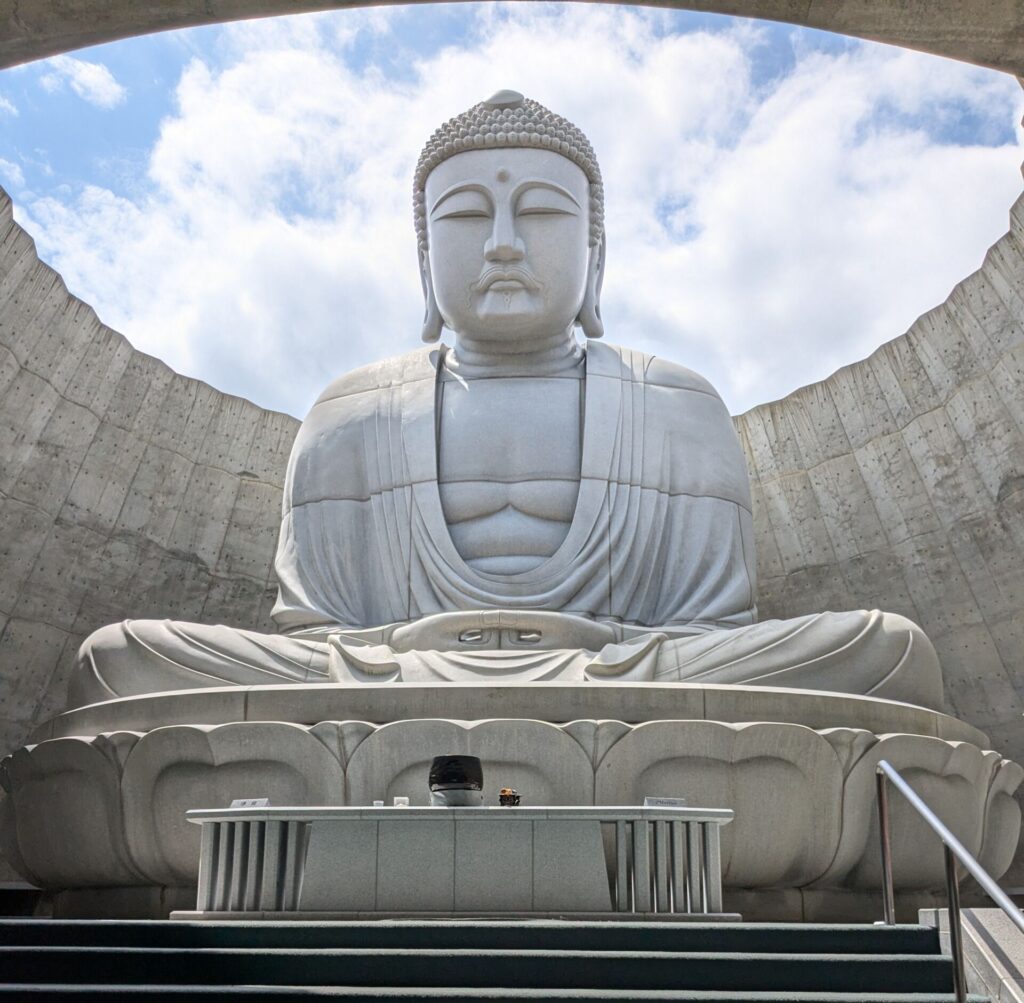
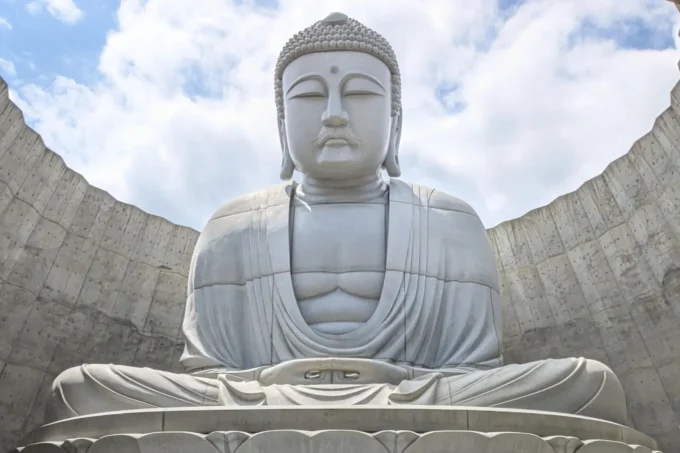
The Hill of the Buddha (頭大仏殿, Atama Daibutsu), is a striking spiritual and architectural site in Sapporo, located within Makomanai Takino Cemetery. Designed by world-renowned architect Tadao Ando and unveiled in 2016, the project surrounds a massive 13.5-meter stone Buddha statue, which had stood alone in the cemetery since 2000.
Ando’s design envelops the statue within a man-made hill, leaving only the Buddha’s head visible above ground. Visitors pass through a tunnel that opens into a dramatic hall where the full figure is revealed, creating a powerful sense of awe and serenity.
The hill is planted with 150,000 lavender plants, which change with the seasons—lush green in summer, purple in bloom, fiery tones in autumn, and snow-covered tranquility in winter—making it a unique fusion of nature, architecture, and spirituality.
17 / Historical Village of Hokkaido / all year round
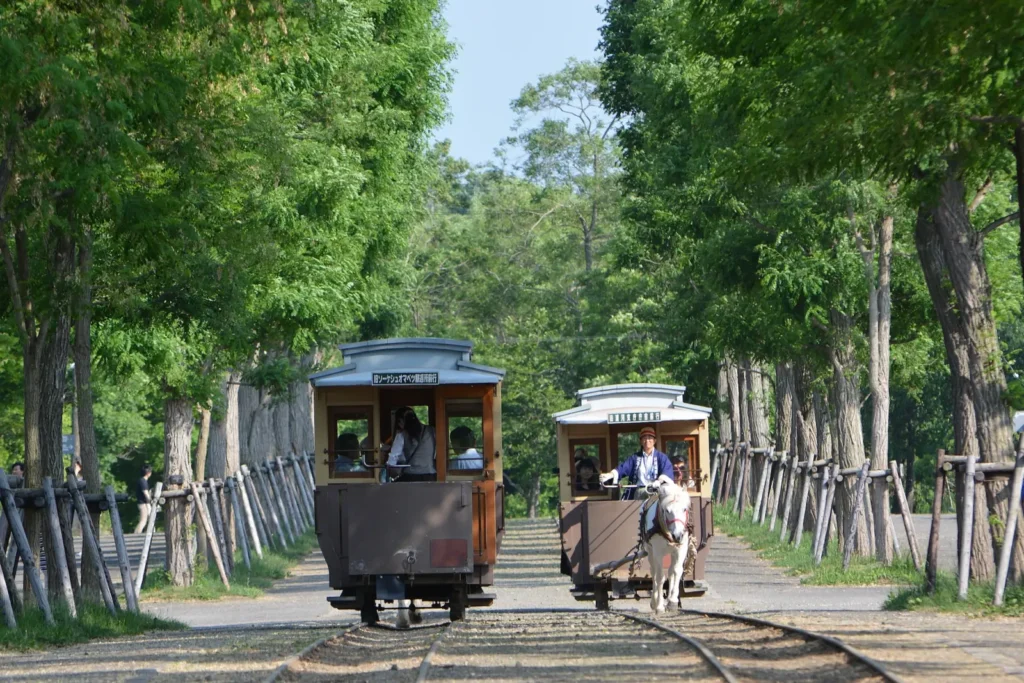
The Historical Village of Hokkaido is an open-air museum on the outskirts of Sapporo that recreates life during Hokkaido’s frontier era. Opened in 1983, it preserves and reconstructs over 50 historic buildings from the late 19th to early 20th centuries when Hokkaido was being settled and developed.
The site is divided into four themed areas—a town, fishing village, farm village, and mountain village—each showcasing architecture and daily life from the period. Visitors can step inside old houses, schools, shops, and even ride a horse-drawn trolley in summer or a horse-drawn sleigh in winter. More than just a museum, the village offers an immersive experience of Hokkaido’s pioneering spirit, making history feel alive against the backdrop of natural landscapes.
18 / The Hokkaido Museum / all year round
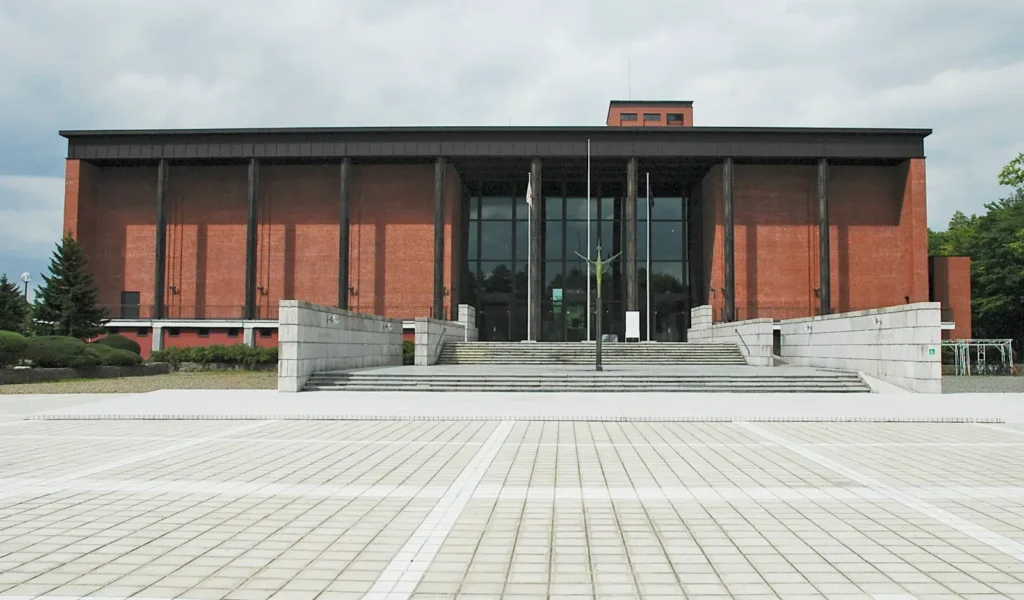
The Hokkaido Museum is located in Nopporo Forest Park, just east of Sapporo. Opened in 2015 as the successor to the old Hokkaido Development Commission Museum, it presents the natural, cultural, and human history of Hokkaido in a clear, engaging way.
Its permanent exhibits cover themes such as Hokkaido’s geology and wildlife, the culture of the Ainu people, the era of early Japanese settlement and development, and modern Hokkaido’s growth. The museum also hosts rotating special exhibitions, workshops, and children’s programs.
Set within the greenery of Nopporo Forest Park, the museum pairs well with a visit to the nearby Historical Village of Hokkaido. Together, they provide a rich introduction to the island’s past and identity.
19 / JR Observation Tower38 / all year round
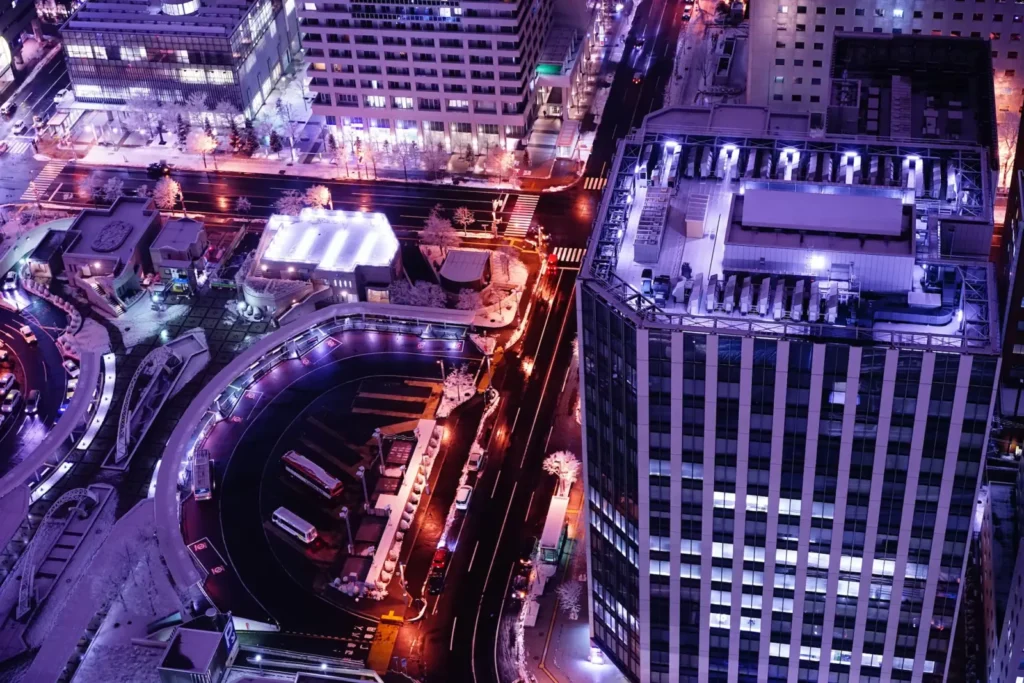
JR Tower Observation Deck T38, is Hokkaido’s tallest building at about 170 meters up. Directly connected to Sapporo Station, T38 Observation Deck offers 360 degree views of the entire Sapporo city skyline and surrounding areas. Ideal for daytime sightseeing or romantic evening night views. It officially opened to the public on March 6, 2003.
20 / Hokkaido University Campus Museum / all year round
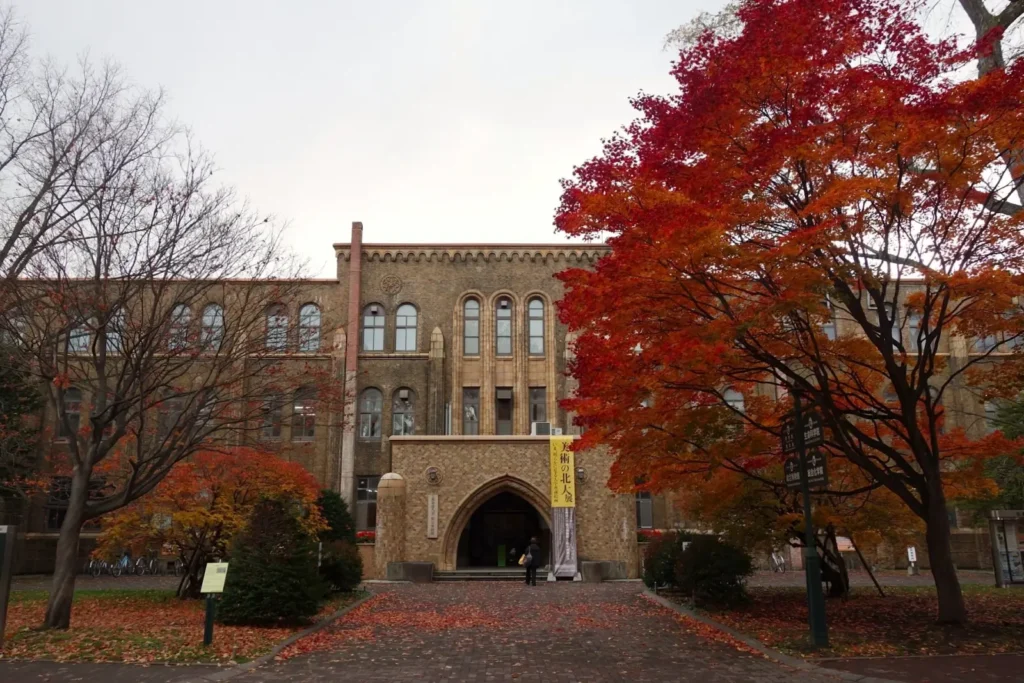
Hokkaido University Campus Museum is located in a historic 1929 building on the Sapporo campus. This university museum showcases over 3 million academic specimens collected since the university’s founding as Sapporo Agricultural College in 1876. It’s a treasure trove of natural history, scientific instruments, and research breakthroughs. Displays featured are from all 12 academic departments each representing a distinct field of study and scientific inquiry (i.e. science, agriculture, engineering, education, medicine, fisheries, etc.).
21 / Hokkaido University Promenade / late April to early November
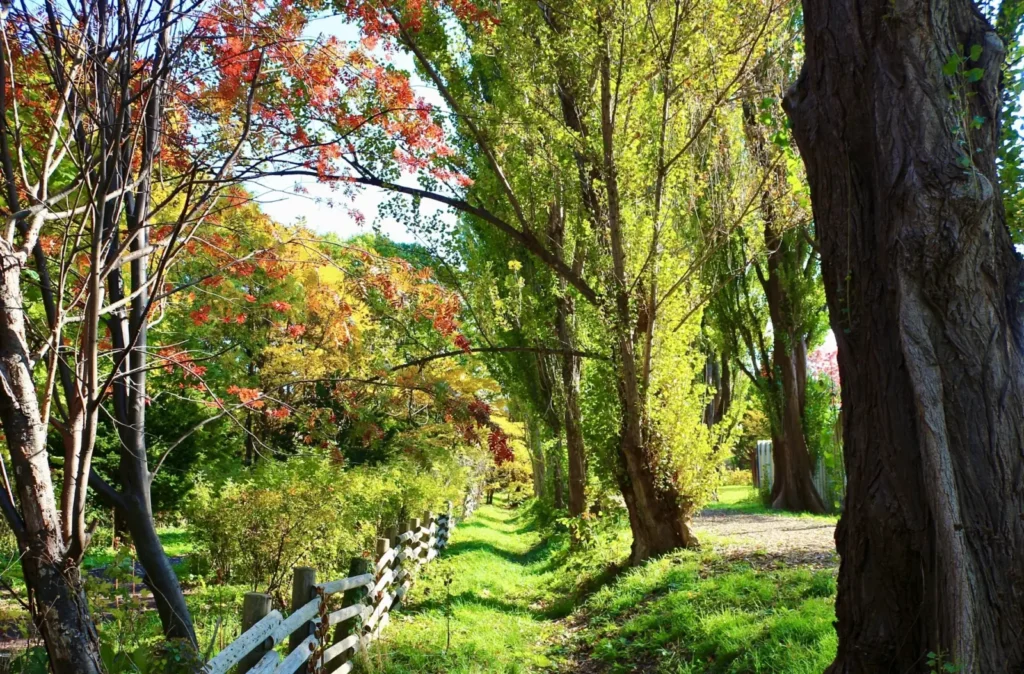
The Hokkaido University Promenade is a scenic walking path that meanders through the expansive Hokkaidō University campus. Notable features include the iconic Poplar Avenue, lined with towering trees, and the Sakushukotoni River, which adds to the serene atmosphere. The campus itself is a blend of historic Meiji-era architecture and lush green spaces. Visiting both these locations provides a comprehensive experience of Sapporo's natural and academic heritage. The botanical garden offers a deep dive into the region's plant life and cultural history, while the university promenade showcases the city's commitment to education and green spaces. Together, they offer a peaceful retreat from the urban hustle, making them ideal for nature lovers, history enthusiasts, and those seeking tranquility.
22 / Hokkaido University Botanical Garden / late April to early November
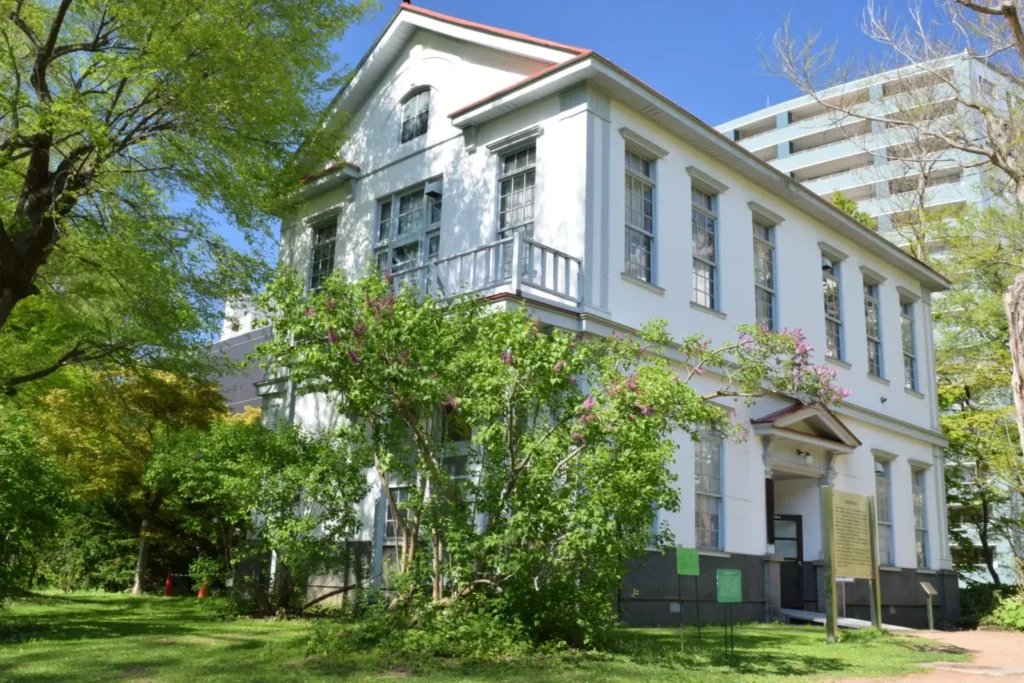
The Hokkaido University Botanical Garden, is one of Japan’s oldest botanical gardens, established in 1886 as part of the university’s Faculty of Agriculture. Spread over 13.3 hectares in central Sapporo, it preserves both academic and cultural heritage while offering visitors a tranquil green escape.
The garden is home to around 4,000 plant species, including alpine flora from Hokkaido, subarctic plants, and a rich collection of trees that create a colorful landscape through the seasons. Highlights include the Lilac Avenue, the Greenhouse with tropical and subtropical species, and a preserved area of primeval forest, giving a glimpse of Sapporo’s natural environment before modern development.
23 / Hitsujigaoka Observatory Hill / all year round
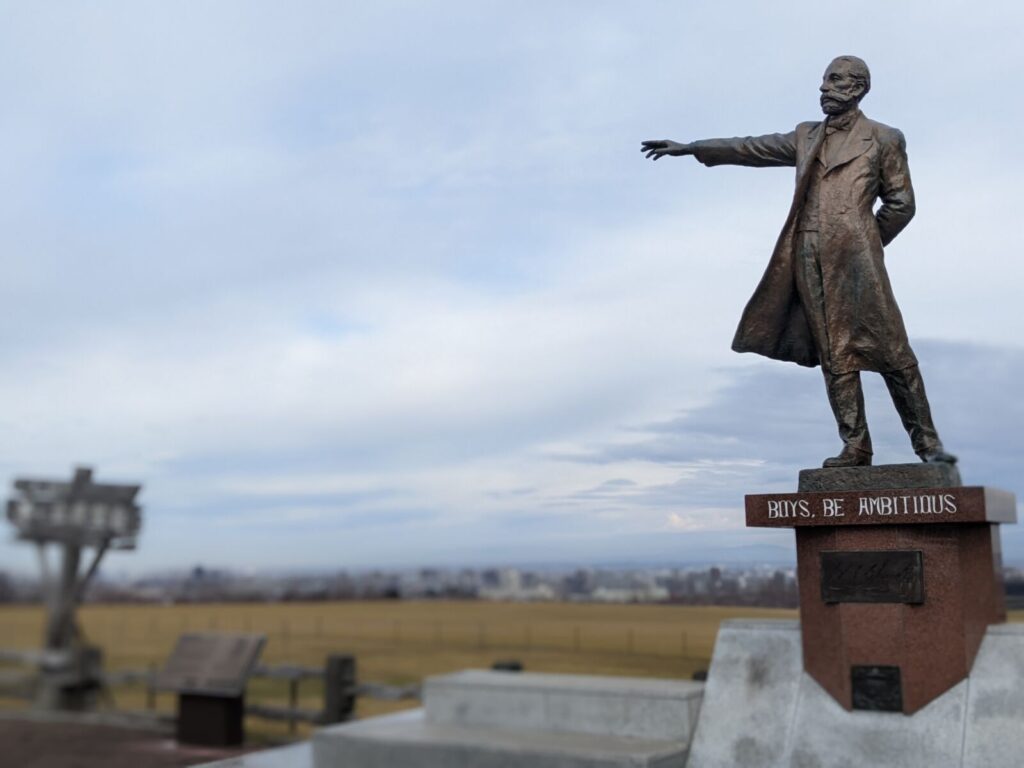
Hitsujigaoka Observation Hill, just southeast of central Sapporo, this scenic hill blends sweeping views of the Ishikari Plain with the charm of grazing sheep and the iconic statue of Dr. William S. Clark, famed for the motto “Boys, be ambitious!” Originally a sheep farm and agricultural research site, it was transformed into a public observation area in 1959 to accommodate growing tourist interest. Here, guests can pose along side the famous Dr. Clark statue, pick lavender (in July) and even sheer sheep! An iconic Sapporo landmark.
24 / Nakajima Park / all year round
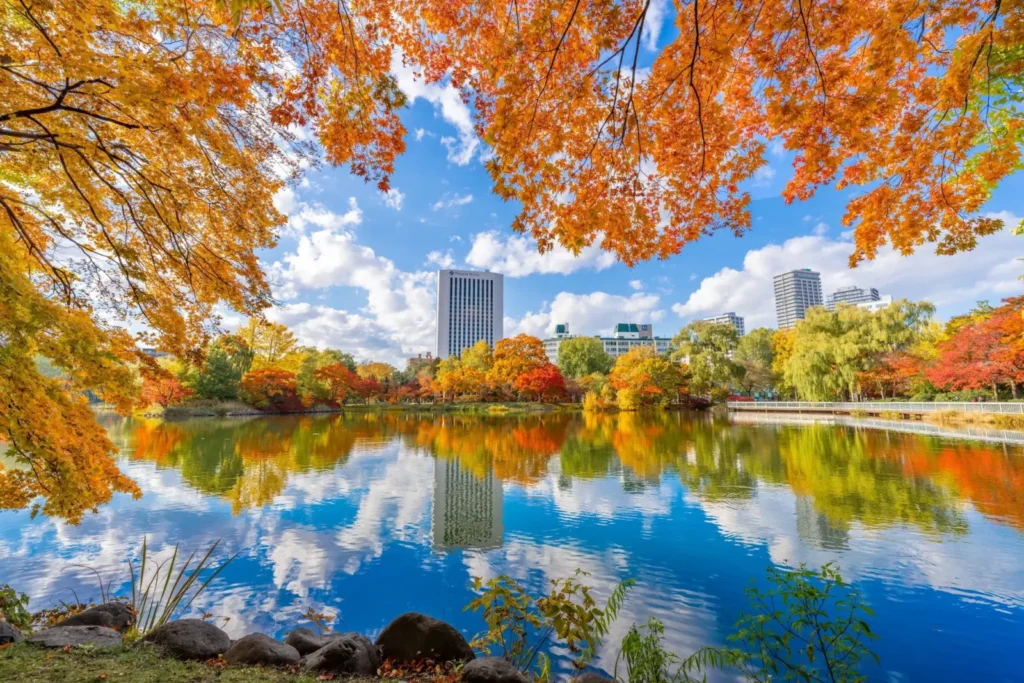
Nakajima Park is Sapporo’s green oasis—an elegant blend of nature, culture, and calm. Nakajima Park is a large, historic urban park (about 21 hectares/52 acres), making it one of the largest green spaces in downtown Sapporo. The park sits along the Toyohira River to the east, giving it open space and fresh breezes. This park blends Western-style open spaces with a traditional Japanese garden. It’s one of Sapporo’s most popular public parks. With over 5,000 trees and winding paths, it’s ideal for a leisurely stroll beneath elms and maples, especially in spring and autumn. At the heart of the park lies Shobu Pond, where ducks float on the surface of the water, adding to the tranquil charm.
25 / Old Red Brick Government Museum / all year round
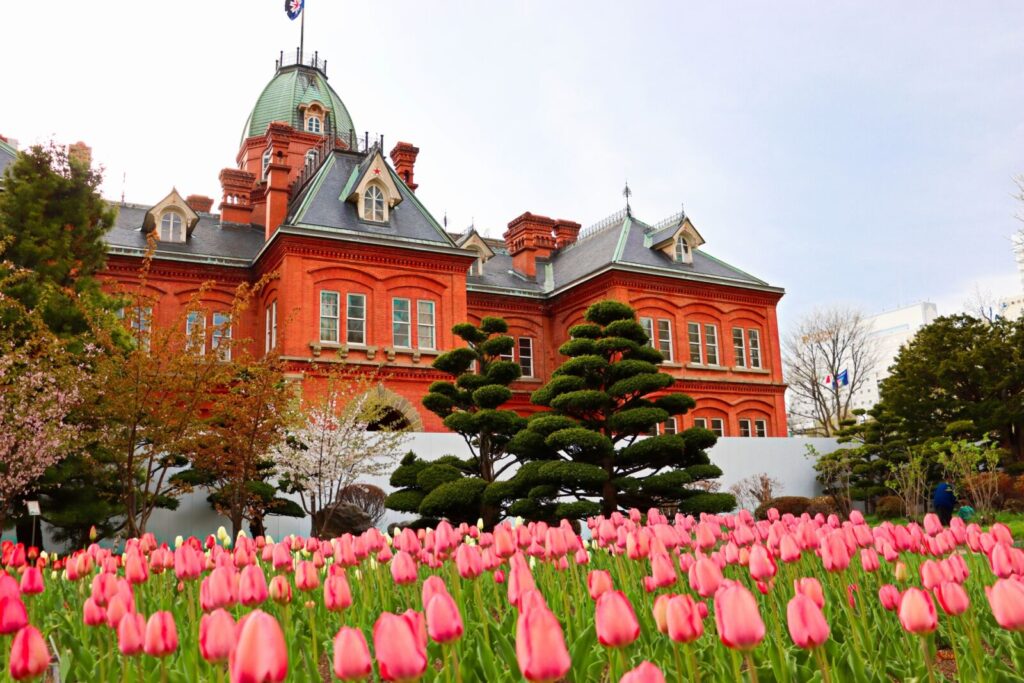
The Former Hokkaidō Government Office, or Red Brick Building, is one of Sapporo’s most iconic landmarks. Built in 1888 during the Meiji Era, it served as the governmental administrative center for Hokkaidō’s development and modernization. Recently renovated (2024-25), the building showcases American neo-baroque architecture and houses exhibits on the region’s pioneering history. Its surrounding gardens and stately façade make it a vivid reminder of Sapporo’s transformation from frontier settlement to modern city. Inside, visitors can explore exhibits detailing Hokkaido's development during the Meiji and Taisho eras. The building houses the Archives of Hokkaido, showcasing materials related to the region's history, culture, and natural environment. The building is set amidst a beautiful garden and pond (with ducks), offering a picturesque backdrop that changes with the seasons. It's a popular spot for photography, especially during autumn when the foliage is vibrant.
26 / Fushimi Inari Shrine in Sapporo / all year round
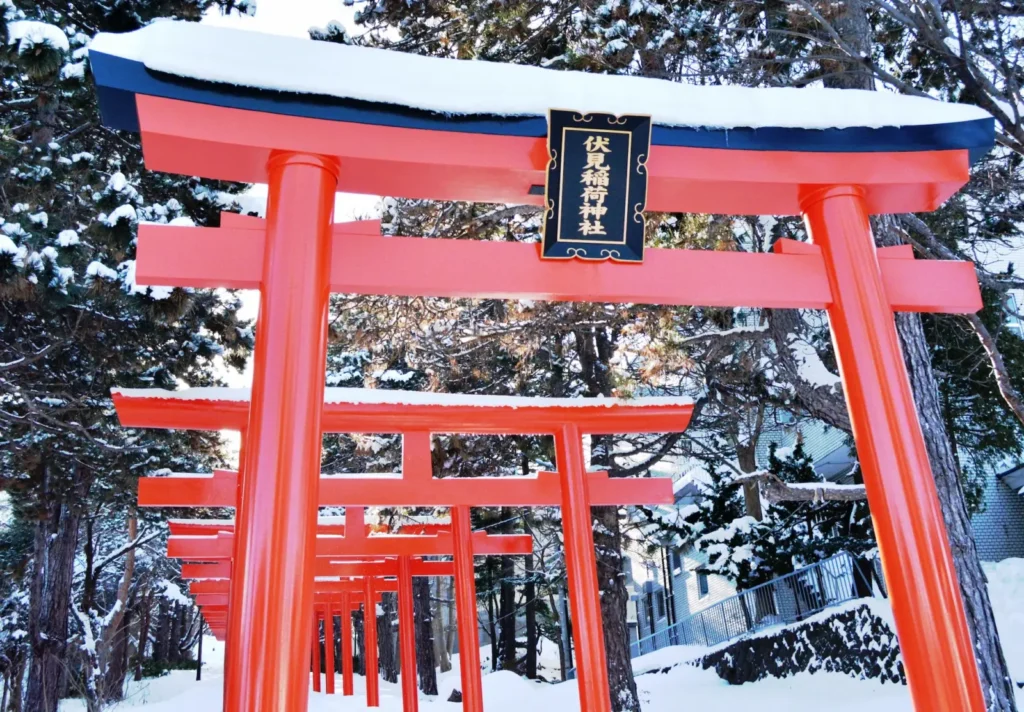
Fushimi Inari Shrine (Sapporo) is a charming Shinto shrine located in southwest Sapporo, famous for its vivid red torii gates that wind through a peaceful forested hillside. While much smaller than its namesake in Kyoto, it is considered a replica or homage to the famous Fushimi Inari Taisha in Kyoto, which is the head shrine dedicated to Inari, the deity of rice, prosperity, and business. The Sapporo shrine was established to bring the spiritual essence and iconic visual of Kyoto’s Fushimi Inari to Hokkaido, allowing locals and visitors in Sapporo to enjoy a similar experience of walking beneath rows of vermilion gates, making it both culturally significant and highly photogenic.
27 / Asahiyama Memorial Park / all year round
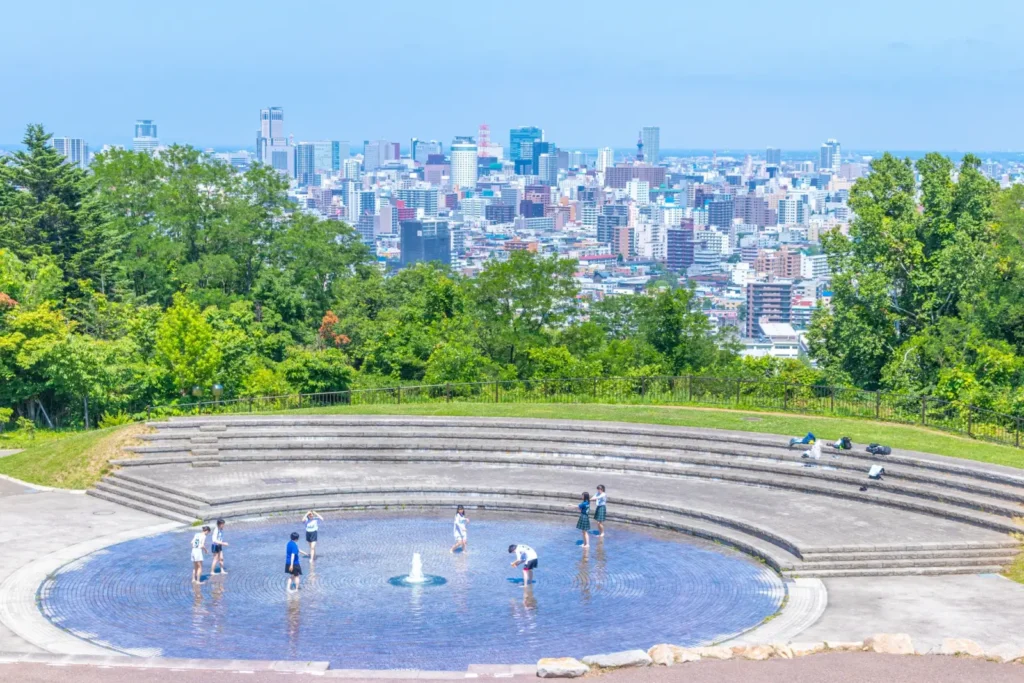
Asahiyama Memorial Park is a hidden gem in Sapporo, offering beautifully landscaped gardens, shaded walking trails, and tranquil fountains. Visitors can enjoy peaceful strolls, seasonal flowers, and sweeping views of the city, making it a perfect spot to relax, take photos, and connect with nature right in the heart of Hokkaido.
28 / Moerenuma Park / all year round
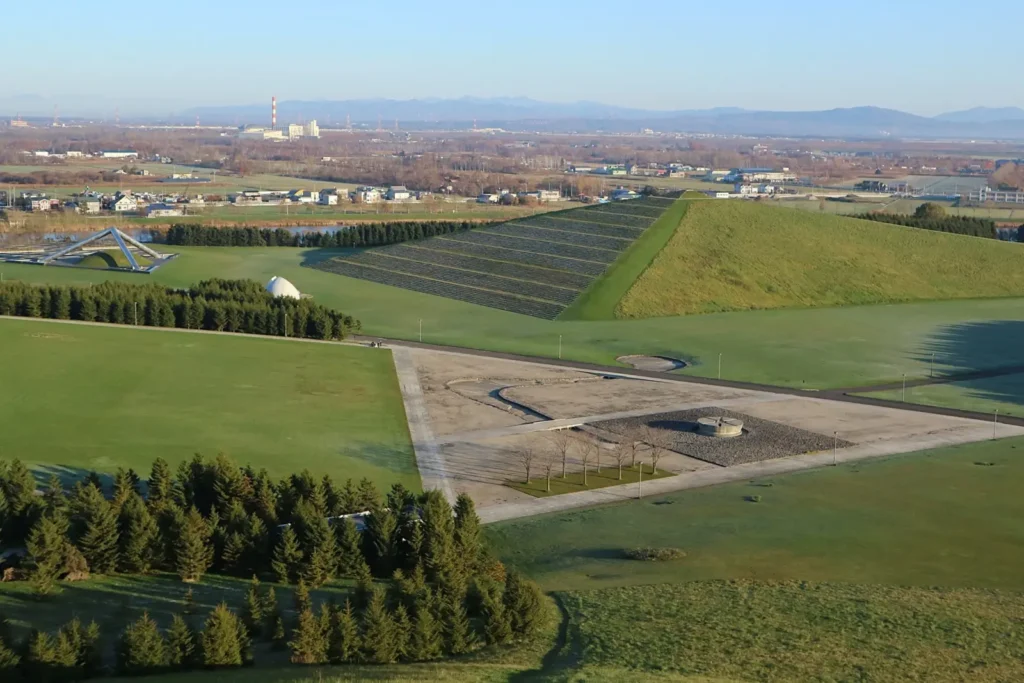
Moerenuma Park, designed by world-renowned sculptor Isamu Noguchi, Moerenuma Park transforms reclaimed landfill land into a breathtaking fusion of art, landscape, and recreation. Opened in 2005, the park features geometric hills, fountains, wide open lawns, and the striking Hidamari glass pyramid, blending modern sculpture with nature. Visitors can walk, cycle, or simply relax while enjoying photogenic landscapes, creative playgrounds, and panoramic views, making it a must-see destination for art lovers, families, and anyone seeking a peaceful, inspiring outdoor experience in Sapporo. Seasonal viewing here is stunning, with cherry blossoms in spring and vibrant foliage in autumn.
29 / Mt. Moiwa Ropeway / all year round
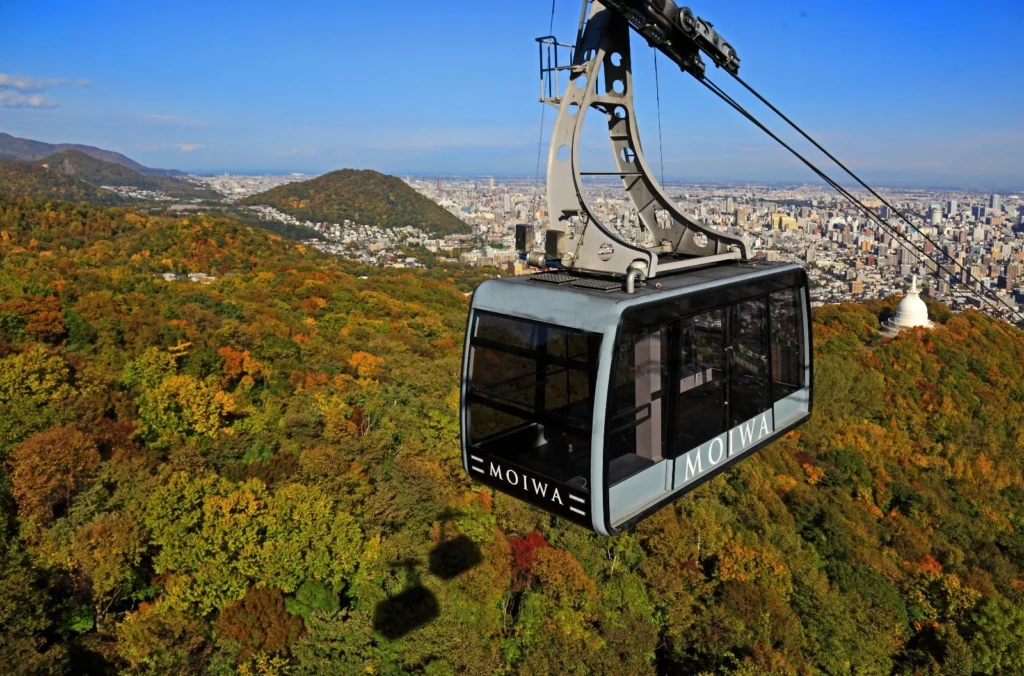
The Mt. Moiwa Ropeway offers a convenient and scenic ride from the base of Mt. Moiwa to its 531-meter summit, providing sweeping panoramic views of Sapporo, Ishikari Bay, and the surrounding mountains. The journey is divided into two stages, including a short transfer via the Morris Car, making it both comfortable and accessible for visitors of all ages. At the summit, observation decks and a café allow guests to enjoy daytime vistas or the city’s sparkling lights at sunset, while informative displays highlight the mountain’s history and natural features. The ropeway is a perfect complement to the forest walk at the base (Moiwa Primeval Forest Walk just completed), offering an effortless way to experience the full beauty of Mt. Moiwa without strenuous hiking.
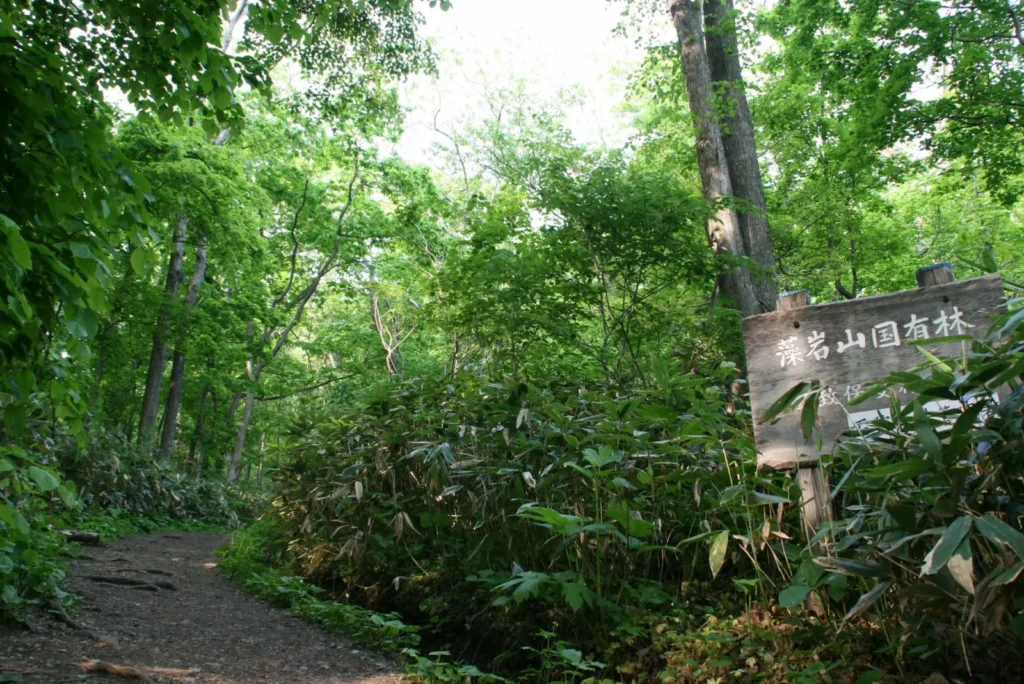
The Moiwa Primeval Forest Walk nestled at the base of Mt. Moiwa, offers visitors a serene escape into Hokkaido’s ancient woodland. The gently sloping trail, ranging from roughly 100 to 300 meters in elevation, winds through old-growth trees, moss-covered paths, and lush ferns, creating a quiet, almost magical atmosphere. Stretching about 1–1.5 kilometers, the loop is easy to navigate and suitable for all ages, taking roughly an hour to an hour and a half at a relaxed pace. Informative signage along the way highlights the local flora and fauna, making it both scenic and educational. This hidden gem provides a perfect contrast to the city bustle, and it conveniently connects to the Mt. Moiwa ropeway for those looking to continue to the summit.
30 / Bankei Ski Resort / early December to March
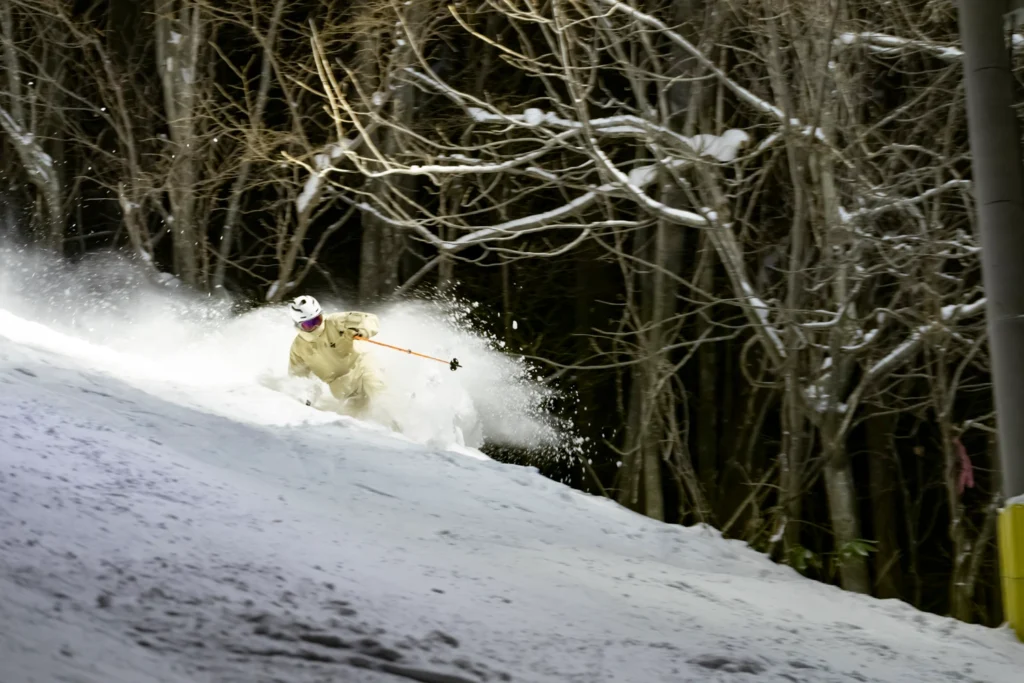
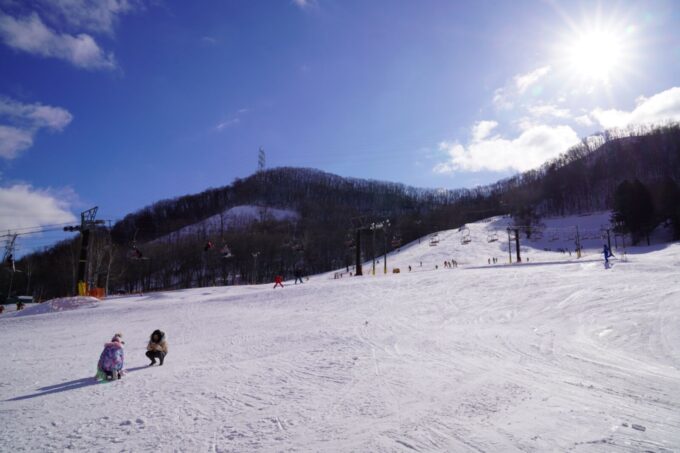
Bankei Ski Resort, located in the western hills of Sapporo, Japan, has a rich history rooted in the city's development as a winter sports destination. Established in the early post-war years, Bankei emerged as a community-focused ski area, offering accessible skiing for residents of Sapporo. The resort gained popularity for its convenient location a mere 20 minutes from central Sapporo (Sapporo Station), making it a favorite for families, beginners, and night-skiing enthusiasts. Over the decades, Bankei evolved to include modern facilities, snowmaking systems, and a variety of runs to accommodate skiers and snowboarders of all levels.
Recommended Tour: Experience the thrill of a hassle-free ski adventure with our 1-Day Ski Tour Package from Sapporo Station to Bankei Ski Resort. This convenient package includes transportation, a native English-speaking guide, and all the essential equipment you need for a fantastic day on the slopes, including skis, boots, poles, bindings, jackets, and pants. Beginner lessons with certified instructors are also available to get you started. This Ski Tour is the perfect way to escape the city and immerse yourself in the winter wonderland of Hokkaido.
Where is Sapporo?
The City of Sapporo is located in the heart of Hokkaido, where it serves as the prefectural capital. Being the largest city on the island, Sapporo also serves as the logistical hub and economic center of Hokkaido. Thanks to this, Sapporo has excellent public transport and access, and so it is extremely convenient for both locals and tourists alike. Boasting a population of almost two million, the city itself is split into six wards, or ku.
As you might expect of one of Japan's largest cities, the City of Sapporo is very inter-connected. There are over 90 railway stations in the city. 49 are subway stations operated by the Sapporo Municipal Subway, 24 are trolley stations for the Sapporo Streetcar, and the remaining train stations are operated by JR Hokkaido. Of these, Sapporo Station is the main station for multiple JR and subway lines and serves to connect travelers to the rest of Hokkaido. New Chitose Airport, which sits around 50 km (31 miles) to the southeast of Sapporo, is connected by both trains and buses directly to Sapporo Station.
How to Get to Sapporo
Many visitors to Sapporo may first find themselves flying into New Chitose Airport, which is located approximately 50 kilometers southeast of the city. If your home country isn't too far from Japan you may even have the option of a direct flight into New Chitose Airport. If you're already in Japan then you will want to take a domestic flight from a major airport such as Haneda or Narita. Thankfully, flying domestic in Japan is painless, and the airport staff are usually quite helpful. The flight itself generally only takes 1.5 hours. From New Chitose Airport there are many convenient buses and trains which can take you directly to Sapporo Station in the heart of the City of Sapporo.
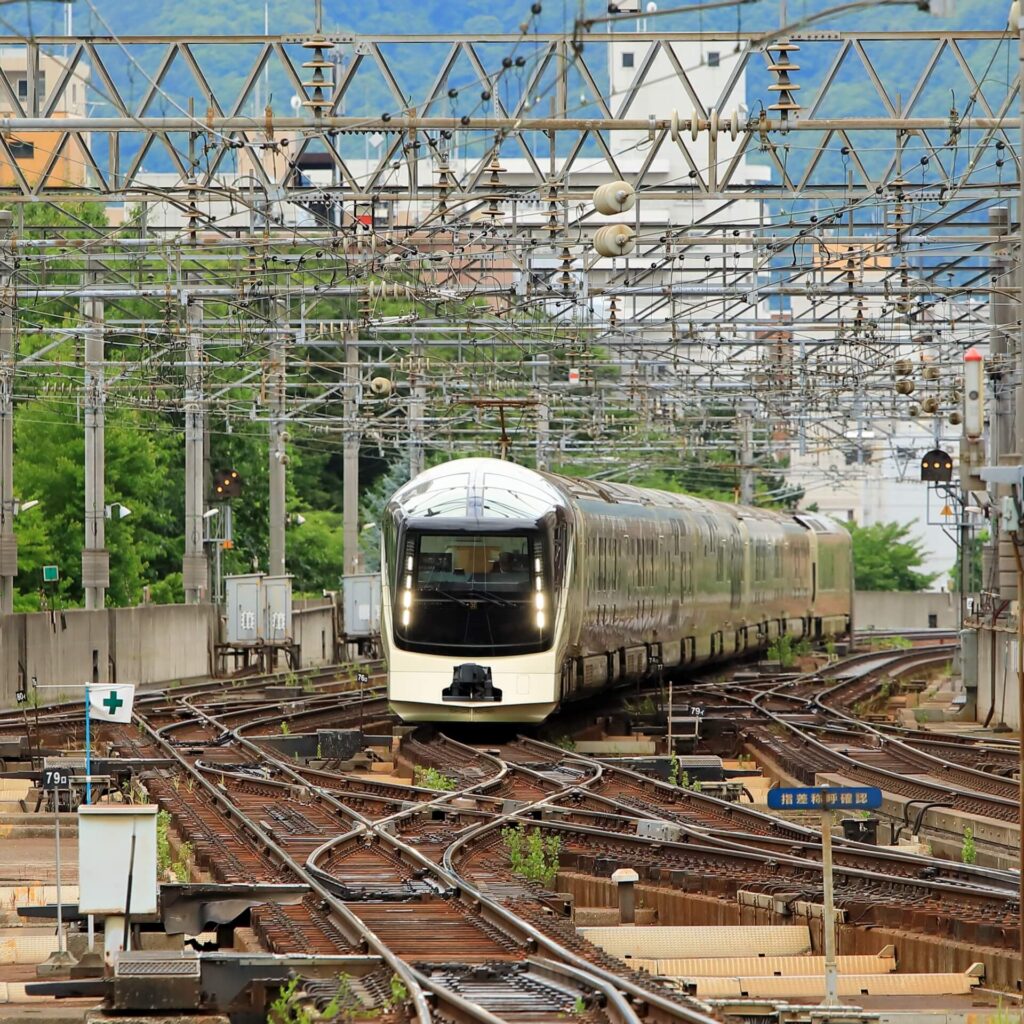
Of course, if you're already in Japan and you're up for a full-day (mis)adventure, you can always take the Hokkaido Shinkansen bullet train from Tokyo into Hakodate and then take local trains all the way up to Sapporo. Just beware, going by trains can take 8 to 10 hours!
Plan Your Visit to Sapporo
The City of Sapporo is just one part of Hokkaido, which also offers plenty of things to do. Our ‘Plan Your Visit’ page has everything you need to know about visiting Japan – from tips on the best time to travel, times to avoid, entering and exiting the country, money matters, staying connected, accommodation, staying safe and healthy and plenty more to ensure that you get the most out of your time here.