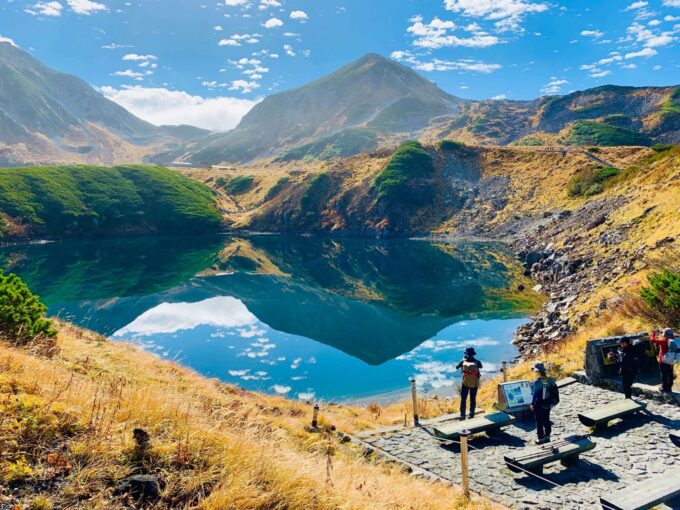
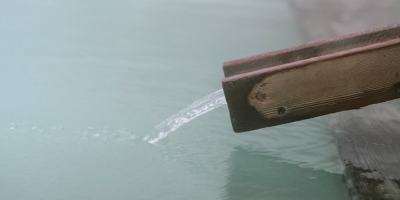
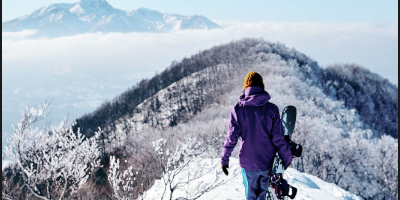
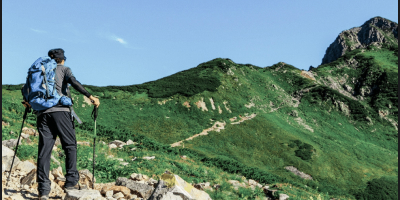

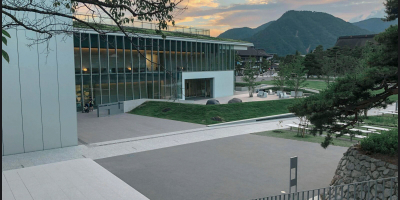
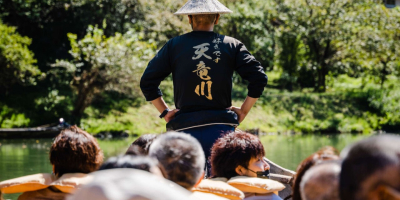
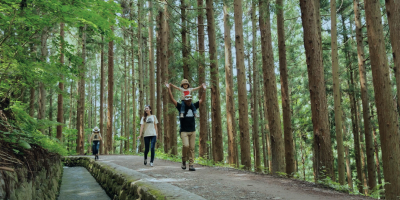

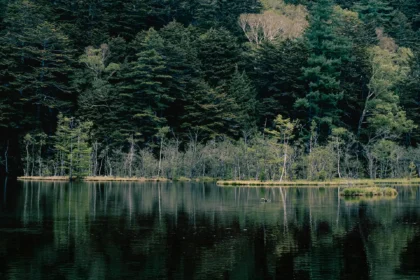


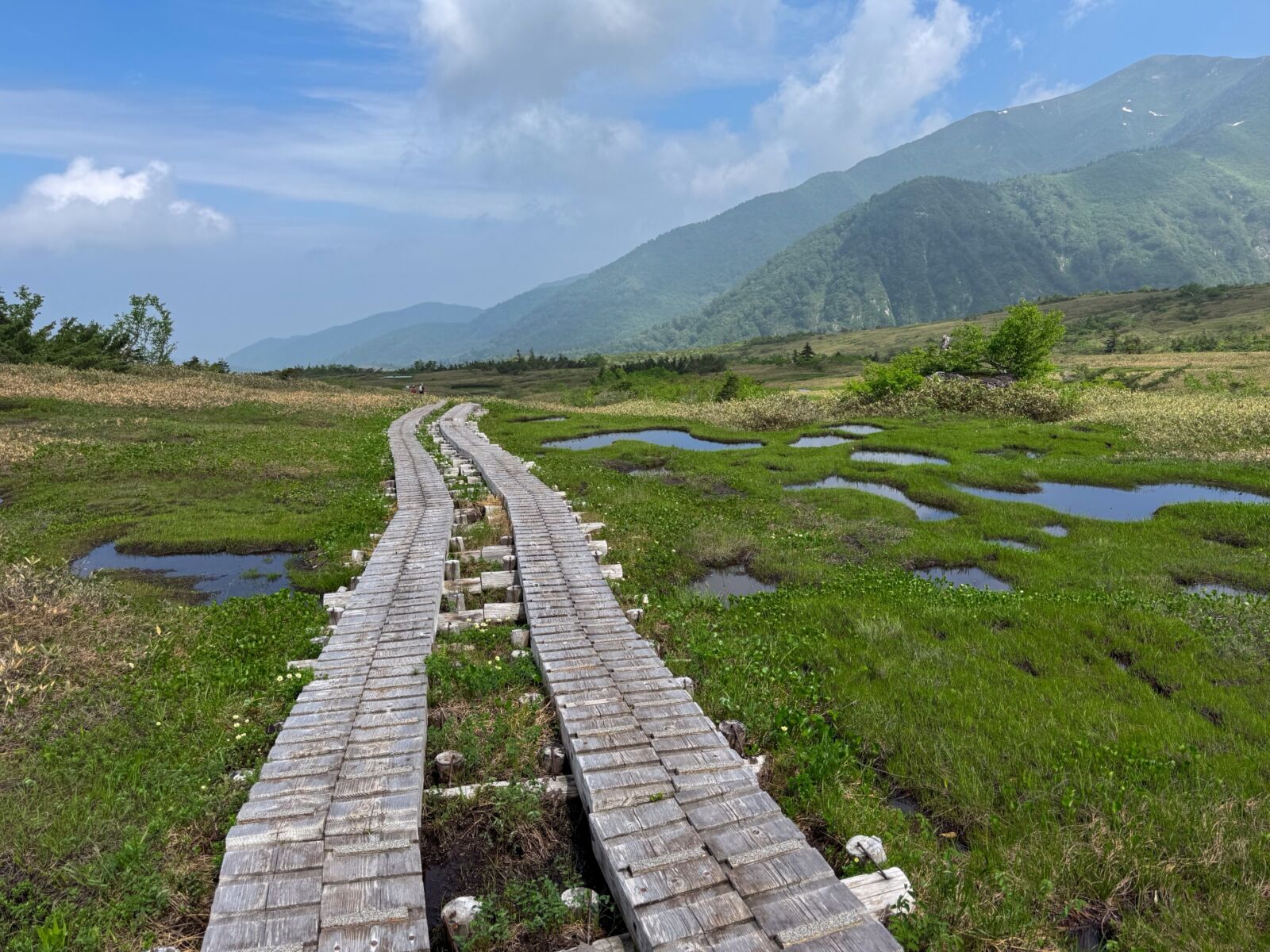
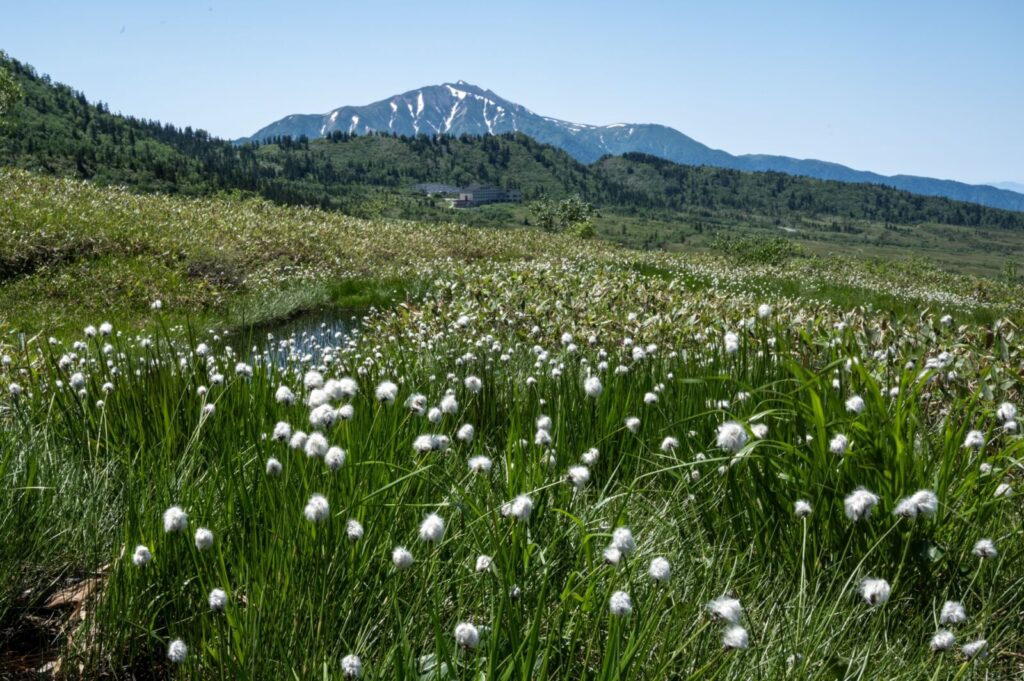
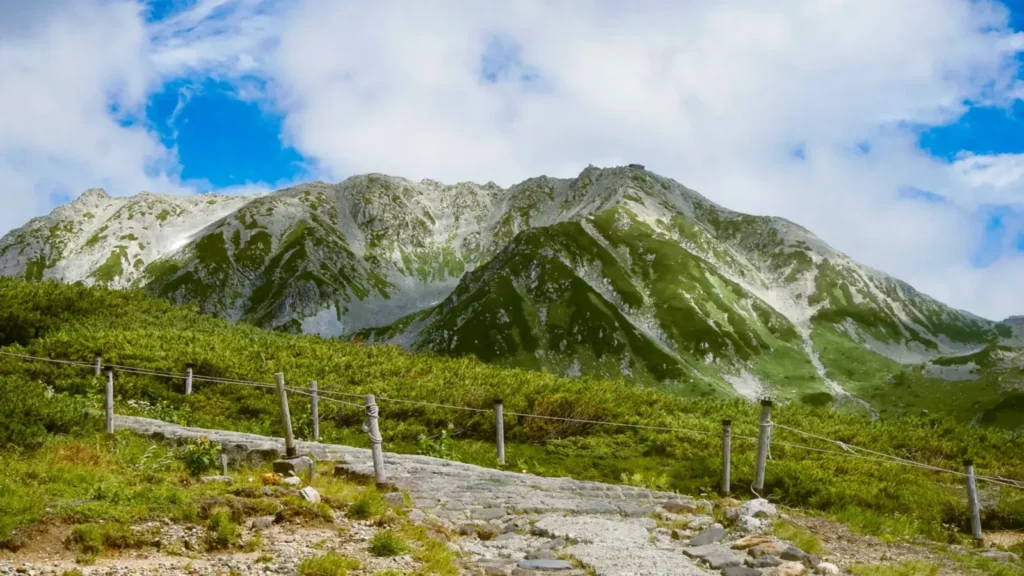
The Midagahara Wetlands are a stunning volcanic plateau located on the Tateyama-Kurobe Alpine Route, serving as a tranquil and beautiful stop between the lower forests and the higher peaks. Surrounded by the majestic mountains of the Northern Japan Alps, it offers a breathtaking landscape of alpine wetlands, a rare sight in Japan, with numerous ponds and vibrant alpine flora that change with the seasons.
A Short History
The history of the Midagahara Wetlands is deeply intertwined with the spiritual significance of the Tateyama Mountains, which have been revered for centuries as one of Japan's three holy peaks. For over a thousand years, Midagahara served as a sacred site where pilgrims believed the souls of the dead rested, with the wetlands providing a place for ritual cleansing and rest. It was only in the 20th century that the Tateyama-Kurobe Alpine Route was developed with a bus route, transforming this remote spiritual site into the major natural and hiking attraction it is today.
The Midagahara Wetlands were formed by a broad, flat plateau of volcanic debris and pyroclastic flows from a past eruption of Mount Tateyama. Over thousands of years, the impermeable volcanic rock prevented rainwater from draining, leading to the gradual accumulation of water and dead plant matter. This process ultimately created a rare high-altitude peat bog, an ecosystem characterized by numerous small ponds and unique alpine flora sitting atop the volcanic landscape.
Things to do in the Midagahara Wetlands
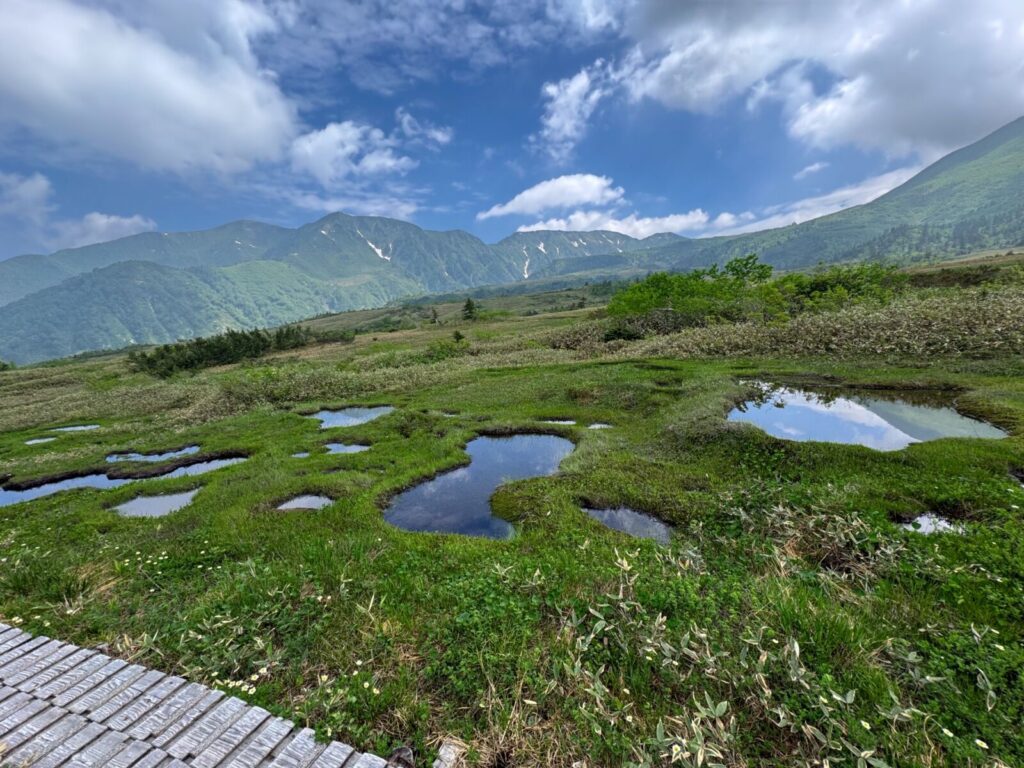
At the Midagahara Wetlands, the primary activity is walking along the meticulously maintained boardwalk trails that wind through the unique alpine marshlands. This allows you to get a close look at the numerous small ponds and rare alpine flora, all while enjoying panoramic views of the surrounding Northern Japan Alps. The peaceful atmosphere makes it a perfect spot for leisurely walking and photography, offering a contrast to the more rugged hiking at higher elevations on the route.
Interesting Sites Around the Midagahara Wetlands
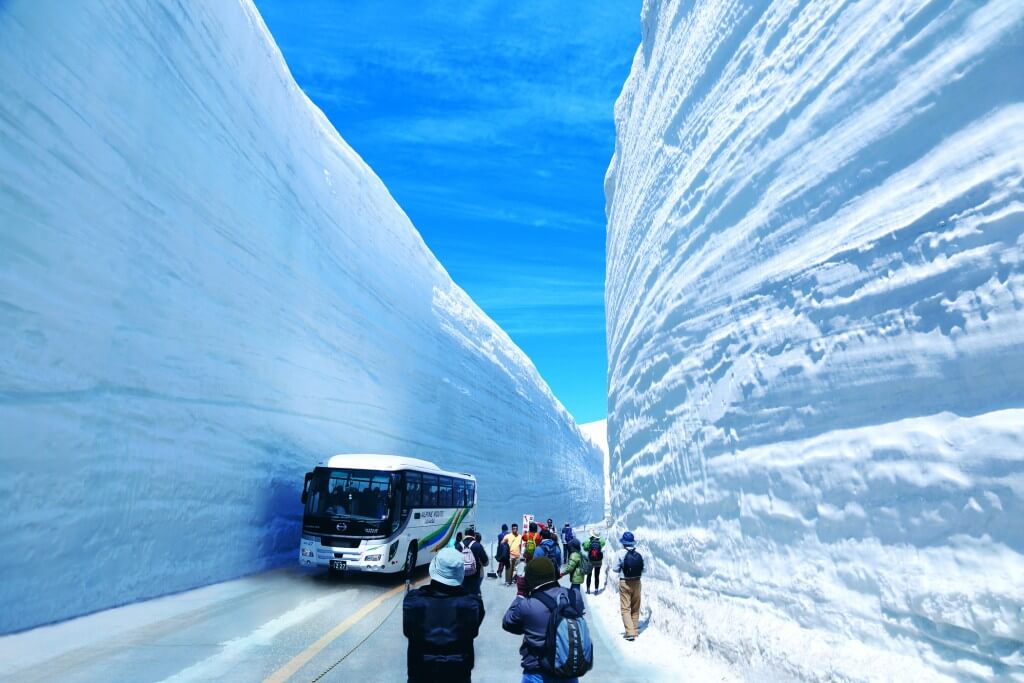
Aside from the Midagahara Wetlands, the Tateyama-Kurobe Alpine Route is home to a number of other cool sights worth seeing. Ascend to the Murodo Plateau to explore the "Roof of Japan" then descend from Murodo to Daikanbo, where a stunning observation deck offers a panoramic view of the Northern Japan Alps and the vast Kurobe Lake below. The route's true centerpiece is the massive Kurobe Dam, an impressive feat of engineering that you can walk across to witness its famous discharge, an experience completely unlike anything else on the journey.
Visiting Midagahara
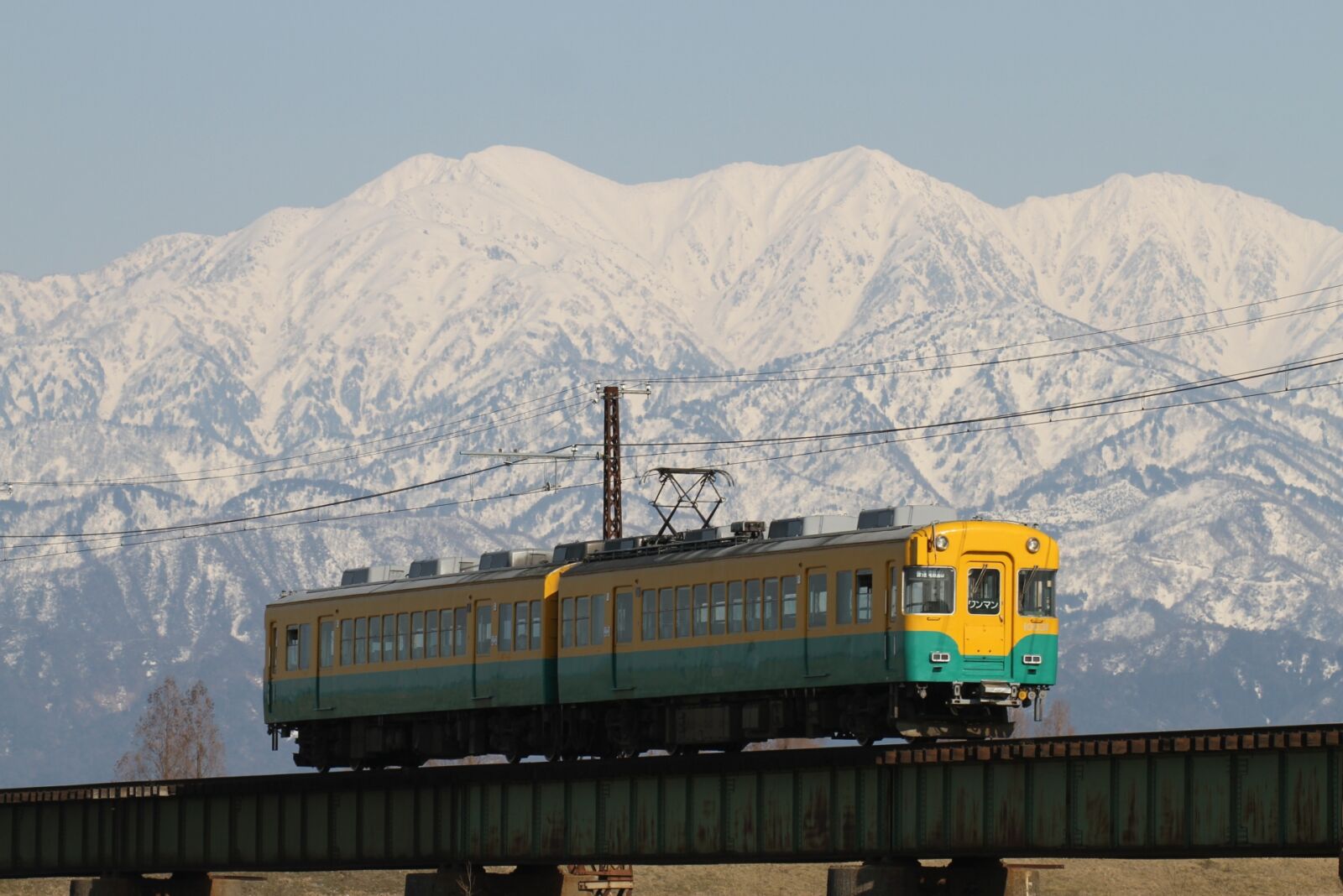
From Toyama, you can easily access Midagahara by starting at Tateyama Station, where you will take a series of transports on the western side of the Alpine Route. From Nagano, the journey begins at Ogizawa Station, where a series of mountain transports on the eastern side will take you up to Murodo then head down to Midagahara from there. No matter which direction you approach from, the Alpine Route's unique mix of buses, cable cars, and ropeways ensures a seamless journey to the top and beyond.
Tours to Midagahara
It can be a hassle making reservations for all the different forms of transportation up and down the mountain. To make it easier, booking a tour is often the best option. Check out our tour that leave from Kanazawa! Due to the snow it is only available from mid-June to mid-November.
This tour offers a comprehensive day trip to the Tateyama Kurobe Alpine Route from Kanazawa, combining a visit to Japan's tallest waterfall with alpine hiking!
- A visit to Shomyo Falls, Japan's tallest waterfall
- A picnic lunch at the tranquil Midagahara Wetlands
- Free time at Murodo Plateau, the highest point on the Alpine Route
Small Group
[Summer/Fall Only] From Kanazawa: Shomyo Falls, Light Alpine Hikes and Tateyama Mountain's Majesty
Frequently Asked Questions (FAQ)
What's the temperature like in the Midagahara Wetlands?
The Midagahara Wetlands are at a high altitude of 1,930 meters, so temperatures are typically 10-13°C lower than the surrounding lowlands. The weather is cool to cold year-round, with average daytime high temperatures ranging from 16°C in August to 5°C in November.
When is the best time to visit Midagahara?
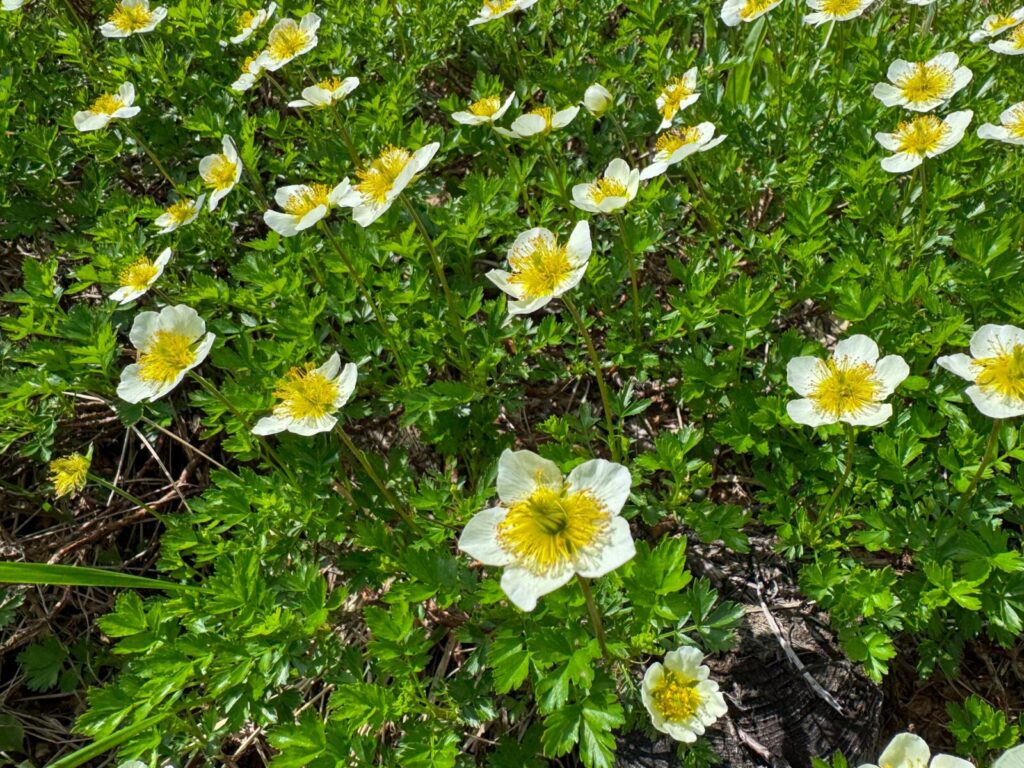
The best time to visit the Midagahara Wetlands is from late June to early August to see the alpine flora in full bloom or from late September to mid-October for the spectacular autumn colors of the grasses. Visiting outside of these periods means the landscape will be either dormant or blanketed in snow.
Any good things to buy on the Alpine Route?
Check out our "Best Souvenirs from the Alpine Route" to learn more! They include exclusive North Face t-shirts, local sake and craft beer, as well as sweets and stuffed animals shaped like the famous rock ptarmigan.
How do I get to Midagahara?
From Tokyo, you can take a Shinkansen to either Nagano or Toyama and then transfer to the local transport to begin your journey on the Alpine Route to Midagahara; from Osaka, you can take a Shinkansen to either Toyama or Nagoya and then continue your journey to the start of the route.
How long should I plan to be in Midagahara for?
I'd suggest planning for about 40 minutes to an hour to walk the main boardwalk loops and fully enjoy the serene scenery. You can also stay at a hotel here if you want to hike osme of the high peaks in the area.