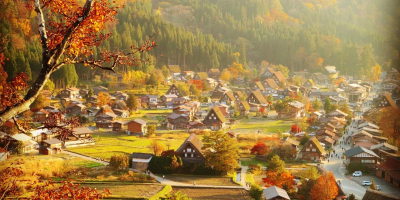
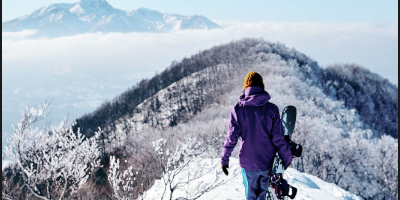


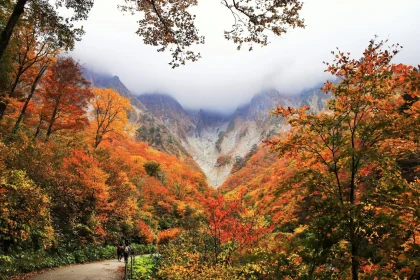
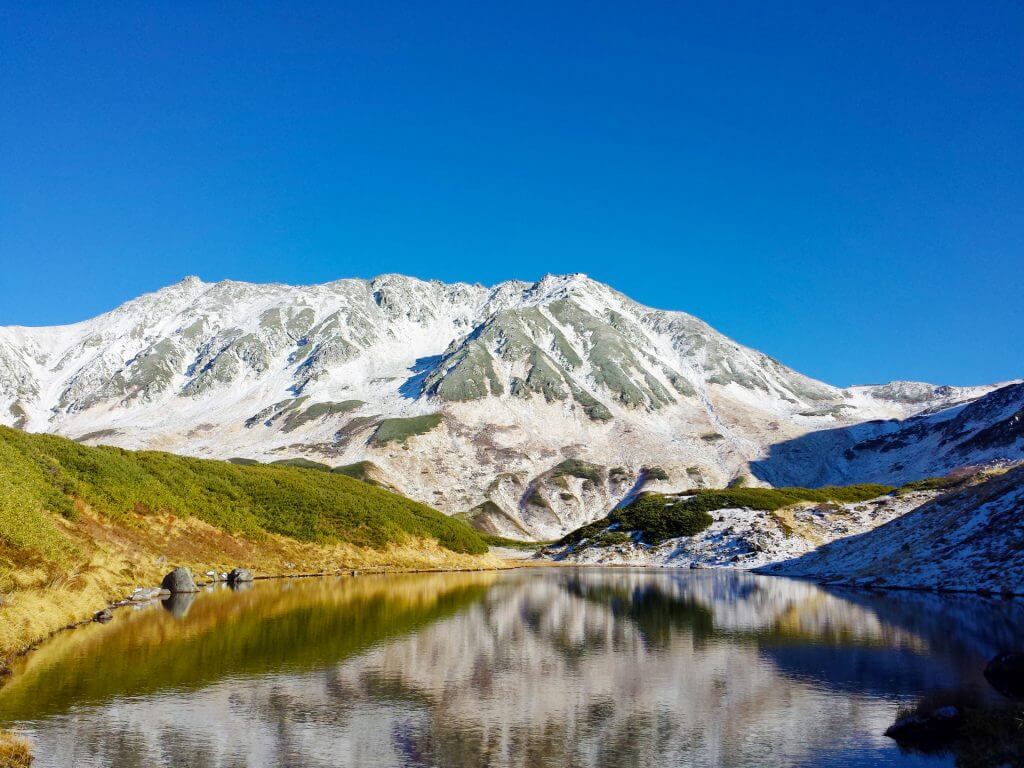
November is a time of dramatic transition on the Tateyama-Kurobe Alpine Route, as the last of the fiery autumn colors give way to the first blanketing snows of winter. The air becomes crisp and invigorating, offering exceptionally clear views of the peaks as the landscape transforms from shades of red and yellow to a pristine, monochrome beauty. This period provides a unique opportunity to witness the mountains in a stunning state of flux.
This guide provides everything you need to know for a November visit to the Tateyama-Kurobe Alpine Route, from what to expect from the changing weather and travel tips to how to make the most of this magical time. Opting for a guided tour is an excellent way to navigate the route with ease and comfort, letting you immerse yourself in the awe-inspiring mountain scenery, the majestic Kurobe Dam, and the memorable journey through the heart of the Japanese Alps without any of the logistical hassle.
Weather in November
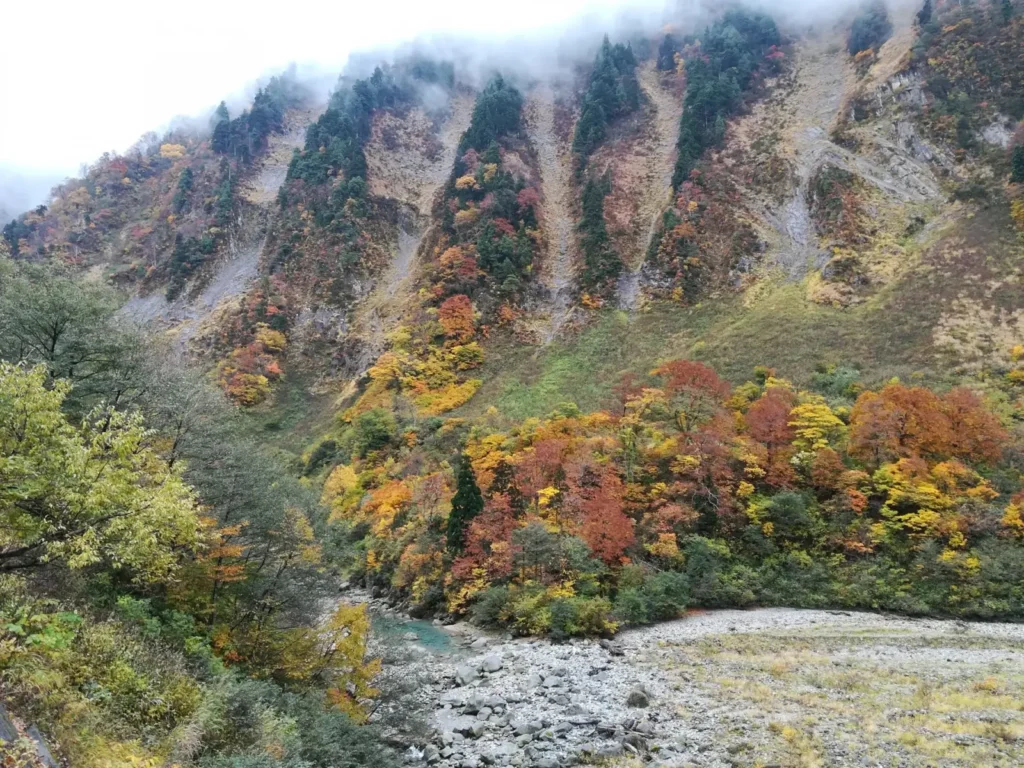
November is a month of seasonal change, with winter's first snowfalls marking a distinct shift in weather. The average daytime temperature hovers between a chilly -2 to 5°C, dropping well below freezing overnight. A warm coat, gloves, and waterproof footwear are essential, as the air is consistently cold and damp.
The Alpine Route in November offers a unique and beautiful photographic opportunity as the landscape transforms. The weather is often a mix of clear skies and crisp, cold air, though snow is a frequent visitor. The first heavy snowfalls typically begin in November, blanketing the upper elevations and creating a pristine, white world. This is the last chance to experience the route's incredible beauty before it closes for the winter season in late November.
Recommended Hikes in November
Murodo Plateau

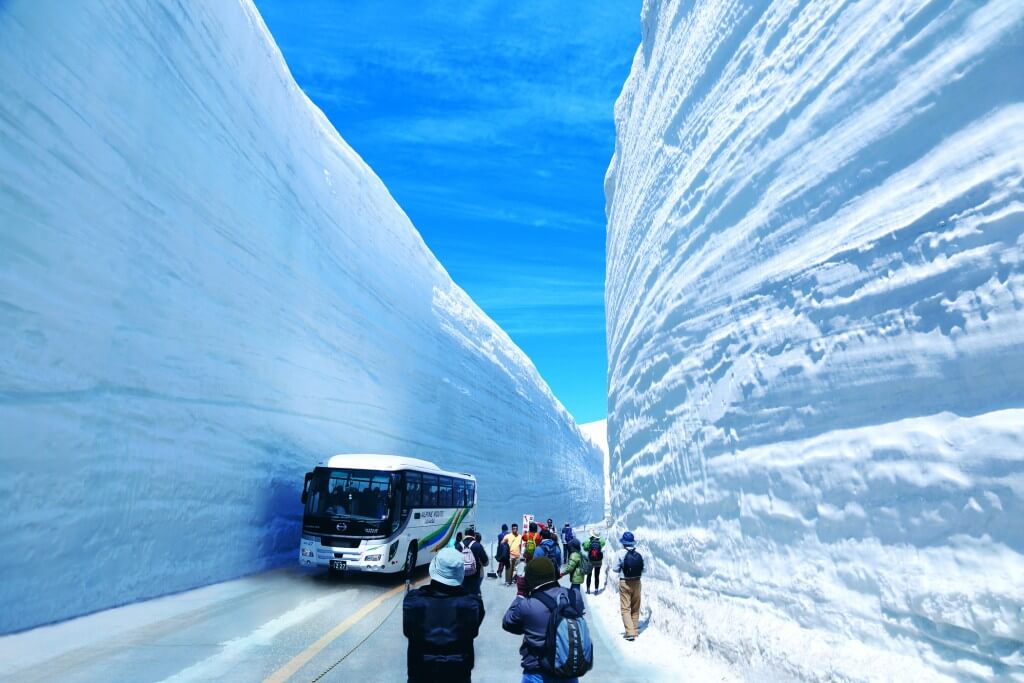
The alpine landscape transforms into a winter wonderland with the arrival of the first significant snowfalls. While the iconic Snow Wall is not yet fully formed, hiking is still possible but requires specialized gear like crampons and is generally limited to shorter, well-marked paths due to the accumulation of snow and ice. The colder temperatures and potential for heavy snow make for a beautiful, serene, and challenging experience, offering a final opportunity to witness the stunning scenery before the route's seasonal closure in late November.
Midagahara Plateau
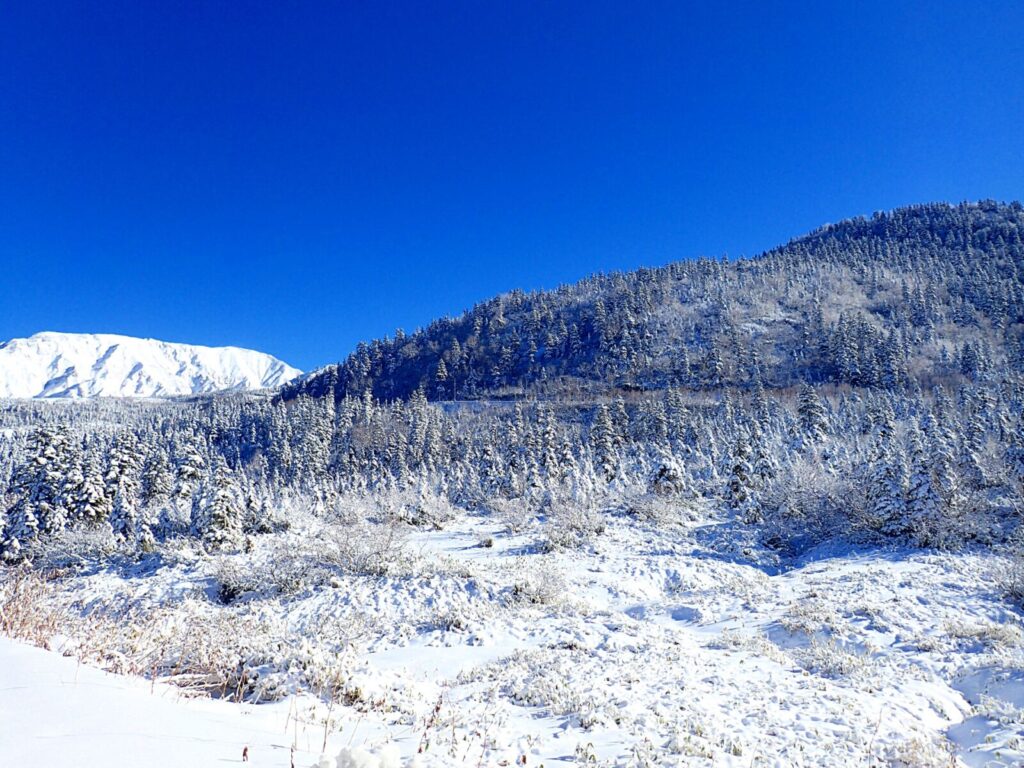
the last of the vibrant autumn grasses fade and the first snowfalls begin to dust the landscape. While the well-known boardwalk trails are still accessible, they can be slippery with ice and snow, so caution and proper footwear are essential. This period offers a final, serene opportunity to witness the wetlands transition from autumn to winter before the route's seasonal closure in late November.
Bijodaira
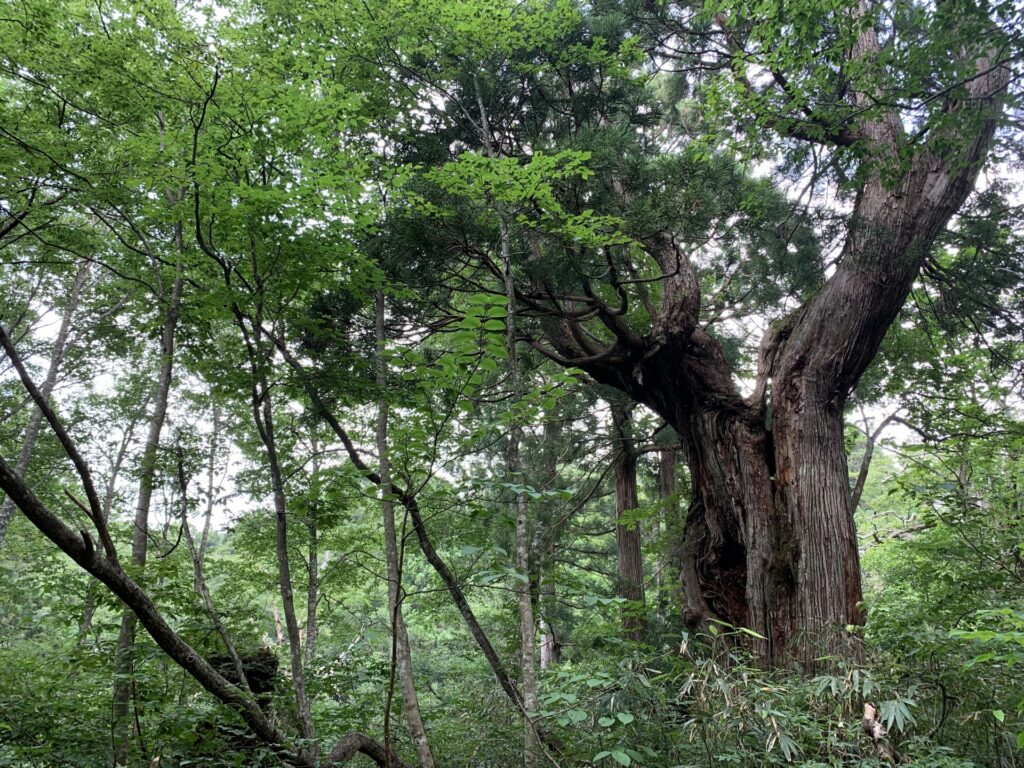
In November, the Bijodaira area at the lower elevations of the route is hushed and peaceful, as the ancient beech and cedar trees have shed their leaves. While the well-maintained trails are still open for exploration, they can be damp or covered in the first dusting of snow, making sturdy footwear essential. The vibrant autumn colors are gone, but the bare trees and quiet atmosphere offer a serene and unique opportunity to experience the forest's calm beauty before the route's winter closure.
Kurobe Dam
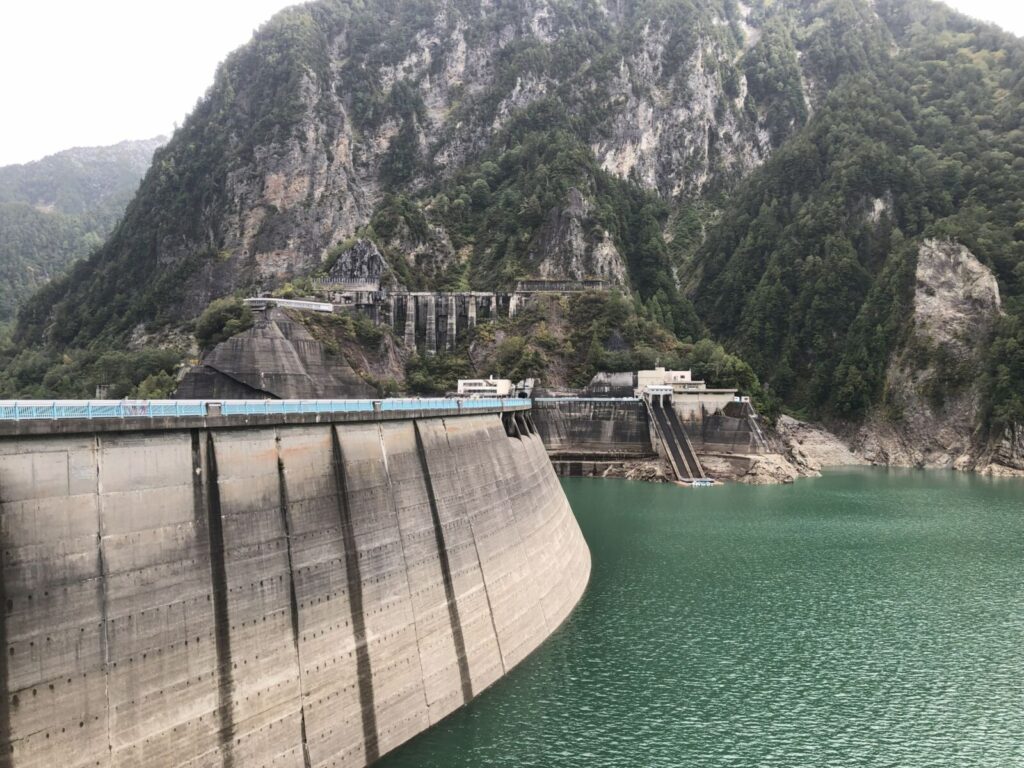
In November, the Kurobe Dam area is breathtakingly beautiful as the first snows begin to dust the surrounding peaks, creating a stunning contrast with the massive concrete structure. While the famous sightseeing discharge of water from the spillways has already ended for the season, the main path across the dam remains open for visitors to appreciate its immense scale. Hiking on the more challenging trails around the dam is not recommended due to the increasing cold and potential for ice and snow, but the clear views from the dam itself are a major highlight.
Seasonal Highlights in November
Winter Comes on the Alpine Route
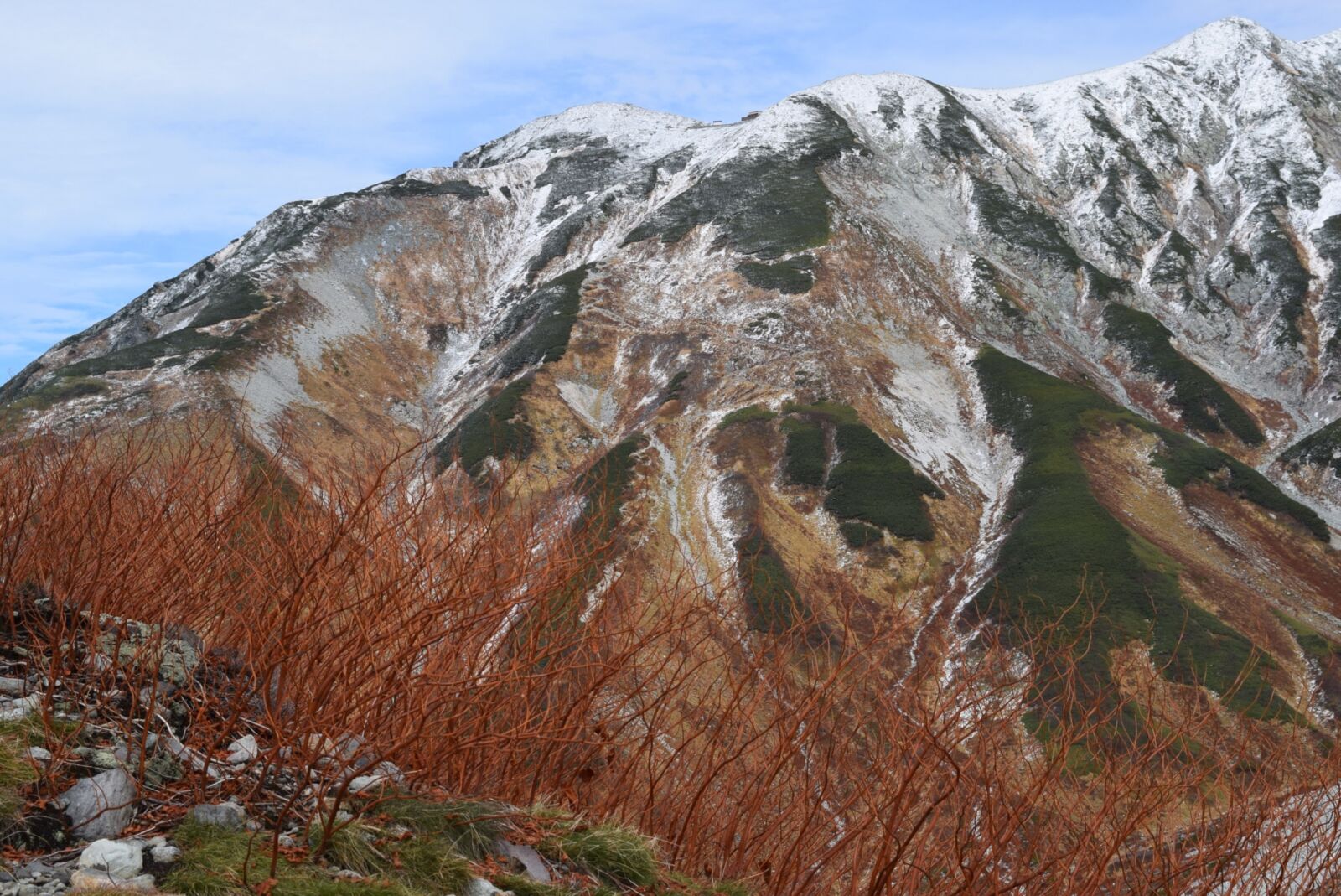
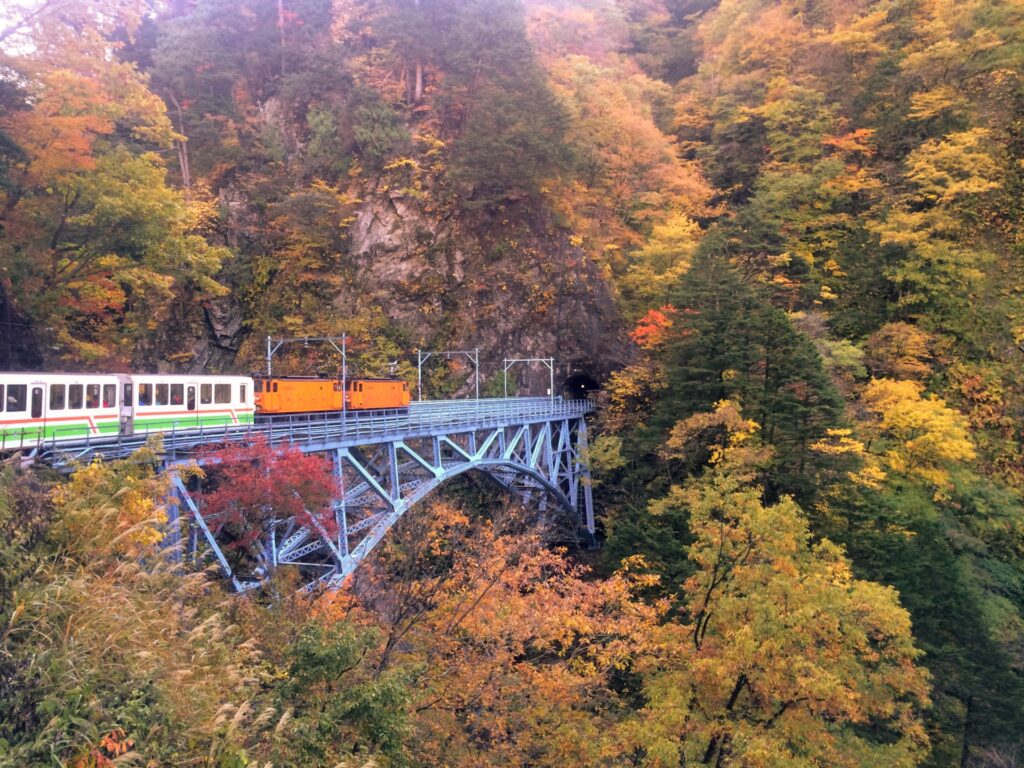
In November, the Tateyama Kurobe Alpine Route is defined by the arrival of the first significant snows, which gradually blanket the landscape and create a stunning contrast with the last of the autumn colors. This transition means that while the main transportation remains operational, many higher-elevation hiking trails become inaccessible or require special equipment due to snow and ice. The main highlights are not the towering snow walls (which form later in winter) but rather the unique scenery where a dusting of white snow covers the upper peaks while lower elevations still display colorful autumn foliage. This blend of seasons makes for a truly magical and serene experience before the route closes for the winter.
Featured Tours in November
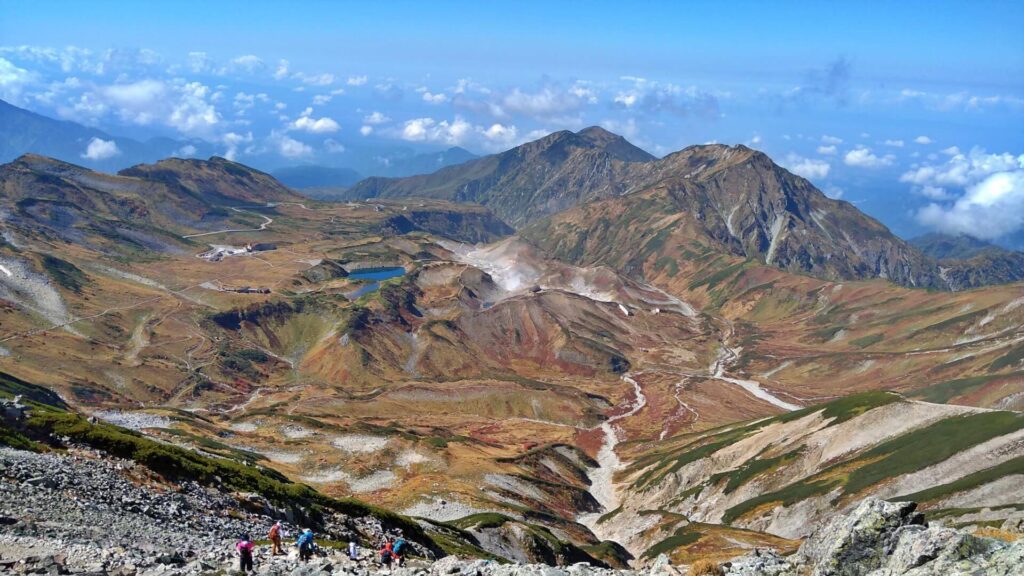
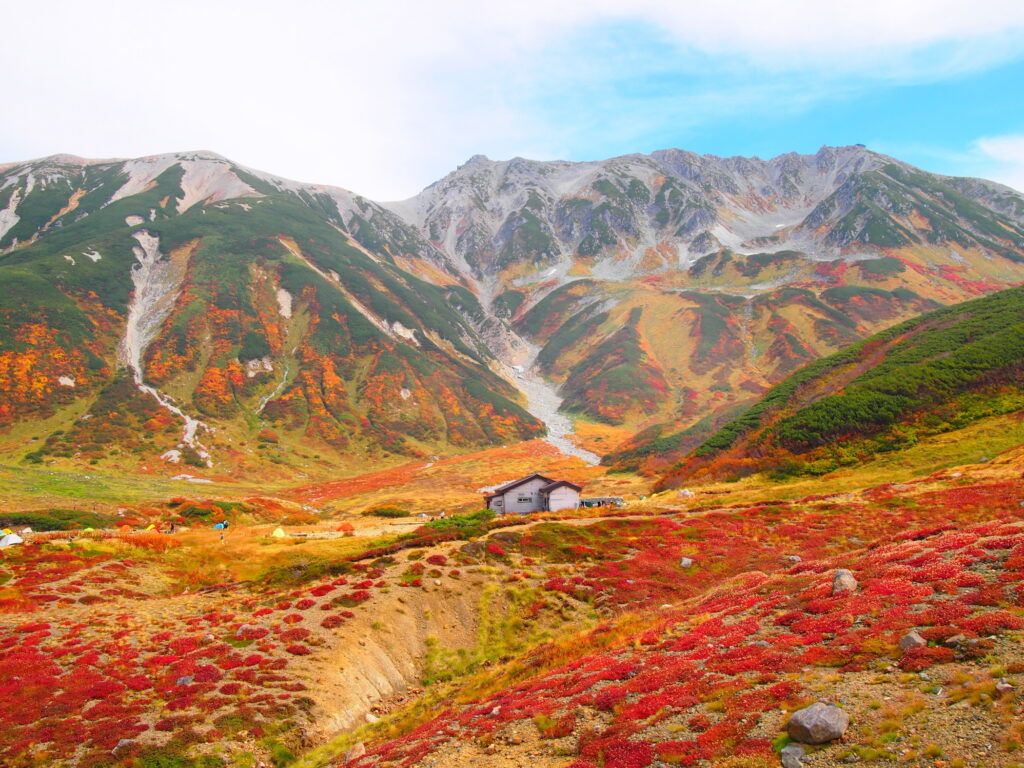
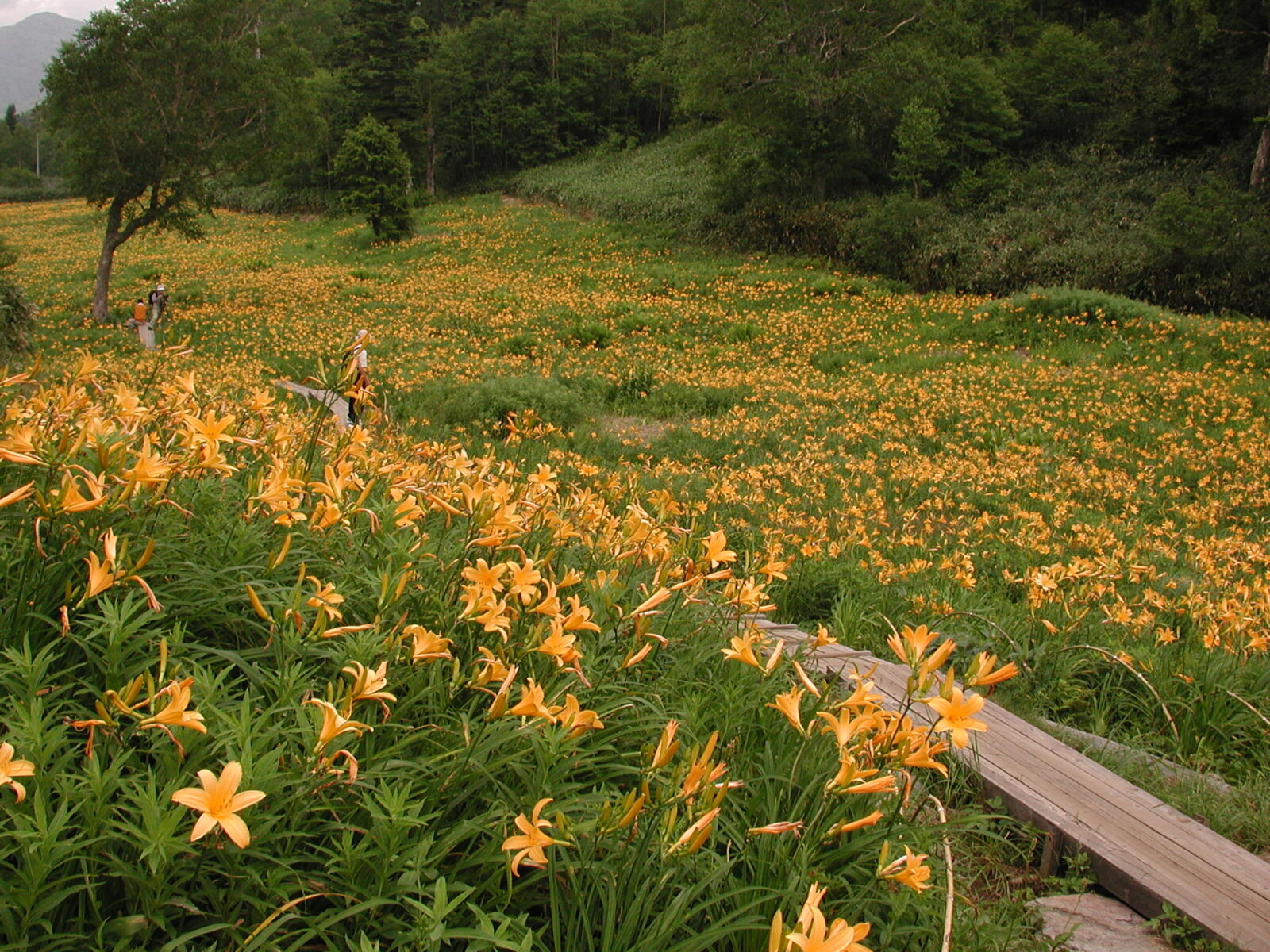
[Summer/Fall Only] From Kanazawa: Shomyo Falls, Light Alpine Hikes and Tateyama Mountain's Majesty
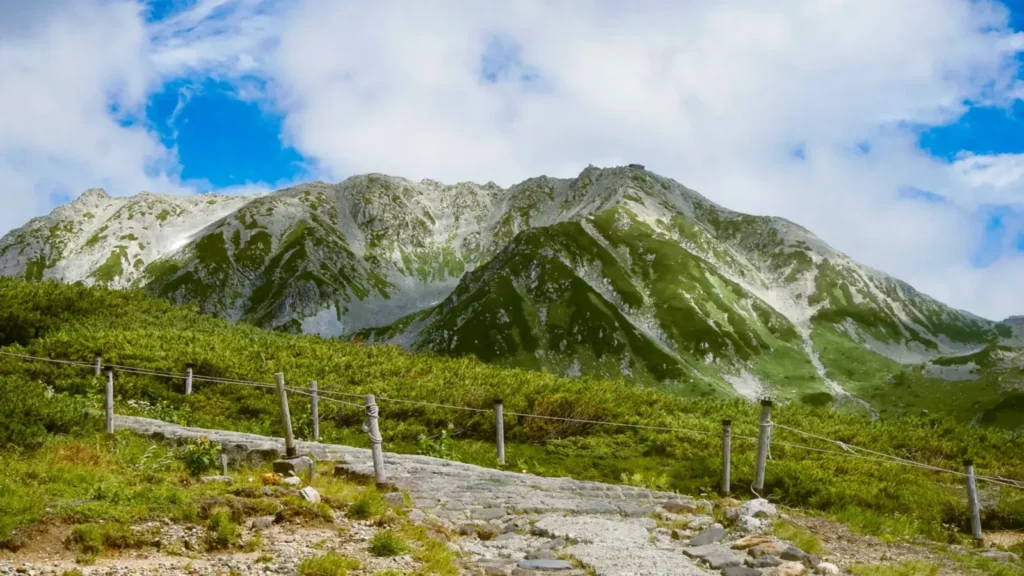
November is a unique time to explore the Tateyama Mountains, offering a memorable journey that combines a spectacular natural landscape with an exploration of Japan's tallest waterfall. This tour takes you from Kanazawa to the dramatic heights of the Alpine Route, where you'll witness the beginning of winter as the mountains are dusted with the first snows.
Highlights:
- Hike to the majestic Shomyo Falls, Japan's tallest waterfall.
- Enjoy a light hike and picnic lunch in the Midagahara Wetlands.
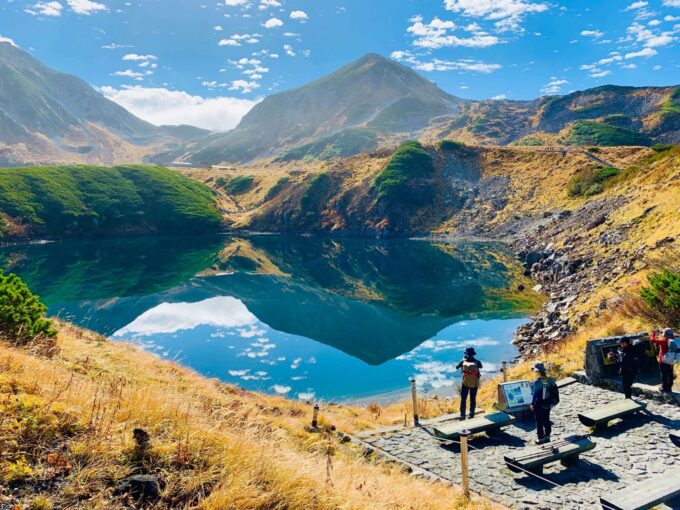
- Explore the high-altitude trails around Murodo and the beautiful Mikurigaike Pond.
Small Group
[Summer/Fall Only] From Kanazawa: Shomyo Falls, Light Alpine Hikes and Tateyama Mountain's Majesty
- Spots:
- KanazawaAlpine Route
- Pick-up:
- Kanazawa
- Drop-off:
- Kanazawa
[Summer/Autumn only] Tateyama-Kurobe Tour: Walking on the 'Roof of Japan'
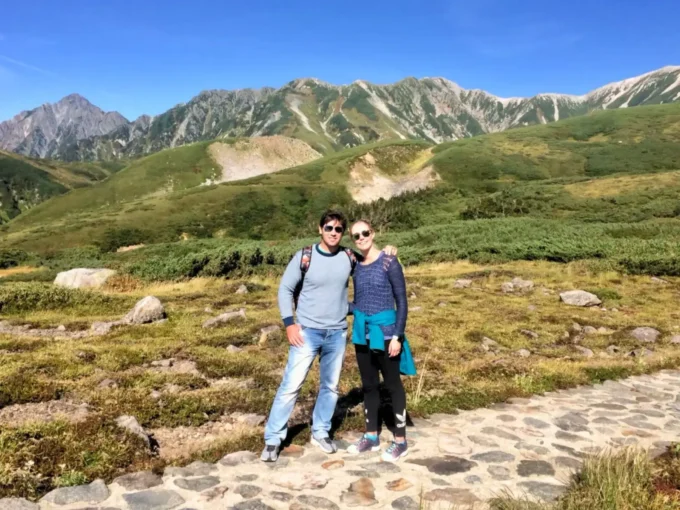
This tour, which starts in Nagano City, takes you to the "Roof of Japan" on a single-day trip to the Tateyama-Kurobe Alpine Route. It combines a series of unique mountain transports to ascend Mt. Tateyama, offering stunning views of the dramatic alpine landscape. The tour is especially popular for seeing the striking mountain colors, both the autumn and winter!
Highlights:
- Explore the dramatic alpine landscapes of Mt. Tateyama.
- Use multiple modes of transport, including the Tateyama Ropeway and a trolley bus, to ascend the "Roof of Japan."
- Learn about the mountain's history and its significance in Japan's mountain worship tradition from your guide.
Recommended
[Summer/Autumn only] Tateyama-Kurobe Tour: Walking on the 'Roof of Japan'
- Spots:
- NaganoAlpine Route
- Pick-up:
- Nagano City
- Drop-off:
- Nagano City
More Ways to Visit the Tateyama-Kurobe Alpine Route
Alongside our guided tours, we also offer charters and other travel options to the Tateyama-Kurobe Alpine Route. These are perfect for travelers who prefer private transport, customized itineraries, or more flexibility in planning their day. Whether you’re travelling as a family, a couple, or a group, charters provide comfort and convenience while still letting you experience the best of the village and surrounding region.
COMING SOON!!!
Tips for Visiting & Travel in November
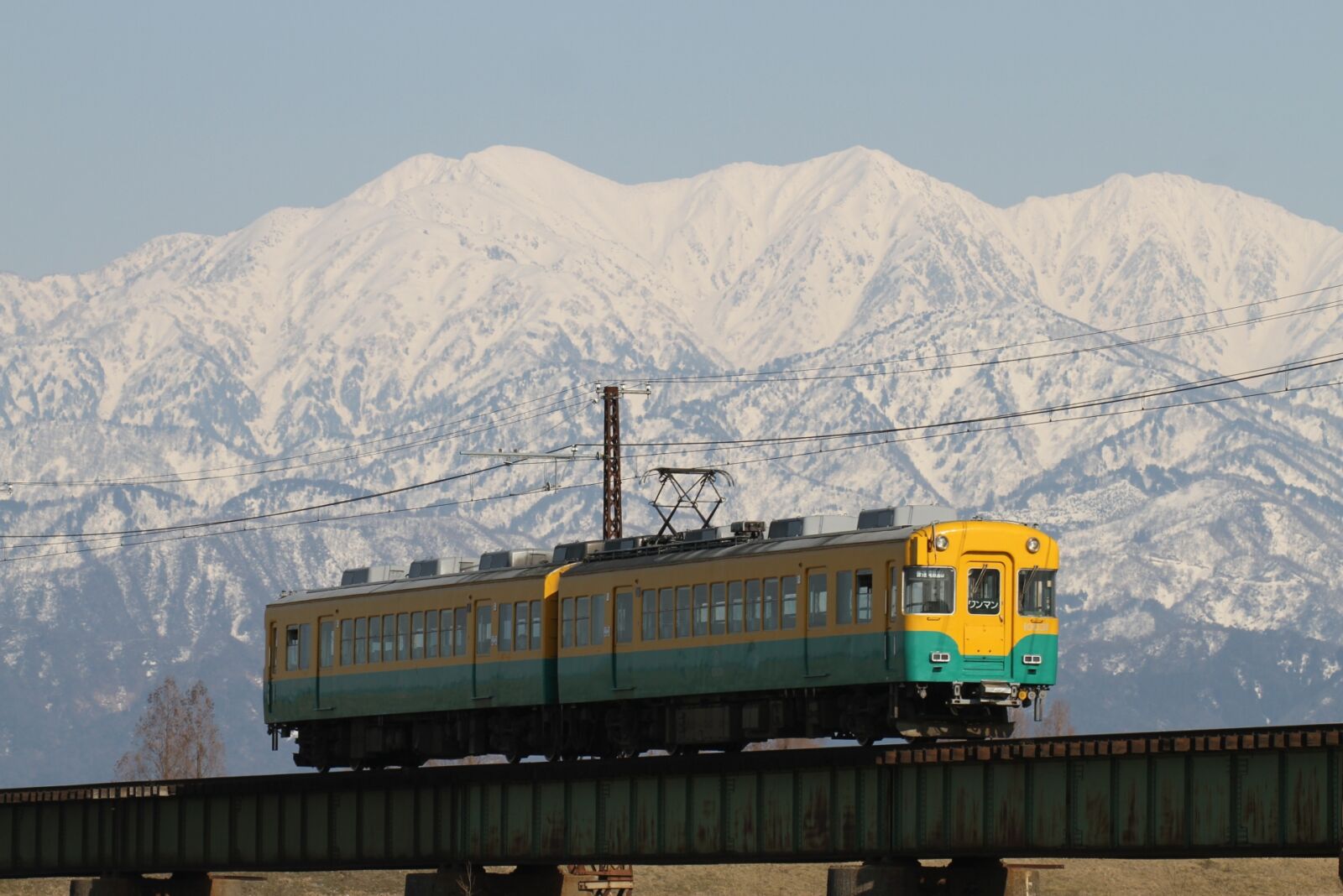
- Busy Season for Transport - November is a quieter month for the Tateyama-Kurobe Alpine Route, offering a more serene and peaceful experience. As the crowds of peak autumn have thinned, the unique mountain transports—from trolley buses to the ropeway—are less crowded, allowing for a more relaxed journey. By booking a tour, you can enjoy a stress-free trip with guaranteed transport, letting you focus on the unique seasonal scenery as the mountains transition from fall to winter.
- What to Wear – To stay comfortable, it's best to wear warm layers as temperatures on the route vary drastically by elevation, from a chilly 5°C at lower levels to well below freezing at higher points like Murodo. Be sure to pack a warm, waterproof jacket, a beanie, gloves, and a mid-layer fleece, as the mountain weather can be unpredictable with the first snows and ice. Waterproof hiking boots are also essential for navigating potentially slippery paths.
- Photography – November's main photography highlight on the Alpine Route is the spectacular transition from autumn to winter. The landscape transforms as the first snows blanket the upper elevations, creating a beautiful contrast with the last of the autumn colors in the lower valleys. This serene, cold air offers ideal conditions for capturing both wide panoramic views of the changing scenery and close-up shots of the pristine snow. This unique atmosphere provides a rare opportunity to photograph iconic landmarks like the Kurobe Dam and Mikurigaike Pond under a fresh layer of white, before the route closes for the season.
- Timing Your Visit – Weekends and national holidays are a bit busier. If you prefer a quieter experience, consider visiting on weekdays.
Where to Stay in November
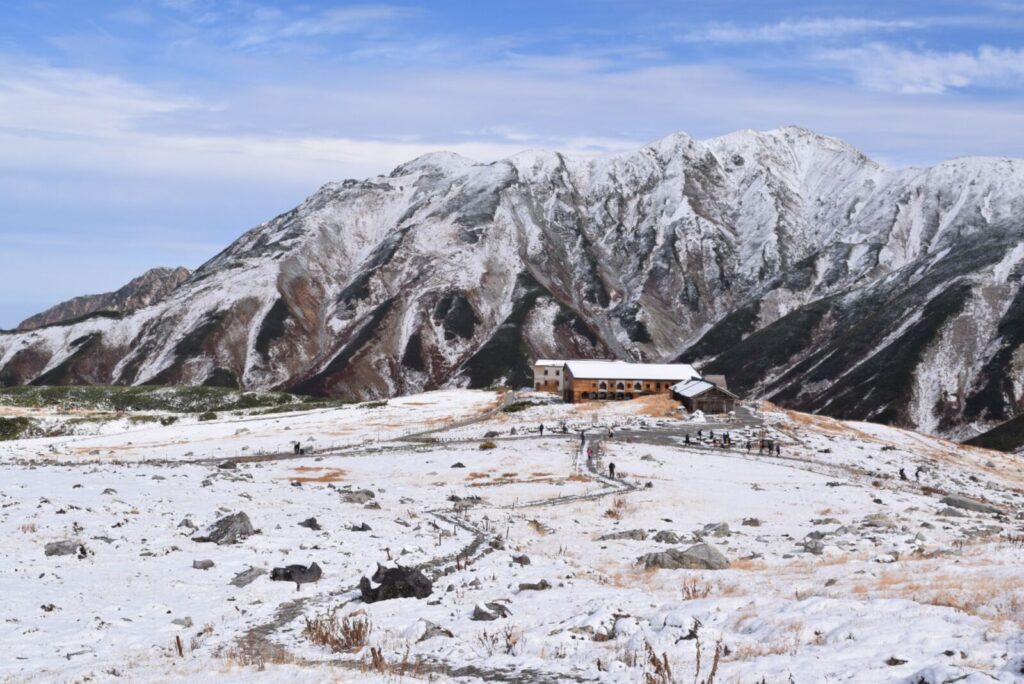
While a majority of visitors experience the Tateyama-Kurobe Alpine Route on a day trip, opting for an overnight stay in November offers a truly unique reward. Once the daytime crowds have dispersed, you can witness the mountains transition into a serene winter wonderland, with the first snows blanketing the landscape under a clear, star-filled sky.
- Hotels on the Alpine Route – Staying overnight on the Tateyama-Kurobe Alpine Route is a rewarding experience that allows you to escape the crowds and enjoy the mountain's beauty at sunrise and sunset. You can choose to stay at a hotel or lodge in the main hub of Murodo for easy access to key sights, or opt for a more tranquil stay at a hotel on the quiet Midagahara wetlands plateau.
- Camping – Camping on the Tateyama Kurobe Alpine Route is extremely challenging and not recommended in November due to the harsh weather, including freezing temperatures and the first significant snowfalls. Most designated campsites and mountain huts close for the season by late October, making it unsafe and virtually impossible to camp.
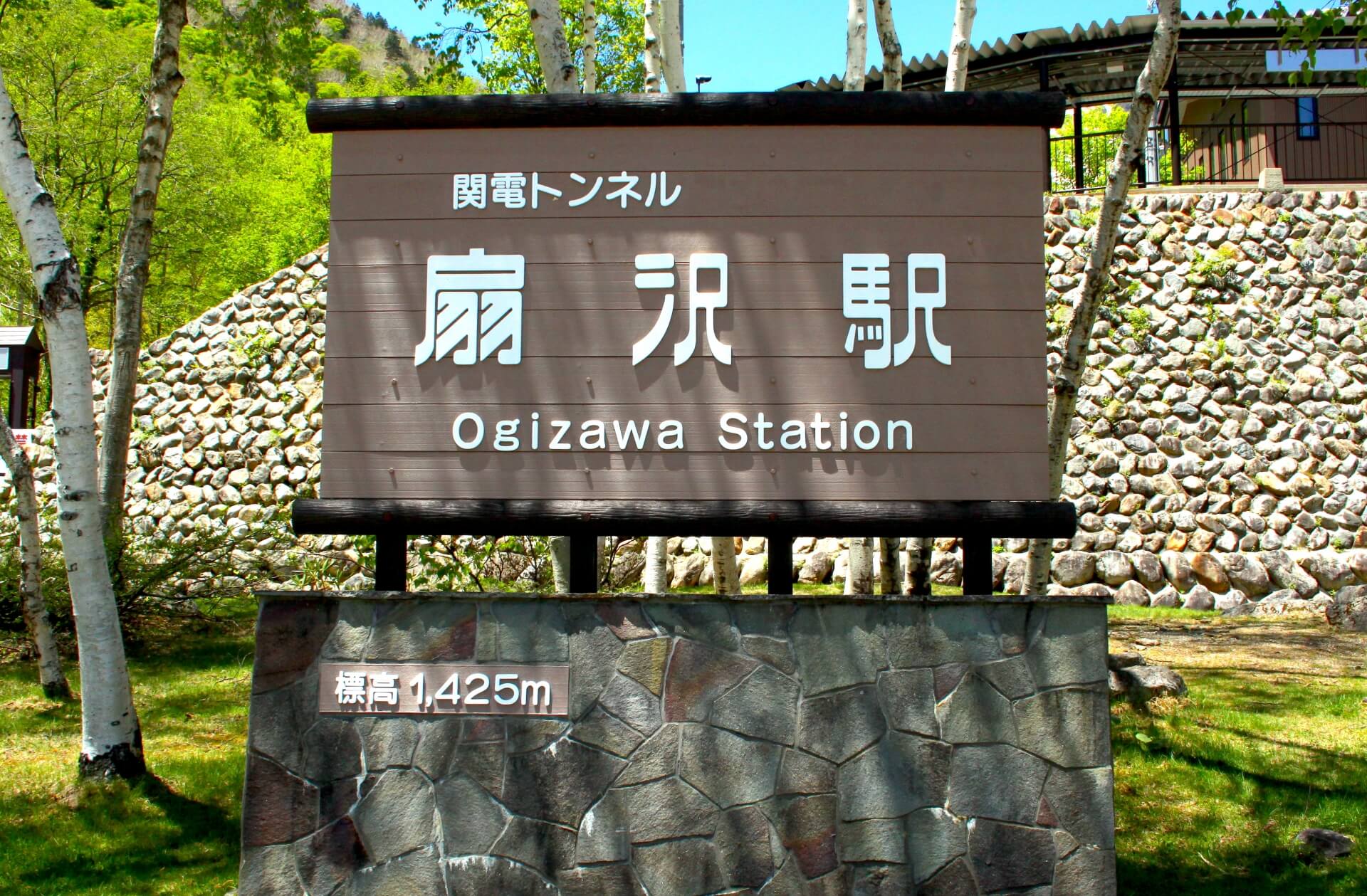
- Tateyama & Ogizawa Station – Near Tateyama Station, you can find a number of hotels and traditional Japanese inns (ryokan) that offer a comfortable place to stay before or after your journey. While Ogizawa Station has more limited lodging, its surrounding area is part of the larger Omachi Onsen-kyo hot spring village, where you can find hotels with relaxing onsen baths and views of the surrounding mountains.
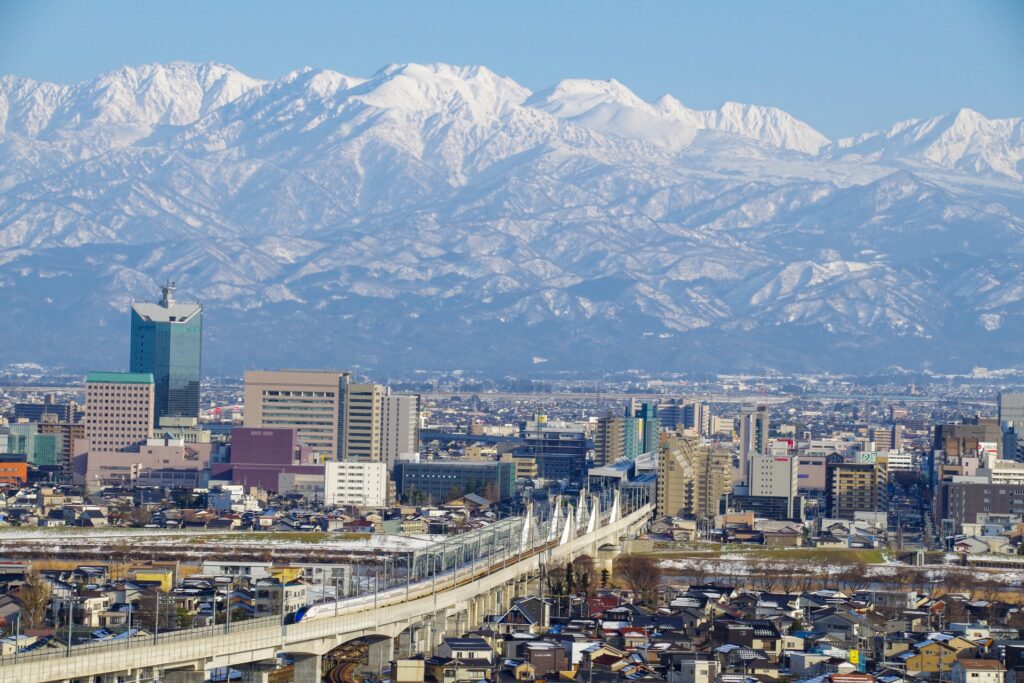
- Toyama City – As the primary gateway city to the Tateyama-Kurobe Alpine Route, Toyama City offers a wide range of accommodation, from business hotels to traditional inns, making it a convenient and comfortable base for your journey. Many of these lodging options are located near Toyama Station, providing easy access to the train that will take you directly to Tateyama Station, the starting point of the route.
- Nagano & Matsumoto City – In Nagano City, a major gateway to the Tateyama-Kurobe Alpine Route, you'll find an array of accommodation from budget hostels to luxury hotels, providing a convenient starting point for the journey. Likewise, Matsumoto City is another excellent option with its mix of modern hotels and traditional inns, offering easy access to the Alpine Route's Ogizawa side.
Wherever you choose to stay, autumn is one of the busiest times of year, so it’s best to make arrangements well in advance. For more guidance, see our Best Places to Stay on the Tateyama-Kurobe Alpine Route.
Plan Your November Visit

November is a truly unique time to experience the Tateyama-Kurobe Alpine Route. It's a transitional period where the last of the autumn foliage gives way to the first snows of winter, creating a spectacular landscape where brilliant fall colors are often dusted with a pristine layer of white. The crisp alpine air makes for exceptionally clear visibility, offering unparalleled views of the surrounding peaks. This transition between two distinct seasons makes a November visit a special glimpse into the dramatic change of the mountains.
With winter preparations underway and the first heavy snowfall possible, planning ahead is essential. Many of the hiking trails become inaccessible, and some sections of the route may close due to weather. Despite this, the route remains open until mid to late November, allowing for a final opportunity to witness the mountains transform into a winter wonderland before the seasonal closure. Whether you choose to stay overnight at a mountain lodge or use Toyama or Nagano as your base, visiting in November offers a rare and beautiful glimpse into the shifting seasons of the Alpine Route.
For a general overview of what's around Toyama check out our "Things to do in Toyama." We also have a "Famous Foods in Toyama" as well as a "Best Souvenirs from Toyama" for more specific interests. If you like exploring the more spiritual side of Japan check out the "Best Shrines and Temples in Toyama" as well as "Best Goshuin near Toyama" which covers the popular red stamp you can get at those locations! Finally we have a "Best Onsen Hot Springs in Toyama," "Best Museums in Toyama" and finally "Pokemon Manhole Covers - Kanazawa, Toyama and Fukui." There really is something for everyone!