










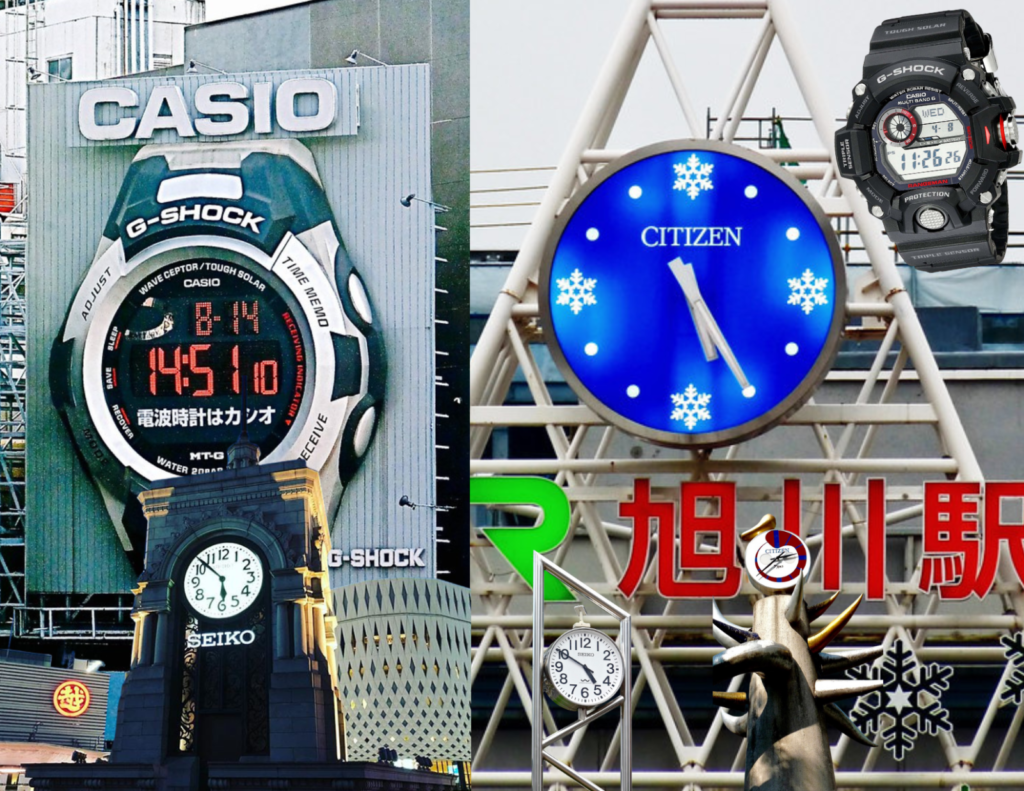
Japan has long been at the forefront of global watchmaking, not only for its technical innovations but also for its ability to blend tradition with modernity. From pioneering the quartz revolution to pushing the boundaries of mechanical precision, Japanese brands have redefined what a watch can be. Unlike the centuries-old Swiss tradition rooted in luxury and handcraft, Japan’s watchmaking story emphasizes precision engineering, accessibility, and a philosophy of practical beauty.
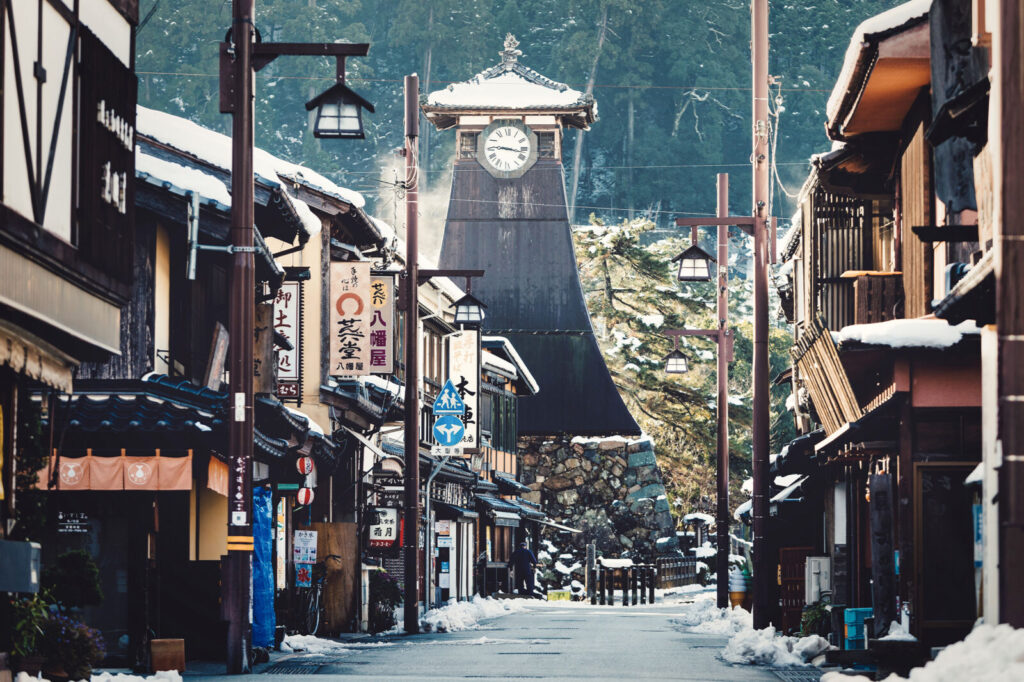
Hidden in Hyōgo’s Tajima region, Izushi (Little Kyoto) feels like a journey to the Edo period. The Shinkorō Clock Tower, standing since 1871, watches over the snowy streets as the town’s proud symbol.
What makes this story even more fascinating is how deeply these brands are tied to place. Each company’s identity is linked to a specific region, where local culture, landscapes, and history have shaped the watches themselves. Visiting these regions offers not only a deeper appreciation of the timepieces but also an opportunity to experience the environments that inspired them.
Let’s journey through three of Japan’s most iconic watchmakers: Seiko, Citizen, and Casio, and explore the places where their stories come alive.
To help plan your own journey, we’ve included a map highlighting key watch and clock museums across Japan.
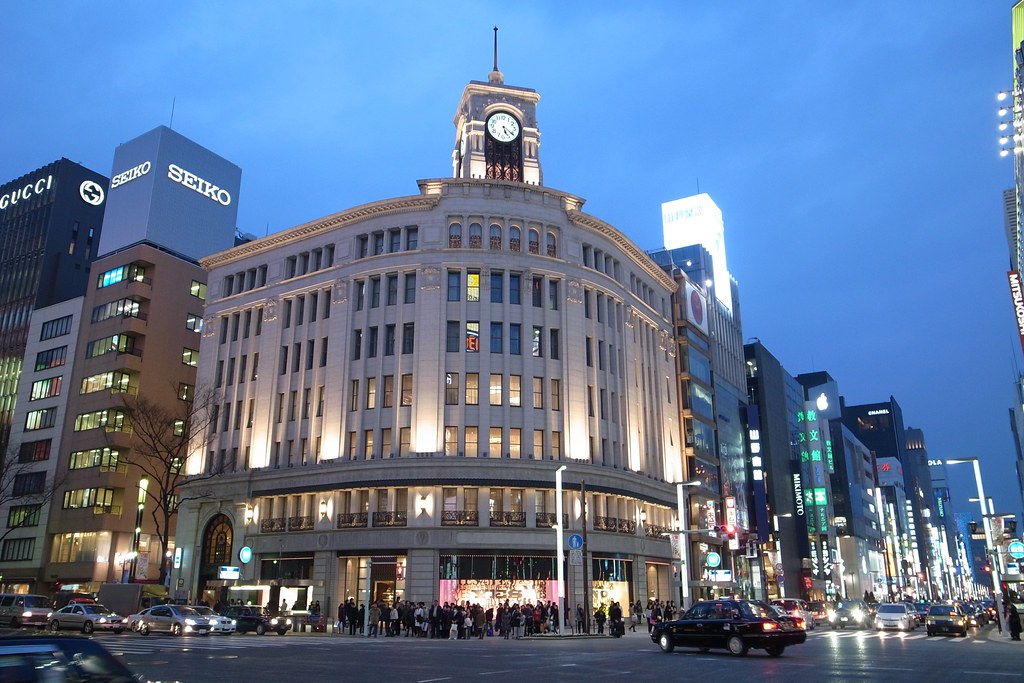
A)Seiko
Seiko’s origins date back to 1881, when Kintaro Hattori opened a watch and clock repair shop in Tokyo before founding the Seikosha factory. Over the next century, Seiko became synonymous with innovation: from Japan’s first wristwatch in 1913, to leading chronometer competitions in the 1960s, to the groundbreaking Quartz Astron of 1969 - the world’s first quartz wristwatch that forever changed the industry.
In 1892, Seikosha started production of wall clocks, and was soon able to make all components in house. This vertically integrated production method contributed greatly to the stability of quality, delivery and cost, helping Seikosha to became the largest producers of wall clocks in Japan in a little over six years.
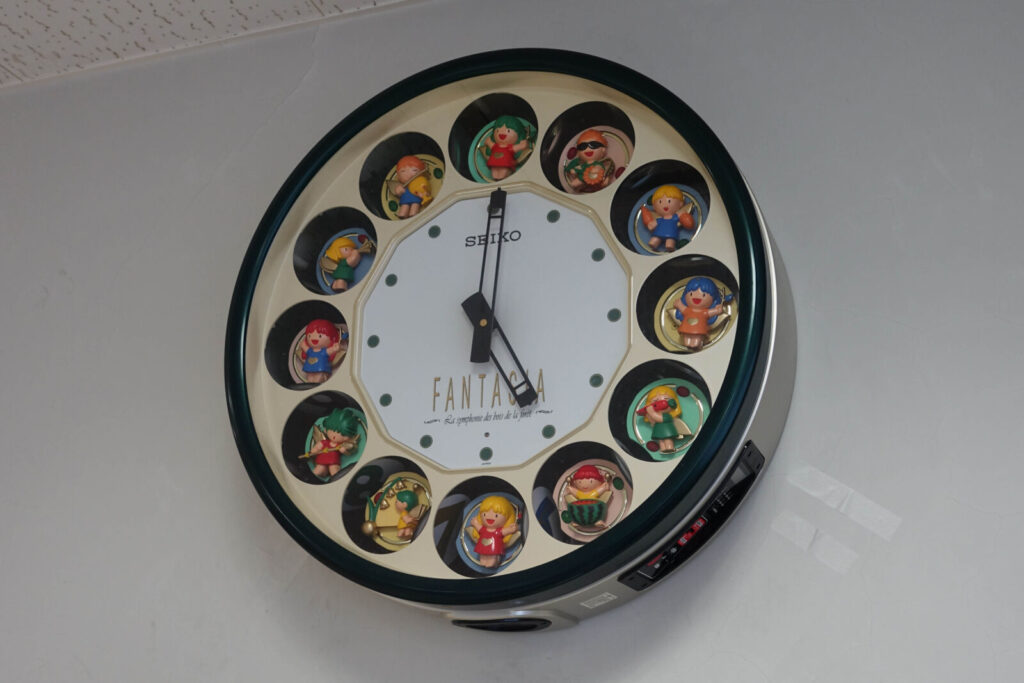
1998
Fantasia
A large automaton wall clock installed in schools, kindergartens, and other public institutions. At every hour on the hour, the clock comes to life with a musical puppet performance. As the melody begins, twelve small windows open, and puppets appear, nodding and swaying in unison. The playful routine combines timekeeping with entertainment, creating a familiar and nostalgic presence in daily life.
Suwa’s Role in Seiko’s Development
The region of Suwa in Nagano Prefecture became a hub of Seiko’s innovation. The Suwa Seikosha factory, which later evolved into Seiko Epson Corporation, was the birthplace of both the Quartz Astron and the Spring Drive movement, which blends mechanical craftsmanship with quartz precision.
Even today, Seiko Epson plays a vital role in Japanese watchmaking and oversees the Orient brand.
Orient
Orient traces its roots back to the early 1900s but has been part of the Seiko Epson Corporation since 2009. While connected to the broader Seiko Group, Orient operates as a separate brand with its own philosophy and following.
- Known for producing accessible mechanical watches with in-house movements.
- Offers exceptional value-for-money, with many models priced under $500.
- Its popular Bambino collection is celebrated for timeless, dressy designs.
- Dive watches like the Mako and Ray have built a reputation for reliability at an affordable price.
- The Orient Star line offers more refined movements and finishing, appealing to enthusiasts who want higher-end craftsmanship without Swiss prices
- Orient remains beloved in the watch community for balancing quality, tradition, and affordability.
Grand Seiko
Launched in 1960, Grand Seiko was created to embody the concept of the “ideal watch”; a Japanese-made timepiece that could rival the best Swiss luxury brands. Over time, it developed into Seiko’s highest expression of craftsmanship, precision, and design.
Grand Seiko was first introduced in 1960 as Seiko’s attempt to create the “ideal watch” that could rival the finest Swiss luxury timepieces. Over time, it developed into a benchmark of Japanese watchmaking, known for its flawless finishing, innovative movements, and understated elegance. In 2017, Grand Seiko became an independent brand, strengthening its identity in the global luxury market.
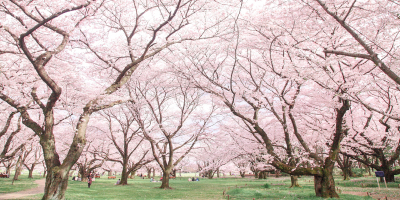
Many Grand Seiko dials are inspired by the natural environment of Japan. Examples include textures drawn from Lake Suwa’s shimmering surface, the white birch forests of Iwate, and the fleeting beauty of sakura blossoms.
Grand Seiko’s appeal lies in its philosophy of quiet luxury. Unlike Swiss brands that often emphasize prestige, Grand Seiko attracts collectors who appreciate subtle craftsmanship, technical mastery, and a uniquely Japanese design language.
Beyond Grand Seiko and Orient, the Seiko Group oversees a wide portfolio of watch brands, ranging from professional sports models like Seiko Prospex and refined dress watches like Seiko Presage, to entry-level favorites such as Seiko 5 Sports and innovative high-tech lines like Astron.
Regional Roots
Suwa is often called the “The Switzerland of the East” After World War II, its cool climate and skilled workforce made it an ideal hub for precision manufacturing. The culture of meticulous craftsmanship and openness to innovation nurtured Seiko’s success, creating a legacy that still defines the region today.
Travel Experience
Lake Suwa: See the shimmering waters that inspire Grand Seiko’s famous textured dials.
Epson Museum Suwa: Discover Seiko’s history, including the quartz revolution, in the place where it began.
Gishodo Suwa Clock Museum: A showcase of Suwa’s watchmaking heritage, featuring over 400 timepieces, interactive exhibits, and the iconic water-powered clock tower Suiun-Gishodai. Visitors can also explore the region further through the Shimosuwa Watchmaking Tour.
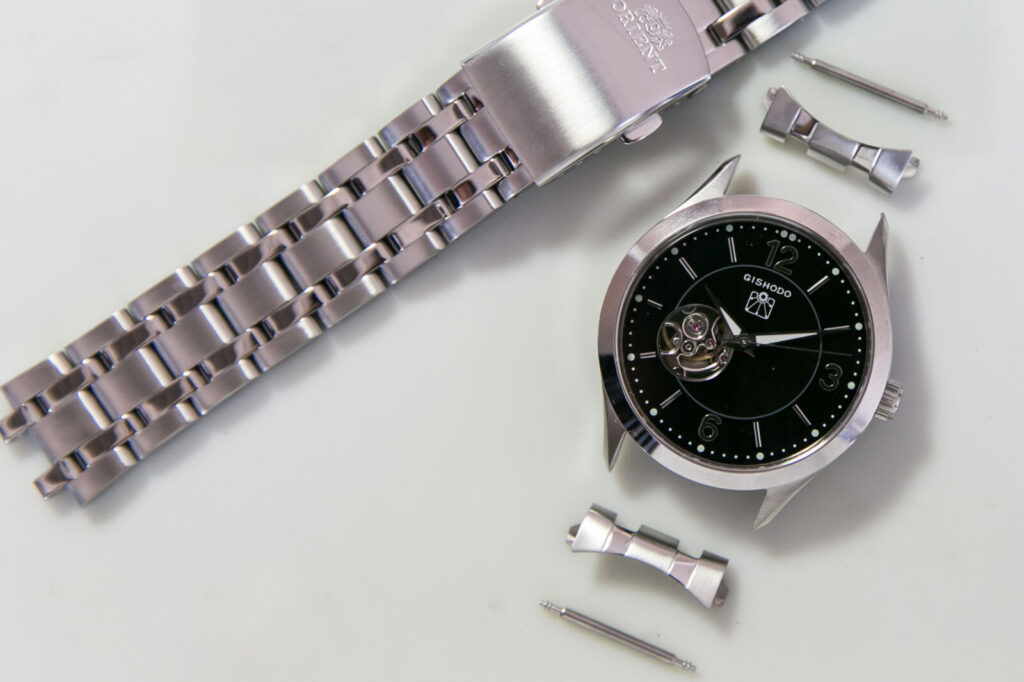
A sample watch assembled at Gishodo Suwa Clock Museum, featuring Orient parts. An example of the hands-on watchmaking experience offered to visitors.
B)Citizen
Citizen’s story began in Tokyo in 1918 with the Shokosha Watch Research Institute. The first pocket watch, named “Citizen” in 1924, embodied the vision of making reliable timepieces accessible to all. By 1930, the Citizen Watch Co., Ltd. was born.
One of Citizen’s defining innovations came in 1976 with the launch of the world’s first light-powered analog quartz watch. This breakthrough paved the way for Eco-Drive technology, which converts light into energy and store it in a rechargeable cell, allowing them to run for months without exposure to light. This innovation not only removes the need for battery replacements but also makes for a more sustainable, low-maintenance timepiece.
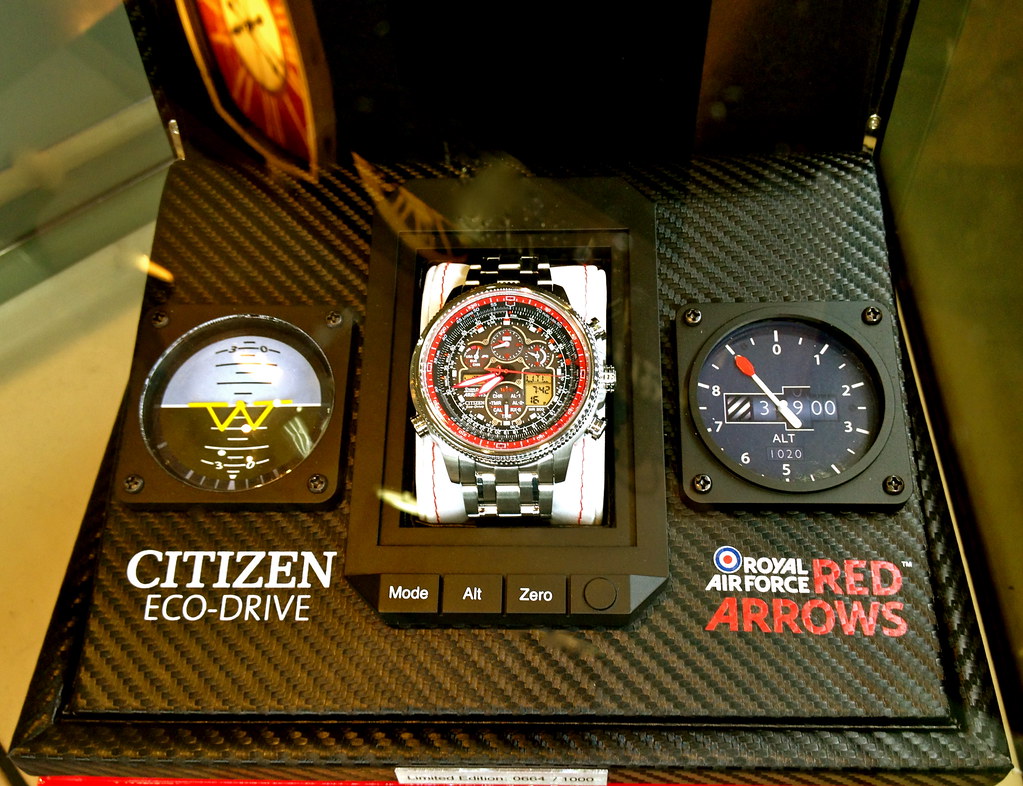
Since its debut in the 1970s, Eco-Drive has been at the core of Citizen’s identity.
Citizen × Royal Air Force Red Arrows Eco-Drive
A solar-powered chronograph watch with atomic timekeeping and aviation-inspired red detailing, created in collaboration with the Red Arrows.
Citizen is also notable for its vertical integration. Through its Miyota subsidiary, it not only produces movements for its own watches but also supplies many other global brands. While known for affordable, reliable timepieces, Citizen also excels in high-end models such as The Citizen line and advanced GPS-enabled watches like the Satellite Wave series.
Regional Roots
Citizen bridges urban innovation with regional craftsmanship. Its Tokyo headquarters embodies forward-looking design and advanced technology, while its state-of-the-art factory in Saku, Nagano, opened in 2016, represents the brand’s commitment to precision and quality rooted in Japan’s craft traditions.
Travel Experience
Citizen Flagship Store, Ginza: Explore the full range of Citizen Group brands with interactive displays and the largest selection of Citizen watches in Japan.
Saku, Nagano: While the factory itself is not open to the public, the region’s mix of natural beauty and precision manufacturing culture makes it a worthwhile stop for those tracing the roots of Japanese craftsmanship.
C)Casio
Casio began in postwar Tokyo in 1946, initially known for calculators and electronic devices. In 1974, the company entered the watch market with the Casiotron, one of the world’s first digital watches with an automatic calendar.
The real breakthrough came in 1983 with the launch of the G-Shock. A rugged, shock-resistant watch created by engineer Kikuo Ibe after a dropped pocket watch inspired him to design something unbreakable. Today, durable watches are common, but 40 years ago the concept seemed almost impossible. After countless trials and errors, the first G-SHOCK, the DW-5000C-1A, was finally completed. Beyond its shock-resistant structure, it also featured 20-bar water resistance, remarkably high specifications for that era, which surprised even the watch industry.
G-SHOCK’s global success transformed it into an international brand. Collaborations continue across fashion labels and countless other fields, keeping the brand fresh and relevant.
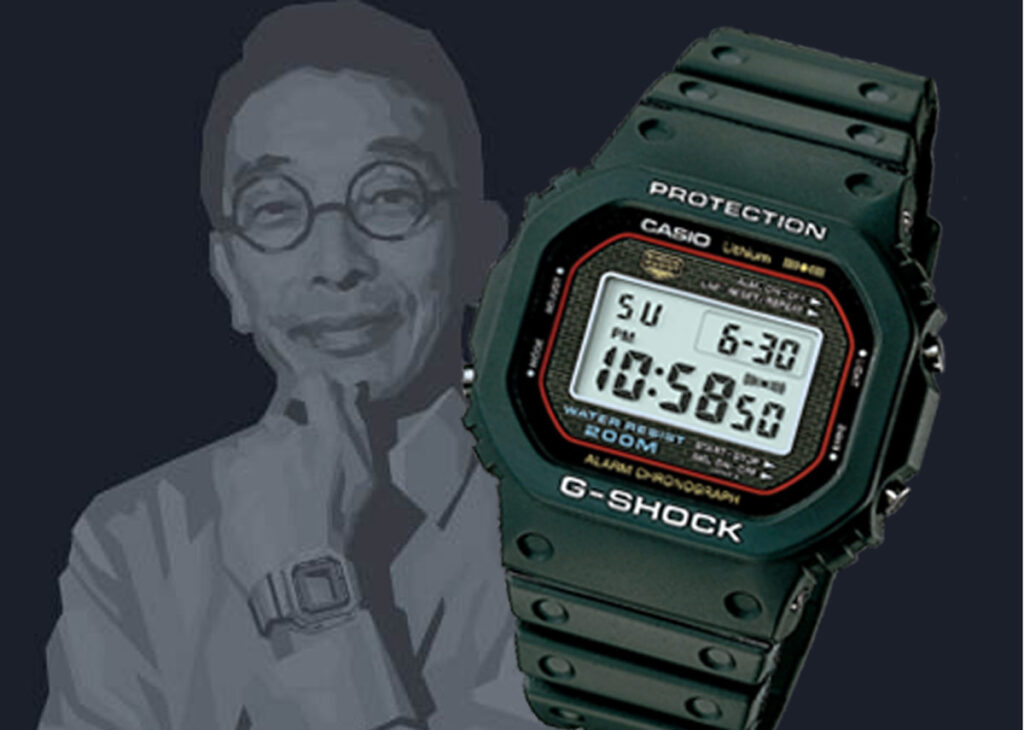
“A watch that won’t break, even if dropped.”
「落としても壊れない時計」
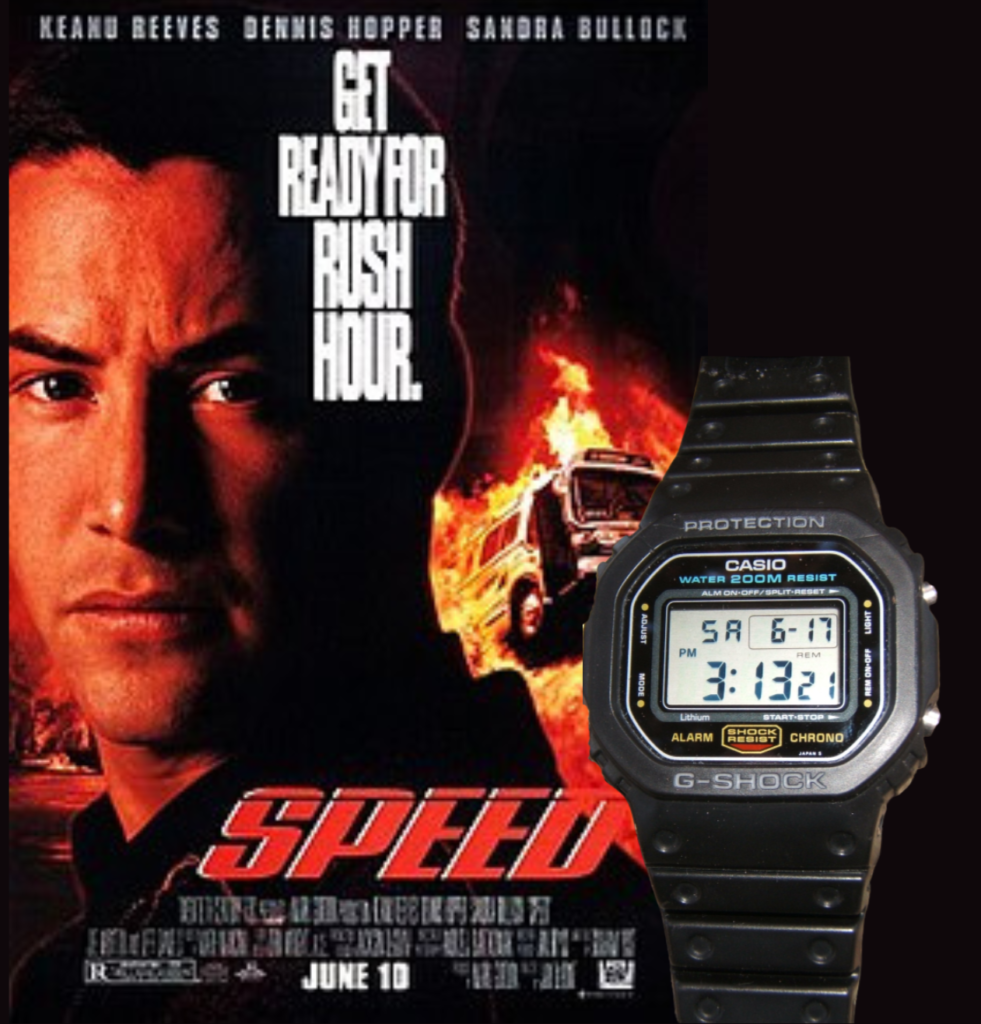
The Casio G-SHOCK DW-5600C-1V, famously worn by Keanu Reeves in the 1994 blockbuster Speed, earned the nickname ‘Speed G-SHOCK’ and remains one of the brand’s most iconic models.
Casio has continued to innovate with technologies like Tough Solar (solar-powered charging) and Wave Ceptor (radio-controlled timekeeping). Today, while Casio produces watches worldwide, its most premium models (including MR-G and high-end G-Shocks) are crafted at the Yamagata Casio factory.
Regional Roots
Yamagata Prefecture, home to the “mother factory,” is surrounded by mountains and known for resilience and craftsmanship. Its rugged landscape mirrors the spirit of G-Shock: toughness, endurance, and harmony with nature. Casio’s local partnerships also reflect a commitment to environmental sustainability, aligning with the philosophy behind its durable, long-lasting watches.
Travel Experience
Casio Headquarters, Shibuya: Learn more about Casio’s history in Tokyo.
Toshio Kashio Memorial Museum of Invention: Explore Casio’s origins and early innovations (reservation required).
Yamagata: Immerse yourself in the landscapes that inspire G-Shock’s toughness, hike in the Zao mountains, witness the famous “snow monsters” in winter, or relax in the hot springs of Ginzan Onsen.
Exploring Japanese watch brands is more than just appreciating fine timepieces, it’s a cultural journey. Seiko’s pioneering spirit in Suwa, Citizen’s blend of Tokyo innovation and Nagano craftsmanship, and Casio’s rugged philosophy born in Yamagata each tell a unique story of Japan’s relationship with time.
Whether you are a dedicated collector or simply a curious traveler, visiting these regions offers the chance to experience the landscapes, traditions, and people that have shaped some of the most influential watches in the world. In Japan, time is not only measured. It is crafted, inspired, and lived.
Here is a map to all the watch and clock museums in Japan: Including the ones listed here, there are 17 overall!
*On the list - yellow star
Shimosuwa Konjakukan Oideya (Suwa, Nagano)
Epson Museum Suwa (Suwa, Nagano)
Matsumoto Timepiece Museum (Matsumoto, Nagano)
Seiko Museum Ginza (Ginza, Tokyo)
Tonouchi Clock Memorial Museum (Ina, Nagano)
Daimyo Clock Museum (Taito, Tokyo)
Museum Meiji-Mura (Inuyama, Aichi)
Akashi Municipal Planetarium (Akashi, Hyogo)
National Museum of Nature and Science (Taito, Tokyo)
Citizen Flagship Store Tokyo (Ginza, Tokyo)
Toshio Kashio Memorial Museum of Invention (Setagaya, Tokyo)
Clock & Treasure Museum (Ōmi Jingu Clock Museum) (Otsu, Shiga)
Fukuyama Auto & Clock Museum (Fukuyama, Hiroshima)
Izukogen Karakuri Clock Museum (Ito, Shizuoka)
2F Kobe Dole Museum Kobetokei Design Museum (Kobe, Hyogo)
Nakamura Clock Museum (Nankoku, Kochi)
Yokosuka Watch Museum (Taiando Main Store) (Yokosuka, Kanagawa)