
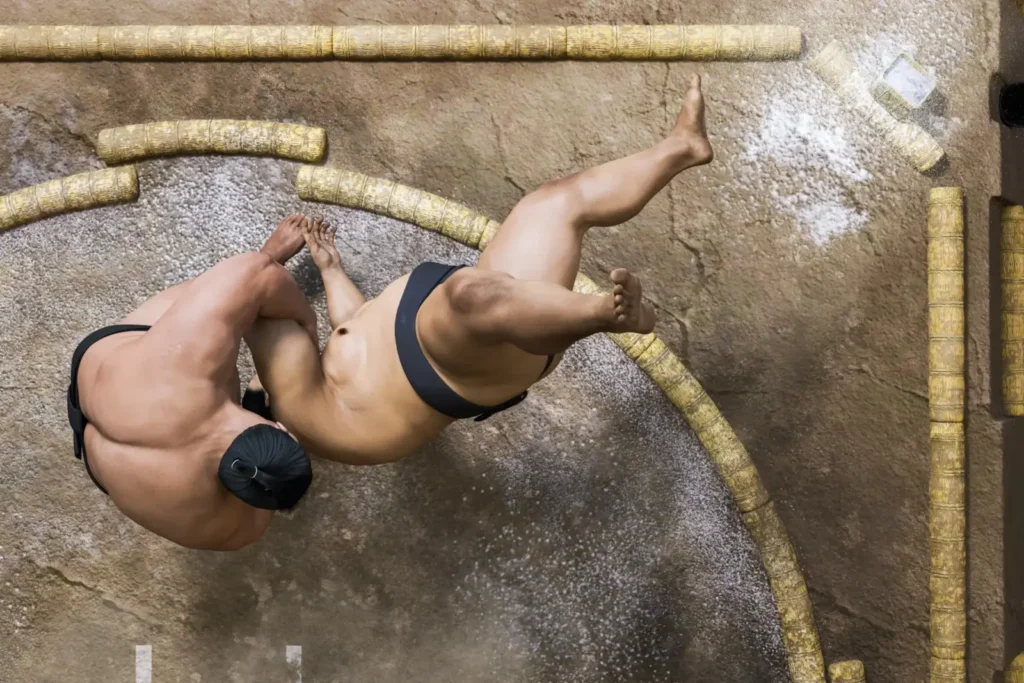
For many who visit Japan, the idea of seeing a real-life sumo match is an attractive one. The sport is synonymous with Japan, sumo wrestlers (called rikishi) are known for their size and unique dress, and it has practices visually similar to what we associate with Shinto shrines. Unfortunately, getting to see a sumo match is notoriously difficult.
For those planning a trip to Kanazawa and hoping to see a sumo match, Snow Monkey Resorts has prepared this guide to help you get started.
What is Sumo?
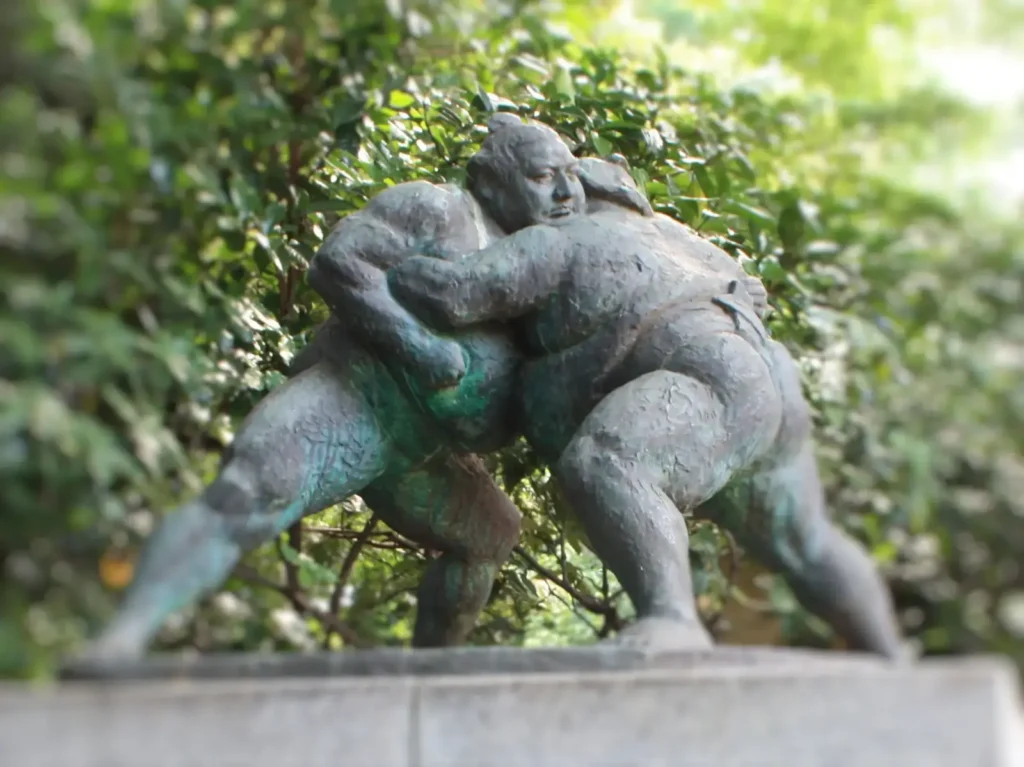
Sumo is Japan's national sport. It literally means "striking one another" and has deep connections with Shinto, the "native" religion in Japan. A sumo match has two wrestlers attempting to force the other out of a ring or to touch the ground with a part of their body other than the soles of their feet. They can slap, throw, shove and push their opponent, but punching, kicking, biting and "chopping" (like in karate) are forbidden.
Sumo's origins are somewhat mired in mystery. Modern scholars reason that sumo was first performed as a dance intended to please the gods and bring a good harvest and has been performed widely since before 642, when it was first recorded. In that recollection, the first sumo match was held in 23 B.C.E. Sumo at this time were said to be fought to the death and used to settle disputes between feudal lords.
In mythology, sumo was invented by the Shinto god of thunder called Takemi-kazuchi. When the blood of the fire demon Kagu-tsuchi spilled onto the ground, Takemi-kazuchi was formed. He grew to be a conqueror and eventually sought to control the semi-mythological land of Izumo (part of modern-day Shimane Prefecture). Izumo was protected by Takemi-mikata, a powerful god of water and wind. Takemi-mikata challenged Takemi-kazuchi to a duel, where Takemi-kazuchi crushed Takemi-mikata's arm "like a reed" and claimed the land of Izumo as his own.
The Rules of Sumo
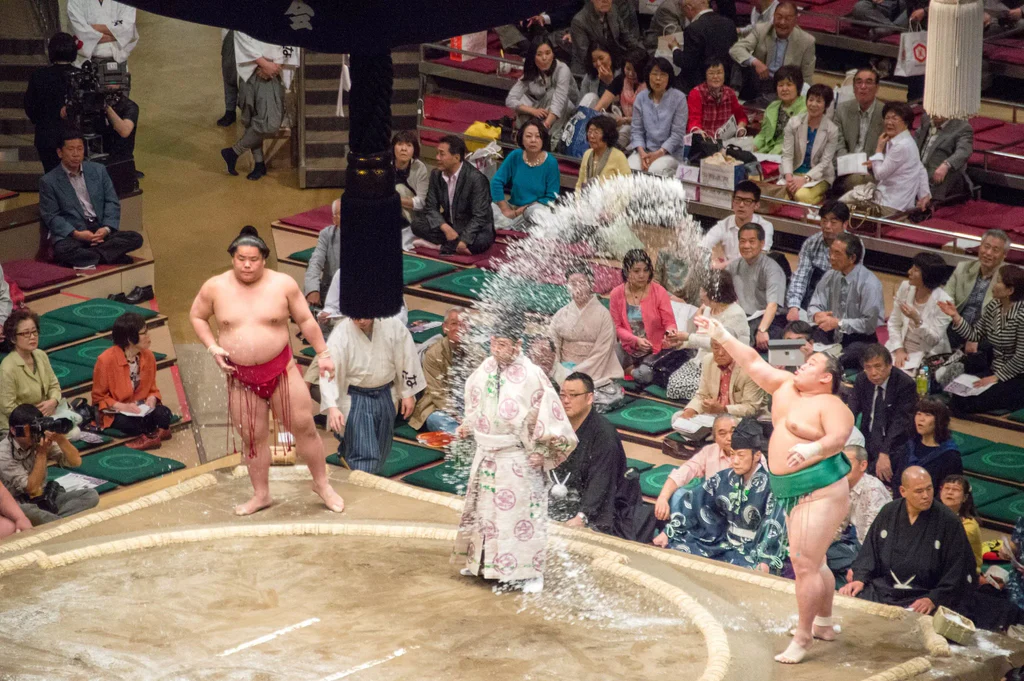
Sumo has extremely strict rules and traditions. A wrestler (called a rikishi in Japanese) loses a sumo match when he is forced out of the ring. He can also lose by being forced to the ground, touching it with any part of his body other than the soles of his feet.
Common techniques include throwing, lifting, pushing and pulling the opponent. There are a host of illegal moves, including strangling, targeting the groin, punching, poking the eyes, striking both ears, pulling the hair.
Before each match, the wrestlers will cleanse the ring by throwing salt. The wrestlers will then do a series of traditional stretches called shikiri, bow to each other, then do a squat. The wrestlers stand opposite each other, facing east and west. The match begins when both wrestlers have placed their knuckles on the ground and charge into each other. This is called tachi-ai, the synchronised charge. There is strategy involved here, as the wrestler who puts their knuckles down first is said to be more prepared for the charge, while the one who waits is able to dictate the pace.
Matches typically last only a few short seconds but have been known to last longer. A regulation match is called after four minutes and the judges will declare a winner.
How to Get Sumo Tickets
Tickets should only be bought from official websites. They are not sold on the day at any sumo venues. If you would like to see a sumo match, it often requires weeks to months of foresight. The Japan Sumo Association recommends against buying tickets from the following sites:
- Viagogo
- BuySumoTickets
- StubHub
- Ticketstreet
- Others, such as Yahoo Auctions and ticket ryuutsuu center
The official website for the Japan Sumo Association updates the latest ticket information on their website. They usually go on sale around a month before the event itself and tend to sell out quite quickly. The official ticket sellers do a lottery to avoid scalping. You can find information about the regional show matches on the Provincial Tour section of the website.
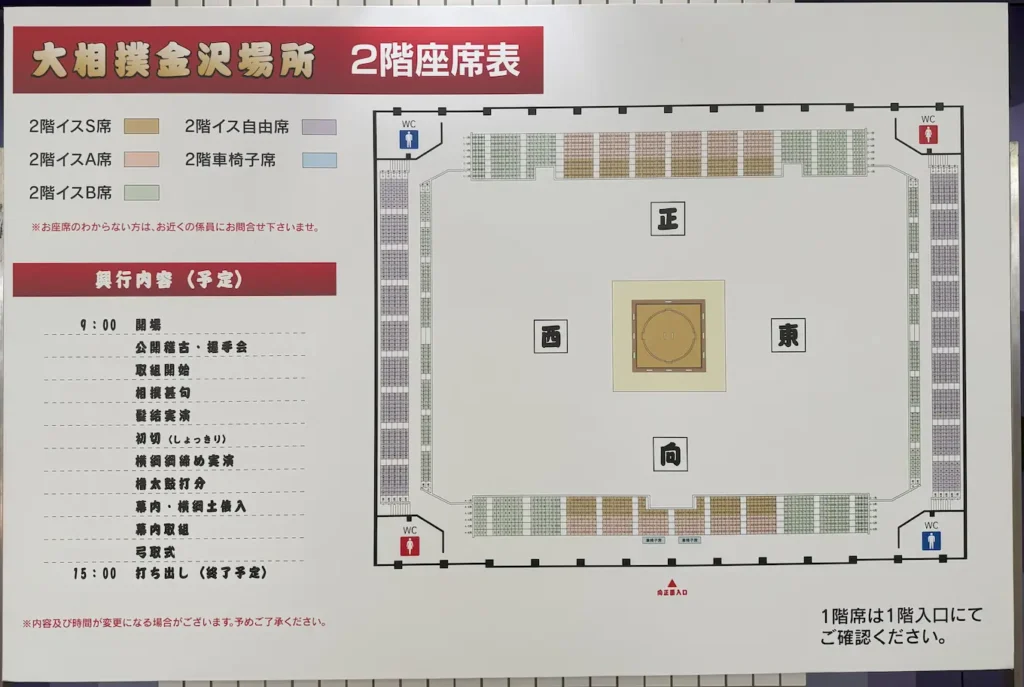
Ticket prices vary quite dramatically depending on the area that you'd like to sit. In Kanazawa, there are three tiers of seating:
Ringside Seats
The closest seats to the action. These are the most expensive seats available, typically priced at around JPY 16,000 and above as they get closer to the ring. Beware if you sit this close, as sumo wrestlers often fall out of the ring and one or two may hit the first row or two. You may also get hit with salt as its thrown to cleanse the ring.
"Box" Seats
Not quite ringside, but on the same level. In larger arenas, these are often actual boxes of tatami mats, sometimes with a small table, but in Kanazawa they are on the floor. Seats further back have chairs.
Balcony Seats
Looking down on the arena from the second floor are the balcony seats. These are separated into four quadrants (東, higashi, "east"; 西, nishi, "west"; 向, mukai, "back"; 正, shoumen, "front") and then further separated into sections labelled A, B and C based on distance to the ring.
Where and When are Sumo Matches Held in Kanazawa?
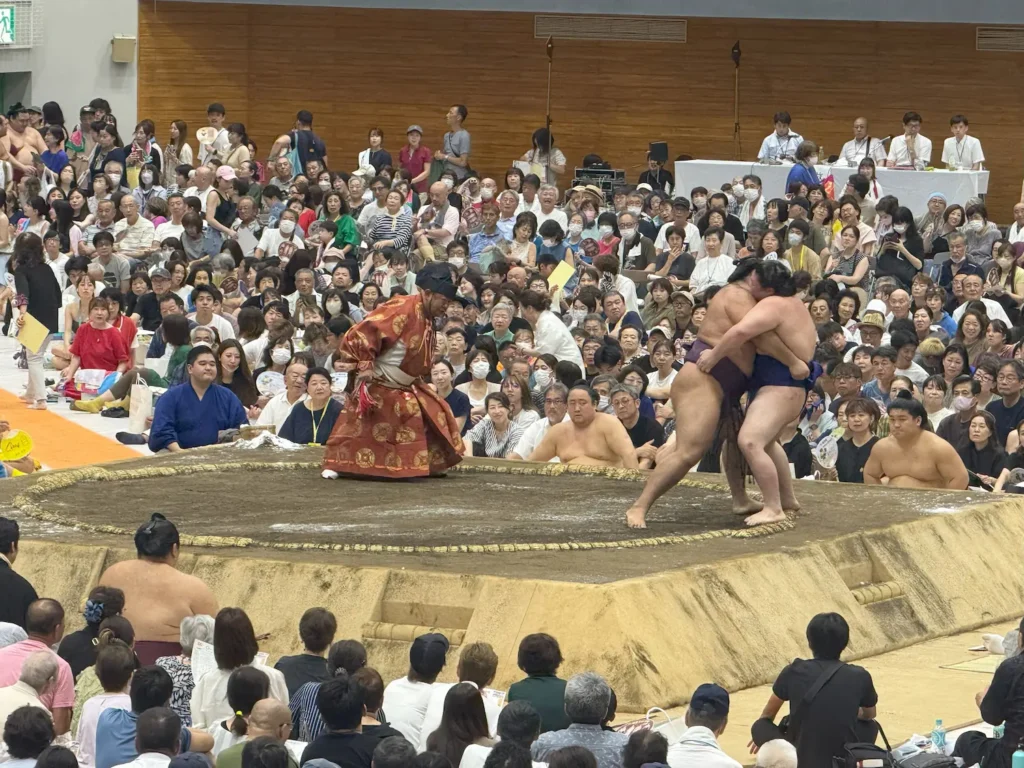
The Sumo tournament is held six times a year - three times in Tokyo in January, May and September; once in Osaka in March; once in Nagoya in July; and once in Fukuoka in November. These tournaments last 15 days, with the higher-ranked wrestlers competing in one match per day.
However, travelling special exhibition matches are held in locations across the country through the year. The circuit usually comes to Kanazawa in August, but visits other locations in Ishikawa Prefecture in April. In Kanazawa, the venue is always the Kanazawa Municipal General Gymnasium, shown on the map below.
Local Sumo Wrestlers - Who to Cheer!
Kanazawa and its surrounding region are known for several high-profile sumo wrestlers. First and foremost of them is the current yokozuna grand champion, O-no-Sato. He was born in the nearby town of Tsubata and is the fastest wrestler to reach the rank of ozeki (the highest rank after yokozuna) since the current format was introduced in 1958. O-no-Sato is considered a prodigy by many of Japan's top sumo commentators.
For most visitors arriving in Kanazawa, you will see his face without possibly realising it - as a cardboard cut-out of him is featured by the Tourism Centre in Kanazawa Station.
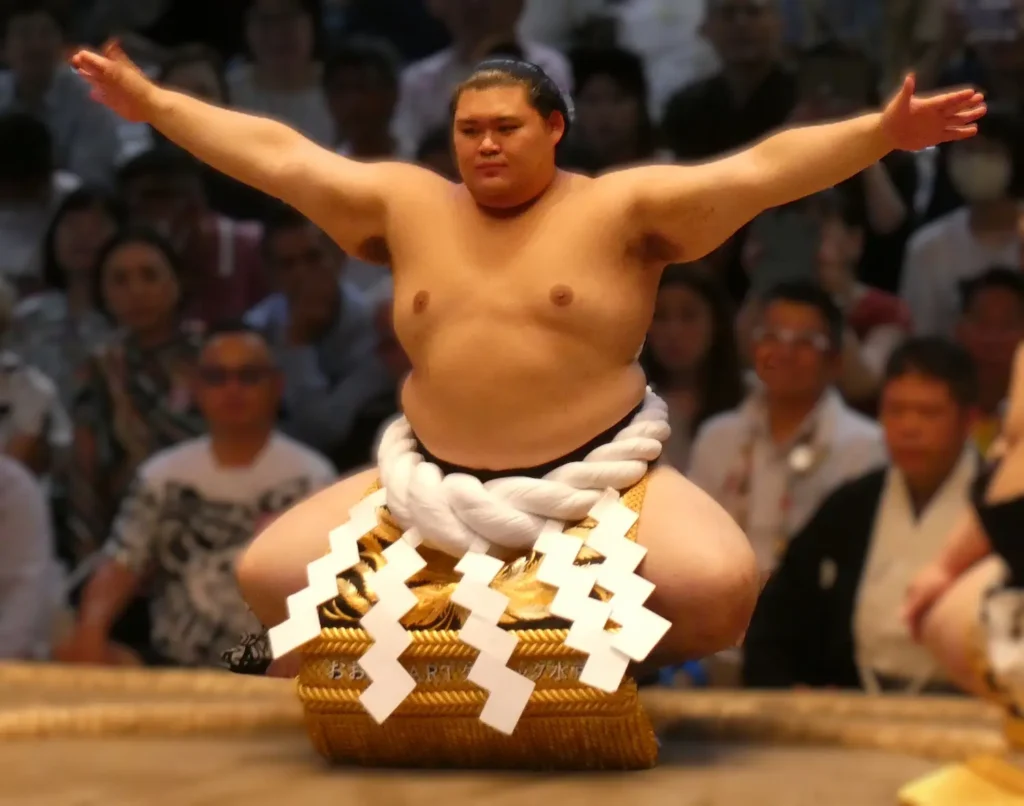
As the yokozuna, O-no-Sato is easily identifyable from the white band tied around his waist with lightning-bolt shaped strands coming off it.
Other popular local wrestlers include Endo and Oshoumi, who both compete in the top-tier. Another local favourite is Enho who, at just 164 cm (5'3") is one of the shortest professional wrestlers in the country.
Frequently Asked Questions (FAQ)
What are those big clothes the sumo wrestlers wear?
Those are called Mawashi, and usually refers more to the loincloth that wrestlers wear during training and competition. Higher-ranked wrestlers wear a more decorative apron-like piece called kesho-mawashi, which covers most of their legs and is worn during the ring entry ceremony.
The kesho-mawashi is made of silk and can weigh up to 5kg (11lbs). They are often sponsored or gifted. Foreign wrestlers may put their flag or some other imagery from their home country on their kesho-mawashi.
During the Edo Period (1603-1868), kesho-mawashi were worn during matches, but they became more ornate over time and moving in them became difficult, so the functions were split. At the time, the kesho-mawashi were decorated with symbols identifying the wrestler's lord.
Is it true that sumo wrestlers have a hard life?
Like with any sport, that probably depends on how successful the wrestlers are. Generally, though, yes. Sumo wrestlers live very strictly-regimented lifestyles that involve high-calorie diets and the nature of the sport means they can offer suffer quite serious injury, particularly to the head, face and legs. As a result, rikishi have an average lifespan about 20 years lower than the Japanese average.
Sumo is not a particularly lucrative sport for the wrestlers (again, unless they are very successful). Much of the money raised goes to their training house, called a stable. Wrestlers make much of their money from direct sponsorships or by selling merchandise. If you went and enjoyed the sumo matches, consider getting something to support your favourite wrestler!
Is there a dress code for attending sumo matches?
No. As matches are held throughout the day, dress comfortably and enjoy the spectacle! You may see some people wearing traditional outfits, but you will see many more dressed much more casually.
What should I bring with me to a sumo match?
We recommend bringing plenty of liquids, as the inside of the arena can get very hot from the sheer number of people. Many Japanese people bring food with them, too, either homemade bento boxes or food from the convenience store. There are some stalls near the main entrance and vending machines, but they may be quite expensive compared to just bringing it yourself.
Can I bring in alcohol?
Yes, you can take alcohol into the arena.
Can I meet the sumo wrestlers?
Yes, the sumo wrestlers do a meet-and-greet before the main event begins. It is usually marked as 力士ふれあい, rikishi fureai ("Meet the Sumo Wrestlers") on the schedule. You can take pictures with the sumo wrestlers, but be aware that there are usually a lot of people waiting, so it's best to get there pretty early!
I'm in! What else is there to do in Kanazawa during my stay?
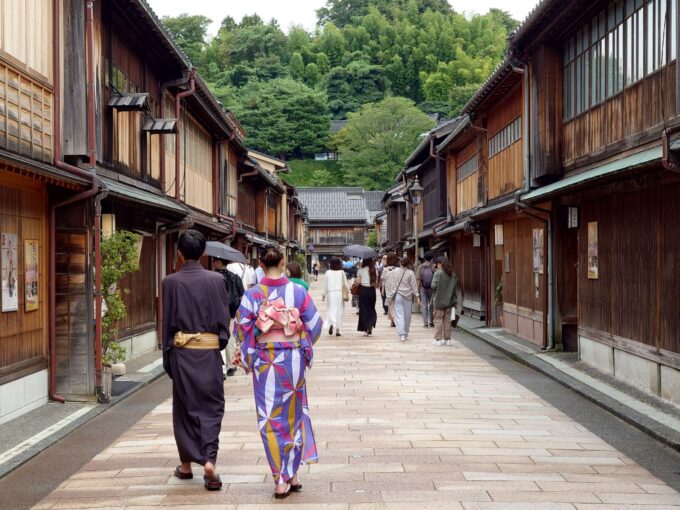
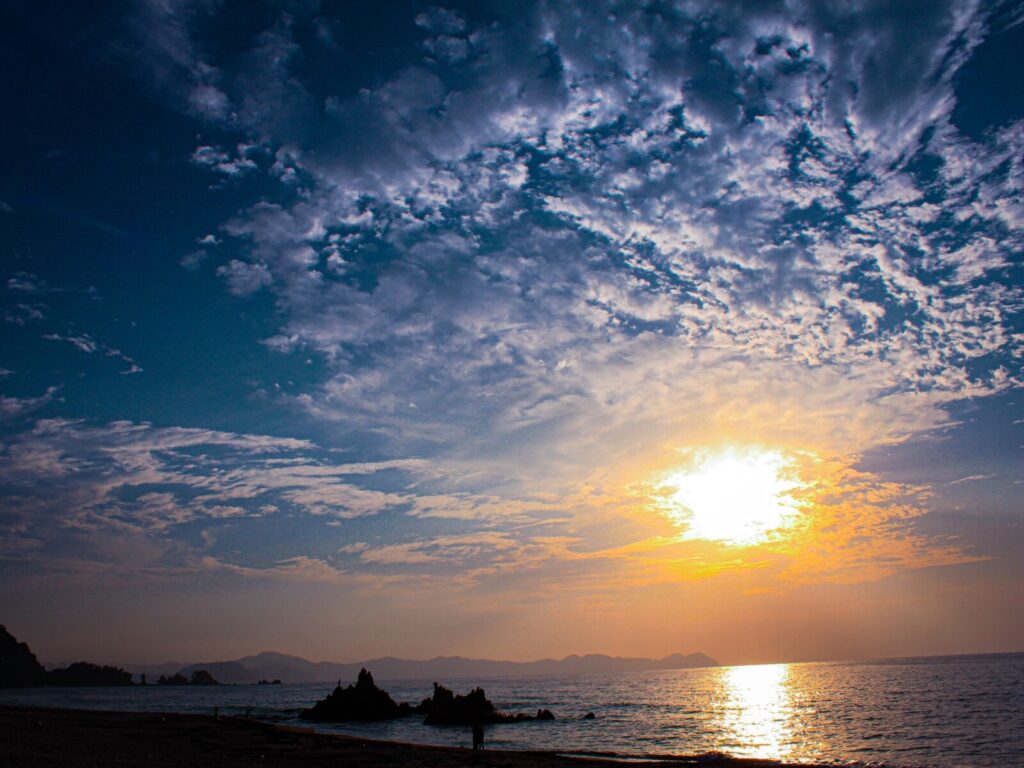
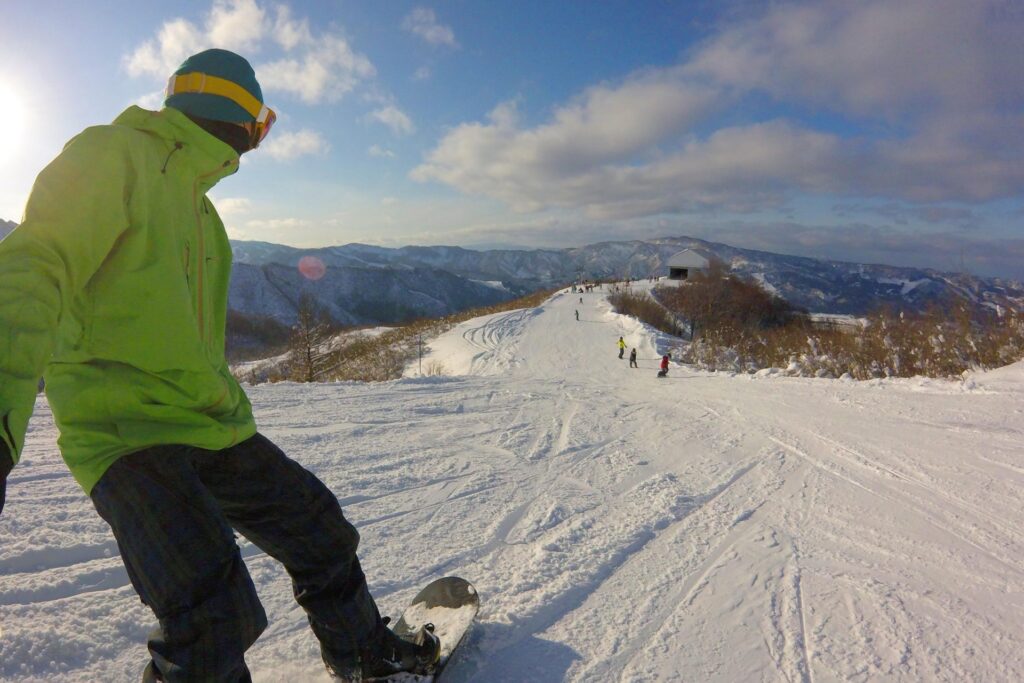
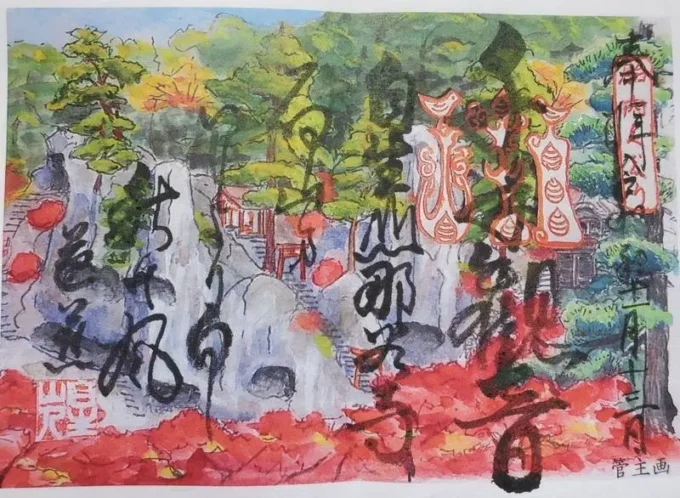
Kanazawa has plenty to offer visitors. For an overview of the area, our "Things to Do in Kanazawa" page has everything you need to get started! The city is located conveniently between the mountains and the sea, so there is easy access to either scenery. If you're looking for a beach day, check out our "Best Beaches in Kanazawa" page to pick the best beach for you! Nature types might be interested in our "Best Spots for Autumn Leaves Around Kanazawa" guide for fall foliage photography! Get a feel for the region's great museums with our "Best Museums in Kanazawa" page. If you're into visiting shrines and temples, you should have a look at our "Best Goshuin near Kanazawa" to get more info about the red stamps that are growing in popularity. Foodies can't miss out on our "Kanazawa's Famous Foods" guide - it'll help you learn more about the local food and where to eat it.
Interested in taking a tour? Have a look at our "Best Tours and Itineraries Around Kanazawa" page to get ideas of what the area has to offer. After you've seen and done all there is to see and do, our Best Souvenirs page will help you pick out the best things to take home as a memento of your time in this amazing city!