




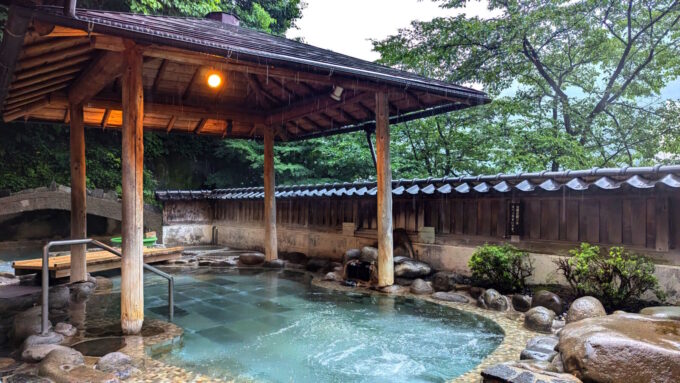
Located in the heart of Gifu Prefecture, Gero Onsen sits beside the Hida River between Takayama and Nagoya. Surrounded by forested mountains and valleys, the town is known as one of Japan’s three most famous hot spring destinations, alongside Kusatsu Onsen and Arima Onsen.
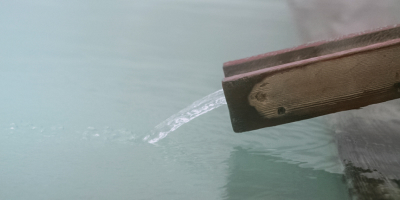
Gero has welcomed visitors seeking rest and relaxation for centuries. Its smooth alkaline spring water can be enjoyed at traditional ryokan, public baths and footbaths found throughout the town.
Gero Onsen is approximately 45 to 60 minutes from Takayama and around 90 to 110 minutes from Nagoya by Limited Express Hida, depending on the service. Its location makes it suitable for an overnight stay or a relaxing addition to a journey through the wider Hida region.
Where is Gero Onsen?

Gero Onsen is located in Gifu Prefecture, approximately halfway between Nagoya and Takayama. The town sits beside the Hida River and is surrounded by the forested mountains of the wider Hida region.
Gero Station is served by the JR Takayama Main Line. Limited Express Hida services provide direct connections from Nagoya and Takayama, making the train the most convenient option for most visitors. The journey takes approximately 45 to 60 minutes from Takayama and 90 to 110 minutes from Nagoya, depending on the service.
Travellers coming from Tokyo can take the Tokaido Shinkansen to Nagoya before transferring to the Limited Express Hida. The complete journey generally takes around four hours.
Recognised as one of Japan’s three most famous hot spring destinations, Gero is well positioned for travellers exploring Takayama, Nagoya and Central Japan.
Best Things to Do in Gero Onsen

From historic temples and riverside strolls to cultural sites and natural escapes, Gero Onsen offers more than just relaxing hot springs. Here are some of the best experiences to enjoy during your visit to this famous onsen town.
1 / Soak in Gero Onsen’s Public Baths and Ryokan Onsen / All Year Round

Gero Onsen is best known for its smooth alkaline spring water, which has earned the town recognition as one of Japan’s three most famous hot spring destinations. Visitors can enjoy the water at public bathhouses or use selected ryokan baths without staying overnight.
The Yumeguri Tegata bath pass allows entry to three participating ryokan baths. Participating properties, bathing hours and availability can change, and some baths may be unavailable to day visitors when busy. Check the current list before purchasing the pass or planning your route.
Visitors unfamiliar with communal bathing should review basic onsen etiquette before entering. Swimwear is normally prohibited, visitors must wash before bathing, and tattoo policies vary between facilities.
2 / Visit Gero Onsen Gassho Village / All Year Round

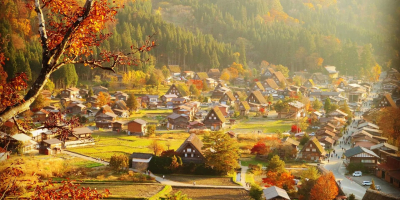
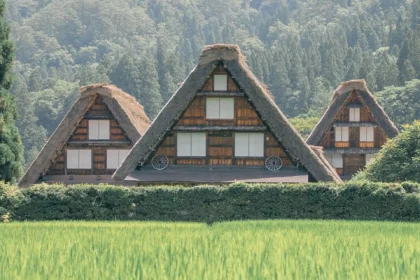
This open-air museum recreates the atmosphere of a traditional mountain village, with thatched-roof gassho-zukuri houses relocated from the surrounding region. Inside the houses, you can see displays of rural life, tools, and seasonal exhibitions, while craft workshops and performances bring local traditions to life. The village is especially beautiful in autumn and winter, when the setting feels like stepping back in time.
3 / Relax at the Footbaths Around Town / All Year Round

Free footbaths, known as ashiyu, can be found throughout central Gero Onsen. They offer an easy way to experience the town’s hot spring water while resting between shops, temples and other attractions.
Several footbaths are located near Gero Station, the Hida River and the main streets of the onsen district. Most are outdoors and do not require reservations, although individual facilities may occasionally close for cleaning or maintenance. Bringing a small towel to dry your feet is recommended.
4 / Explore Onsenji Temple and Panoramic Views of Gero / All Year Round

Onsenji Temple stands on a hillside above Gero and is closely connected to the town’s hot spring history. According to local legend, the healing waters were revealed again by Yakushi Nyorai, the Buddha of medicine and healing, after the original spring stopped flowing.
Visitors reach the temple by climbing 173 stone steps from the onsen district. The elevated grounds provide broad views across Gero Onsen, the Hida River and the surrounding mountains. The temple is particularly attractive during autumn, when the trees around the grounds change colour.
5 / Stroll Along the Hida River & Yunoshima Bridge / all year round

The Hida River runs through the heart of Gero Onsen, creating a peaceful backdrop for a walk through town. One of the most scenic spots is Yunoshima Bridge, where you can admire the river framed by mountains and the town’s onsen buildings. Evening strolls are especially charming, with the warm lights of the ryokan reflecting on the water.
6 / Discover the Waterfalls and River Walks of Hida-Osaka / Spring to Autumn

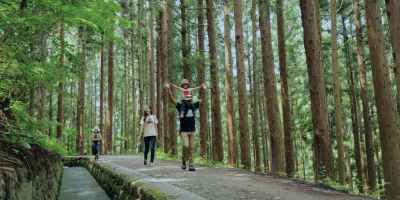
Located north of Gero Onsen at the foot of Mount Ontake, Hida-Osaka is home to more than 200 waterfalls created by the region’s volcanic landscape. Walking routes range from relatively gentle forest trails to longer and more demanding hikes through remote valleys.
Many of the most impressive waterfalls can only be visited on guided tours, which require advance reservations and operate according to weather and trail conditions. Visitors should not assume that the main waterfall areas are accessible directly from Hida-Osaka Station, as onward transport may also need to be arranged.
Suitable footwear, outdoor clothing and rain protection are essential.
7 / Try Local Cuisine: Hida Beef and Onsen Specialities / All Year Round

Gero Onsen is an excellent place to sample the flavours of the wider Hida region. The best-known speciality is Hida beef, a high-quality wagyu served throughout the town as steak, yakiniku, sushi, rice bowls and steamed dishes.
Other local favourites include onsen tamago, eggs gently cooked using hot spring water, and onsen manju, soft steamed buns typically filled with sweet red bean paste. Visitors can also try regional dishes such as keichan, made by cooking seasoned chicken and cabbage on a hotplate.
Restaurants are concentrated around Gero Station, the Hida River and the main streets of the onsen district. Some restaurants close between lunch and dinner or have irregular rest days, so check opening hours before planning a specific meal.
8 / Explore Gero’s Jomon History / All Year Round

Outside the central onsen district, the Gero Furusato History Museum introduces the area’s archaeological and cultural history. Its collections include pottery, stone tools and other objects excavated from sites around Gero, with a particular focus on the Jomon period.
Beside the museum, the Mineichigo Archaeological Site preserves evidence of an ancient settlement. Visitors can also cross Jomon Bridge, a pedestrian bridge connecting parts of the surrounding historical area.
This attraction is separate from Gero Onsen’s central riverside sightseeing area, so visitors should check its location, opening days and transport options before travelling. It is best suited to travellers with a particular interest in archaeology or the early history of the Hida region.
9 / Experience the Gero Onsen Winter Fireworks / January to March

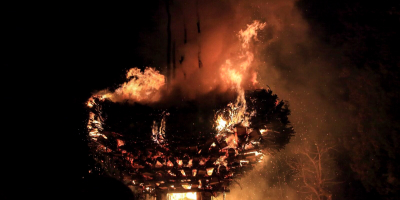
The Gero Onsen Winter Fireworks, known as the Hanabi Monogatari, brighten the Hida River on selected Saturday evenings from January through March. Each short display follows a seasonal theme inspired by occasions such as New Year, Valentine’s Day and the arrival of spring.
The fireworks are launched from the riverside near central Gero Onsen, allowing visitors to watch from several locations around the town. The combination of winter air, illuminated ryokan and fireworks above the river makes this one of the most distinctive times to stay overnight.
Dates and launch times are announced annually and performances may be cancelled because of weather or other conditions.
10 / Try Hands-On Craft Experiences in Gero / All Year Round

Visitors can try several traditional craft activities at Gero Onsen Gassho Village. Available experiences may include painting Mino ware pottery, making ceramics, creating washi paper artwork and crafting sarubobo dolls associated with the Hida region.
These workshops provide an opportunity to create a personalised souvenir while learning about crafts found across Gifu Prefecture. Some completed ceramic items cannot be taken home immediately and may need to be posted after firing.
Activities, prices, operating days and reservation requirements vary.
Where to Stay in Gero Onsen

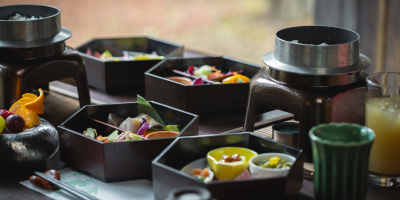
As one of Japan’s most famous hot spring towns, Gero Onsen is best experienced by staying in a traditional ryokan. Many of the town’s ryokan feature their own hot spring baths, some with stunning views of the Hida River or surrounding mountains, along with multi-course kaiseki dinners showcasing local ingredients such as Hida beef. Staying overnight allows you to enjoy the town at a slower pace, soaking in the onsen by evening and again in the quiet of the morning.
There are also smaller inns and hotels for those who prefer a more casual stay, as well as budget-friendly guesthouses for travellers just passing through. Whether you are looking for luxury or a simple night’s rest, the experience of bathing in Gero’s natural hot springs makes any stay memorable.
Tours & Charters to Gero Onsen


While Gero Onsen is accessible by train and bus, the most convenient way to visit is with a guided tour or private charter. Travelling with a local guide allows you to relax and enjoy the hot spring town without worrying about transport or schedules, while also learning more about the history and culture of the Hida region.
1-Day Tour from Takayama: Unveiling the Charm of Gero Onsen
Travelling from Takayama? This full-day tour uses the scenic Limited Express Hida to reach Gero Onsen before exploring the town on foot. Visit Gero Onsen Gassho Village, learn about Japanese hot spring culture at the Gero Onsen Museum and climb to Onsenji Temple before enjoying free time and an onsen bath.
Highlights:
- Soak in Gero Onsen, one of Japan’s top three hot spring towns.
- Visit Gassho Village to step back into the traditions of rural Japan.
- Enjoy Hida beef and other local specialities unique to the region.
Private Charters to Gero Onsen
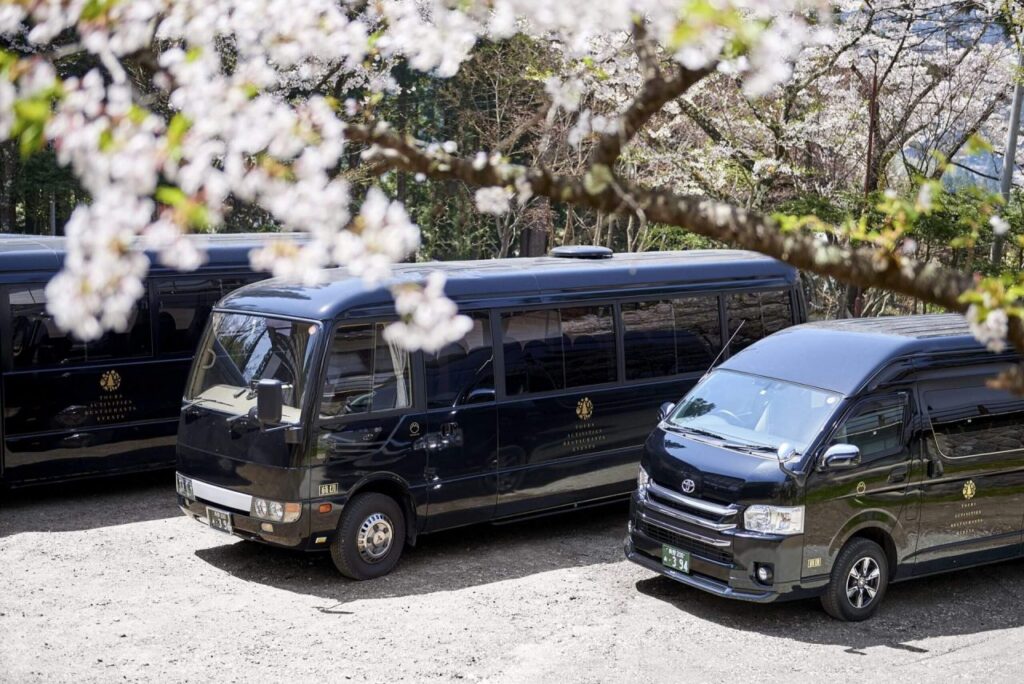
Private charters provide direct transport to Gero Onsen without a fixed guided itinerary. They are suitable for families, private groups and travellers carrying luggage or connecting Gero with another destination in Central Japan.
Highlights:
- Arrange pick-up from your hotel, station or another suitable location.
- Travel directly from Takayama, Nagoya or another nearby destination.
- Store luggage safely in the vehicle during the journey.
- Explore Gero Onsen at your own pace.
- Combine Gero with Takayama or another destination in the Hida region.
- Choose a vehicle suited to the size of your group.
Private charters include a professional driver but not a tour guide. Visitors who would like a customised guided itinerary should contact us to discuss the available options.
Frequently Asked Questions (FAQ)

When is the best time to visit Gero Onsen?
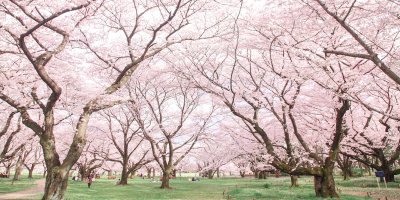
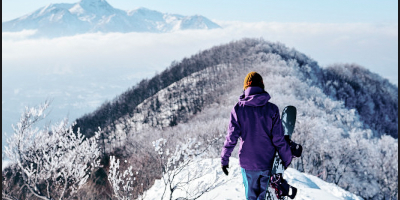
Gero Onsen can be enjoyed all year round. Spring and autumn are especially beautiful with seasonal colours, while winter offers the charm of snow-covered scenery. Summer is lively thanks to festivals and fireworks.
How do I get to Gero Onsen?
The most convenient option is the JR Takayama Main Line. Limited Express Hida trains connect Gero directly with Takayama in approximately 45 to 60 minutes and Nagoya in around 90 to 110 minutes, depending on the service.
Travellers from Tokyo can take the Tokaido Shinkansen to Nagoya and transfer to the Limited Express Hida. There is no regular direct train from Matsumoto.
What is Gero Onsen famous for?
Gero is known as one of Japan’s top three hot spring towns, celebrated for its high-quality water that leaves the skin feeling smooth. It’s also famous for its traditional ryokan, Hida beef cuisine, and relaxing riverside setting.
Can I visit Gero Onsen as a day trip?
Yes. Gero Onsen can be visited as a day trip from Takayama or Nagoya. Public baths, footbaths, Onsenji Temple and the central riverside area can all be enjoyed within one day. Staying overnight provides more time to experience a traditional ryokan and enjoy the town after most day visitors have left.
Our 1-Day Tour from Takayama: Unveiling the Charm of Gero Onsen includes return train travel, an English-speaking guide and admission to the main attractions on its itinerary.
Can I Use an Onsen if I Have Tattoos?
Tattoo policies vary between bathhouses and ryokan. Some facilities permit tattoos, while others require them to be covered or do not allow tattooed guests to use communal baths. Contact the property before visiting or consider booking a private bath.
Are there family-friendly activities in Gero Onsen?
Absolutely. Families can enjoy Gassho Village, footbaths around town, seasonal festivals, and hands-on craft workshops. Many ryokan also welcome families and provide private baths for guests who prefer more privacy.