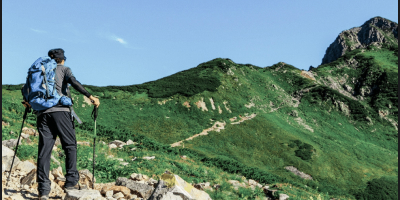

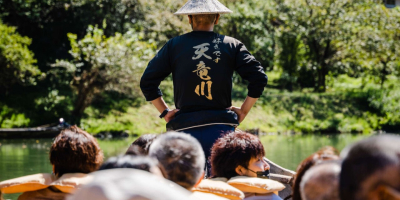
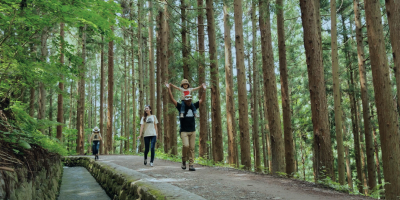

When you visit can dramatically shape your experience traveling in Nagoya and the greater Tokai region (Gifu, Mie, and Aichi prefectures).
Each season has its own charms (and challenges), and knowing what to expect can make all the difference. Understanding the seasonal shifts in weather and crowd levels can help you plan more rewarding excursions.
On this page you will find information about the weather and crowd levels in and around Nagoya, as well as our local guide’s recommendations as to where to go during each season of the year.
Spring (March–May)
- Temperatures: Average highs around 18–20 °C (mid‑60s °F), with lows in the upper single digits
- Precipitation: Rainfall remains moderate, with March–May receiving average monthly rainfall between 120–150 mm
- Crowds: Moderate to High. The largest crowds occur during Golden Week (early May) at popular domestic tourist attractions.
Spring Weather in Nagoya
Spring, spanning from March through May, is one of the most popular times to explore Nagoya and its surrounding areas.
The weather is typically mild, with average highs around 18 to 20 degrees Celsius (mid‑60s °F) and cool, comfortable evenings. Rainfall is moderate, but generally manageable, making this a pleasant season for walking tours and outdoor activities.
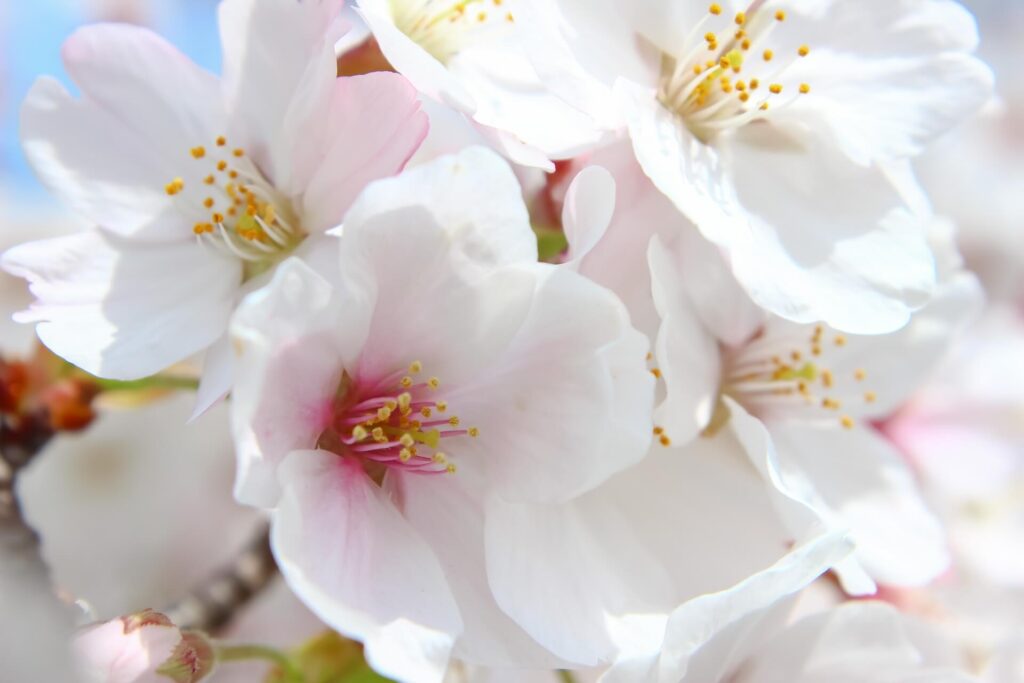
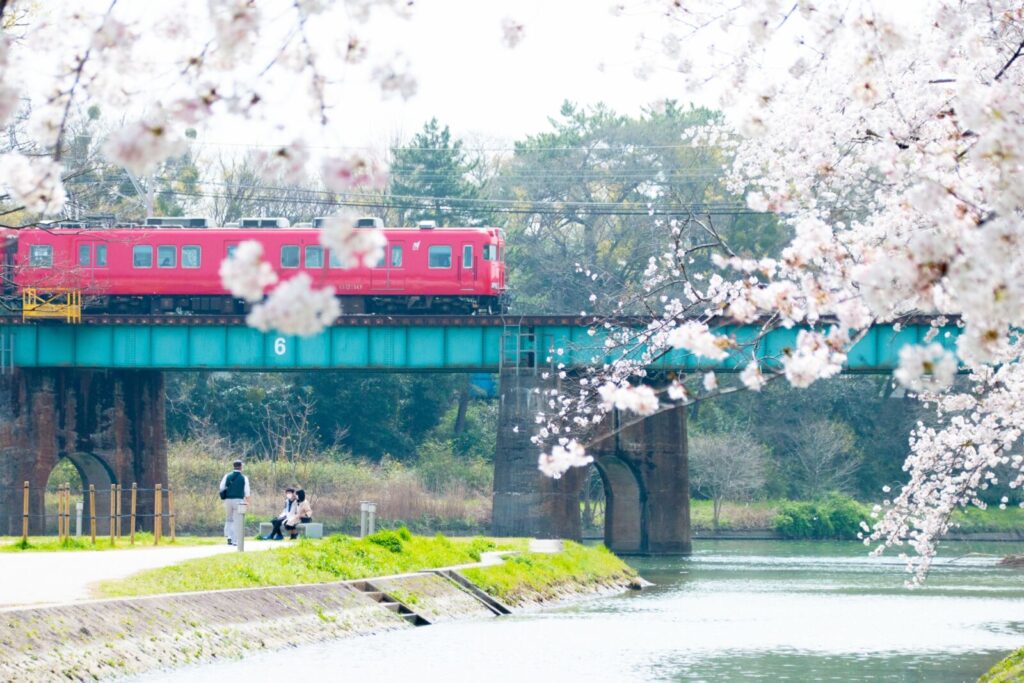
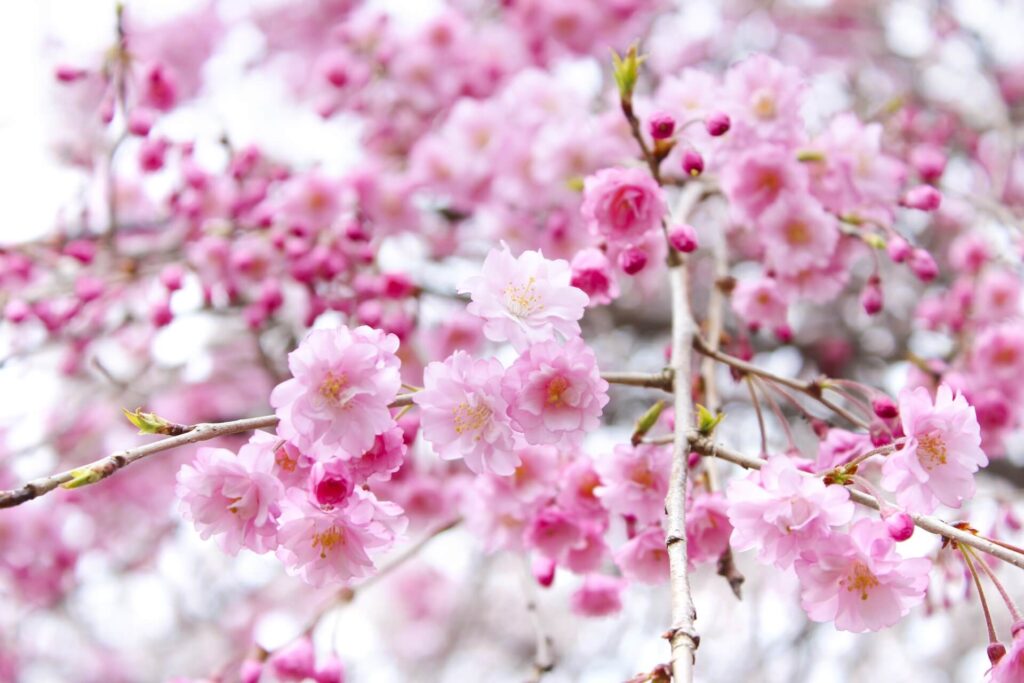
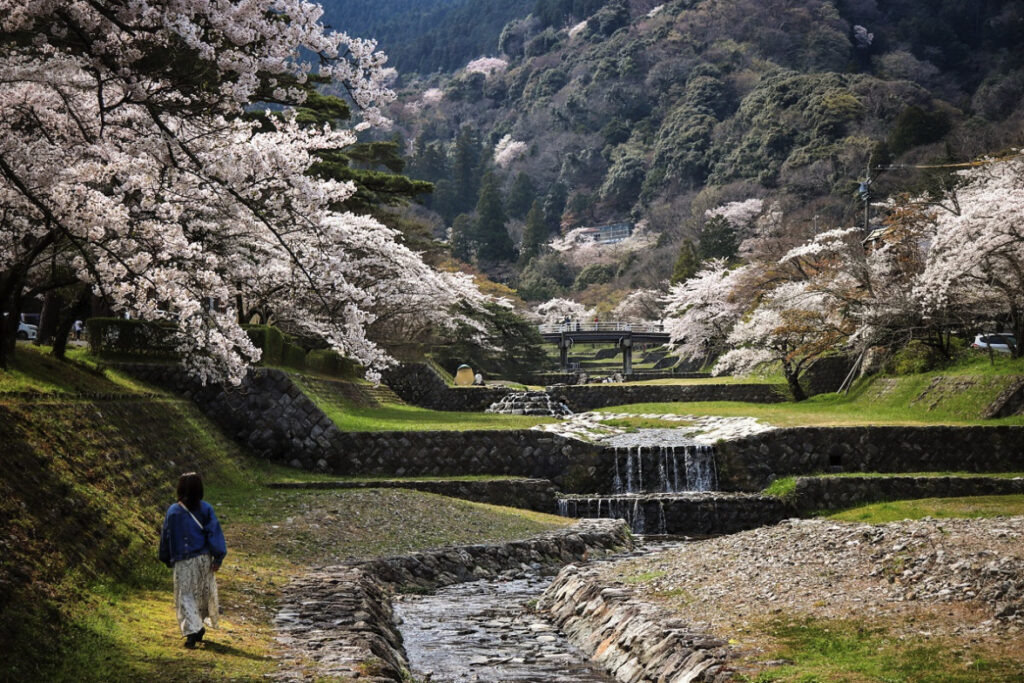
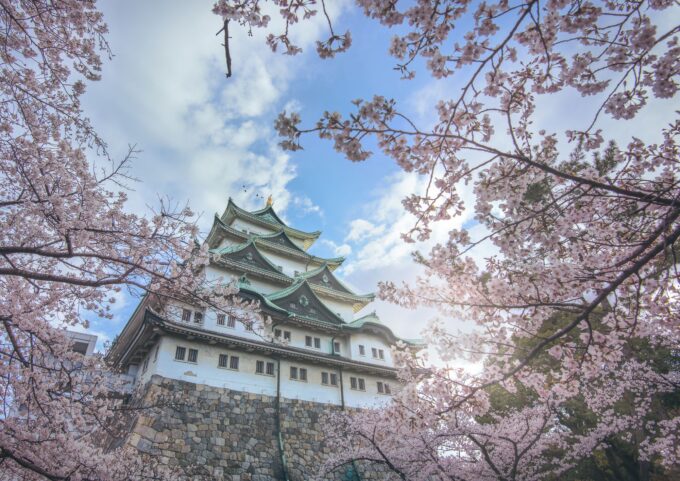
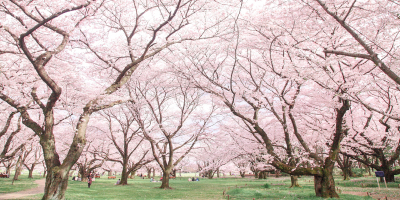
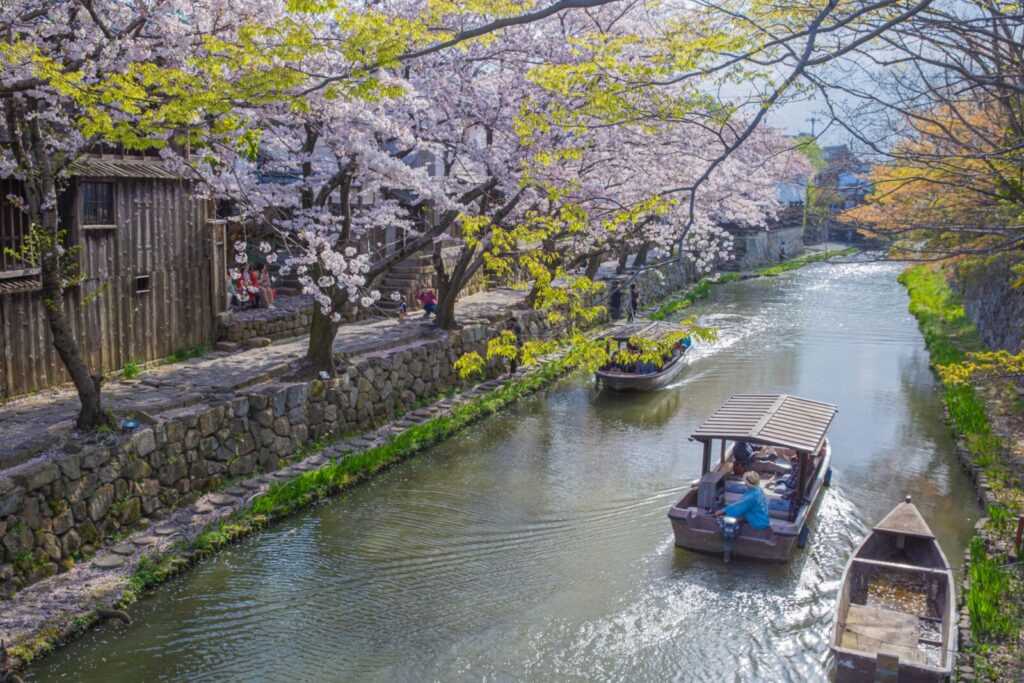
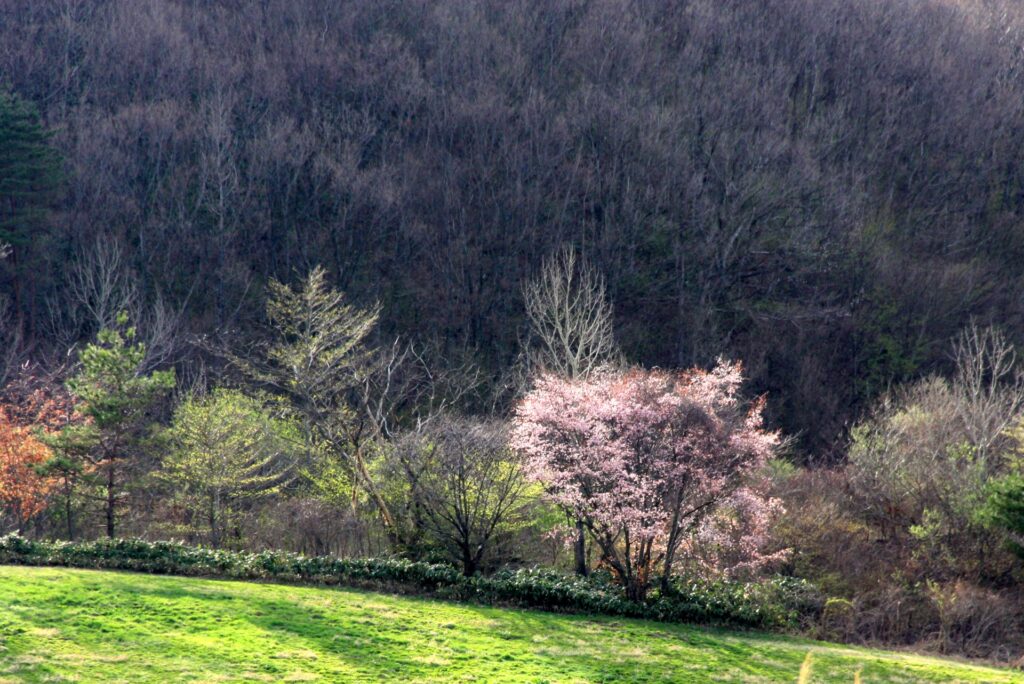
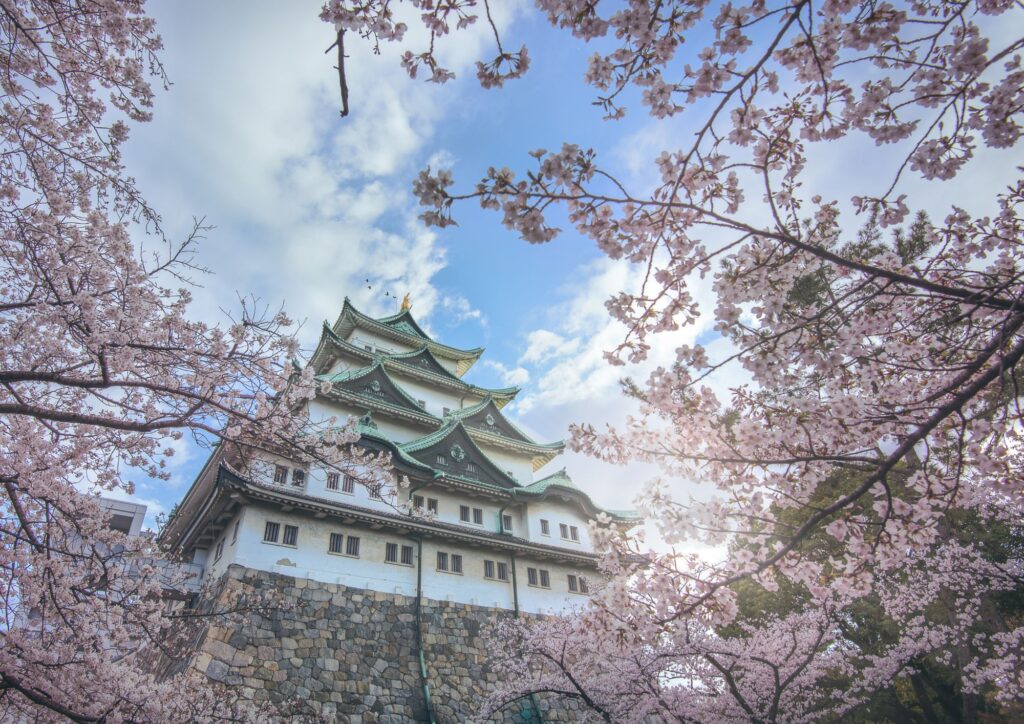
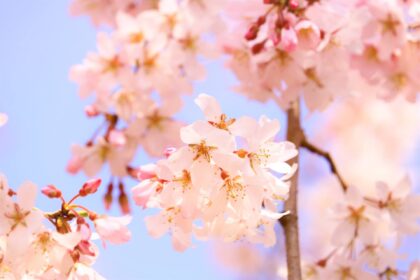
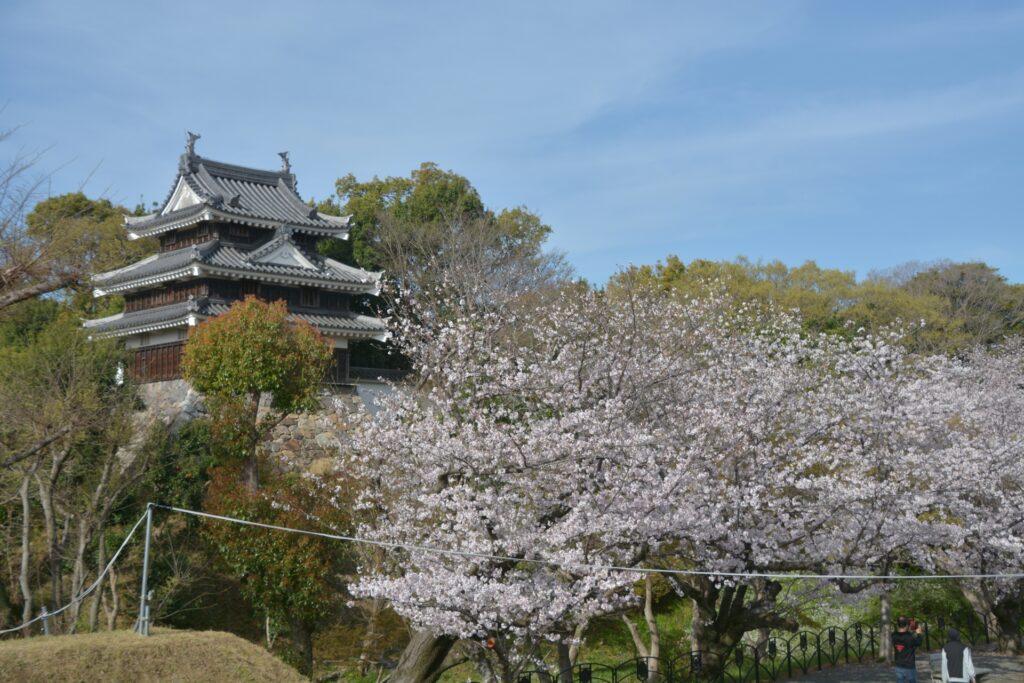
What makes spring especially attractive is the cherry blossom season, which typically reaches its peak in early April. During this period, locations across Japan are transformed into landscapes of soft pink petals.
The tradition of hanami, or cherry blossom viewing, draws both locals and tourists in large numbers, especially during weekends and evenings when yozakura, or nighttime blossom viewing, adds a magical atmosphere. The exact dates that cherry blossoms will bloom is hard to predict as it is highly dependent on that particular year’s weather patterns. Thankfully, the Japan Meteorological Corporation (JMC) publishes a Cherry Blossom Forecast each year and updates it regularly as spring approaches.
Although spring is the busiest time for international travel in Japan and it coincides with Japan’s Golden Week (typically the first week of May)—a time when domestic travel surges. However, Nagoya tends to experience less crowding than Tokyo or Kyoto making it an excellent location to visit if you want to see cherry blossoms without large crowds. And if you escape the city into some of the more rural areas surrounding Nagoya, you will likely be able to experience a very relaxed environment with little to no crowds at all.
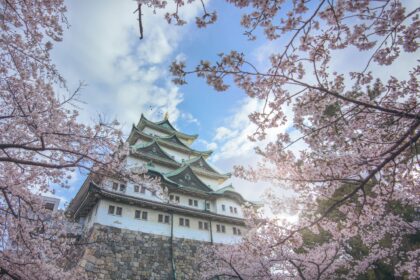
What to do in Nagoya in Spring
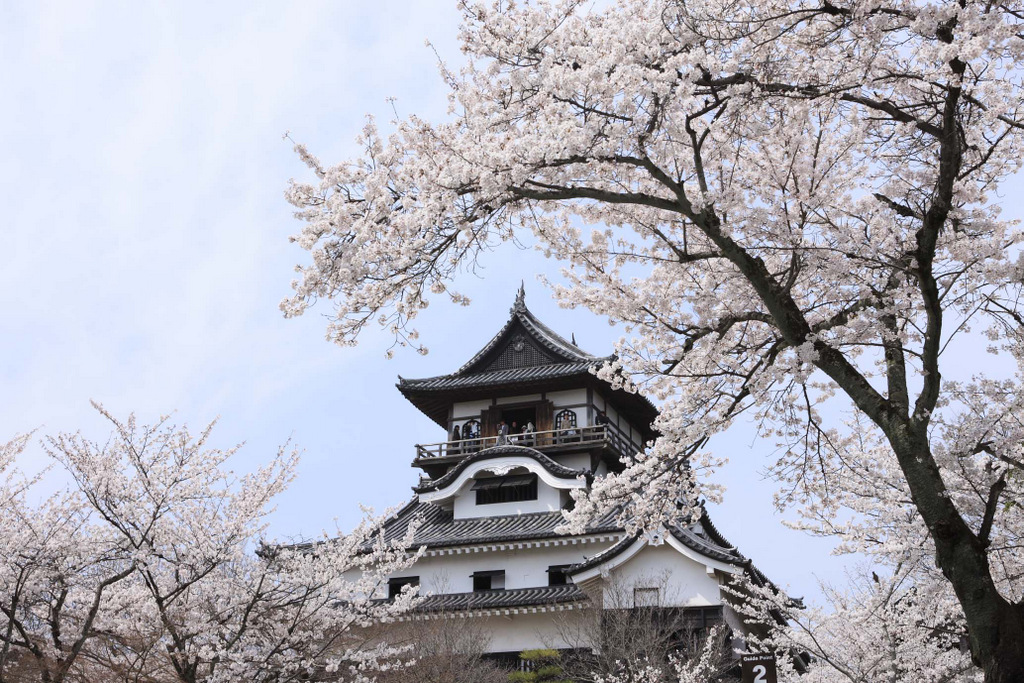
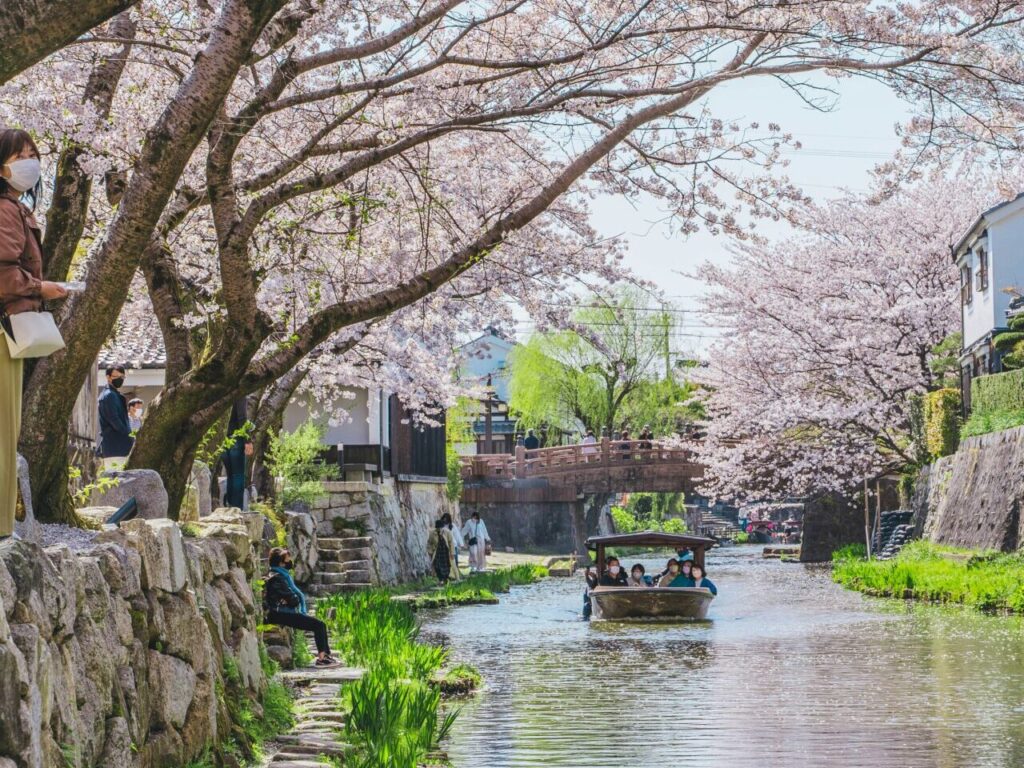
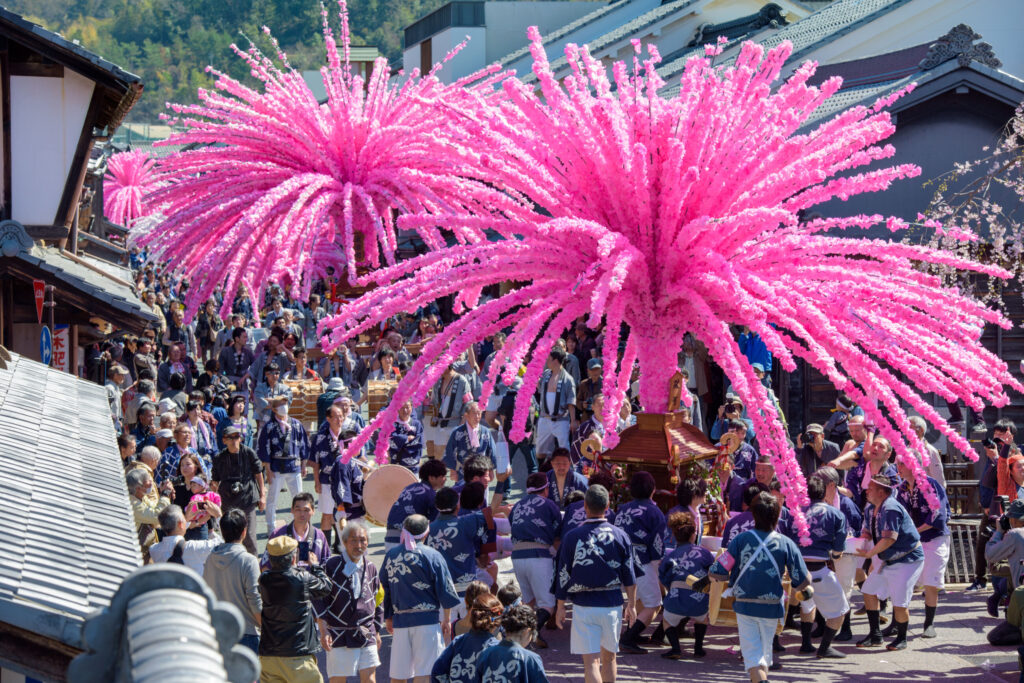
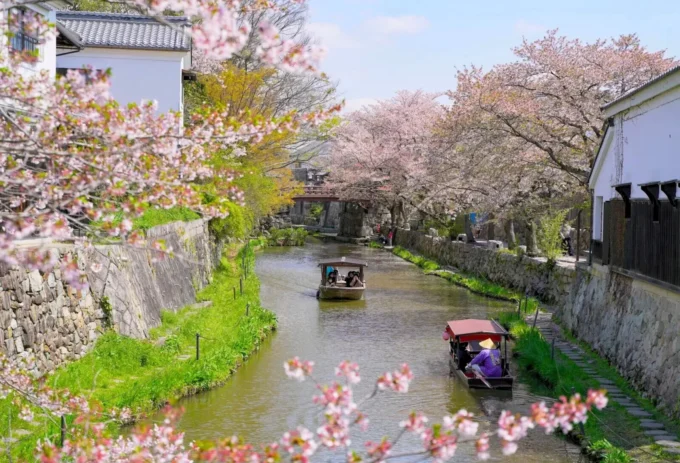
Our guide’s favorite places to see cherry blossoms around Nagoya are Hikone and Omi Hachiman (great day-trip destinations from Nagoya), but there are plenty of other beautiful locations both in the city and the surrounding region to see the blossoms.
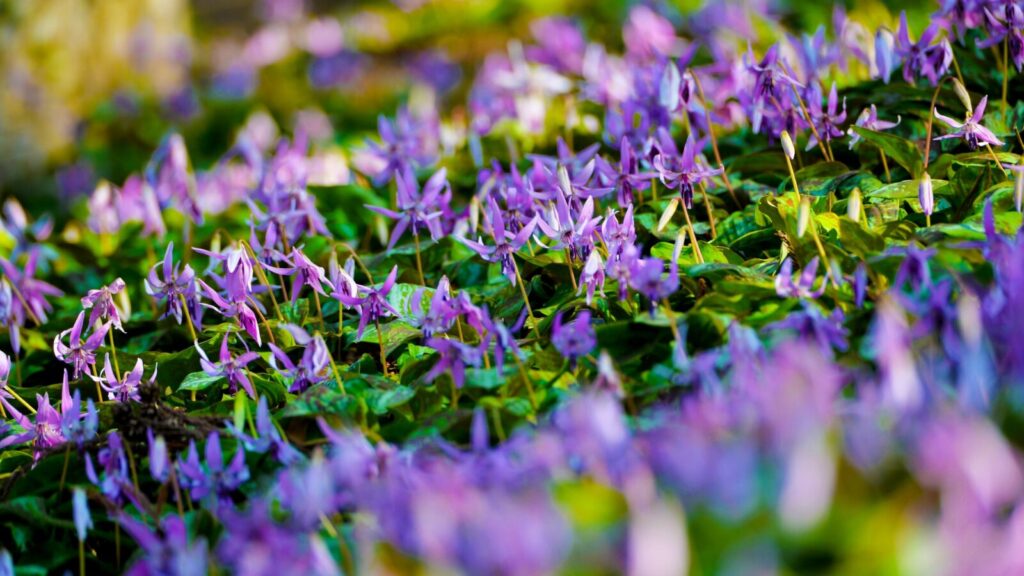
Besides the cherry blossoms, spring is also when tea leaves are harvested and greenery returns to the region. Some of our other favorite locations to visit in spring include Nishio (famous for growing matcha tea leaves), Bokka no Sato (a beautiful flower park halfway between Kamikochi and Nagoya), and the Nagoya Culture Path (a section of Nagoya filled with beautiful estate gardens).
Spring Tours in Nagoya
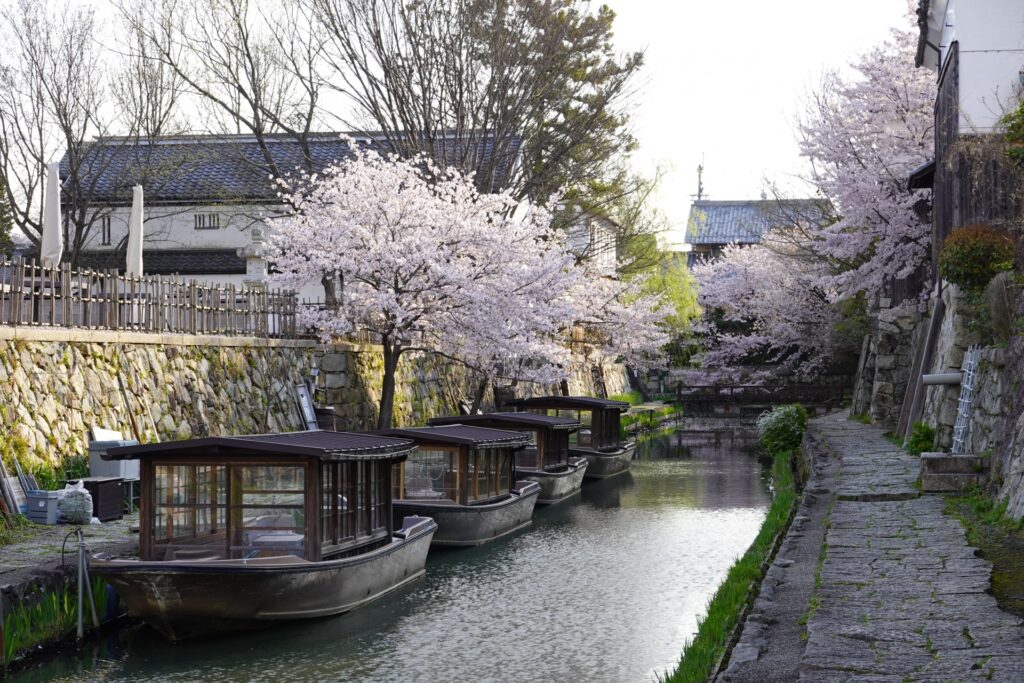
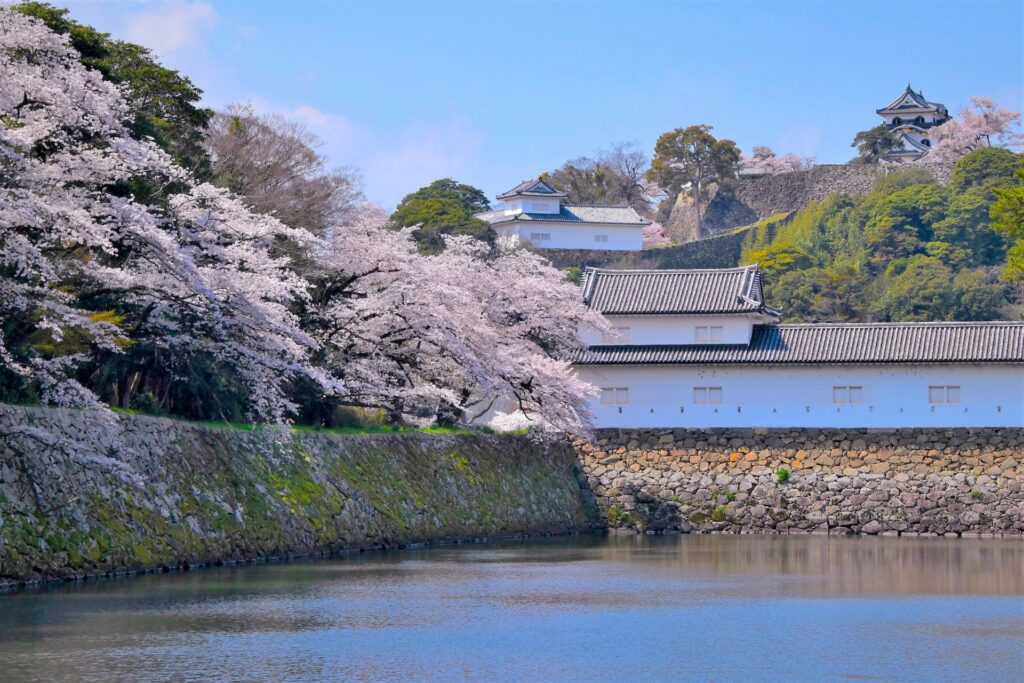
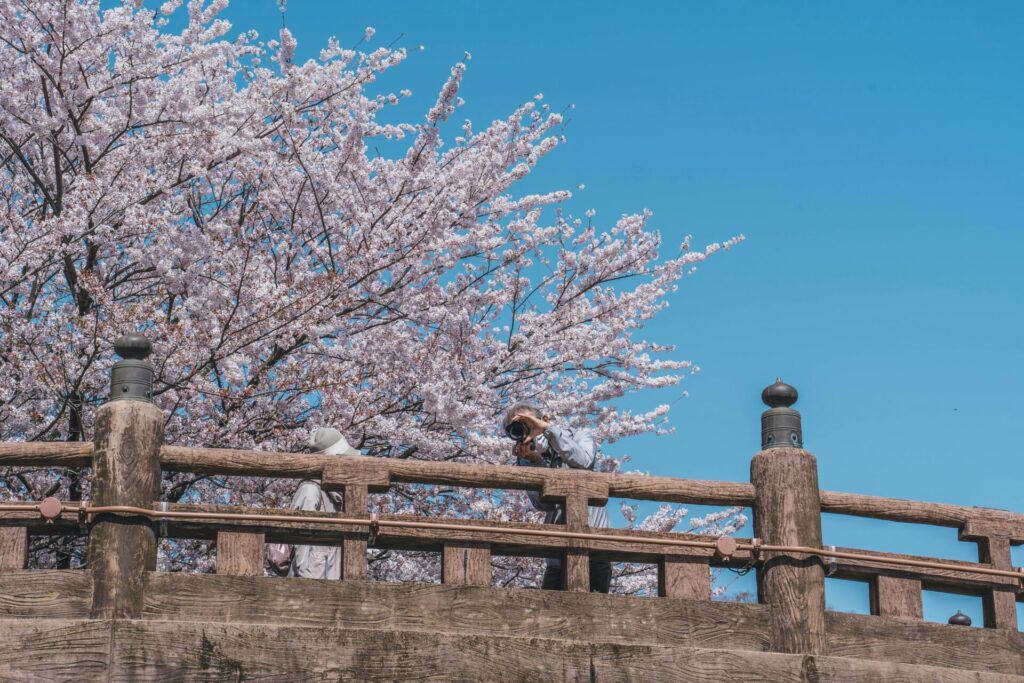
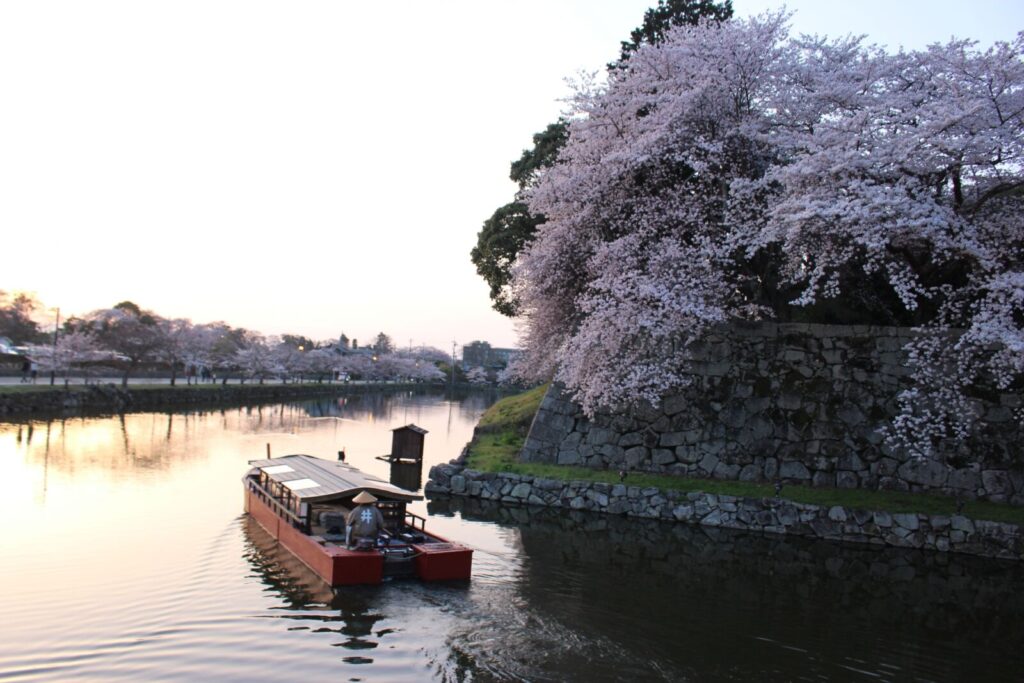
Best Tour for Cherry Blossoms from Nagoya: Hikone and Omi Hachiman
Recommended Tour: Snow Monkey Resort's 1-Day Tour from Nagoya: Castles and Canals in Hikone and Omi Hachiman will take you to two castle towns, Hikone, with one of the oldest castles in Japan, and Omi Hachiman, known for its charming canals. Taste Matcha, relax in peaceful gardens, and soak in the scenery as you are led by your experienced, English-speaking guide through this picturesque region of Japan.
Best Matcha Tour from Nagoya: Nishio
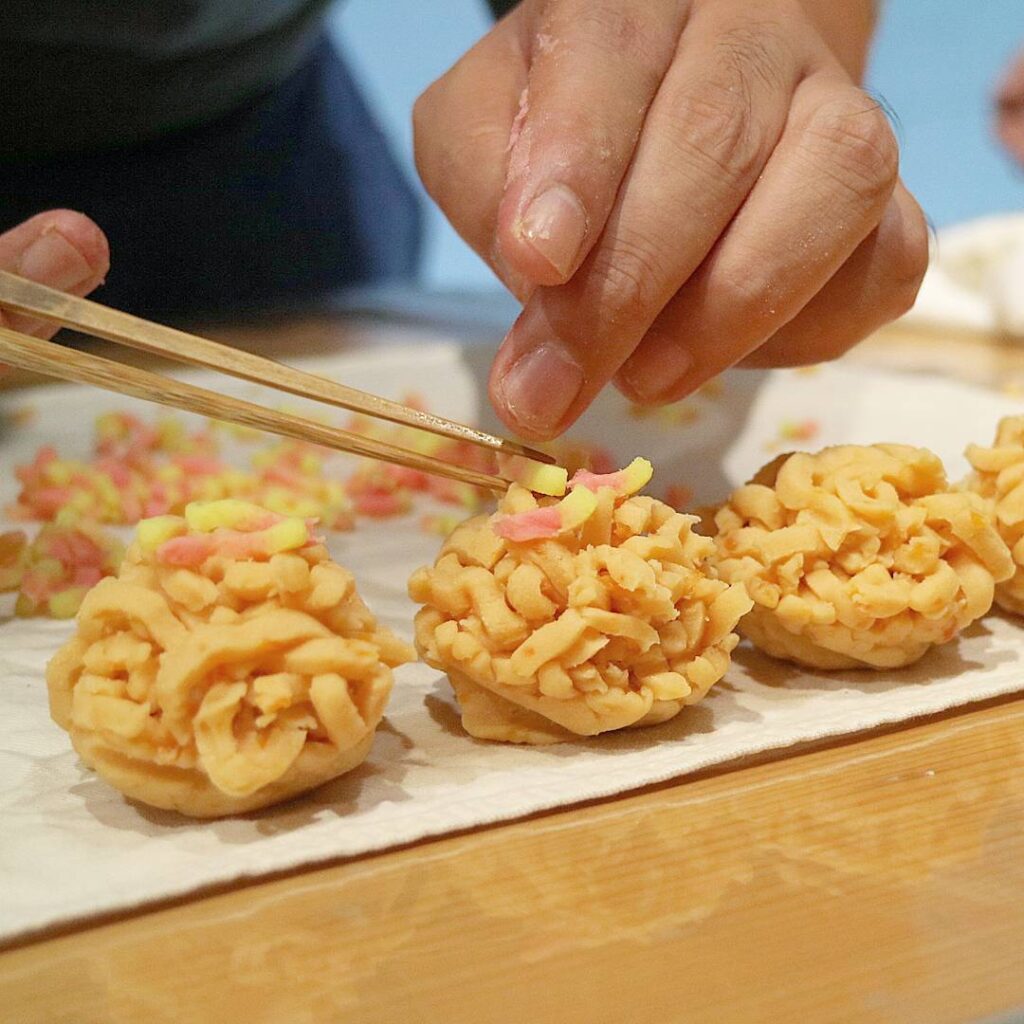
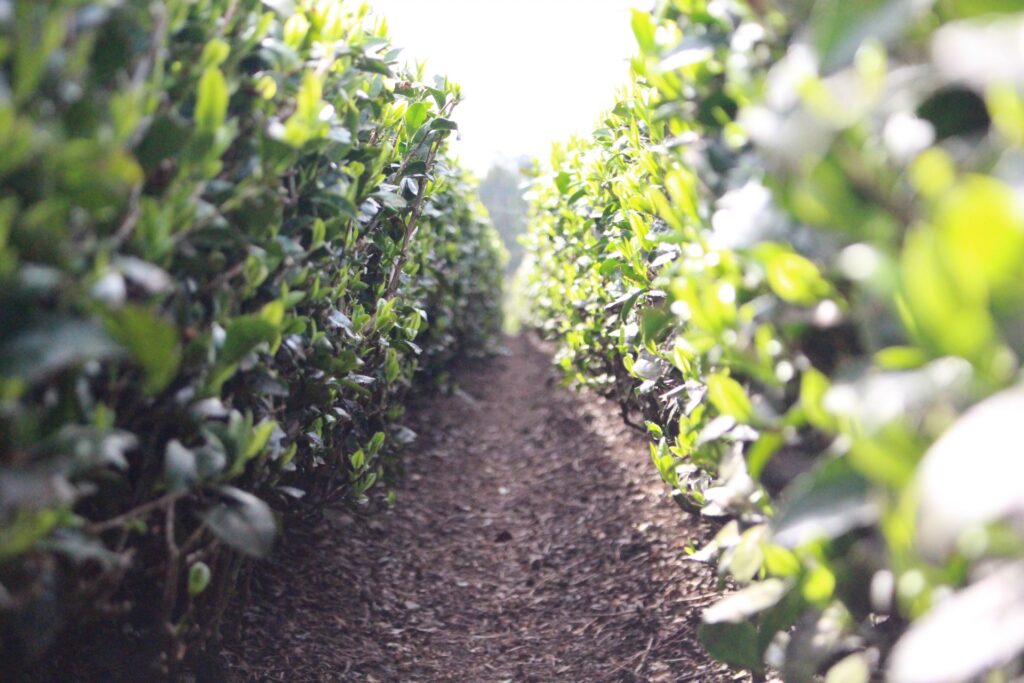
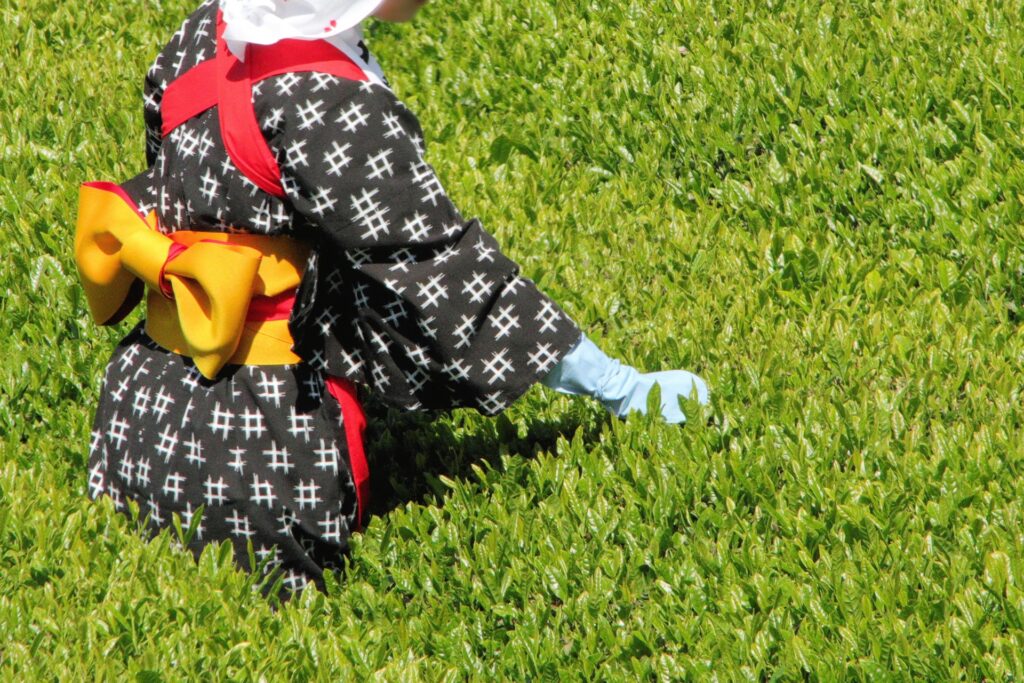
Recommended Tour: Step away from the hustle of modern Japan and into a world where centuries-old traditions meet unparalleled craftsmanship on Snow Monkey Resort's 1-Day Tour from Nagoya: Matcha, Confections, and Traditions in Nishio.
From crafting your own tea ceremony sweets to a behind the scenes look at the production of premium quality matcha, this tour will take you deeper into one of Japan’s most treasured traditions than ever before. Whether you’re a tea connoisseur, a culinary enthusiast, or simply a curious traveler, this is an opportunity to experience Japan in a way that few ever do.

Best Tour for Spring Flowers from Nagoya: Bokka no Sato

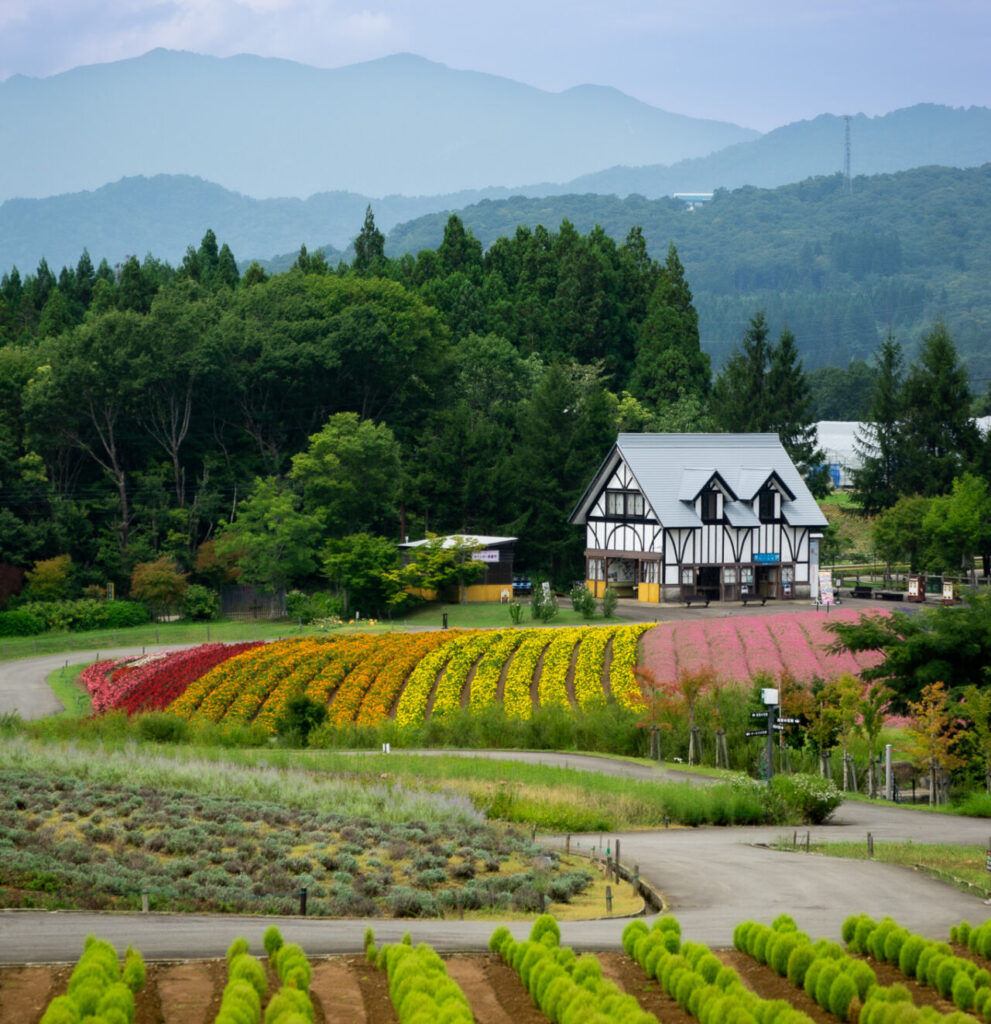
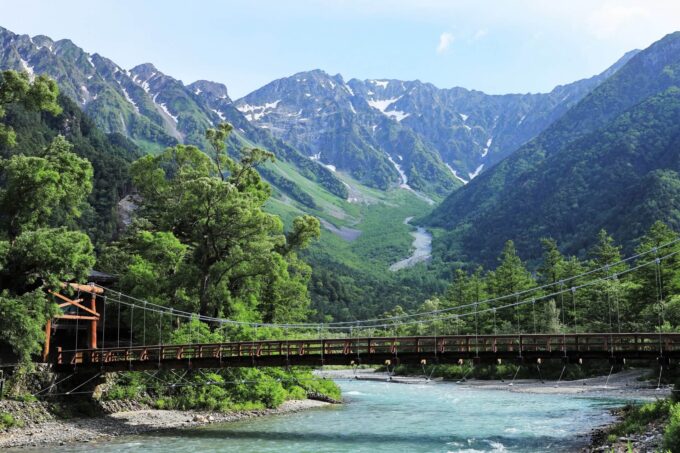
Recommended Tour: Escape the city for a day and immerse yourself in the natural splendor of the Japan Alps on Snow Monkey Resort's 1-Day Tour from Nagoya: Kamikochi – Enchanting Landscapes & Seasonal Beauty.
This tour takes you to a vibrant flower park, a charming mountain farm, and the iconic Kamikochi region of the Chubu Sangaku National Park. Hike the well-maintained trails to Kappa-bashi and capture stunning views of the surrounding mountains.
Summer (June–August)
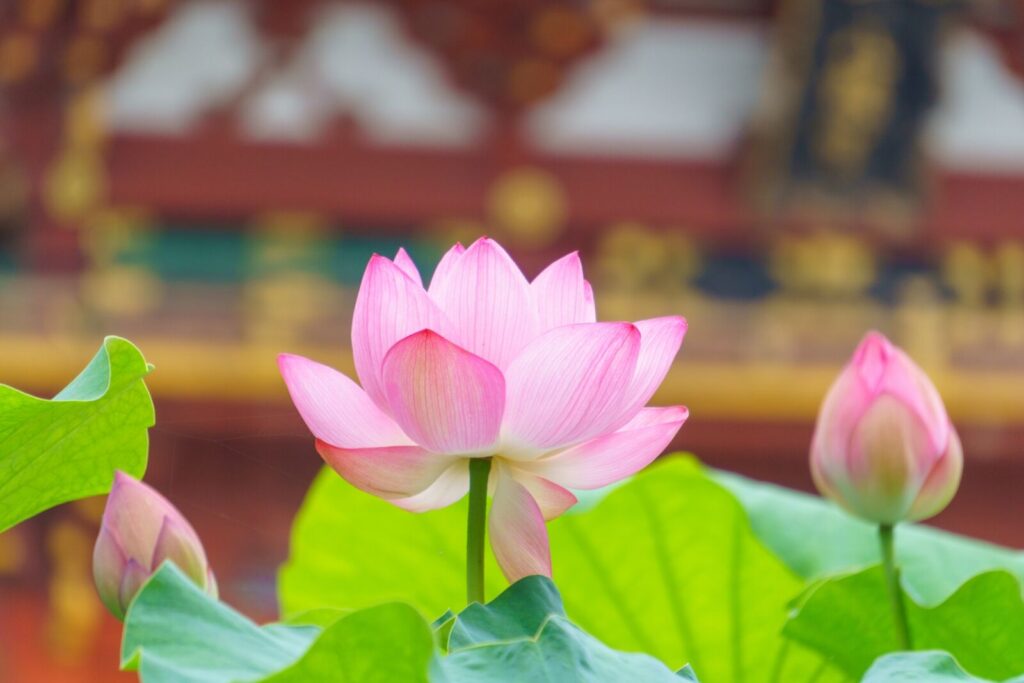
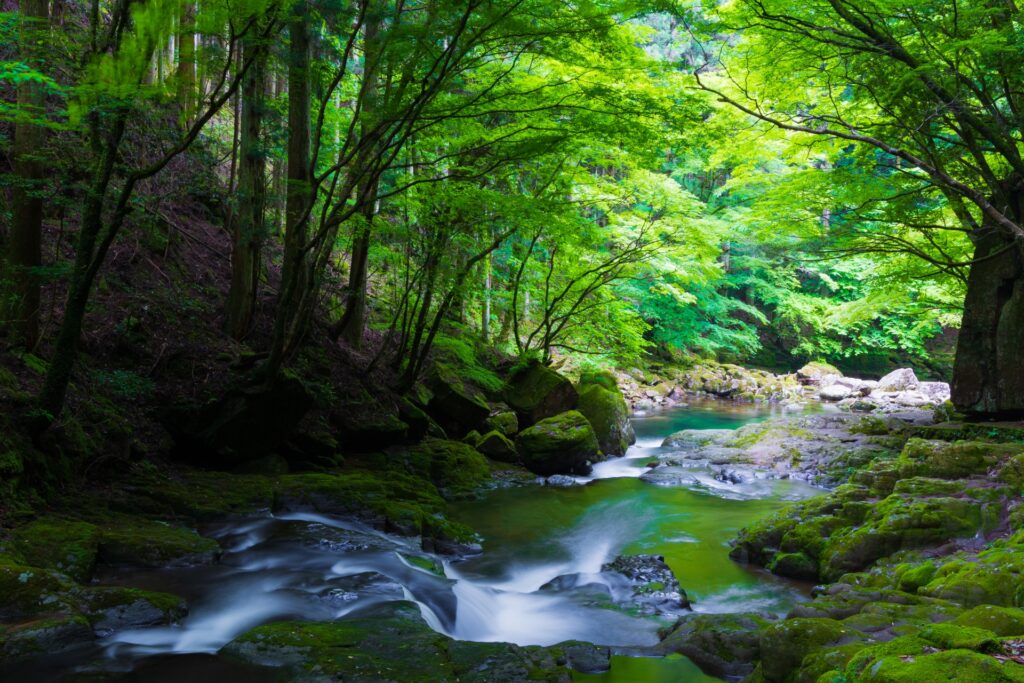
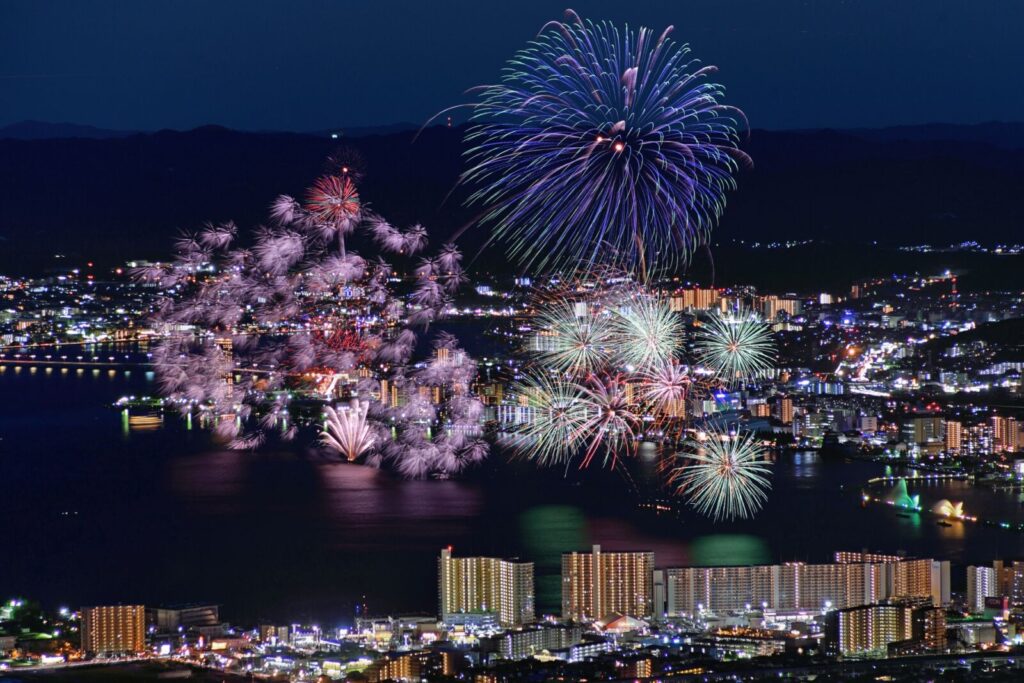
- Temperatures: Average highs reach 26–32 °C (80’s-90’s °F), peaking around 35 °C (95 °F) during heatwaves—though the “feels like” temperature is often much higher.
- Precipitation: Rainfall is significant, especially in June and September. Nagoya sees up to 200 mm in particularly wet months, and typhoons are possible
- Crowds: Low to High. Expect a large crowd of domestic tourists during the Obon holiday (mid-August), but the lowest level of crowd levels in early or late summer.
Summer Weather in Nagoya
Summer is often considered not to be an ideal time to travel in Japan due to the weather and crowds of domestic tourists. But for those who prepare for the heat and plan their itineraries in advance, it can be a rewarding time to travel.
Summer temperatures around Nagoya often exceed 30 degrees Celsius (86 °F) and humidity can be intense—meaning it feels much hotter than it is. Heat stroke advisories are issued often in the month of August and sudden rainfalls can impact transportation and travel plans.
June marks the beginning of the rainy season, and while July and August offer breaks in precipitation, they can also bring sudden downpours or typhoons. These weather conditions make mid-summer one of the less favorable times for extended day trips, particularly those involving a lot of outdoor activity or navigating public transportation. We highly advise anyone traveling in summer to come prepared to sweat and remember that adequate hydration and sun protection are essential.
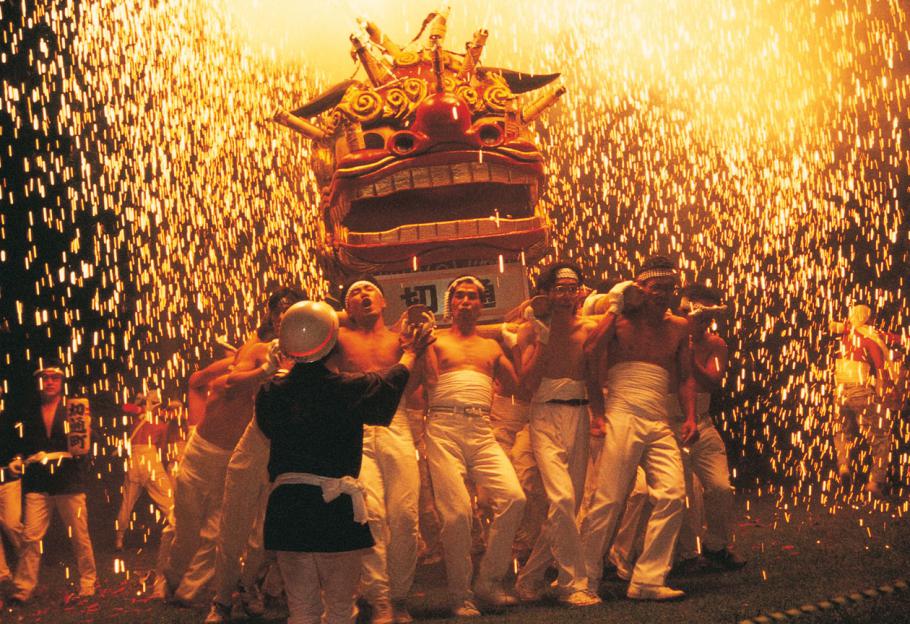
Summer is a very busy time for domestic travel in Japan as students are on vacation for six weeks from late July through August and many families travel together during the Obon holiday (mid-August). Popular locations for domestic tourists, such as Ise Grand Shrine, and family-friendly amusement parks, including Nagashima Spa Land and Legoland, will be at their peak levels of crowds at this time.
However, the season is not without its charm. Evening festivals, such as the Nagoya Port Festival in July or the Gujo Odori in August, bring fun and excitement to the region.
What to do in Nagoya in Summer
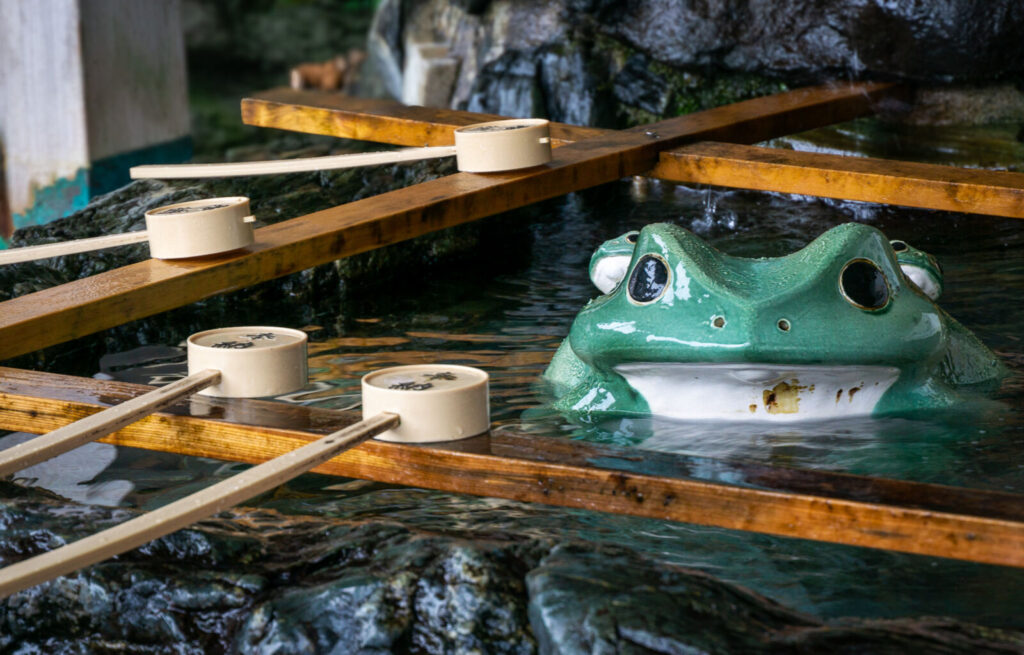
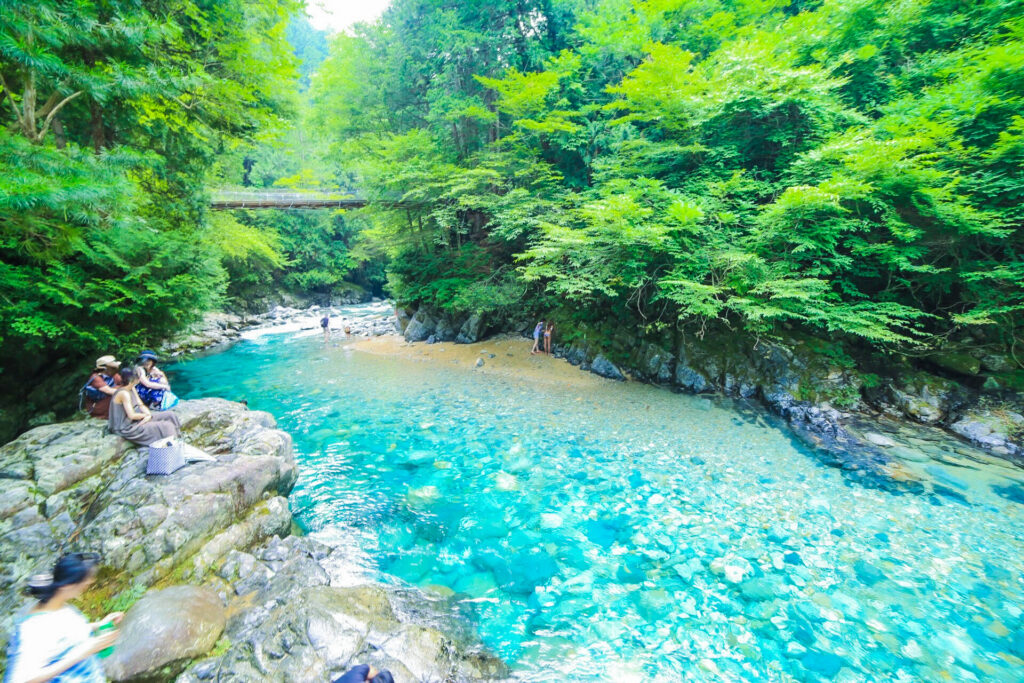
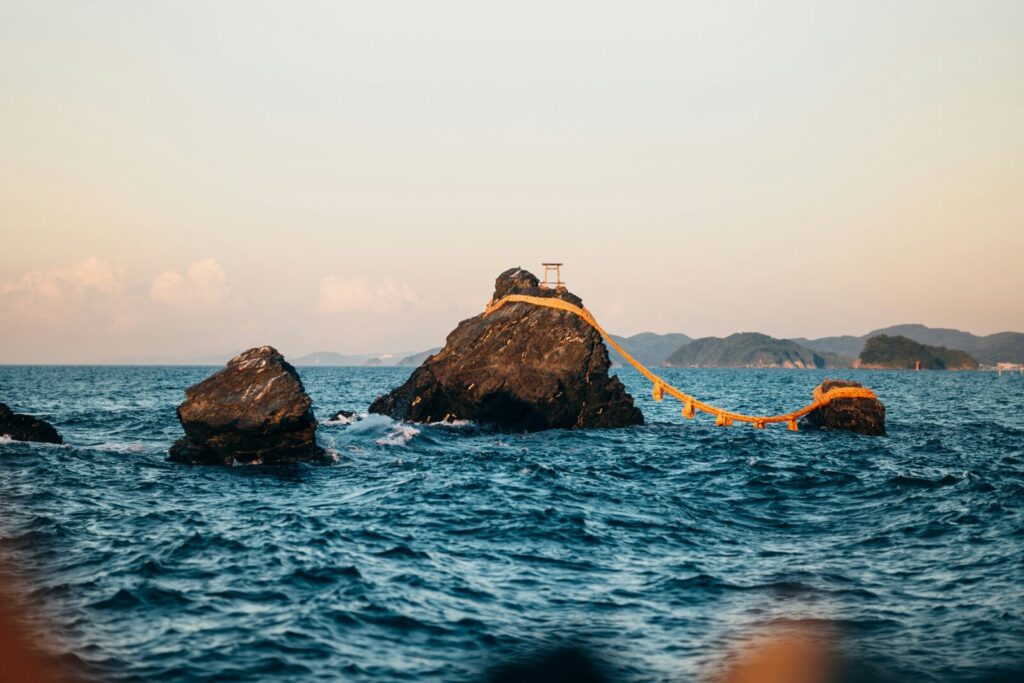
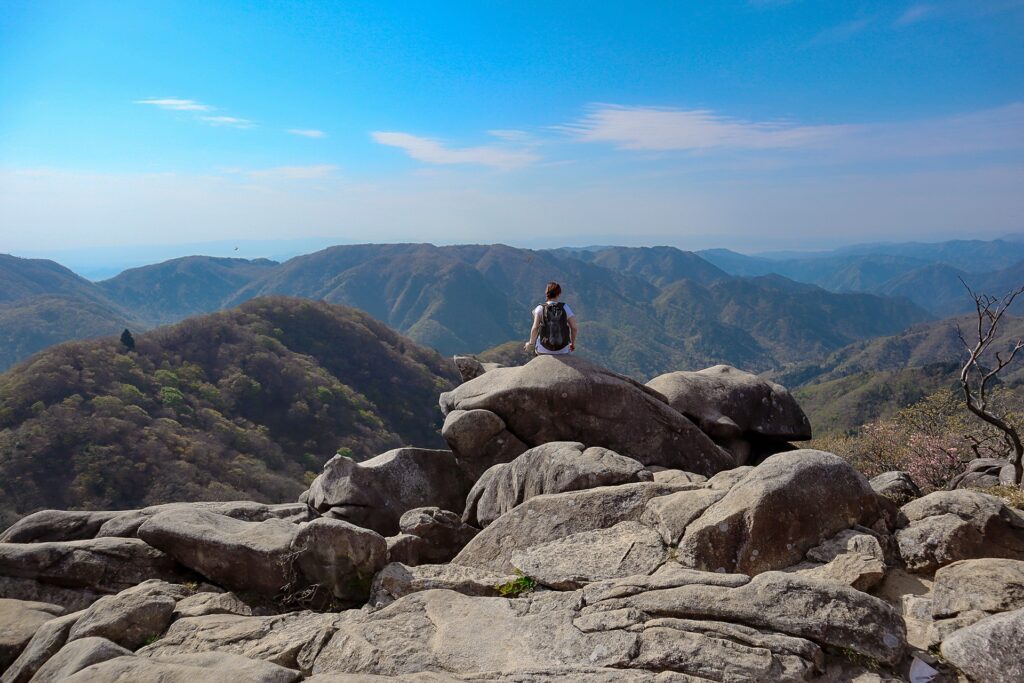
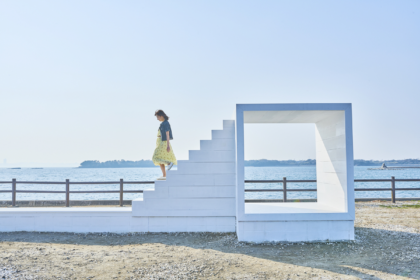
In the summer, we highly recommend leaving the cities and traveling to higher elevations, cooler valleys or costal areas to escape the heat and explore the beautiful landscape of Central Japan.
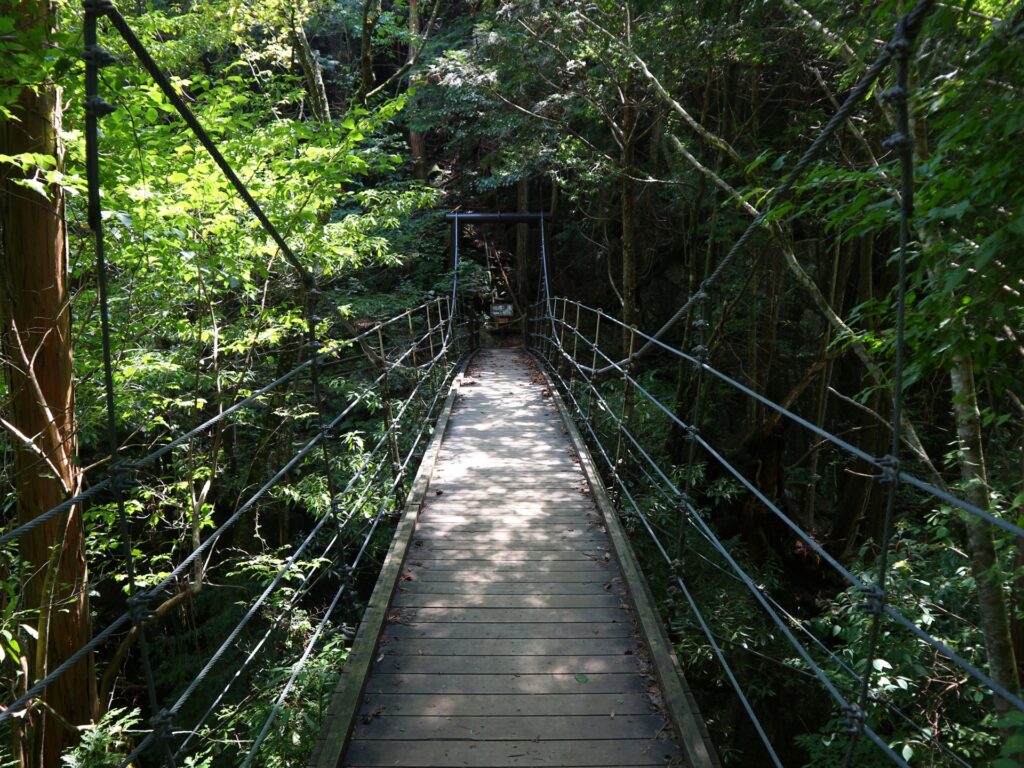
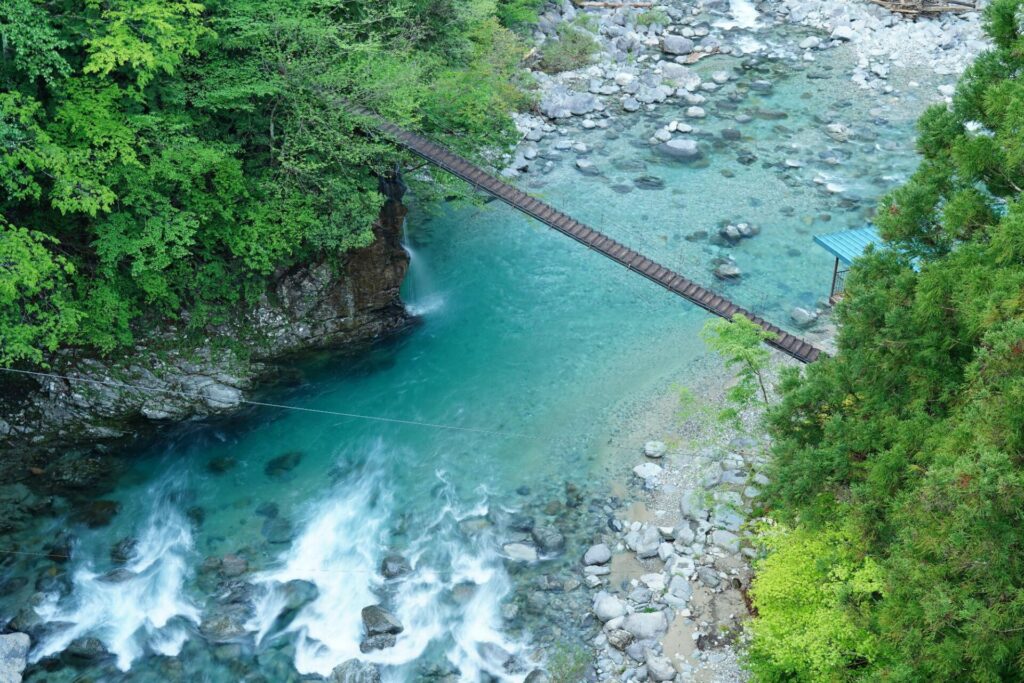
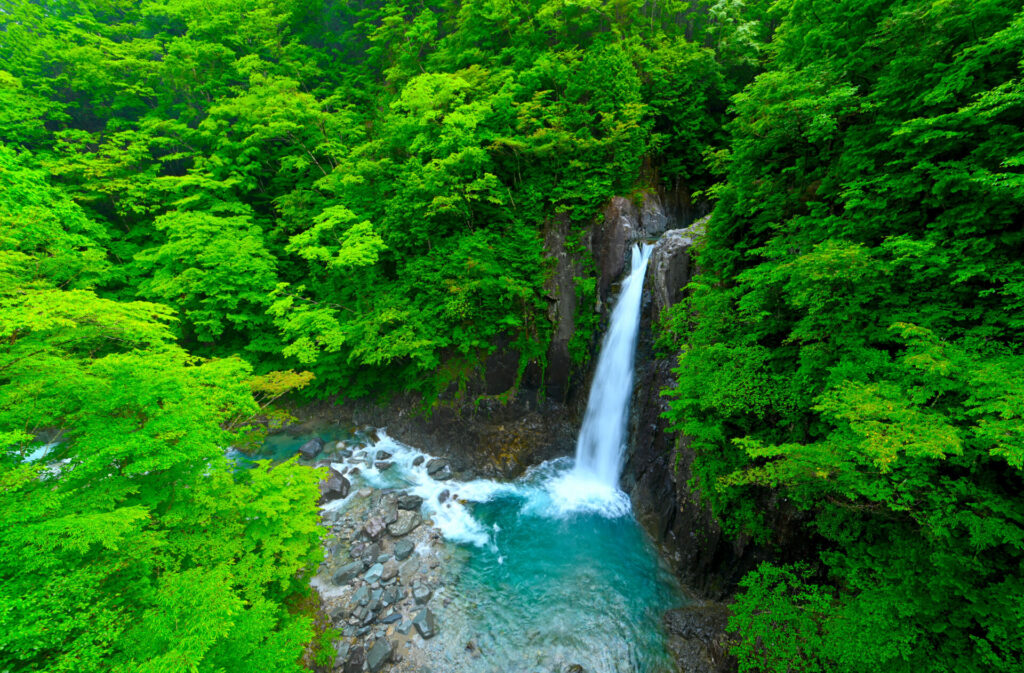
The best places to travel in and around Nagoya in the summer include cool mountain locations such as Tsukechi Gorge or Akame 48 waterfalls, small towns with interesting summer festivals such as Gujo-Hachiman or Seki-juku, or coastal locations such as Ise.
Summer Tours in Nagoya
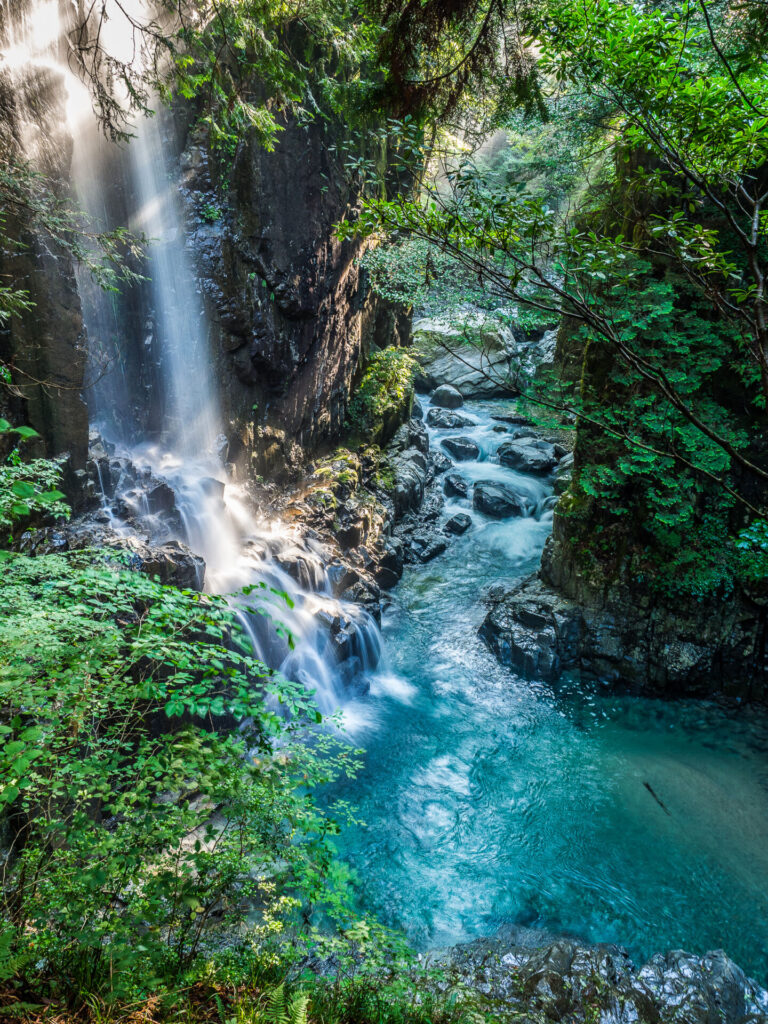
Best Tour for Waterfalls from Nagoya: Tsukechi Gorge
Recommended Tour: Snow Monkey Resort's (Summer Only) 1-Day Tour from Nagoya: Hidden Gems of the Kiso Valley offers a unique glimpse into the heart of rural Japan.
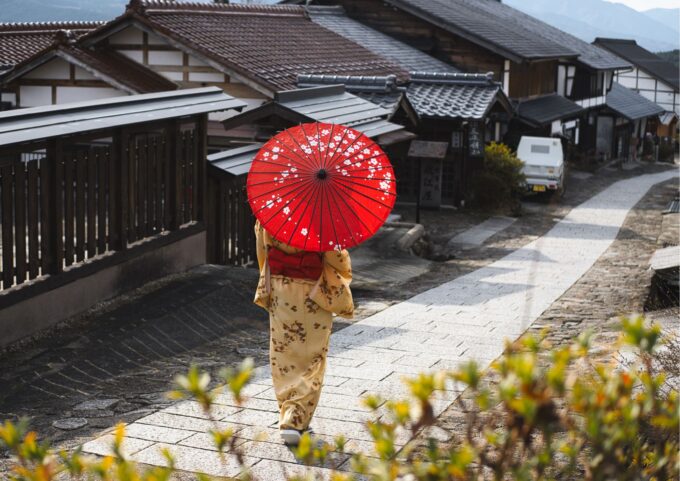
Explore hidden gem locations throughout the Kiso Valley starting with a hike through a stunning gorge filled with pristine nature and roaring waterfalls. Dive into Japan's rich cultural heritage with a visit to a traditional Kabuki theater and discover the region’s deep love for this centuries-old performing art. Stroll through the picturesque streets of Magome, a charming post town along the historic Nakasendo Trail as your English-speaking guide explains the fascinating history of this ancient samurai route that once connected Kyoto and Edo.
Whether you're a nature lover, history enthusiast, or cultural explorer, this tour offers something special for everyone.
New Tour
(Summer Only) 1-Day Tour from Nagoya: Hidden Gems of the Kiso Valley and the Nakasendo Road
- Spots:
- NagoyaKiso Valley
- Pick-up:
- Nagoya
- Drop-off:
- NagoyaKiso Valley
Best Tour for Coastal Views from Nagoya: Ise
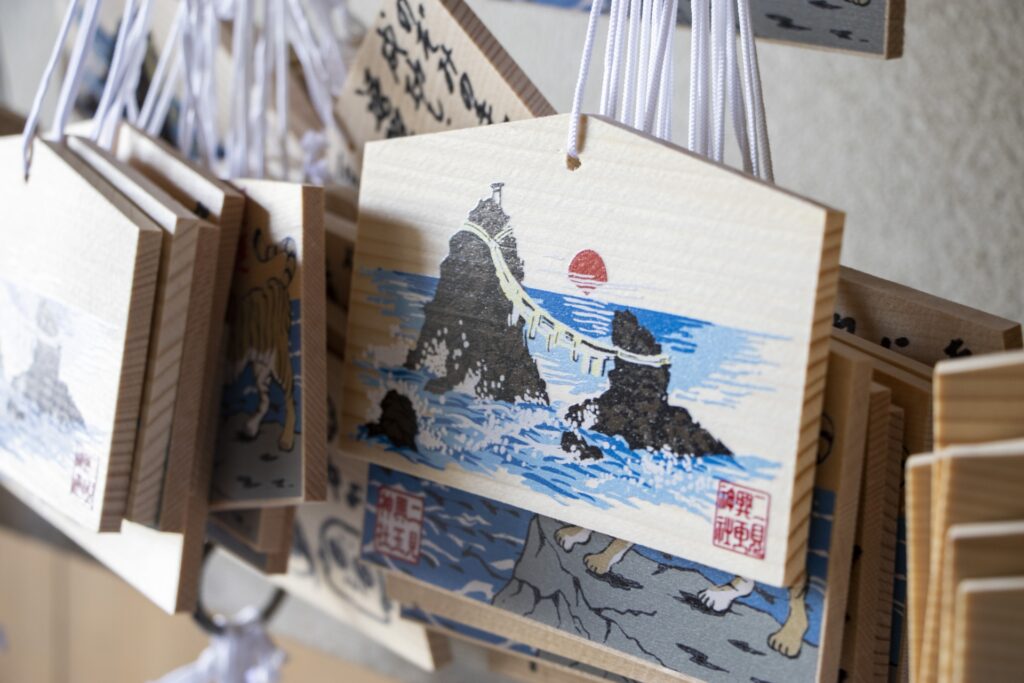
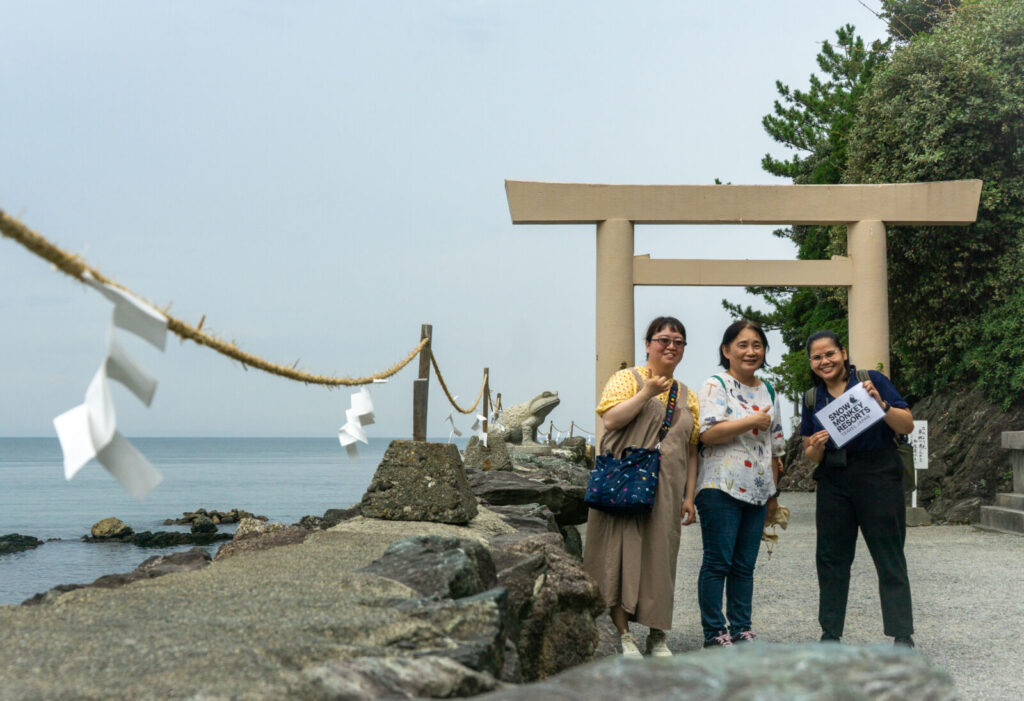
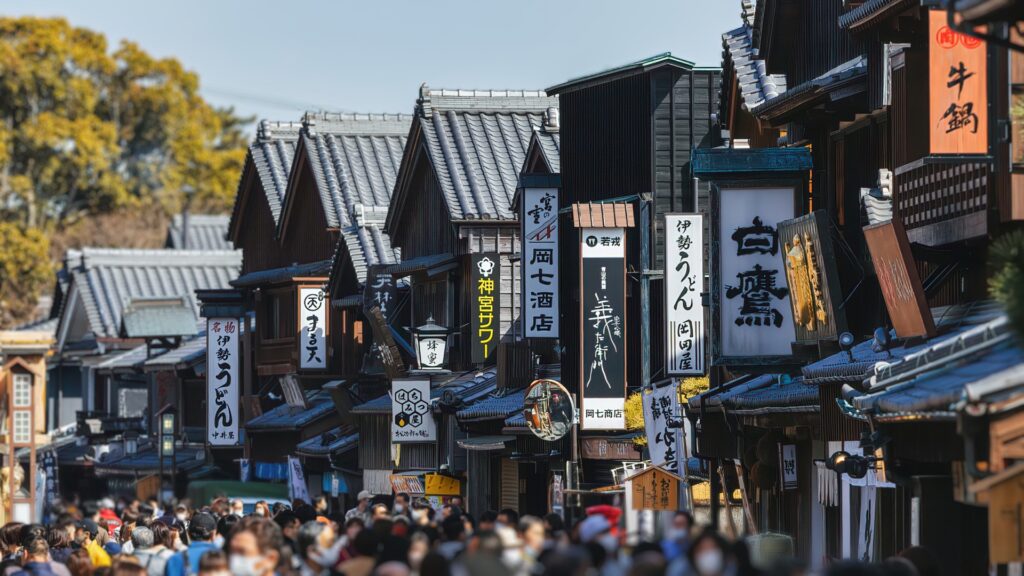
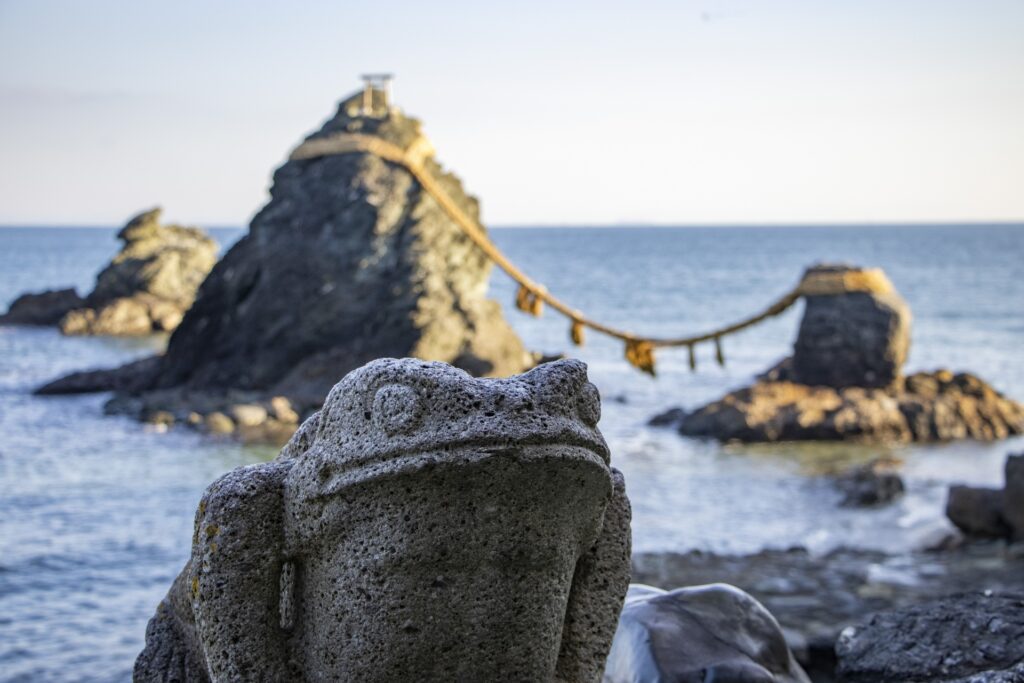
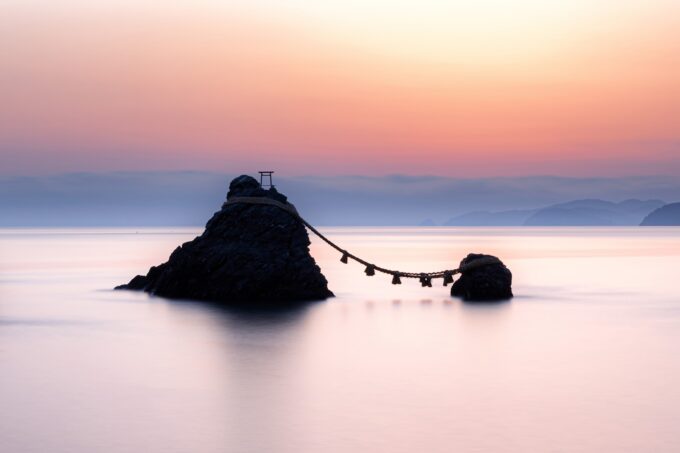
Recommended Tour: Snow Monkey Resort's 1-Day Tour from Nagoya: Ise’s Sacred Shrines and Captivating Coastlines provides you with the chance to marvel at the natural beauty of the Ise region and refresh your body and soul with spiritual experiences and delicious cuisine as you are led by an experienced, English-speaking guide from Nagoya on this full-day tour.
Autumn (September–November)
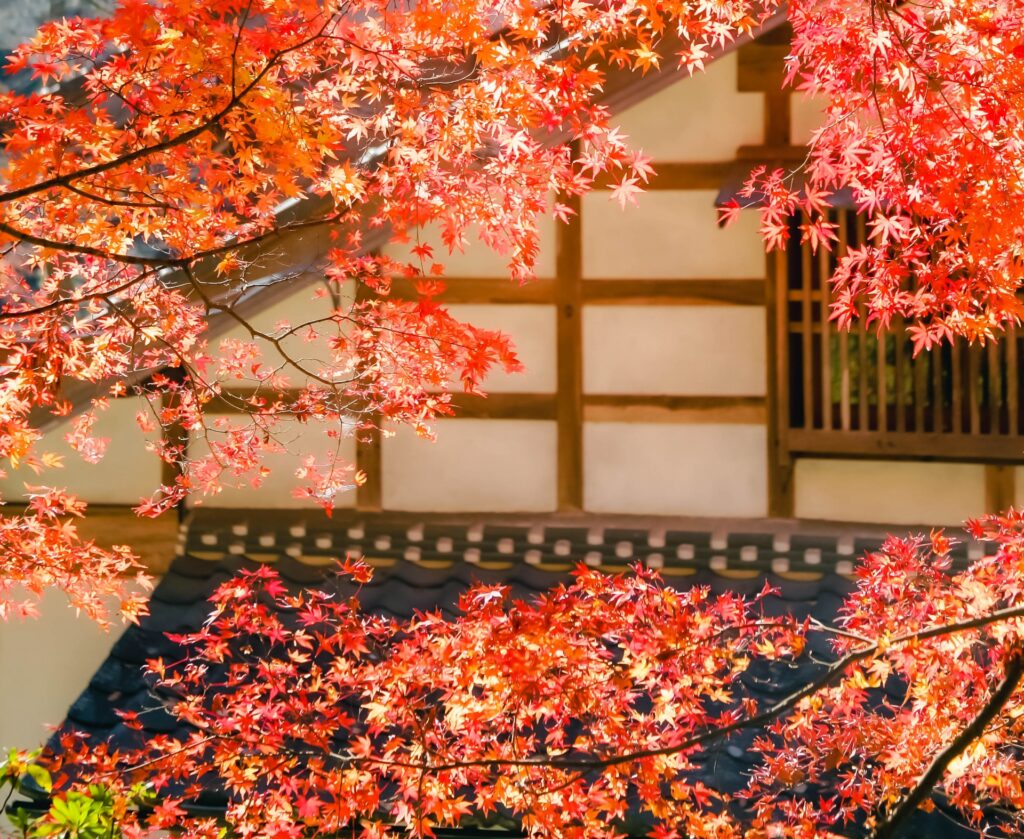
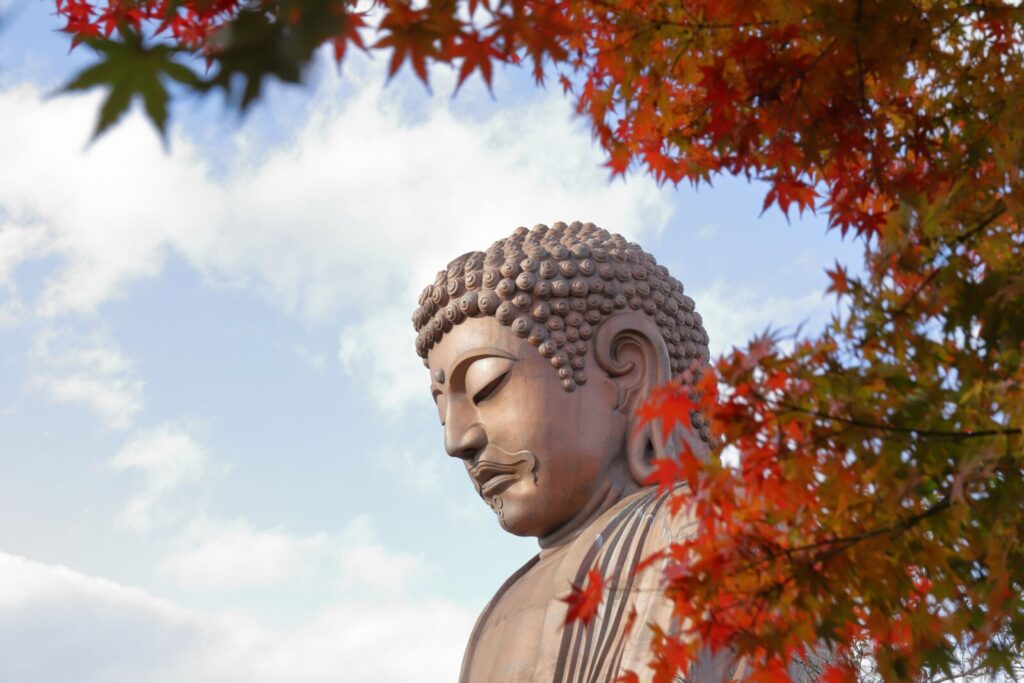

- Temperatures: September remains warm (high humidity), while October–November bring cooling temperatures with daytime highs ~22 °C (~70 °F) and nighttime lows ~13 °C (~55 °F)
- Precipitation: Rainfall declines significantly, making outdoor activities more manageable
- Crowds: Moderate to High. October sees the largest number of travelers
Autumn Weather in Nagoya
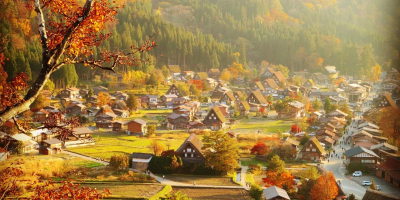
As the summer heat fades, autumn arrives with arguably the most comfortable weather conditions of the year. Autumn also brings beautiful fall foliage and heavy crowds across Japan.
From September through November, temperatures gradually cool, with daytime highs around 22 degrees Celsius (~70 °F) and lower humidity. While September is still quite summer-like, October and November in particular, are ideal for sightseeing, as rainfall decreases and clear skies become more common.
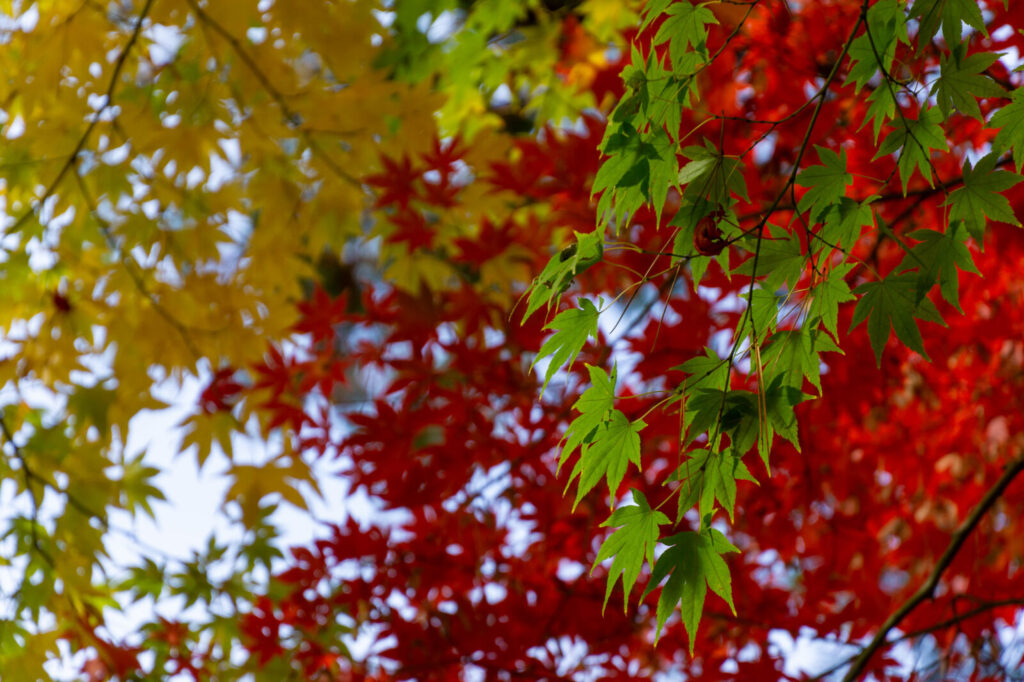
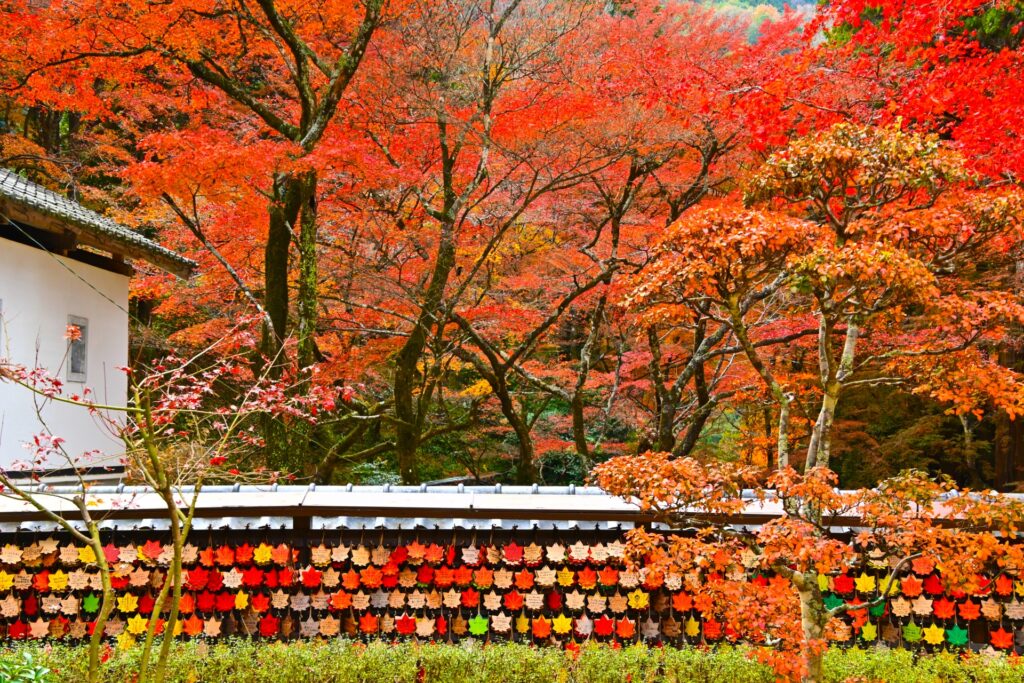
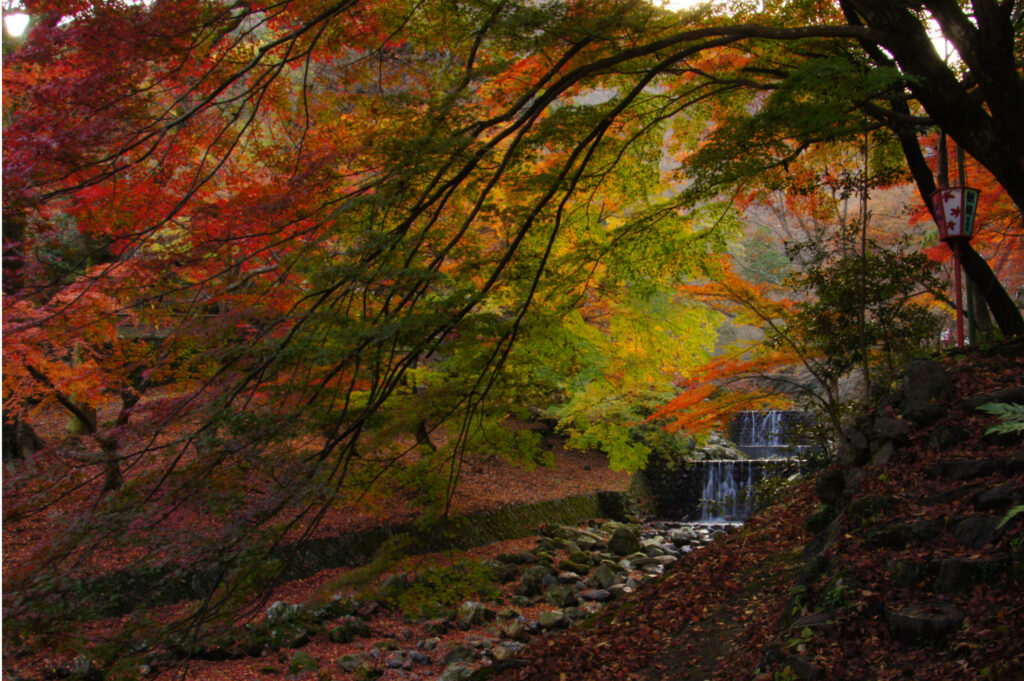
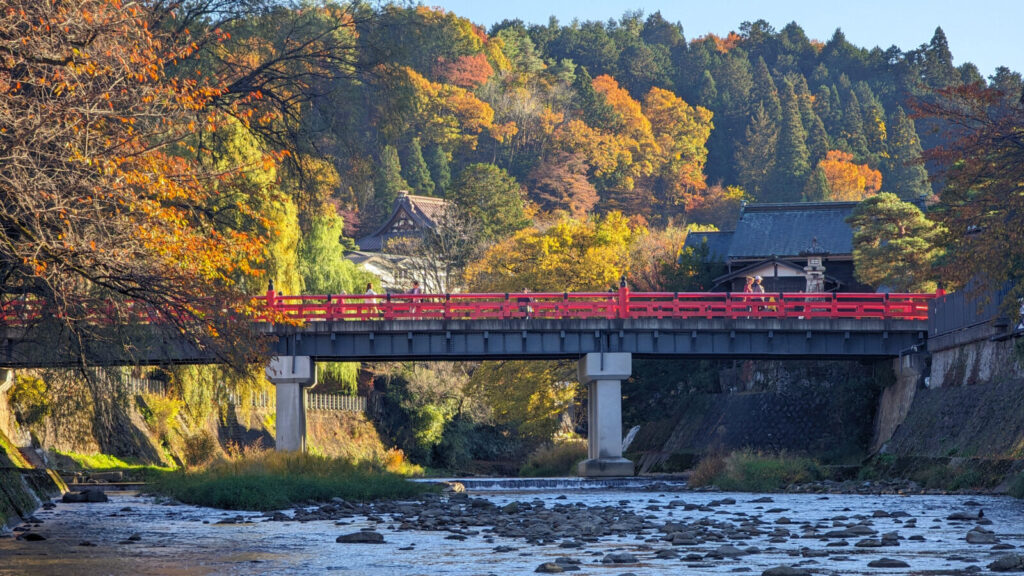
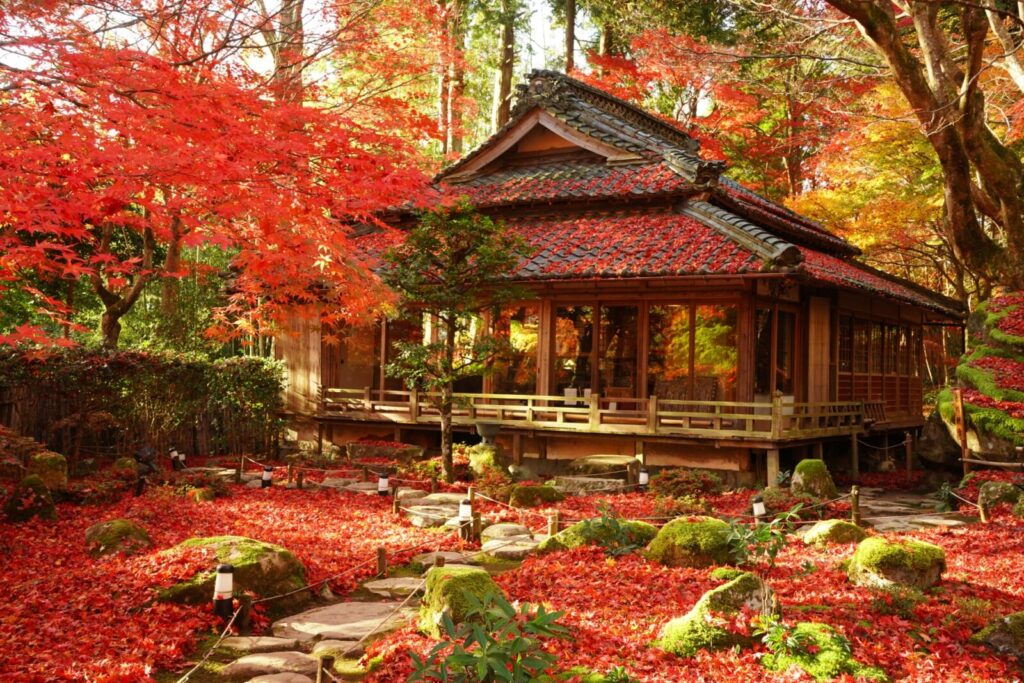
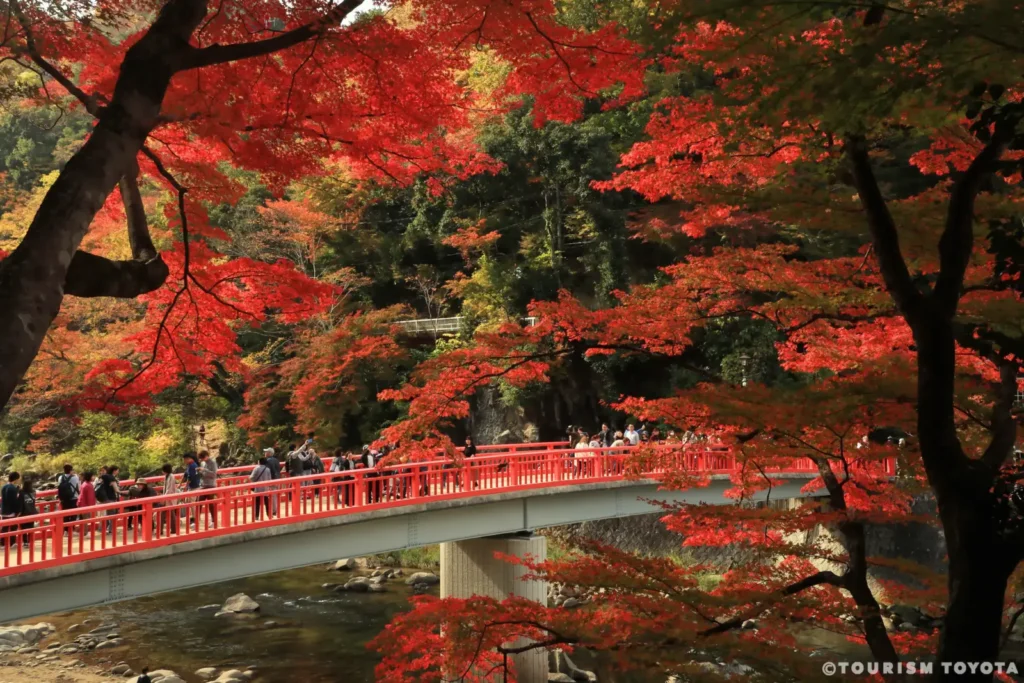
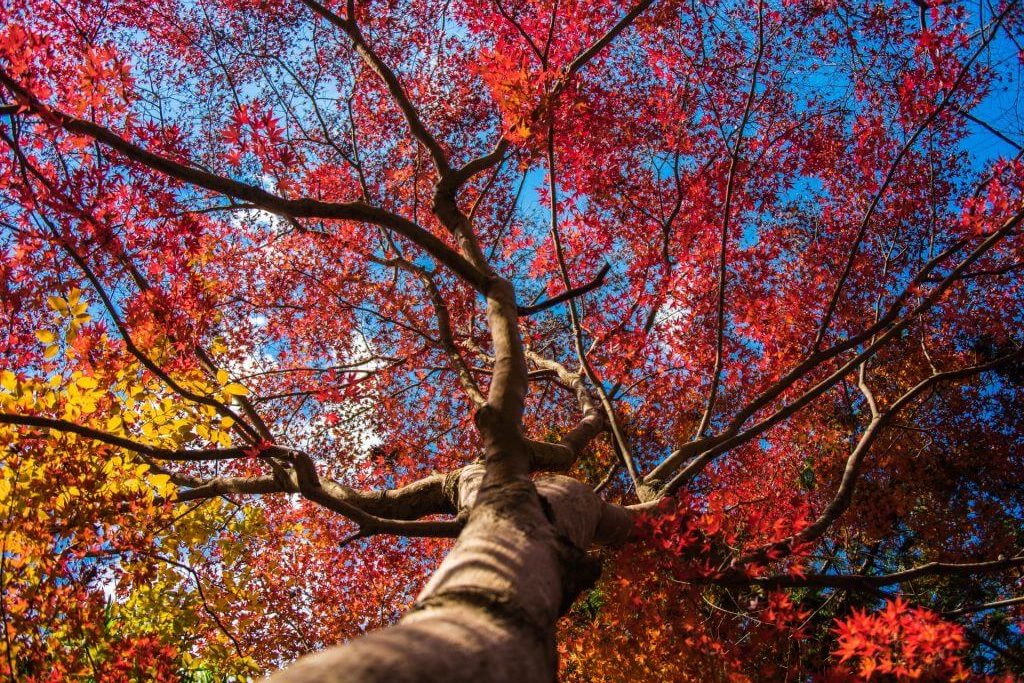
The fall season is marked by the arrival of colorful autumn foliage, with peak colors typically appearing from mid to late October in the surrounding mountains and mid-November to early December in Nagoya and the coastal areas. Similar to cherry blossoms in the spring, the Japan Meteorological Corporation (JMC) publishes an Autumn Leaves Forecast each year and updates it regularly as fall approaches.
Local favorites for autumn leaf viewing around Nagoya include Tokugawa Garden, which often hosts evening illuminations, as well as Korankei Valley and the Kiso Valley (where the best preserved sections of the Nakasendo Trail are located).
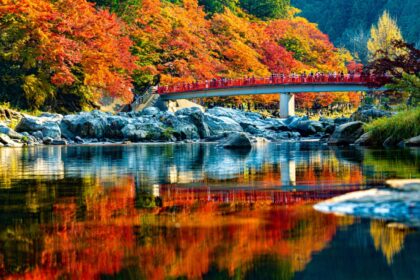
The combination of crisp air and vibrant scenery makes fall an excellent time for walking tours, hikes, and travel in general. However, much like spring, popular foliage spots can become crowded during peak weeks, especially on weekends. Thankfully, Nagoya and its surrounding region is quieter than Tokyo, Kyoto, or Osaka, meaning that you will likely be able to enjoy the autumn colors without having to worry about overcrowding in the most popular locations.
What to do in Nagoya in Autumn
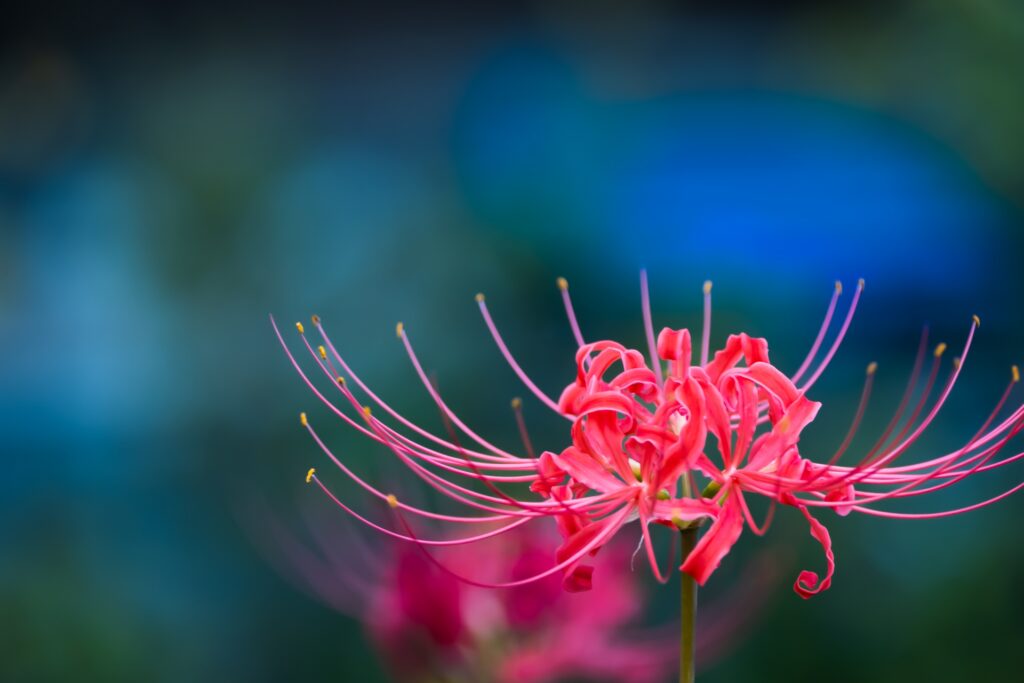
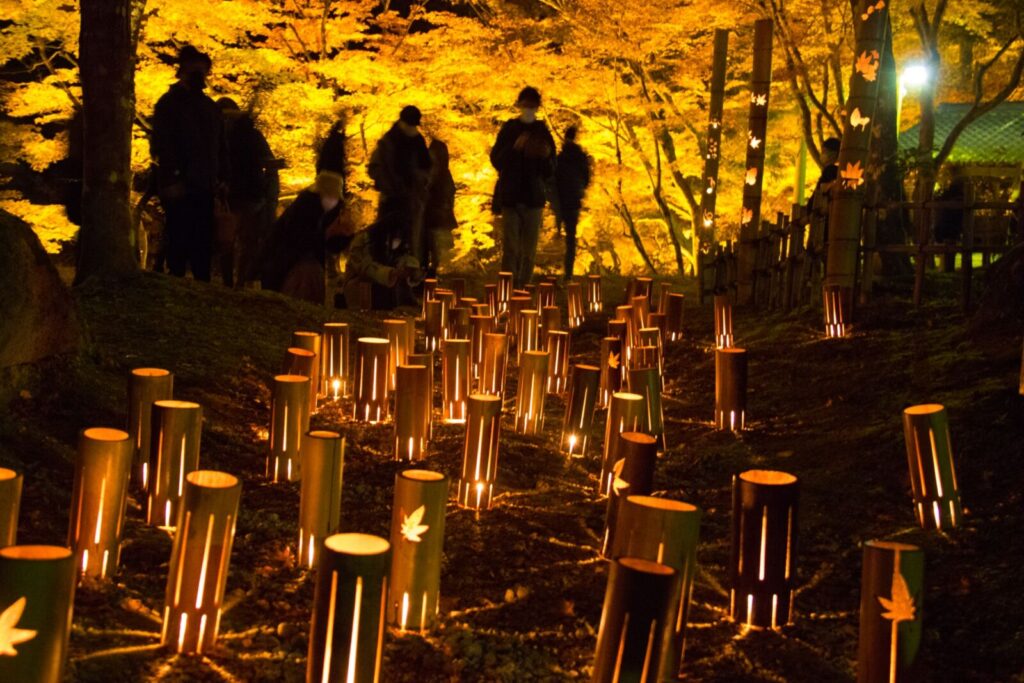
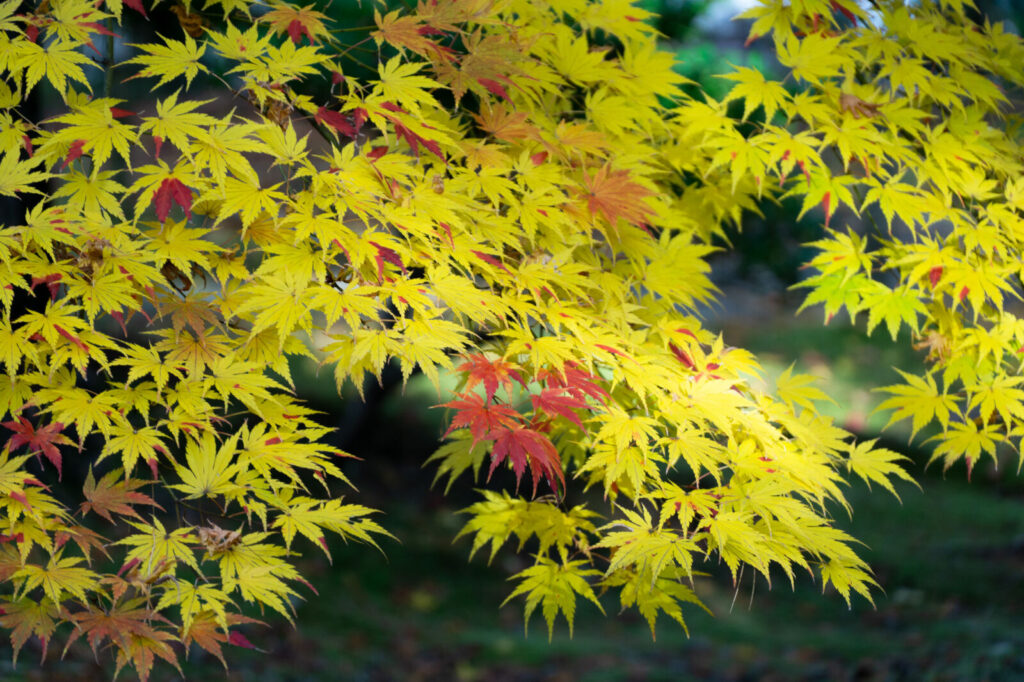
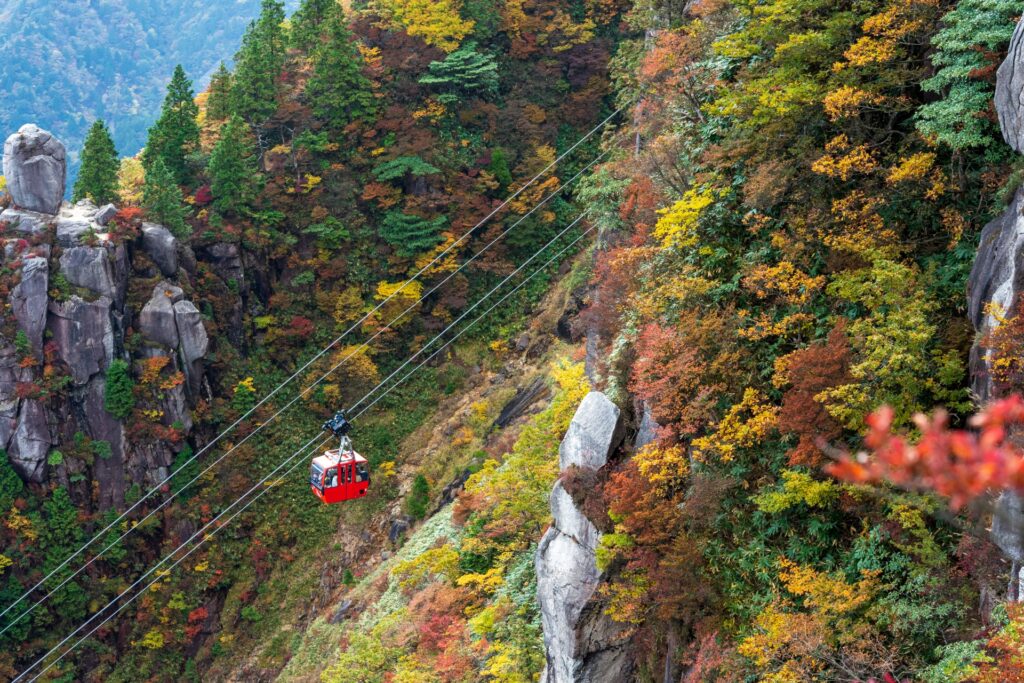
The overall comfort of the climate and the beauty of the seasonal colors make autumn one of the best times for day trips from Nagoya. For those looking to travel to Nagoya in the fall, we highly recommend checking out the Kiso Valley (for hikes along the Nakasendo Trail), and Kamikochi or Korankei for fall leaves (depending on the dates of your visit).
Keep in mind that locations at higher elevations will experience the change in seasons prior to locations around the coast and low-lying areas.
Autumn Tours in Nagoya
Best Tour for Autumn Leaves from Nagoya in October: Kamikochi
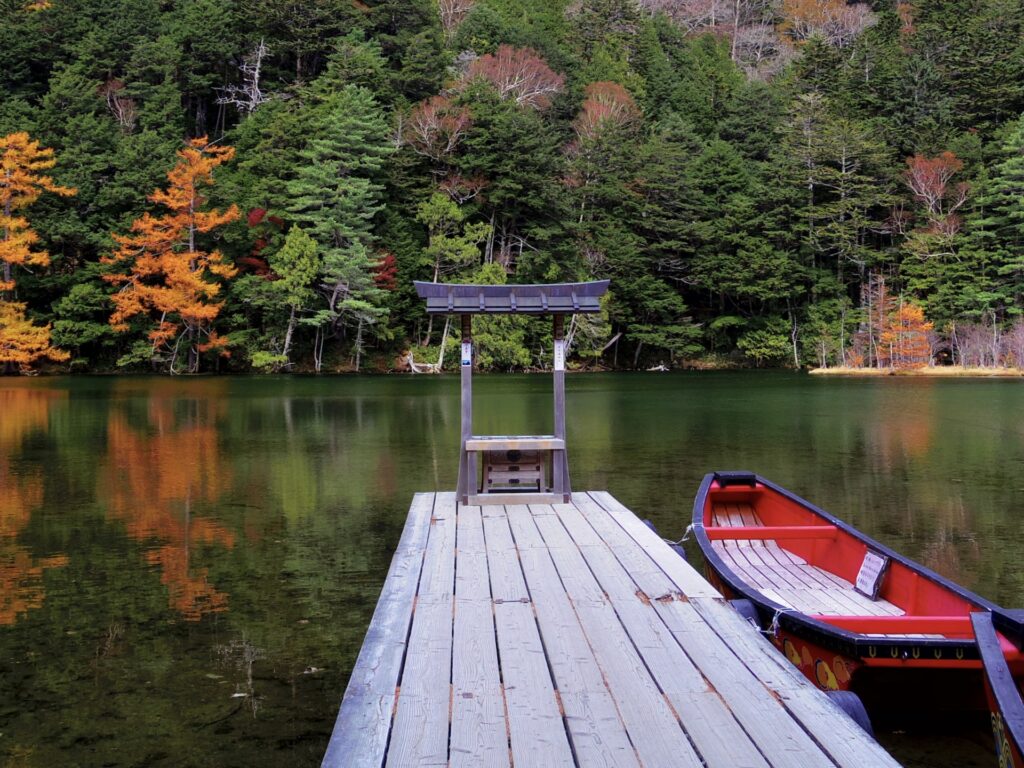
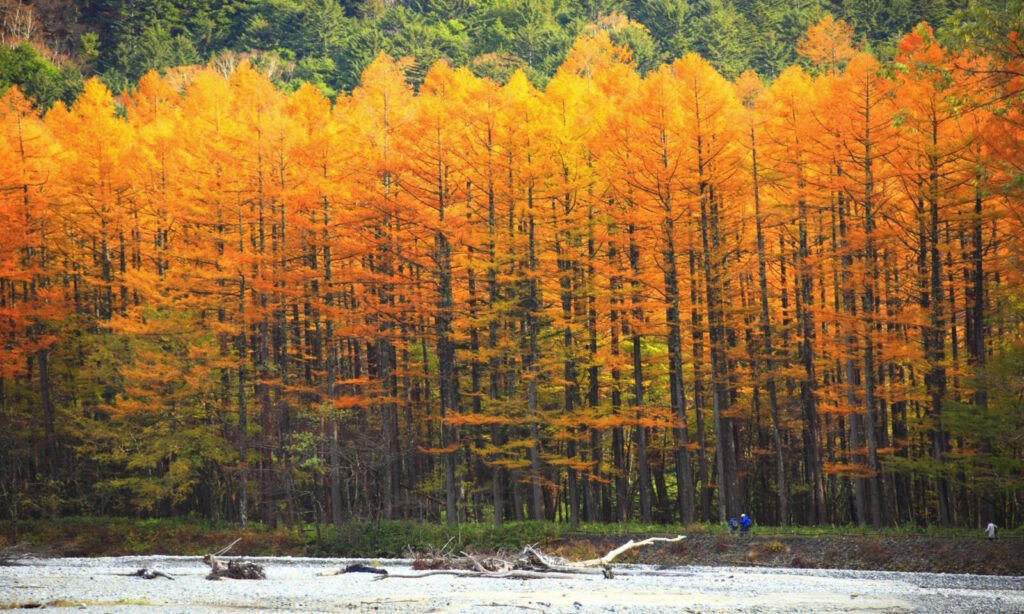
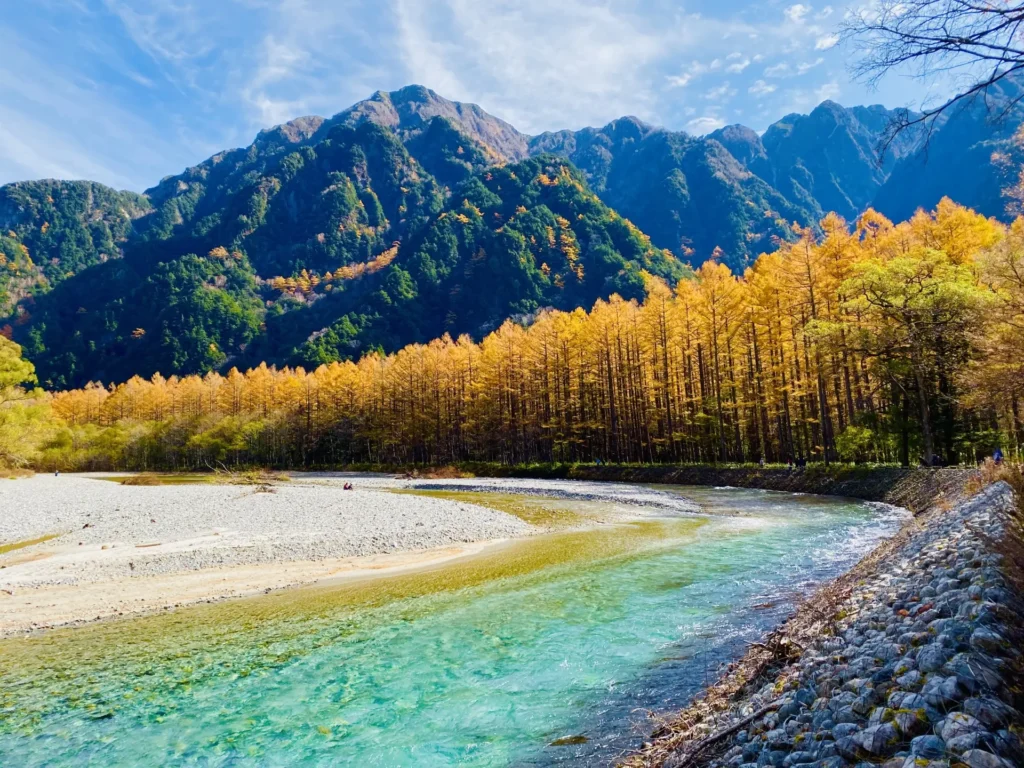
Recommended Tour: Escape the city for a day and immerse yourself in the natural splendor of the Japan Alps on Snow Monkey Resort's 1-Day Tour from Nagoya: Kamikochi – Enchanting Landscapes & Seasonal Beauty.
This tour takes you to a vibrant flower park, a charming mountain farm, and the iconic Kamikochi region of the Chubu Sangaku National Park. Hike the well-maintained trails to Kappa-bashi and capture stunning views of the surrounding mountains.
Best Tour for Autumn Leaves from Nagoya in November: Korankei Valley
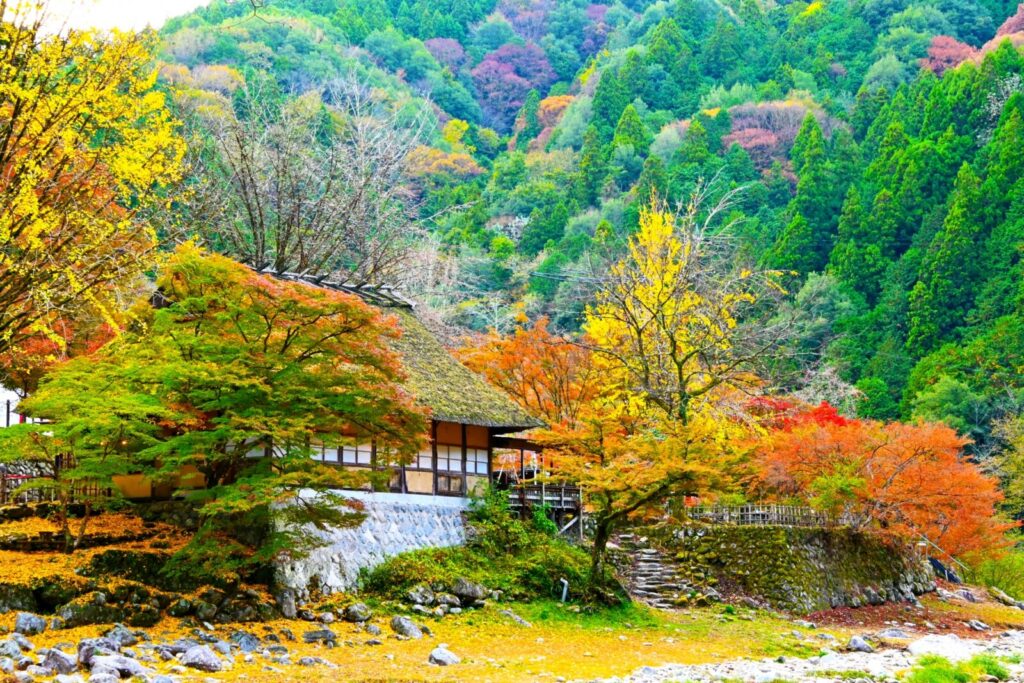
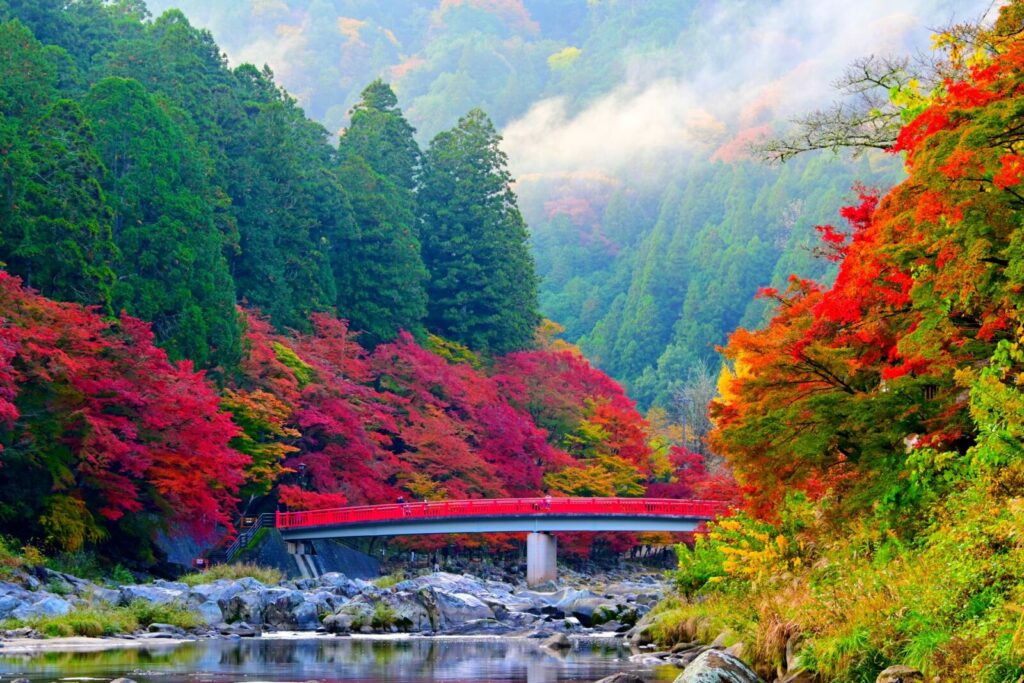
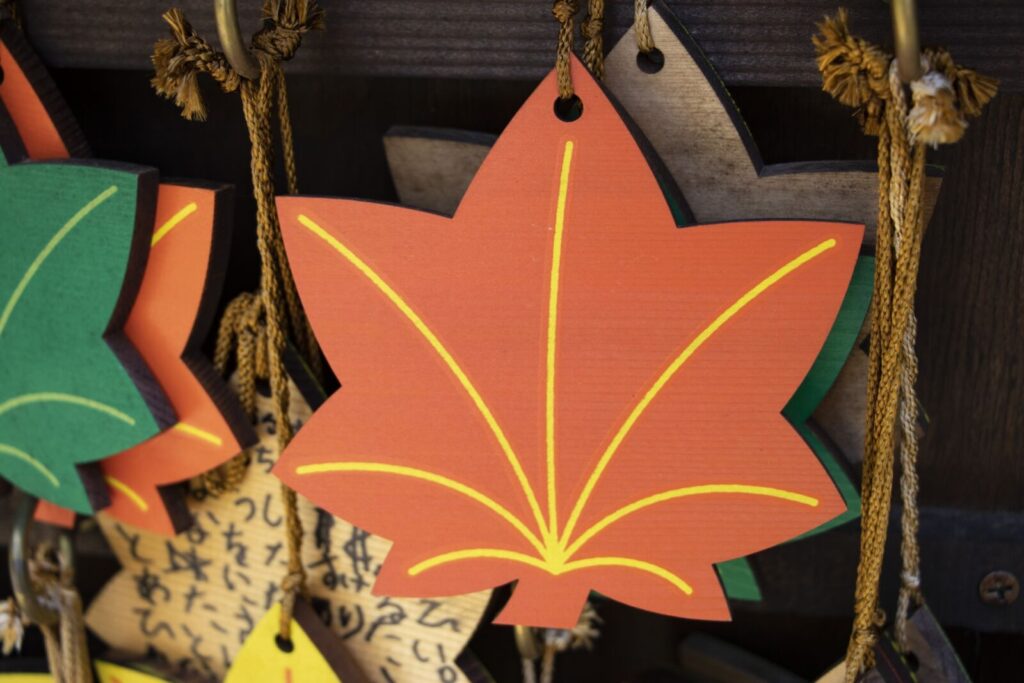
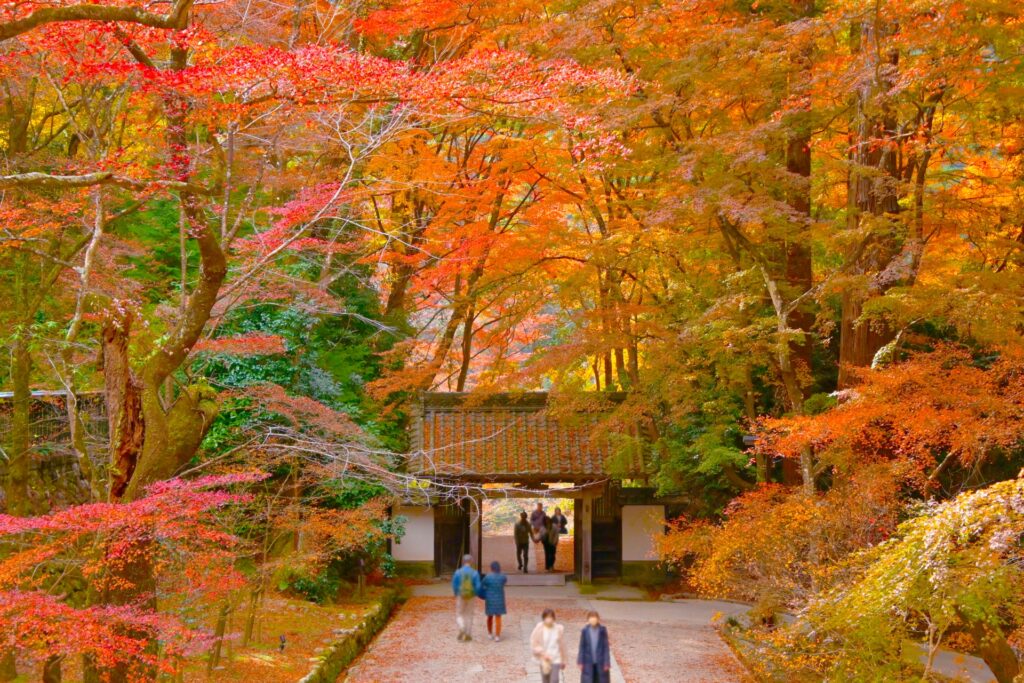
Recommended Tour: Snow Monkey Resort's 1-Day Tour from Nagoya: Korankei Gorge & Fox Shrines—A Photographer's Paradise is not only a photographer’s dream, taking you to some of Nagoya’s most photogenic spots, but also offers a perfect blend of nature, culture, and timeless beauty.
Travel to the iconic Toyokawa Inari Shrine and capture the serene beauty of its one thousand stone foxes. Marvel at the natural beauty of Korankei Gorge, one of Japan’s top spots for autumn foliage, where the vibrant colors of over 4,000 maple trees reflect off the tranquil waters. Explore Sanshu Asuke Yashiki Village, a picturesque open-air museum, where rural charms and traditional crafts await.

Best Tour for Hiking from Nagoya: Nakasendo Trail
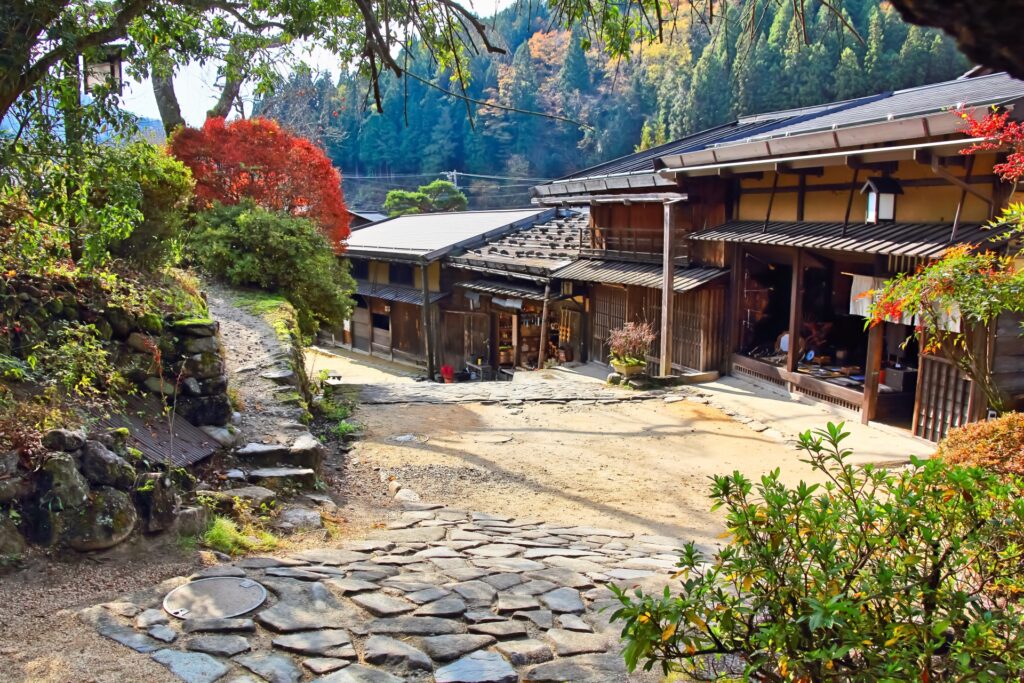
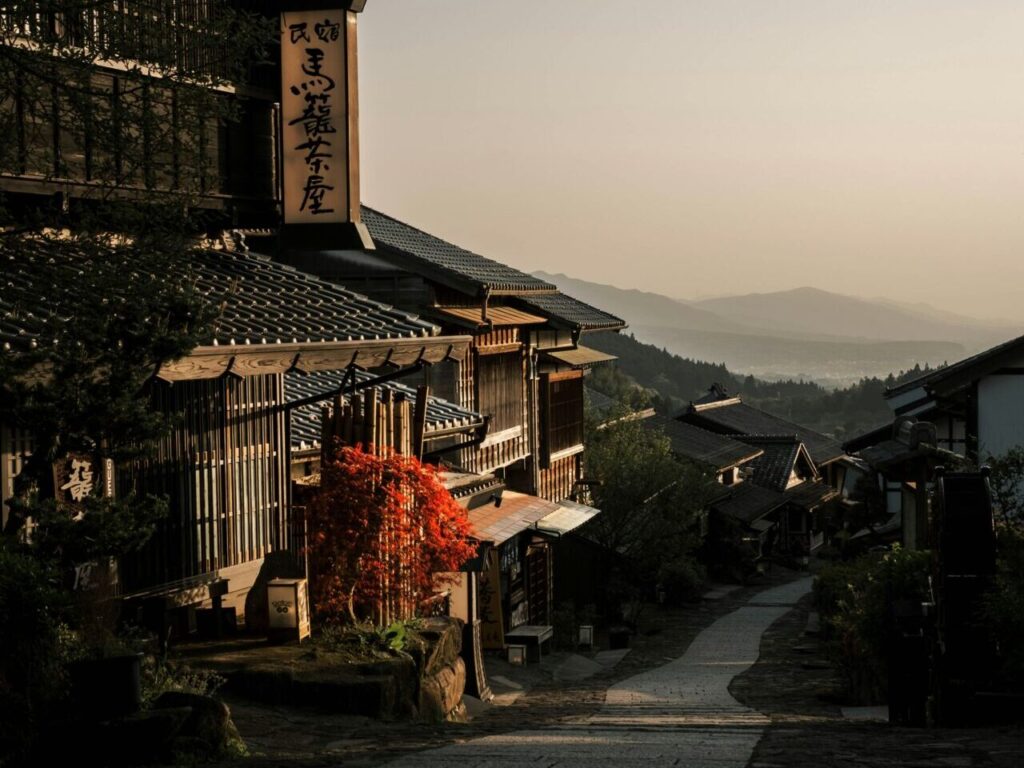
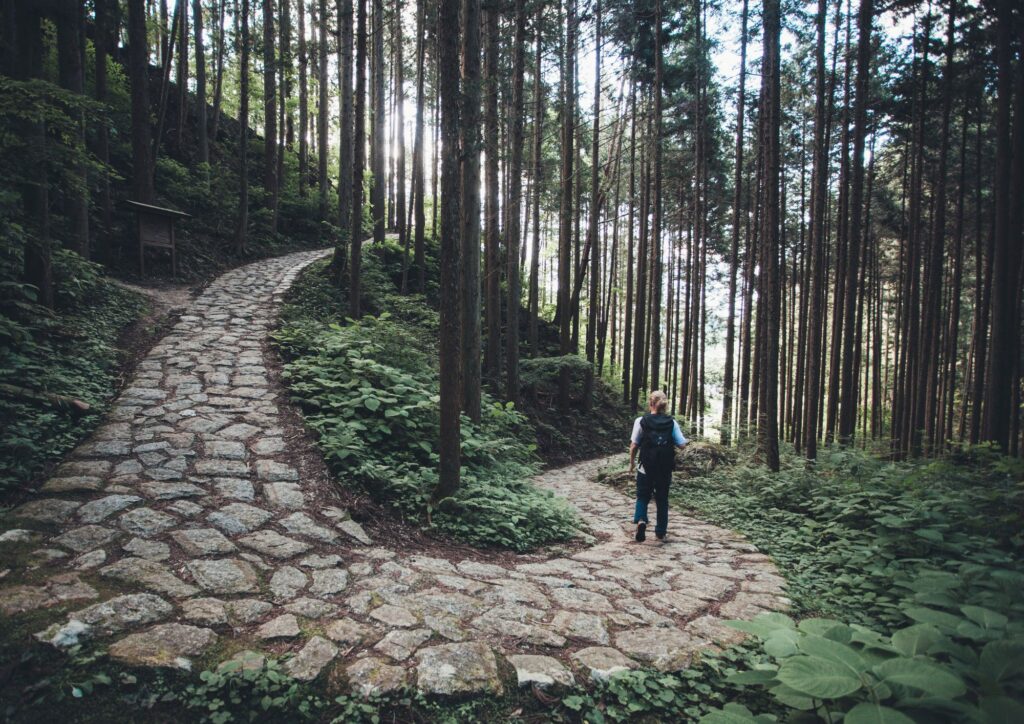
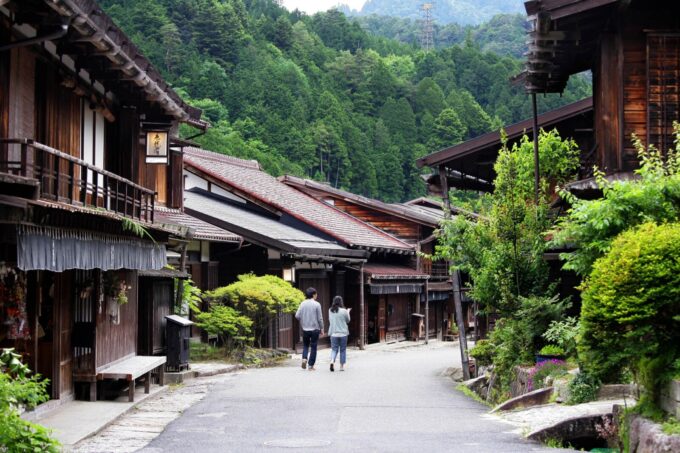
Recommended Tour: Step into the past and experience life in rural Japan as you hike the Nakasendo trail from Tsumago-juku to Magome-juku on Snow Monkey Resort's highly rated 1-Day Tour from Nagoya: Hiking the Historic Nakasendo Trail.
Best Selling
1-Day Tour from Nagoya: Hiking the Historic Nakasendo Trail
- Spots:
- NagoyaKiso Valley
- Pick-up:
- Nagoya
- Drop-off:
- Nagoya
Winter (December–February)
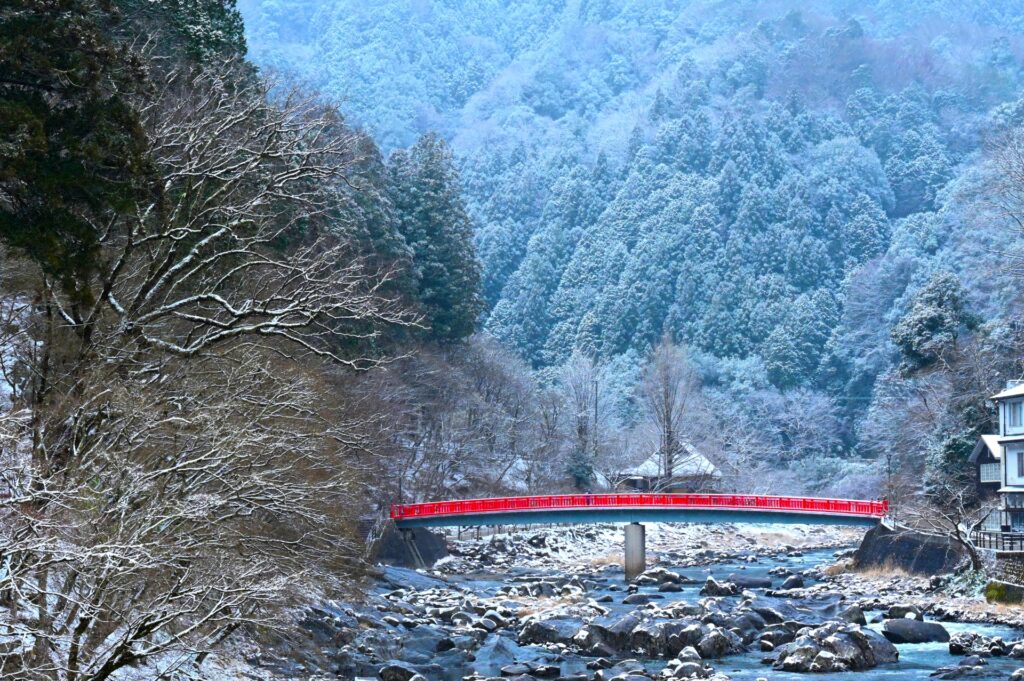
- Temperatures: Winters are cool to cold, with average highs around 5–12 °C (40s-50s °F) in Nagoya and chilly nights. Light snow is possible but rare in Nagoya, while heavy snowfall is a regular occurrence in Gifu and the Japanese Alps
- Precipitation: This is the driest time of year, with January and February seeing minimal rain (~50–60 mm)
- Crowds: Low to Moderate. Most areas do not have many crowds with the exception of popular winter destinations such as Shirakawago and ski resorts.
Winter Weather in Nagoya
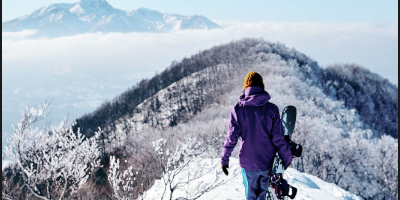
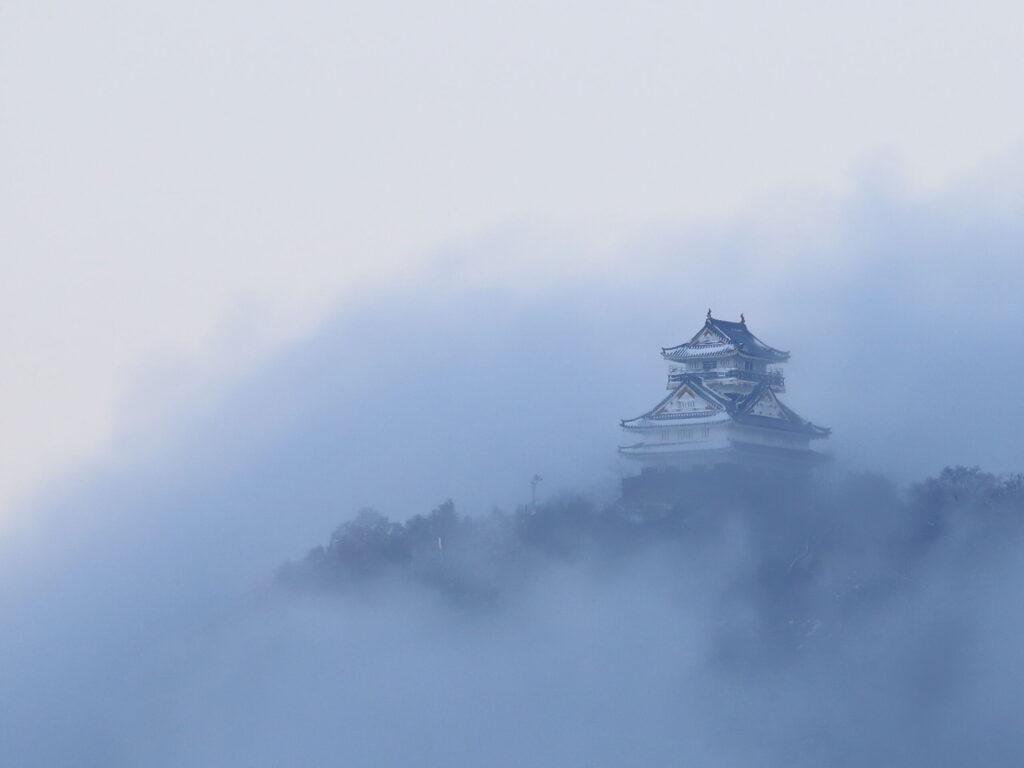
Winter, lasting from December through February, offers beautiful scenery, in the form of winter illuminations and snow covered mountains, and lower levels of crowds at many popular locations. It is an excellent time to travel for those looking to see snow or participate in winter activities.
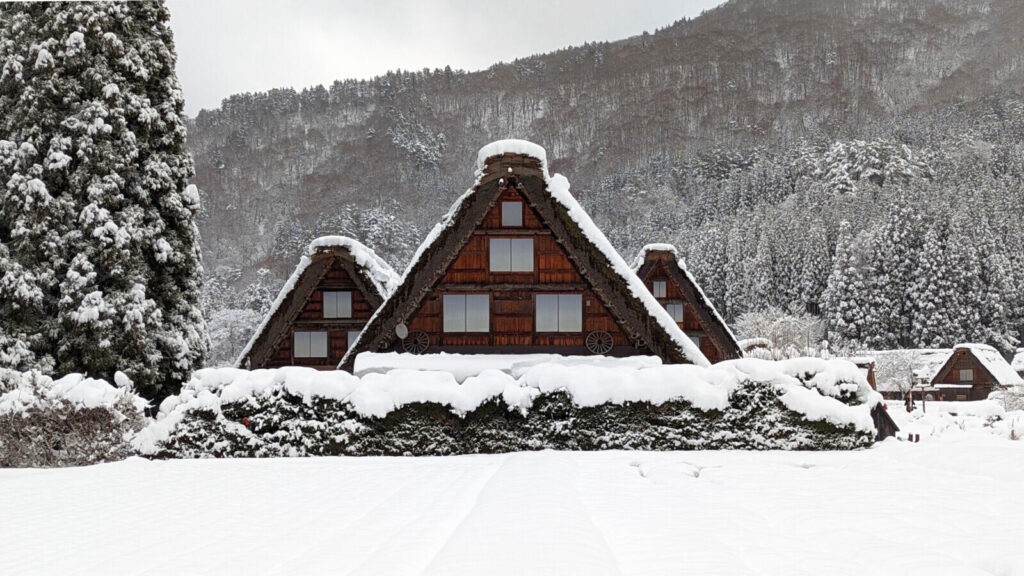
For those comfortable walking outdoors in winter conditions, January in particular is a great month to travel in Nagoya and the surrounding Tokai region (Gifu, Mie, and Aichi prefectures). The heavy snowfall in the mountains north of Nagoya makes Shirakawago's famous gassho-zukuri houses look postcard-perfect in snow, and ski resorts typically have the best conditions at this time.
In the city of Nagoya, daytime temperatures typically range from 5 to 12 degrees Celsius (40s-50s °F). But up in the surrounding mountains, days are quite colder with highs averaging around -6 to 4 degrees Celsius (20s-low 40s °F).
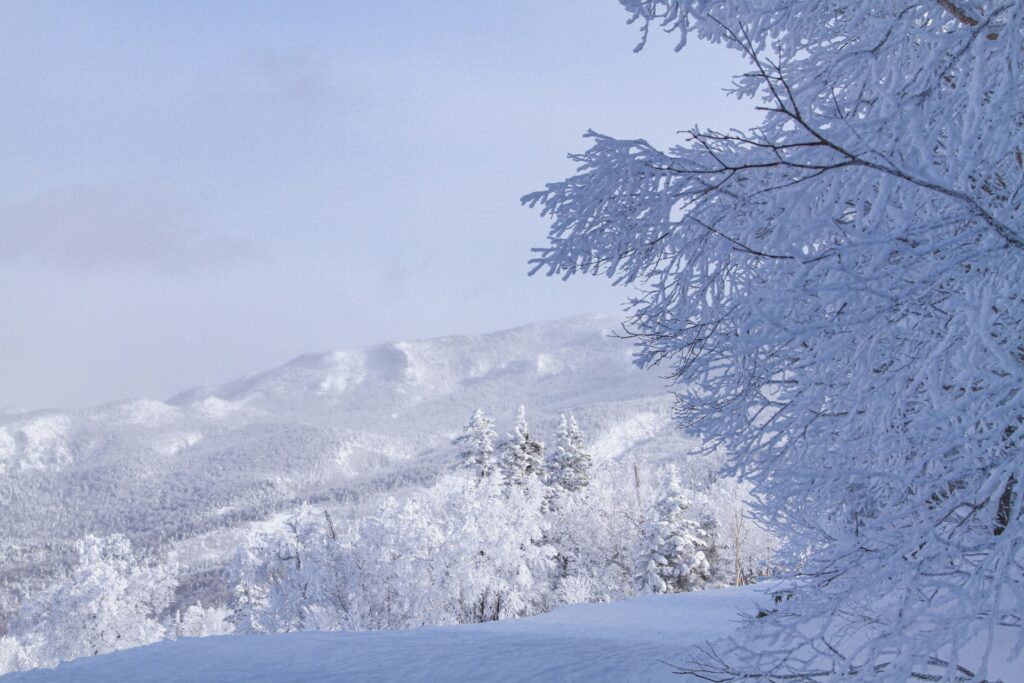
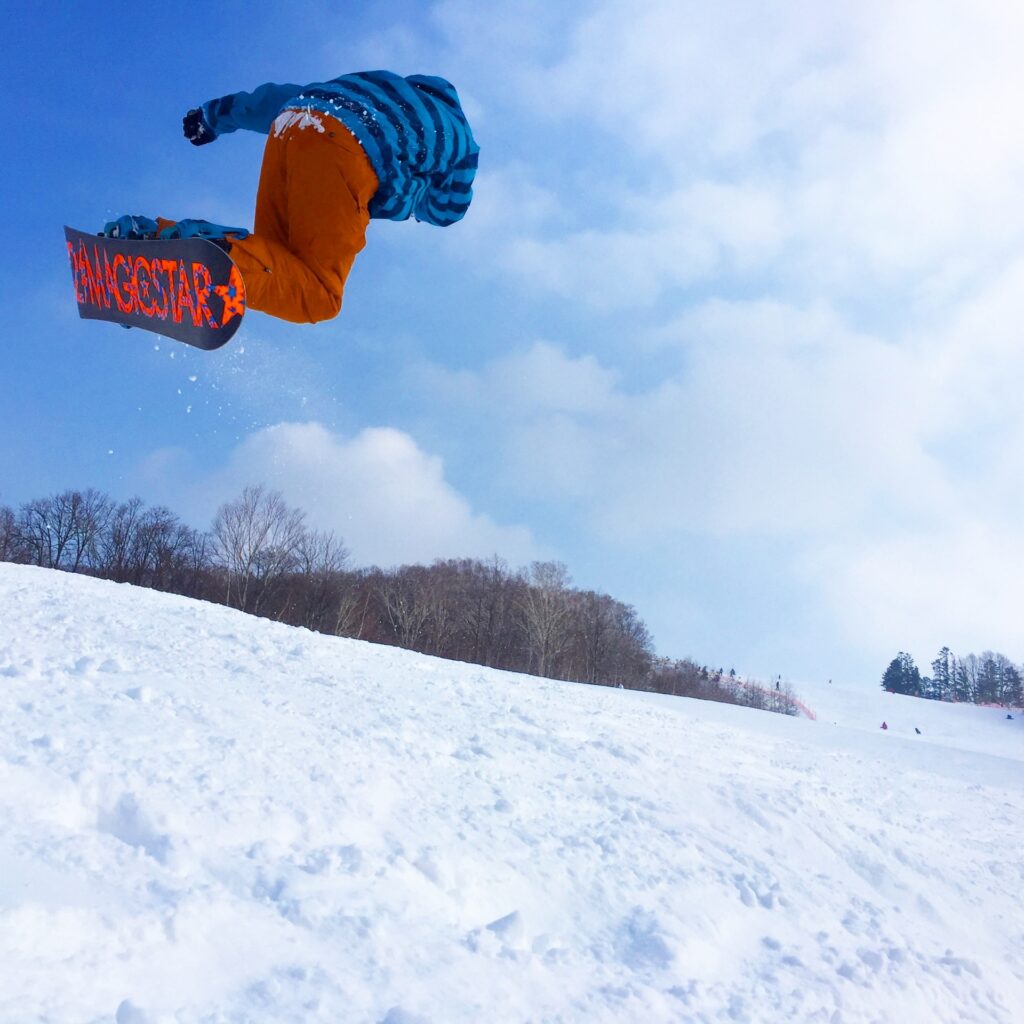
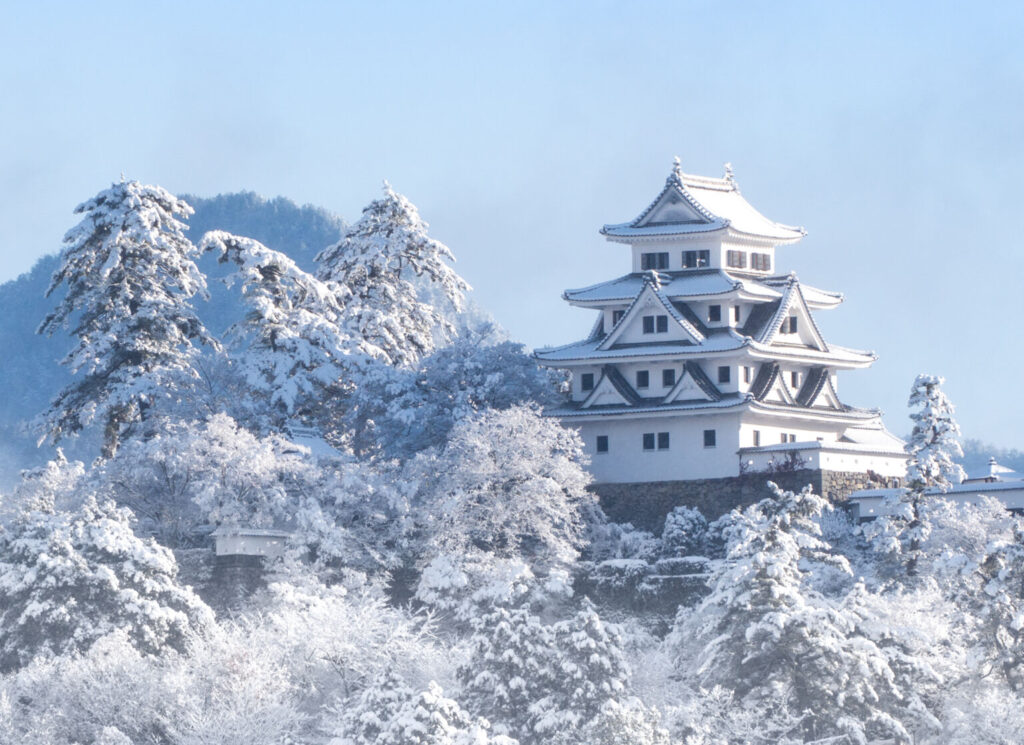
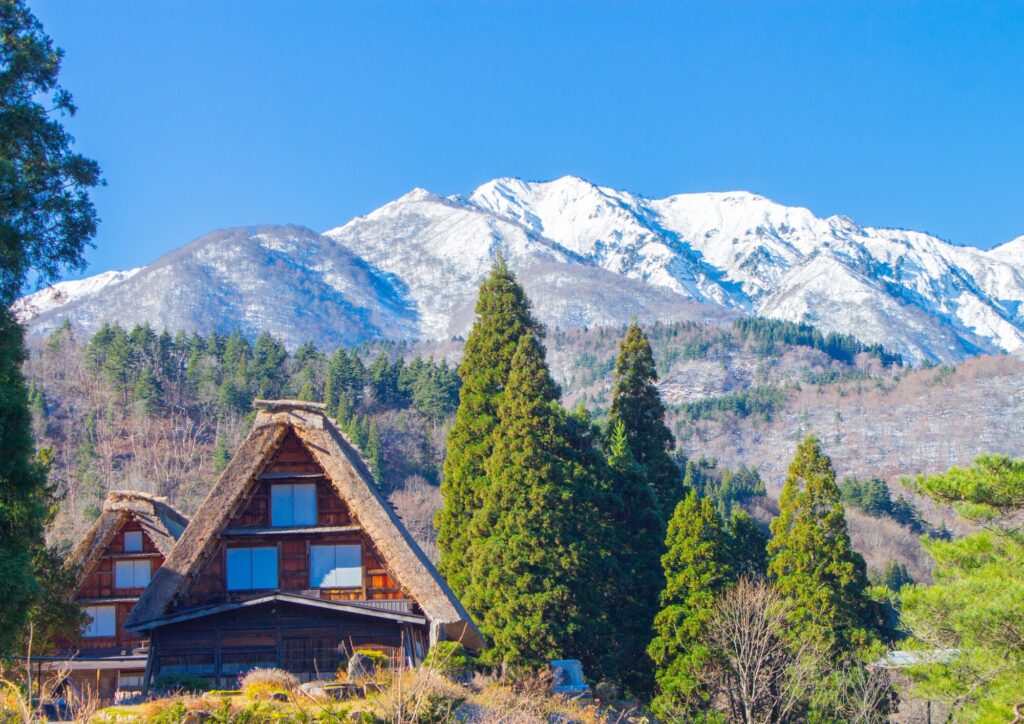
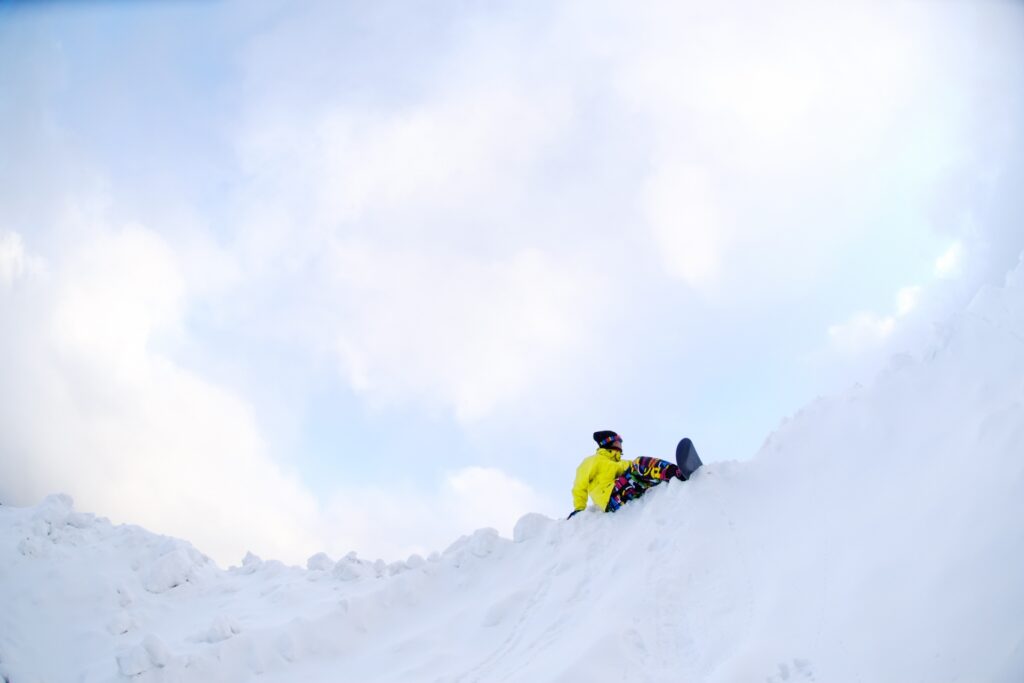
While snow is rare in Nagoya itself, the surrounding mountain areas experience heavy snowfall especially around Shirakawago and the Hida Highlands. The best skiing near Nagoya is found in Gifu Prefecture, where a number of quality resorts offer good snow conditions, modern facilities, and manageable travel times from the city.
During the winter, popular hiking trails, like the Nakasendo Trail, are covered in snow and ice and not recommended, while other outdoor destinations, such as Kamikochi, are completely closed for the season.
Because this is considered the off-season for tourism, crowd levels drop significantly, and many attractions can be enjoyed in peace. However, some locations famous for snow (like Shirakawago) see the most crowds during this time.
It is important to note that the New Year’s holiday is one of the most important holidays for people living in Japan. So many locations may be closed on the days leading up to or just after January 1st. We highly recommend checking the hours and holiday calendars for any locations you would like to visit (particularly during the last week of December and the first two weeks of January).
When it comes to packing for a winter holiday in Japan, we recommend bringing clothes you can layer, a warm hat and gloves, and footwear with good tread for walking through slush or on icy paths.
It is also important to note that many buildings in Japan, especially historic ones, are not well insulated and can be quite cold and drafty indoors. Coupling this with the custom of removing your shoes in almost every historic building, temple, and castle, means that we highly recommend packing some warm socks.
What to do in Nagoya in Winter
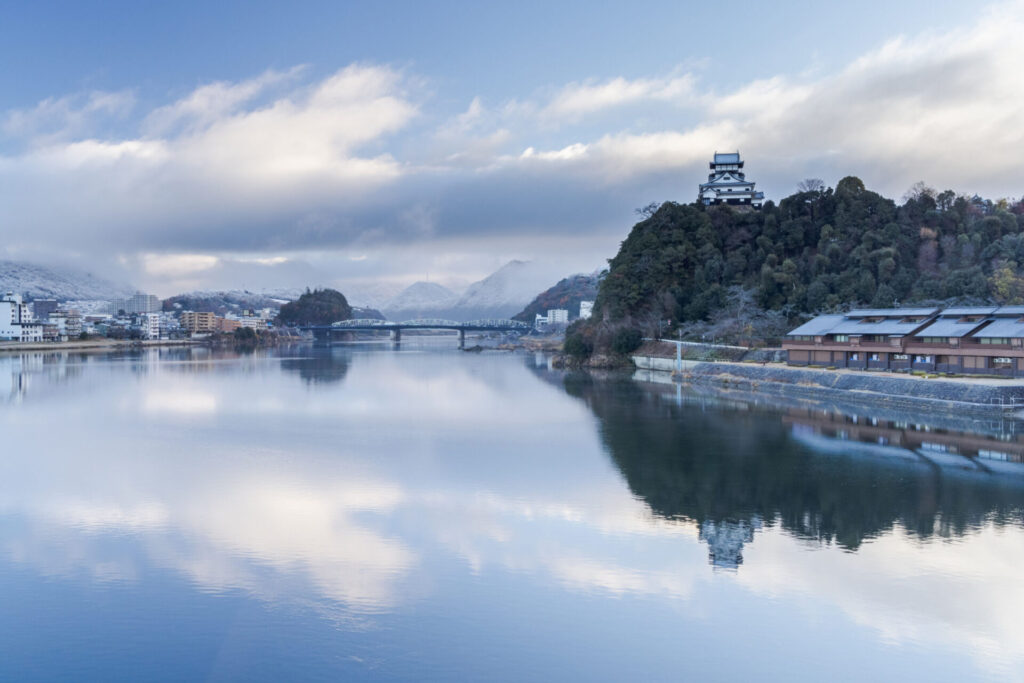
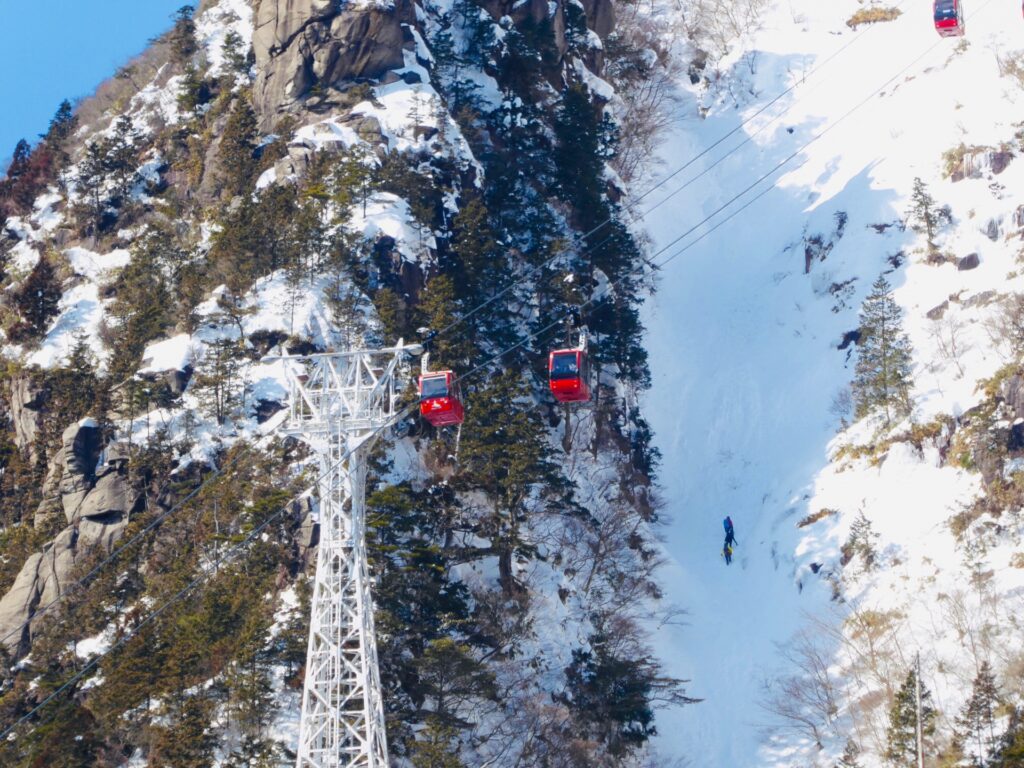
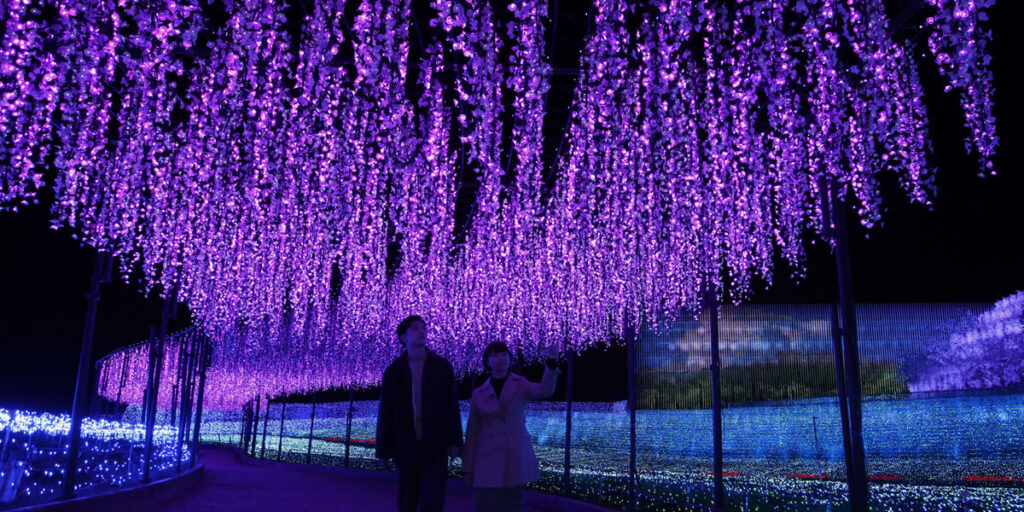
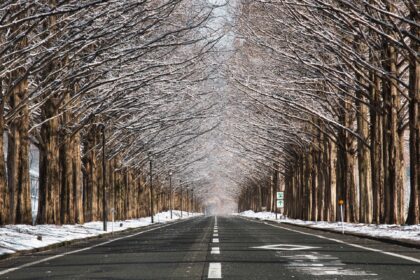
Some of our favorite destinations for winter travel in and around Nagoya include Shirakawago for snowy scenery, Nabana no Sato for winter illuminations, and Gujo-Hachiman or Gero Onsen for relaxing hot springs.
Winter Tours in Nagoya
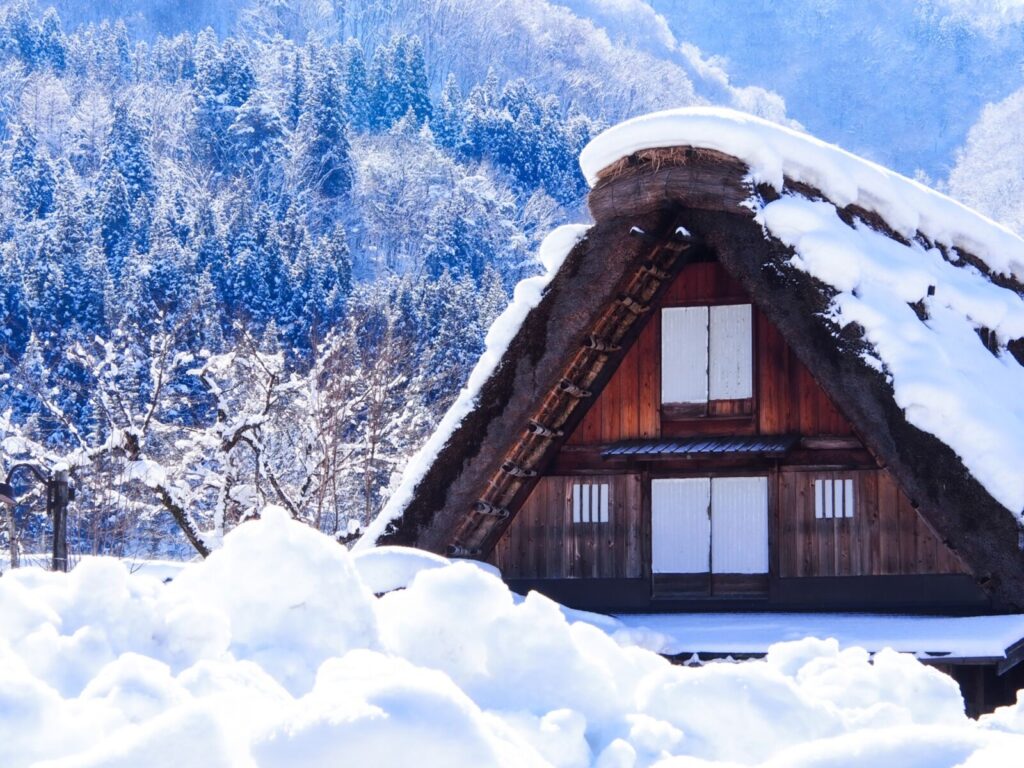
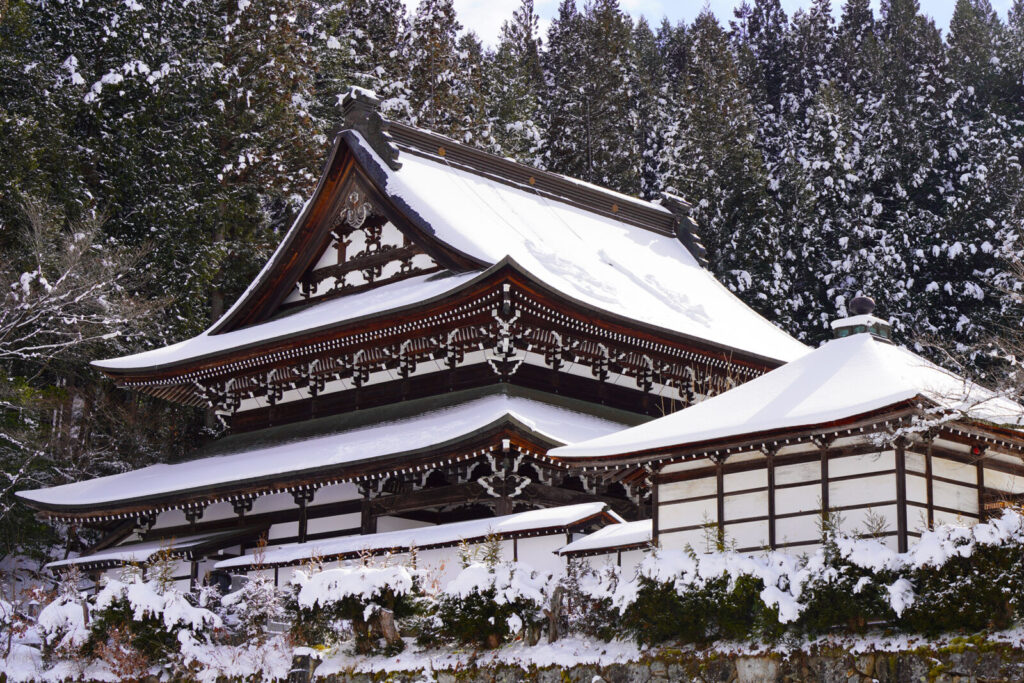
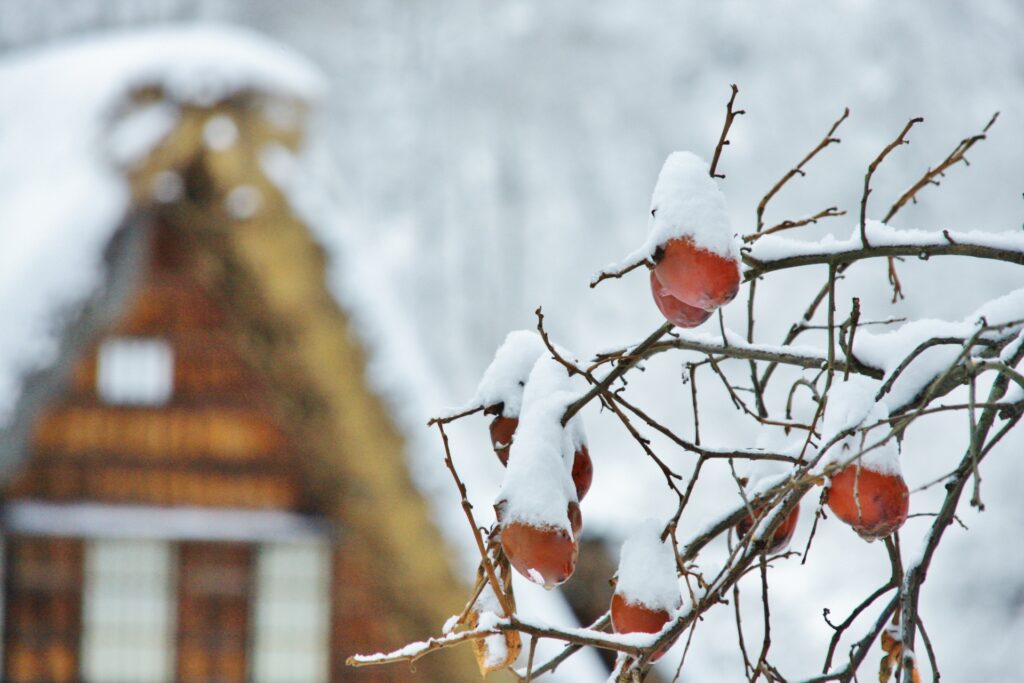
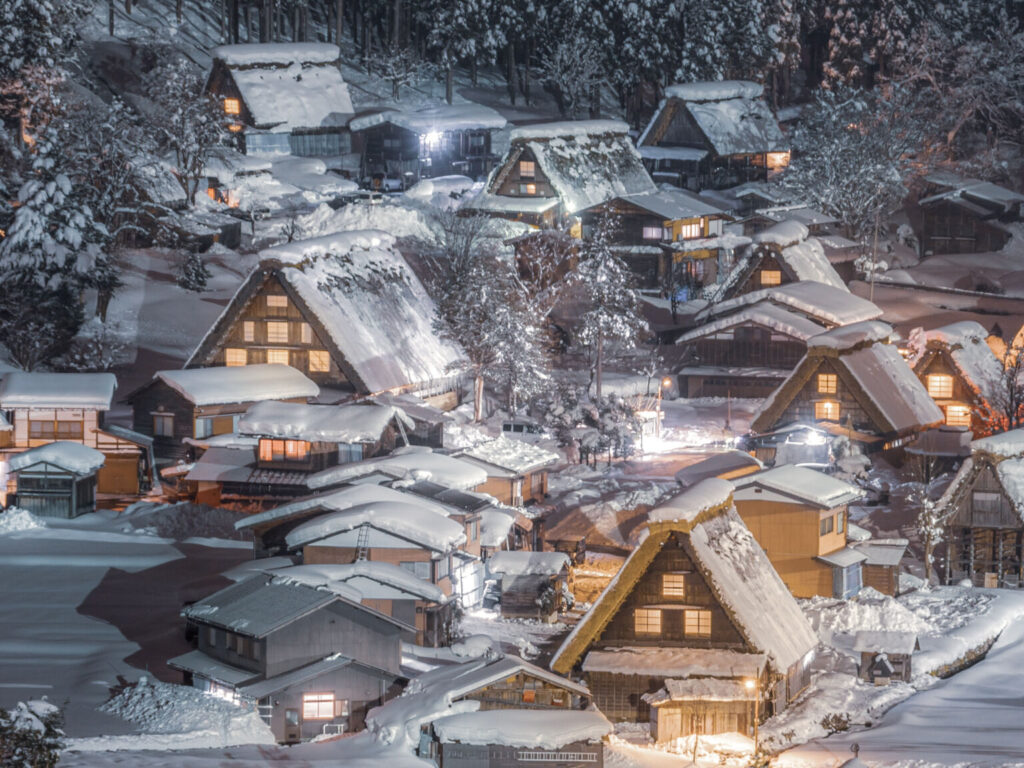
Best Tour for seeing snow from Nagoya: Shirakawa-go and Takayama
Recommended Tour: Savor the views of the Japanese countryside as you are led by an experienced, English-speaking guide on Snow Monkey Resort's 1-Day Tour from Nagoya: Hida Takayama and World Heritage Site Shirakawa-go. This tour takes you into the famed thatched-roof houses of UNESCO World Heritage site Shirakawa-go as your guide shares the history (and dramas) of Edo-era life in this remote mountain village.
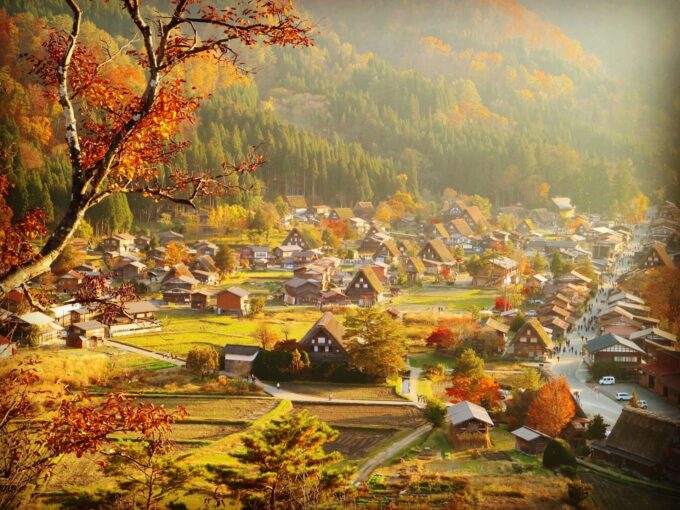
Recommended
1-Day Tour from Nagoya: Hida Takayama and World Heritage Site Shirakawa-go
- Spots:
- NagoyaTakayamaShirakawago
- Pick-up:
- Nagoya
- Drop-off:
- Nagoya
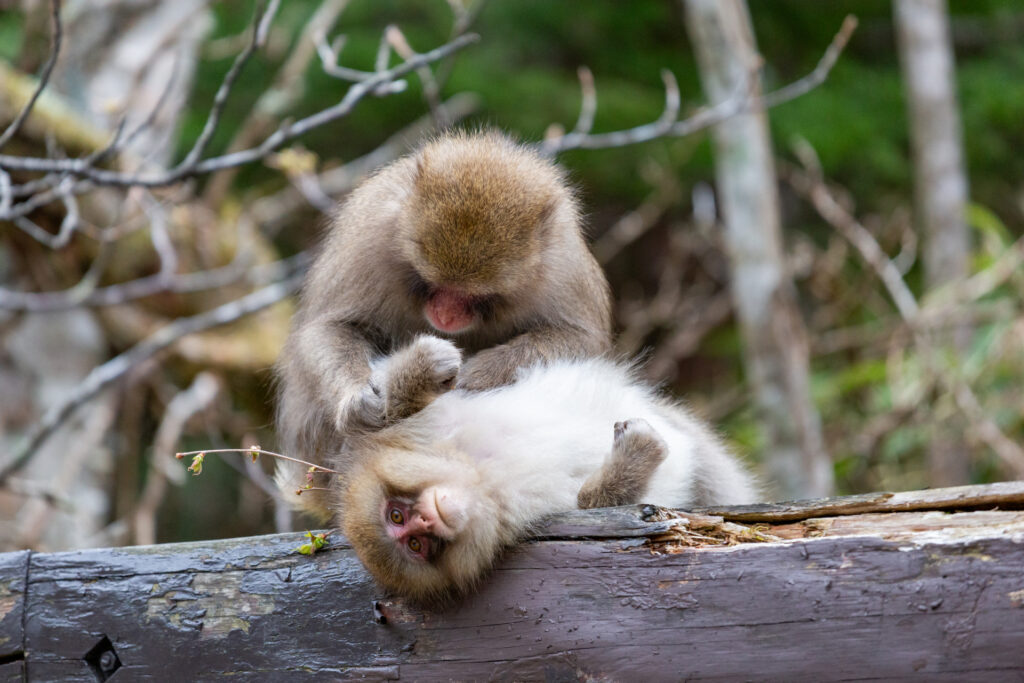
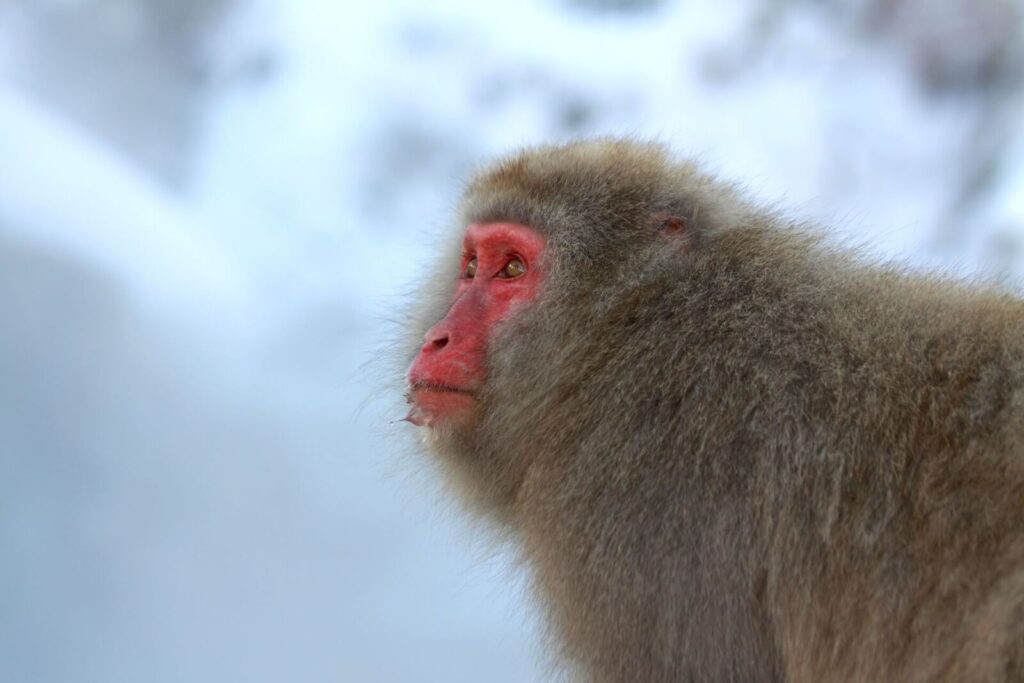
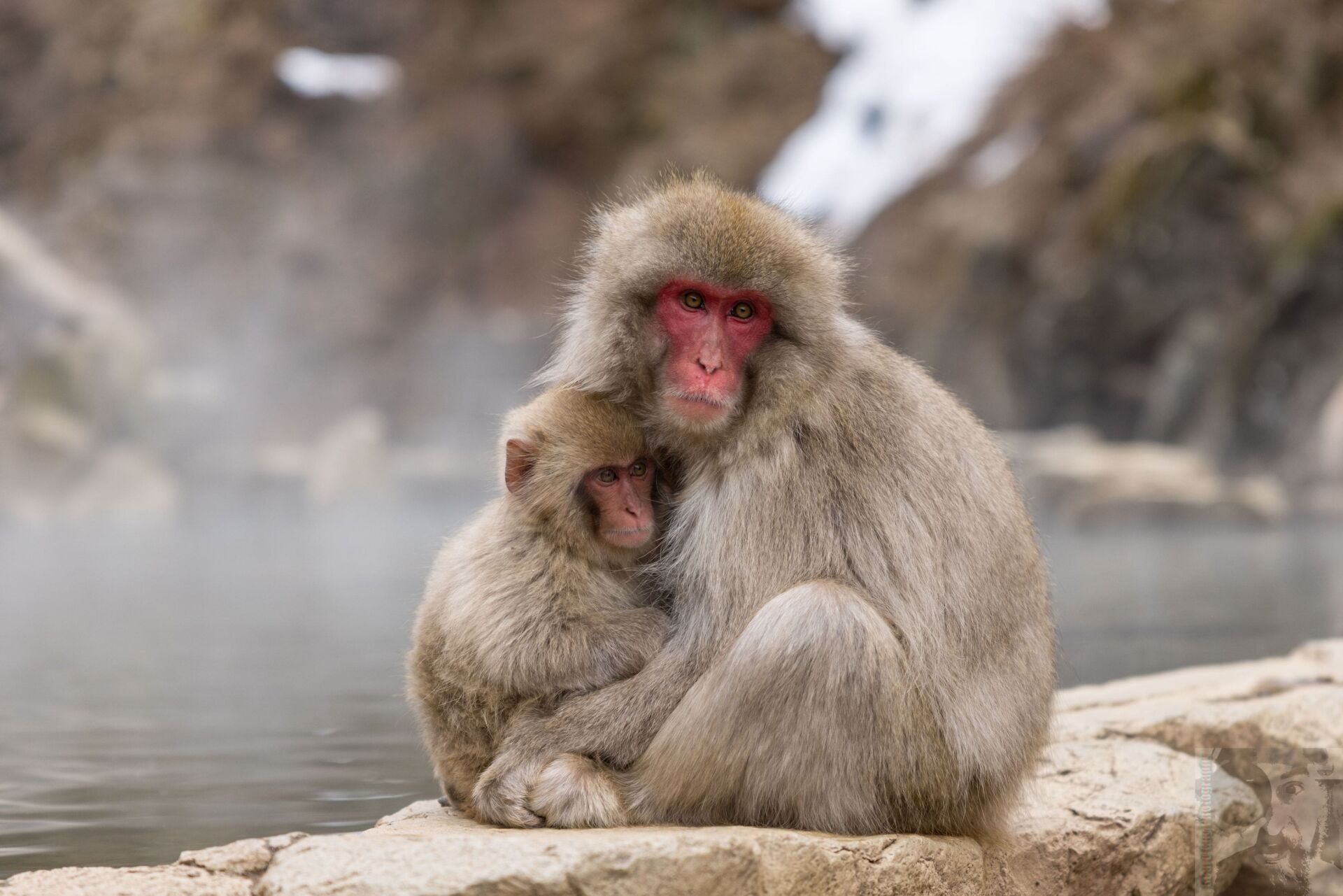
Best Tour for seeing the Snow Monkeys from Nagoya: Snow Monkey Park
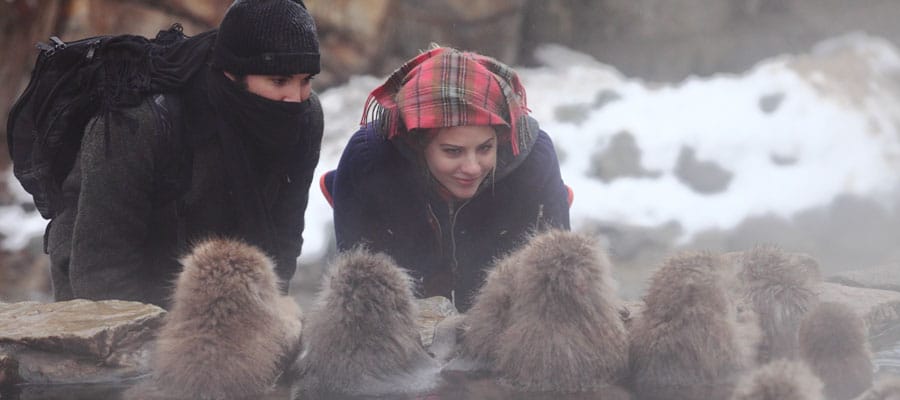
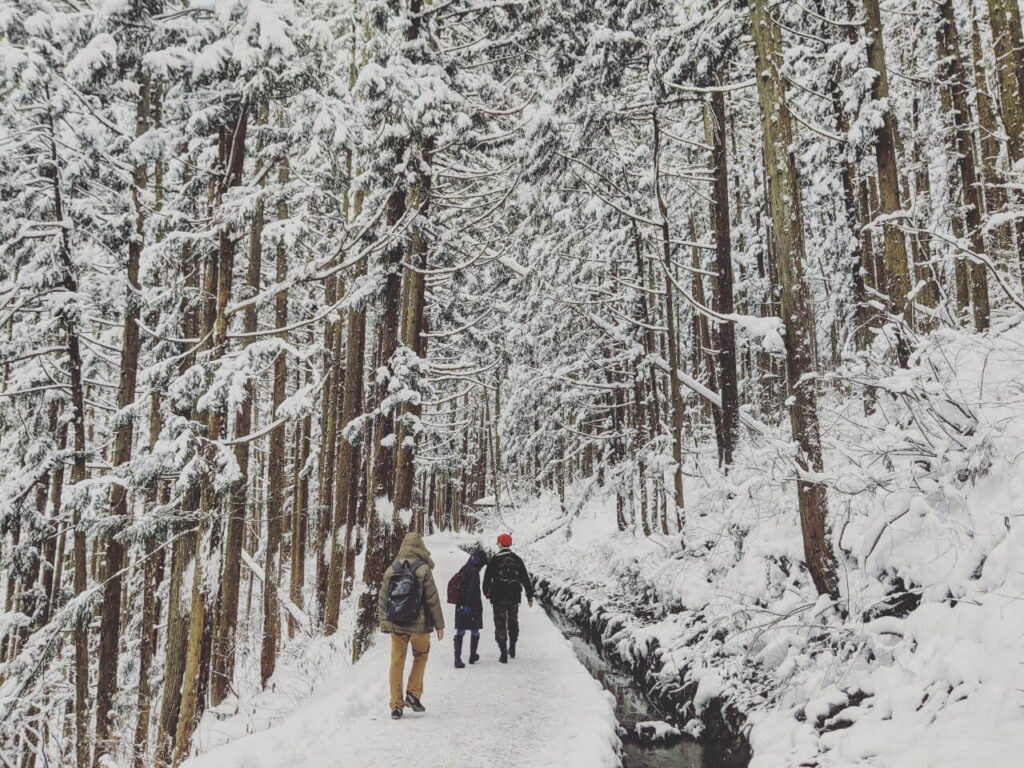
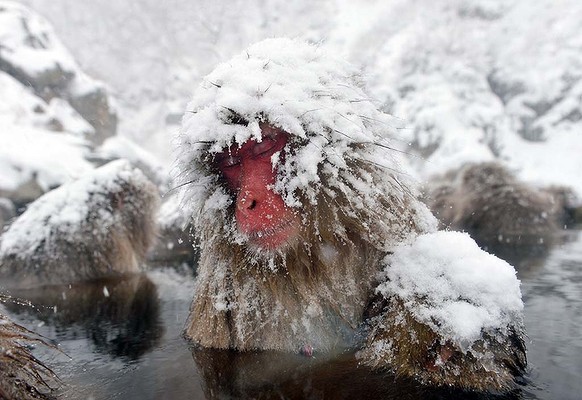
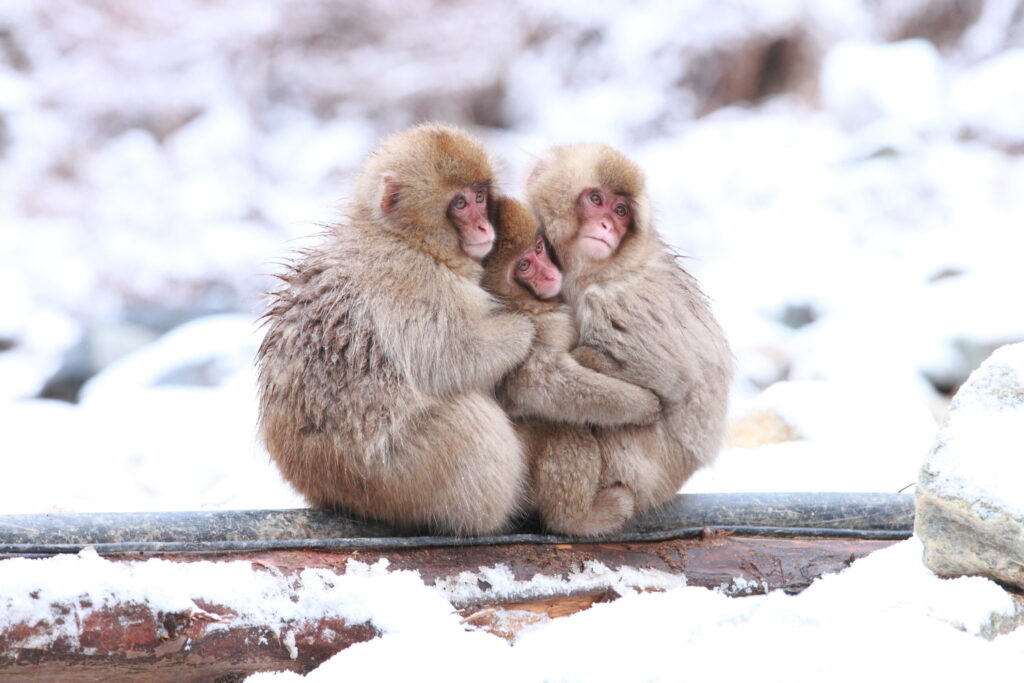
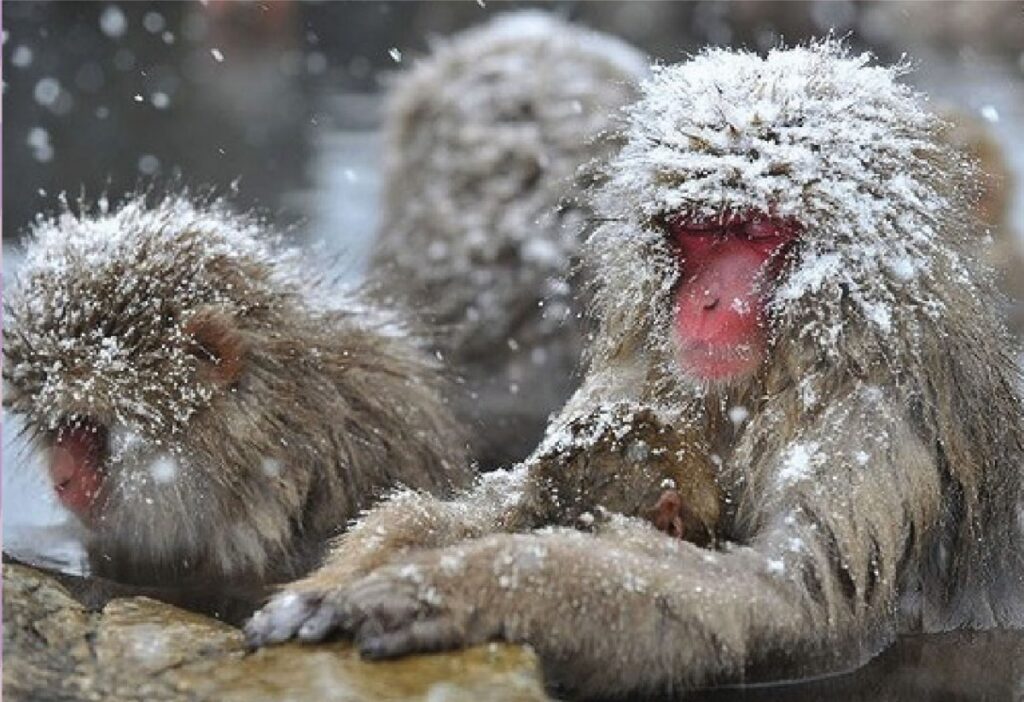
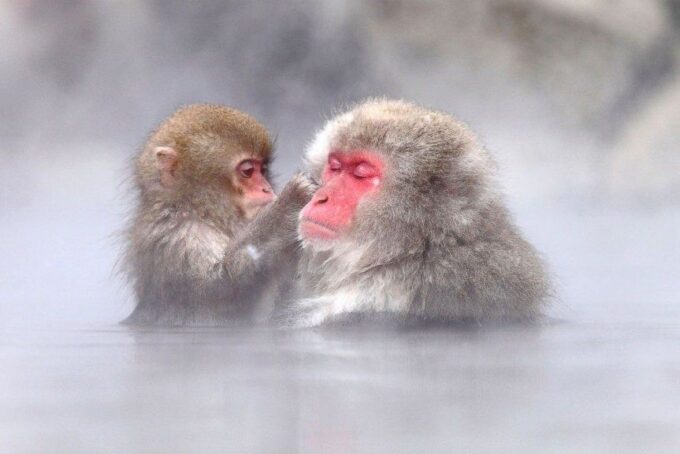
The famous troop of onsen-bathing monkeys live in the Jigokudani Monkey Park in Nagano Prefecture, located about a 3.5 hour drive north-east of Nagoya. While we do not have a day tour from Nagoya to Nagano, we do offer private charter services from anywhere in the Nagoya area.
SNOW MONKEY & ZENKOJI TEMPLE TOUR FROM NAGANO / all year round
Best Selling
1-Day Tour: Snow Monkeys, Zenkoji Temple & Sake in Nagano
- Spots:
- NaganoSnow MonkeyHakuba
- Pick-up:
- Nagano CityHakuba
- Drop-off:
- Nagano CityHakuba
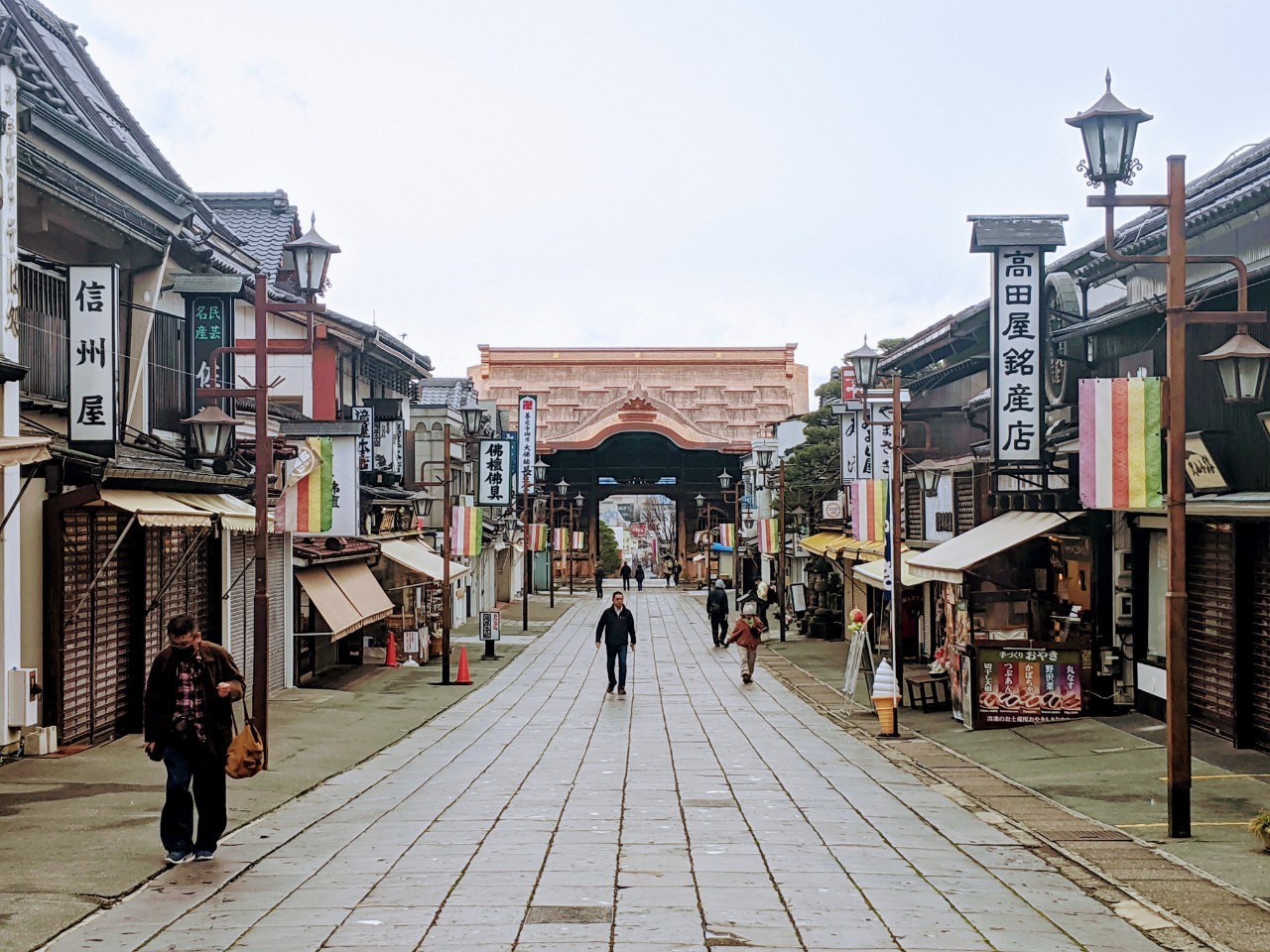
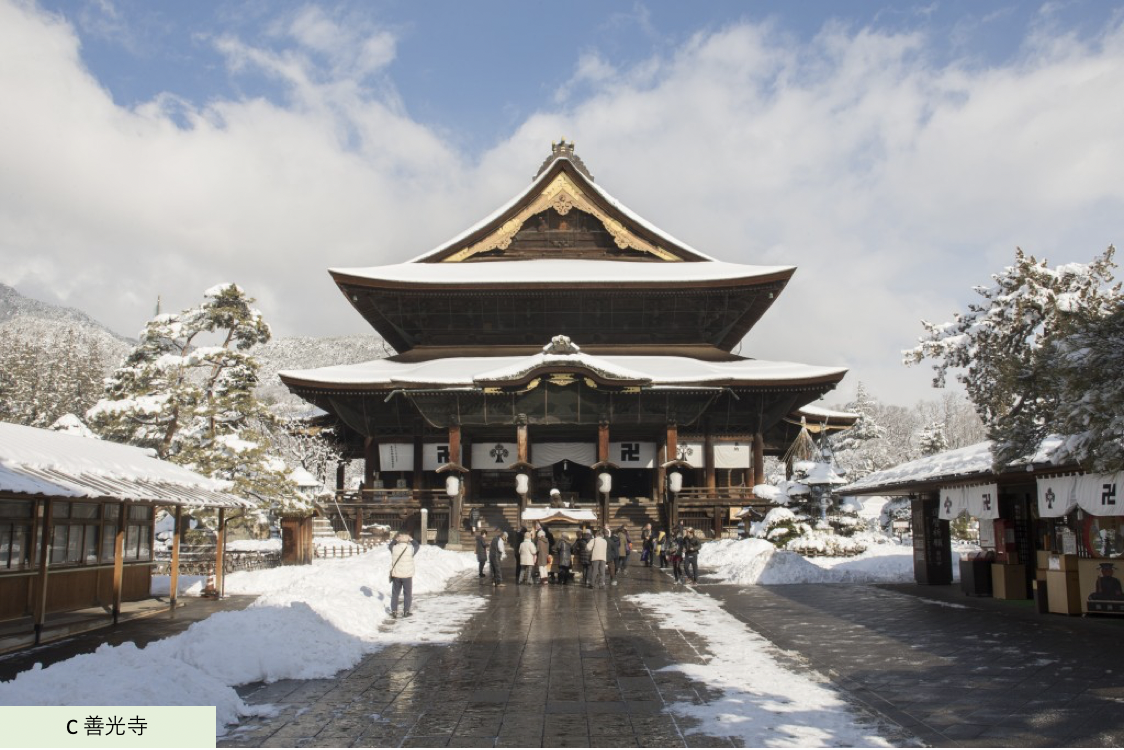
Nagano has a long history as a temple town and more recently as the site of the winter Olympics in 1998. This tour is our company's most popular tour as it visits Zenkoji Temple in Nagano City and then the famous snow monkeys in the mountains nearby the city. The tour starts at Nagano Station before getting on a short bus ride to Zenkoji Temple, which is still visited by millions to this day. Learn about the history of the temple, the city and religion in Japan at this important religious site. Following the temple is a sake tasting where you can try a variety of sake and learn all about Japan's iconic beverage.
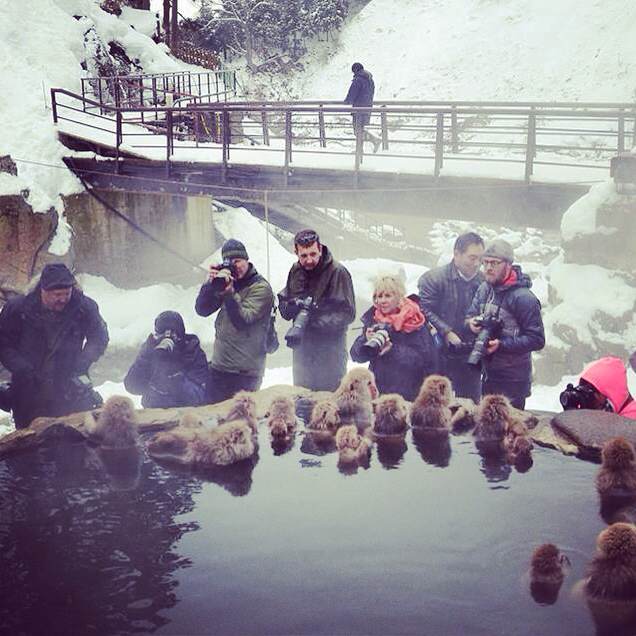
After the sake tasting event, you will take an hour bus ride toward a 170-year-old Edo-period lunch venue to enjoy traditional Japanese cuisine. After lunch you will head to the apex of the tour to the Snow Monkey Park. There is a short hike before arriving at the valley where the monkeys live, so be sure to prepare according footwear to match the season. Especially during the winter, the monkeys come down out of the mountains to eat, take baths in the onsen and play around. It really is a surreal experience to be around so many monkeys just living their lives in such beautiful scenery.
Frequently Asked Questions & Answers
What is the weather like throughout the year in Nagoya?
Nagoya experiences four distinct seasons. Spring (Mar–May) brings mild temperatures (10–22 °C), cherry blossoms, and moderate rain. Summer (Jun–Aug) is hot and humid (often 25–35 °C), with the rainy season and occasional typhoons. Autumn (Sep–Nov) offers comfortable weather (13–25 °C), clear skies, and stunning fall foliage. Winter (Dec–Feb) is cold but usually dry (0–10 °C), with rare snow in the city but heavy snow in the nearby mountains.
When are crowds lowest in Nagoya?
The quietest times are winter months (Jan–Feb), excluding New Year’s, and September, which sees fewer international tourists
What are the best months for outdoor activities, and when to avoid crowds in Nagoya?
Spring and autumn, particularly May (after Golden Week) and September (after summer holidays), offer the best blend of good weather, lower crowds, and enjoyable outdoor experiences.
Is Golden Week in Nagoya as busy as in Tokyo or Kyoto?
No, Nagoya tends to remain more relaxed even during peak times for domestic travel such as Golden Week, New Years, or Obon.