




Japanese cuisine is known for its well-balanced flavors, use of seasonal ingredients, and beautiful plating. It is also incredibly varied, with different regions and cities in Japan having their own signature dishes or local specialties. When traveling throughout Japan, it is highly recommended to take the opportunity to sample these regional foods and gain a better understanding of the diverse gastronomy and culture of the country.
Hiroshima Prefecture is no exception when it comes to these local specialties, and if you are visiting for the first time, we encourage you to try as many of them as possible. For this reason, we have created a list of the 10 best Hiroshima specialties that will help you learn about the unique dishes of the prefecture so that you don’t miss out on any of them. If you are wondering what to eat in Hiroshima, this is the list for you!
Okonomiyaki
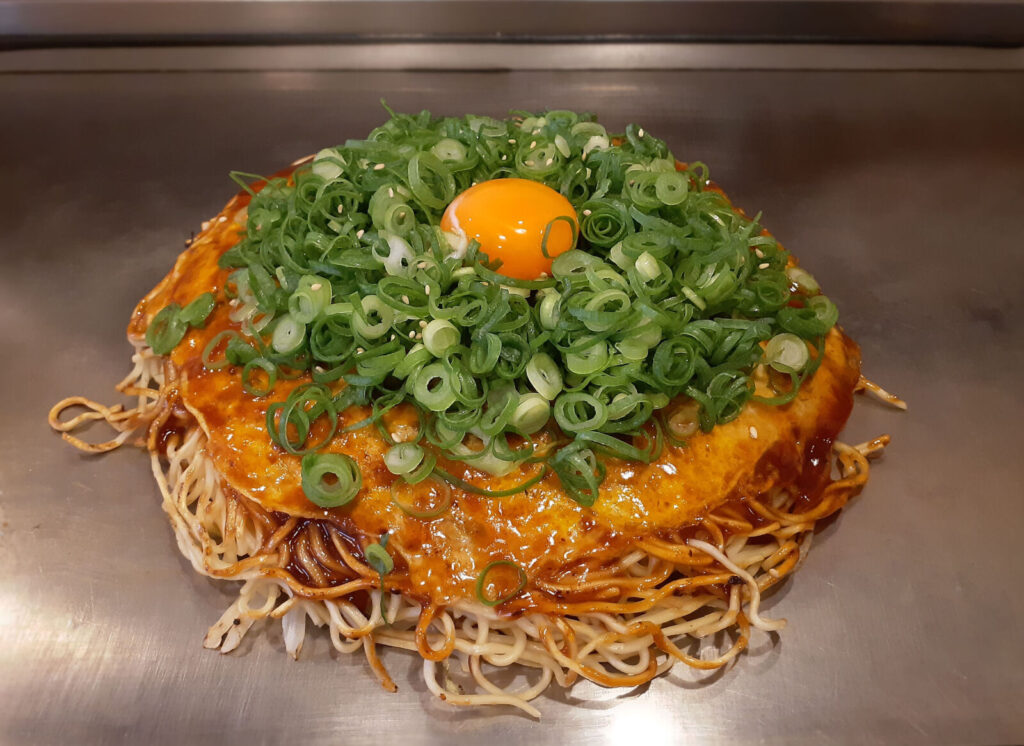
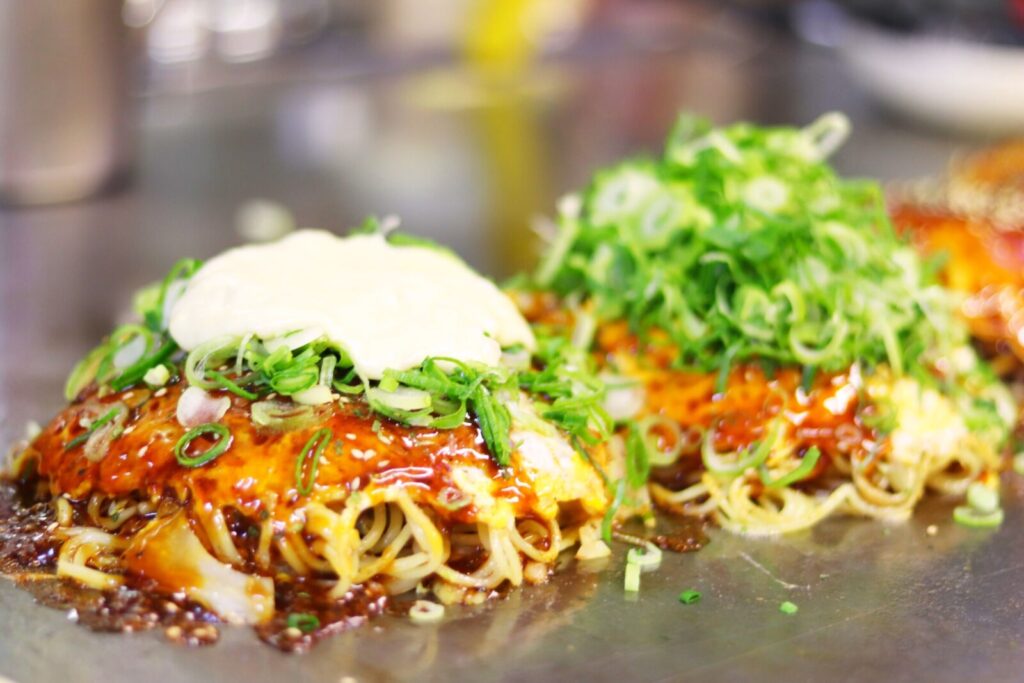
Hiroshima-style Okonomiyaki is undoubtedly the most well-known dish of the prefecture. While Okonomiyaki, typically referred to as a “savory pancake,” can be found all throughout Japan, the Hiroshima version has a special twist added to it. In addition to the usual flour, eggs, cabbage, and dashi, Hiroshima Okonomiyaki also includes yakisoba noodles. This gives the dish a bit more heft and also a crispier texture. Additional ingredients such as pork, seafood, or green onions, can further enhance the flavor.
Restaurants specializing in Okonomiyaki are abundant in Hiroshima, and no food court or shopping street is complete without them so you will have no trouble finding a place to try this tasty dish.
Momiji Manju
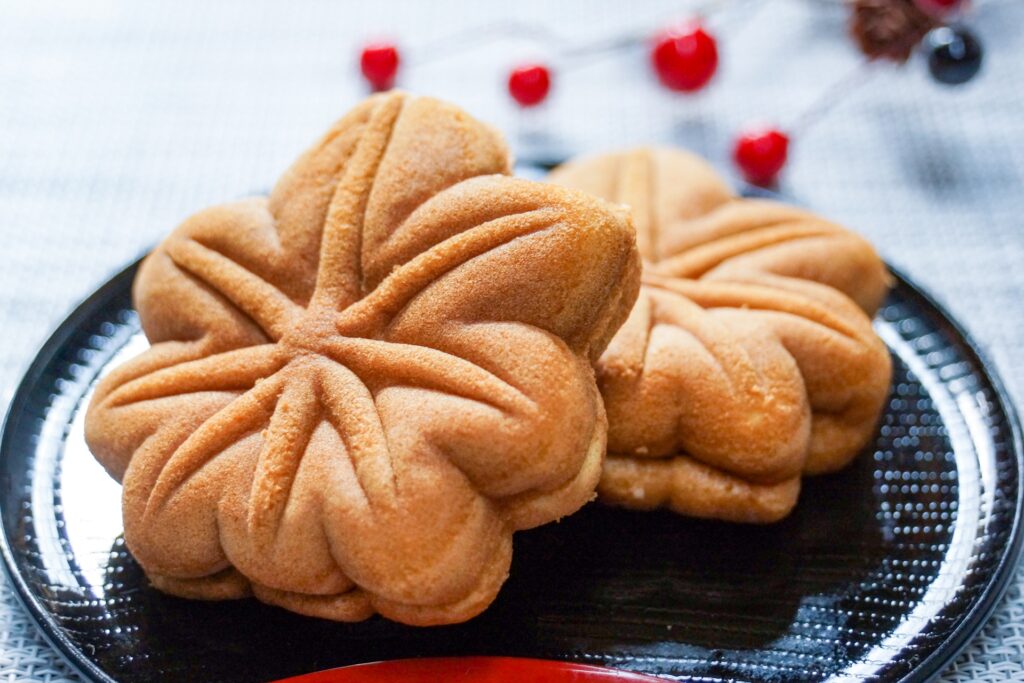
Momiji manju is a close runner up for the most popular local specialty of Hiroshima. As opposed to the savory Okonomiyaki, Momiji manju is a sweet baked treat in the shape of a Japanese maple leaf. While its filling is typically red bean paste, there are many other variations such as matcha, chocolate, custard cream, and more.
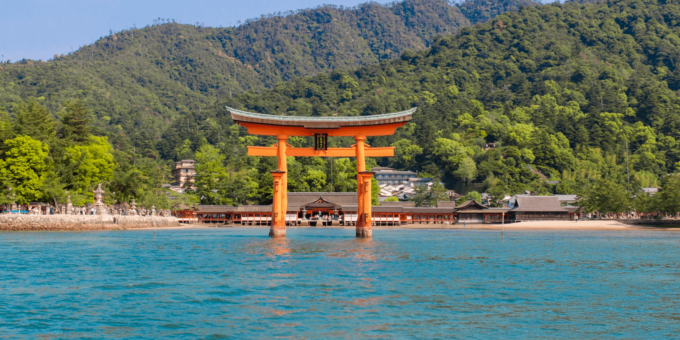
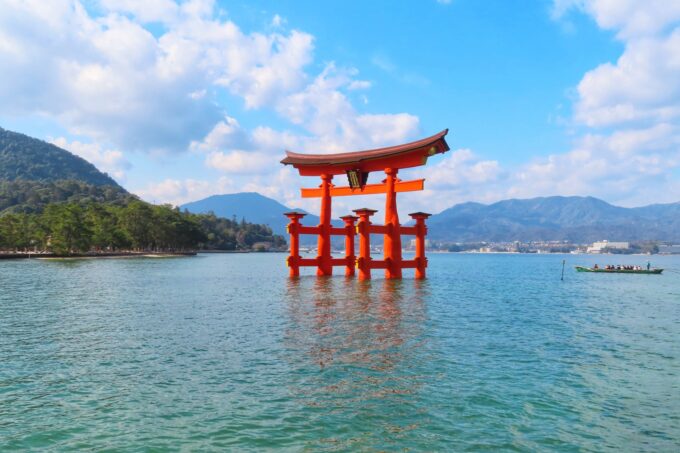
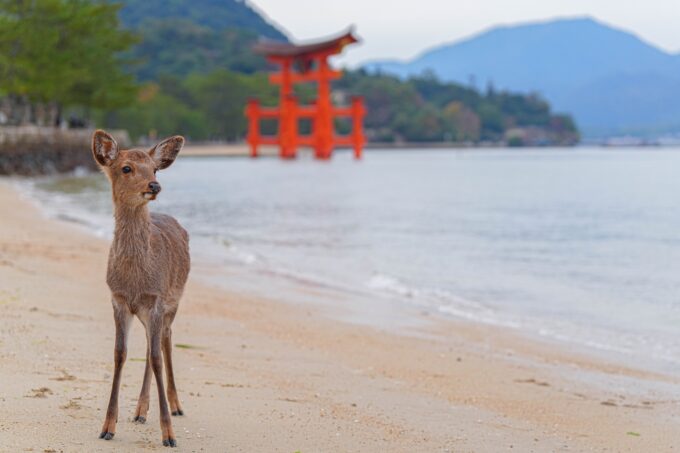
The origins of this wagashi (traditional Japanese confectionery) lie in the island of Miyajima, one of Japan’s top three scenic locations which is located on the western part of Hiroshima Prefecture. There, you can find variations of the typical momiji manju, such as ones served with ice cream, and others with fried batter. It is the top souvenir to get when visiting Hiroshima, and a delicious sweet to enjoy after a meal.
For those wanting to visit Miyajima and try some momiji manju, we recommend joining our 1-day tour of the island. On it, you will visit the famous Itsukushima Shrine and enjoy a ropeway ride to the top of Mt. Misen.
Oysters
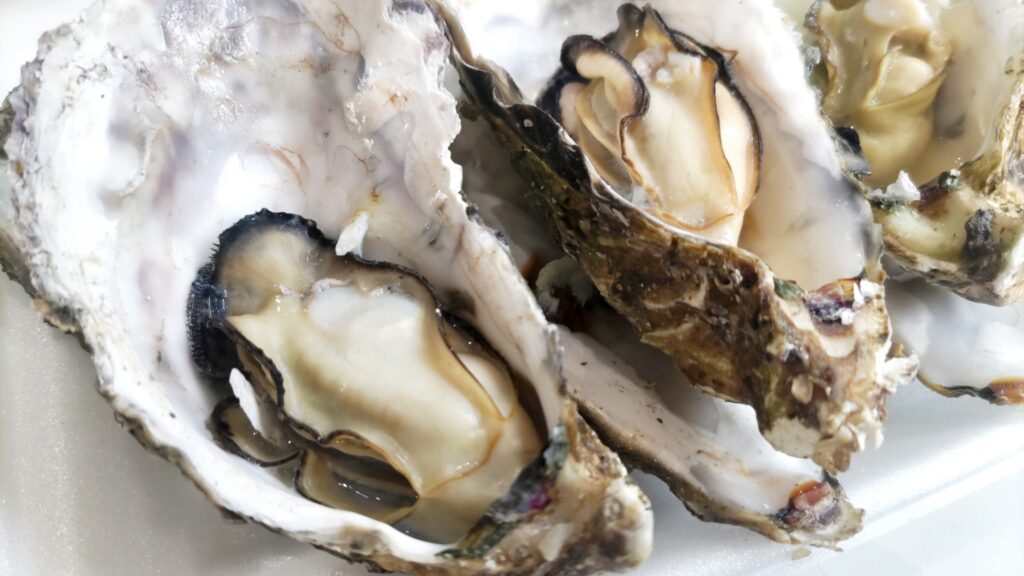
Being a coastal prefecture, Hiroshima is of course known for its fresh seafood, particularly its oysters which are plump and rich in flavor. Hiroshima is responsible for about 60% of Japan’s total oyster production, so you can rest assured that the oysters you eat in the prefecture will be of the highest quality.
A new type of oyster, the triple-size “oyster komachi,” was even developed by the Hiroshima Prefectural Fisheries and Ocean Technology Center which can be enjoyed in the summer outside of the typical oyster season. Thus, no matter what time of the year you visit Hiroshima, you will be able to enjoy some fresh oysters!
Conger Eel Rice
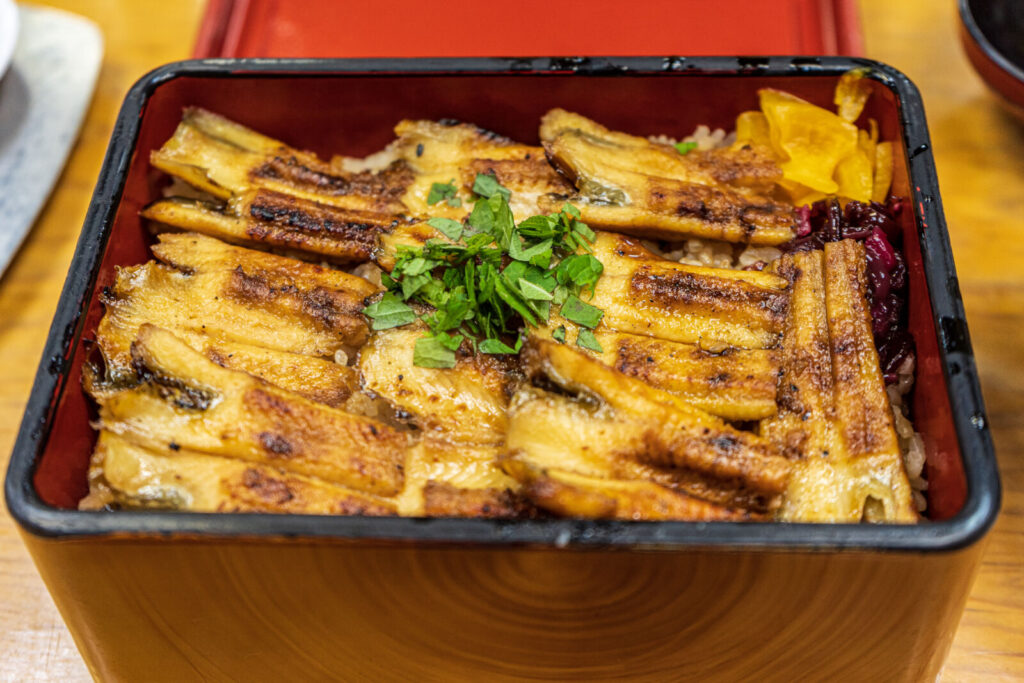
Conger Eel rice, also known as “Anago rice,” is a dish which is mostly popular on the island of Miyajima. It is a fairly simple dish made up of baked eel and seasoned rice. It originated on the island and was created by a local restaurant owner in the late 19th century. Thus, this is a very unique dish and its most authentic version can only be enjoyed when visiting Miyajima. If you are a fan of seafood, we highly recommend trying some Anago rice while on the island.
Hiroshima Tsukemen
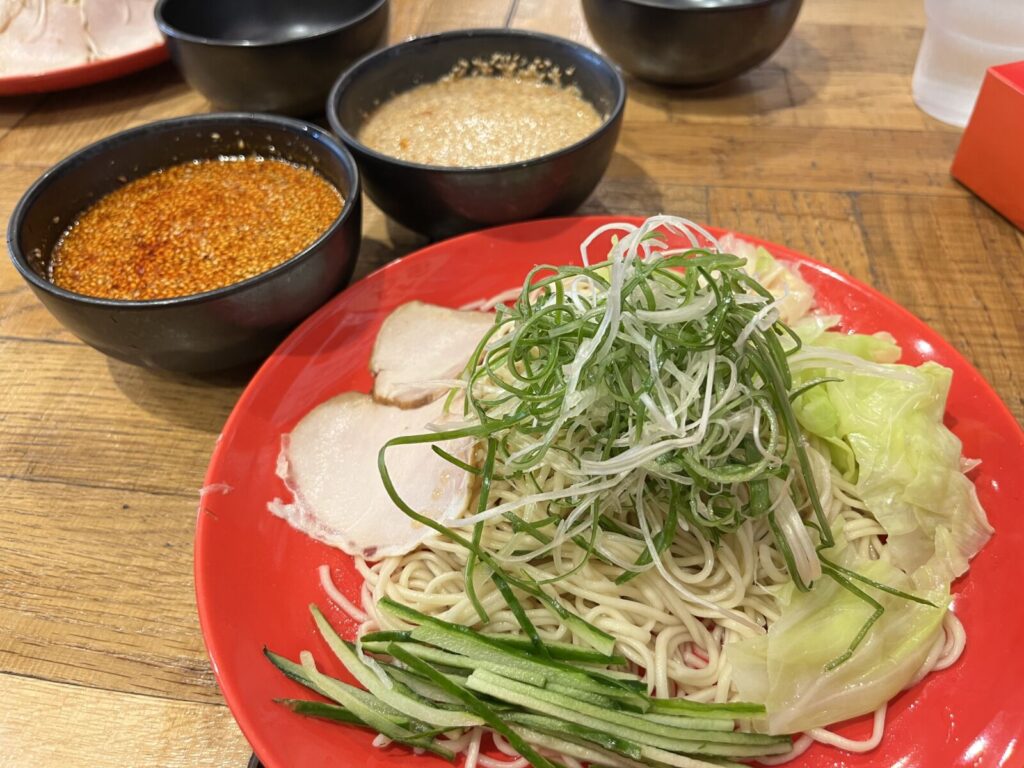
Tsukemen, or “dipping noodles” are a type of ramen dish in which the noodles and broth are served separately. When eating tsukemen, you dip the noodles in the broth, allowing for more control over the flavor of the dish. The Hiroshima variation of this dish is known for having both cold noodles and a cold dipping sauce, as well as a higher level of spice. This special spicy sauce is called “tsukedare” and is made with dry soy sauce, chili oil, chili pepper, sesame seeds, and vinegar. This local specialty is perfect for those who are big fans of ramen and spice.
Naval Curry
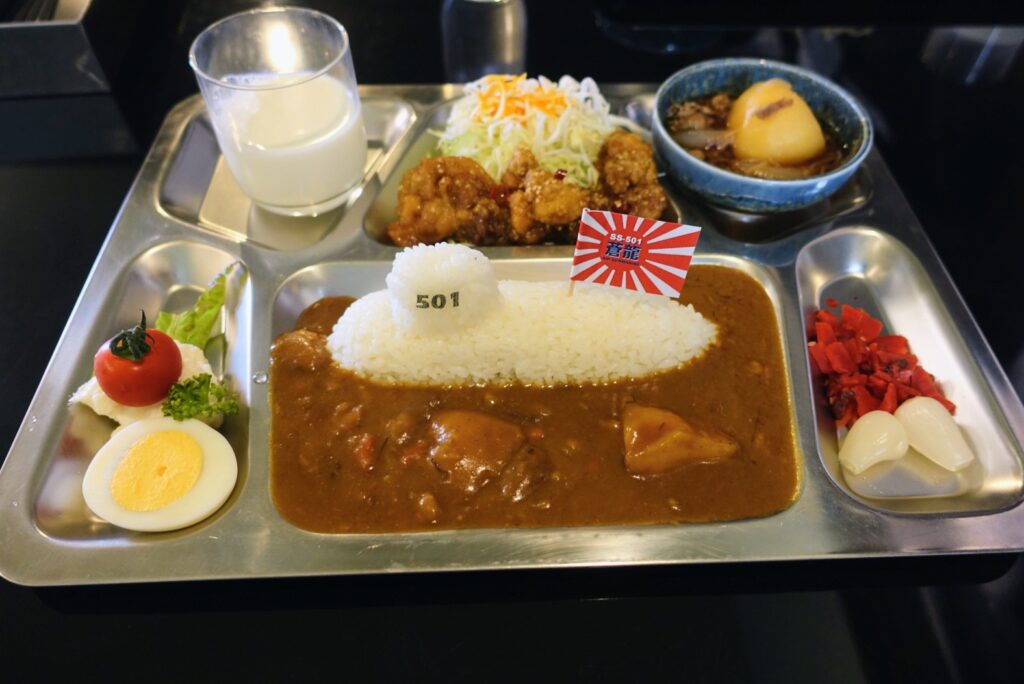
Hiroshima Prefecture has a rich and long history, with many of its cities playing important roles in Japan’s past even before the second world war. One such city is Kure, located on the eastern part of the prefecture. It was one of Japan’s first naval bases and the place where the Yamato, the largest battleship ever built, was constructed. To this day, Kure remains a naval base, and as such, it has developed its own unique cuisine known as “navy gourmet.” The dishes of “navy gourmet” were developed to keep marines healthy during long missions, and provide them with varied and interesting meals.
Today, “naval curry” stands above the rest of the navy dishes in its popularity. Many restaurants around Kure serve the curry in fun and interesting ways, such as shaping the rice like a submarine, or plating the dish on a military mess tray. While this dish is typically eaten every Friday by members of the Japanese Self-Defense Force, visitors can of course enjoy it any day of the week. Eating naval curry is a delicious and unique experience.
If you'd like to try this naval curry and learn more about the naval history of Japan, consider joining our tour of Kure, which includes unique activities such as stepping inside a decommissioned submarine and a mini-cruise ride around the harbor.

Dandan Noodles
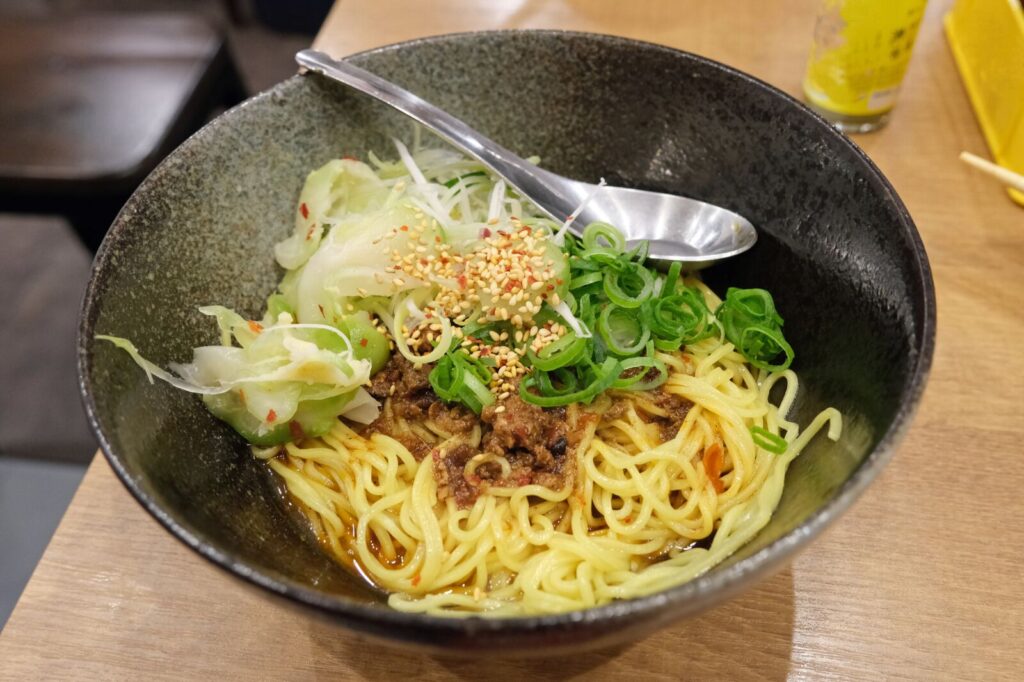
Dandan noodles originate from the Sichuan Province in China, where they are typically served dry without soup. In most of Japan, these noodles are enjoyed with soup or broth, while Hiroshima specializes in the original “soupless” version. These noodles are spicy and flavorful and can be topped with green onions, soft boiled eggs, cabbage, and more. If you try these dandan noodles you will be able to experience the unique combination of Japanese and Chinese flavors.
Onomichi Ramen
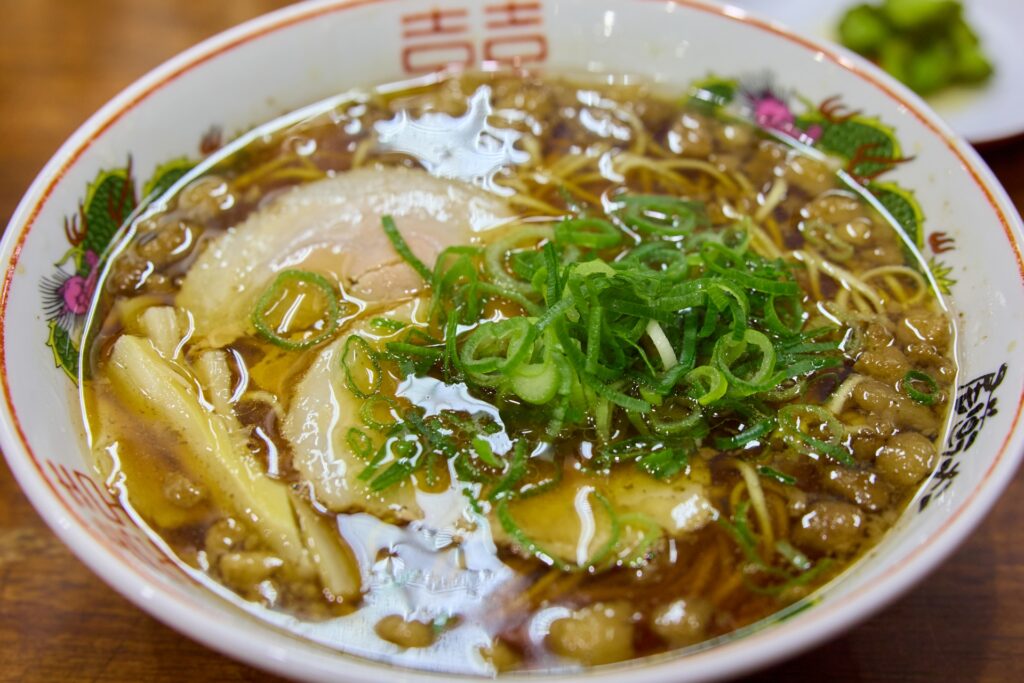
Onomichi Ramen can be found in Onomichi, a beautiful and picturesque city which lies on the eastern part of Hiroshima Prefecture. It is a type of ramen made with a soy sauce-based broth and pork fat to add flavor. The sauce is fresh and rich in flavor, made with high quality small fish.
Multiple restaurants along the Onomichi Hondori Shopping Street specialize in this flavorful dish. The most common toppings for Onomichi ramen are roast pork, spring onions, and bamboo shoots. This type of ramen is so well-known and liked that Hiroshima locals will often go on day trips to the city simply to enjoy this specialty.
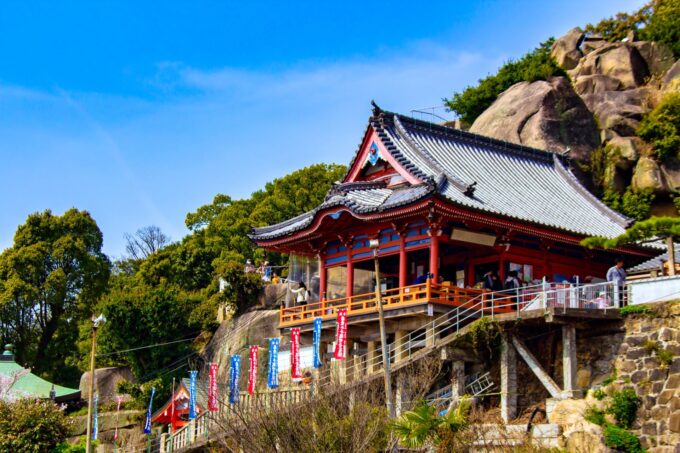
If you're staying in Hiroshima, our 1-day Onomichi tour can take you out on a day trip to Onomichi, where you will have the opportunity to visit some stunning temples and try this tasty dish.
Hiroshima Sake
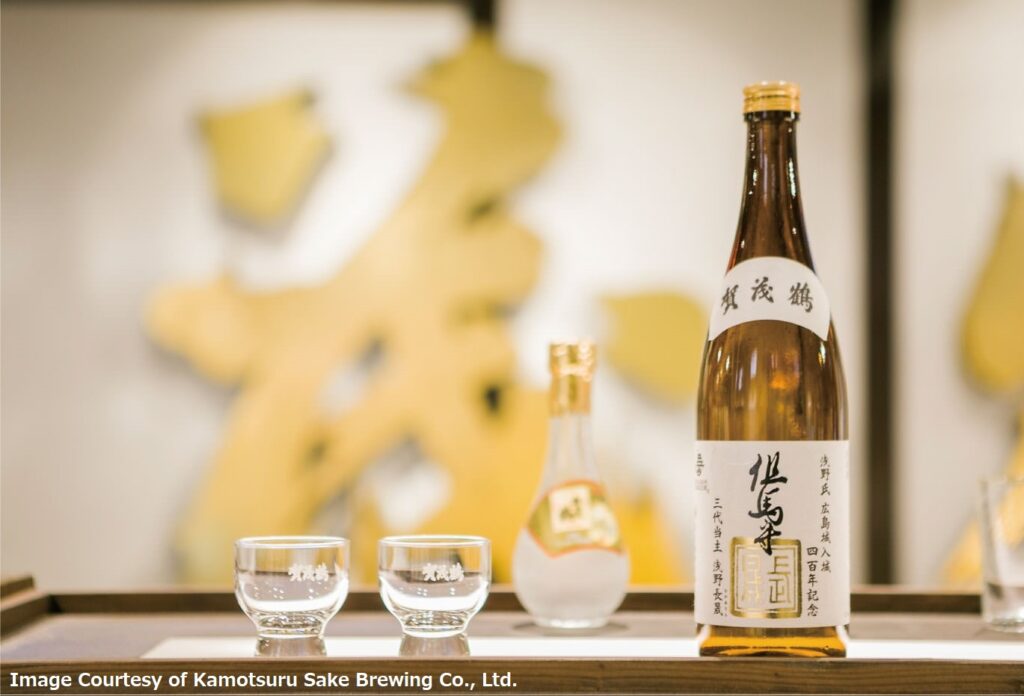
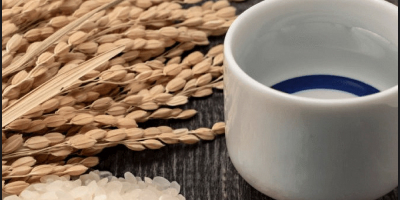
It is unfortunately not a well-known fact that Hiroshima Prefecture is home to one of Japan’s sake capitals, the town of Saijo. Here, one can find multiple breweries, which to this day produce sake using traditional techniques. Saijo is blessed with the perfect natural conditions to produce high quality sake, and its breweries have been around for hundreds of years and routinely receive multiple awards.
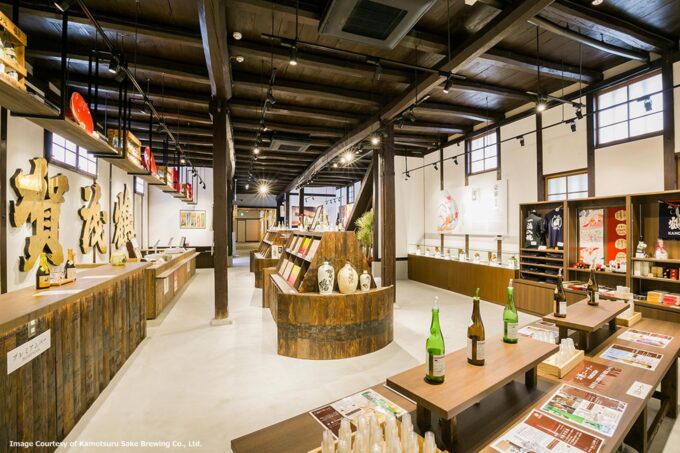
All of the Saijo breweries are located within 2-3 minutes of each other and offer sake tasting at reasonable prices. Thus, it is very easy and highly recommended to visit and sample some of the local sake. If you don’t have the time to visit the town though, there is no need to worry, as all the souvenir shops in Hiroshima carry these local brands.
Visitors looking to not only taste sake, but also learn about its production, can join our half-day tour of Saijo in which we tour the inside of a local brewery and discovery the complex steps of sake making.
Setouchi Lemon
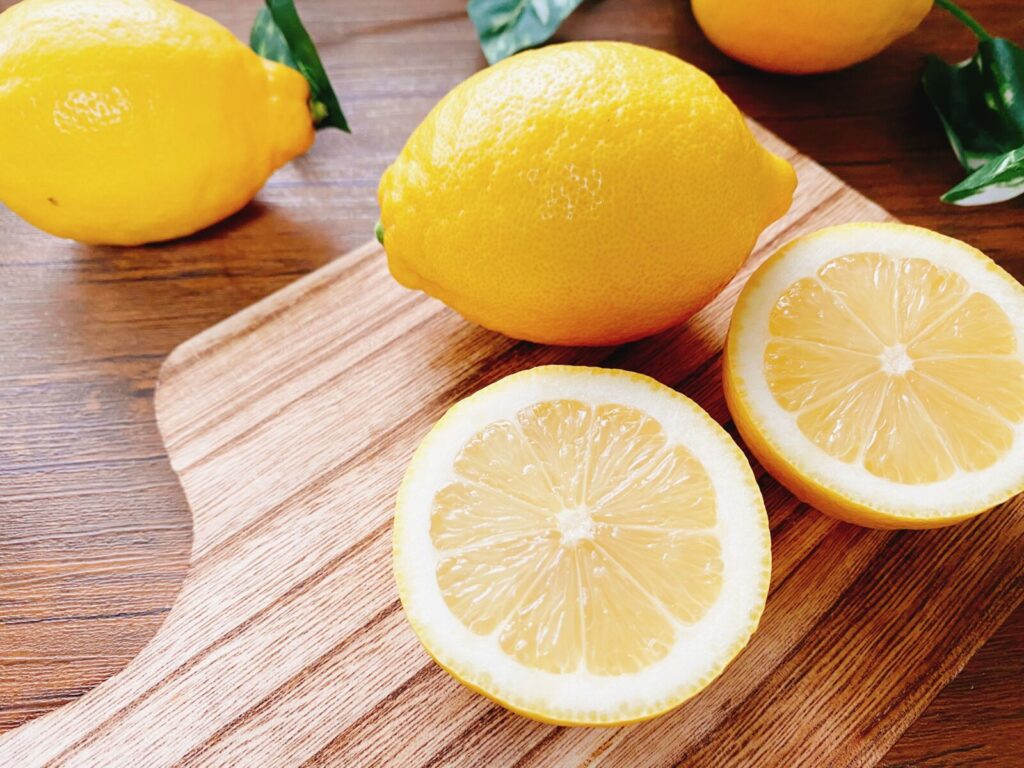
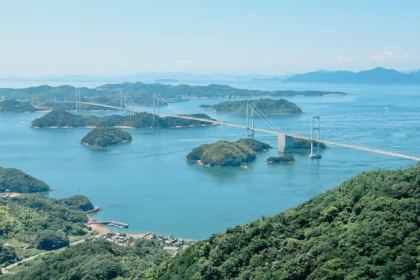
Setouchi Lemon is a variety of lemon which is harvested in the Setouchi region of Japan. This region is made up of the coastal areas of Honshū, Kyūshū, and Shikoku which border the Seto Inland Sea. Here, the climate is mild and ideal for cultivating lemons, producing ones which are sweeter, juicier, and larger. Hiroshima is part of the Setouchi region and is the most famous growing area for these lemons, accounting for over 60% of Japan’s total lemon production.
Thus, when visiting Hiroshima, you will find an abundance of lemon-based products, both edible and non-edible. We recommend trying out the many cookies, cakes, ice creams, and drinks, made with this delicious fruit. Setouchi lemons can be best enjoyed from January to mid-May, so definitely consider trying some fresh lemon products if you are in Hiroshima during that time.