




Blanketed in snow from December to March, Nagano transforms into one of Japan’s premier winter destinations. Home to world-class ski resorts, cultural landmarks, and natural hot springs, the city and its surrounding mountains offer a mix of adventure and tradition unlike anywhere else.
From watching wild monkeys soak in steaming hot springs at Jigokudani, to strolling through the historic temple town of Zenkoji, or gliding down the powder slopes of Hakuba and Shiga Kogen, winter in Nagano is both exhilarating and deeply atmospheric. On this page you will find the following information:
Whether you’re here for skiing, cultural exploration, or simply to enjoy snowy landscapes, Nagano in winter offers experiences to suit every traveler.
When is Winter in Nagano?
Winter in Nagano typically lasts from mid-December through March, matching with the regular ski seasons of most ski resorts, with the coldest and snowiest months being January and February.
- Snow begins falling in the surrounding mountains from late November.
- Ski resorts operate from December into April (sometimes May at higher elevations like Shiga Kogen).
- In Nagano City itself, snow falls periodically from late December but tends to melt quickly — while the nearby mountains stay snow-covered all season.
For the best winter experience, visit between early January and mid-February, when landscapes are fully transformed.
Weather & Climate in Nagano During Winter
Nagano enjoys a true winter climate, with cold, snowy conditions from December through March. In the city itself, daytime temperatures average around 0°C to 5°C, while nights often fall below freezing. Snow falls periodically in Nagano City, creating a charming winter atmosphere, though it usually melts quickly on the streets. There is rarely a day where it rains in Winter, making it great for those who enjoy sun and snow!
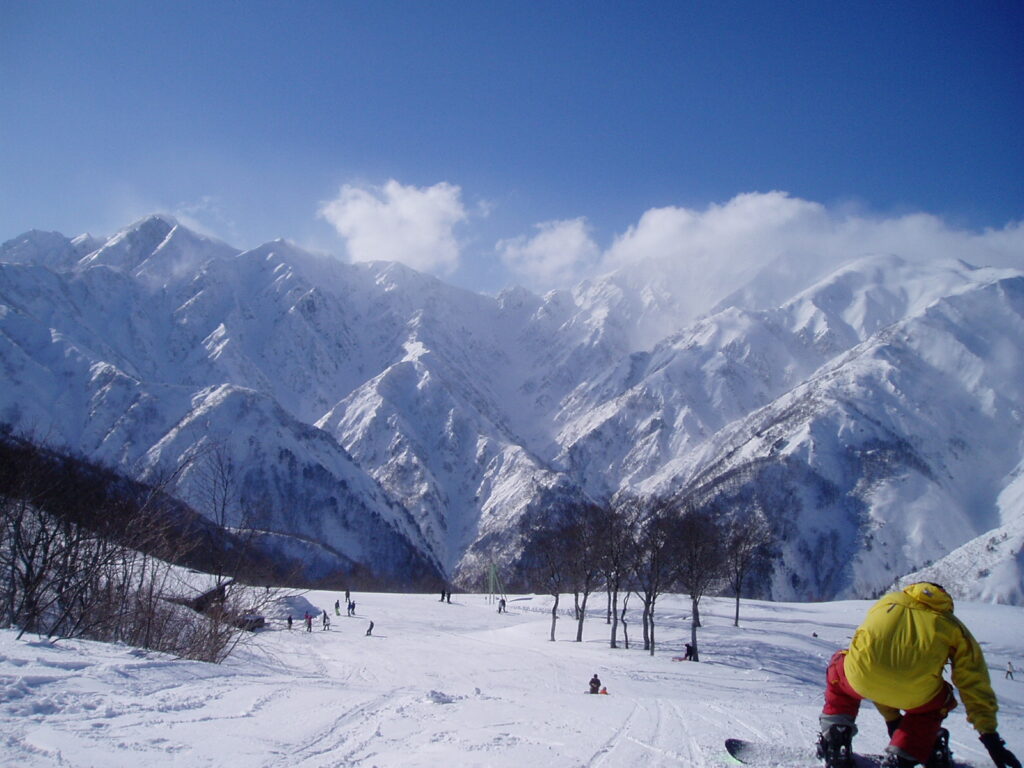
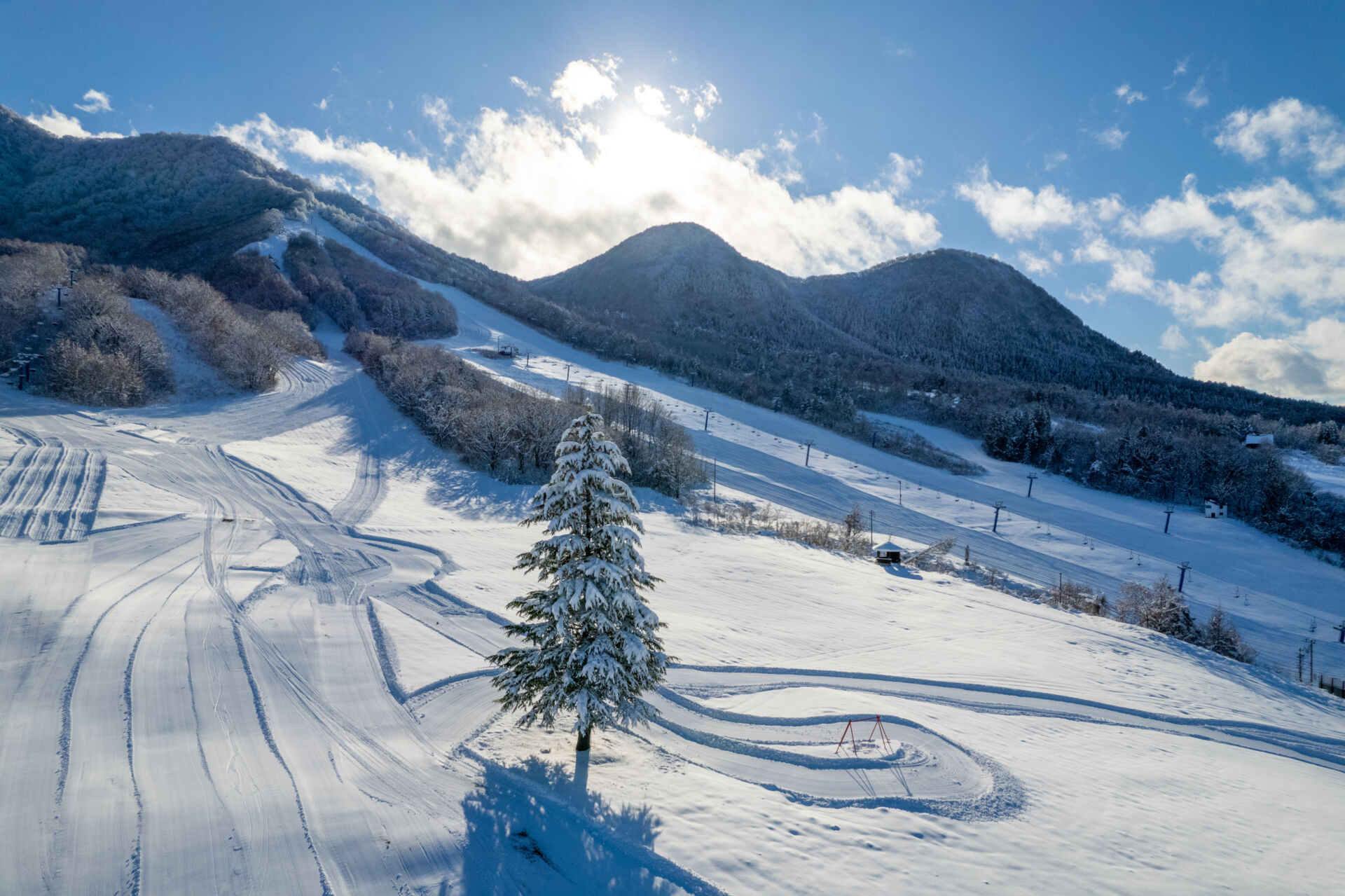
In the surrounding mountains and ski resorts, conditions are much colder and snowier. Areas like Hakuba, Shiga Kogen, and Nozawa Onsen regularly experience heavy snowfall, with temperatures ranging from -10°C to -2°C in January and February. Thanks to their high elevation, these regions enjoy some of Japan’s most reliable powder snow, making them world-class destinations for skiing and snowboarding.
Clear winter days in Nagano often bring crisp blue skies and stunning views of the Northern Japan Alps, while snowy days cover the landscape in a quiet white blanket. Whether you’re visiting for cultural exploration in the city or outdoor activities in the mountains, winter in Nagano is both cold and beautiful, marking a season of true alpine charm.
Top Winter Experiences in Nagano
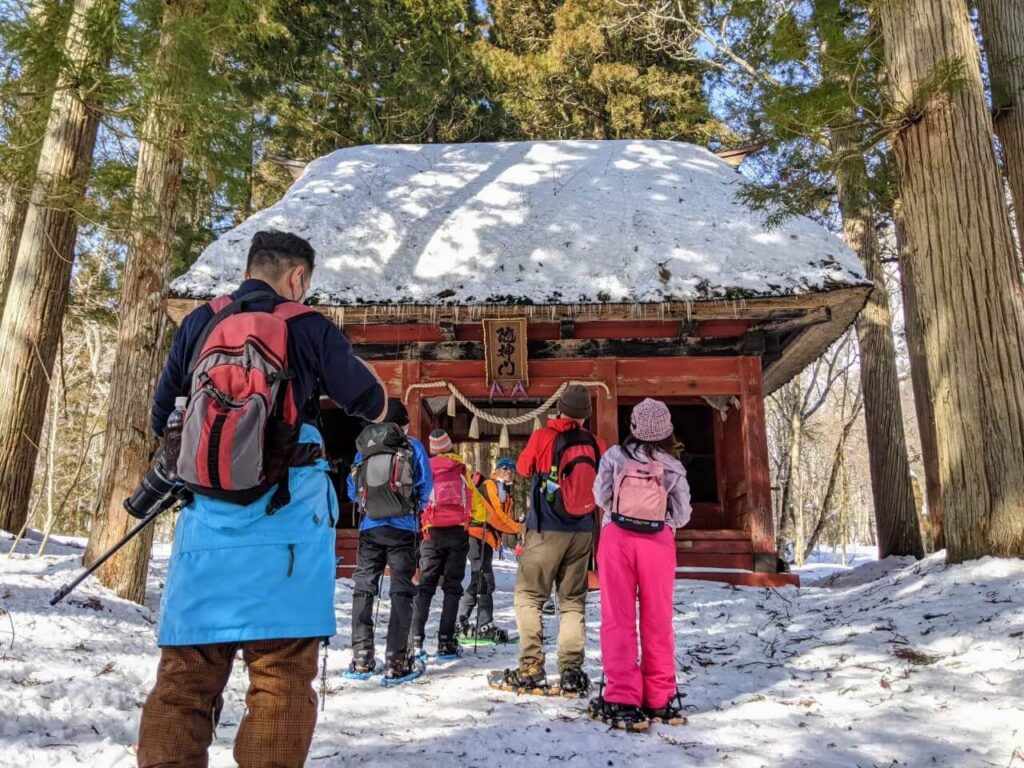
From steaming hot springs and historic temples to snowy forests and alpine sports, Nagano offers a wide range of winter activities that combine culture, nature, and adventure. These are the must-visit experiences to enjoy the season at its best:
Jigokudani Snow Monkey Park
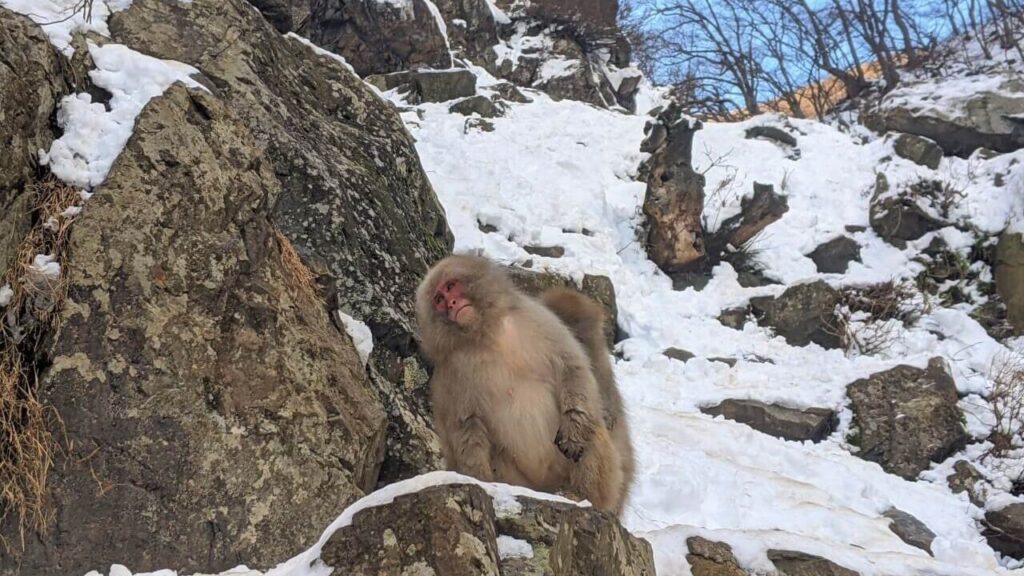
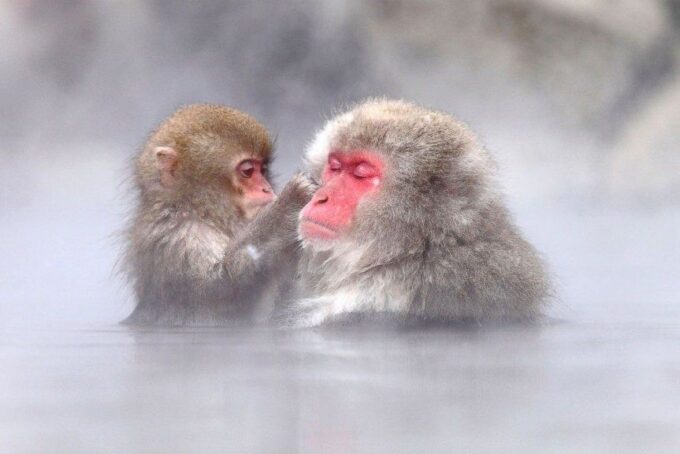
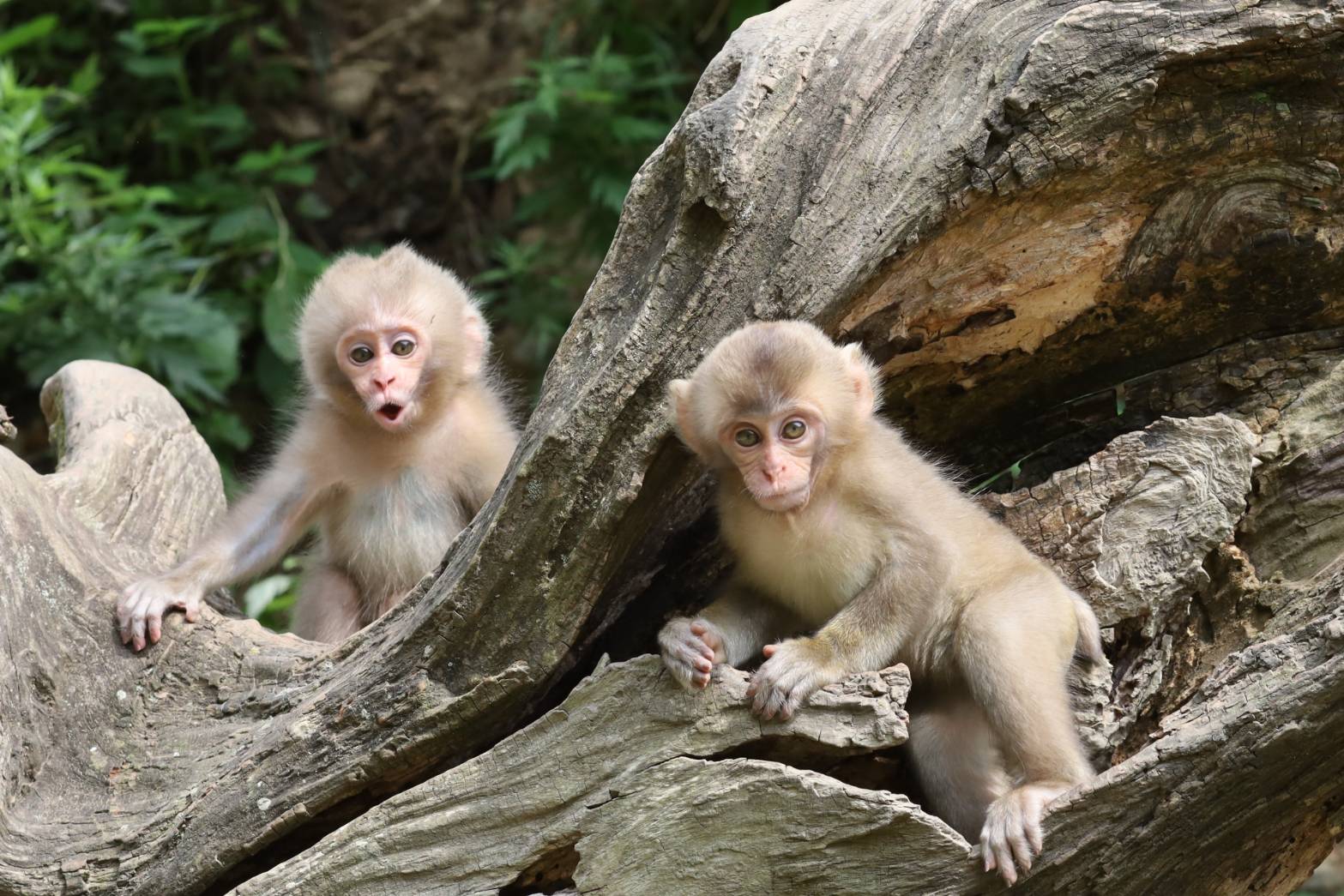
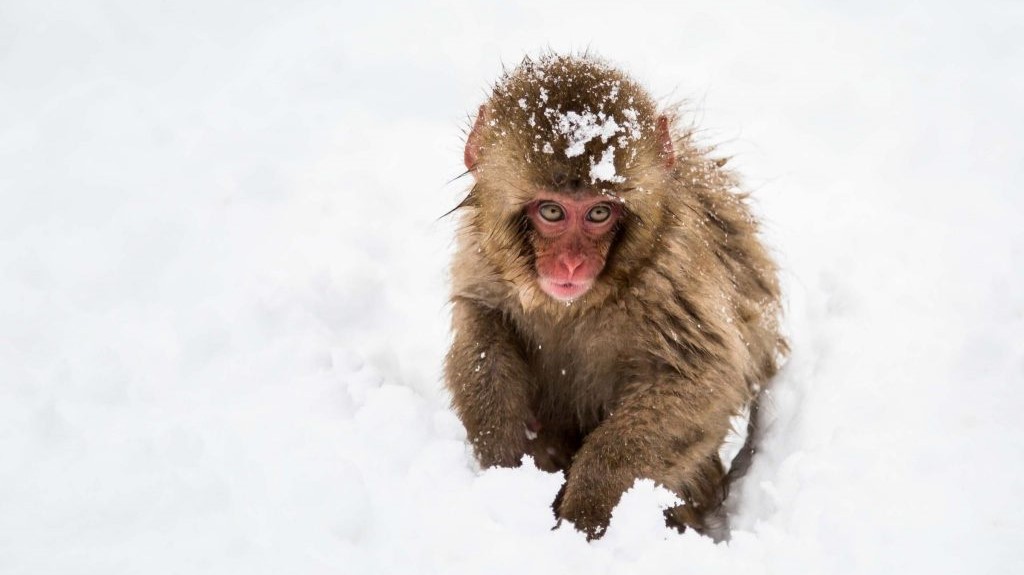
One of Japan’s most iconic winter sights, the Snow Monkey Park is home to wild macaques that bathe in natural hot springs. The scene is at its most magical between December and March, when snow blankets the valley and steam rises from the pools.
Zenkoji Temple
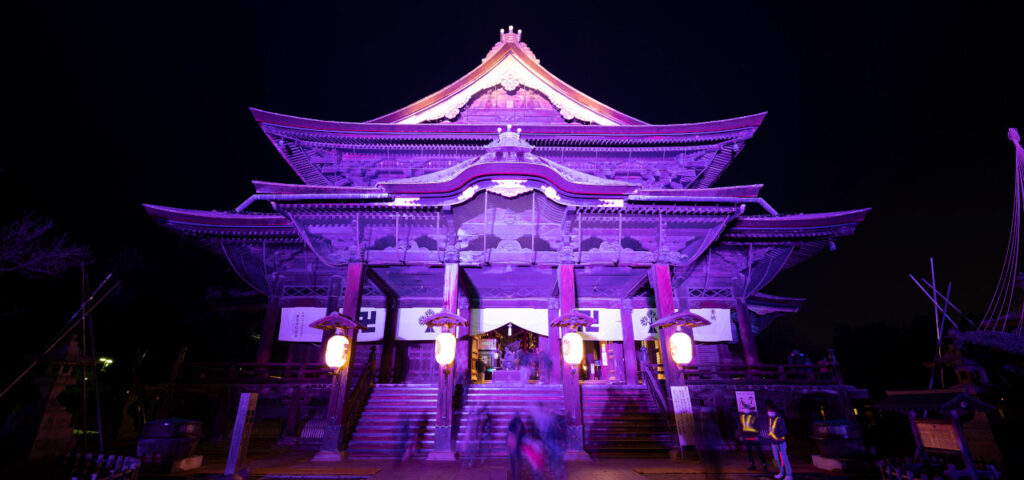
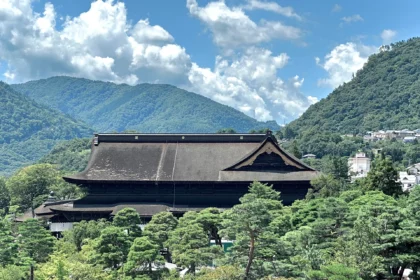
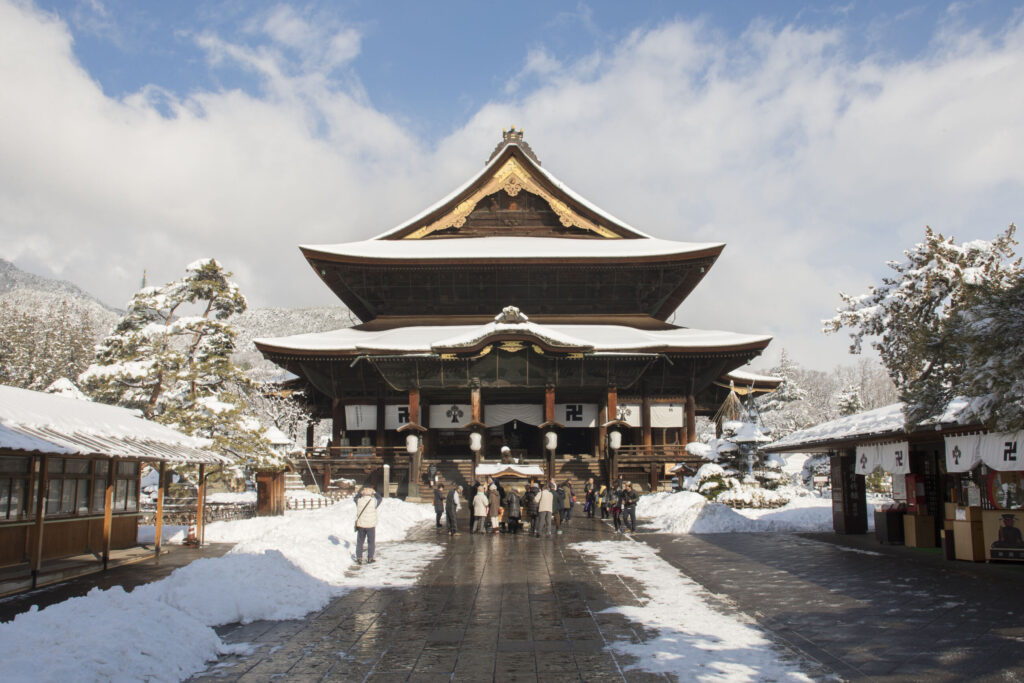
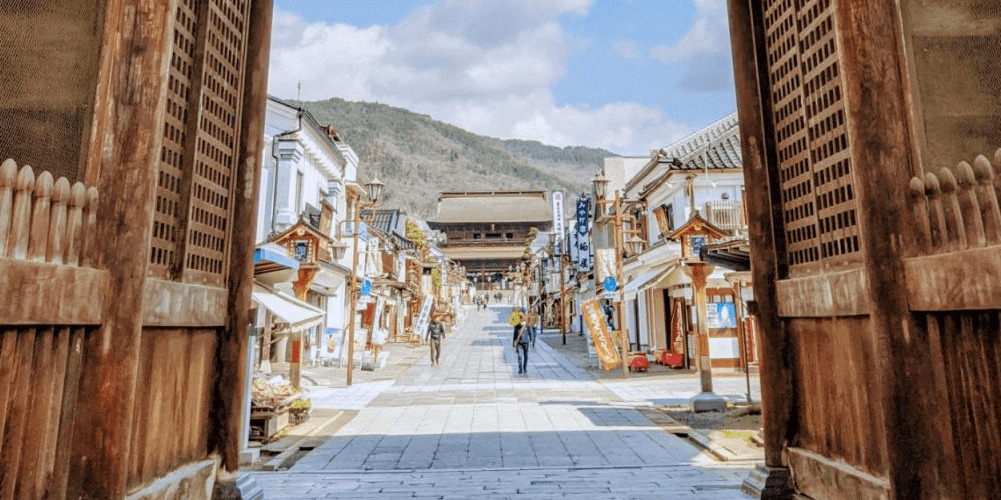
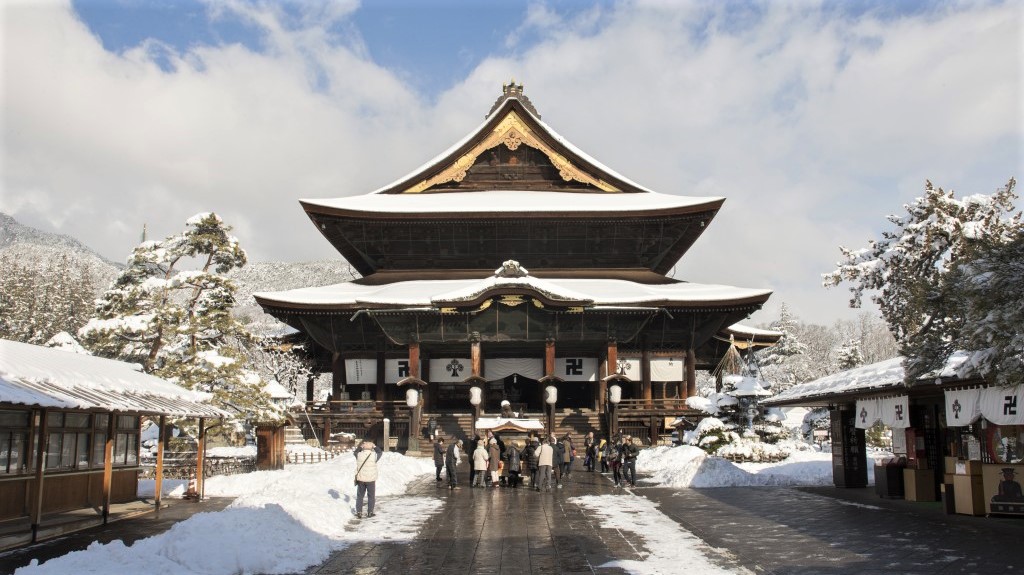
Nagano’s spiritual heart, Zenkoji Temple takes on a serene beauty in winter. Snow settles on its grand wooden gate and surrounding streets, creating a quiet atmosphere perfect for morning prayers and temple walks.
Togakushi Shrines & Forest Trails
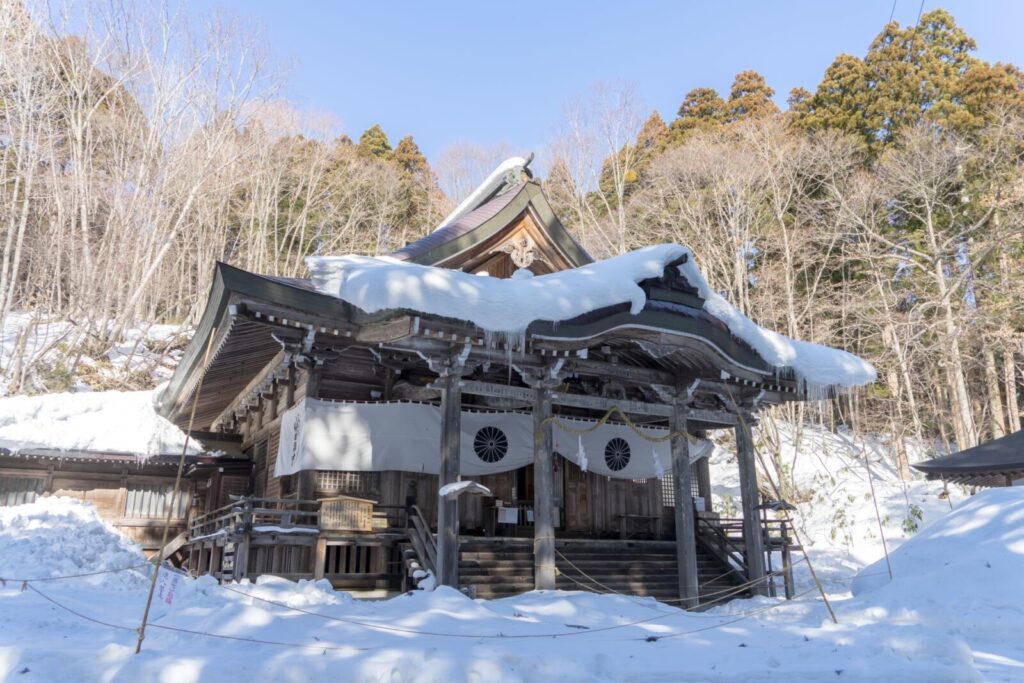
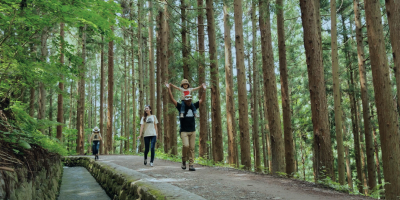
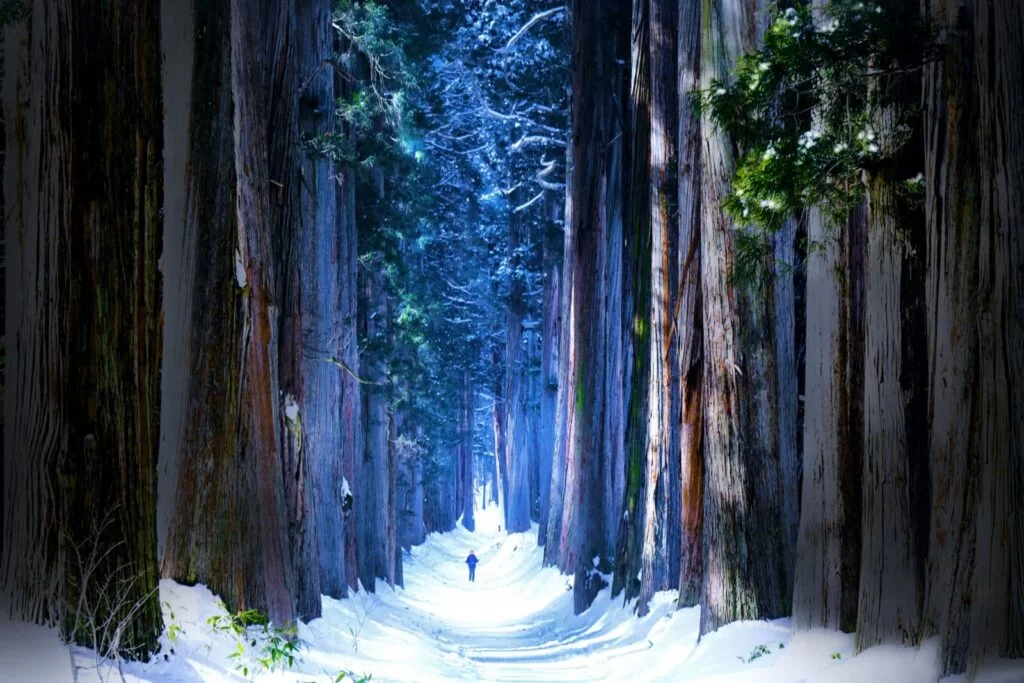
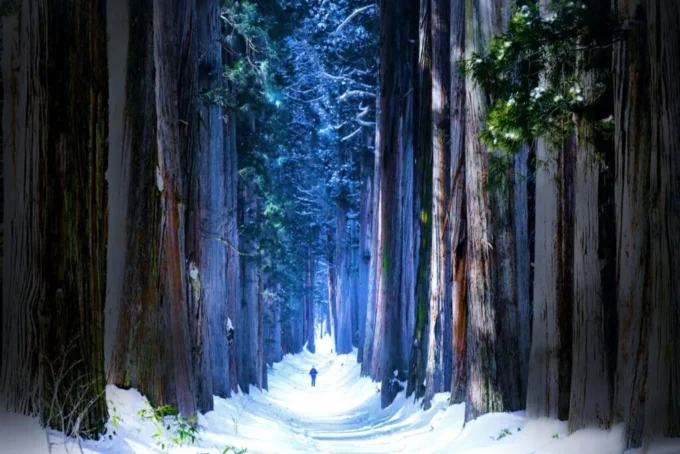
Nestled in the mountains north of Nagano City, the Togakushi shrines are especially peaceful in winter. The cedar-lined path to Okusha, where towering 400-year-old trees rise above snow-covered trails, offers one of the region’s most memorable walks. Snowshoeing here allows visitors to experience the stillness of the sacred forest.
Skiing & Snowboarding
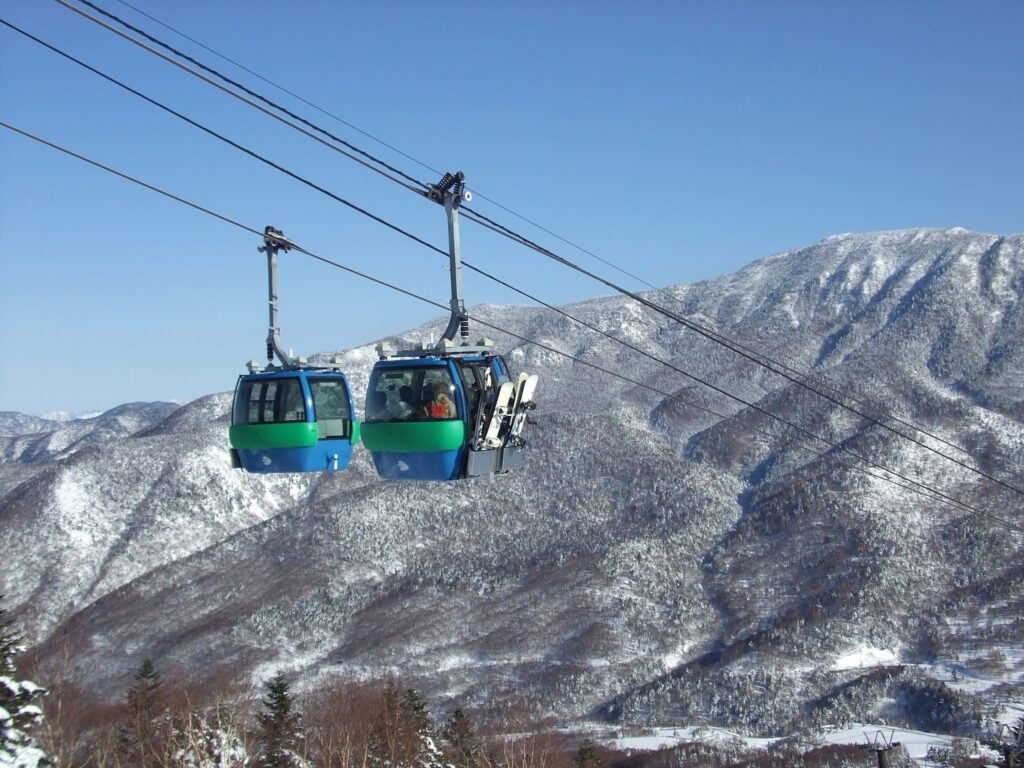
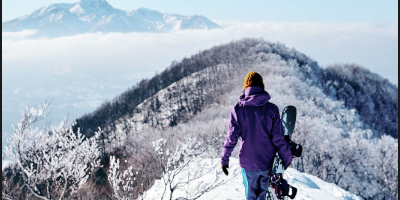
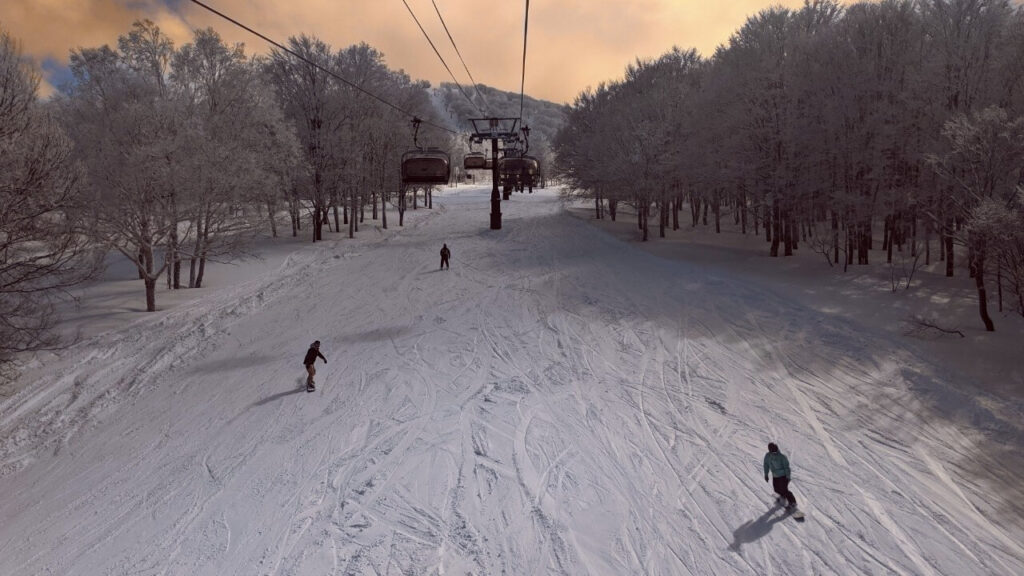
Nagano is one of Japan’s top winter sports destinations, with a wide variety of ski areas offering reliable powder snow, modern facilities, and runs for every level. From family-friendly slopes to challenging off-piste terrain, there’s no shortage of options — and the 1998 Winter Olympics left a legacy of world-class infrastructure.
Onsen Hot Springs
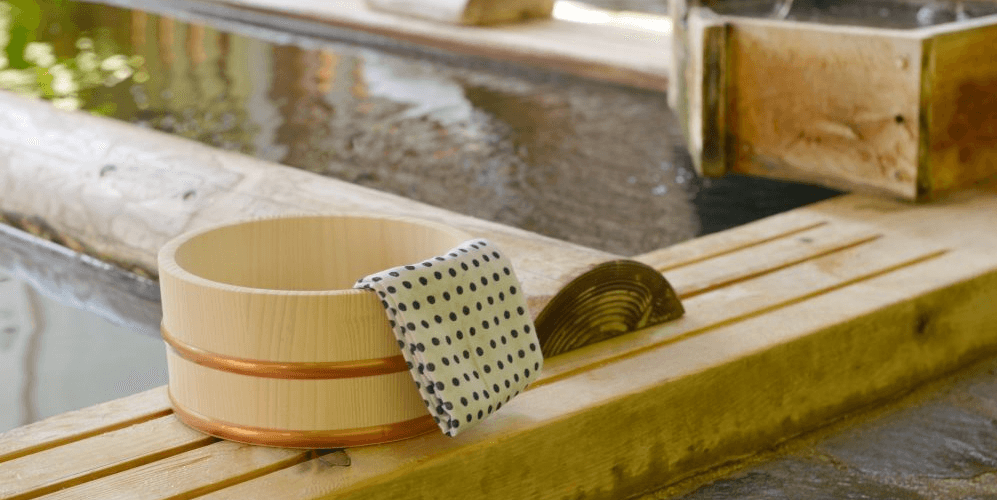
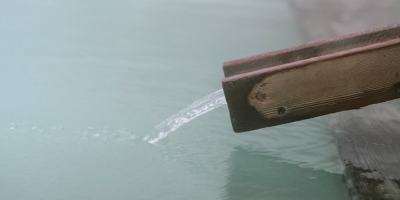
Nothing feels more relaxing than soaking in an outdoor hot spring surrounded by snow. Traditional onsen towns across Nagano — from small mountain villages to larger spa resorts — invite visitors to warm up after a day of sightseeing or skiing.
Cultural Highlights: Winter Atmosphere in Nagano
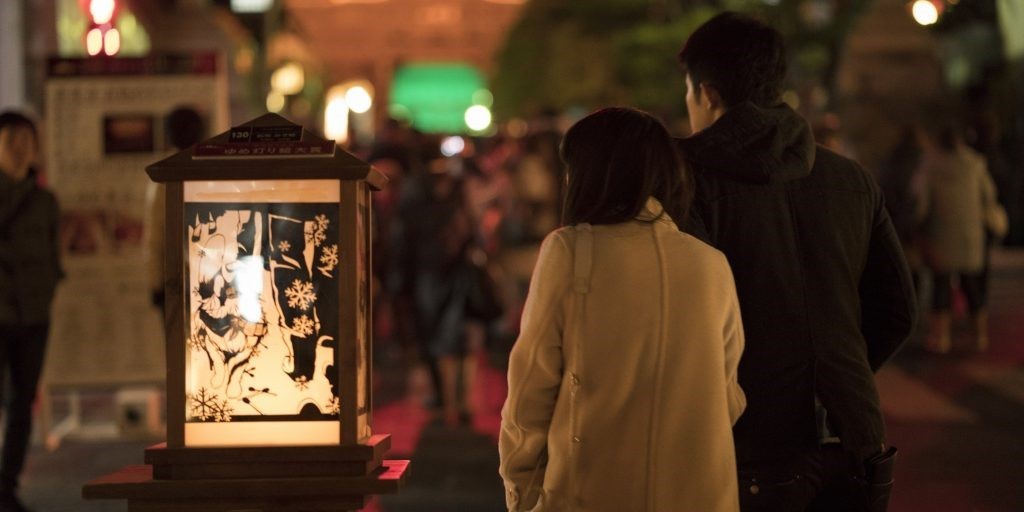
Winter in Nagano carries a quiet, spiritual beauty. At Zenkoji Temple, snow settles gently on the vast wooden halls and lantern-lined approach, while incense smoke drifts into the crisp air. In early January, worshippers gather for hatsumode, the first prayers of the year, ringing the great bell, buying charms for good fortune, and sharing warm cups of amazake. The temple’s timeless atmosphere feels especially moving in winter, when the surrounding streets glow softly under fresh snowfall.
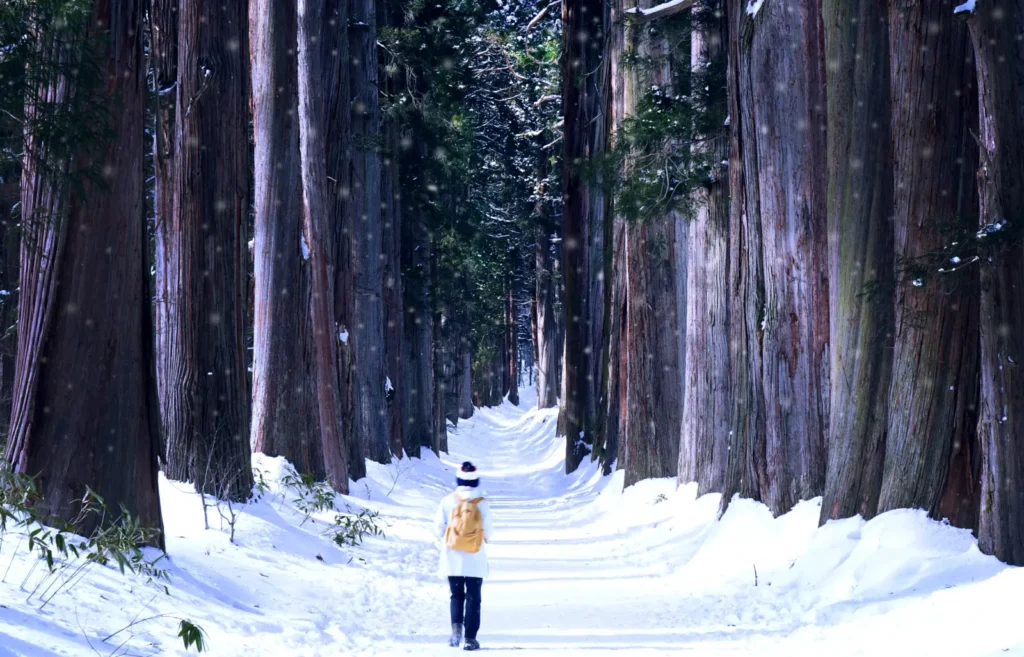
Northwest of the city, the shrines of Togakushi rest in deep snow, their sacred forests transformed into a world of stillness. Walking the cedar-lined avenue toward Okusha in winter is like entering a hidden realm, where towering trees rise above snow-covered trails and silence deepens the sense of reverence. The shrines are less crowded at this time of year, making winter one of the most rewarding seasons to experience Togakushi’s spiritual landscape.
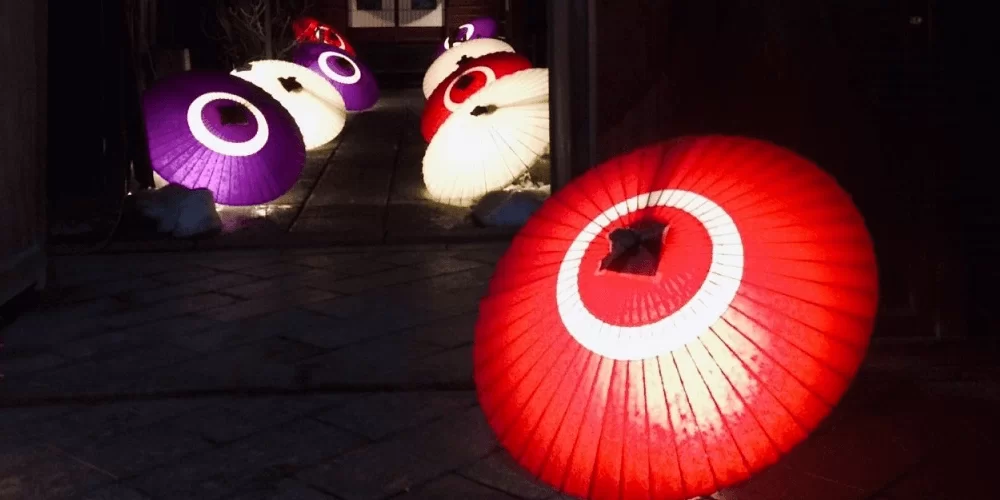
Beyond temples and shrines, Nagano’s alpine culture comes alive in smaller ways. Traditional onsen towns such as Yudanaka and Shibu Onsen invite visitors to wander lantern-lit lanes in yukata robes, dipping in and out of steaming baths as snow drifts overhead. Seasonal flavors — from soba noodles and miso hotpots to oyaki dumplings and freshly brewed local sake — warm both body and spirit. In February, the city hosts the Nagano Tomyo Lantern Festival, when hundreds of glowing lanterns line the approach to Zenkoji and illuminate the temple’s façade, creating one of the most magical winter evenings in the region.
Winter Tours You Shouldn’t Miss
Nagano’s highlights are spread across mountain valleys, making winter travel challenging without guidance. Joining a tour ensures comfort, safety, and access to the best seasonal experiences.
1 Day Ski Tour Package from Nagano Station
Recommended
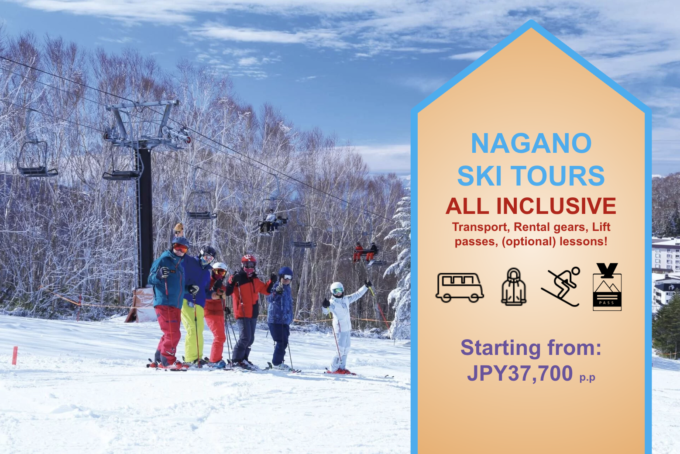
1-Day Ski Tour Package from Nagano Station
- Spots:
- NaganoShiga Kogen
- Pick-up:
- Nagano City
- Drop-off:
- Nagano City
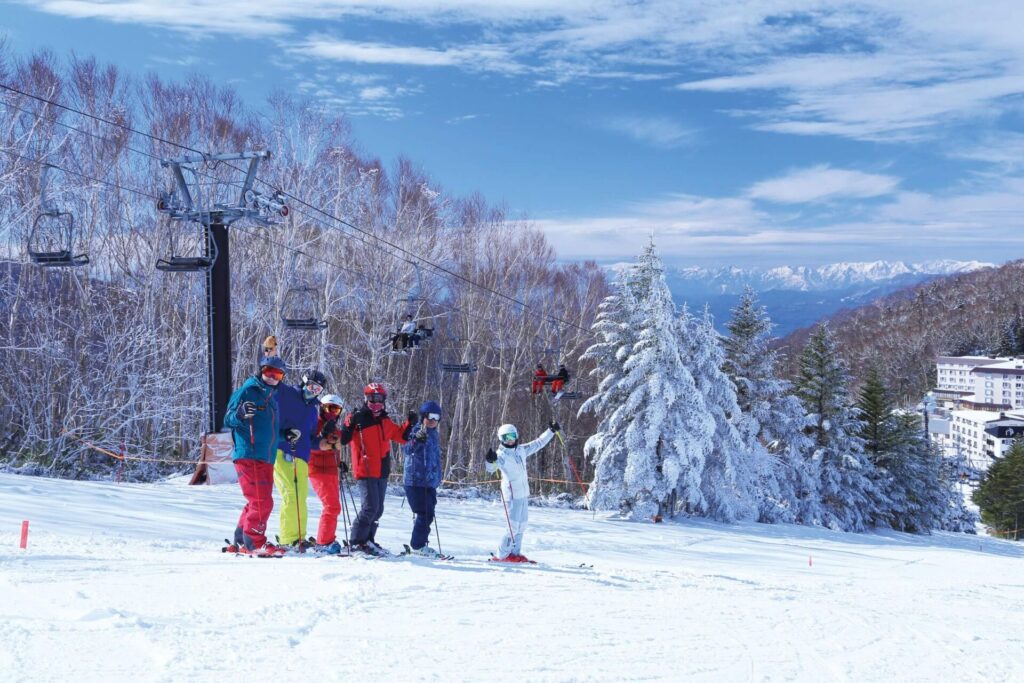
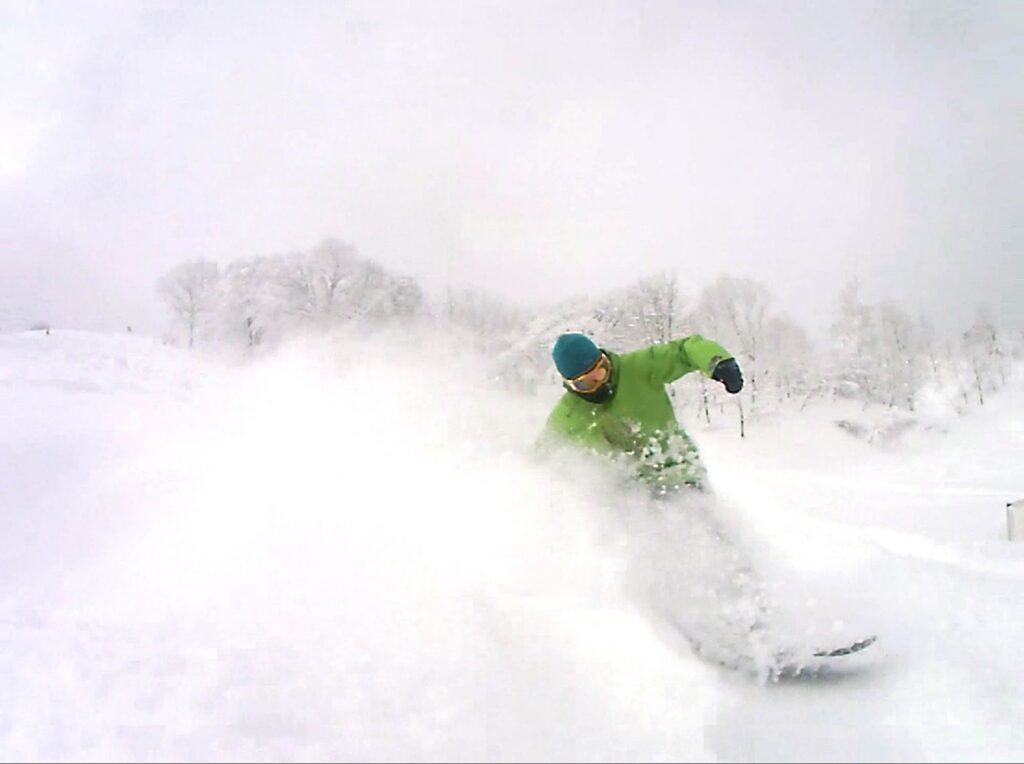
Nagano is Japan’s top ski and snowboard destination, home to abundant powder snow and diverse terrain all within easy reach of Tokyo. Our all-inclusive day packages make it simple for beginners and experienced skiers alike to enjoy the slopes without stress.
Highlights
- For all levels – perfect for first-time skiers or seasoned riders looking to experience Japan’s famous snow.
- Convenient access – round-trip transport from Nagano or Tokyo makes skiing a hassle-free day trip.
- Everything included – rental equipment, lift passes, and optional lessons are arranged in advance.
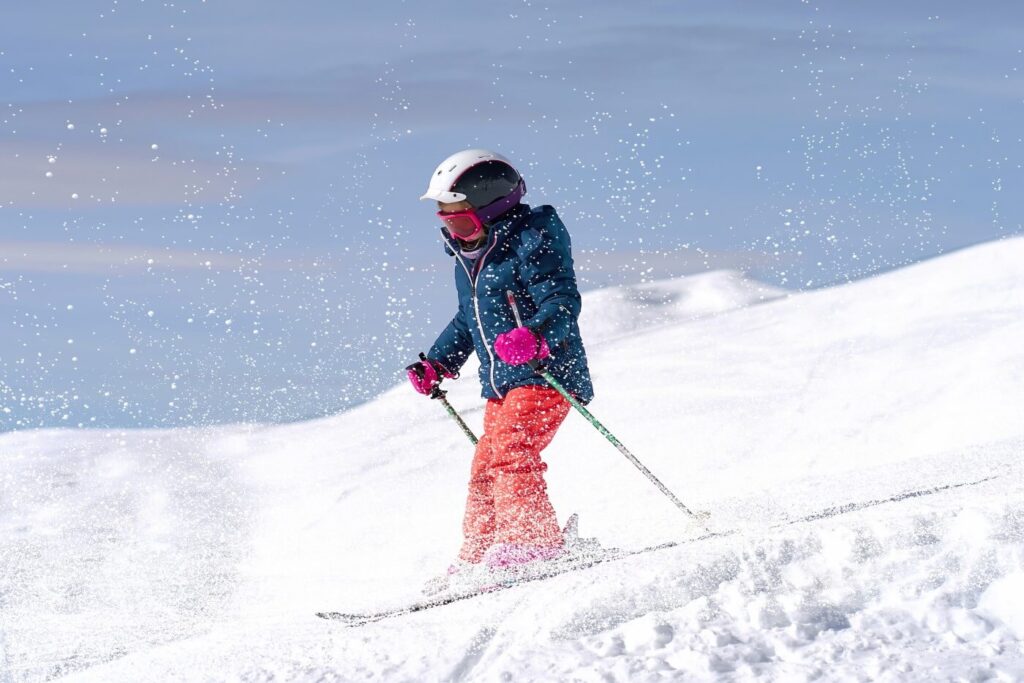
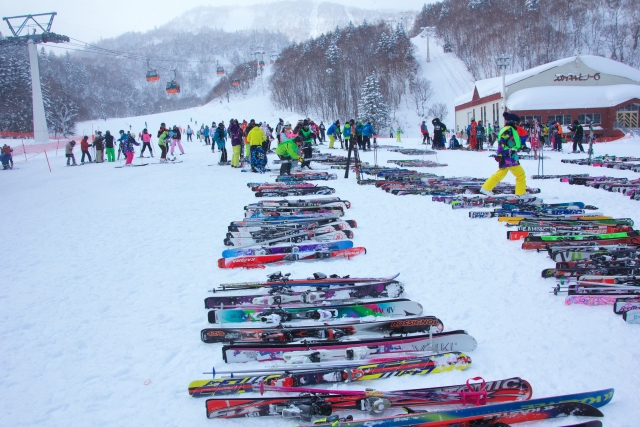
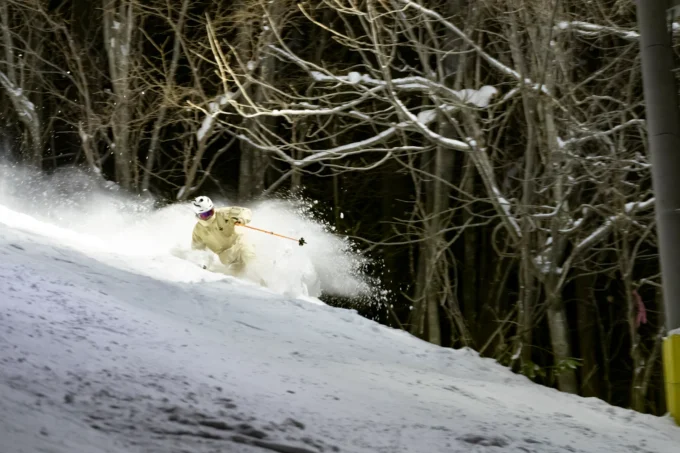
We also have a private version of this tour for those who wish to take on the ski resort of their choice with a private vehicle and all aspects taken care of, making for a truly great day trip:
Small Group
Private 1-Day Ski Tour from Nagano Station – Choose Your Ski Resort
- Spots:
- NaganoShiga KogenHakubaNozawa OnsenTogakushiMadarao
- Pick-up:
- Nagano City
- Drop-off:
- Nagano City
Zenko-ji Temple and Jigokudani Snow Monkey Park Tour
Best Selling
1-Day Tour: Snow Monkeys, Zenkoji Temple & Sake in Nagano
- Spots:
- NaganoSnow MonkeyHakuba
- Pick-up:
- Nagano CityHakuba
- Drop-off:
- Nagano CityHakuba
Experience one of Nagano’s most popular day tours, combining cultural sights, local flavors, and the region’s world-famous snow monkeys. From historic temples to traditional sake and seasonal cuisine, this tour offers a full taste of Nagano in a single day.
Highlights
- Jigokudani Snow Monkey Park – Watch the playful macaques bathe, eat, and interact in their natural hot spring habitat.
- Zenkoji Temple – Explore one of Japan’s oldest and most important temples, with beautiful architecture and insights into Japanese Buddhism.
- Sake Tasting & Local Cuisine – Visit a respected brewery for a variety of sake, non-alcoholic drinks, and miso soup, followed by lunch featuring local ingredients.

Private 1-Day Tour of Winter Togakushi: Snow, Shrine & Cedar Trees
High in the mountains just outside Nagano City, Togakushi offers a serene winter escape with snow-covered forests, sacred shrines, and scenic outdoor activities. This private tour combines family-friendly snow fun or optional skiing with a peaceful walk through the area’s spiritual landmarks. Pickup is available from popular locations including Hakuba, Nozawa Onsen, and Shiga Kogen.
Highlights
- Spiritual Shrines – Visit sacred sites like Chu-sha and Okusha, experiencing Togakushi’s rich spiritual heritage in a winter wonderland setting.
- Snow Adventures & Optional Skiing – Enjoy snow play for all ages or explore the quiet Togakushi Ski Resort (skiing not included in the tour price).
- Togakushi Forest Trails – Walk beneath towering cedars and explore the cedar-lined paths leading to the historic shrines.


Snow Fun in Shiga Kogen Tour
Best Selling
1-Day Tour: Snow Monkeys & Snow Fun in Shiga Kogen
- Spots:
- NaganoSnow MonkeyShiga Kogen
- Pick-up:
- Nagano CityYudanaka/Shibu
- Drop-off:
- Nagano CityYudanaka/Shibu
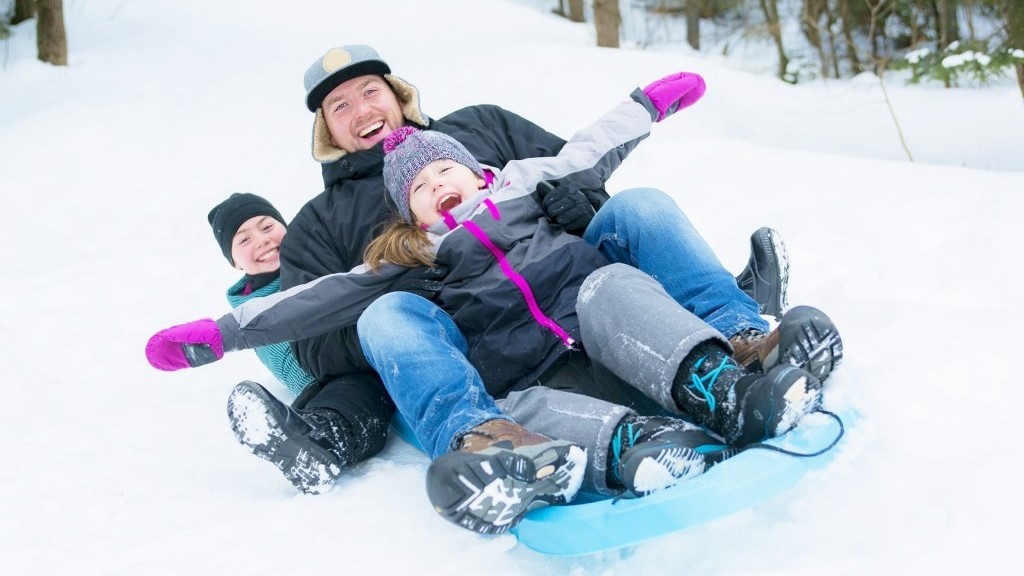
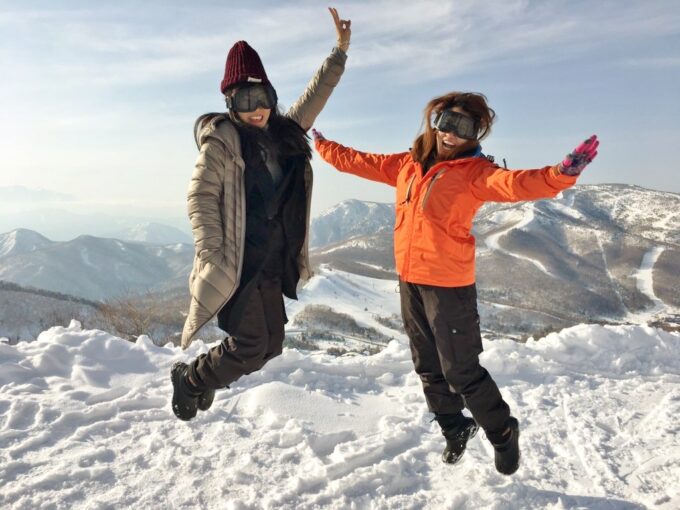
This family-friendly tour combines two of Nagano’s most famous attractions — snow and snow monkeys! Spend the morning enjoying snowy fun at Shiga Kogen with sleds, snow bikes, and other activities, then warm up with a hearty lunch before visiting the iconic Jigokudani Snow Monkey Park. Perfect as a day trip from Tokyo, this tour offers a full winter experience in one memorable day.
Highlights
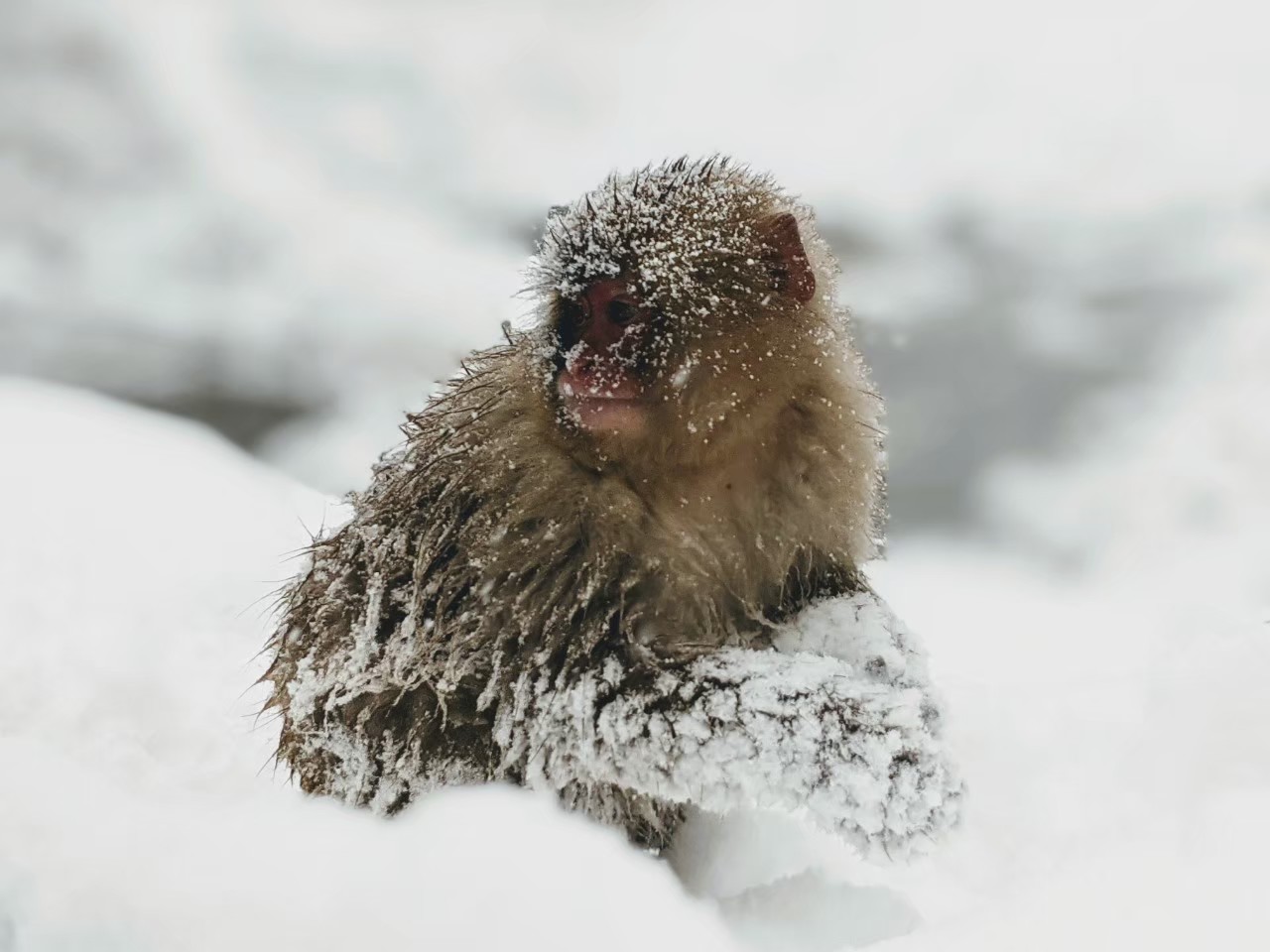
- Jigokudani Snow Monkey Park – Observe the famous macaques relaxing in natural hot springs amidst deep winter snow.
- Snow Fun at Shiga Kogen – Try sleds, snow bikes, and other family-friendly snow activities in Japan’s largest ski area.
- Hearty Lunch – Warm up with a filling meal to fuel your day of winter adventures.
Traditional Igloo "Kamakura" Festival & Snow Fun Activities Tour
Small Group
1-Day Tour: Traditional Igloo "Kamakura" Festival & Snow Fun Activities
- Spots:
- Nagano
- Pick-up:
- Nagano CityIiyama
- Drop-off:
- Nagano CityIiyama
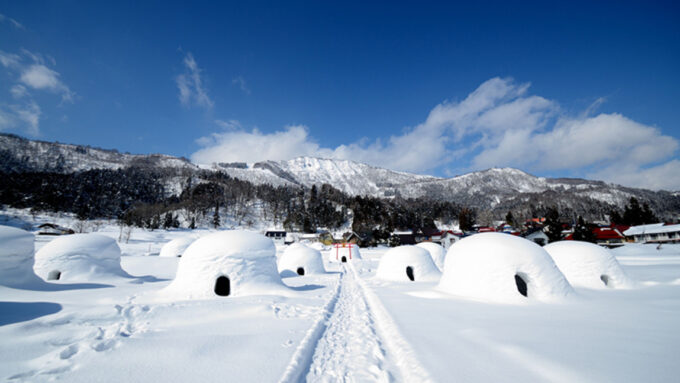
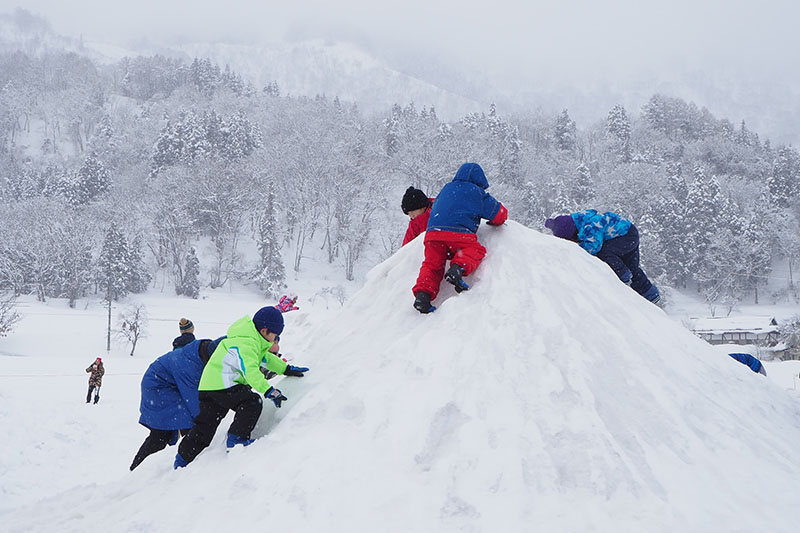
Experience one of Nagano’s most charming winter traditions at the Kamakura Village festival in Iiyama. From late January through February, the town is transformed with igloo-like snow huts, each housing local specialties for visitors to enjoy. Easily accessible by Hokuriku Shinkansen, this festival offers a unique cultural experience for both winter travelers and those visiting from Tokyo or Kanazawa.
Highlights
- Easy Access & Ideal Timing – Located in Iiyama and reachable via Hokuriku Shinkansen, perfect for a day trip during winter.
- Kamakura Snow Huts – See around 20 traditional 3-meter tall igloo-like structures built by the local community each year.
- Local Cuisine Inside the Kamakura – Enjoy a warming hot pot served inside the snow huts for a truly immersive experience.
Tips for Visiting in Winter
Dress in Layers – Temperatures vary widely between the city, mountain trails, and ski areas. Wear a waterproof jacket, gloves, hat, and warm boots. Even in Nagano City, mornings and evenings can be quite cold, so be prepared for icy conditions.
Plan Ahead for Transport – Snow can affect roads and mountain passes. While public transport is generally reliable, booking guided tours or chartered vehicles is recommended if you plan to visit multiple destinations in one day or want a stress-free way to reach remote shrines, ski resorts, or the Snow Monkey Park.
Protect Against Snow and Ice – Many cultural and outdoor sites, including temples, shrines, and forest trails, can be slippery in winter. Wear sturdy, waterproof footwear and consider trekking poles or snowshoes for deeper snow.
Take Advantage of Seasonal Experiences – Winter in Nagano is perfect for enjoying hot springs, seasonal cuisine, and festivals like the Nagano Tomyo Lantern Festival or Iiyama Kamakura Village Festival. Plan your visit to coincide with these events for a truly memorable experience.
Book Early for Peak Season – Nagano is popular during New Year and mid-January to February, especially for skiing and festivals. Secure your accommodation, tours, and transport well in advance to avoid last-minute stress.
Frequently Asked Questions (FAQ)
When is winter in Nagano?
Winter in Nagano typically lasts from mid-December to late February, with the coldest and snowiest months being January and February. Snowfall is heaviest in the mountains and ski areas, while Nagano City usually sees lighter, intermittent snow.
What should I wear in Nagano during winter?
Dress in warm layers, including a waterproof jacket, gloves, hat, and insulated boots. Alpine areas and mountain trails can drop well below freezing, especially in the mornings and evenings. Snow-ready footwear is recommended for walking in snow-covered areas, temples, and shrines.
Can I visit Jigokudani Snow Monkey Park in winter?
Yes! Winter is one of the best times to visit, as the monkeys soak in natural hot springs surrounded by snow. Paths may be icy or snowy, so sturdy shoes are recommended.
Are Nagano ski areas suitable for beginners?
Absolutely. Nagano offers ski resorts for all levels, from beginner-friendly slopes to challenging runs. Many resorts provide equipment rental, lessons, and family-friendly snow activities.
Is transportation in winter difficult?
Mountain roads can be snowy and icy. While public transport is generally reliable, guided tours and chartered vehicles are recommended for a stress-free experience, especially if you want to visit multiple locations in one day.
What cultural experiences are available in winter?
Winter in Nagano offers rich cultural experiences: visiting Zenkoji Temple, exploring Togakushi shrines and cedar forests, enjoying onsen hot springs, tasting seasonal cuisine, and attending unique events like the Nagano Tomyo Lantern Festival and Iiyama Kamakura Village Festival.
Are there day trips from Tokyo?
Yes. Nagano is accessible via Shinkansen (bullet train) from Tokyo in around 1.5–2 hours, making it ideal for day trips to ski resorts, cultural sites, and festivals during winter.