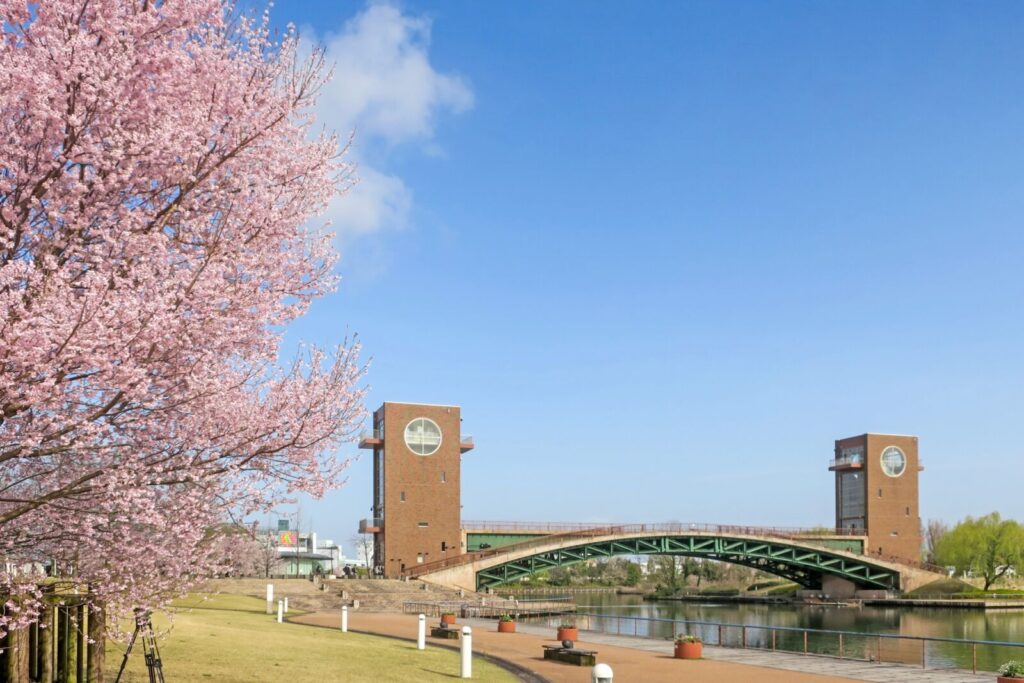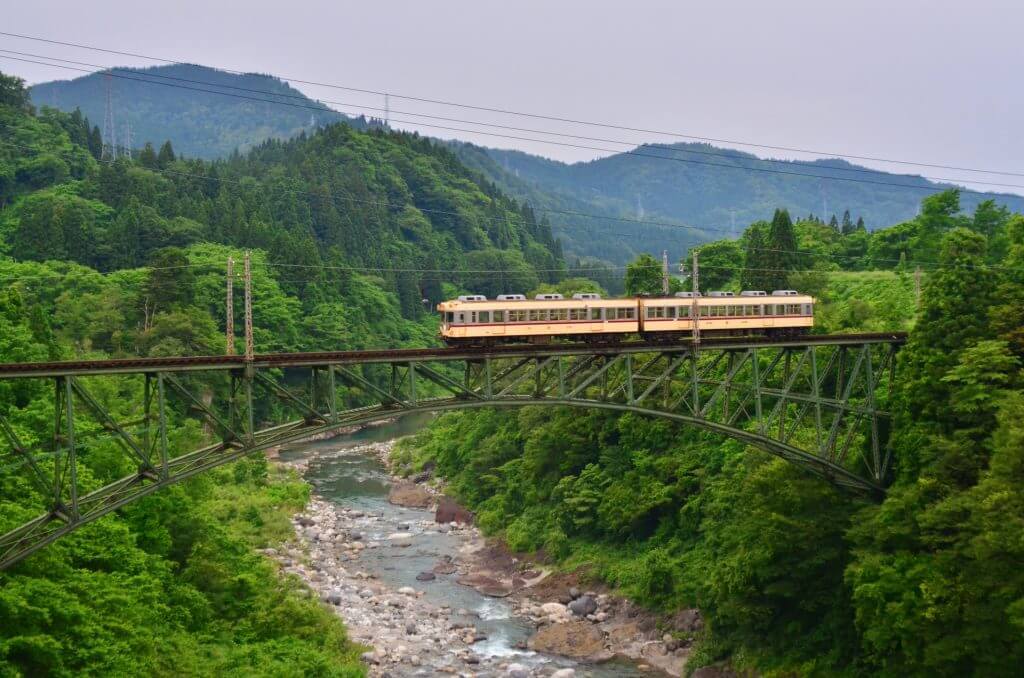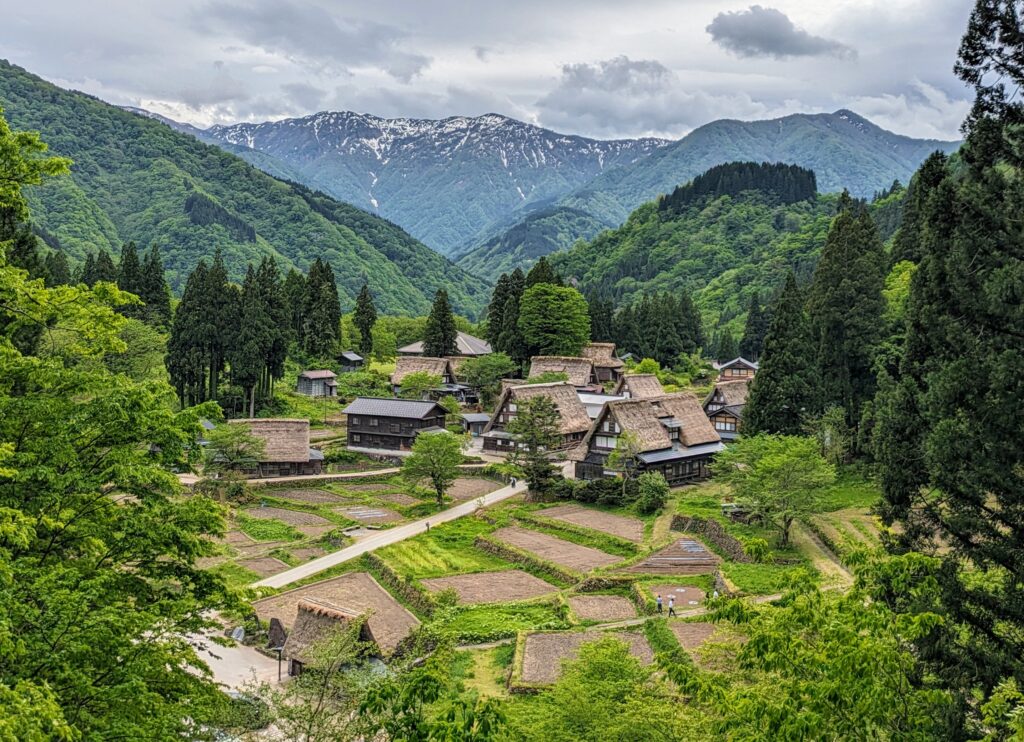







Toyama Prefecture is celebrated for its famous culinary souvenirs, particularly Masu-no-sushi, a unique pressed sushi with trout and vinegared rice, and specialties made from Shiroebi (Japanese glass shrimp) like savory rice crackers. The region also offers exquisite traditional crafts, including Takaoka Copperware and intricate Inami Woodcarvings, which showcase centuries of artistic heritage. Visitors can also take home a piece of local culture with items like handmade Gokayama washi paper or packaged Toyama Black Ramen to enjoy later. With its mix of delicious foods and beautiful crafts, Toyama provides a wide variety of memorable souvenirs for any traveler.
Shopping for the perfect souvenir can be a chore, so we've compiled this list of Toyama's best gifts to help you find something special for everyone.
Toyama Glass

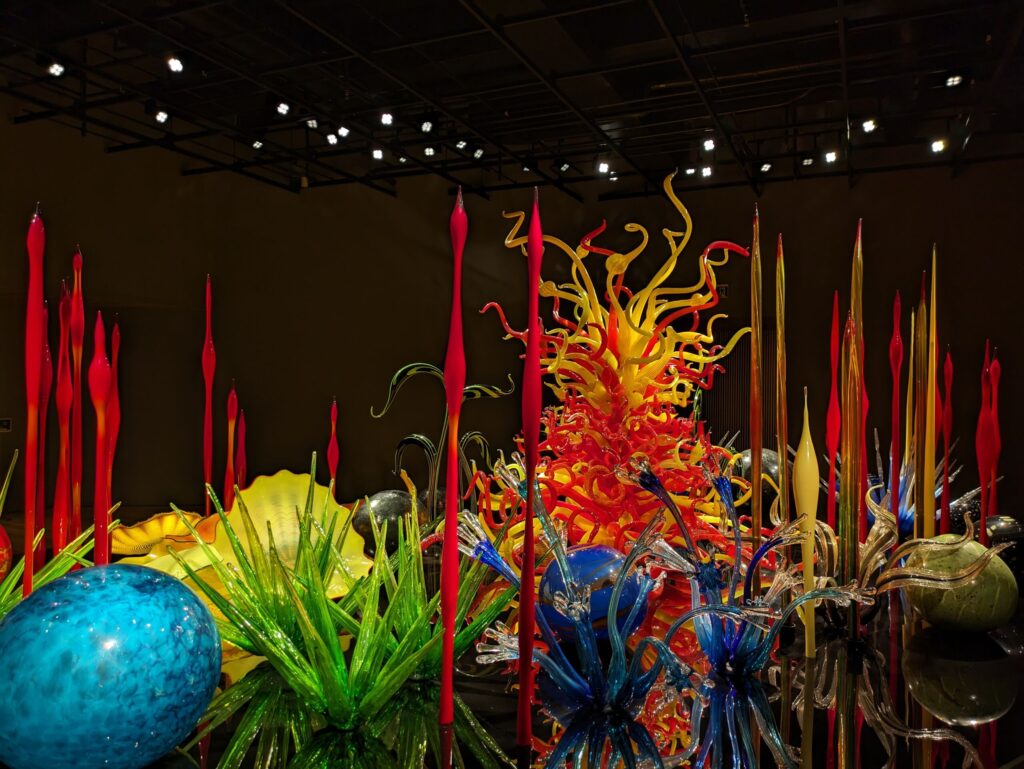
Toyama is renowned as a "City of Glass," a reputation cultivated through decades of dedicated promotion of glass art. The city is home to the Toyama Glass Art Museum, designed by the world-famous architect Kengo Kuma, which showcases a wide collection of glass art from both Japanese and international artists. Visitors can also experience this craft firsthand at the Toyama Glass Studio, where they can watch professional artists at work or participate in hands-on activities to create their own unique glass souvenirs.
Recommended Shops:
- Toyama Glass Art Museum and Shop: The museum itself is a masterpiece of architecture and features a shop with a variety of glass items from different artists. (Google Map Link)
- Toyama Glass Studio: a great place to see the glass-making process and even try it yourself. (Google Map Link)
Japanese Washi Paper
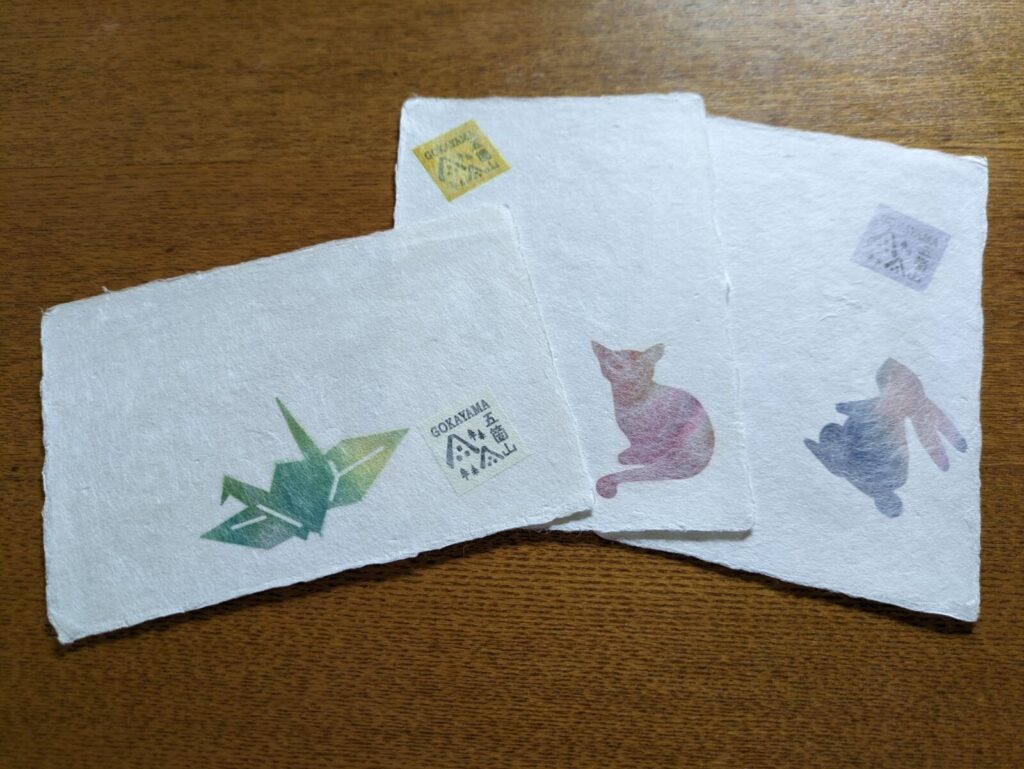
Toyama has two traditional paper making styles but the most famous, known as Gokayama washi, boasts a rich history spanning over 1,200 years, with its origins rooted in the remote, mountainous region of the same name. This revered craft is characterized by a meticulous, handmade process that uses natural fibers such as mulberry bark to produce paper of exceptional strength and durability. You can also find the other local paper from Ecchu Yatsuo, which also has a long an illustrious history. Today, this time-honored tradition continues to be preserved by local artisans, who produce a variety of paper goods that serve as both a cherished part of the region's cultural heritage and a popular, handcrafted souvenir.
Recommended Shops:
- Gokayama Washi no Sato: This is a comprehensive facility where you can learn about and experience Gokayama washi. It includes a workshop, a museum, and a shop. (Google Map Link)
- Keijusha: Known for its stencil-dyed Yatsuo washi, which is used to create unique and modern miscellaneous goods like letter boxes, business card cases, and calendars. (Google Map Link)
- Gokayama Washi: Another store located in the mountains, you can buy handmade paper and also try making it yourself. They have two shops, one in the Ainokura village and the other along a main road. (Google Map Link)
Takaoka Copperware
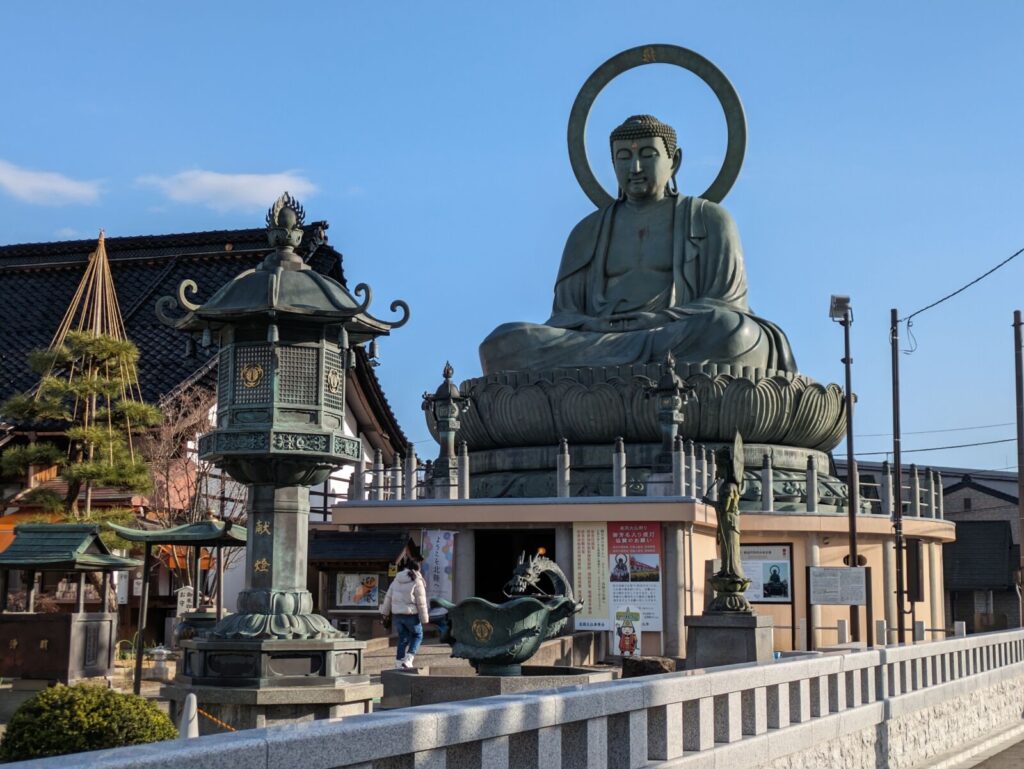
Takaoka copperware is a celebrated traditional craft with a rich history spanning over 400 years, beginning in the early Edo period. Its origins trace back to the time when the Maeda clan of the Kaga Domain invited seven master casters to the city of Takaoka, establishing a foundation for the area's metal casting industry. The craft has since evolved from its initial focus on practical items like farming tools to a diverse range of exquisite art pieces, Buddhist altars, and modern decorative items, earning it national recognition as a traditional craft.
Recommended Shops:
- Nosaku: Nousaku is arguably the most famous and modern Takaoka copperware brand. They are known for their innovative use of tin, particularly in bendable tableware and elegant sake sets. (Google Map Link)
- Takaoka Regional Local Industry Center: This center is a fantastic place to get a comprehensive overview of Takaoka's traditional crafts, including copperware. (Google Map Link)
- Imono Kobo Risaburo: A casting workshop in the heart of the historic Kanaya-machi district. They offer experiences for making items like wind chimes, paperweights, or chopstick rests. (Google Map Link)
- Meiten Curun: Located right inside Takaoka Station, this general souvenir shop is convenient for travelers. (Google Map Link)
- Daiji Kohachiro Shoten: A shop with a rich history dating back to 1860. (Google Map Link)
Toyama Traditional Medicine
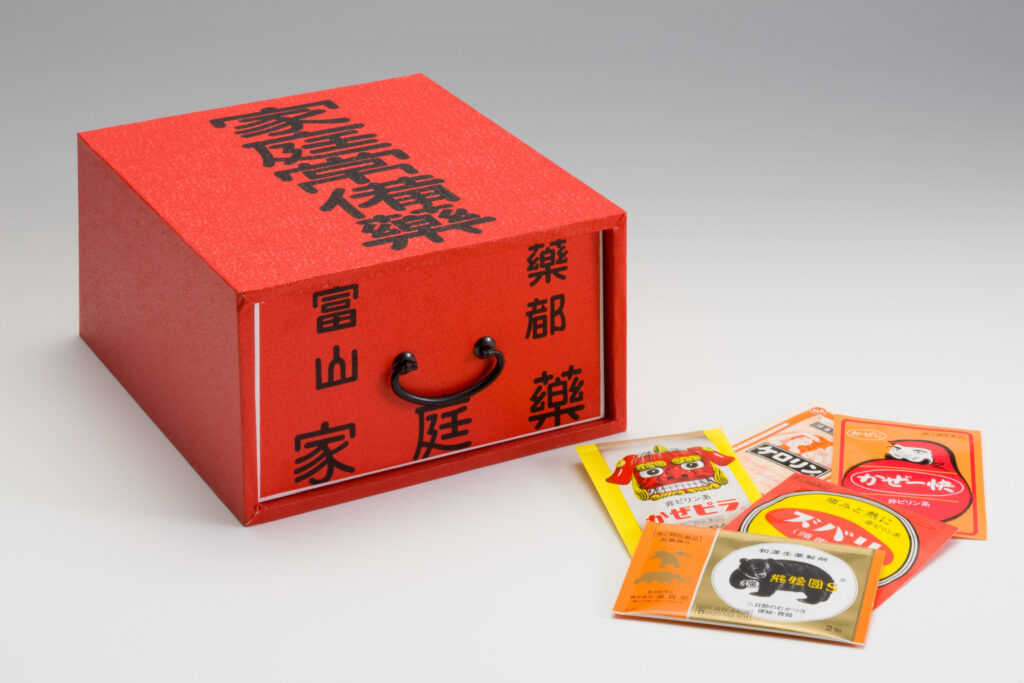
The history of Toyama medicine is a celebrated tradition dating back to the Edo period and is renowned for its unique sales method. Under the patronage of the Maeda clan, medicine peddlers known as "baiyaku-san" would travel the country, leaving a box of medicines at each home and only collecting payment for the items used during their next visit. This innovative and trustworthy "okigusuri" (leave-behind medicine) system led to the establishment of Toyama as a major pharmaceutical center, a legacy that continues to define its modern pharmaceutical industry today.
Recommended Shop:
- Ikedaya Yasubei Shoten: The most famous and accessible traditional medicine shop in downtown Toyama City. Established in 1936, the shop has a nostalgic, historic atmosphere and is a popular tourist destination. (Google Map Link)
Masu-no-sushi
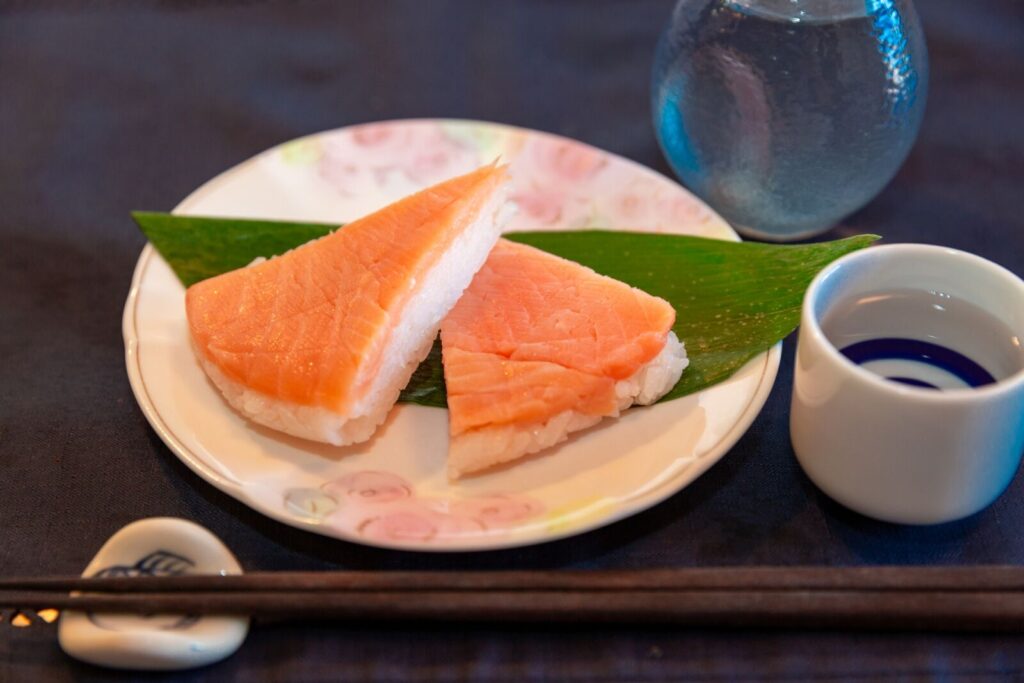
Masu-no-sushi is a traditional pressed sushi from Toyama, distinguished by its unique preparation of salted trout laid over sushi rice and wrapped in bamboo leaves. Its history dates back to the Edo period when a feudal lord presented the dish to a shogunate general, leading to its popularization as a local delicacy. Originally conceived as a way to preserve trout, it has since become Toyama's most famous ekiben (train station bento) and a staple souvenir, cherished for its elegant taste and beautiful presentation.
Recommended Shops:
- Masu-no-sushi Honpo Minamoto: This is perhaps the most famous brand, especially known for its ekiben (train station bento). With a history spanning over 100 years, its main shop is conveniently located right outside the central gate of JR Toyama Station, making it a perfect spot to grab a souvenir before you leave. (Google Map Link)
- Ogiichi Masu-no-sushi Honpo: Their Masu-no-sushi is praised for its thick, rare-textured trout that is more substantial than the rice, offering a luxurious and flavorful experience. (Google Map Link)
- Masu-no-sushi Matsukawa: For those who prefer a milder flavor, Matsukawa's sasu-no-sushi is a great choice. It is known for its moist, "rare" texture and a soft, less-vinegary acidity, making it an excellent option for people who are not fond of strong vinegar. (Google Map Link)
Shiroebi (Japanese Glass Shrimp)
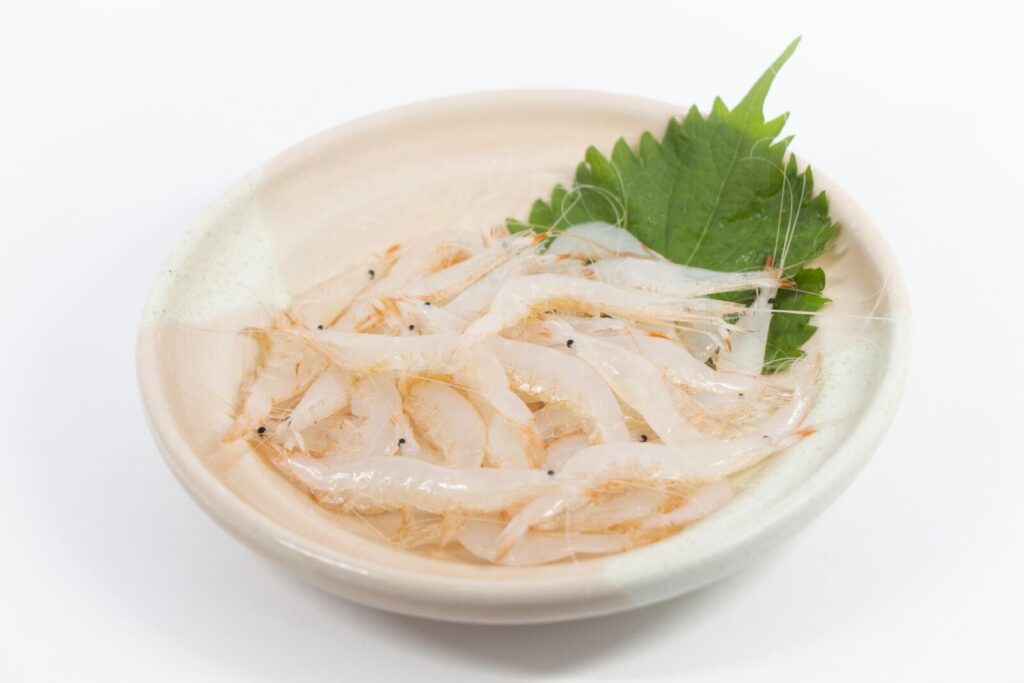
Shiroebi, or white shrimp, is a rare and delicate species found almost exclusively in the deep waters of Toyama Bay. Its history as a local delicacy began in the Meiji period, when a deep-sea fishing method was developed, allowing for the commercial harvest of these previously elusive crustaceans. Today, shiroebi is celebrated as a signature ingredient of Toyama cuisine, enjoyed in various forms from fresh sashimi and sweet nigiri to crispy tempura and seasoned rice crackers.
Recommended Shops:
- Shiroebiya: This shop, which is affiliated with Shiroebitei, is also located at Toyama Station. Here, you can buy various shiroebi products to take home, such as freshly fried shiroebi tempura, dried shiroebi, and the famous shiroebi rice crackers. (Google Map Link)
- KitoKito Ichiba Toyamarche: This is the main souvenir market at Toyama Station. You'll find a wide range of shiroebi products here. (Google Map Link)
Hotaruika (Firefly Squid)
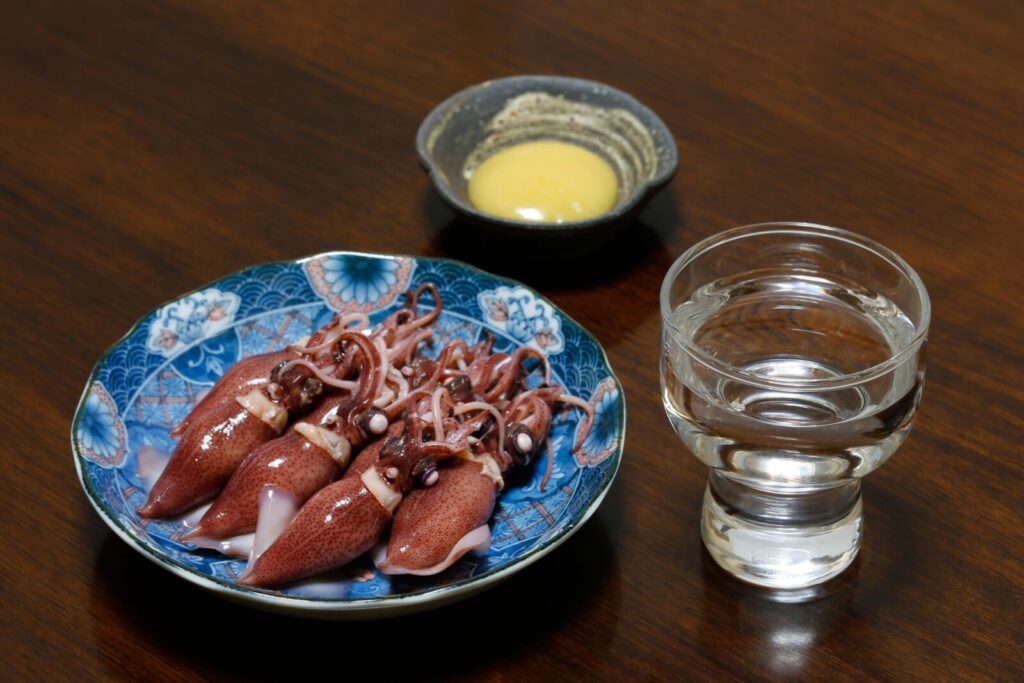
The firefly squid, known as hotaruika, is famous for its bioluminescent glow, and is a delicacy of Toyama Bay. Its history as a food dates back to the Meiji era, when its massive seasonal spawning in the bay was discovered, leading to the development of a unique commercial fishing industry to harvest the squid. Today, hotaruika is a celebrated spring specialty in Toyama, where it is enjoyed in a variety of dishes, including boiled with ponzu, as sashimi, or marinated in soy sauce.
Recommended Shops:
- KitoKito Ichiba Toya Marche: Located within Toyama Station, this is a large souvenir and restaurant area with around 70 shops. You can find a wide range of hotaruika souvenirs here. (Google Map Link)
- Hotaruika Museum: The museum has a gift shop with a wide variety of hotaruika processed products, including deep-sea water products. (Google Map Link)
- Michi-no-Eki Wave Park Namerikawa: This roadside station is a complex that includes the Hotaruika Museum, restaurants, and a souvenir market where you can purchase various hotaruika products. (Google Map Link)
Toyama Black Ramen
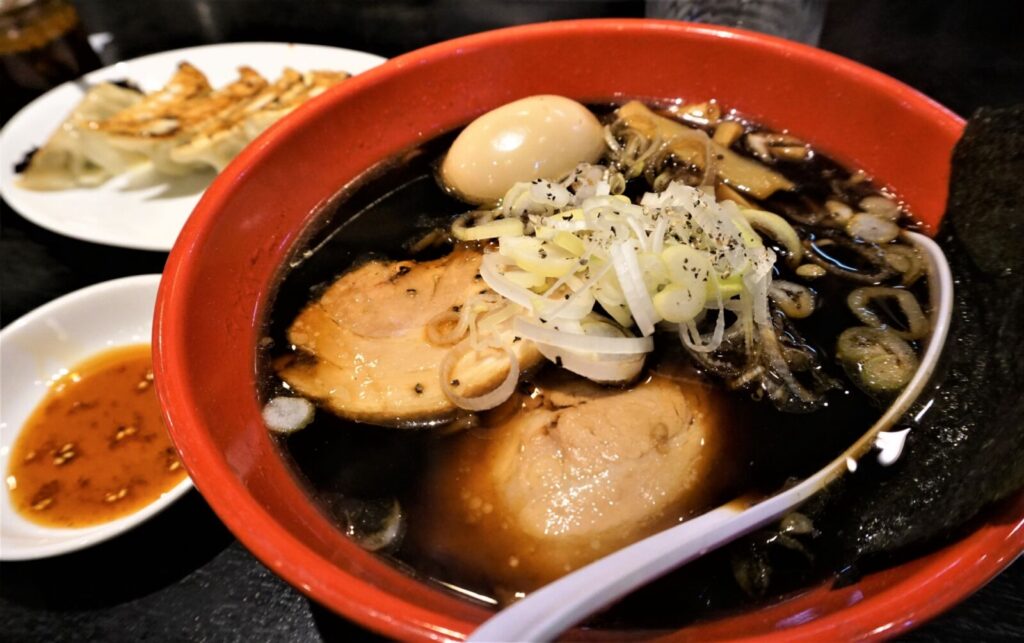
Toyama Black Ramen is a distinctive local ramen variety known for its exceptionally dark, soy sauce-based broth that is surprisingly salty. Its history dates back to the post-World War II period when it was created by the founder of Nishimachi Daiki to serve as a high-energy, salty meal for the city's restoration workers. While originally a utilitarian dish, it has since become a beloved and iconic local specialty, drawing ramen enthusiasts from across Japan to experience its unique and bold flavor.
Recommended Shops:
- Nishimachi Daiki: As the originator of Toyama Black Ramen, this shop sells its own take-home package. (Google Map Link)
- Menya Iroha: This shop, famous for winning multiple awards at the Tokyo Ramen Show, also sells its own packaged versions of Toyama Black Ramen. (Google Map Link)
Local Sake
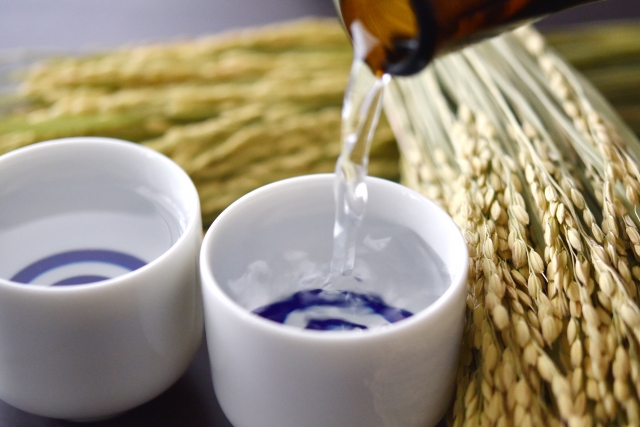
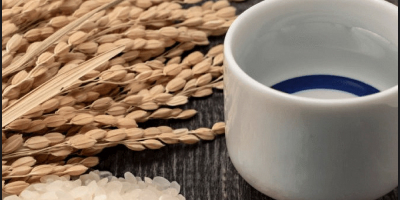
The history of sake brewing in Toyama is deeply intertwined with its rich natural environment, particularly the meltwater from the Tateyama mountain range and high-quality local sake rice. Production began in earnest during the Edo period under the patronage of the Kaga Domain's Maeda clan, who encouraged the development of a sake industry to support the local economy and culture. As a result, Toyama has become celebrated for its distinctively clean, crisp, and smooth sake, which is exceptionally well-suited to complementing the region's fresh and delicate seafood.
Recommended Shops:
- Masuda Sake Brewery: This brewery is famous in the sake world. It's known for its modern approach while respecting tradition. (Google Map Link)
- Wakatsuru Shuzo: A historic brewery with a unique offering: it is also home to the Saburomaru Distillery, one of Japan's oldest whisky distilleries. (Google Map Link)
- Fukutsuru Sake Brewery: The sake, "Kaze no Bon," is named after the local festival and is known for its elegant and refined flavor. (Google Map Link)
- Ginban Shuzo: This brewery uses soft water from the Kurobe River, which is one of the "100 Best Waters of Japan." (Google Map Link)
Note: For the sake, these are just the breweries, you can find the products at shops throughout the prefecture.