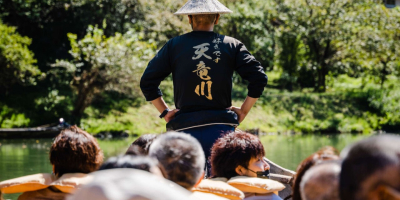
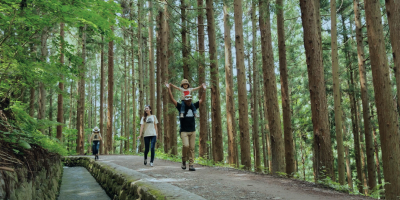

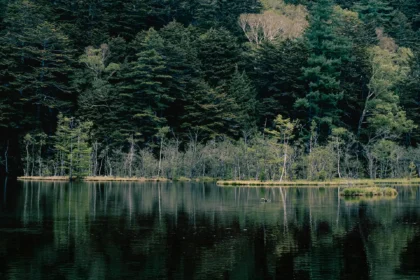
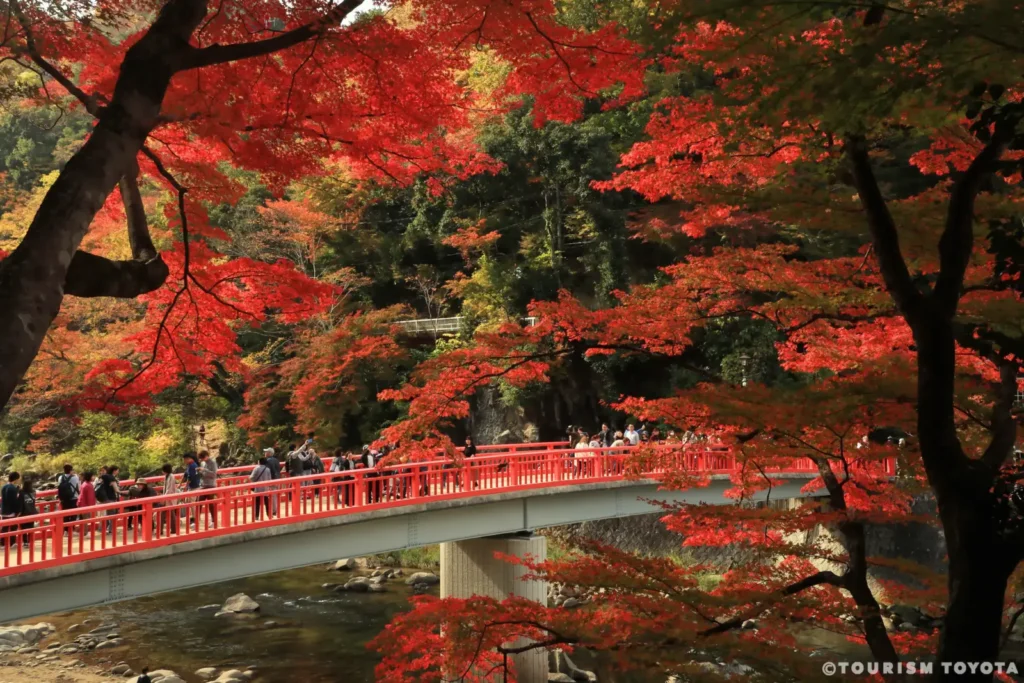
Nestled in the mountainous region of Toyota City, Aichi Prefecture, Korankei (香嵐渓) is one of Japan’s most renowned scenic spots for autumn foliage. This picturesque gorge, carved by the Tomoe River, draws visitors year-round with its breathtaking natural beauty and charming historic townscape. Particularly famous for its maple trees and the annual Momiji (autumn leaves) Festival, Korankei is a wonderful destination for photographers, hikers, and anyone looking for an easy nature-filled day trip from Nagoya.
A Brief History of Korankei
- First maple trees were planted in 1634 by Sanei Kazuhisa, the 11th head priest of Kojakuji Temple—reciting one verse of the Heart Sutra for every tree planted.
- The valley name “Korankei” is inspired by the fragrant breeze and energy of the mountain.
- Over 4,000 maple trees of 11 varieties grow in the valley.
The history of Korankei dates back to the early Edo period. In 1634, Sanei Kazuhisa, the 11th head priest of Kojakuji Temple, began planting maple and cedar trees along the path from the Tomoe River to the temple grounds. He is said to have recited one verse of the Heart Sutra for each tree he planted as a spiritual offering to nature.
Over time, the local residents of Asuke continued planting more maple trees, turning the valley into a scenic and sacred grove. During the Taisho and early Showa periods (1920s–1930s), youth groups and women’s associations participated in volunteer efforts to plant additional maples in the surrounding forest, further enhancing the beauty of the landscape.
In 1930, the name “Korankei” was officially given to the area. The name was inspired by a poetic description of the fragrant breeze ("Ko") and the dynamic mountain spirit ("Ran") that flowed from Mt. Iimori across the valley and through the maple trees lining the path to Kojakuji Temple.
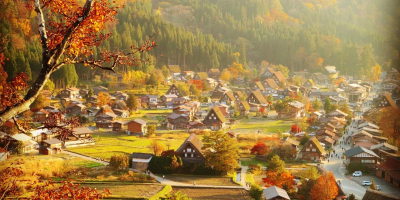
Today, Korankei is home to over 4,000 maple trees of 11 different species, including varieties such as Iroha-momiji and Yamamomiji. The valley has become one of Japan’s most beloved autumn foliage destinations, attracting hundreds of thousands of visitors each year.

The Seasons in Korankei
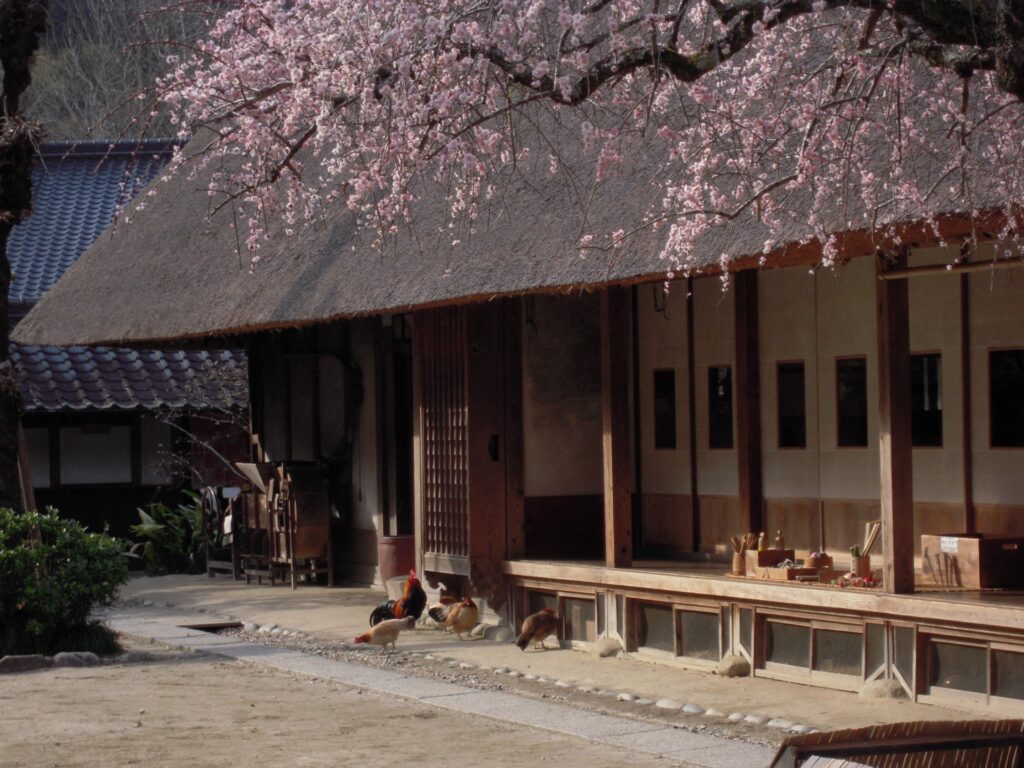
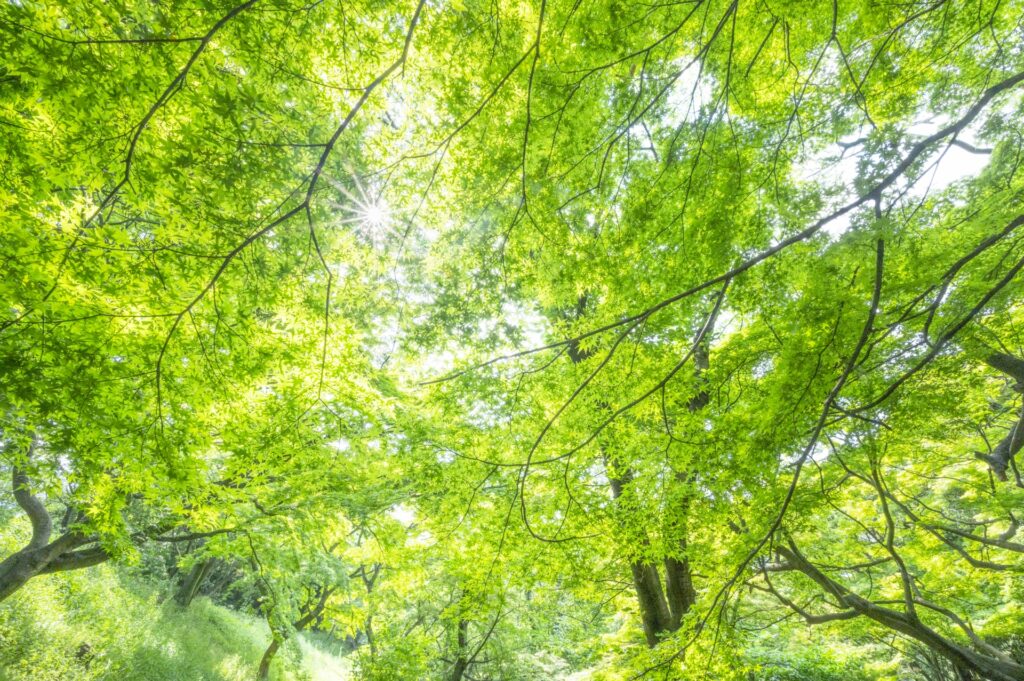
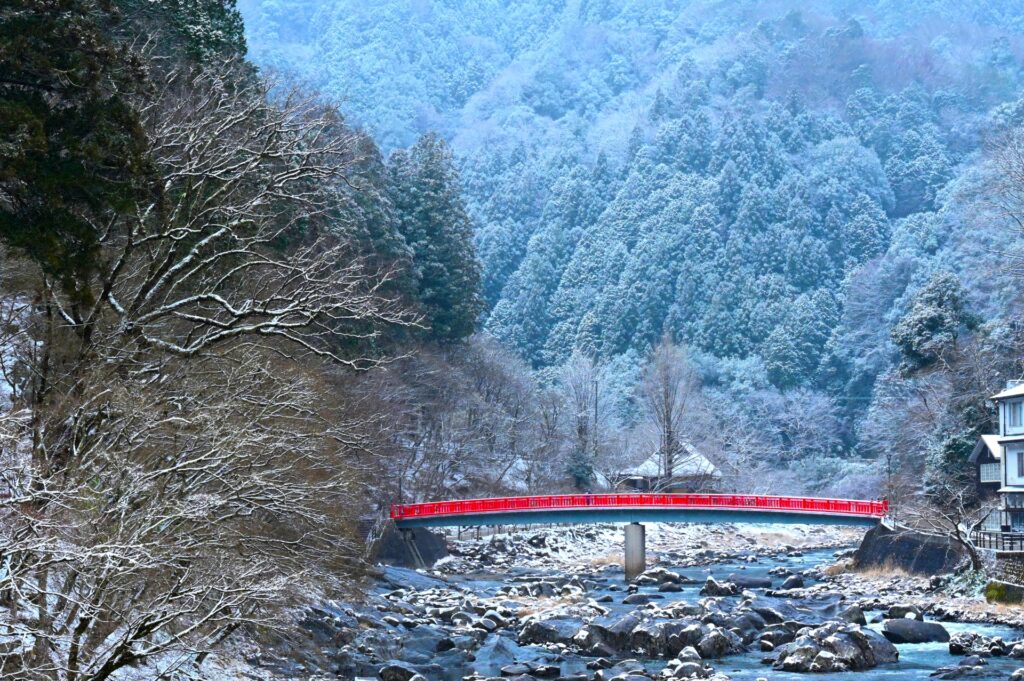
Though Korankei is most famous for its autumn foliage, it is a wonderful outdoor destination year round.
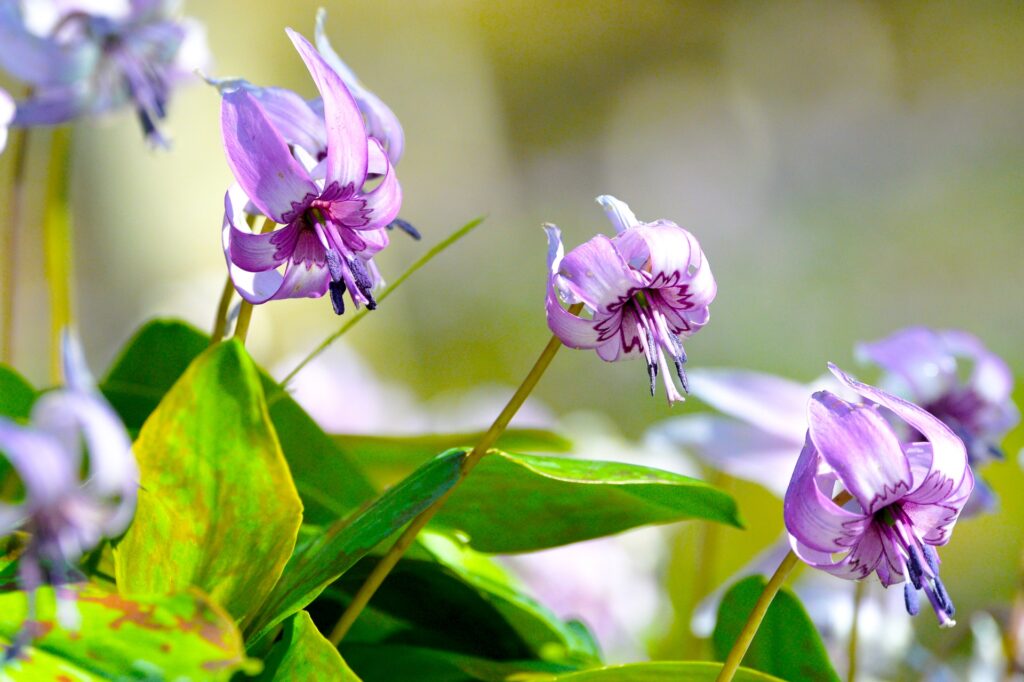
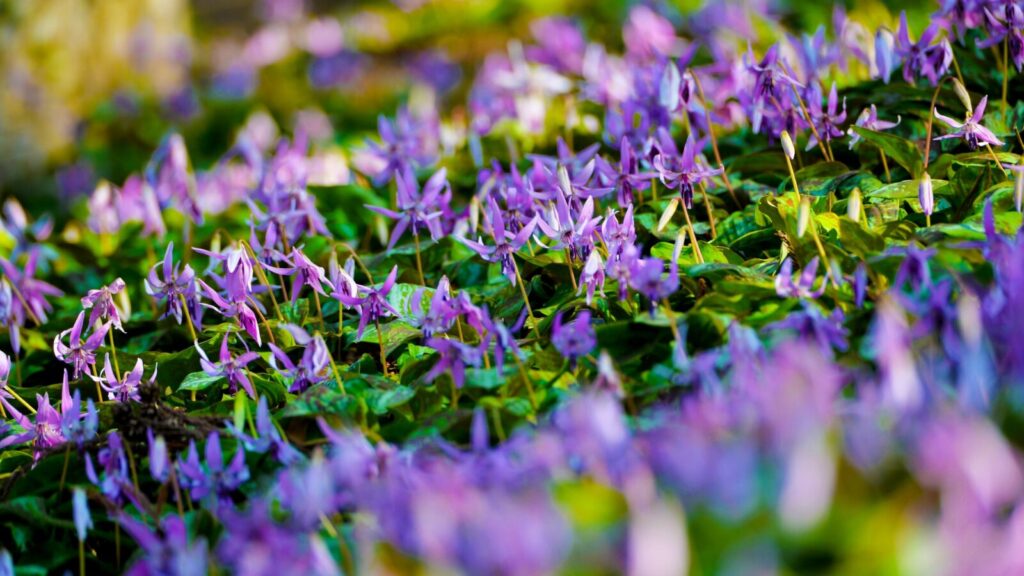
Spring: From March to April, Erythronium japonicum (katakuri) flowers bloom in soft violet hues, carpeting the forest floor. Mid-April sees the emergence of wild mountain plants.
Summer: The area transforms with fresh greenery. Locals and visitors alike enjoy cooling off in the river, shaded walks, and summer festivals.
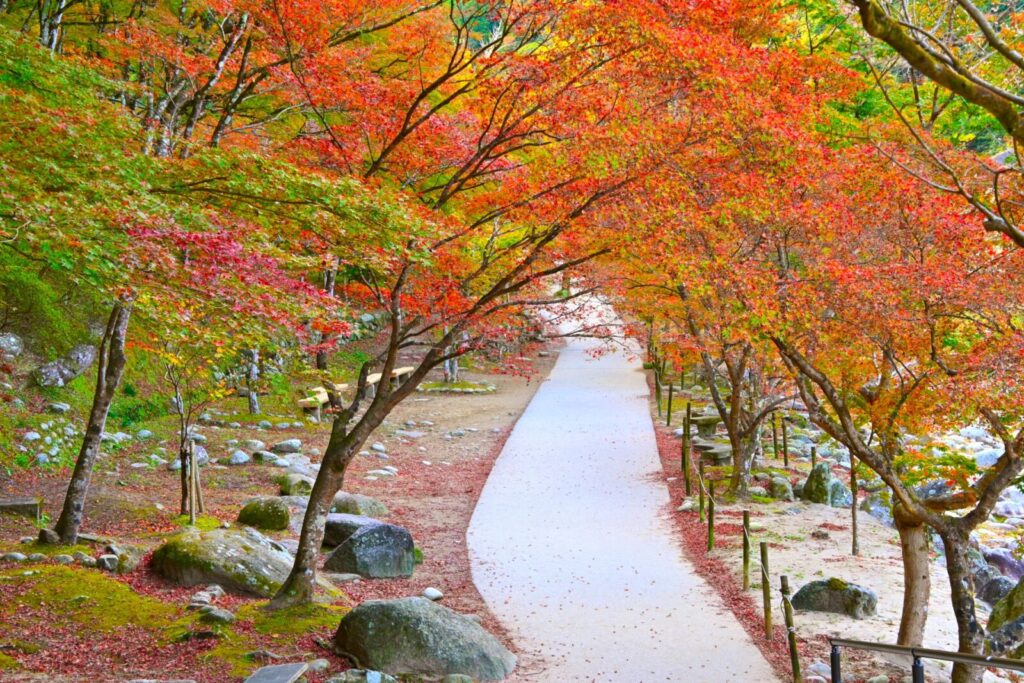
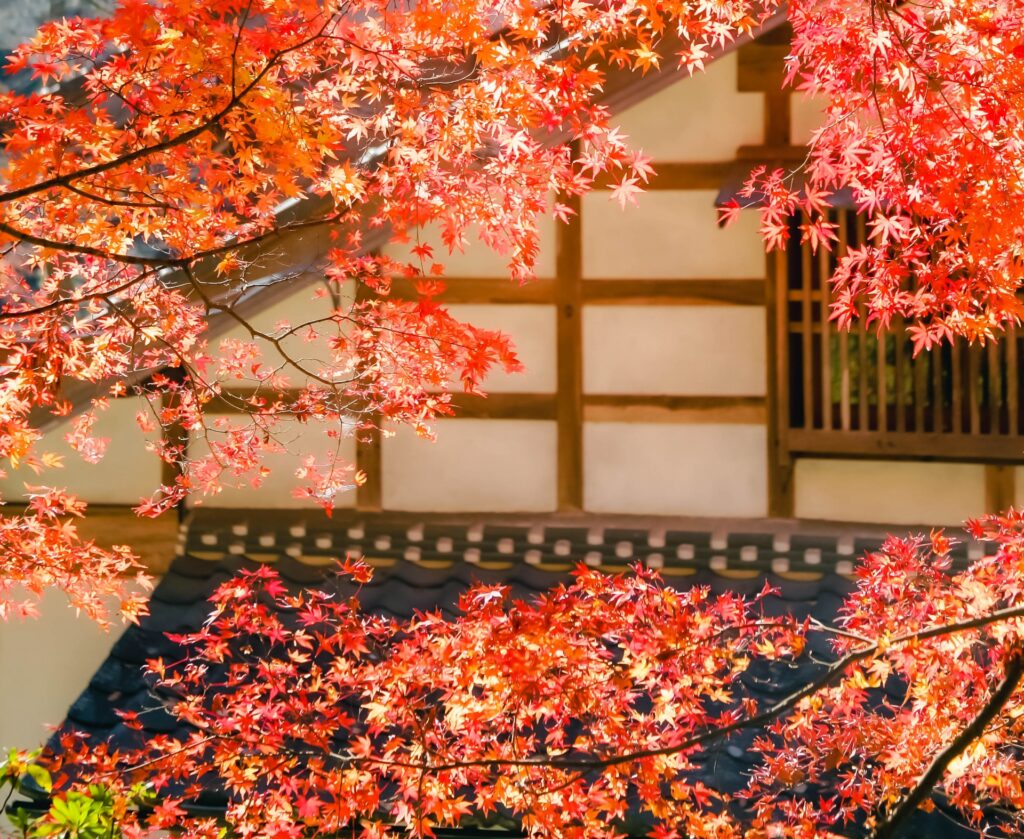
Autumn: The most celebrated season at Korankei. From mid-November to late-November, 11 types of maple trees decorate the valley in shades of crimson, gold, and orange. This period also marks the Momiji Festival, featuring light-ups, food stalls, performances, and traditional events.
Winter: The gorge becomes covered in snow which contrasts beautifully with the vermillion Taigetsu Bridge. In January, the Nanakusa Festival is hosted at Asuke Hachimangu Shrine.
What to See in Korankei
Taigetsu Bridge (待月橋)
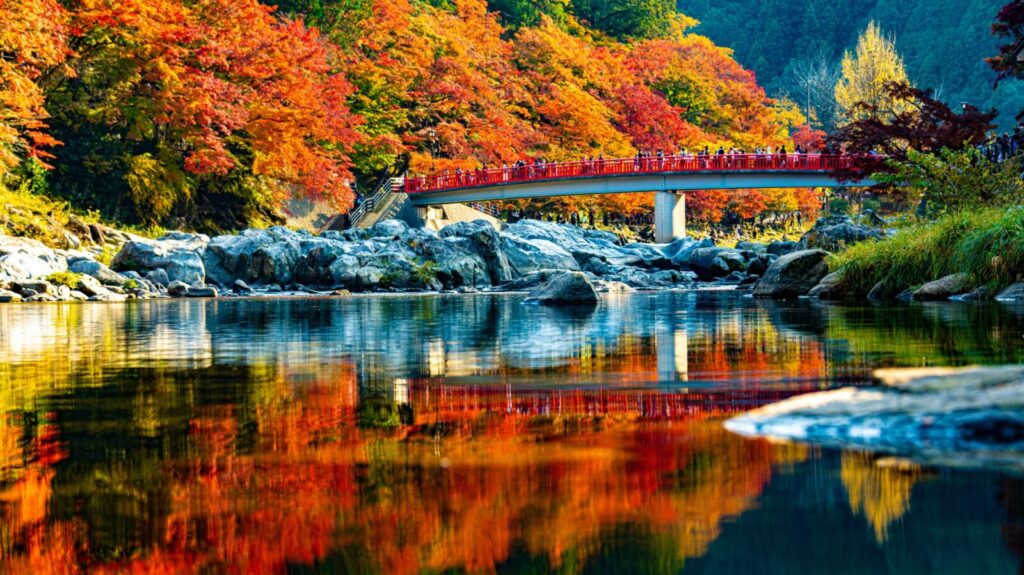
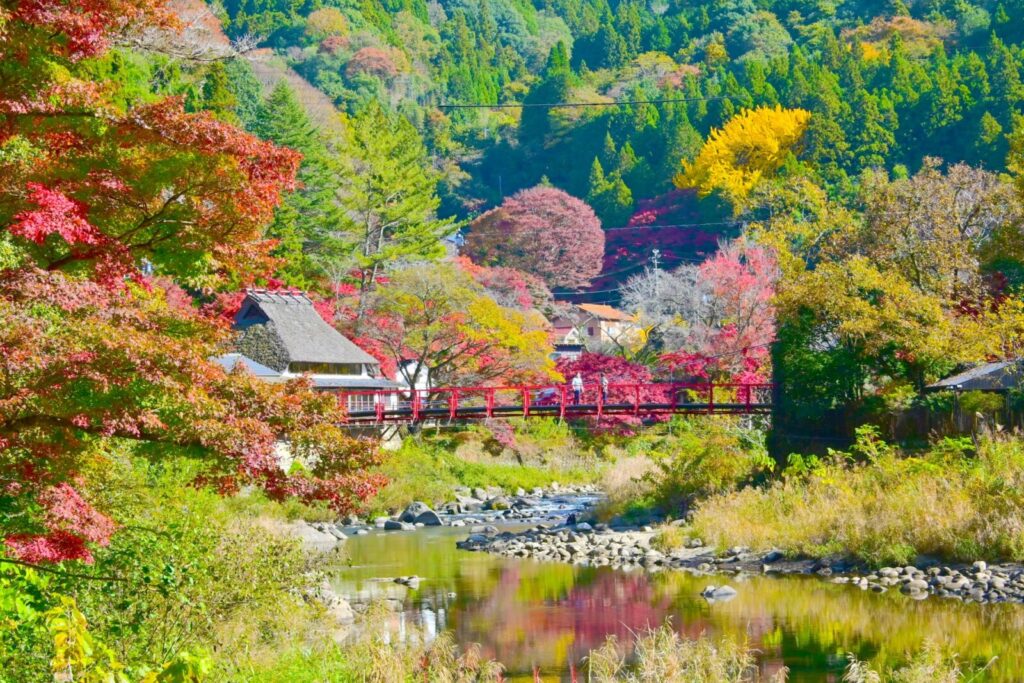
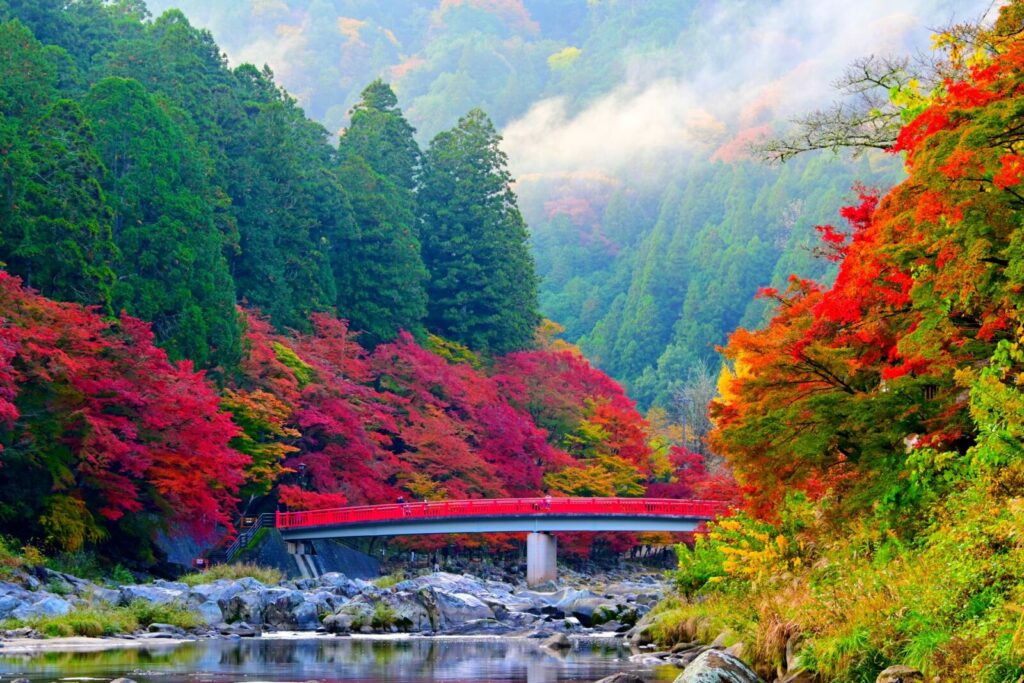
A vivid red arch spanning the Tomoe River. The most iconic photo spot in Korankei, especially when surrounded by autumn leaves.
Kojakuji Temple (香積寺)
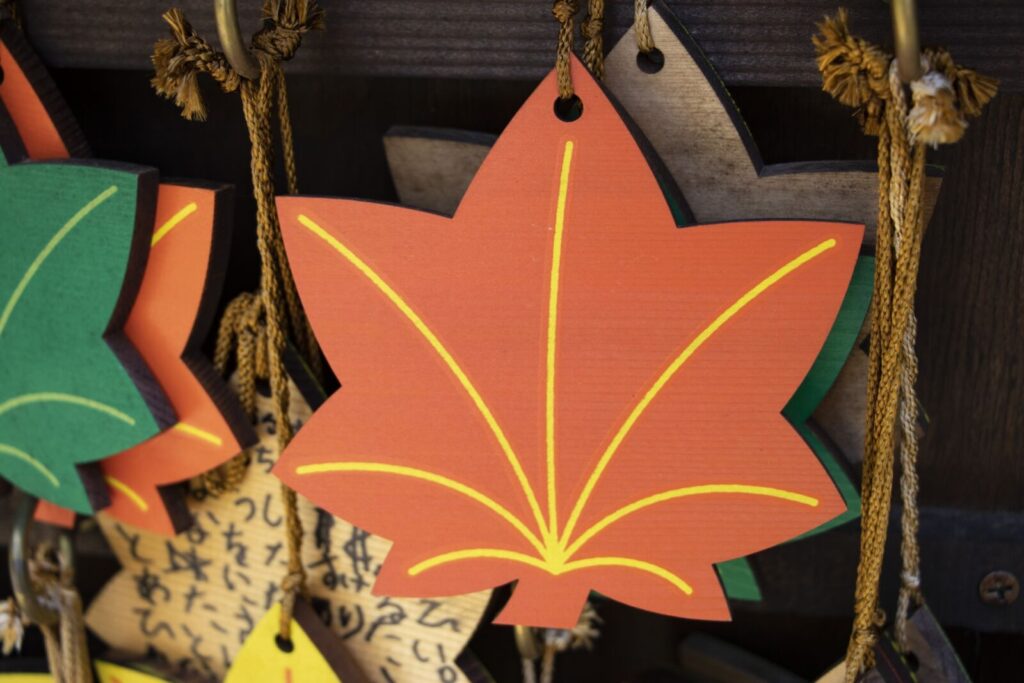
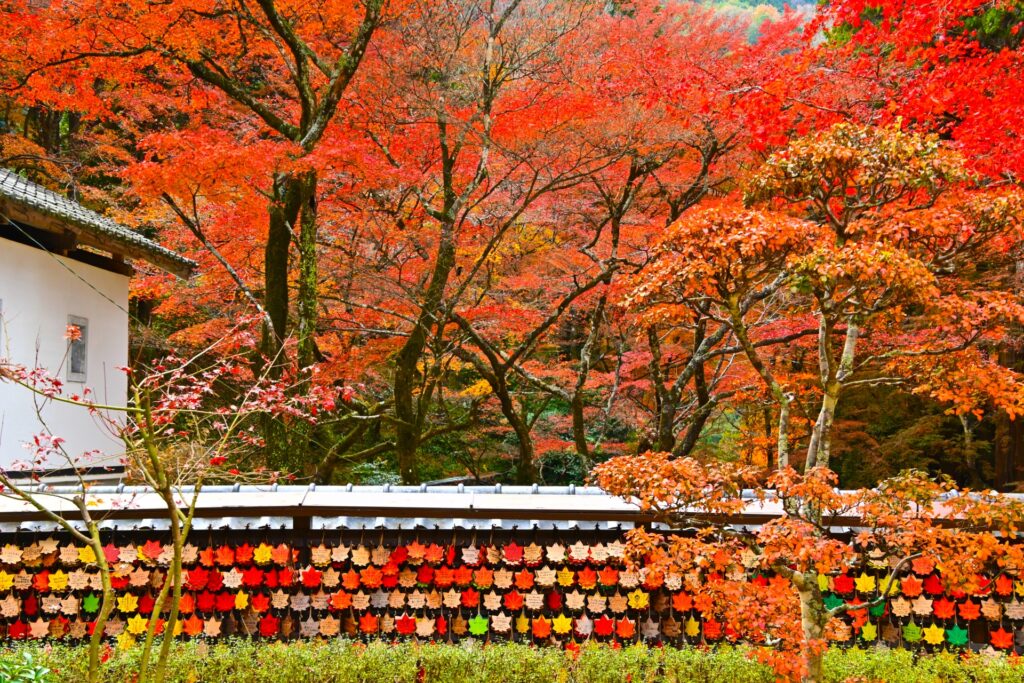
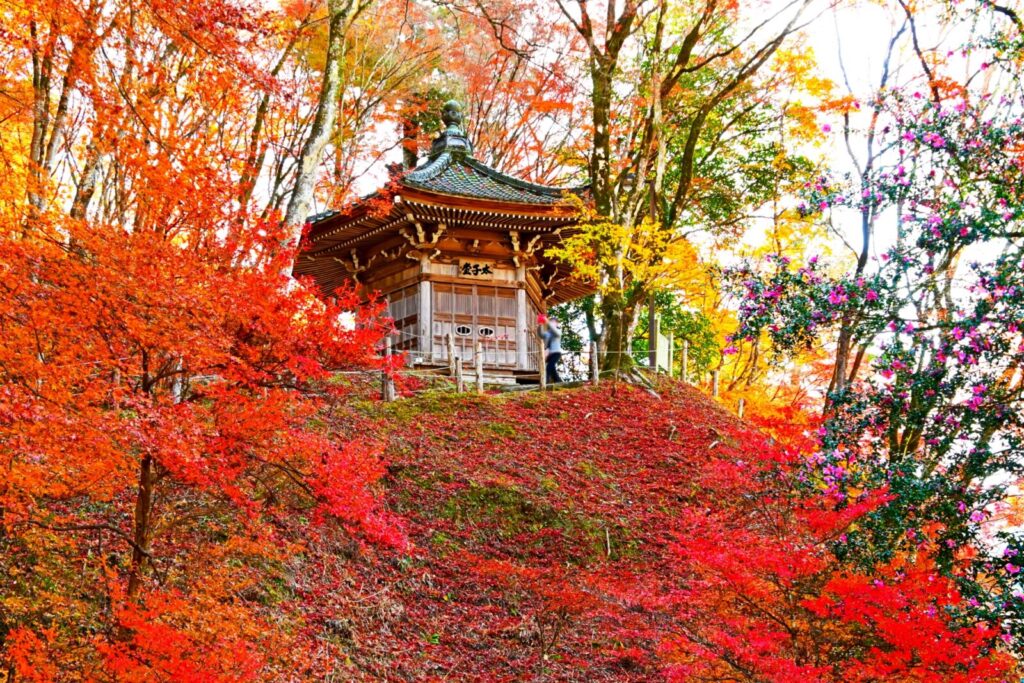
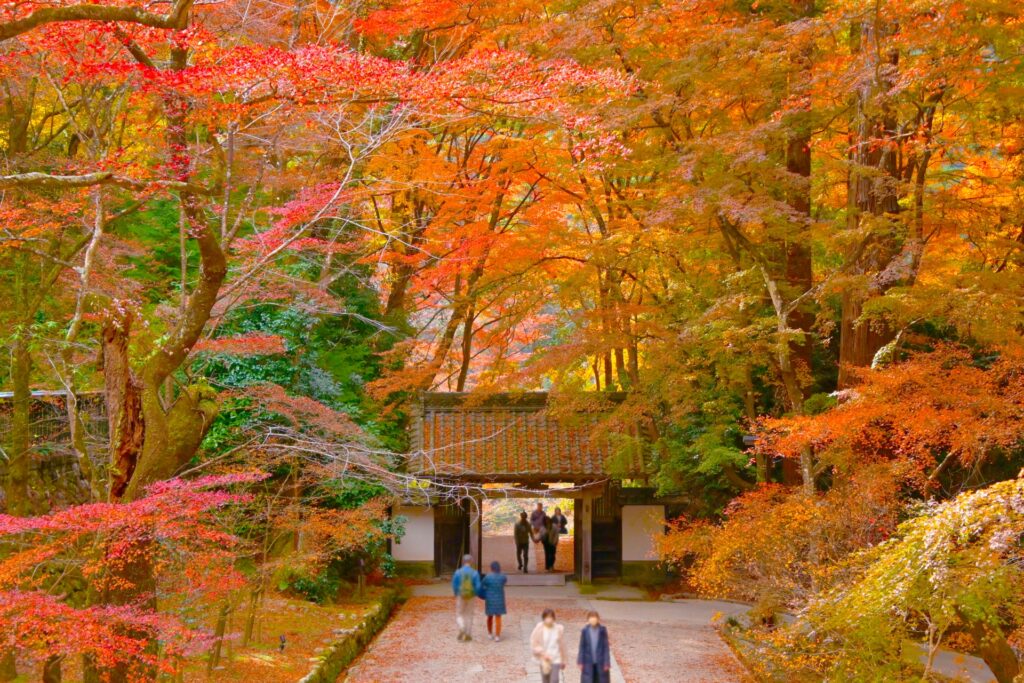
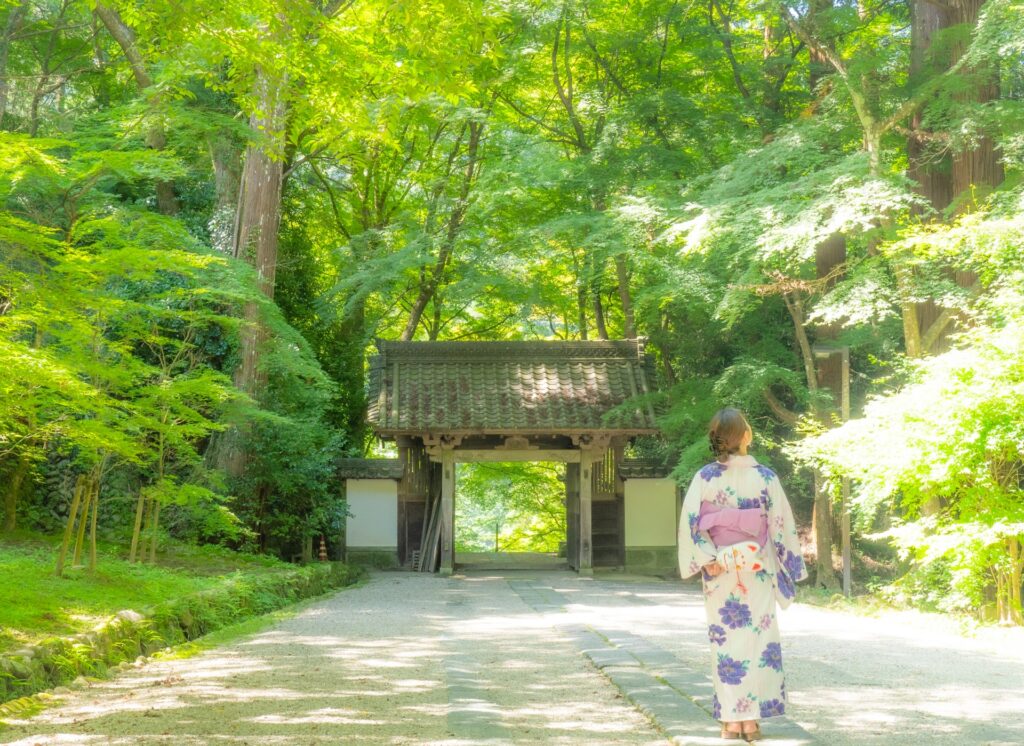
Established in 1427, this peaceful temple sits amid tall maple trees and ancient cedars. The tree-lined approach becomes a “tunnel of leaves” in the summer and fall.
Iimori Mountain (飯盛山)
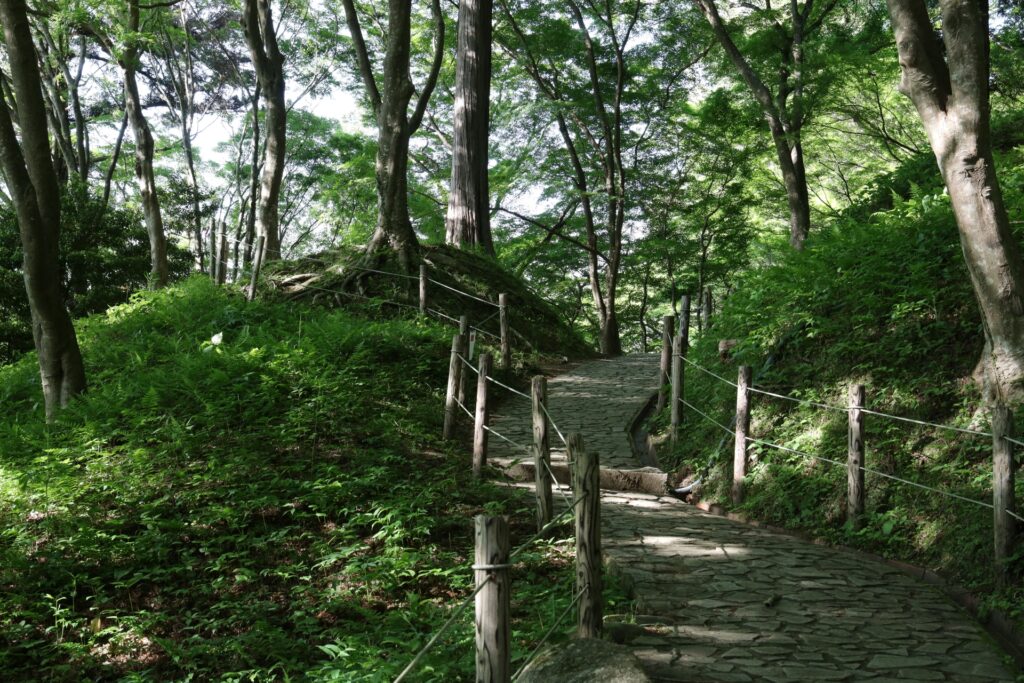
Standing 254 meters tall, this gentle climb (approx. 15 minutes) offers sweeping views of the valley, especially stunning during the fall foliage.
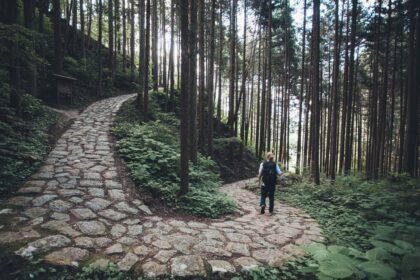
The Historic Town of Asuke (足助町)
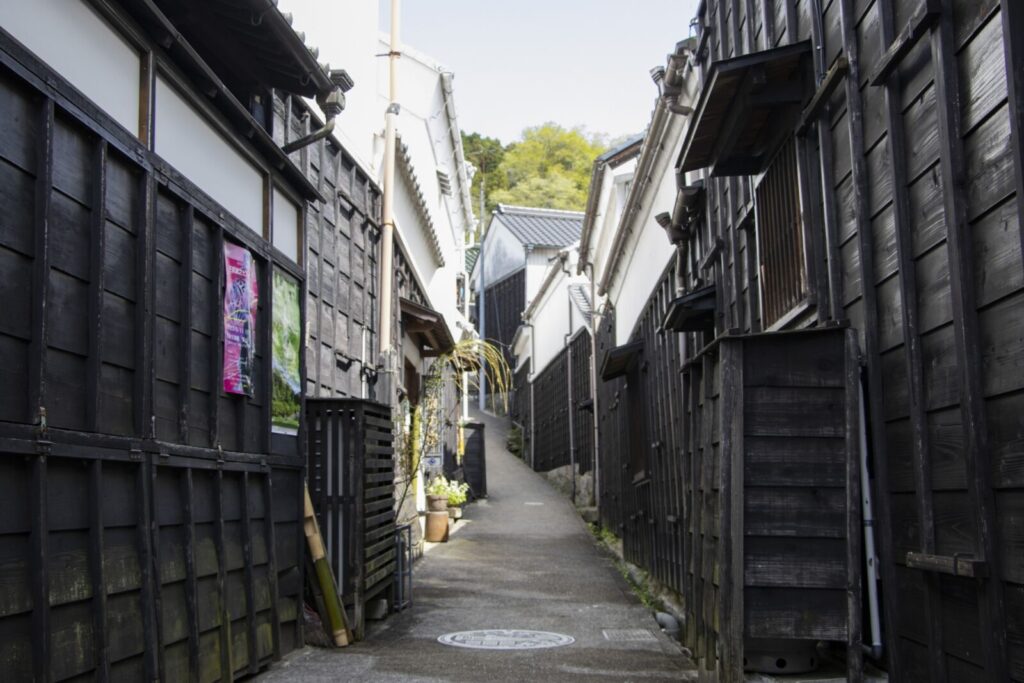
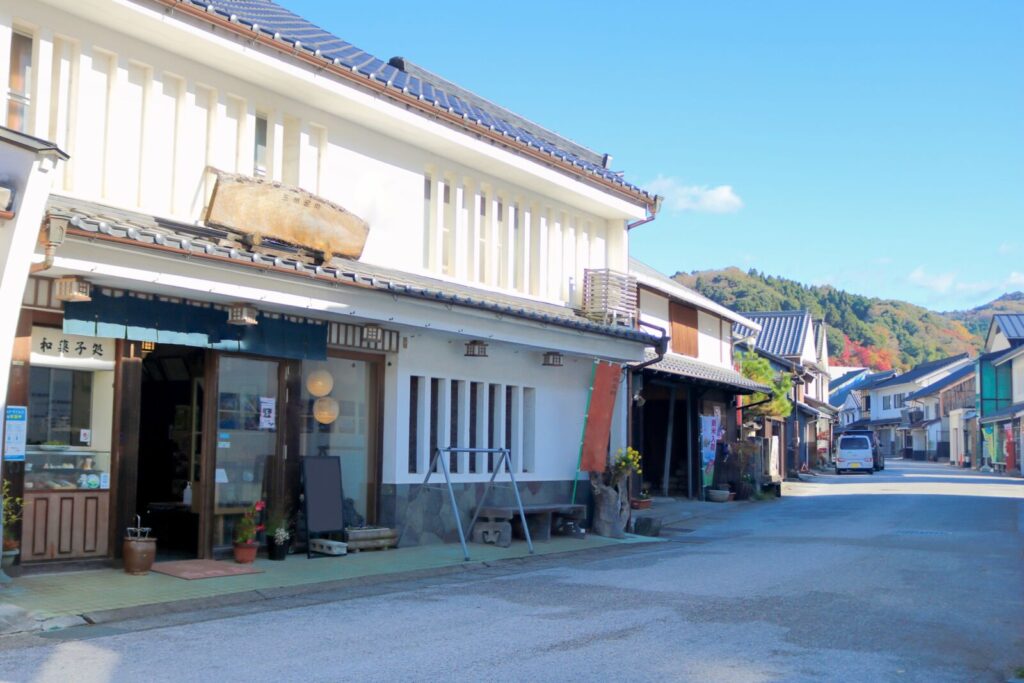
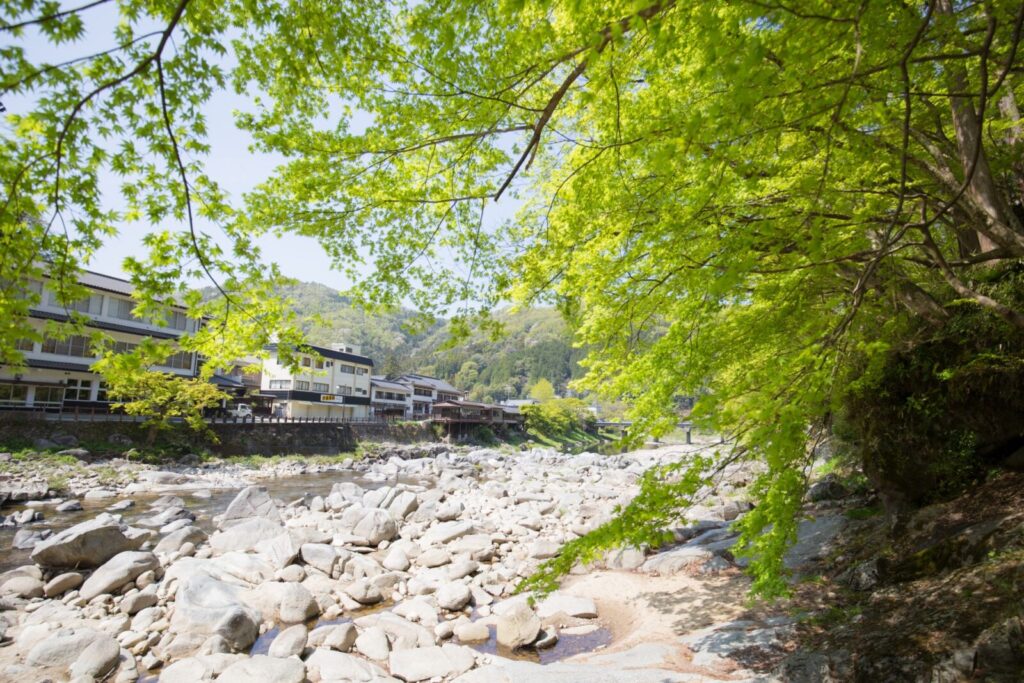
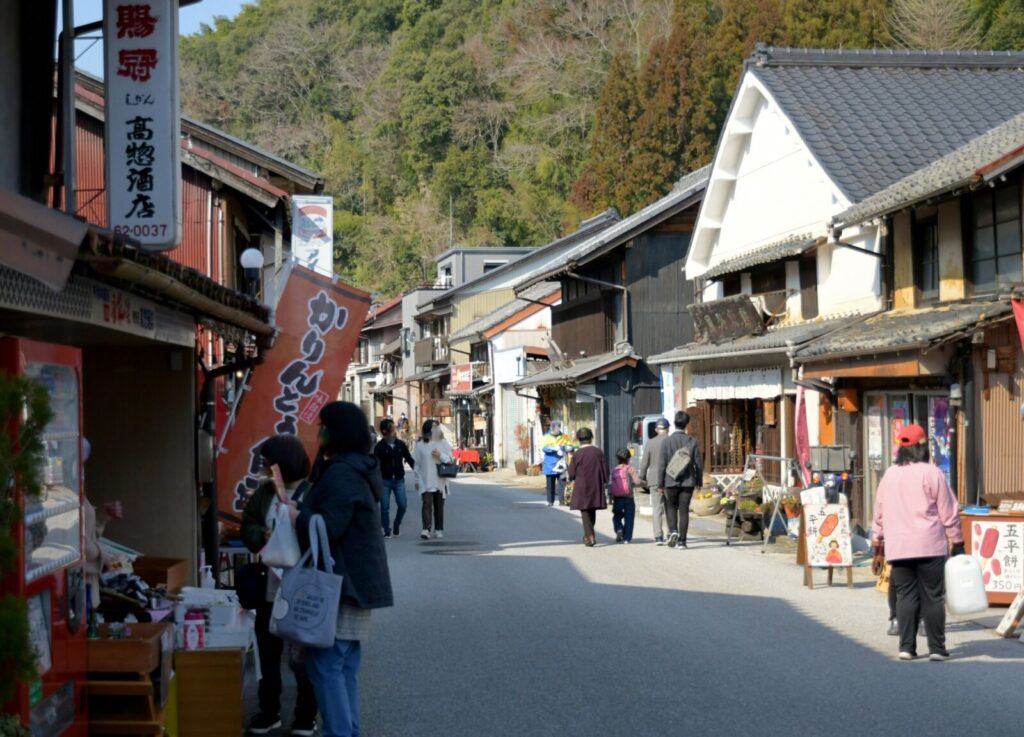
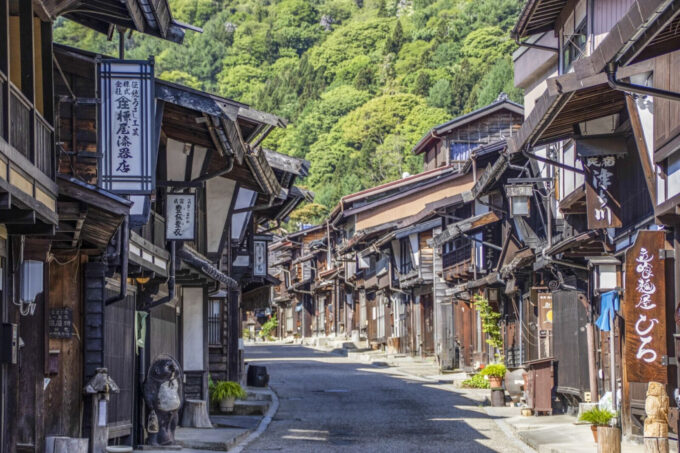
A 10-minute walk from the valley, Asuke is designated as an Important Preservation District. Visitors can stroll down 2 kilometers of Edo-era streets lined with whitewashed kura warehouses, latticework homes, and traditional shops.
Sanshu Asuke Yashiki (三州足助屋敷)
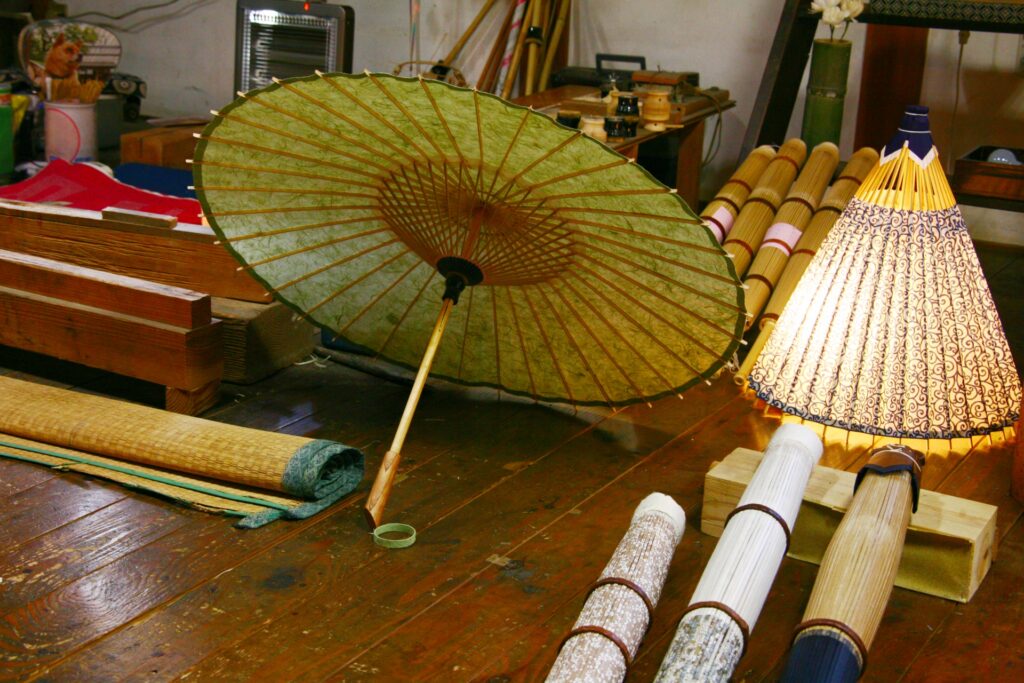
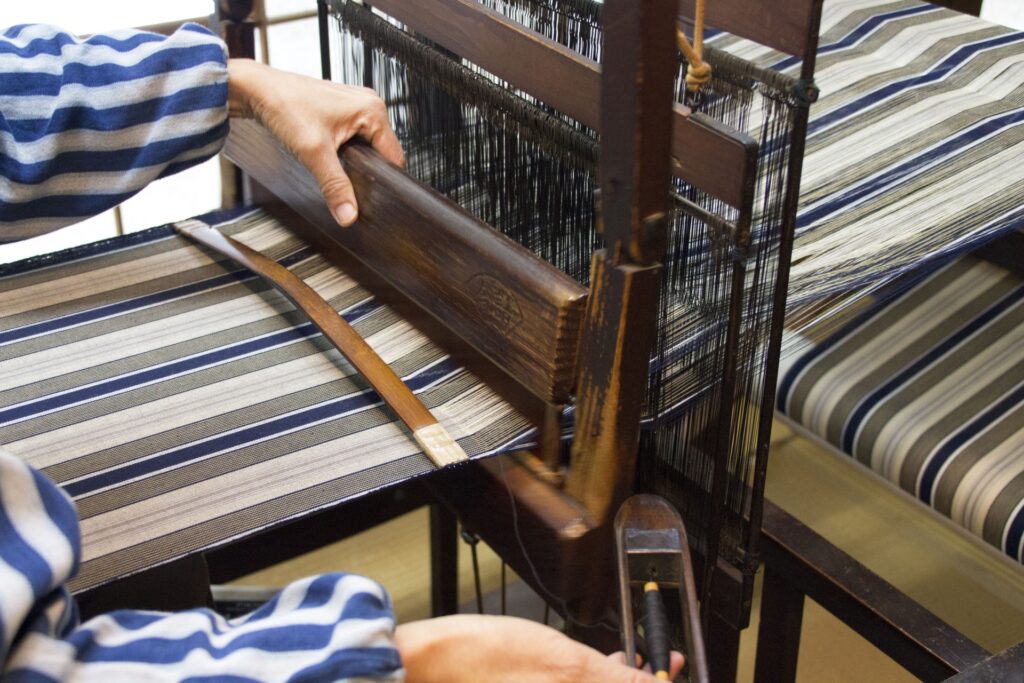
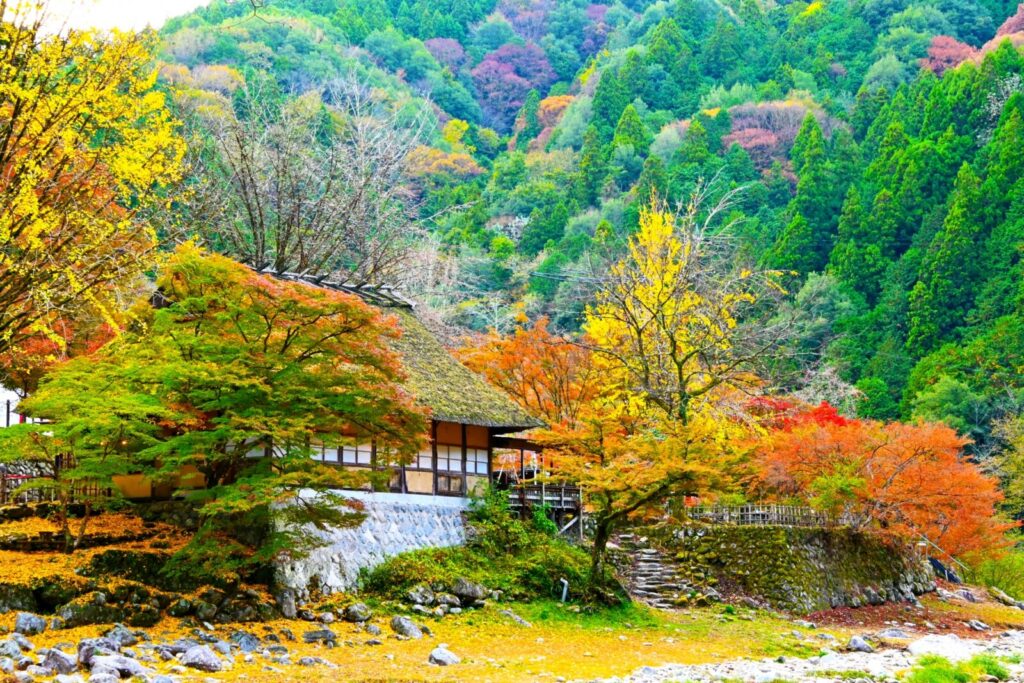
A reconstructed traditional estate showcasing 10+ types of old handcrafts such as washi papermaking, indigo dyeing, and bamboo works. Hands-on workshops are available. And don’t miss the restaurant which serves local specialties like gohei-mochi, grilled sweetfish, and soba noodles.
Seasonal Illuminations & Events
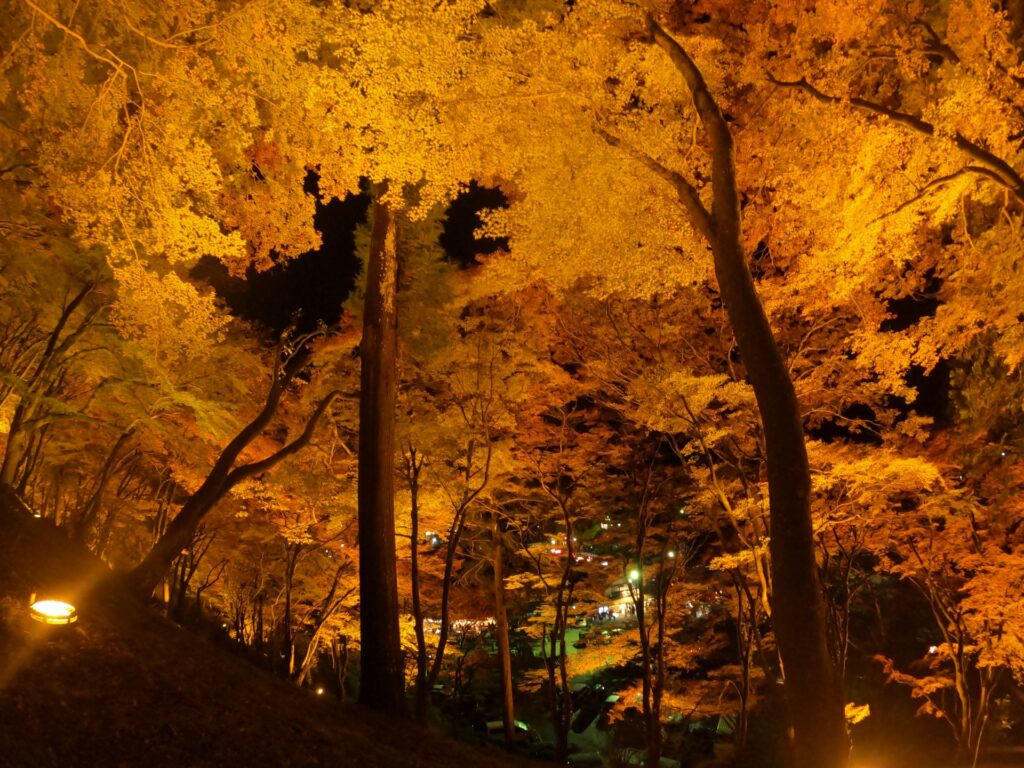
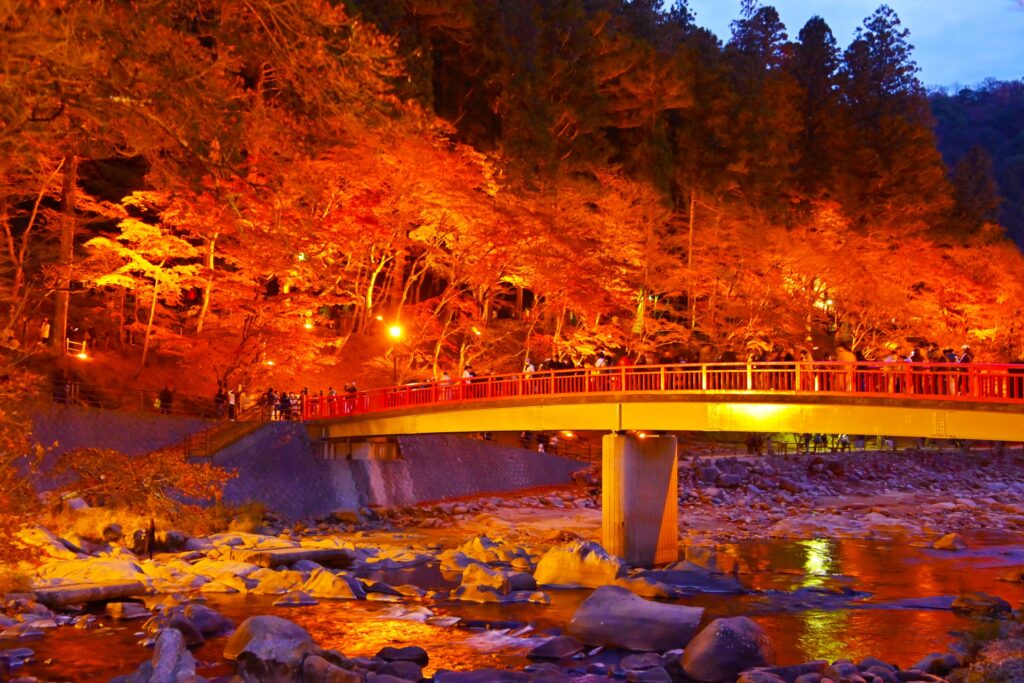
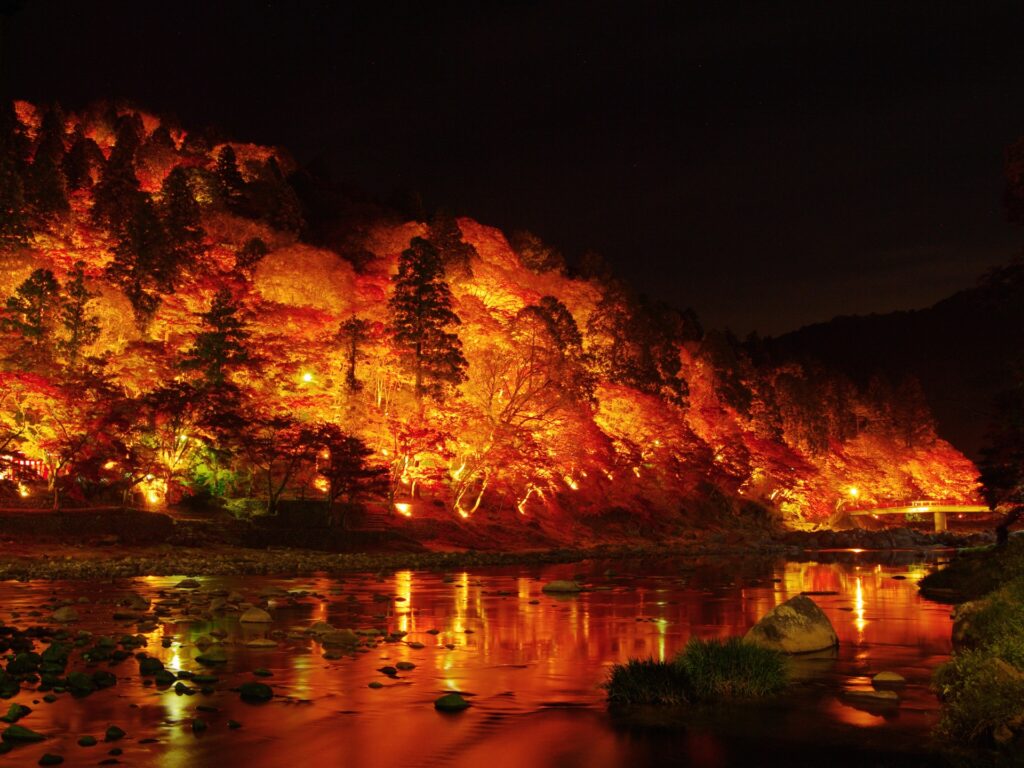
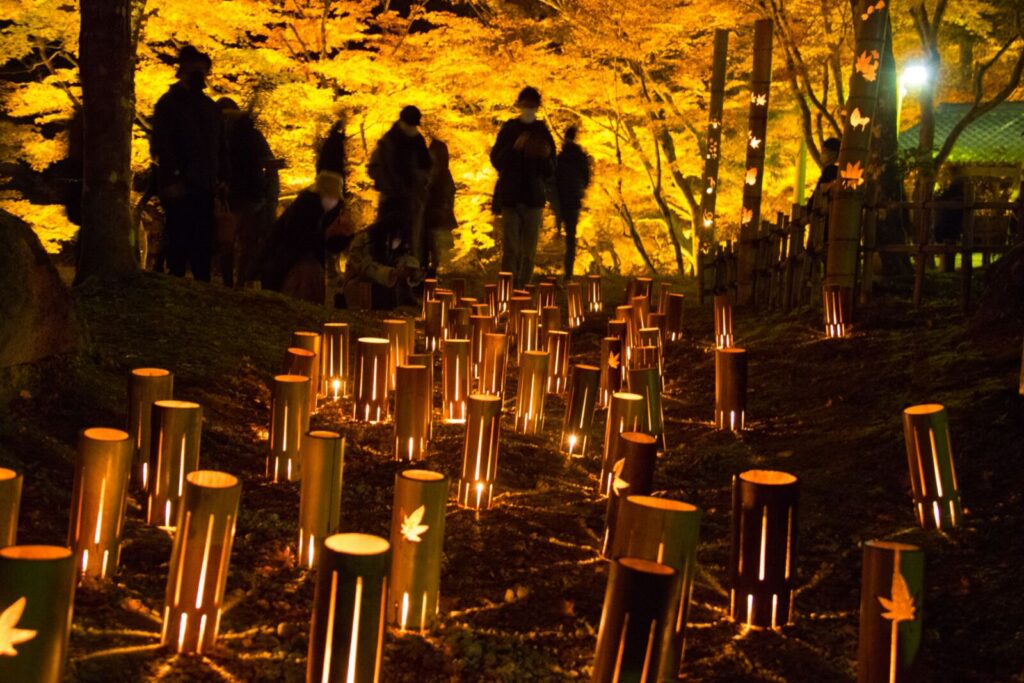
During the Momiji Festival, the gorge is lit nightly until 21:00. On weekends, jazz performances and candle wish ceremonies create a dreamlike evening atmosphere.
Touring Korankei
Best Time to Visit:
- Mid to late November for autumn leaves
- March to April for katakuri flower season
- All summer for greenery and an escape from the summer heat
It is important to note that there is heavy traffic to Korankei during the autumn leaves season. Parking is limited, so it is recommended to travel to Korankei via public transport or tour group.
How to Get to Korankei:
Option 1: From Nagoya via Higashi-Okazaki
Take the Meitetsu Nagoya Line from Nagoya Station to Higashi-Okazaki Station (approx. 30–40 minutes), then transfer to a Meitetsu Bus bound for Asuke/Kōrankei (approx. 1 hour 10 minutes). Get off at Korankei Bus Stop or Asuke.
- Total travel time: around 1 hour 40 minutes
- Estimated fare: approx. ¥1,700
Option 2: From Nagoya via Toyota-shi
Take the JR Chūō Line from Nagoya Station to Toyota-shi Station (via a transfer at Kozoji Station), then take a Meitetsu Bus bound for Asuke/Kōrankei (approx. 45–60 minutes). Get off at Korankei Bus Stop or Asuke.
- Total travel time: around 2 hours
- Estimated fare: approx. ¥1,800
Tours of Korankei:
Recommended Tour: Snow Monkey Resort's 1-Day Tour from Nagoya: Korankei Gorge & Fox Shrines—A Photographer's Paradise is not only a photographer’s dream, taking you to some of Nagoya’s most photogenic spots, but also offers a perfect blend of nature, culture, and timeless beauty.
Travel to the iconic Toyokawa Inari Shrine and capture the serene beauty of its one thousand stone foxes. Marvel at the natural beauty of Korankei Gorge, one of Japan’s top spots for autumn foliage, where the vibrant colors of over 4,000 maple trees reflect off the tranquil waters. Explore Sanshu Asuke Yashiki Village, a picturesque open-air museum, where rural charms and traditional crafts await.
Of course, we also offer private tours and transport in and around the Nagoya area, and other regional destinations. We can also arrange for both custom tours with an English-speaking guide or a private charter.
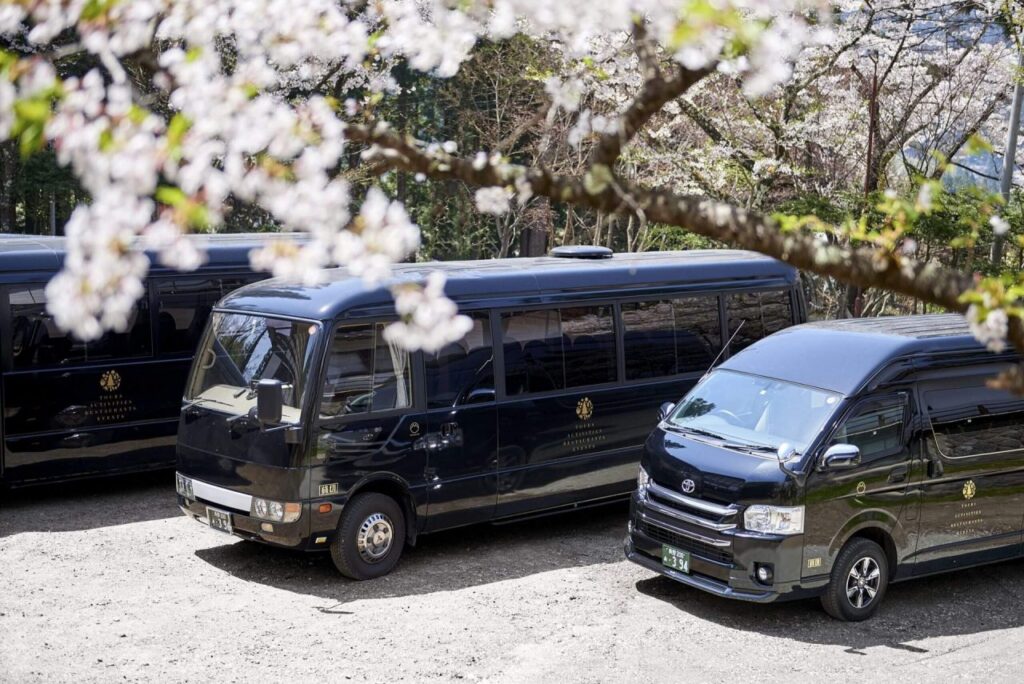
Our drivers and vehicles are fully certified, allowing us to transport you to and from your preferred destinations in combination with any activity that suits your schedule. All vehicles are well-maintained and in good condition, allowing you to relax and enjoy your ride to wherever you are going.
With door-to-door service, we can pick you up from where you are and take you to where you want to go anywhere in Central Japan and the neighboring regions.
For more information, please check our standard charter rates or contact us for a custom trip. We’d love to be part of your adventure in Central Japan and help you discover even more!
Frequently Asked Questions (FAQ)
When is the best time to visit Korankei?
The most popular time is mid-to-late November for the peak of autumn foliage. However, spring and summer are also great times to visit for katakuri blooms and greenery.
How long does the Momiji Festival last?
Usually from November 1st to 30th.
Is there an entrance fee?
No. Entry to Korankei is free, though some experiences and parking areas may charge fees.
Is Korankei accessible by public transport?
Yes. Take a train from Nagoya to Toyota-shi Station then a bus to Asuke Bus Stop. From there, it’s a short walk to Korankei. The trip takes about 2 hours, so it’s recommended to travel with a tour provider for ease of transportation and the benefits of a guided tour.
Can I visit Korankei with limited mobility?
Some pathways are paved and accessible, especially around the river and central area. However, some trails and bridges may involve stairs or uneven paths.
Are English-speaking guides or signs available?
We at Snow Monkey Resorts are proud to offer an English-guided tour of Korankei along with nearby Toyokawa Inari Shrine.
Additional Tips
- Arrive early during peak foliage season to avoid crowds and secure parking or travel with a tour operator.
- Try the gohei-mochi at the local food stalls. It’s a regional specialty you shouldn’t miss.
- If you're staying late for the night illumination, dress warmly, as it can get chilly near the river.