


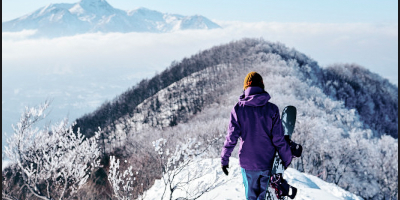
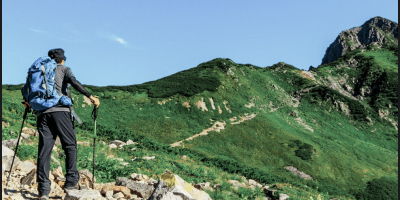



Blanketed in snow and surrounded by mountains, Takayama becomes a beautiful winter destination between December and February. Its historic streets, traditional buildings and nearby villages take on a quieter atmosphere, while the surrounding Japanese Alps provide dramatic snow-covered scenery.
Visitors can explore Shirakawa-go, ride the Shinhotaka Ropeway or walk through Takayama’s Historic Old Town. Winter is also an excellent season for hot springs, local food, photography and cultural experiences throughout Takayama and the wider Hida region.
When is Winter in Takayama?

Winter in Takayama generally lasts from mid-December until late February, with January and February typically providing the coldest temperatures and most reliable snowfall. Snow can begin earlier in the surrounding mountains, while conditions within central Takayama vary from year to year.
Nearby destinations including Shirakawa-go, the Shinhotaka Ropeway and the hot spring communities of Okuhida receive considerably more snow than central Takayama. These areas offer some of the region’s most impressive winter scenery but also experience colder temperatures and possible transport disruption during heavy snowfall.
For visitors hoping to experience deep snow, early January through mid-February is generally the most reliable period. However, snowfall and road conditions vary each year, so visitors should check current forecasts and transport information before travelling.
Top Winter Experiences in the Takayama Area
From snow-covered heritage villages to steaming mountain onsen, the Takayama area and its surrounding regions offer some of Japan’s most enchanting winter landscapes. Whether you’re wandering the historic streets of Takayama, venturing into the mountains at Shinhotaka, or exploring the UNESCO-listed village of Shirakawa-go, winter here is a season of quiet beauty and cultural richness. These are the must-visit spots to experience the best of winter across Takayama and the wider Hida region.
Shirakawa-go

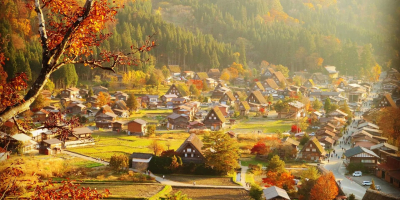
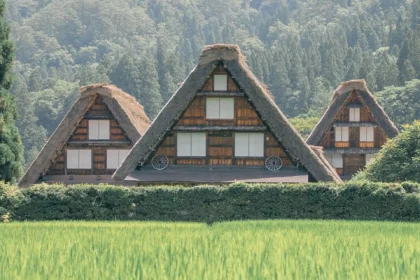
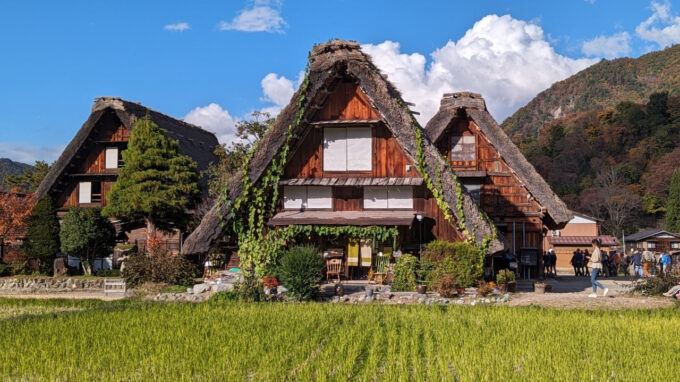
The UNESCO World Heritage village of Shirakawa-go is one of Central Japan’s most celebrated winter destinations. Its steeply pitched gassho-zukuri farmhouses were designed to withstand heavy snowfall, creating particularly beautiful scenery during January and February.
Special winter illumination events are held on a limited number of selected evenings. These are not nightly events, and access is strictly controlled. Visitors must arrange eligible transport, accommodation or parking in advance, while access to the Shiroyama Observatory requires a separate reservation. Do not travel to Shirakawa-go expecting to enter an illumination event without confirmed arrangements.
Shinhotaka Ropeway

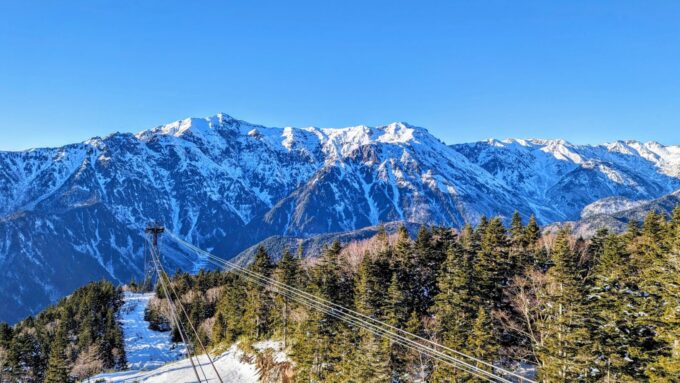
Soar above a snow-covered alpine valley aboard the Shinhotaka Ropeway, Japan’s only double-decker gondola. The observation deck at 2,156 metres offers panoramic views of the Northern Japan Alps blanketed in snow. The surrounding larch forests and mountains are particularly dramatic during winter.
Takayama Old Town
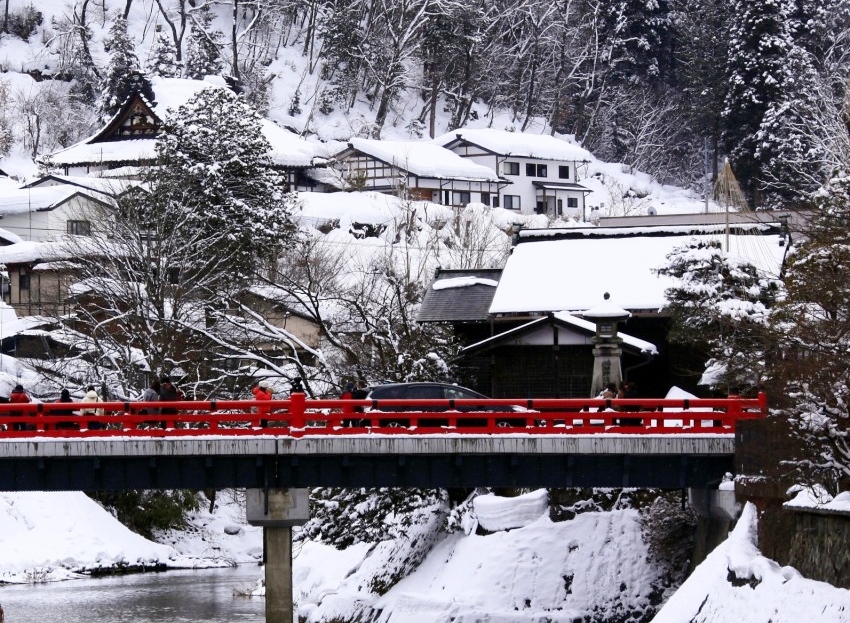
Wander through Takayama’s Historic Old Town, where the wooden merchant houses, sake breweries and craft shops of Sanmachi take on a peaceful atmosphere beneath the snow. Early mornings are especially attractive, with quieter streets and fewer visitors.
Okuhida Onsen
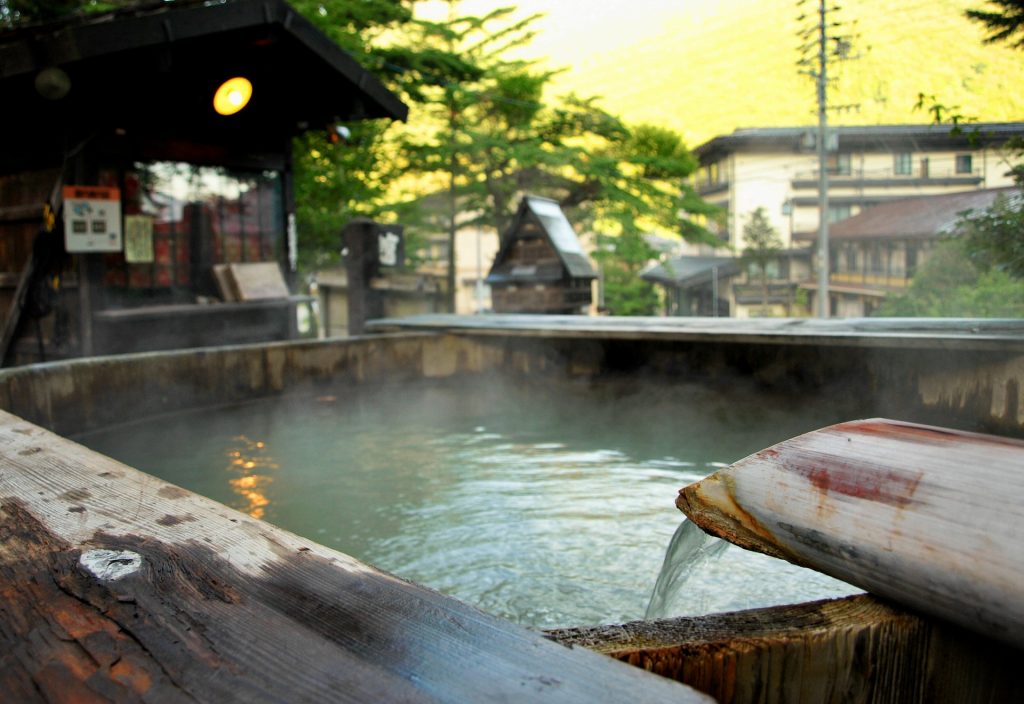
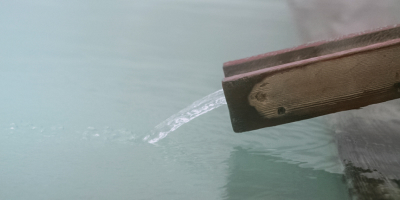
Relax in a traditional outdoor hot spring surrounded by snowy mountains in Okuhida Onsen. Its five hot spring communities include Hirayu, Fukuji, Shin-Hirayu, Tochio and Shin-Hotaka Onsen, with many traditional ryokan offering open-air baths and mountain views.
Hida Folk Village (Hida no Sato)

Traditional farmhouses set around a pond and snow-covered grounds make Hida Folk Village one of Takayama’s most photogenic winter attractions. The open-air museum operates throughout the year and provides an introduction to the traditional architecture and rural culture of the Hida region.
Cultural Highlights: Winter Atmosphere in Takayama

While winter in Takayama is quieter than the spring and autumn festival seasons, the town’s atmosphere is incredibly rich and deeply traditional. Snow settles softly on tiled rooftops, the scent of grilled mochi and chestnuts drifts from old wooden storefronts, and lanterns glow along the narrow streets of the Old Town after sunset — giving the whole town a sense of quiet timelessness.
Winter is also one of the best times to experience Japanese seasonal customs, especially around New Year (Shogatsu). Local shrines like Hie Shrine and Sakurayama Hachimangu come alive with visitors offering the first prayers of the year, buying lucky charms, and sipping warm amazake. Many shops and markets decorate with pine and bamboo arrangements known as kadomatsu, and the Morning Markets sell festive crafts and winter produce throughout the season.
Just a short train ride from Takayama, the town of Hida-Furukawa hosts beautiful winter events such as the Santera Mairi (Three Temple Visit) in mid-January. Locals walk through snow-covered streets lined with candles made from snow, visiting temples to pray for a good year and illuminating the serene riverside with thousands of glowing lights — a truly magical sight for winter travellers.
Winter Tours You Shouldn’t Miss

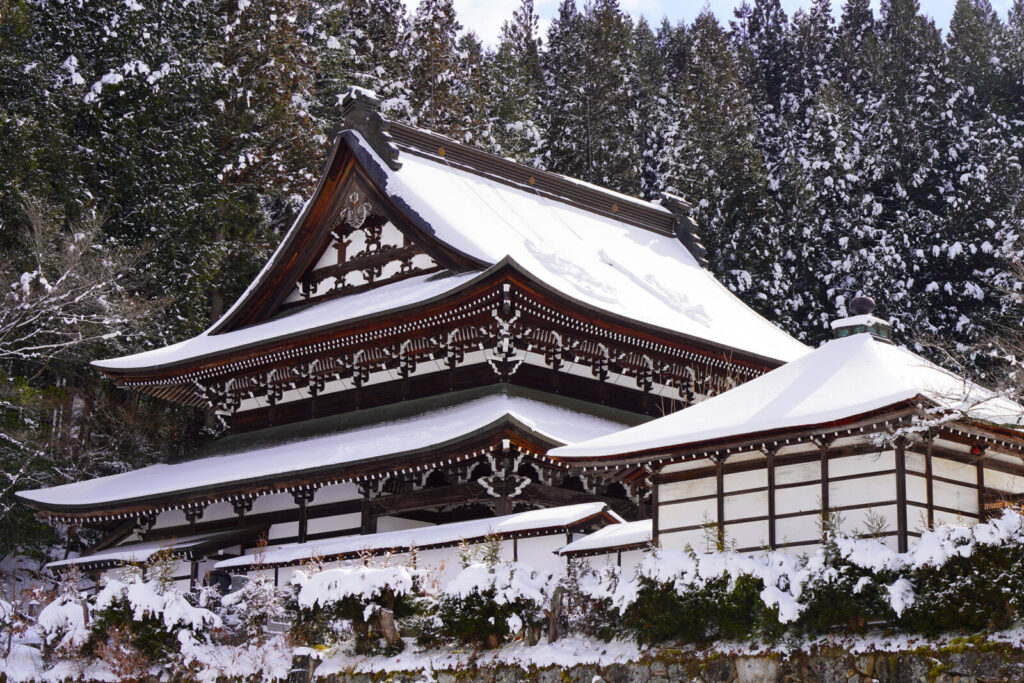


Winter in the Takayama region offers incredible sights, but snowy roads and remote locations can make travel challenging on your own. Joining a guided tour ensures a safe, comfortable, and stress-free way to explore the season’s best — from snow-covered heritage villages to mountaintop viewpoints and cultural gems tucked into the landscape. These tours are curated to highlight the most scenic and memorable experiences of the winter season.
1-Day Tour from Takayama: Explore Scenic Old Japan in Takayama and Shirakawa-go
Experience the timeless charm of Takayama and the snow-covered beauty of Shirakawa-go in a single day. Walk the atmospheric streets of Takayama’s Old Town, then visit the UNESCO-listed village of Shirakawa-go, where traditional thatched-roof houses look like something from a winter postcard.
Highlights:
- Explore Takayama’s Old Town in its peaceful winter state
- Visit Shirakawa-go blanketed in snow
- Enjoy panoramic views from the Shirakawa-go lookout
Best Selling
1-Day Tour from Takayama: Explore Scenic Old Japan in Takayama and Shirakawa-go
- Spots:
- TakayamaShirakawago
- Pick-up:
- Takayama
- Drop-off:
- KanazawaTakayama
1-Day Tour from Takayama: Hida’s Hidden Gems – Limestone Caves and the Shinhotaka Ropeway
Discover the cultural and natural scenery of the Hida region on this full-day winter tour. Begin at Hida Folk Village, where traditional farmhouses stand within a snow-covered landscape. Continue to the Hida Great Limestone Cave before ascending the Shinhotaka Ropeway for panoramic views of the Northern Japan Alps.
Highlights:
- Discover the icy interior of Hida’s Great Limestone Cave
- Ride the Shinhotaka Ropeway to 2,156 metres
- See some of the season’s earliest and most dramatic snow scenery
Recommended
1-Day Tour from Takayama: Hida's Hidden Gems - Hida Folk Village, Limestone Caves and the Shinhotaka Ropeway
- Spots:
- TakayamaShinhotaka
- Pick-up:
- Takayama
- Drop-off:
- Takayama
1-Day Tour from Takayama: Delve into Hida-Furukawa’s Cultural Treasures
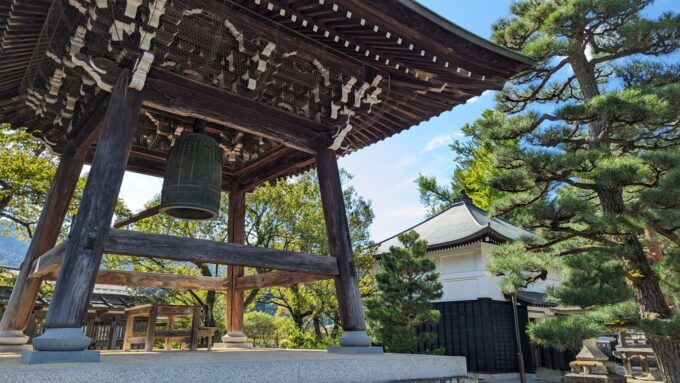
Step into the quiet elegance of Hida-Furukawa, where traditional townscapes meet seasonal charm. On this cultural tour, you’ll explore beautifully preserved storehouses and temples, learn about local crafts, and experience the deep-rooted customs of a town that glows with history — especially in winter.
Highlights:
- Stroll through snow-covered streets and storehouses in Hida-Furukawa
- Visit local temples and learn about winter traditions
- Gain insight into the culture behind Santera Mairi and other seasonal events
Tips for Visiting in Winter
- Dress warmly: Bring layered clothing, a waterproof outer layer, gloves, a warm hat and footwear suitable for snow and ice. Mountain areas such as the Shinhotaka Ropeway and Shirakawa-go are considerably colder than central Takayama.
- Understand the Kamikochi closure: Public transport, accommodation and visitor facilities in Kamikochi close from mid-November until mid-April. Winter entry requires travelling on foot through serious alpine conditions and should only be attempted by experienced, properly equipped visitors.
- Check transport conditions: Heavy snowfall can delay or cancel buses, trains and ropeway services. Check current information before travelling to rural or mountain destinations.
- Book early: Accommodation and transport can become busy during the New Year period, weekends and winter illumination events. Reserve important services in advance.
- Try local winter food: Look for warming dishes such as Hida beef hotpot, miso soup and oden, along with seasonal dishes served by restaurants throughout Takayama.
- Consider a tour or charter: Winter roads and public transport connections can be difficult to navigate during heavy snow. A guided tour or private charter can provide direct transport to destinations outside central Takayama.
Frequently Asked Questions (FAQ)

When does it snow in Takayama?
Snow can begin falling during December, with January and February generally providing the most consistent winter conditions. Snowfall varies each year, and nearby mountain areas usually receive snow earlier and in greater quantities than central Takayama.
Can I visit Shirakawa-go in winter?
Yes. Shirakawa-go is accessible throughout winter and is particularly famous for its snow-covered gassho-zukuri farmhouses. Special illumination events are held only on selected dates and require advance arrangements.
Is Kamikochi open during winter?
Regular public transport, accommodation and visitor facilities in Kamikochi close from mid-November until mid-April. Winter entry requires travelling on foot through deep snow and serious alpine conditions. It should only be attempted by experienced visitors with appropriate equipment and preparation.
What should I wear in Takayama during winter?
Wear warm, layered clothing with a waterproof outer layer. Snow-ready boots, gloves and a warm hat are strongly recommended. Temperatures in alpine areas and nearby mountain communities can fall well below freezing, particularly during the morning and evening.
Are there winter tours from Takayama?
Yes. Guided winter tours operate from Takayama to destinations including Shirakawa-go, Hida Folk Village, the Hida Great Limestone Cave and the Shinhotaka Ropeway. Private charters are also available for visitors who prefer a flexible itinerary.