

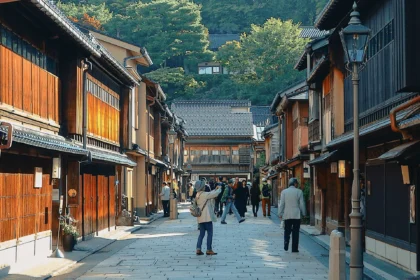

Located near the coast of the Sea of Japan, Kanazawa is a city brimming with history and culture. The city was entirely spared bombing during World War 2 and is in a relatively-safe area protecting it from earthquakes and typhoons, so most of the city's history is well-preserved. For any photographers looking to make the most of their time in Japan, Kanazawa is an absolute must-visit. Come with us as we take a deep dive into the city of gold to plan your journey through this amazing city. On the way, you'll find all the most iconic places to take pictures of the beautiful scenery as well as more than a handful of hidden gems!
1 - 5: Kanazawa Station Area
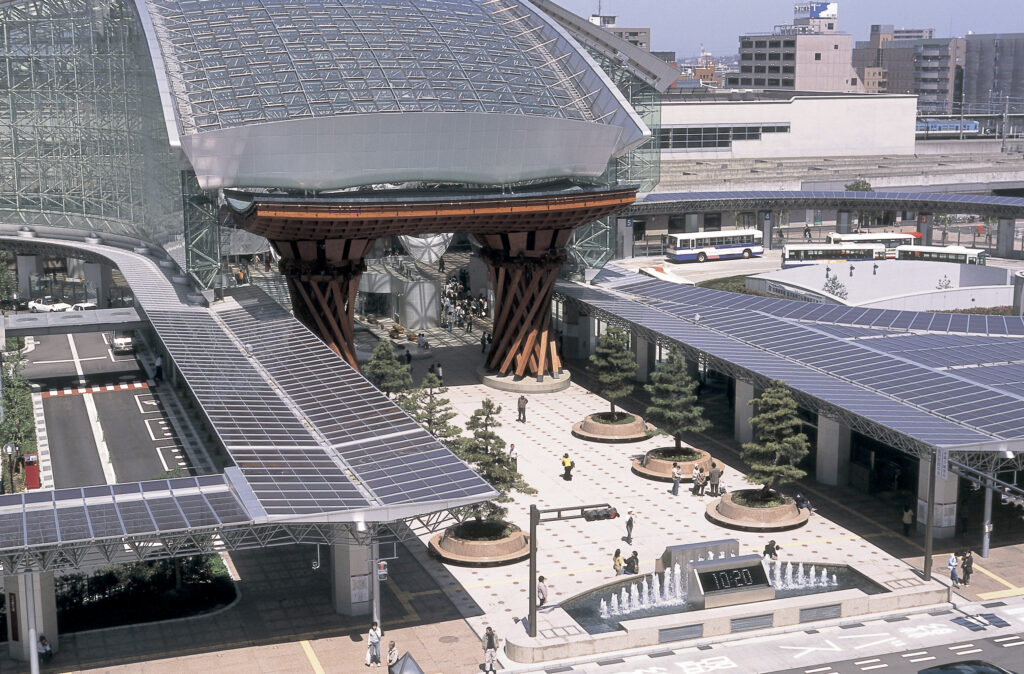
1 - Omotenashi Dome
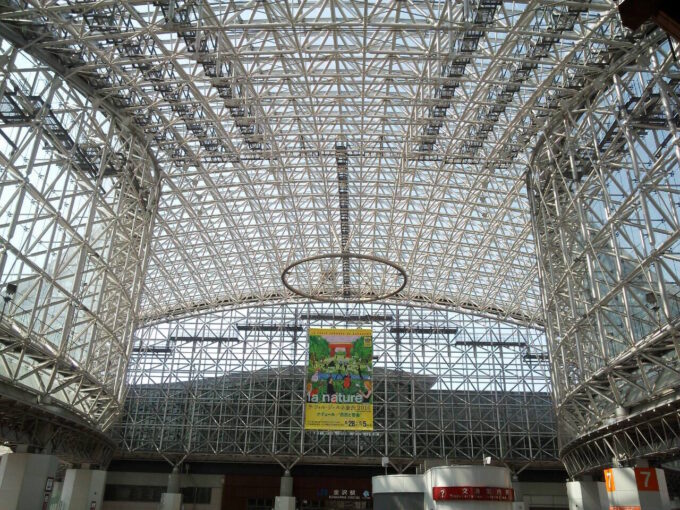
Literally meaning "The Hospitality Dome," this dome is meant to act as if the city itself is holding an umbrella to shield visitors from the region's rain and snow. It's illuminated at night, which makes the geometric shapes of Kanazawa Station contrast brilliantly against the night sky.
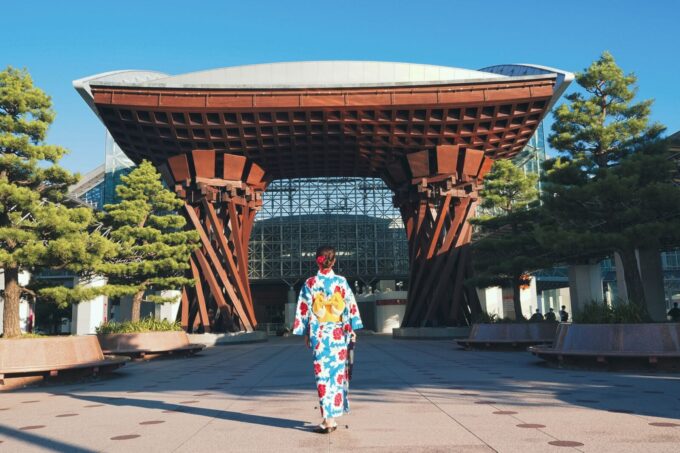
2 - Tsuzumi-mon Gate
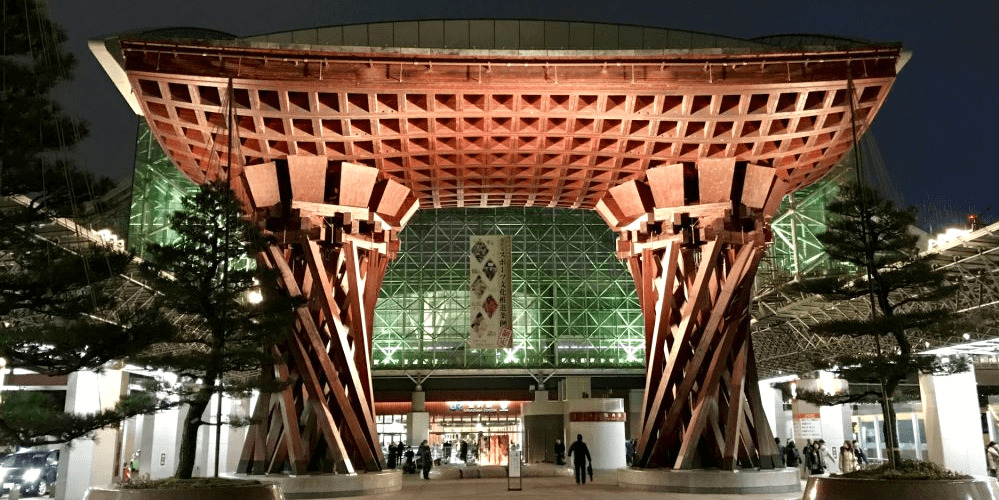
The Tsuzumi-mon was built in 2015 to celebrate the opening of the Hokuriku Shinkansen extension to Kanazawa. The designs is a brilliant blend of traditional torii gates and local geisha culture and modern architectural styles.
3 - Fountain Clock
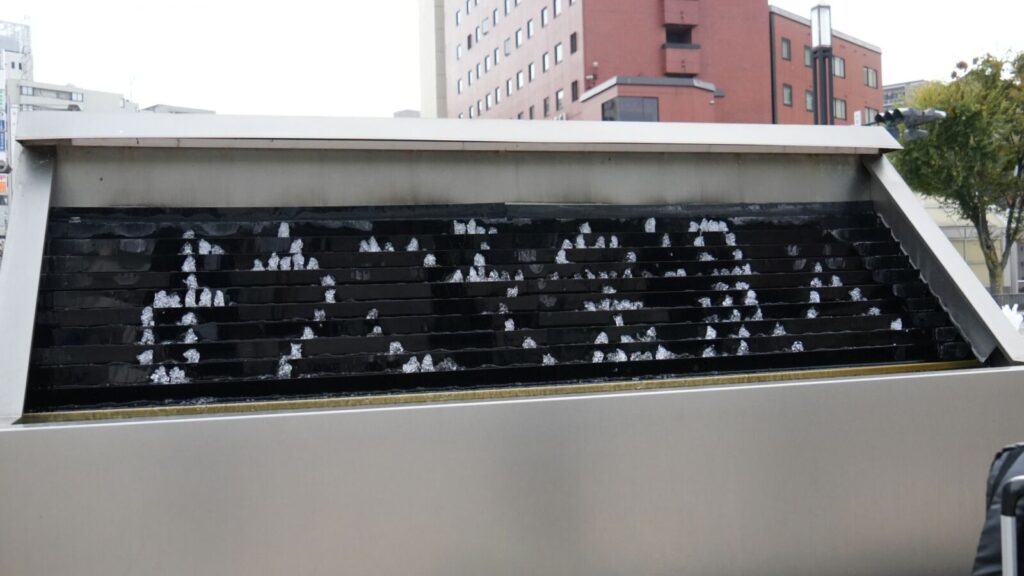
This clock sits directly opposite the Tsuzumi-mon Gate, literally welcoming people to the city (the writing above translating to "Welcome to Kanazawa") and telling the time. It switches every 15 seconds, so get your timing right!
4 - Kanazawa Main Approach
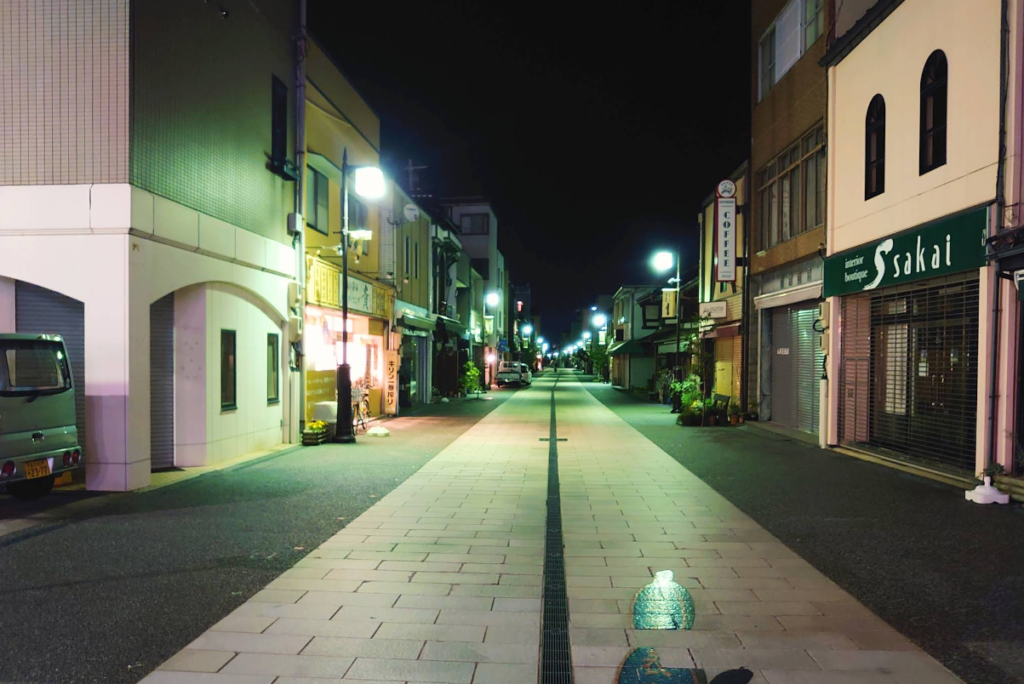
Once the beating heart of Kanazawa, this historic street is back on the rise ever since the shinkansen opened. The mix of generations-old businesses and new chic cafes and restaurants gives this street a timeless feel. Also on this street is Higashibestuin Temple, a massive Buddhist temple which towers over the street.
5 - Omicho Market
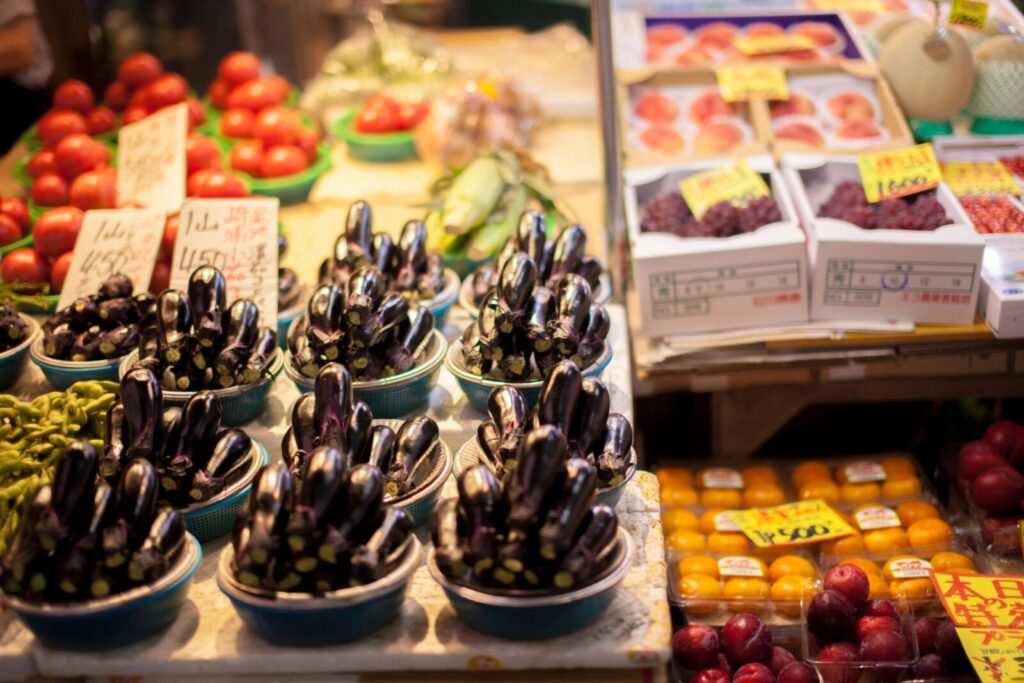
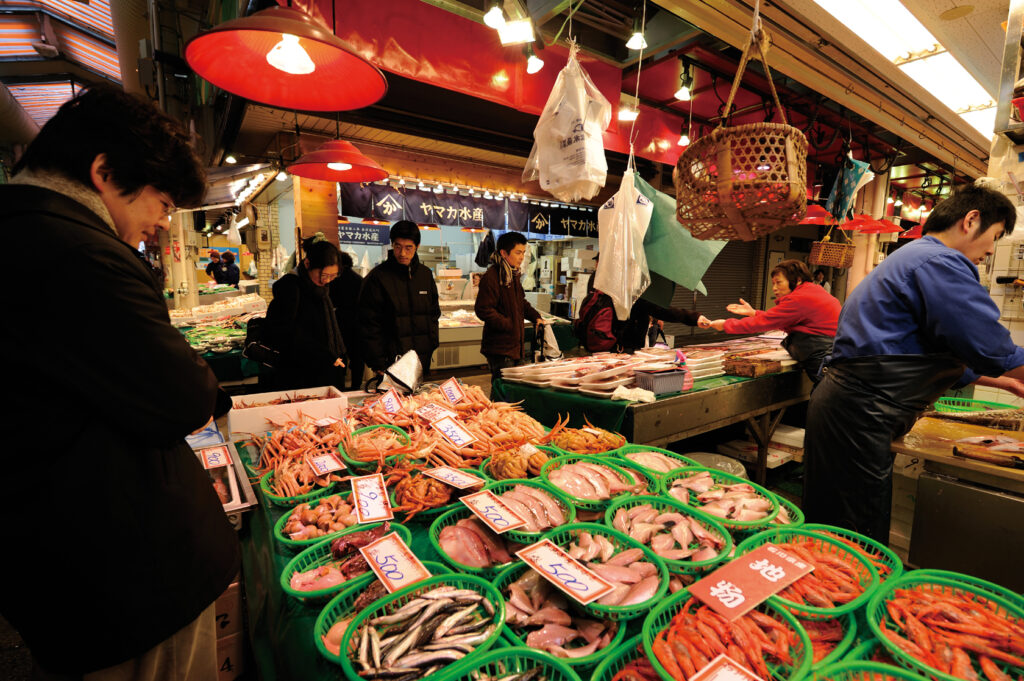
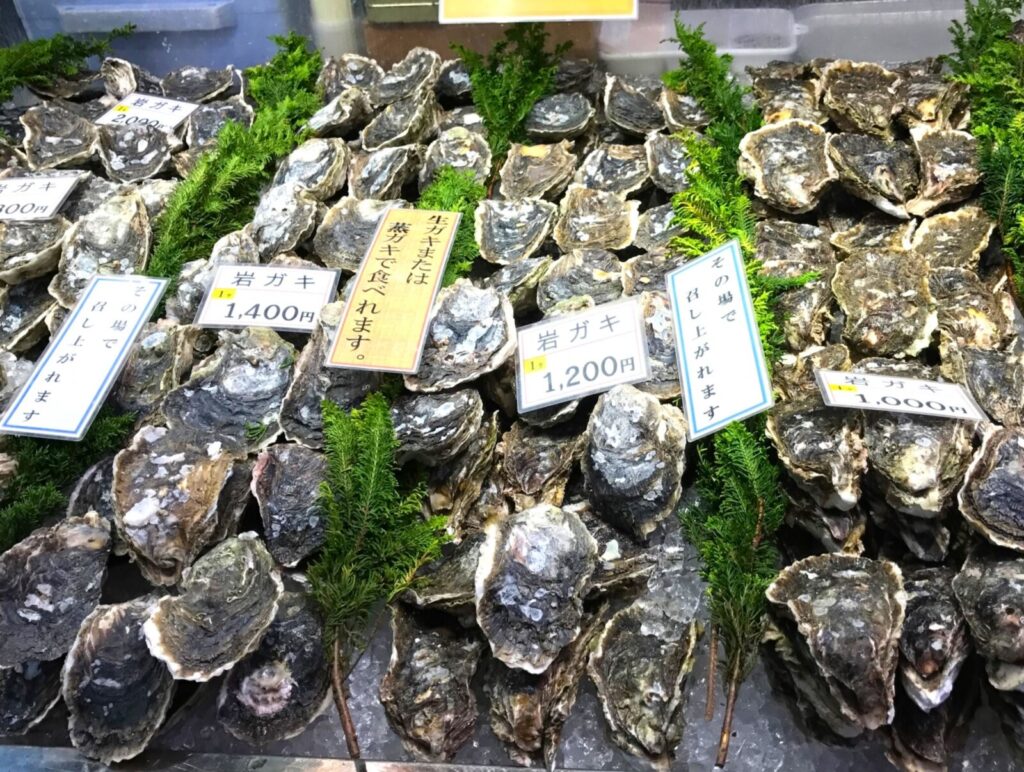
One of Japan's best fresh fish markets, Omicho has been a staple for visitors for more than 200 years. You can find some of the freshest fish you will ever eat, brought in daily by fishermen off the coast of the Sea of Japan. There are nearly 200 eateries inside, so you can sate your appetite before getting back to pictures!
6 - 16: Kanazawa Castle and Kenrokuen Area
6 - Ishikawa-mon Gate
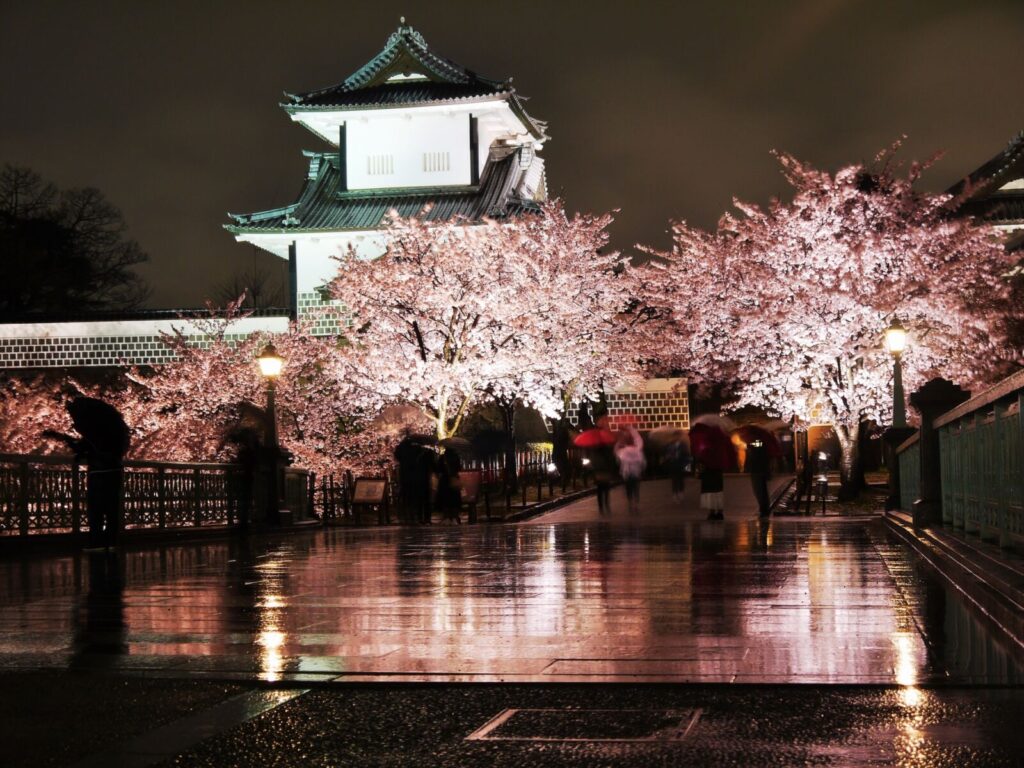
This gate is part of the oldest section of Kanazawa Castle, used by the old lords of Kanazawa to visit their private garden. Now, it is one of Kanazawa's most scenic spots, especially in early April when all the cherry blossoms are in bloom.
7 - Hashizume-mon Gate
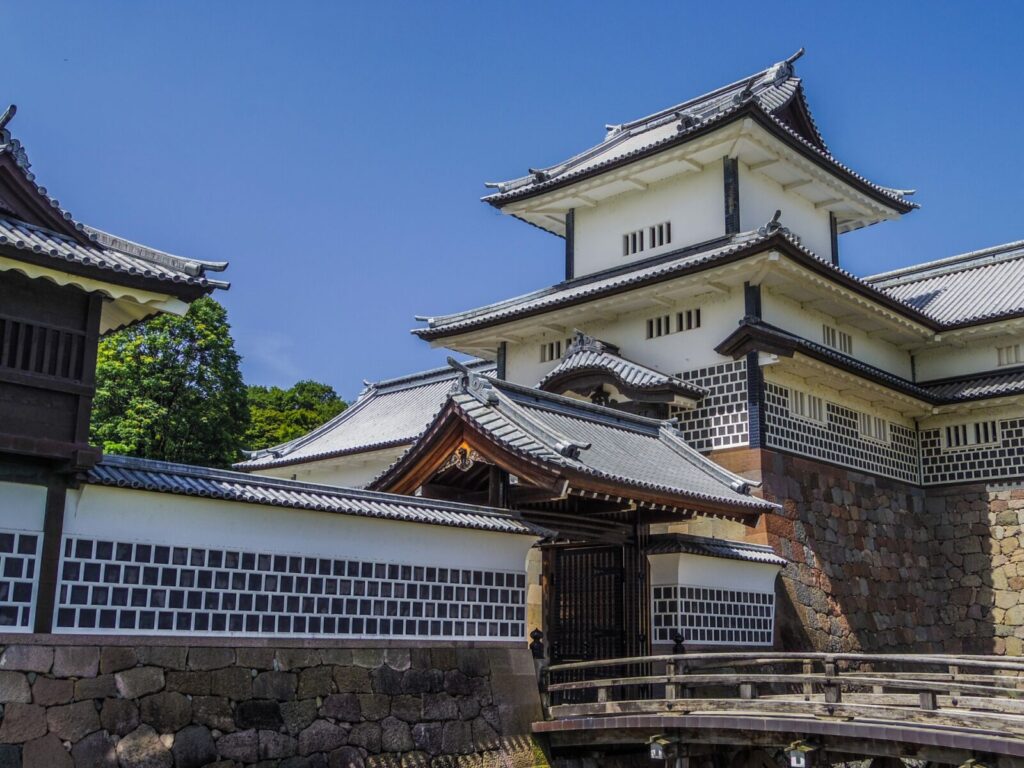
This gate was once the main gate to the castle. It offers a great view looking up at the main part of the castle. The small bridge leading into the central part of the castle also offers ample opportunities for some good pictures.
8 - Sannomaru Square
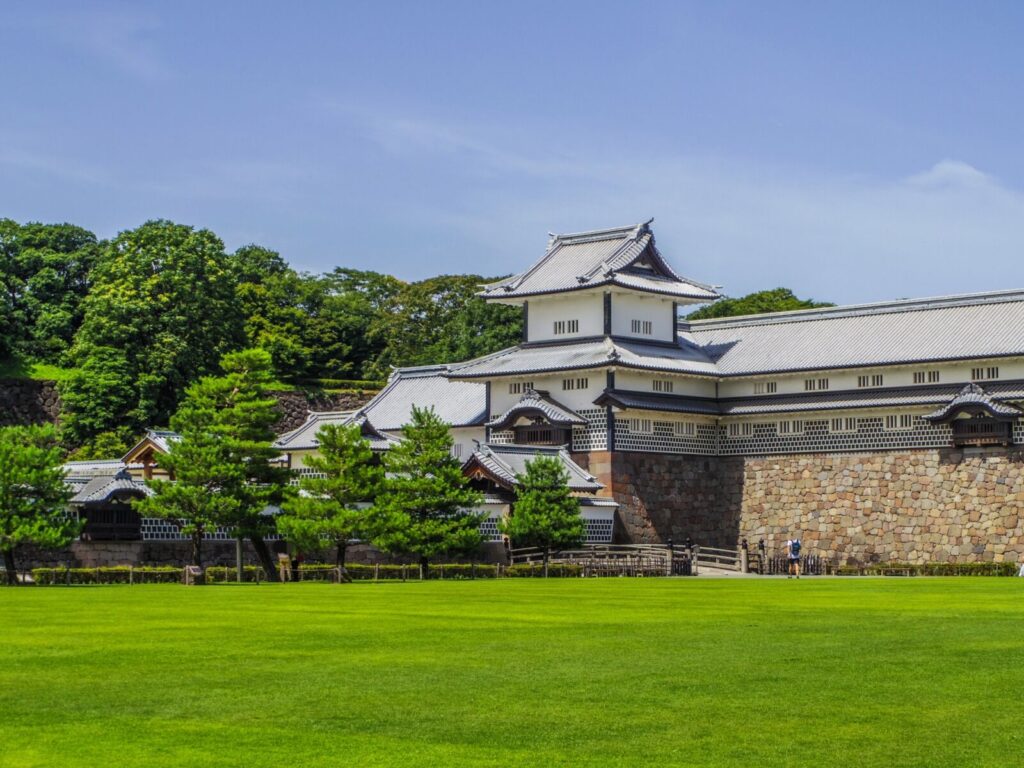
This garden area is perfect for wide-angle shots of the castle, particularly in summer.
9 - Ninomaru Stone Wall
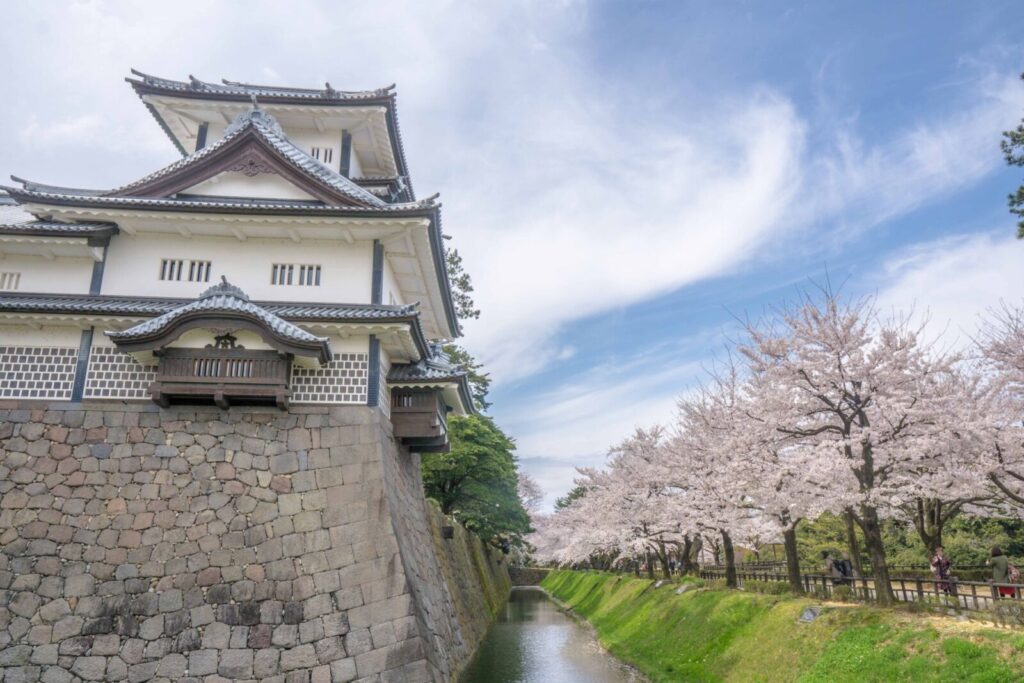
This walking path to the side of the castle is lined with cherry trees. At night, both the castle and the trees themselves are illuminated. The stones of the wall are arranged in a specific way to protect the castle against earthquakes.
10 - Gyokusen-inmaru Garden
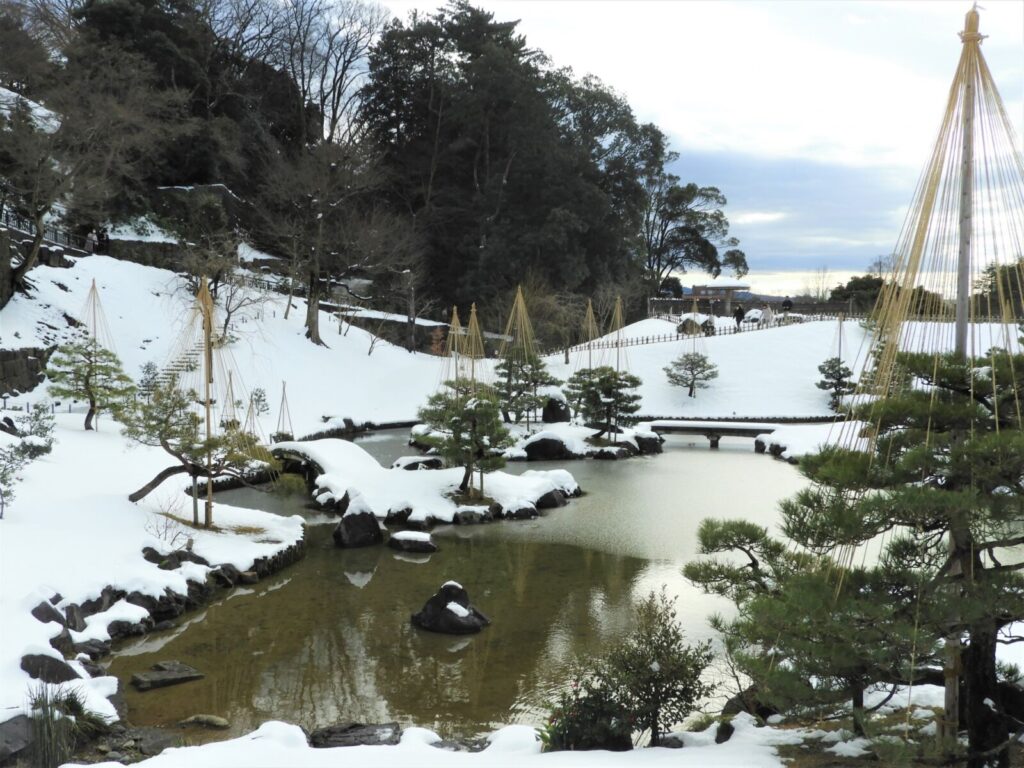
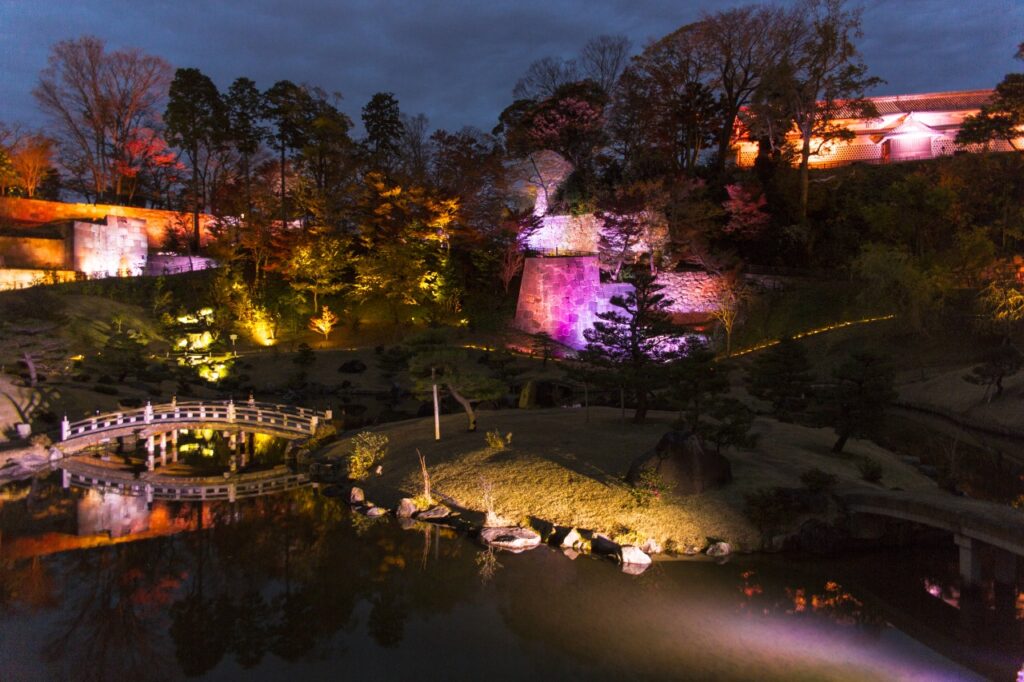
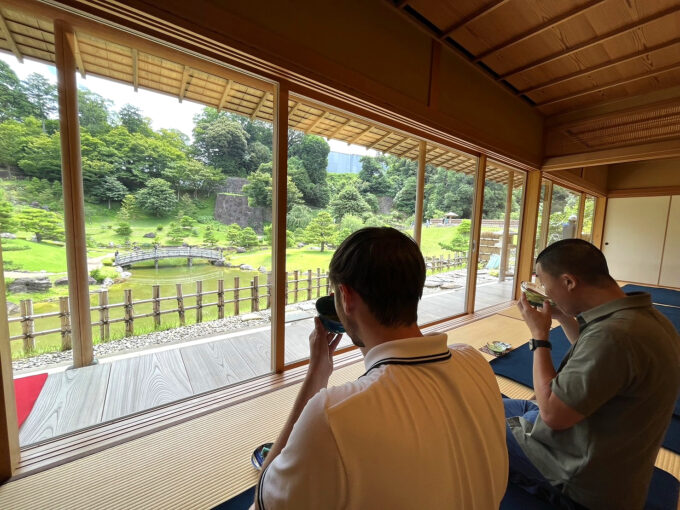
This garden at the back of the castle was built to honour Gyokusen-in, the wife of the second lord of Kanazawa. The garden was demolished but later rebuilt into its current landscape. There are plenty of angles to get a view of the garden, but we recommend stepping inside the teahouse, enjoying some matcha and getting a shot looking out across the small pond.
11 - Edomachidori Avenue
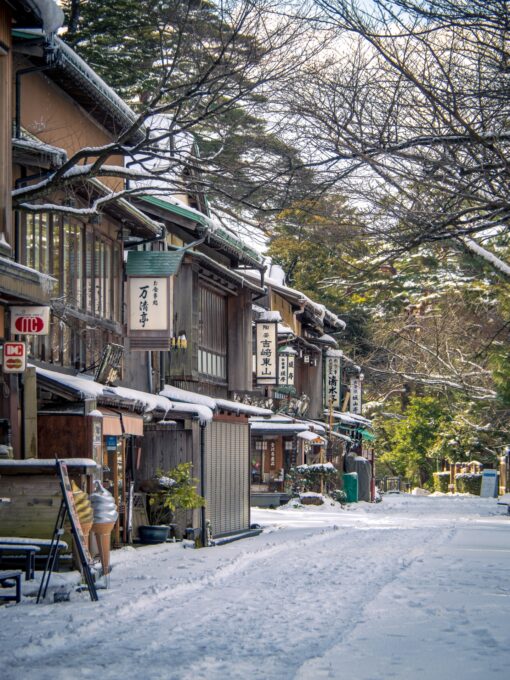
This area, which bridges the gap between two entrances to Kenrokuen Garden, is lined with traditional buildings housing a few modern cafes, some shops and several ice cream parlours. Opposite the shops are cherry blossom trees which look beautiful in bloom, in the autumn foliage and even in winter when they branches are weighed down with snow.
12 - Hisago-ike Pond
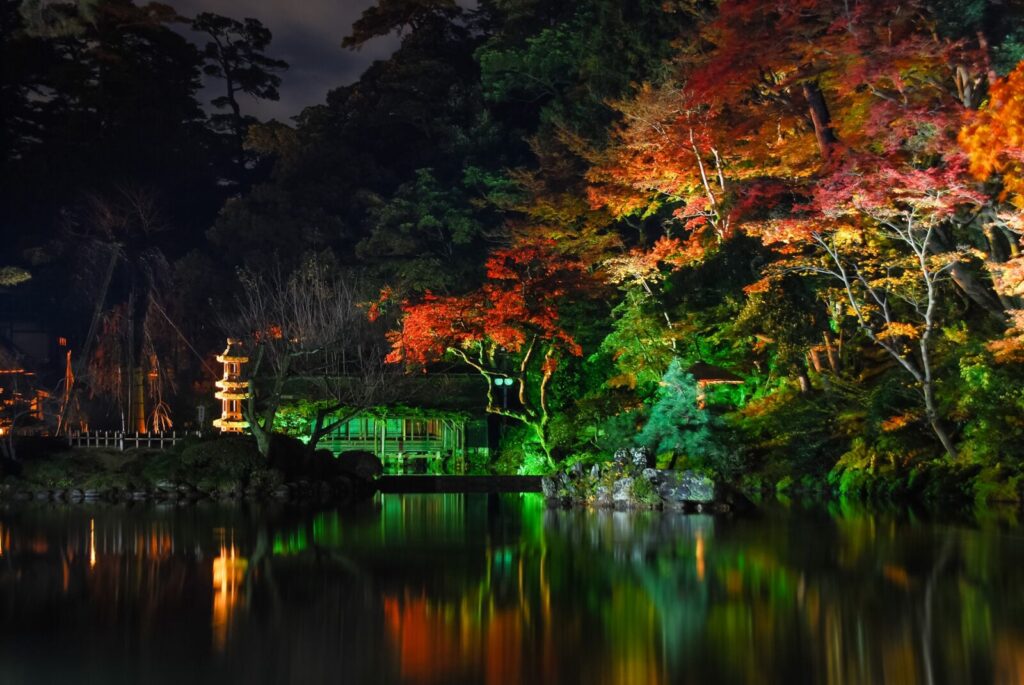
This is the oldest part of Kenrokuen and is thought to be around 350 years old. Night illuminations offer a spectacular view of the reflected trees. The daytime views are also worth it, though: the stone pagoda is a relic from the Imjin War (1592 and 1596), when Japan invaded Korea. The pagoda was stolen and brought back to Japan. It has stood here in the garden ever since.
13 - Kotojitoro Lantern
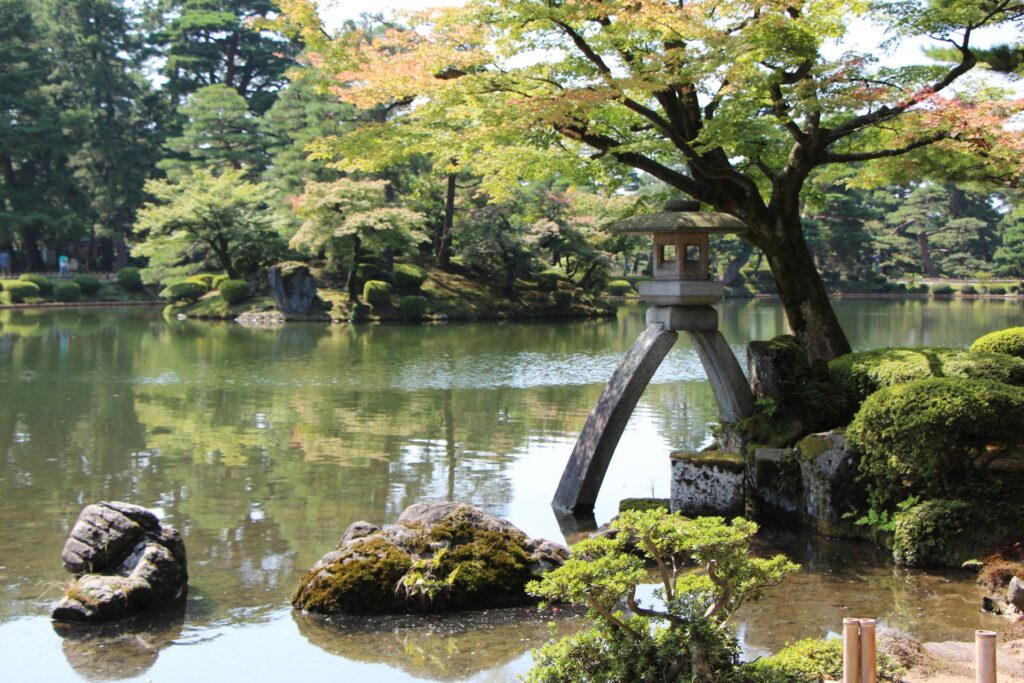
To many, this lantern is the symbol of Kanazawa. Built to resemble the pegs used when playing the koto, a Japanese harp, it honours Kanazawa's geisha traditions. However, the legend goes that the pagoda fell over, breaking one of the pillar legs. Dissymmetry was the height of artistic expression at the time, though, and so the now-uneven lantern has been propped up against the stone looking out over the pond for more than 200 years.
14 - Neagari-no-Matsu - The Raised Roots Pine
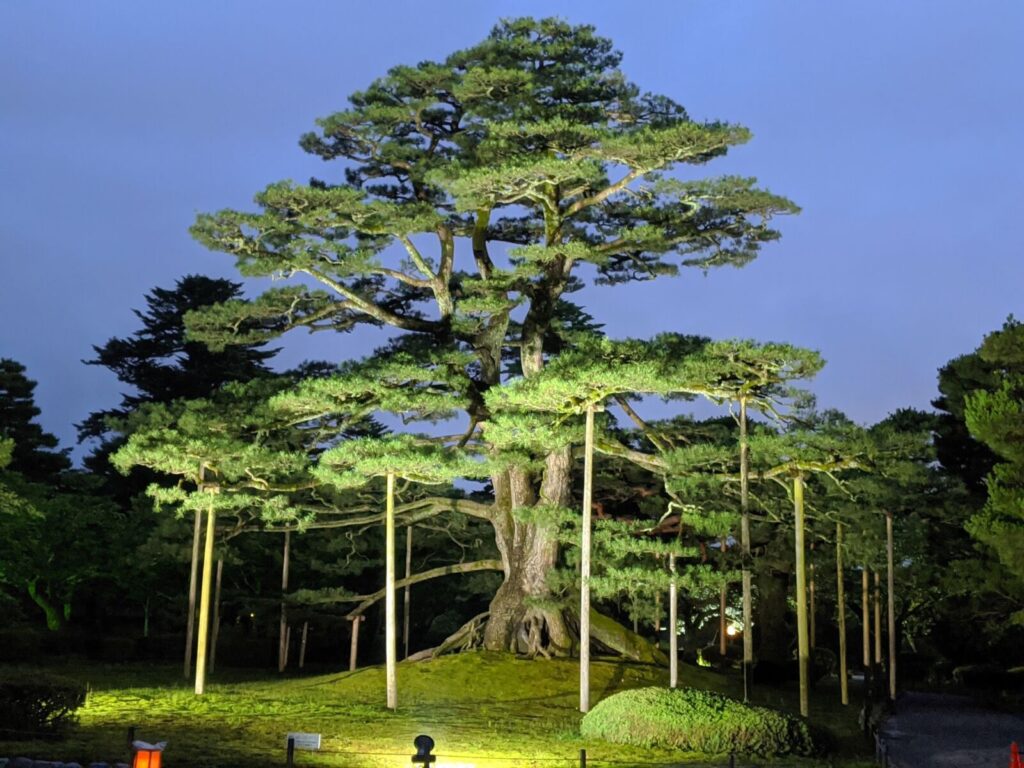
In recent years, this tree has been called the Whomping Willow, due to its similarity with description of the tree of the same name in the Harry Potter franchise. The exposed roots of the tree have been a play on words for merchants wishing for rising prices since the garden first opened to the public in the 1870s.
15 - Hanami-Bashi
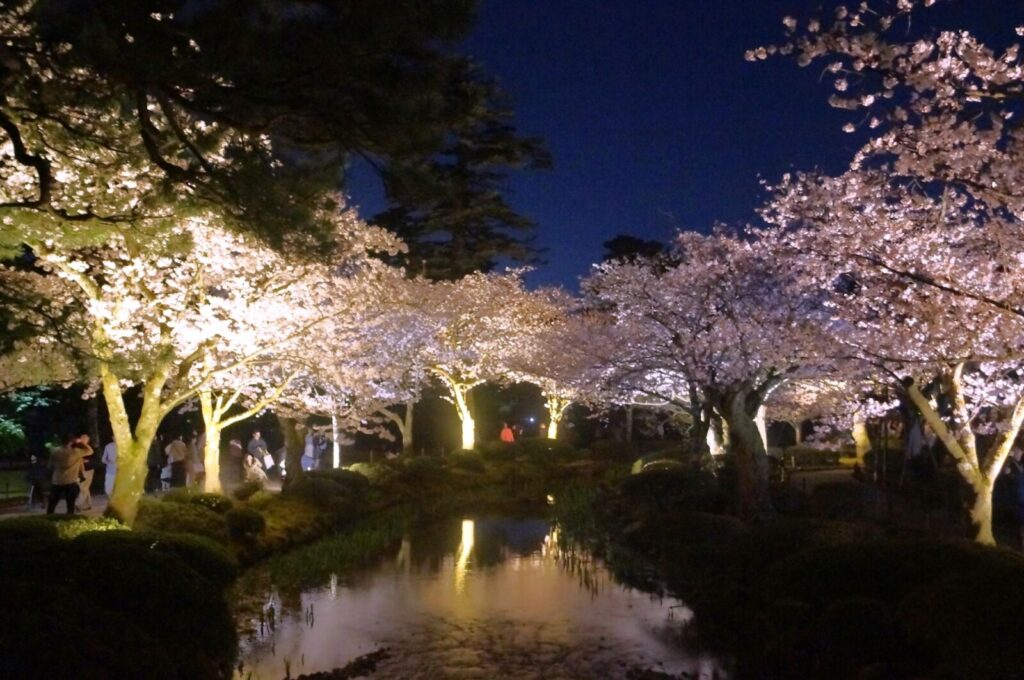
Literally meaning "The Bridge Where Cherry Blossoms Can Be Viewed," it definitely earns its name! In the sakura season, both sides of a small stream are lined with blooming cherry blossoms. Shown here at the night illuminations, the vivid pink of the blossoms is especially vibrant in dusk.
16 - Gyokusen-en Nishida Family Garden
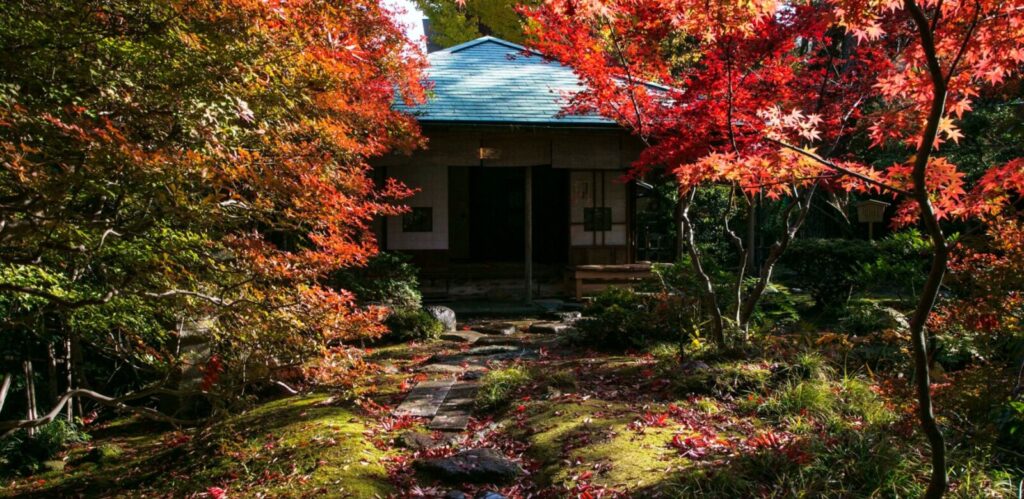
This small garden just outside of Kenrokuen is a wonderful area to take pictures. The Wakita family spent more than 100 years cultivating the garden into what we see today, before passing it to the Nishida family in the 1870s. They've cared for it diligently ever since. The philosophy used when constructing the garden, called Gyokkan, was used in only five other gardens in Japan.
17 - 21: Cultural Centre Area
17 - Hirosaka
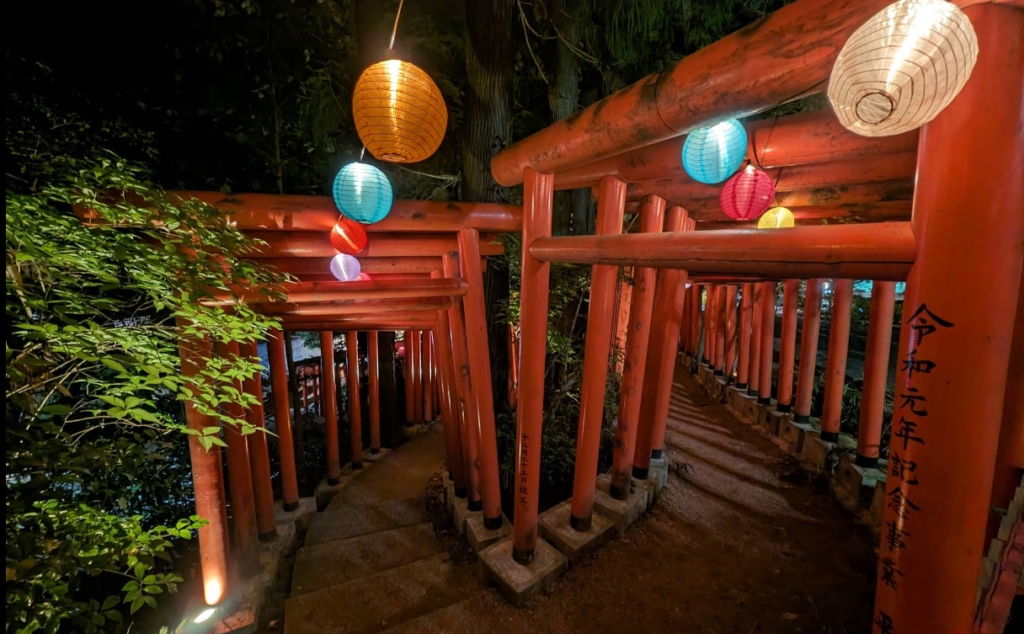
Located just inside Ishiura Shrine, this scenic walk is reminiscent of one of Japan's most iconic views - Fushimi Inari Taisha in Kyoto. The walk up to the taisha has been busier and busier in recent years, so those who don't want to deal with the crowds there have a perfect chance to get the same vibe here. The rows of torii gates, lit in the evening, have perfect lighting all day. The writing on the legs of the gates denotes who they were denoted by and where they come from. You'd be surprised at how far some of them have travelled!
18 - Ishiura Shrine
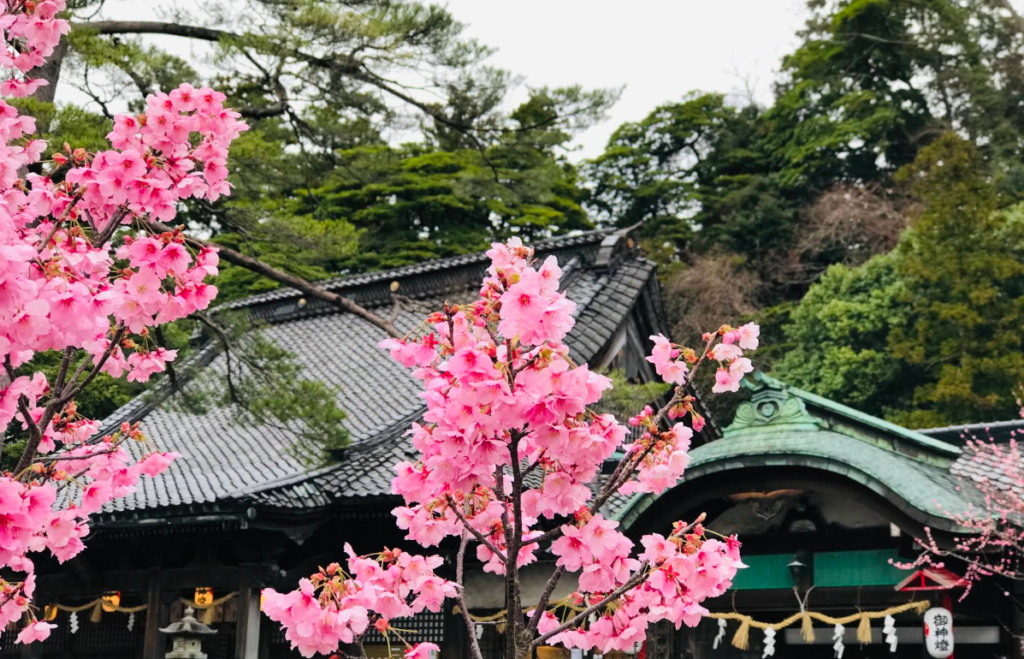
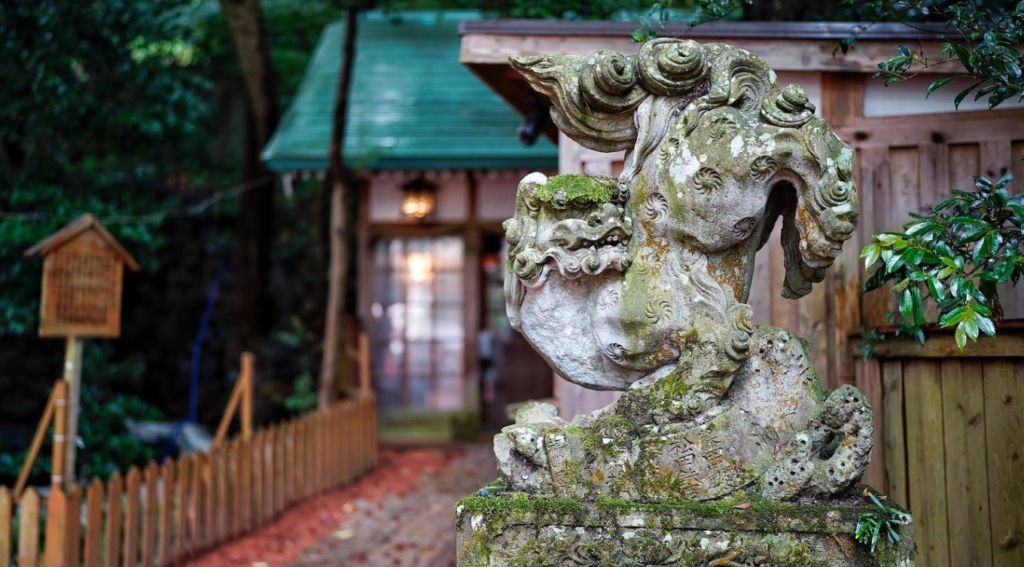
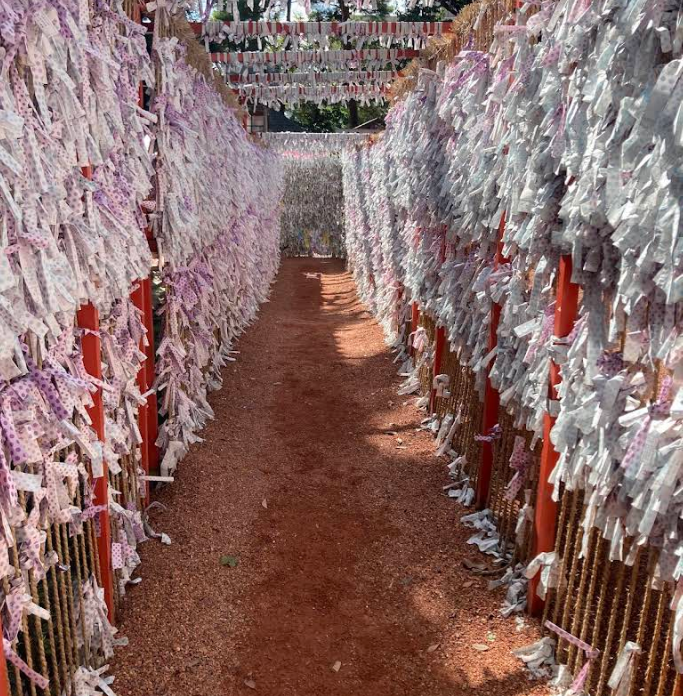
This shrine, located directly across from the 21st Century Museum of Contemporary Art, is said to be the oldest in Kanazawa. It was founded in 547, although the buildings have been rebuilt (several times) since then. Enshrined here is Sugawara no Michizane, a famous scholar deified as the god of learning, Tenjin. The mascot of the shrine, Kima-chan, is beloved around the city, so here is a good place to get some souvenirs, too.
19 - Honda Park
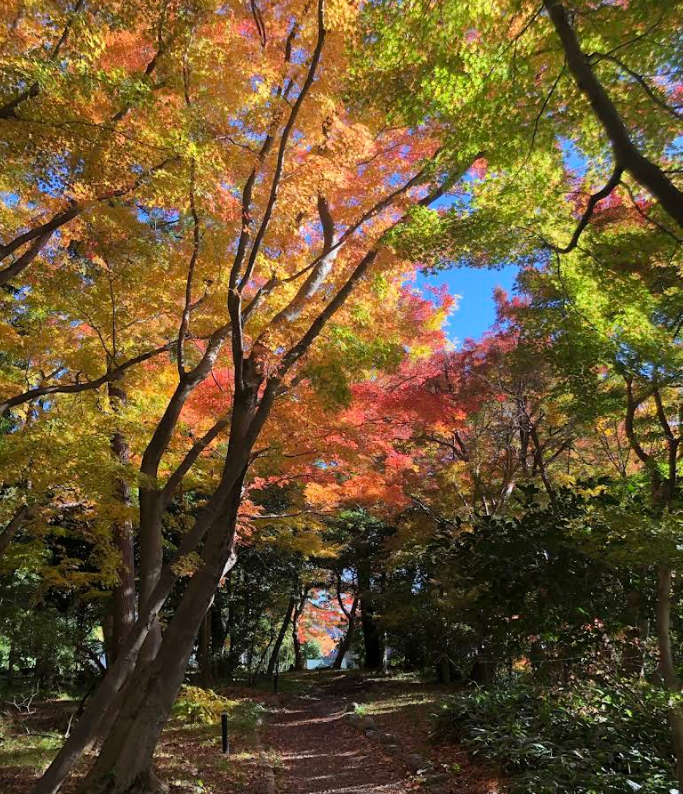
This park was once the estate to the second most powerful family in Kanazawa, the Honda clan. They left Kanazawa in the 1870s, and all that remains is this tranquil park, perfect for a short stroll.
20 - Shofukaku Garden
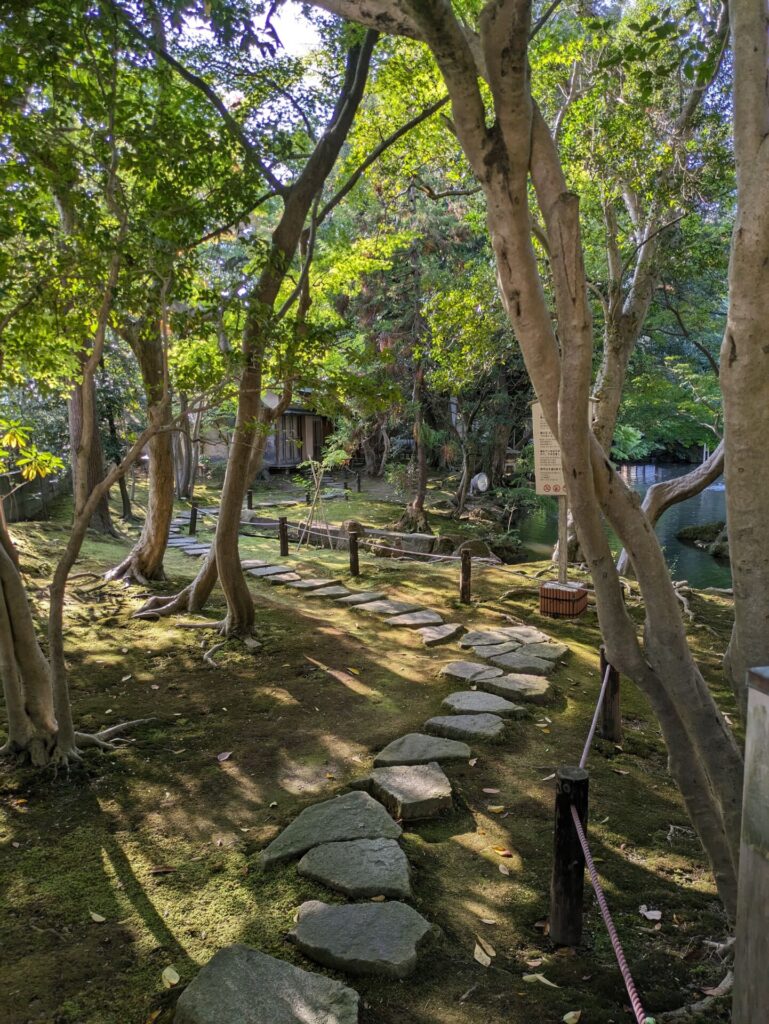
It's said that this garden was the direct inspiration for Kenrokuen. This privately-owned garden is sometimes closed but well worth the chance visit. It was built to celebrate the daughter of the Maeda clan marrying into the Honda family more than 400 years ago. The home was bought by a wealthy merchant in the 1870s and his family have maintained it perfectly ever since.
21 - Water Mirror Garden
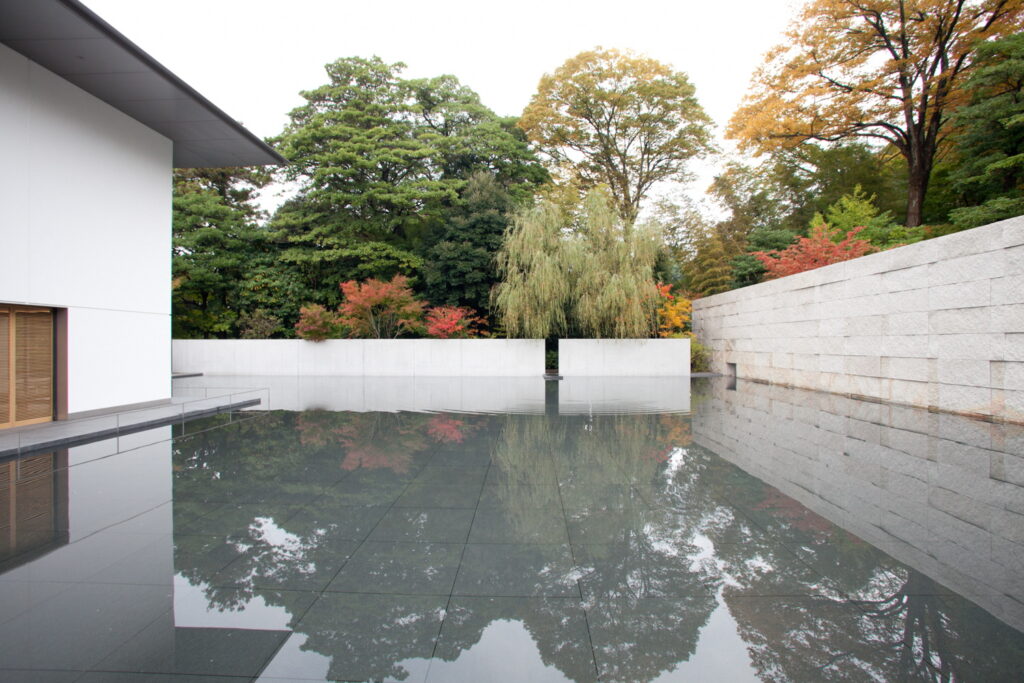
This pond is a key feature of the DT Suzuki Museum, just a stone's throw away from Shofukaku above and the outer section is free to view. On rainy days, the water reflects a Buddhist principle: We are like the raindrops hitting the water, creating ripples that spread across the surface. The ripples meet other ripples and are forever changed, just as we change the world by living in it.
On clear days, the pond reflects the surroundings - inviting us to reflect on ourselves, too. This garden is a perfect place for photographers looking to get philosophical in their work.
22 - 30: Higashi Chaya Area
22 - Kurando Terashima's House
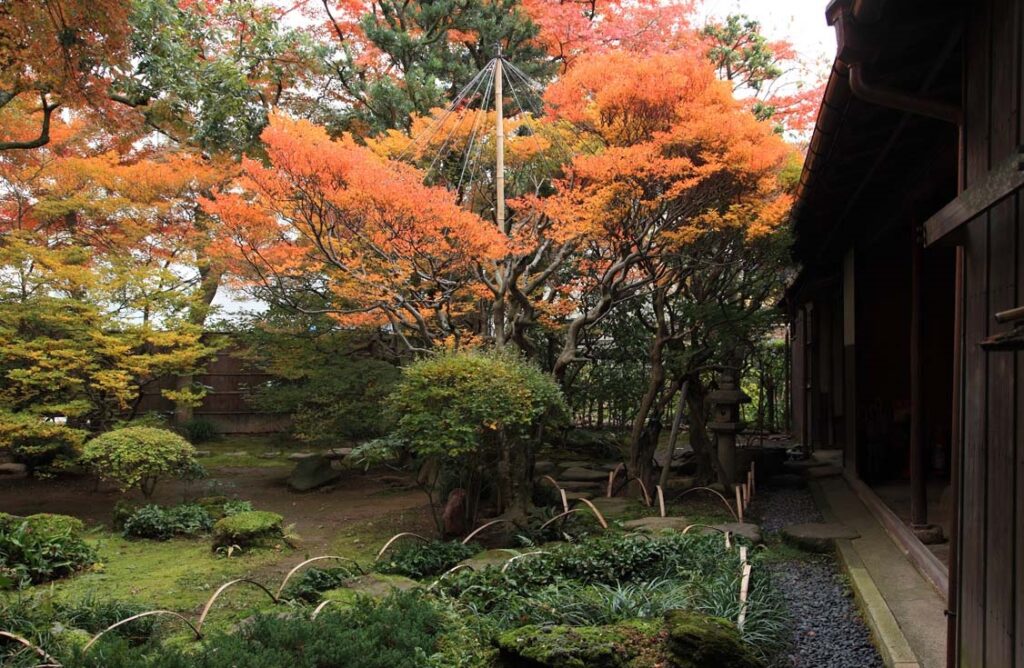
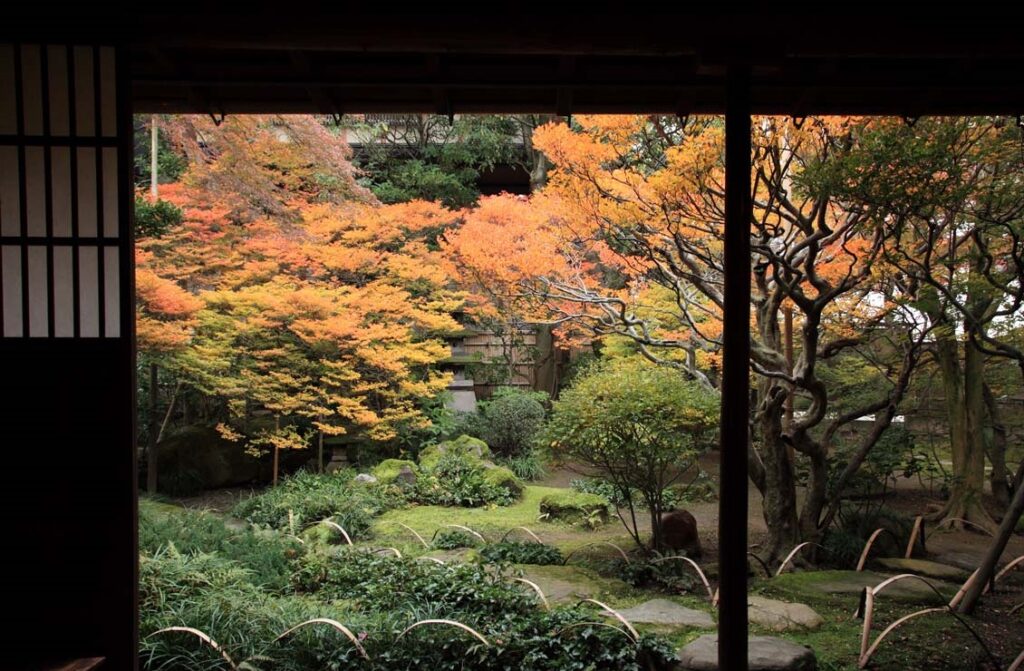
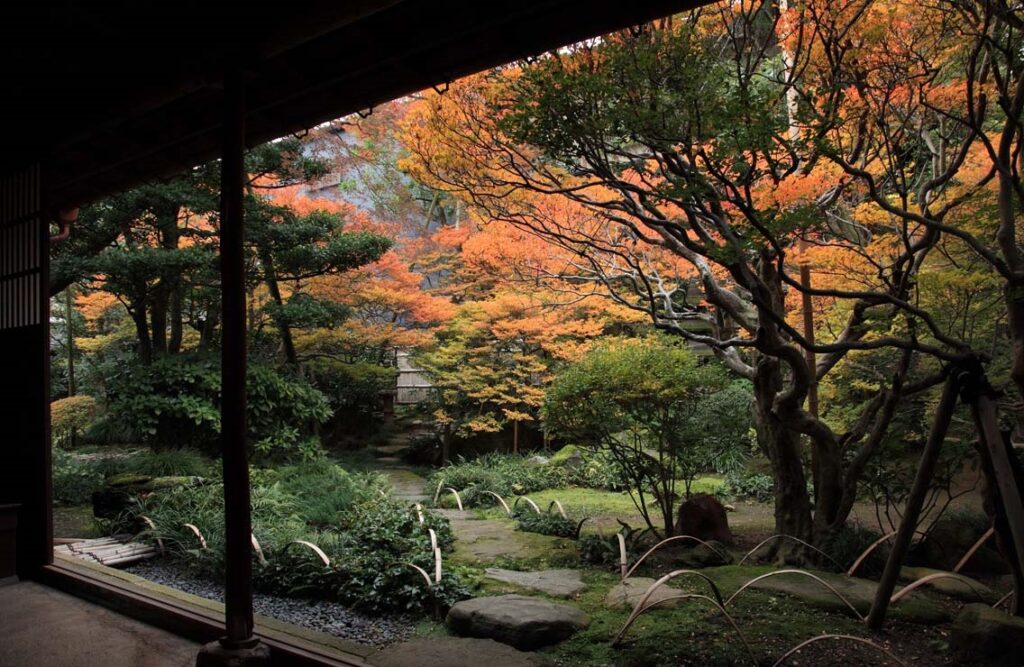
Kurando Terashima was once an influential upper-middle class samurai in Kanazawa. However, he was exiled after a dispute with the lord. His beautifully-preserved house is now a museum to his life. The garden is one of Kanazawa's most-hidden gems, especially in autumn.
23 -Higashi Chaya District
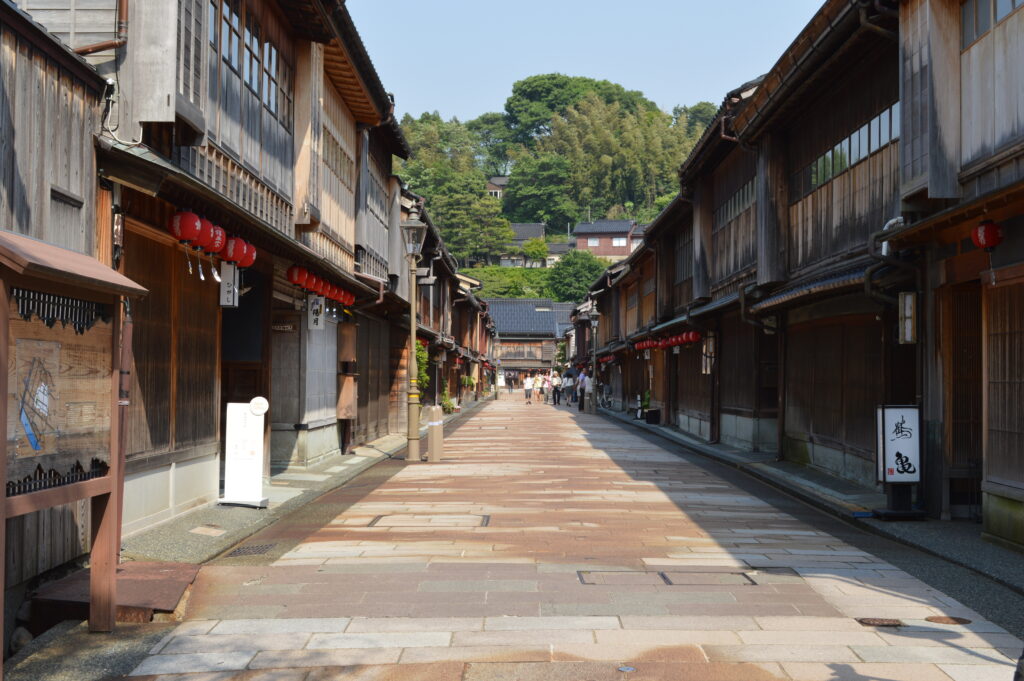

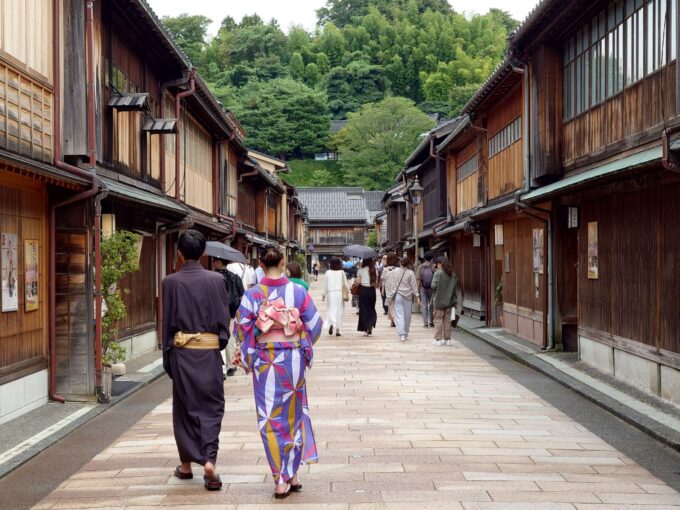
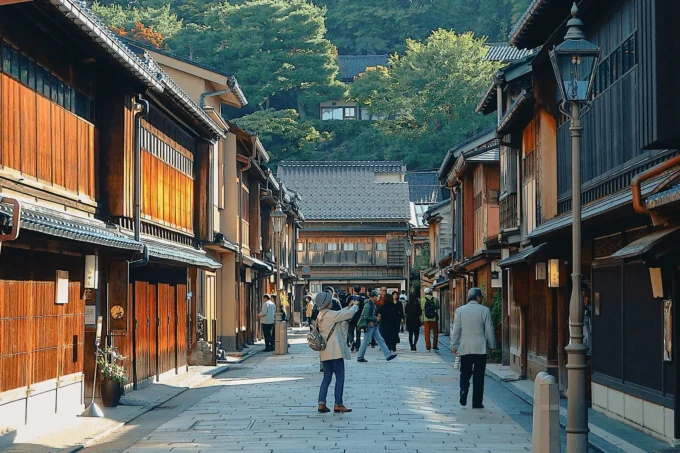
The Higashi Chaya District is one of Japan's largest geisha districts. The streets are filled with the traditional tea house buildings - most converted into cafes, restaurants and shops - which give the whole area a trapped in time feeling. There are several places where you can rent kimono and walk through the historical district.
24 - Utatsu Shrine

This was once the main shrine for Kanazawa before Oyama Shrine was built in 1873. It sits at the bottom of Mt. Utatsu, a sacred mountain central to the ancient mountain worship of the region. The shrine itself was founded in the early 700s. As you walk through, keep your eye out for ninja: there are at least three poised to strike. If you can see them, though, they're probably only ninja-in-training.
25 - Edge of Korai-machi Ryokuchi Park
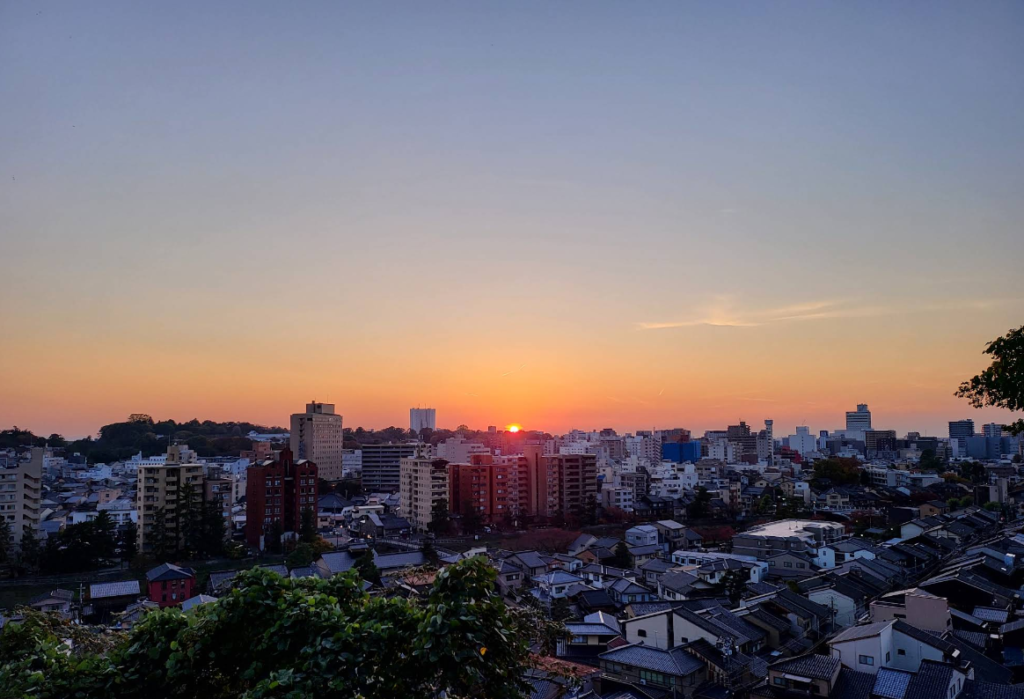
Those who choose to climb Mt. Utatsu are rewarded with this stunning shot overlooking Kanazawa. This spot is perfectly placed for a view of the sun setting over the city.
26 - Kazuemachi Chaya District
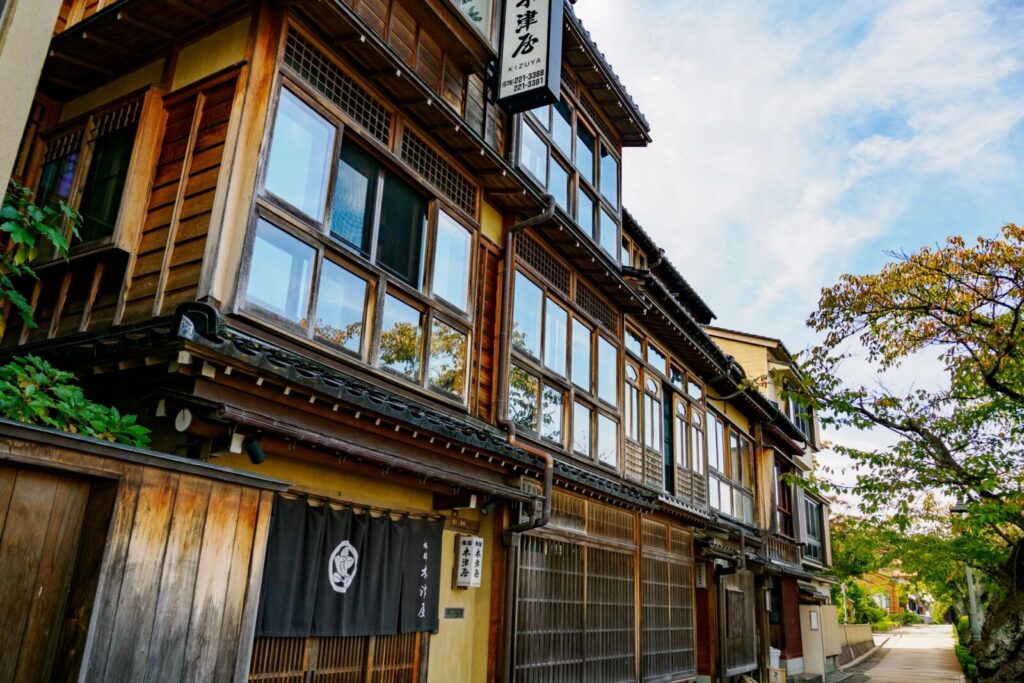
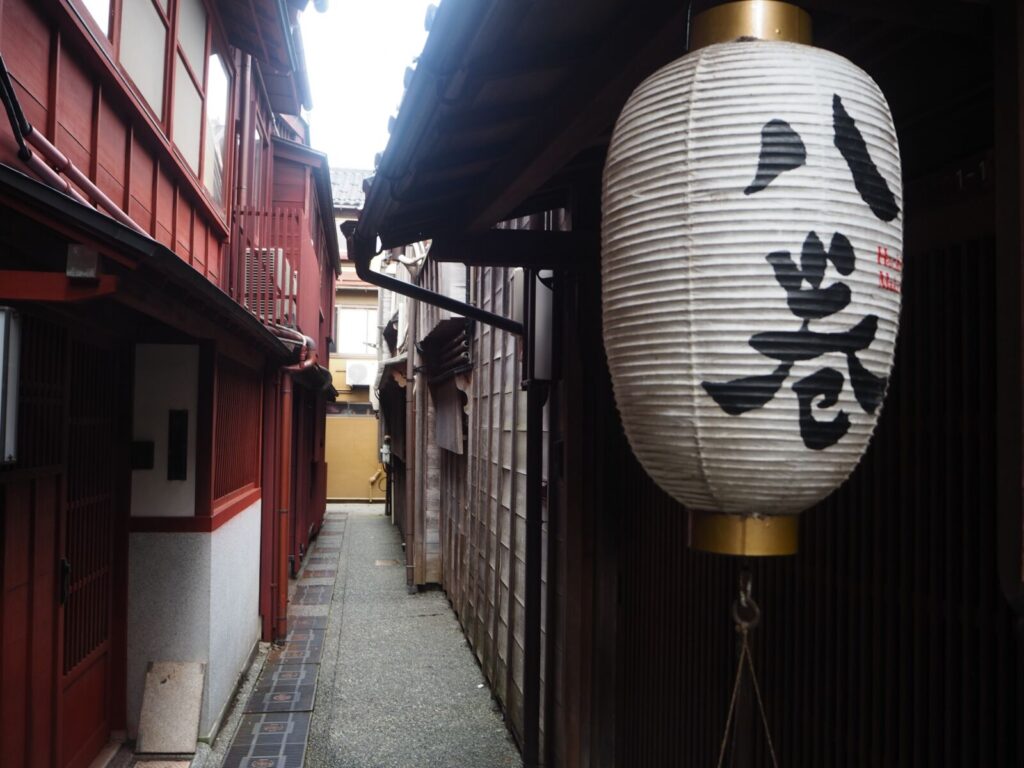
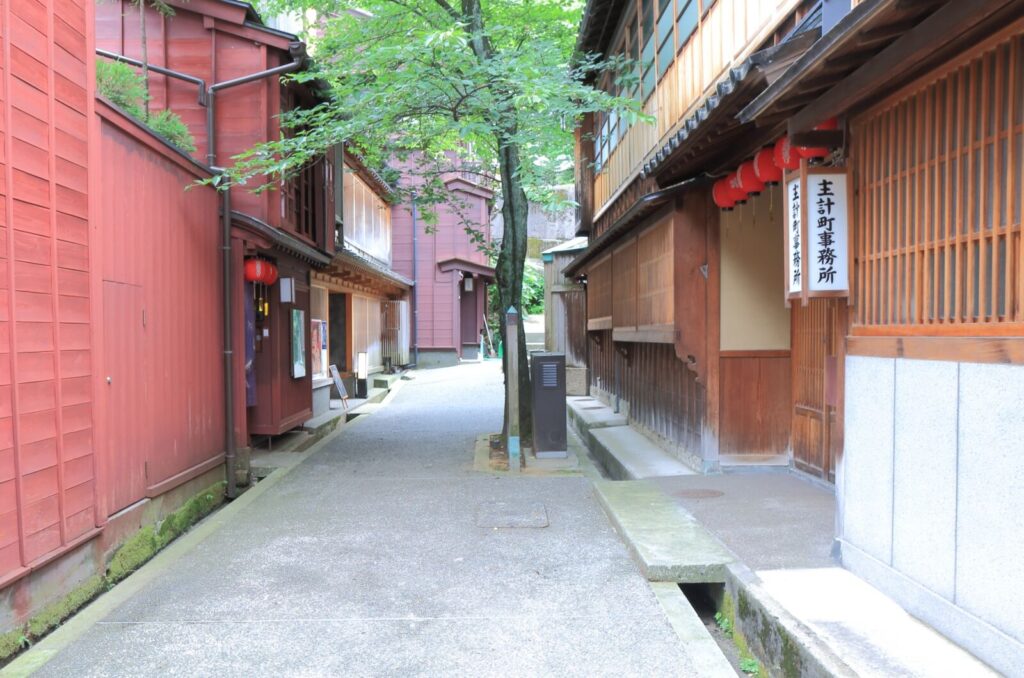
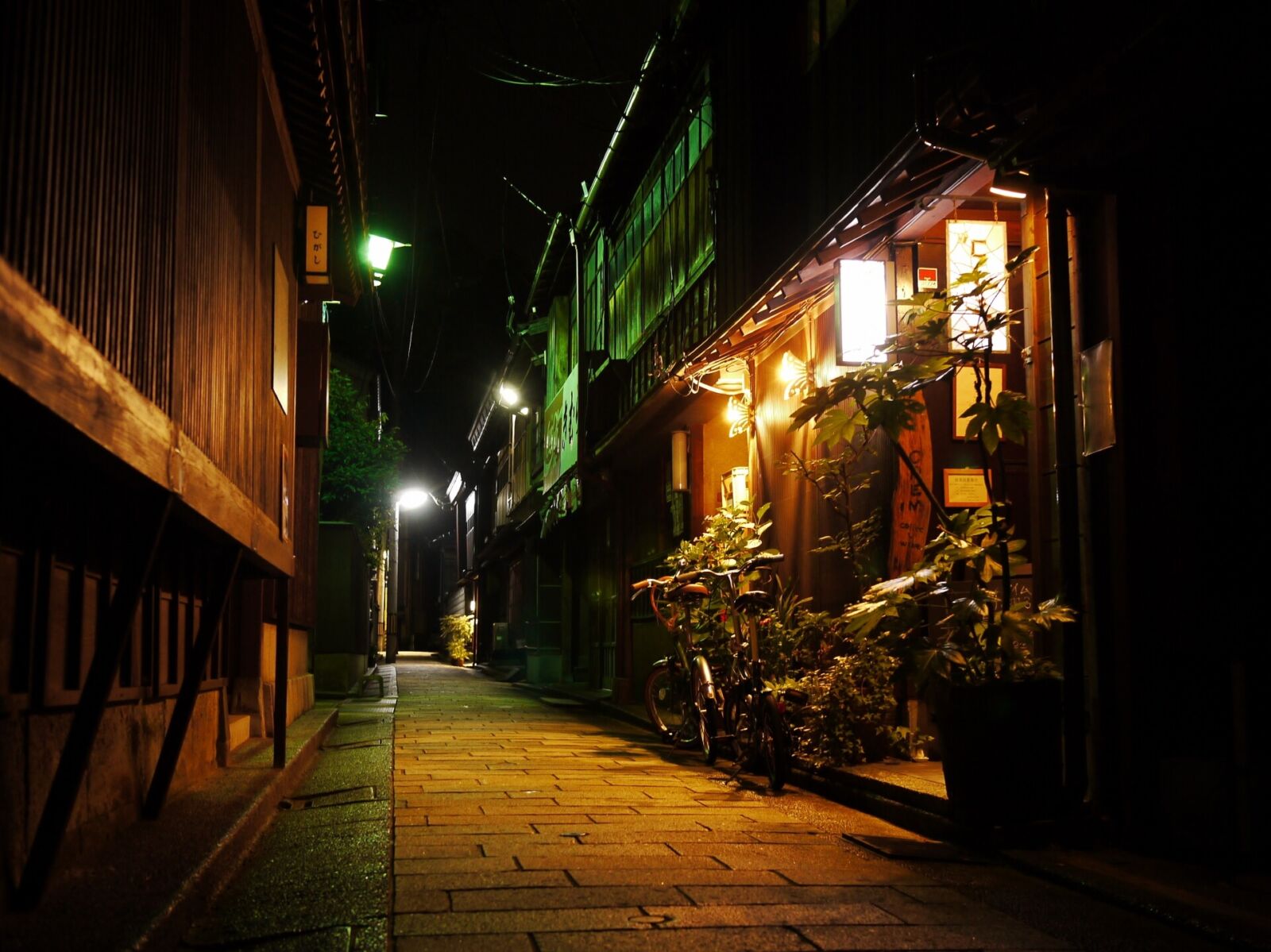
Kazuemachi is one of three geisha districts in Kanazawa and the main one that is actually used today. As you walk through its narrow streets, it has an almost otherworldly feel to it. If you are lucky and see a geisha, remember to ask before you take a picture of them! And respect their right to say no.
27 - Kuragarizaka
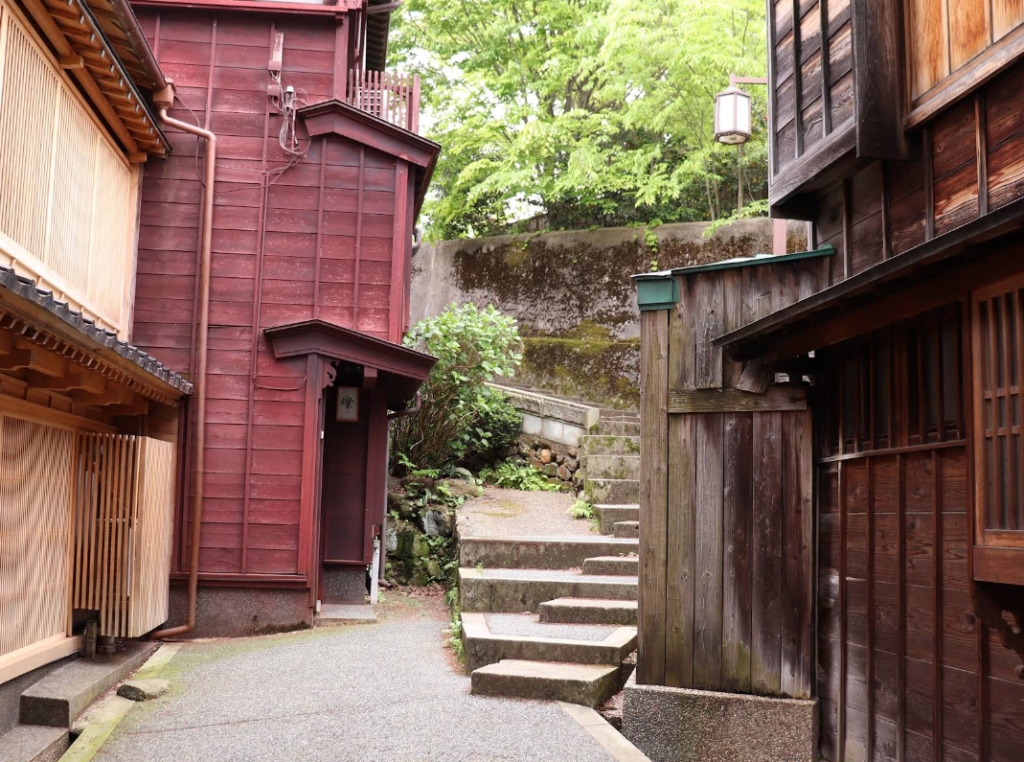
This scenic staircase is one of two in Kazuemachi. This leads out the back way, with small "half-steps" so the geisha could comfortably climb in their stiff kimono.
28 - Agarizaka
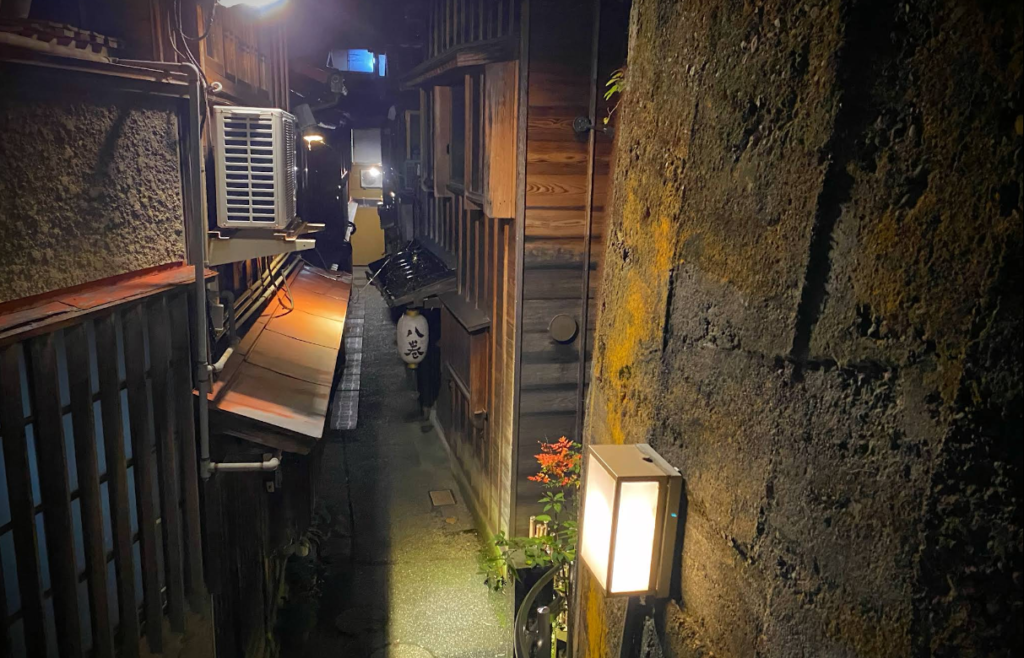
Agarizaka is the other set of stairs, leading into the district. It offers this great high-angle shot looking down into the street. It's a great area both during the day and night: The (electric) lamps are on to give soft lighting in the evening while, in the day, you can see the rich red paint used for the buildings that was emblematic of Kanazawa.
29 - Kazuemachi Bridge
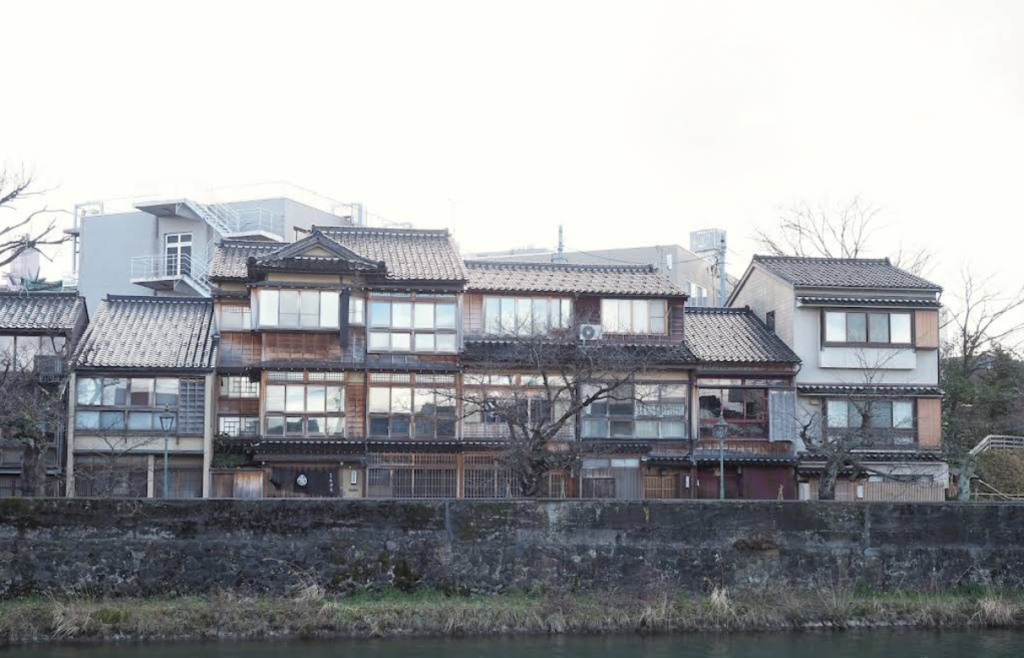
The Kazuemachi waterfront and bridge offers this great shot of traditional teahouses across the water. The black wall in front of them is all that's left of the traditional boundary blocking samurai from entering the geisha district. Of course, they still snuck in!
30 - Hikoso Ryokuchi Park
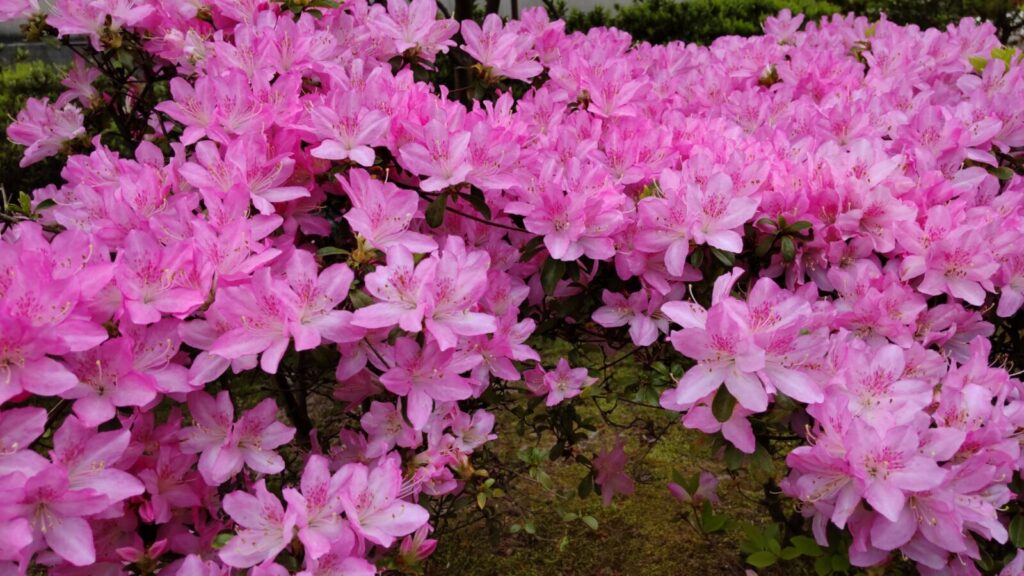
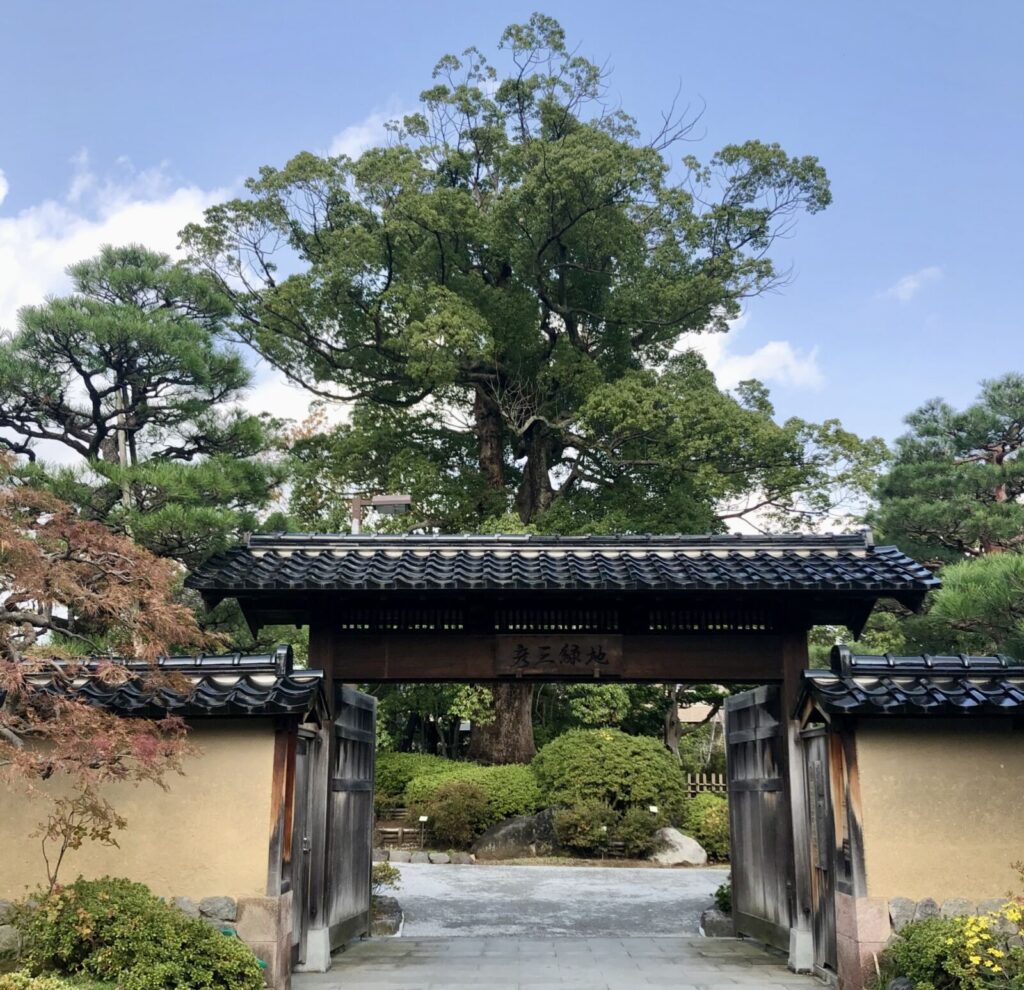
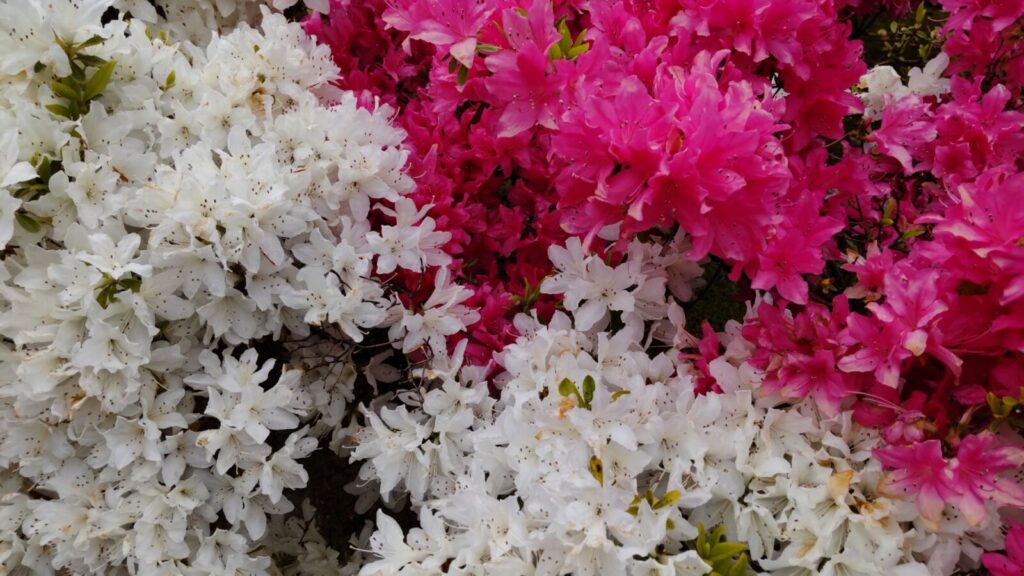
This charming little park has more than 1400 azaleas, which are said to have been given by the Lord of Kanazawa to a retainer. There are a variety of other flowers, too, with around 80 peonies also planted. They bloom from April to May, so don't miss out if you're in the area during spring!
31 - 35: Sai River Area
31 -Saigawa Bridge
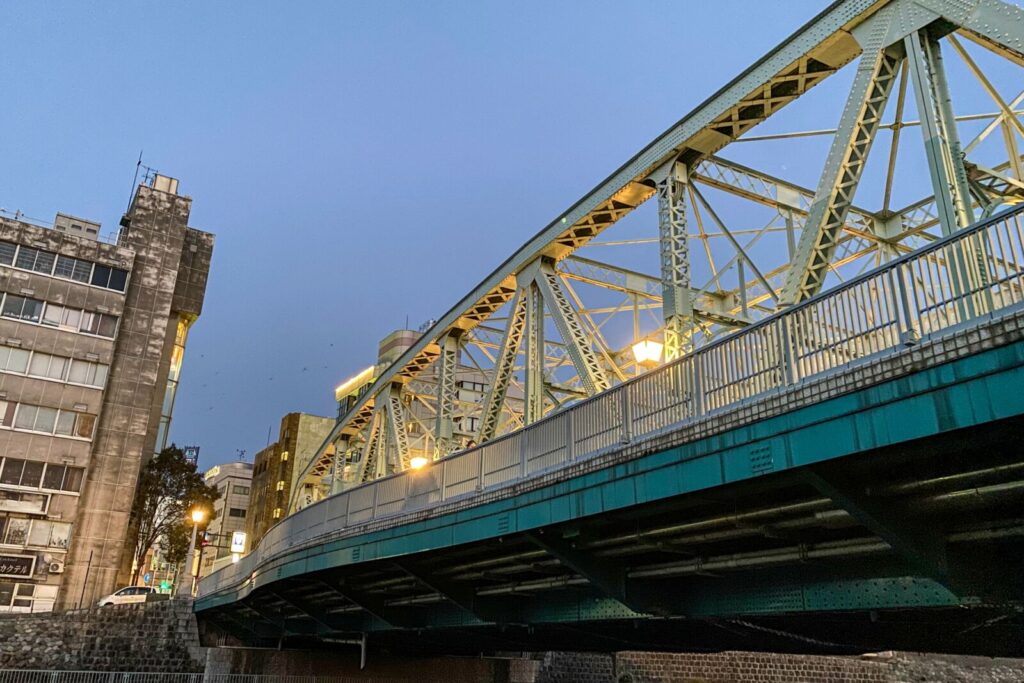
This bridge turned 100 years old in 2024. It was a ground-breaking construction at its time and helps around 35,000 cars cross the river every day. In the last week of July every year, the city hosts a fireworks festival further upriver and the Saigawa Bridge is the perfect spot to see them reflected on the water.
32 - Nishi Chaya District
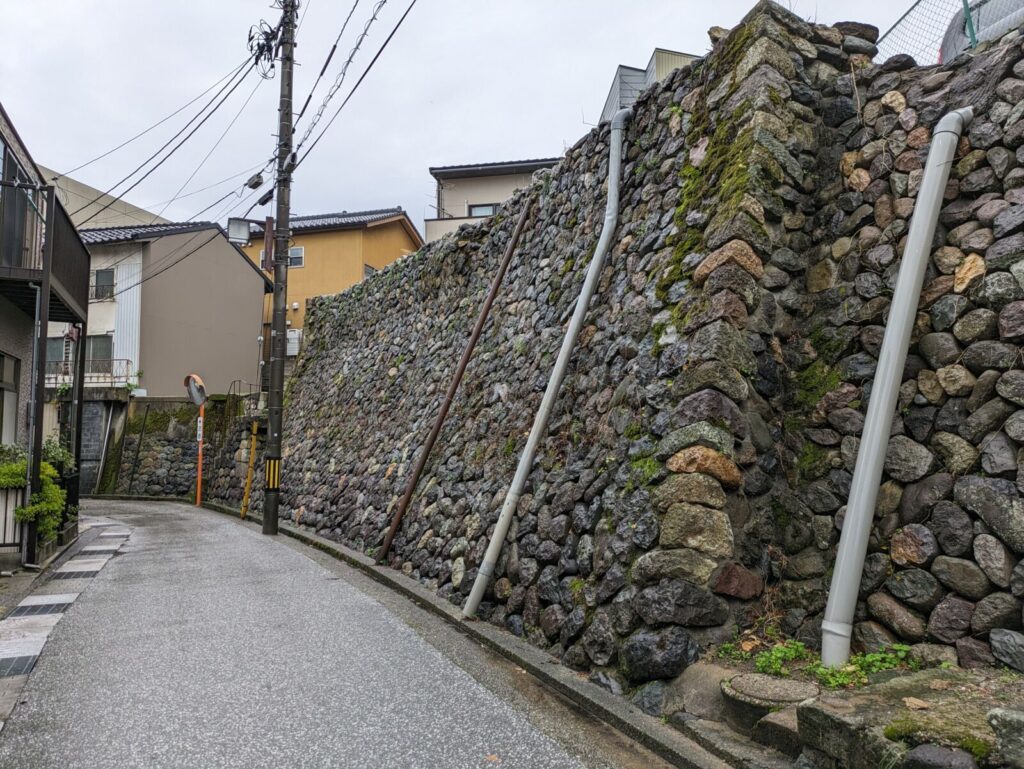
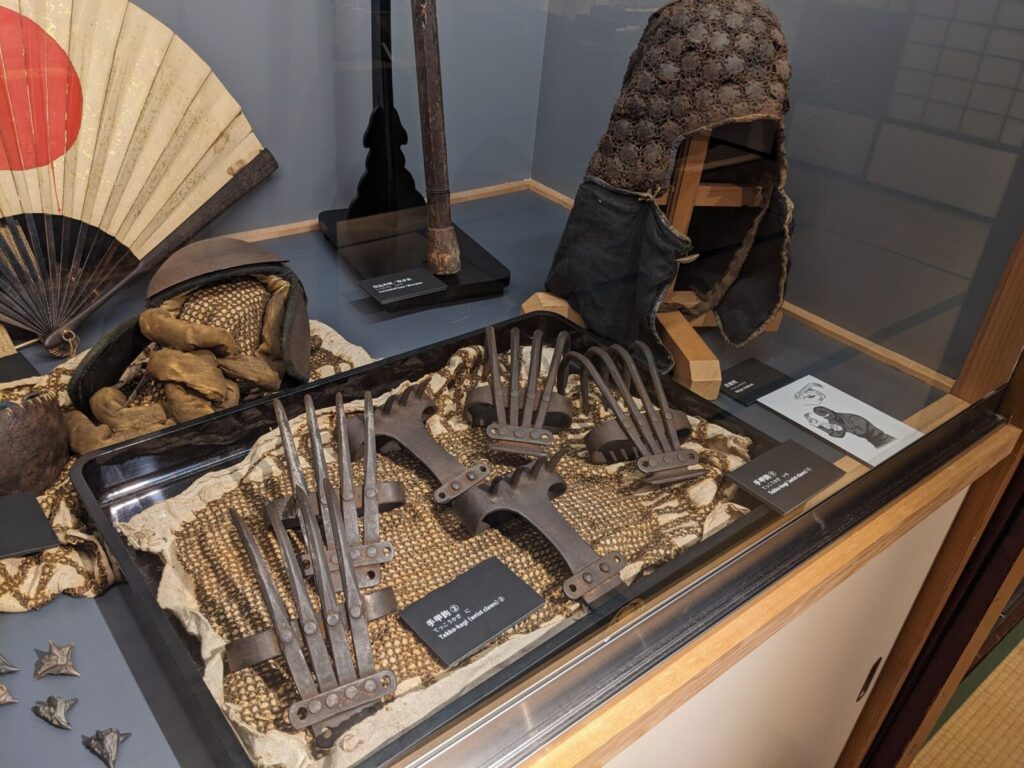
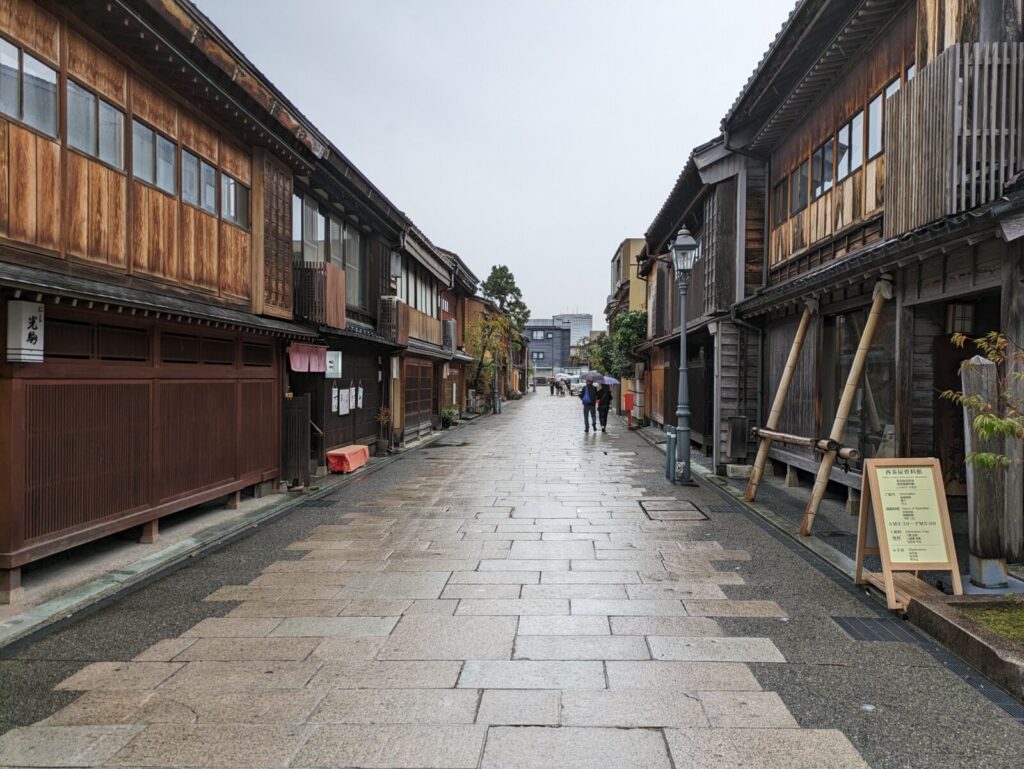
Kanazawa's other geisha district may be small, but it's nothing to scoff at. This district still houses geisha today. It was originally built to help regulate footfall to Nishi Chaya. Today, there are some tea houses, cafes, and museums. While here, we recommend checking out the Ninja Weapon Museum and checking out if you have a hidden talent with throwing stars.
33 - Sakura Bridge
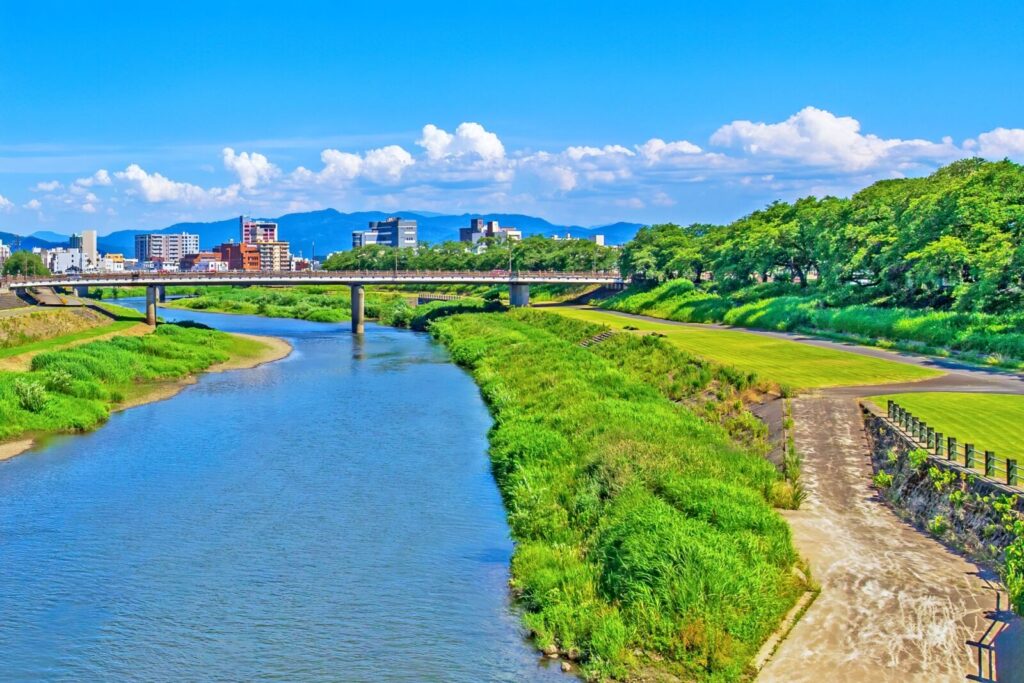
The Sakura Bridge offers one of Kanazawa's best views - the snow-covered mountains framing the city. Getting that picture would be a treat for any photographer, as Kanazawa's Mays are usually very rainy which obscures the mountains. Good luck!
34 - HIMITO
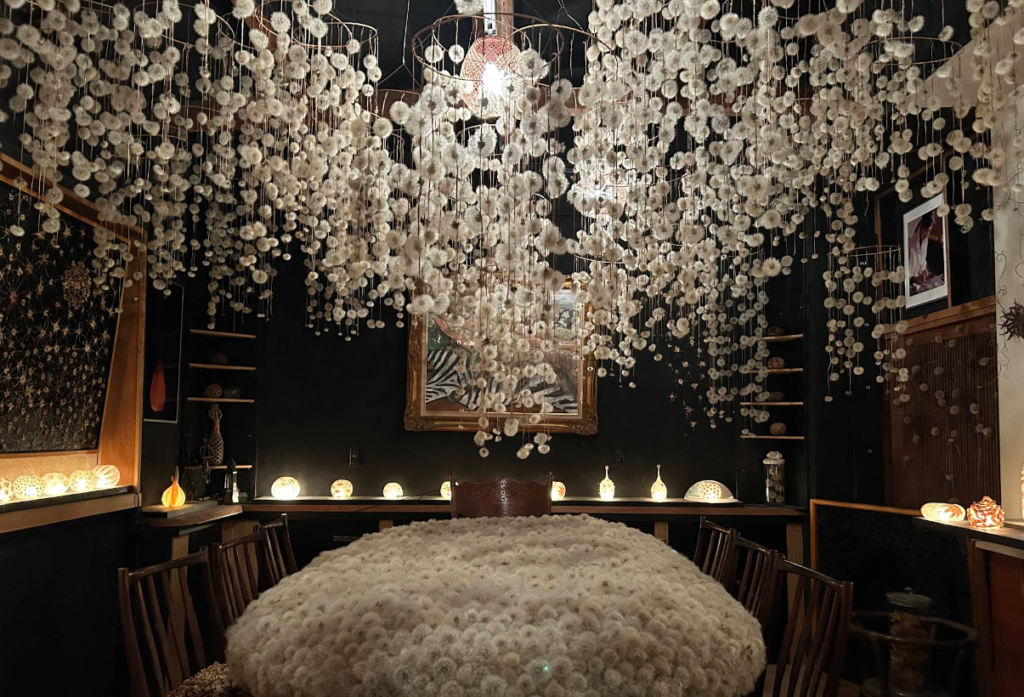
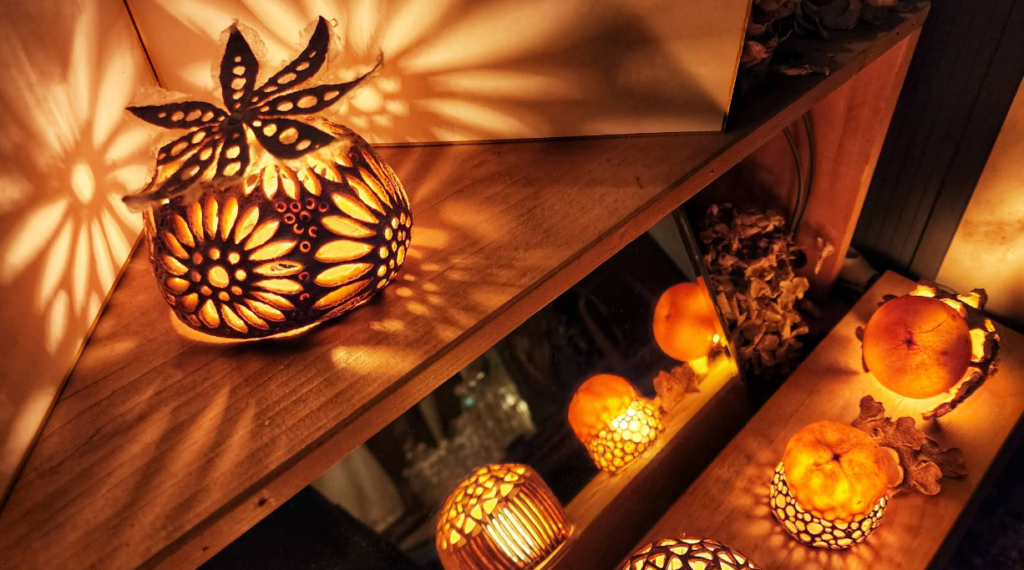
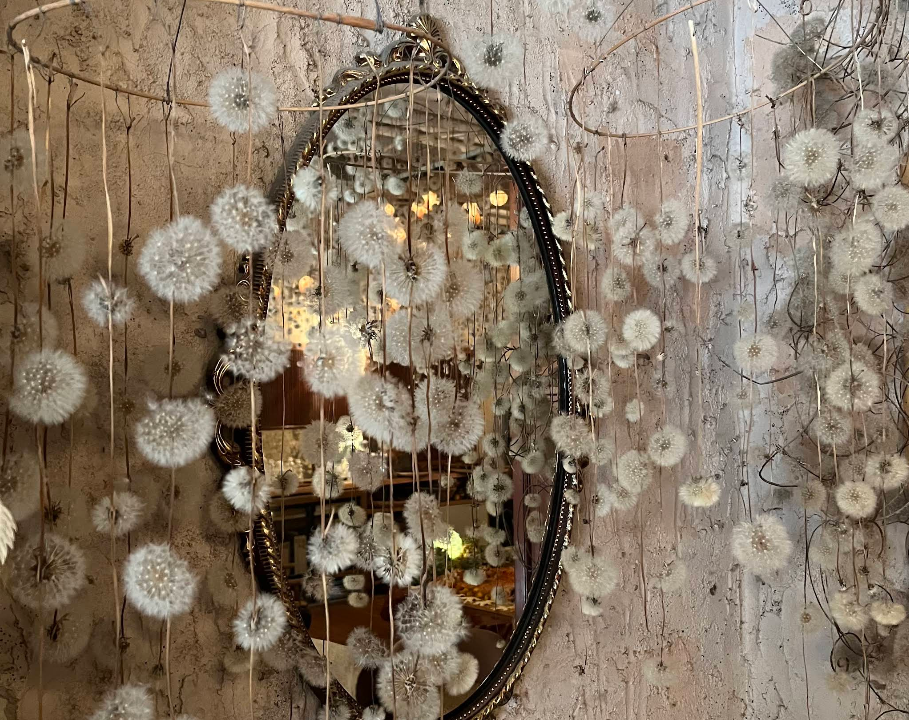
HIMITO is a cosy art gallery by the Sai River that shows art made from dried fruits and flowers. The gallery is filled with beautiful pieces and gentle lighting. The gallery only takes about 10 minutes to walk around completely, so this is a great stop on your way from one place to another!
35 - Mizuhiki Jiyukajin
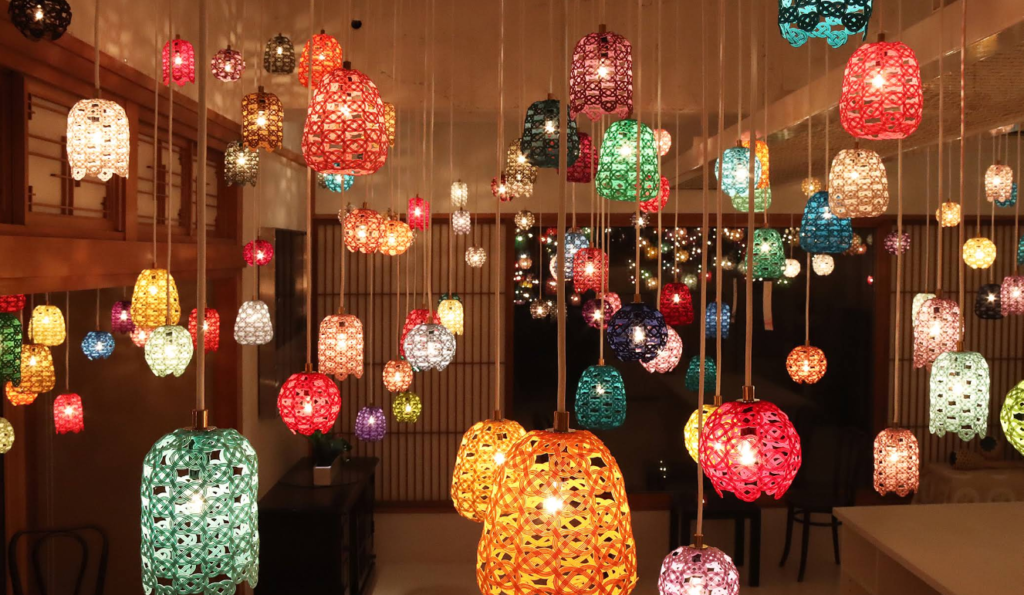
Mizuhiki, an artistic way of tying knots, is a traditional craft in Kanazawa. The pieces make great gifts and, in places like Mizuhiki Jiyukajin, phenomenal photo opportunities. The bright colours of the mizuhiki match perfectly with the warm lighting inside the shop. Mizuhiki also make perfect souvenirs for people back home as they are light, sturdy and easy to carry. For more info about mizuhiki (and other great souvenirs) check out our Best Souvenirs to get from Kanazawa guide!
36 - 42: Nagamachi Samurai District and Area
36 - Shitenchi (Yakuniku NOBU)
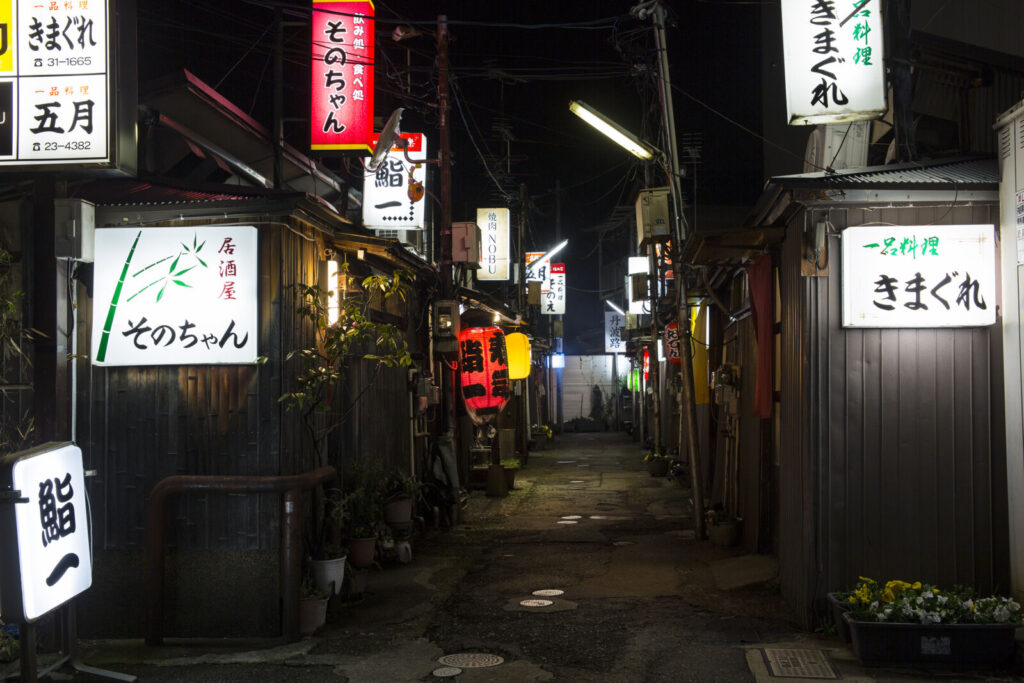
This historic street harkens back to when Katamachi was used as a river port. At the time, sailors would come to areas like this and celebrate their successes or mourn their financial failures. The small street is a window through time, showing a great contrast between the seemingly-shoddy buildings and the bright signs enticing people in.
37 - Nagamachi Buke Yashiki District
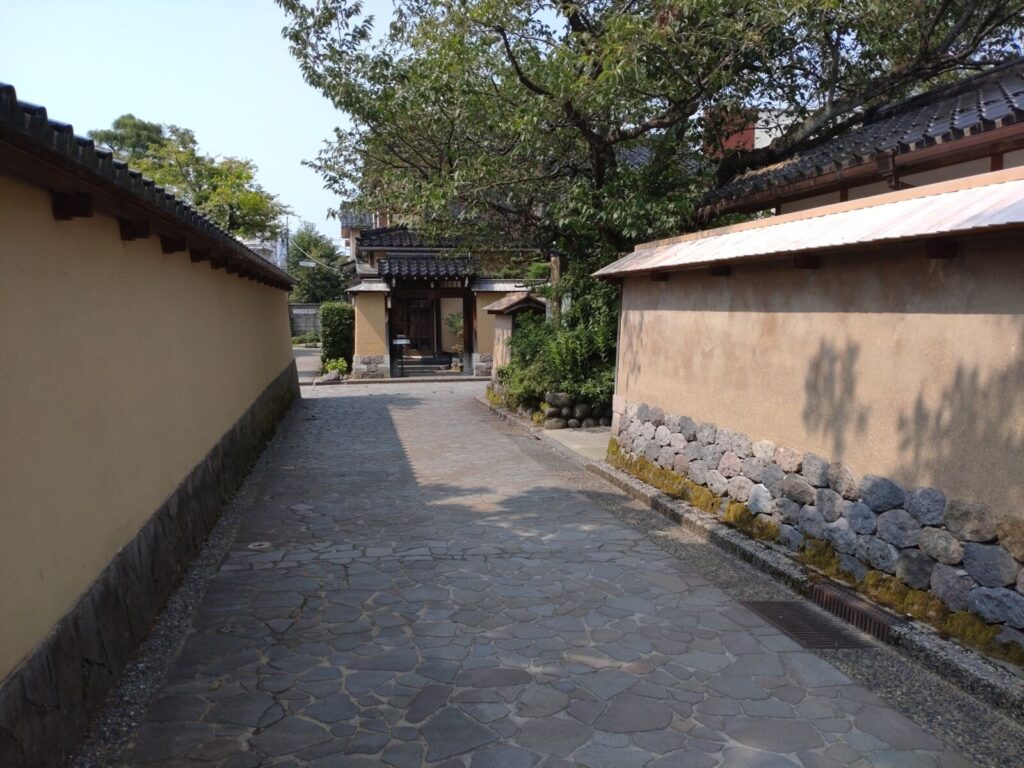
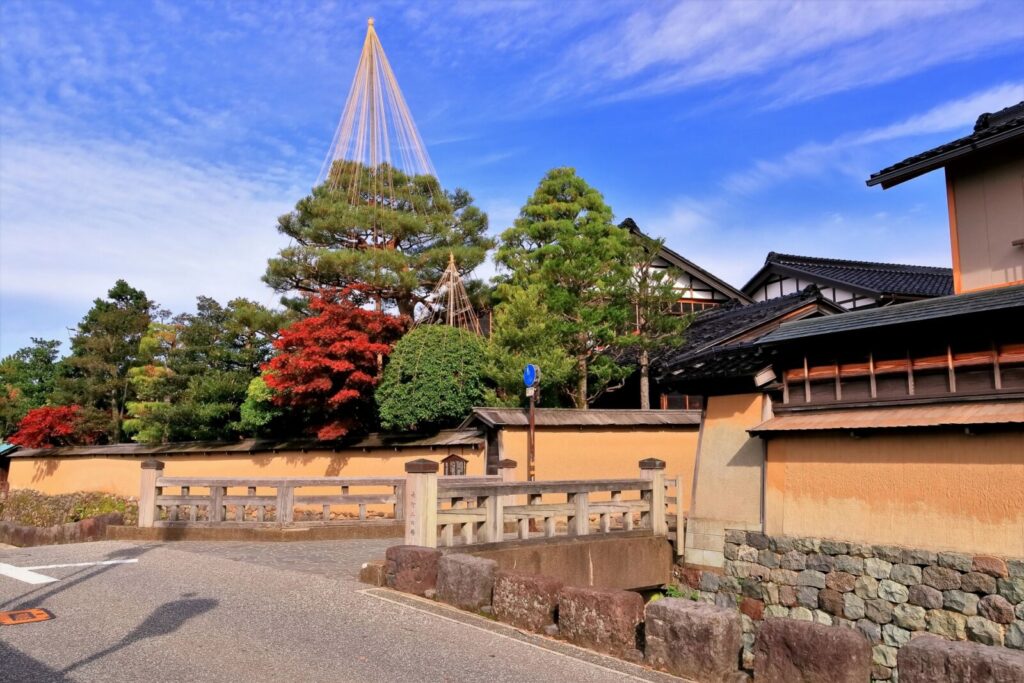
The Nagamachi Samurai District was once home to some of Kanazawa's wealthiest samurai. For 400 years, the area has been preserved with its traditional walls, cobbled streets and the centuries-old trees reaching over the walls providing visitors with ample opportunity to get their picture just right.
38 - Nomura-ke Samurai Heritage Residence
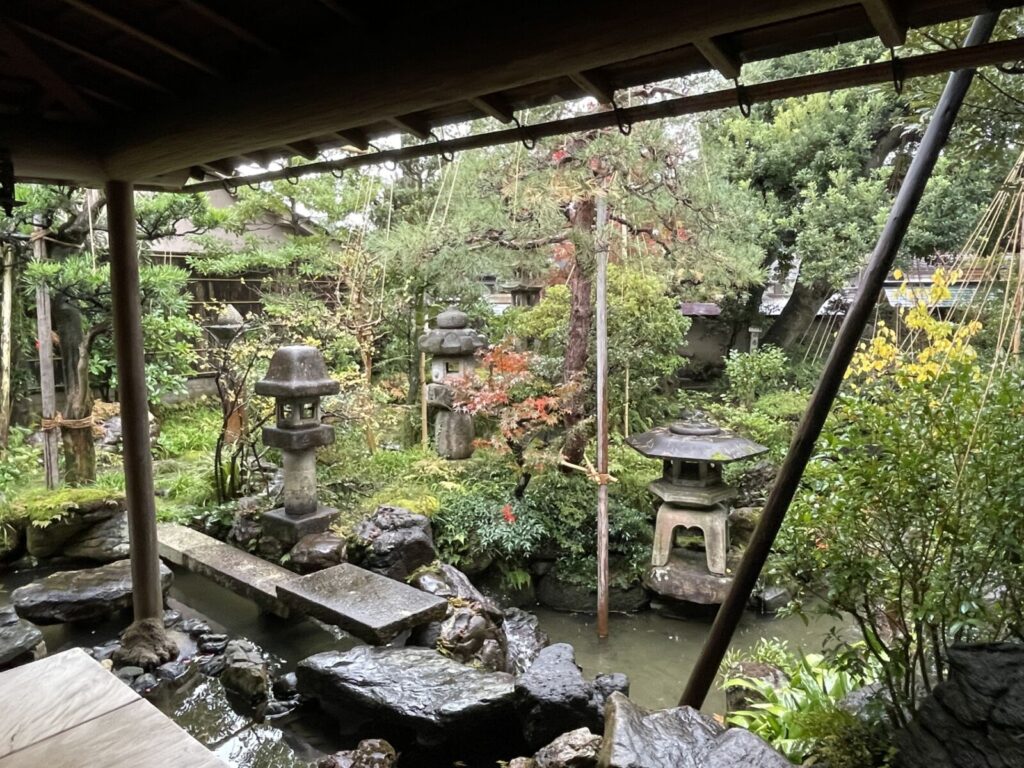

This house is the best-preserved of its kind in Kanazawa. The three-tiered garden is the obvious highlight, but the whole building is a shrine to the vast wealth that Kanazawa and its select citizens boasted during its golden age.
39 - Onosho Water Monument
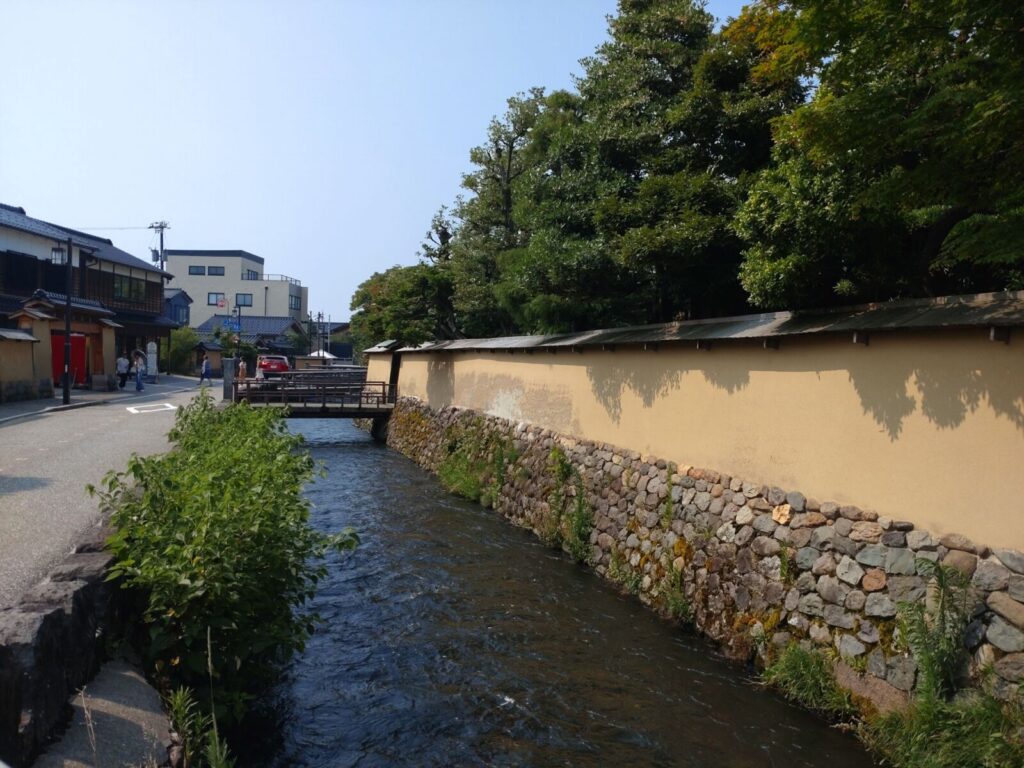
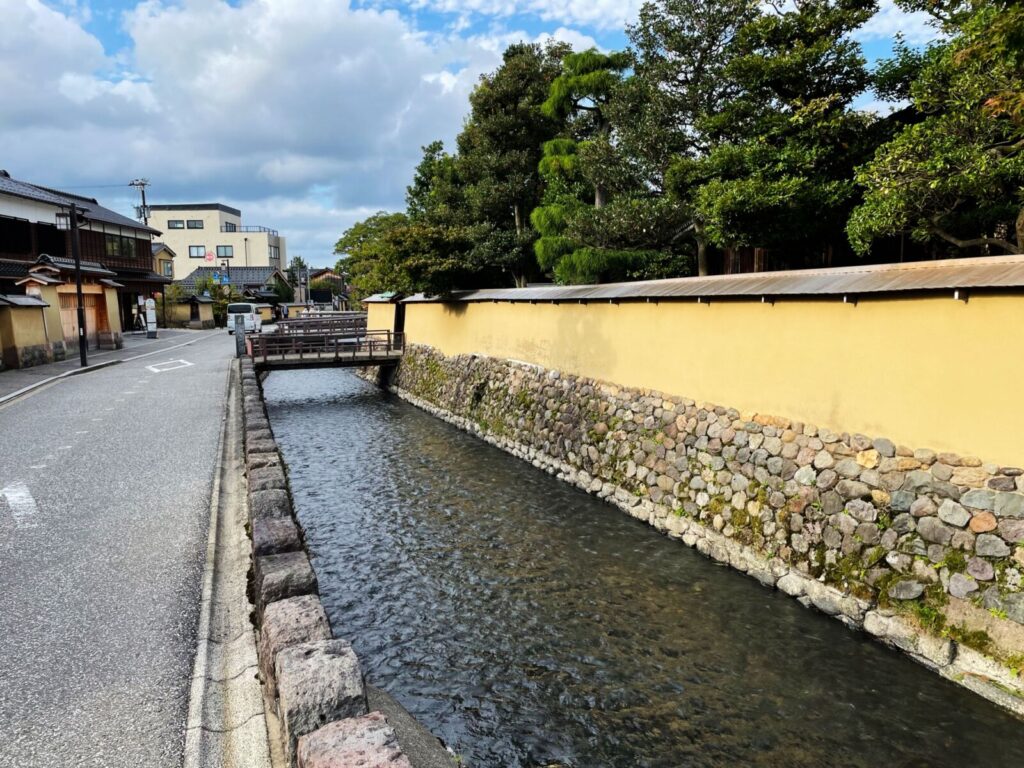
The Onosho Canal was once just part of a lively canal network that went through the city, moving goods and people as needed. This part is semi-original and really all that's left. It was drained and filled with concrete after the 1870s, but dug up, repaired and re-filled 100 years later into what we see now.
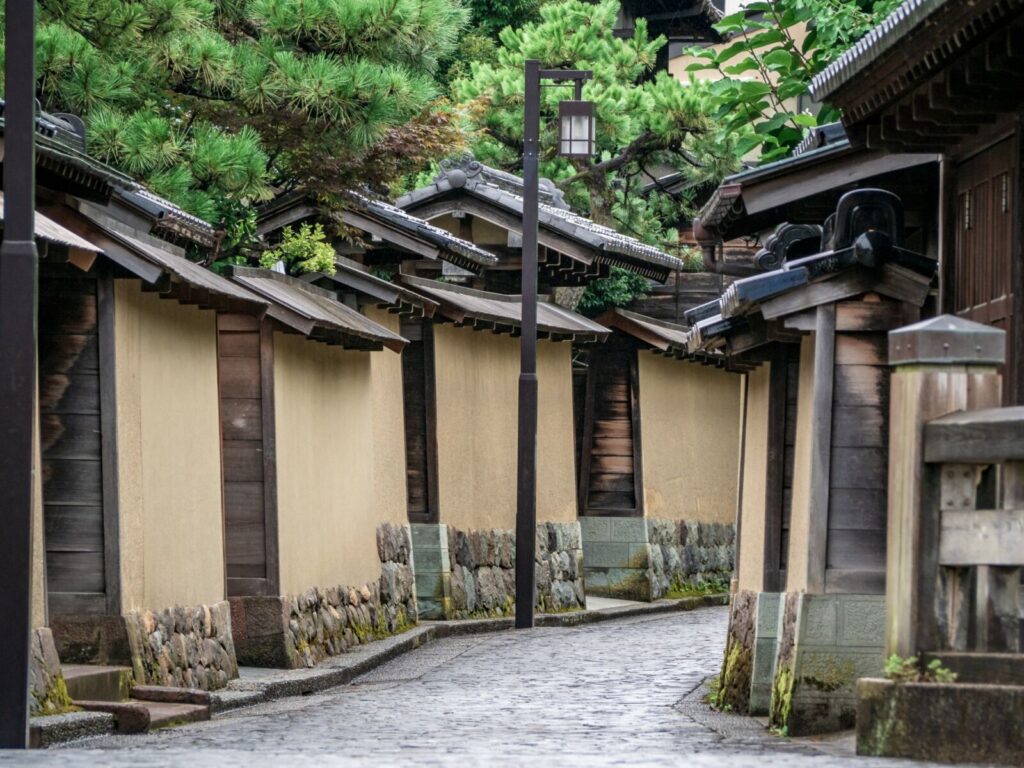
40 - Nagamachi Ninohashi
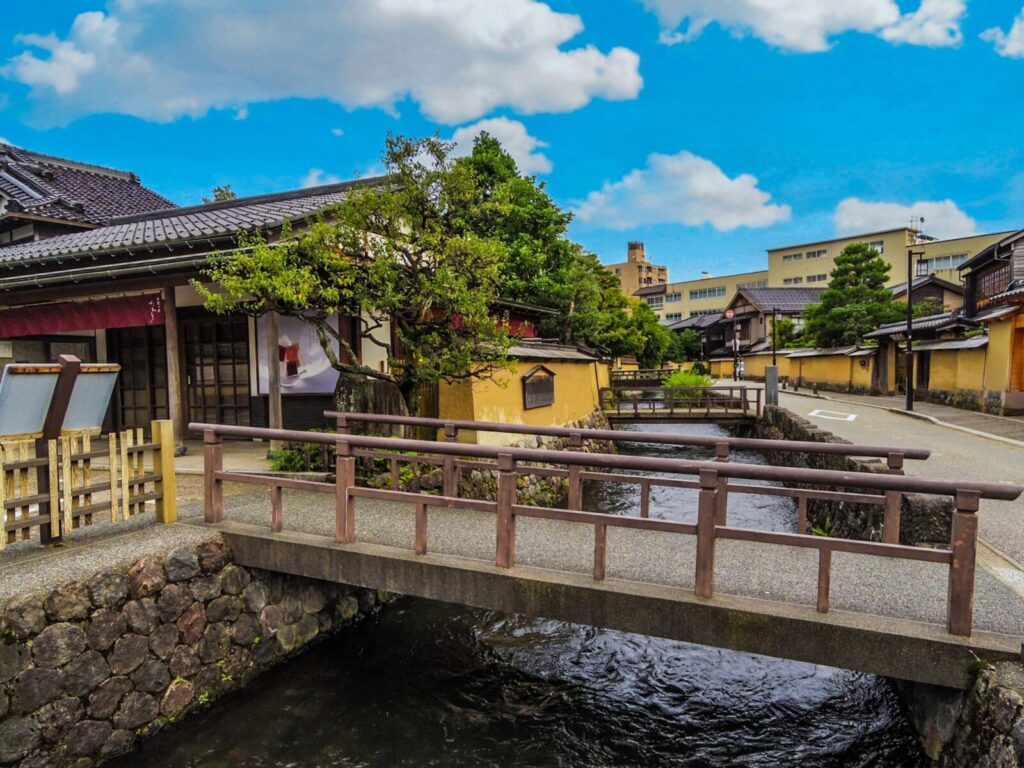
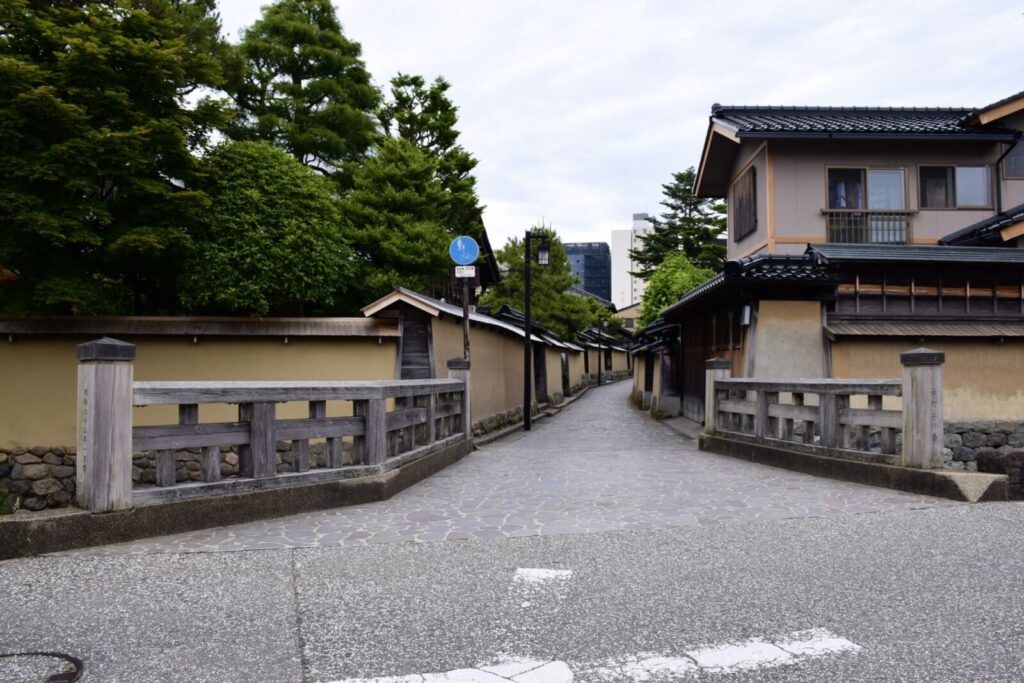
This is the Nagamachi District's most famous view. There are a series of small, scenic bridges ending with the picture shown on the right above. This street leads further into the district and out to the main road at Korinbo. It's a great backdrop for a family photo, selfie, or even just a picture of the area itself.
41 - Takada Family House
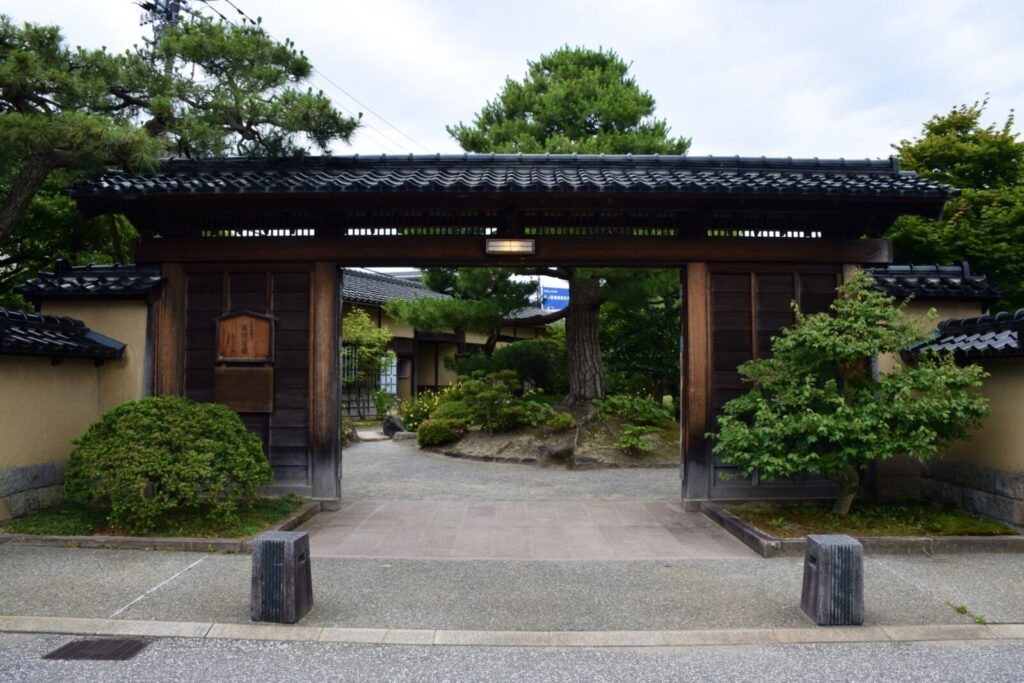
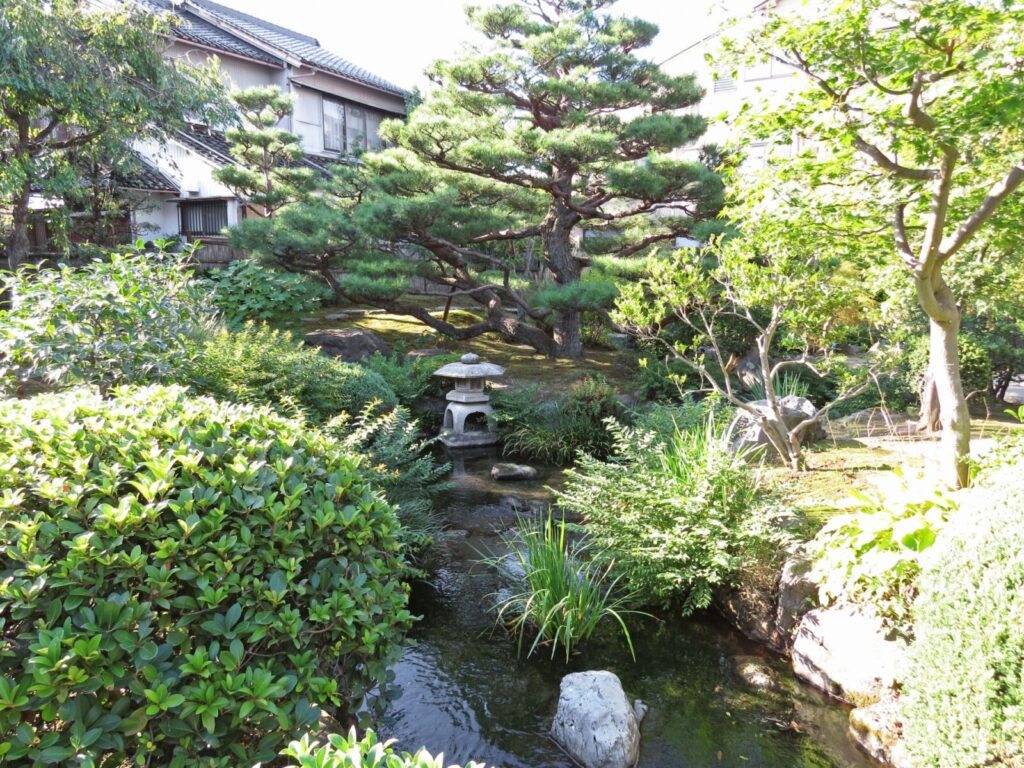
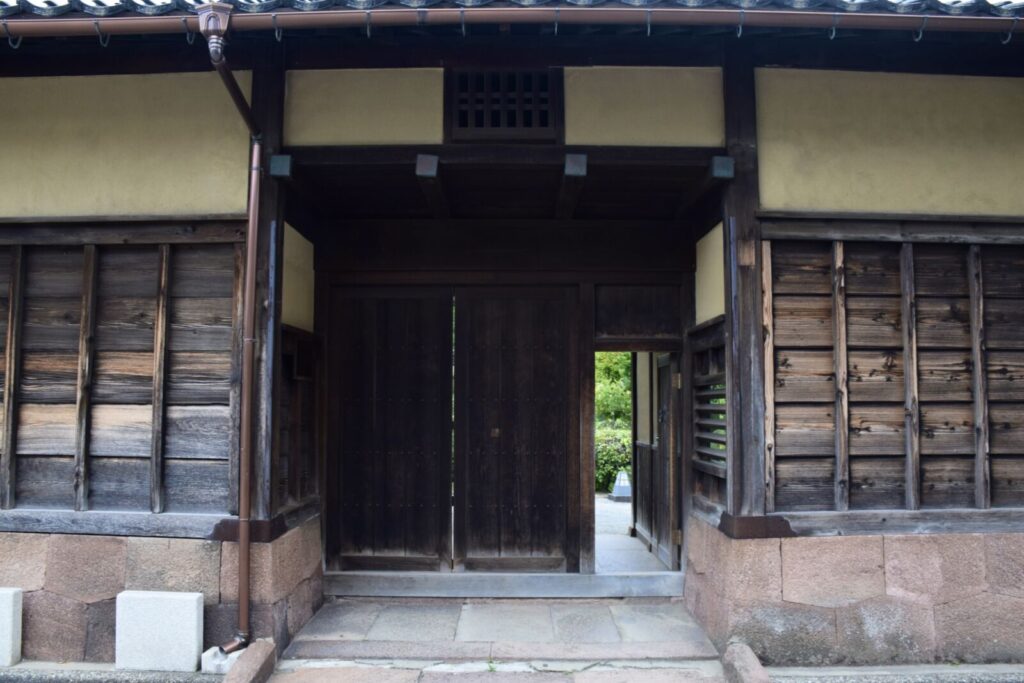
The Takada Family House was once about double this size. The part we can enjoy today was the garden, stable and servant's quarters. It's most striking feature is the massive pine tree in the centre of the garden. Around 300 years old, it survived for nearly a century after the samurai left the city in the 1870s until the garden was restored in the early-1970s.
42 - Oyama Shrine
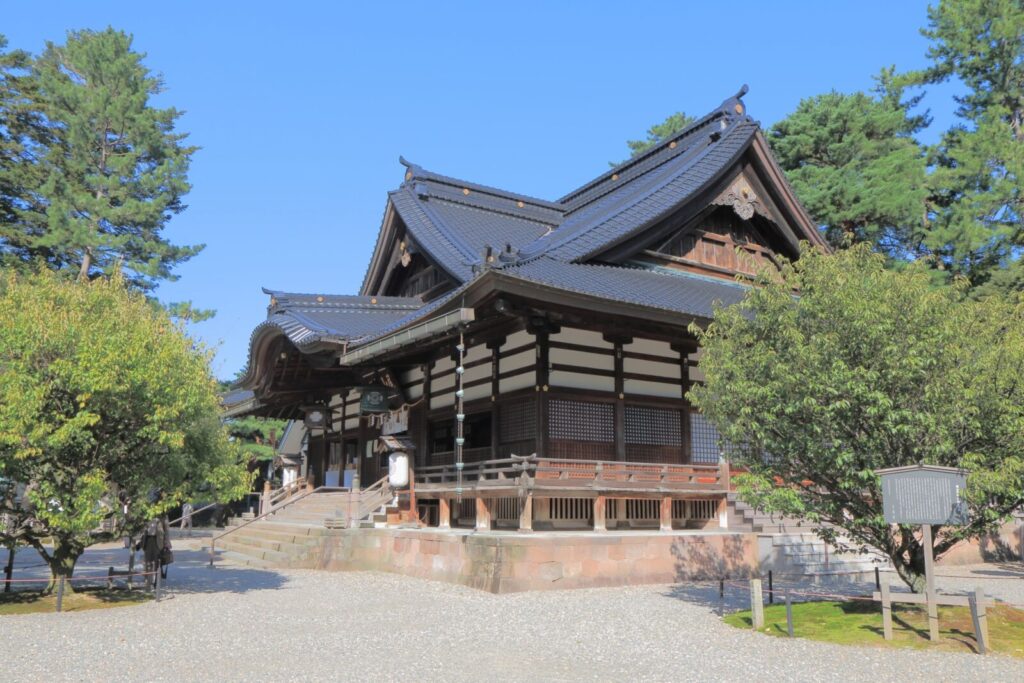
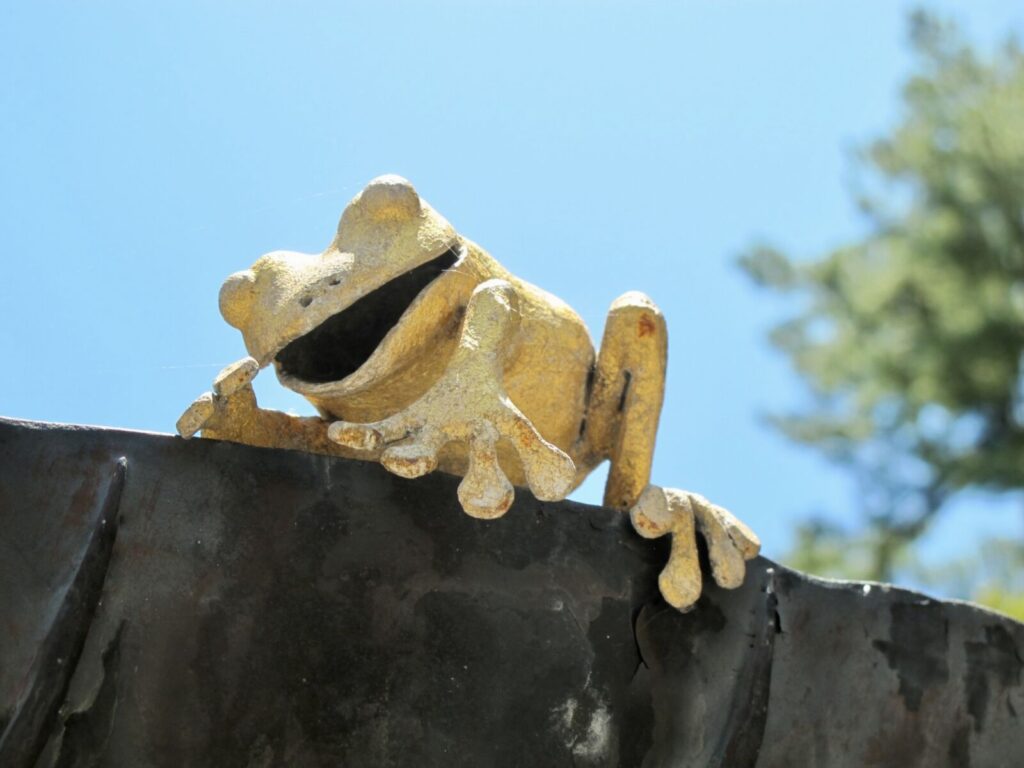
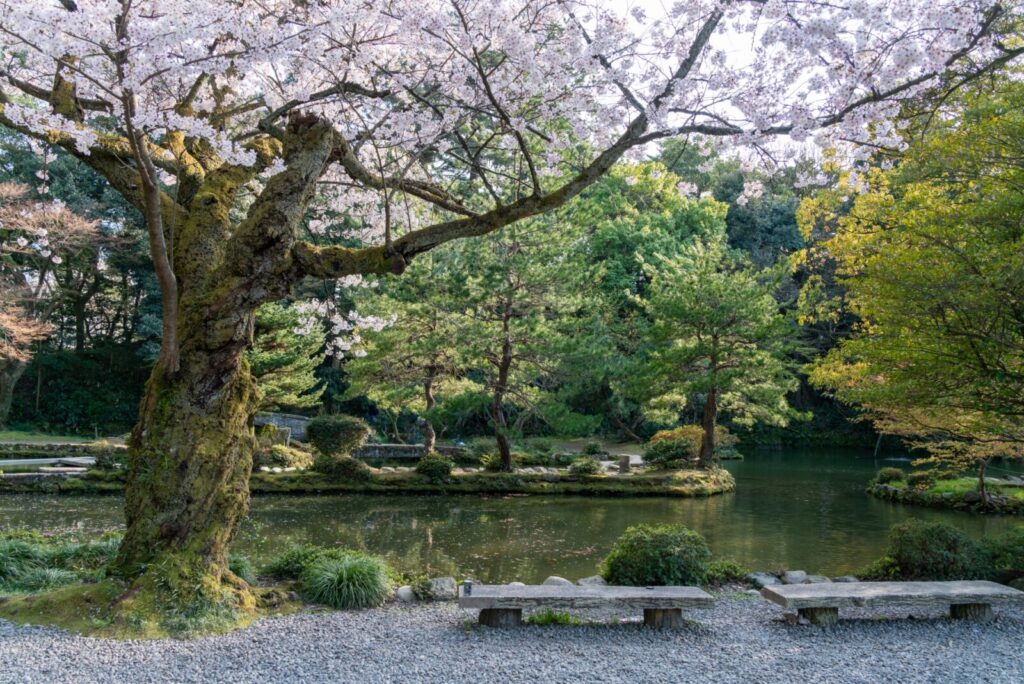
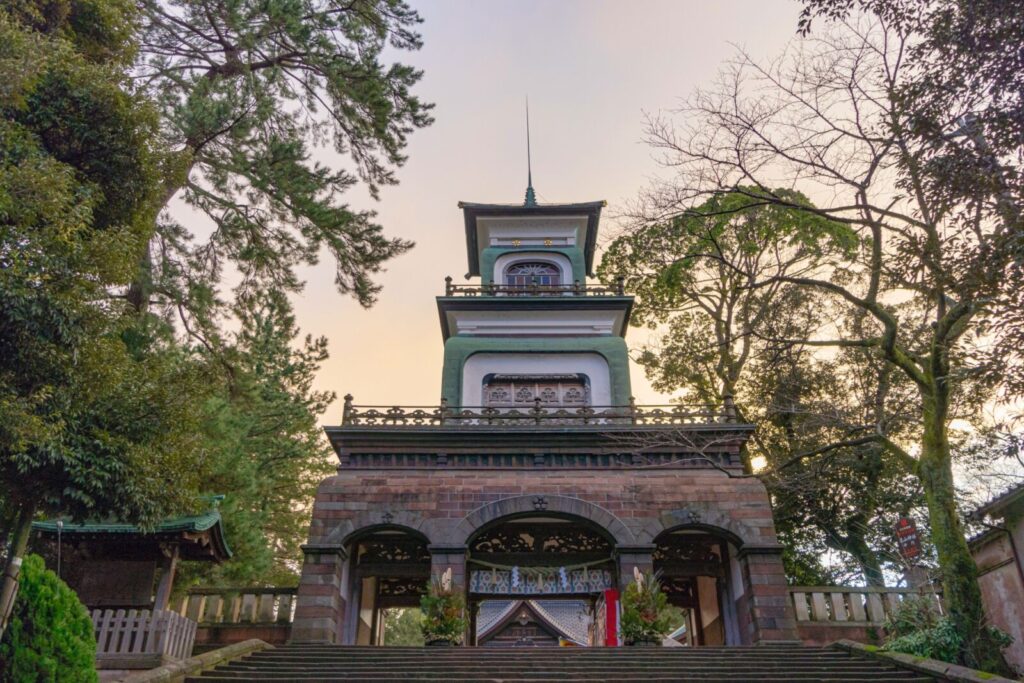
Oyama Shrine is now the main shrine for Kanazawa, said to house the spirit of the first lord, Maeda Toshiie, and his wife, Matsu. The beautiful entrance to the shrine shown above is the only one of its kind in Japan: blending European and Japanese architectural styles. The shrine also houses a beautiful garden and some cute gold frogs.
43 - 46: Outer Kanazawa Area
43 -Boukodai Observatory
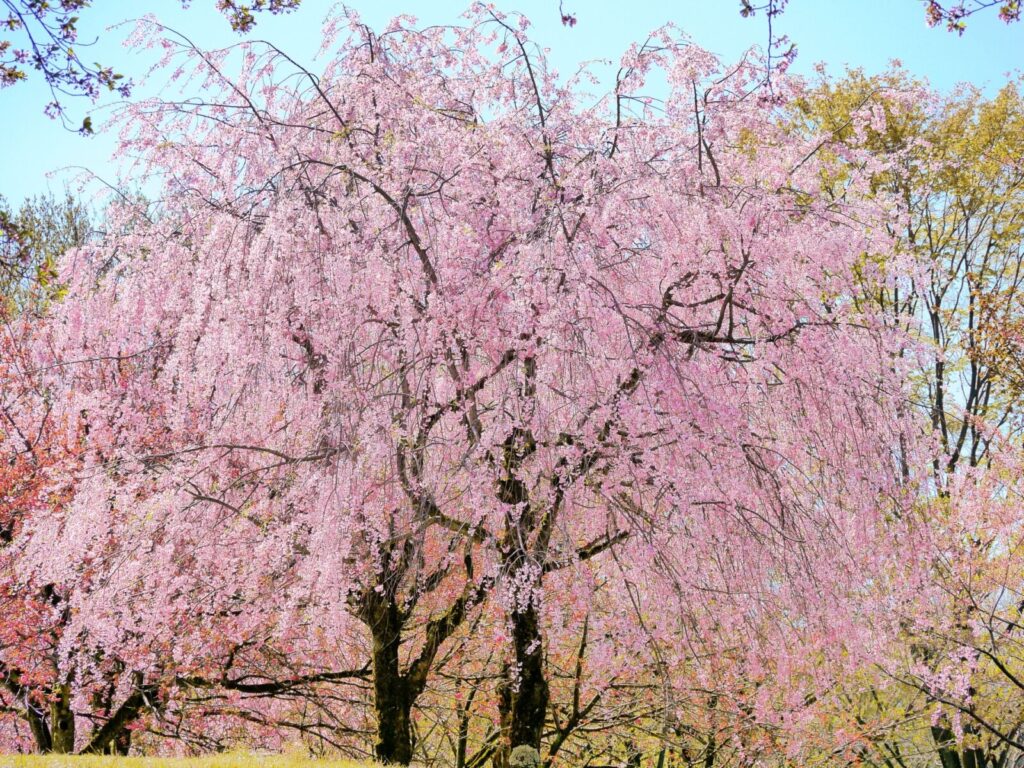
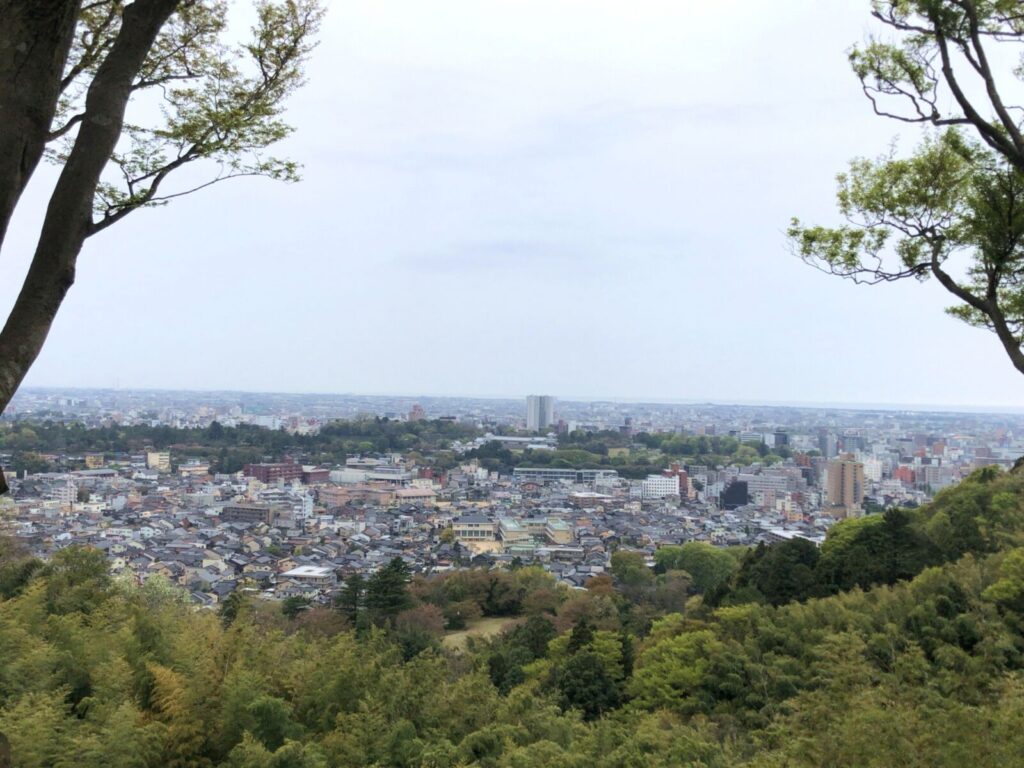
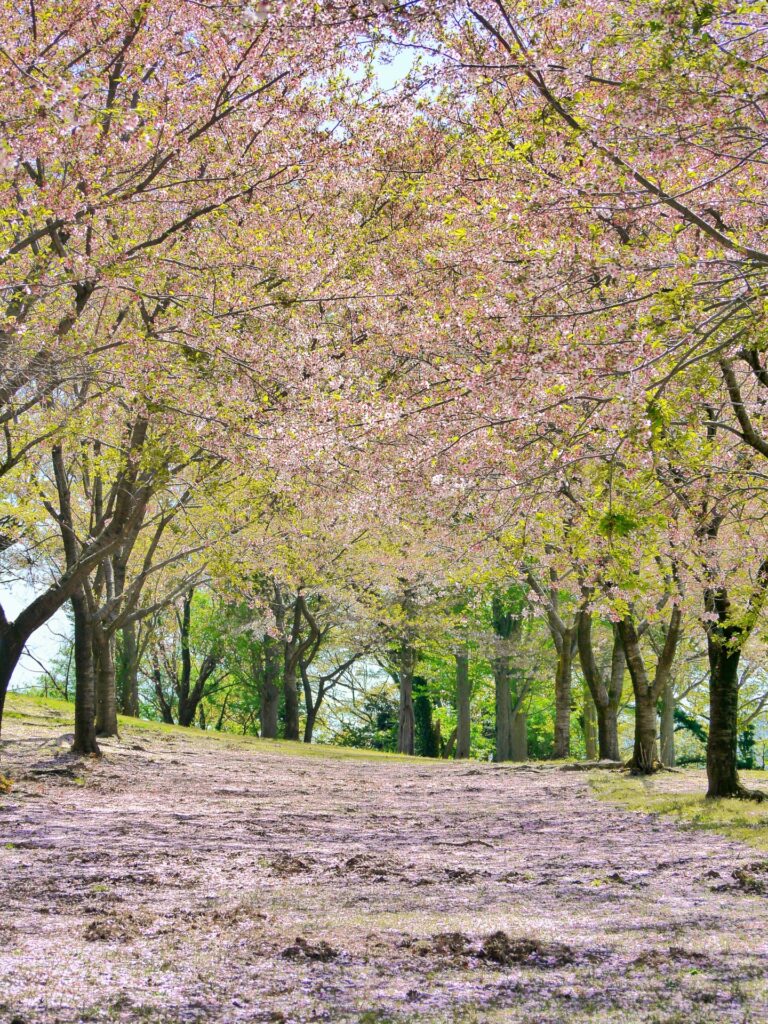
This area, further into Utatsuyama Park, is covered with cherry blossom trees. It also offers a stunning panoramic view of Kanazawa. The climb is a tough one, though, so some might prefer a taxi to the top and walking back down.
44 - Ishikawa Prefectural Library
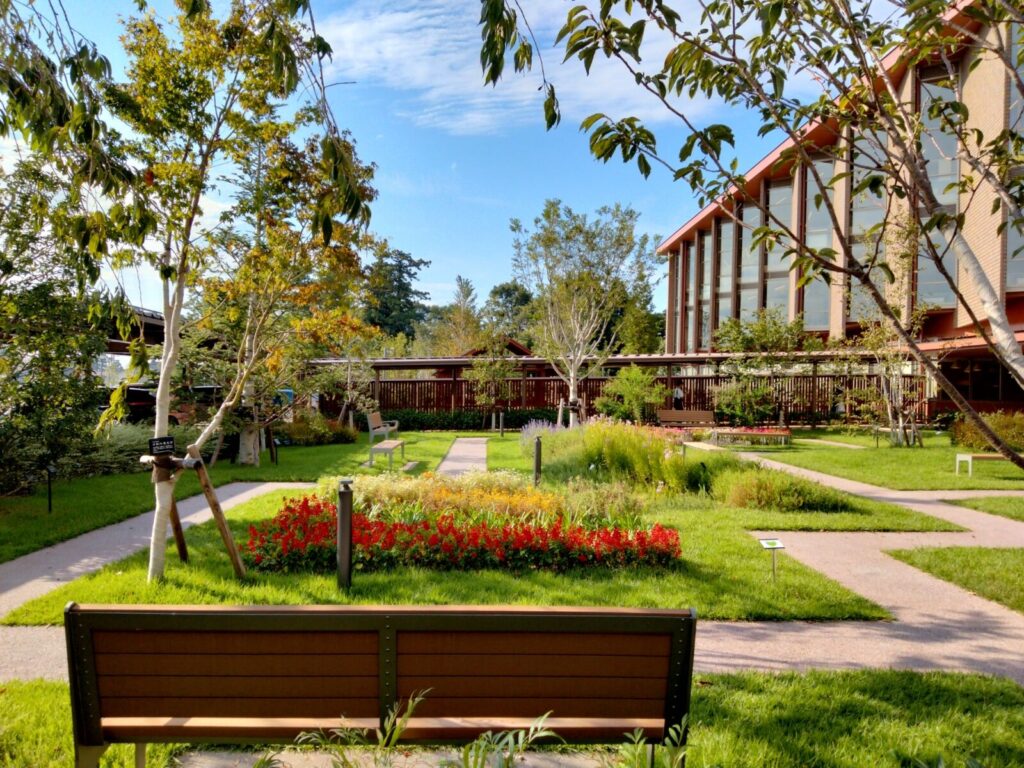
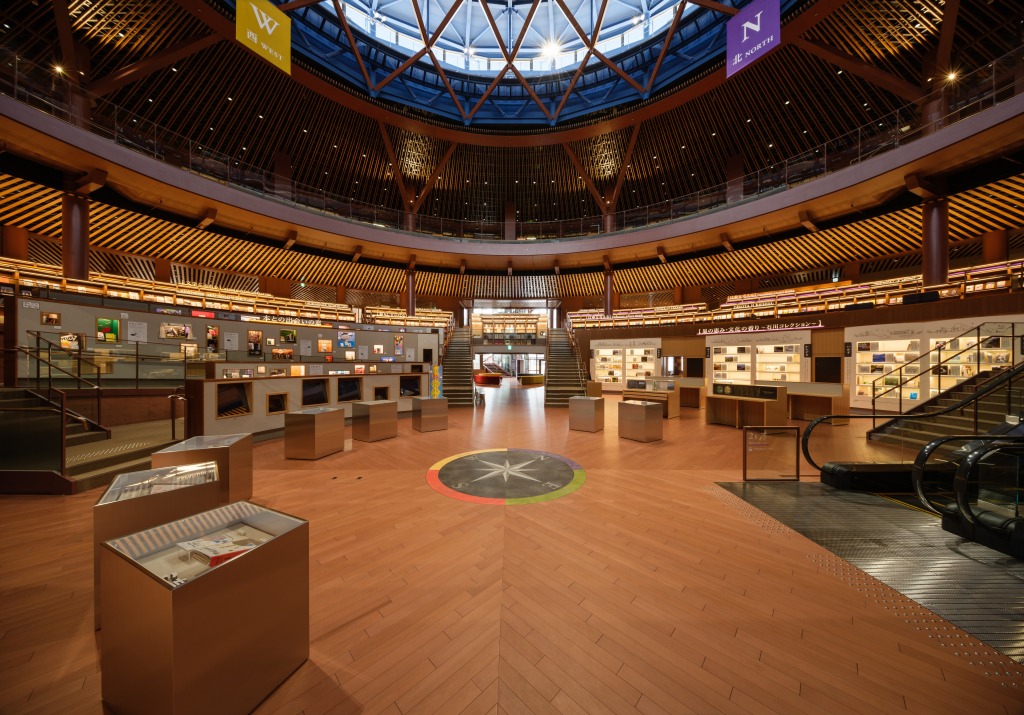
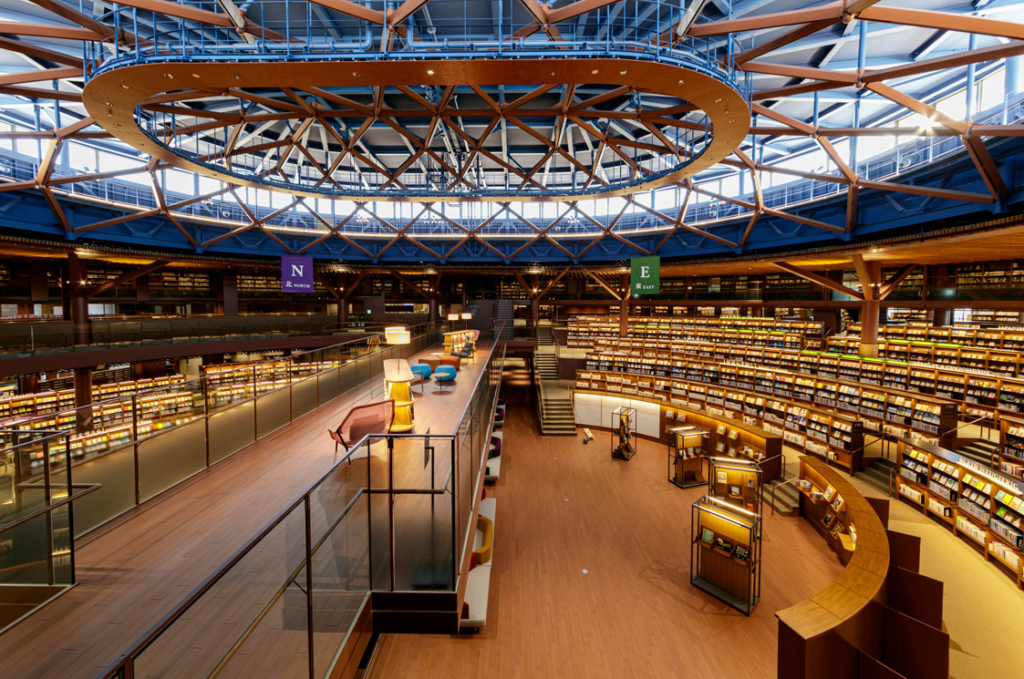

The Ishikawa Prefectural Library was finished in 2022. Housing around 1.2 million books, it's free to enter and enjoy. It has a small but scenic garden and stunning architecture. Inside, there are several interesting areas, including one dedicated to Ishikawa Prefecture's biodiversity. If you do go, remember to be respectful of people who may be studying or working quietly in the library.
45 - Takao Castle Ruins
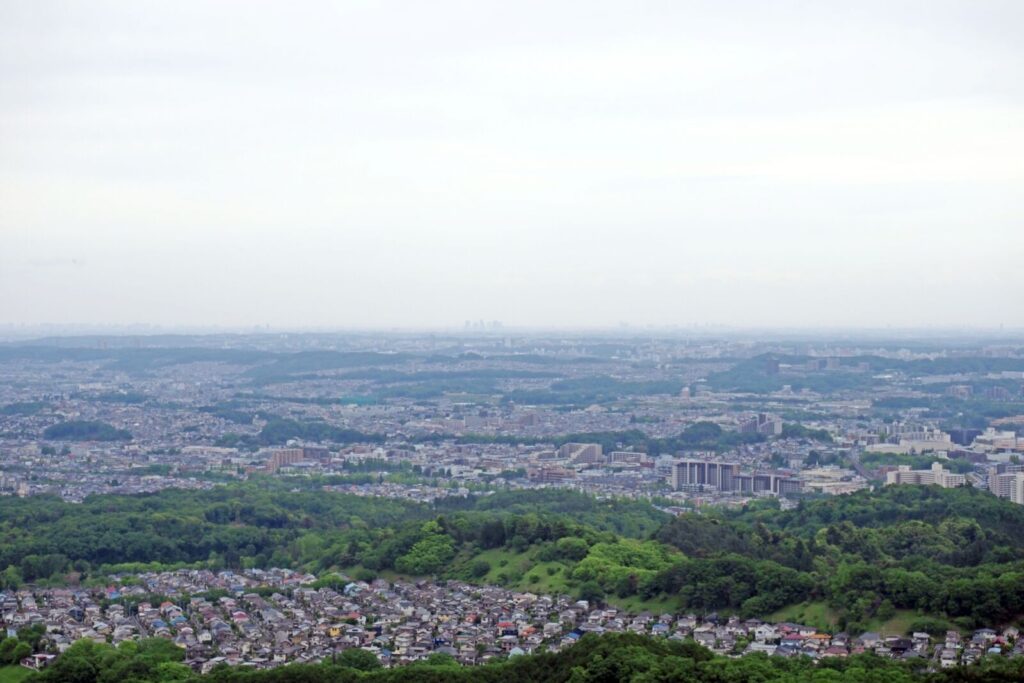
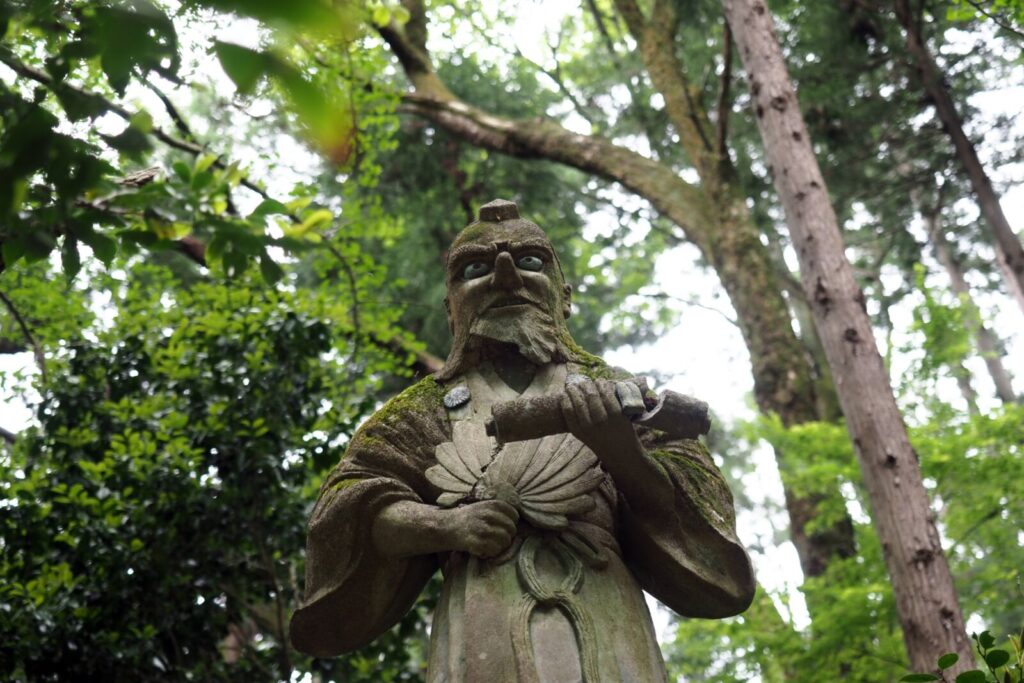
Much about the castle that once stood here has been lost to history. It was used in 1488 during a battle with the Ikko-Ikki, a militant Buddhist sect who controlled Kanazawa for nearly 100 years. The samurai who lived here sided with the monks, but they felt he hadn't been living up to their ideals and attacked him here. He was defeated and the castle was burned down. Now, there's little here but a hiking path up the mountain, some stone statues that have stood the test of time, and one of the most stunning views looking out over the city.
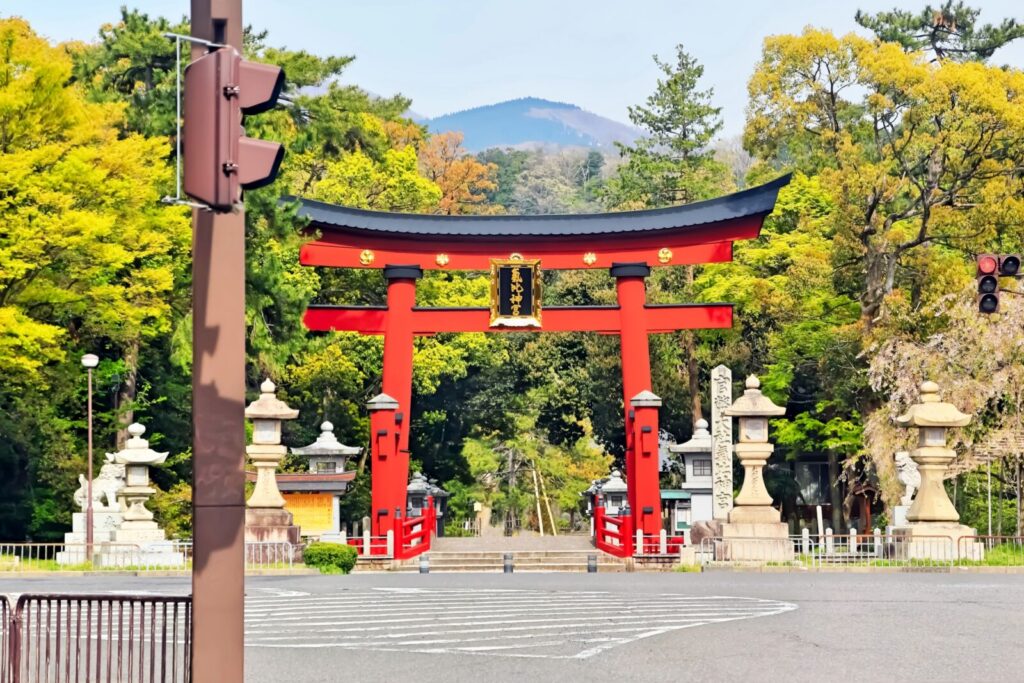
46 - Shirayama Hime Shrine
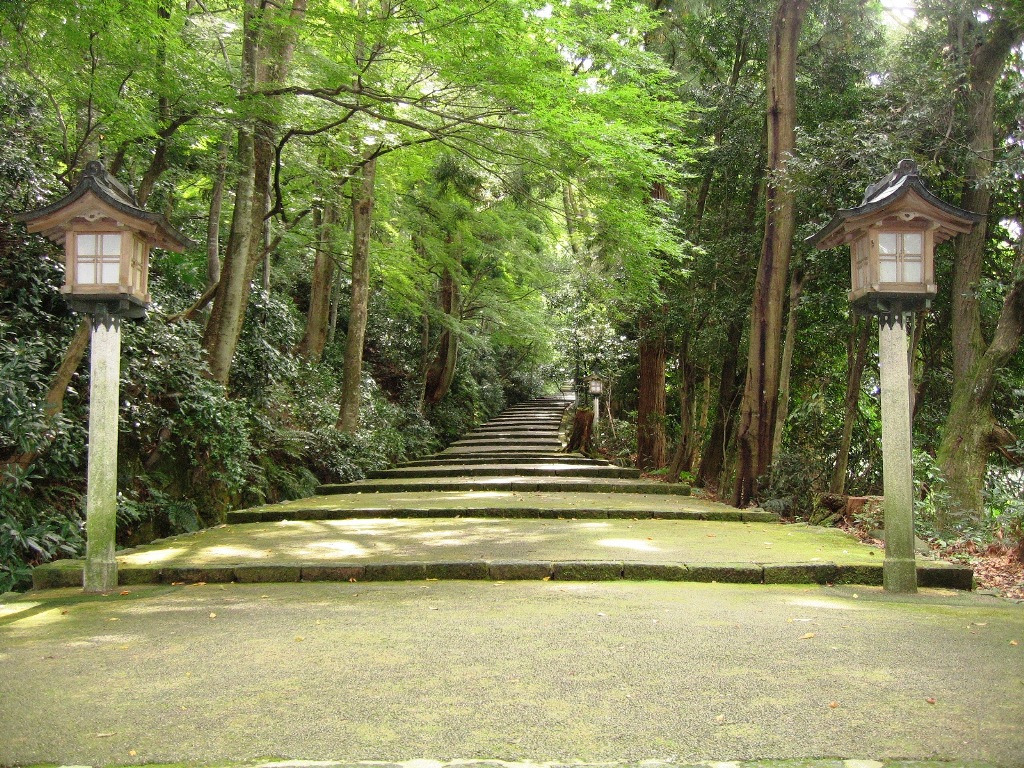
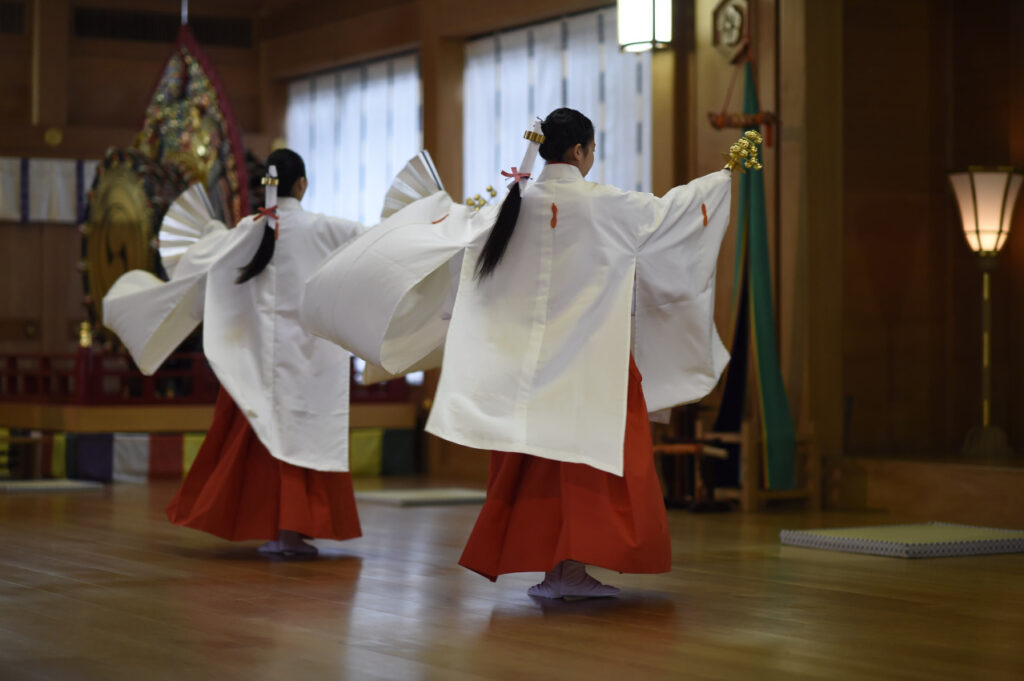
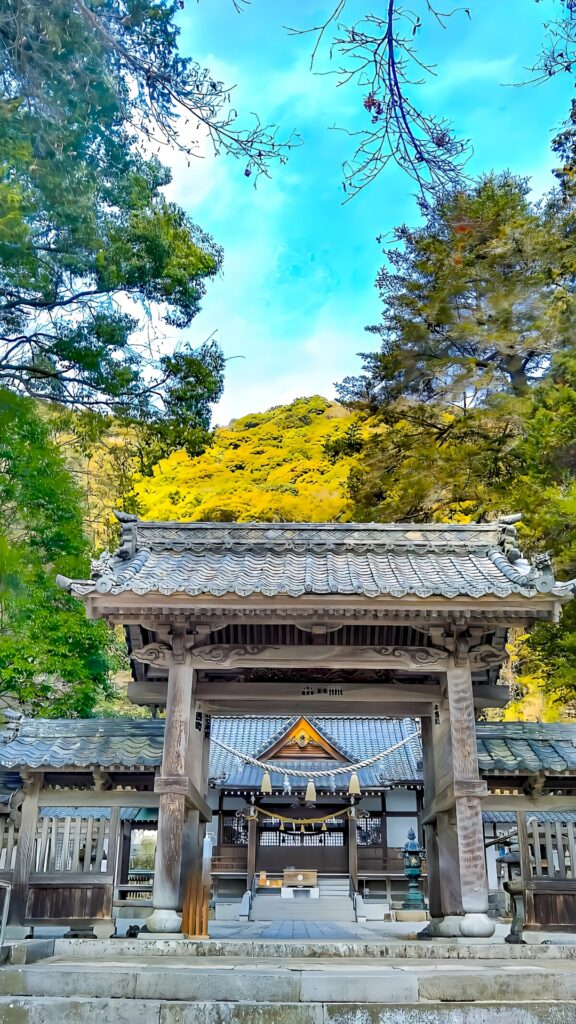
Based at the foot of Mt. Haku, one of Japan's Three Sacred Mountains (Along with Mt. Fuji and Mt. Tate), this shrine is the highest-ranked shrine in the Hokuriku region. The site has been used since pre-history as part of the Hakusan Faith, an ancient form of mountain worship that has since been blended with Shinto and Buddhist practices.
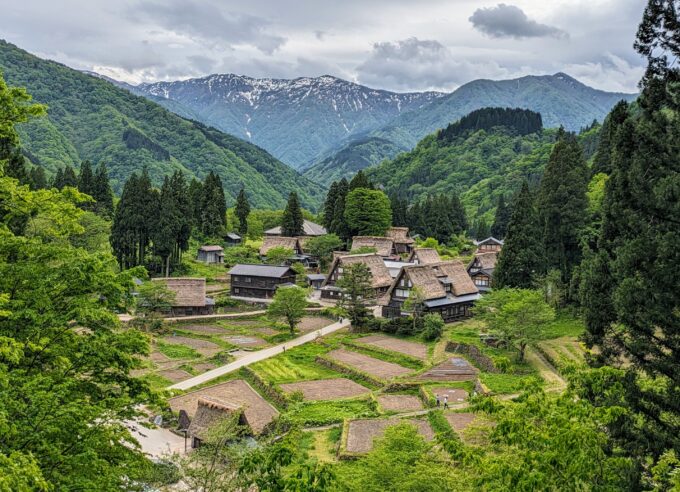
The shrine has a fascinating history and its proximity to the mountains give easy access to the Hakusan-Shirakawa-Go White Road which connects to the traditional thatched-roof villages of Shirakawa-Go and Gokayama.
Frequently Asked Questions (FAQ)
Is there anything I need to know about taking pictures in Japan?
Rules around photography in public in Japan can be very different to what you're used to. Here are a few good rules to bear in mind:
- Never take pictures into the main areas of shrines or temples, even if you see Japanese people doing so. Those areas are considered sacred, so taking pictures is seen as disrespectful. Taking pictures of the building from the outside and the area is fine, however.
- Never take pictures of children without their parents' explicit consent.
- Many Japanese people are quite shy about their face and may ask you to delete a picture if their face is visible. You are legally-obliged to delete the picture. The person may be fine with you blurring their face.
- As with countries around the world, many museums ban photography outright.
- If you see geisha, please do not chase them for pictures. There have been a number of incidents in recent years with geisha being harassed and has become a heated topic in Japan.
- Bear in mind your surroundings while taking pictures: make sure any bags you are carrying are not obstructing walkways while you get the perfect shot.
I see a few places I'd be interested in going to. What tours do you do in the area?
Snow Monkey Resorts currently offers three tours around Kanazawa, each going to different areas. If you're interested in seeing as many sights as possible in a day, look no further than our Matcha, Samurai, Gardens and Geisha tour! Running all-year-round, this tour visits all of Kanazawa's main attractions. You'll see the preserved homes of samurai warriors, drink the finest matcha in the city, see the world-famous Kenrokuen Garden and take a step inside Shima, a 200-year-old geisha house that is completely original!
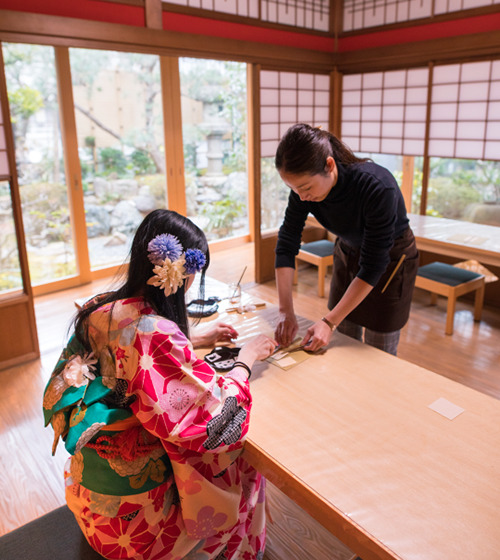
If you're the crafty type, you're certain to enjoy our Experience Tour: Gold Leaf, Japanese Sweets and Ninja Stars. On this tour, we dabble in some of Kanazawa's traditional crafts. You'll get to decorate items with gold leaf which you can keep as a memento, try making delicious wagashi traditional sweets, and unlock your hidden potential as a shinobi by throwing ninja stars. Along the way, we stop in Honda Park, Shofukaku Garden and the DT Suzuki Museum where there are plenty of places for pictures!
Finally, there's our Glamor of the Geisha tour. This tour spends an extended period of time in the Higashi Chaya District and Kenrokuen Garden. You'll get your fill of both areas while learning about the culture of geisha and the fascinating history of the garden. Your guide will help you get to all the best hidden spots for pictures in the expansive garden, and you'll step inside Seisonkaku, a massive villa built for the lord's mother.
I'd like to go to a few of the further away spots, but I don't want to deal with public transport. Can you help?
Based in Central Japan and operating all-year-round, we offer highly entertaining group-tours of Central Japan and the surrounding areas that are sure to please. All tours are led by locally-based guides and will take you around the must-see sights in the region, as well as some lesser known gems. Our tours are fun, interactive and family-friendly. For more information, or to book a tour, click on the banner.
Of course, we also offer private tours and transport in and around the Nagoya area, and other regional destinations. Our drivers and vehicles are fully certified, allowing us to transport you to and from your preferred destinations in combination with any activity that suits your schedule. All vehicles are well-maintained and in good condition, allowing you to relax and enjoy your ride to wherever you are going.
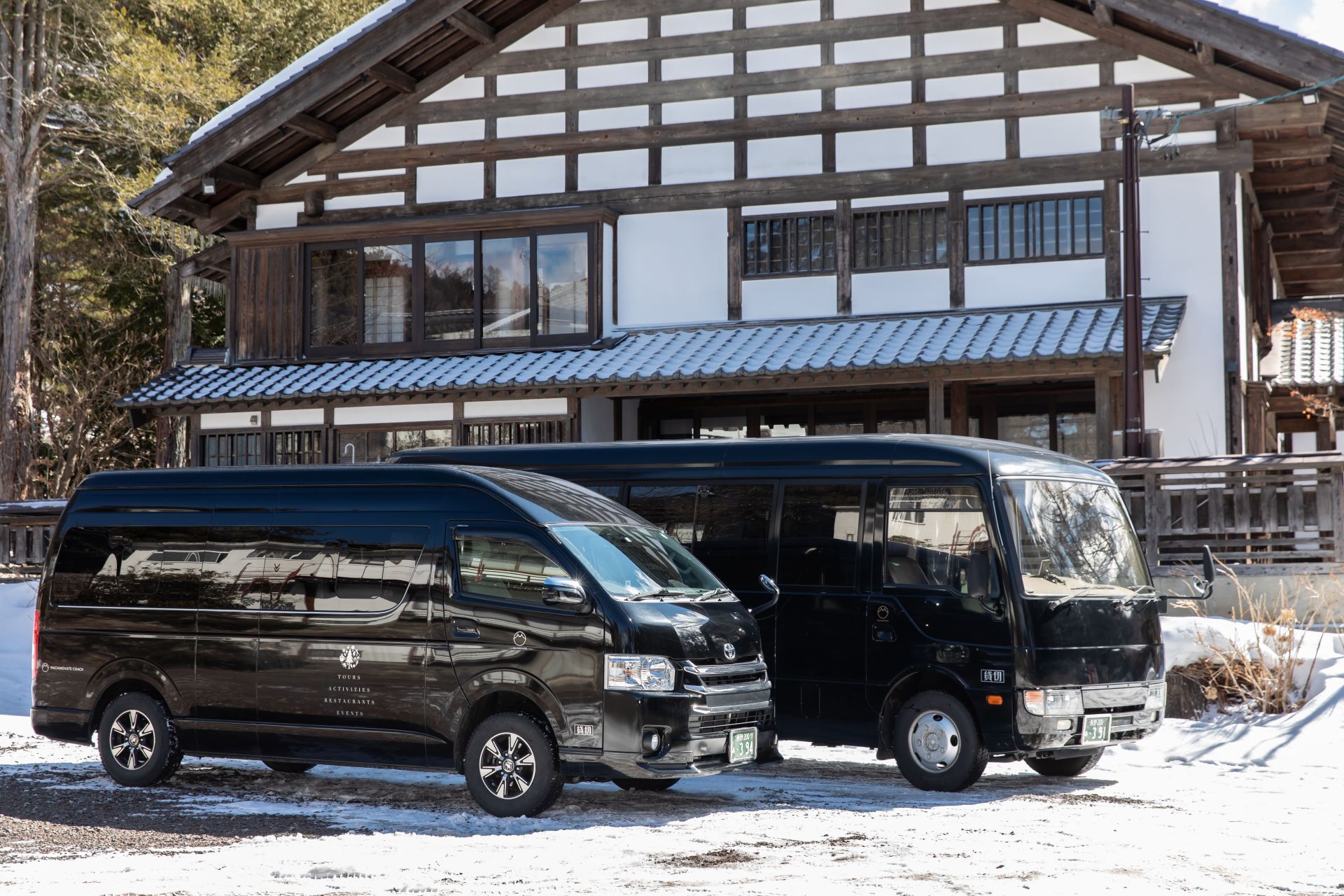
We can arrange both private tours with an English-speaking guide or a private charter. With door-to-door service, we can pick up you up from where you are and take you to where you want to go anywhere in Central Japan and the neighbouring regions. For more information, please click HERE to check availability and pricing for your trip. We’d love to be part of your adventure in Central Japan and help you discover even more!