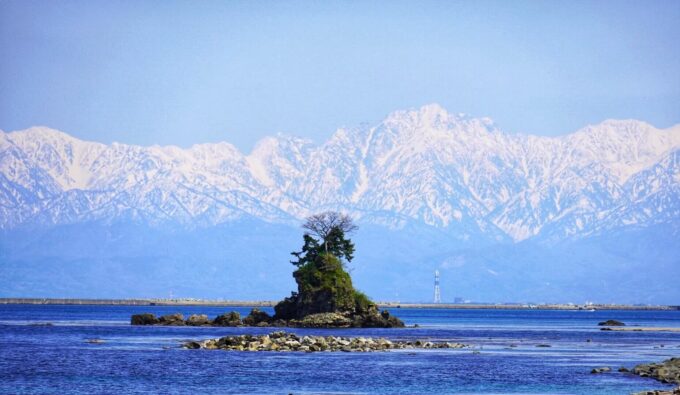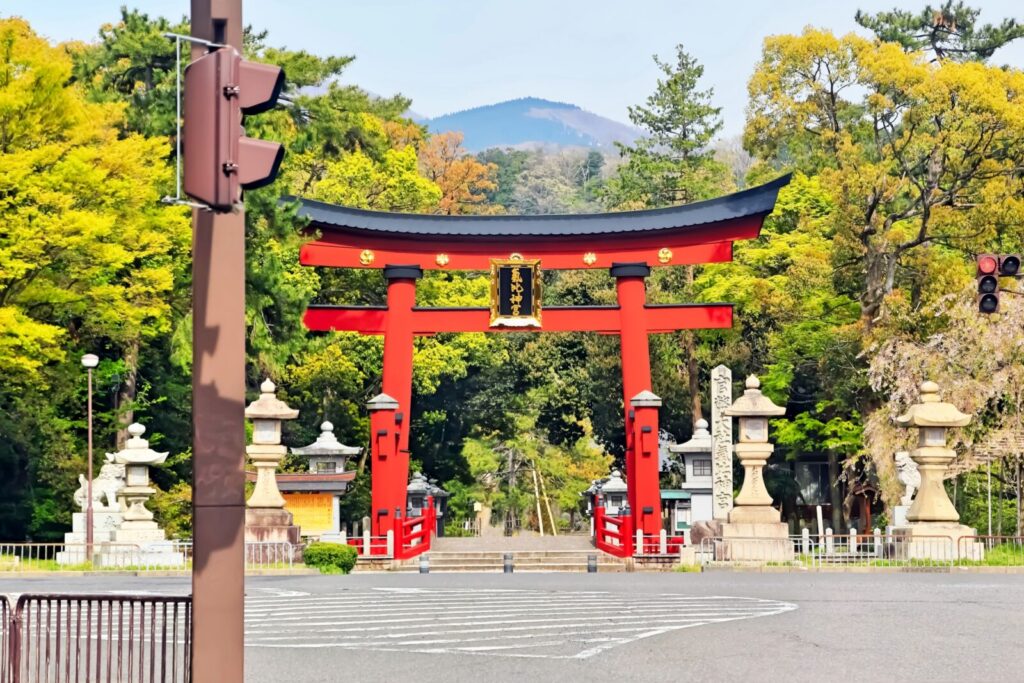

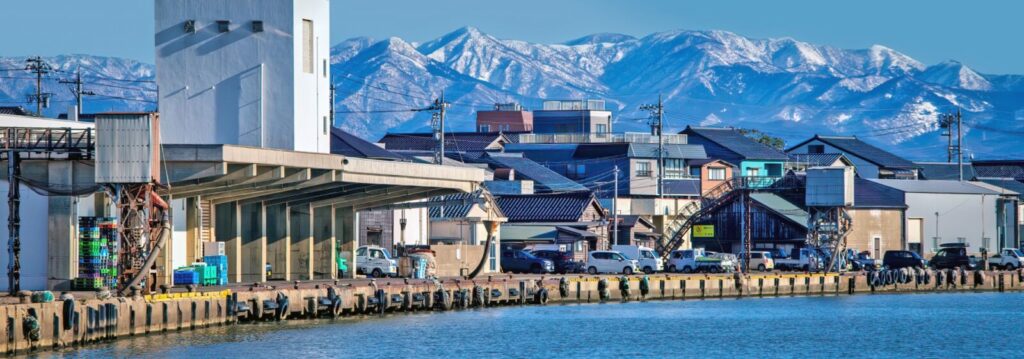
Through the Edo Period (1603 - 1868), Mikuni Port flourished. The port was one of several stops along a key trade route along the sea, moving from Osaka to Hokkaido. Ships docking at Mikuni Port brought valuable rice and, later, even more valuable sake. Geisha, musicians and other performers also travelled on the ships as travelling entertainment. Today, the port is a scenic area with several historical monuments still standing despite heavy bombing during the war.
Mikuni Port Through History
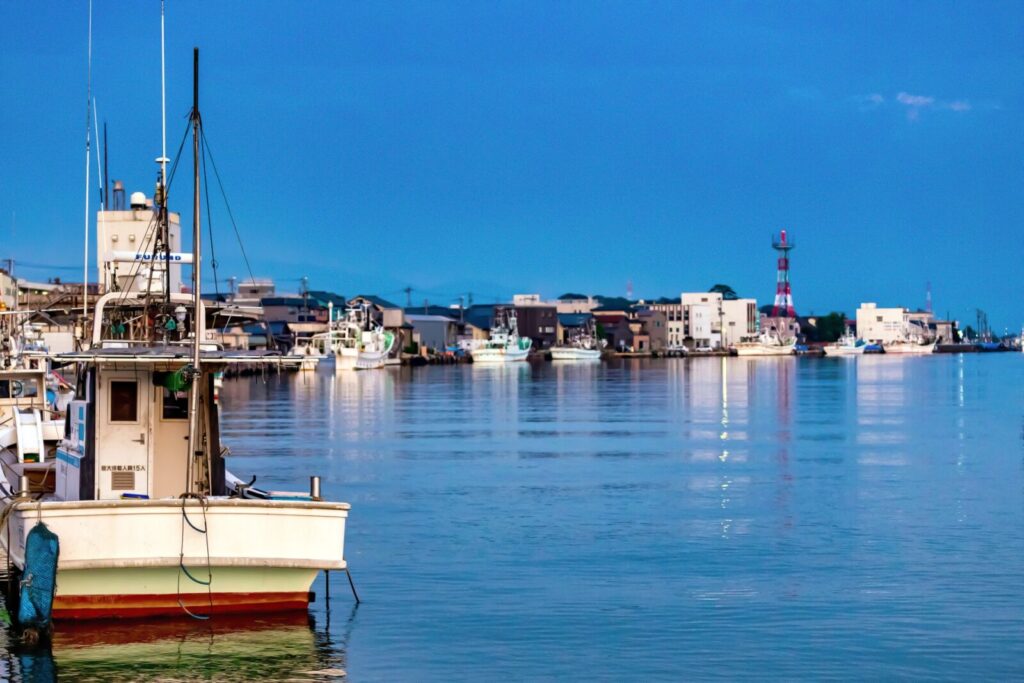
Since ancient times, Mikuni has been an important port for what is now Fukui Prefecture. In the early 1300s, Mikuni housed an important castle famed for its formidable defences. The port helped bring in fish from the bountiful waters of the Sea of Japan. Merchants from the Korean peninsula and mainland China also came to the port, so it flourished. Wares brought here could be easily transferred onto smaller ships and taken down the Kuzuryuu River to be dispersed throughout the region.
The Edo Period brought 300 years of relative peace. Overland transport was extremely expensive and time-consuming, so efforts to establish a series of ports along Honshuu, Japan's largest and main island, began in earnest. Mikuni Port was a natural choice for a stop on the route.
Kitamaebune
The trade route, which would become known as kitamaebune, was used by small, single-sail ships sending stock to stops between Osaka and Hokkaido. At first, the ships could only make the trip once in a year but, as Dutch merchants brought better boat-building techniques, the ships were upgraded and could make the route four times in a year.
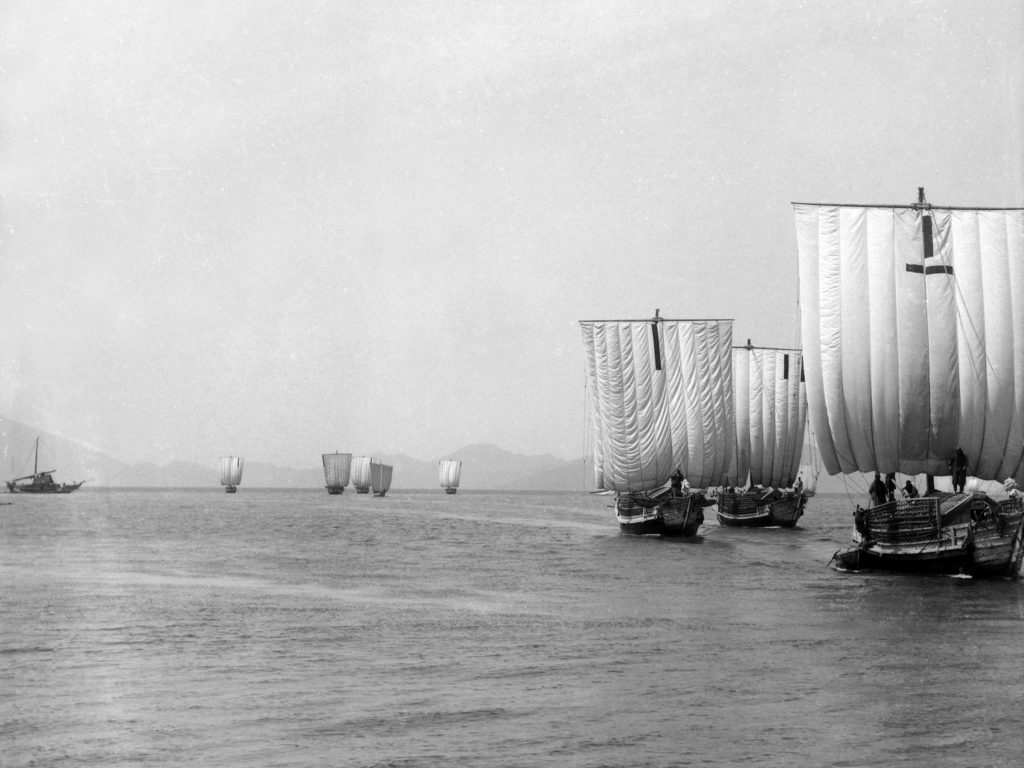
The ships didn't just transport wares, though, they also brought geisha and other performers. The dances and songs performed by the geisha spread through the ports. Merchant ships carried sailors with money to spend, who flocked to the geisha after being at sea for so long.
The wealth brought by kitamaebune were an attractive prospect for young men. To those born in poverty, becoming an apprentice sailor was an achievable position and a clear path to owning your own ship one day. A kitamaebune could make 1,000 ryo (roughly USD $680,000 in 2025) per journey. Despite the dangers of storms, threats of attacks by pirates and bad luck leading to shipwrecks, many sailors pursed the dream.
End of an Era
The end of the Edo Period coincides with a massive industrialisation movement across Japan, and the kitamaebune and its culture were replaced by the more efficient and modern trains. Modernising communication methods also meant that sailors on kitamaebune couldn't artificially drive up prices. The death blow for the industry came in 1901 by the breakout of the Russo-Japanese war, which made the route unsafe.
As the kitamaebune and its related industries faded, port towns like Mikuni also fell into a depression and obscurity. Even though Mikuni Port is still a force to be reckoned with in the crab-fishing industry, it's unlikely to ever climb back to its old heights.
Mikuni Port in the 21st Century
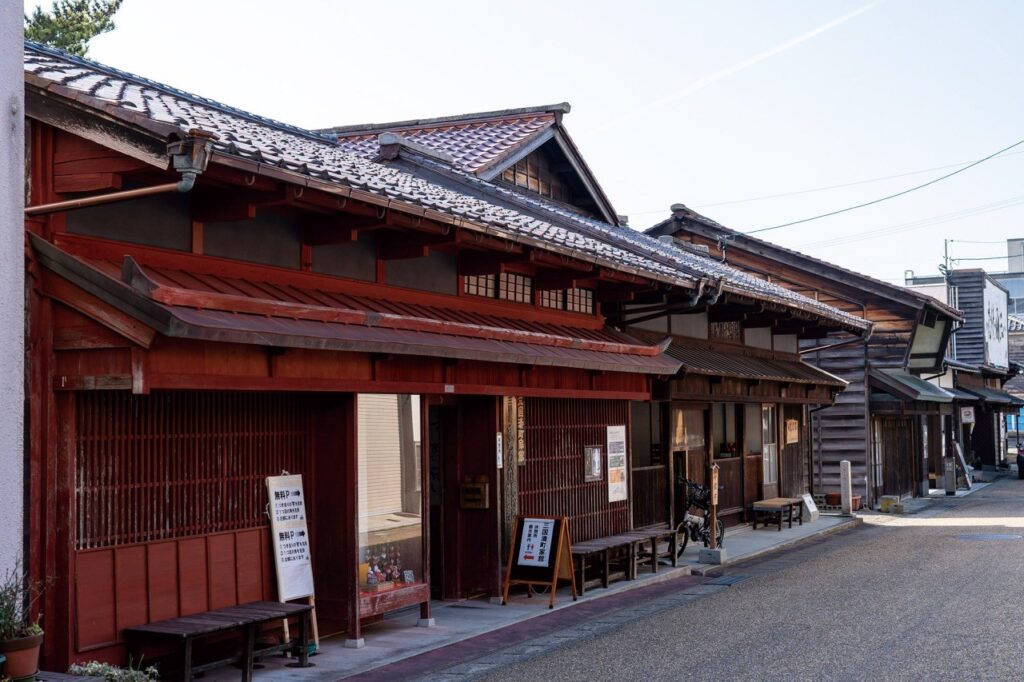
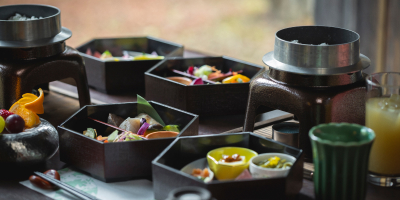
Today, much of Mikuni Port's historic streetscape has been preserved, with many of the opulent merchant mansions being converted into cafes, restaurants and museums. These streets are the perfect place to take a leisurely stroll as you enjoy the town. Many of the restaurants serve locally-caught seafood brought straight in from the fishermen each morning. You can't get much fresher than that!
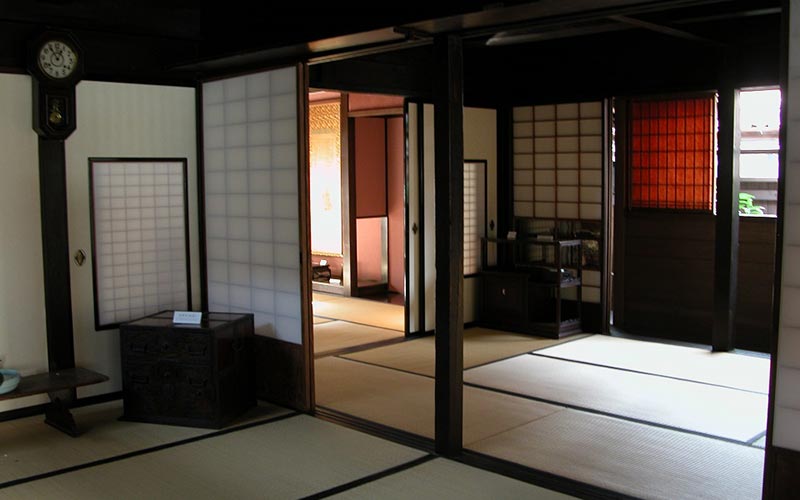
If you're looking to head into a museum, we recommend the former Kishina Family Residence, once a family of rich lumber merchants. This museum offers a peak inside the lives of an upper-middle class family around 100 years ago. The upper floor has a display of cultural figures associated with Mikuni, so you get a good mix of historical and cultural aspects here.
If shopping (and the food that comes with!) is your goal, then don't miss out on the Mikuni Port Market. Held every Sunday (except during winter), there are a bunch of events to whet your appetite - from the Market Restaurant serving seafood soup; the charcoal grill booth, where you can grill the things you bought there and then; and a Japan-staple stamp rally. If you are lucky, you may also get to see a seafood auction, where restaurants and businesses compete to win the prized hauls from the day's catch.
Frequently Asked Questions (FAQ)
How can I get to Mikuni Port from Mikuni Station?
Getting to Mikuni Port is easy. You can take the local train just one stop to Mikuni Minato Station. The market is directly across the street. A ticket will cost JPY 180 and takes about 2 minutes. It's also a simple walk and takes about 15 minutes: simply leave Mikuni Station, cross the street and walk all the way to the end of the road. There, turn right. You'll reach Mikuni Minato Station after about 15 minutes, having passed through much of the port area.
What time does Mikuni Port open?
Mikuni Port doesn't have specific access hours as it is a working port. However, the market is open every Sunday from 7:30 A.M. to 11:30 P.M.
When is the best time to visit Mikuni Port?
Mikuni has a few events which make it an attractive destination in different seasons. The town festival, which is one of the biggest in Fukui, is held on May 20th every year.
Around August 11th is the Mikuni Fireworks Festival. Through the evening, thousands of fireworks are fired over Mikuni Bay, reflecting beautifully off the water. It's one of the best fireworks displays in Japan, so a definite must-see for people in the area at the time!
Finally, Fukui's prized speciality, snow crabs, are in season through the winter. To get the absolute best time for this local delicacy, plan your trip to Mikuni between December and February. Oysters are also in season around this time, so the fish markets are in full swing. It'll be cold, though, so don't forget a warm jacket and a hat!
I'd like to take a tour to Mikuni Port, how can I do that?
You absolutely can! Check out our 1 Day Tour from Kanazawa: Fukui's Stunning Cliffs, Spiritual Island and Historical Port tour. Operating all year round, this tour will take you through some of the area's most beautiful coastal landscapes. We'll walk through the port area, see a beautiful temple, and learn more about the local history and culture. Interested? Check out more by clicking the link below!