


Kanazawa has a wealth of events throughout the year. From food festivals, local sake breweries showcasing their products, to fire festivals by the ocean, there's something that will appeal to everyone at some point through the year. Planning a trip to Kanazawa? Be sure to plan your visit to the Jewel of Japan around one of the wonderful events on offer! We've assembled what we think are the most interesting events, but there are many more worth having a look at.
January
Hatsumode
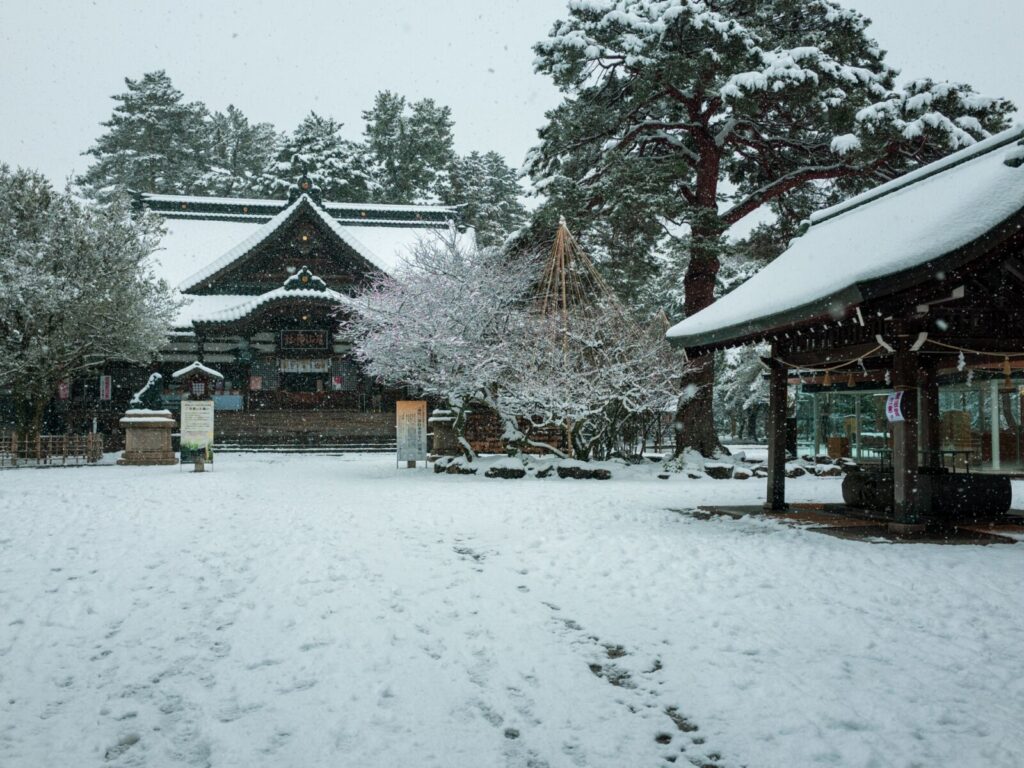
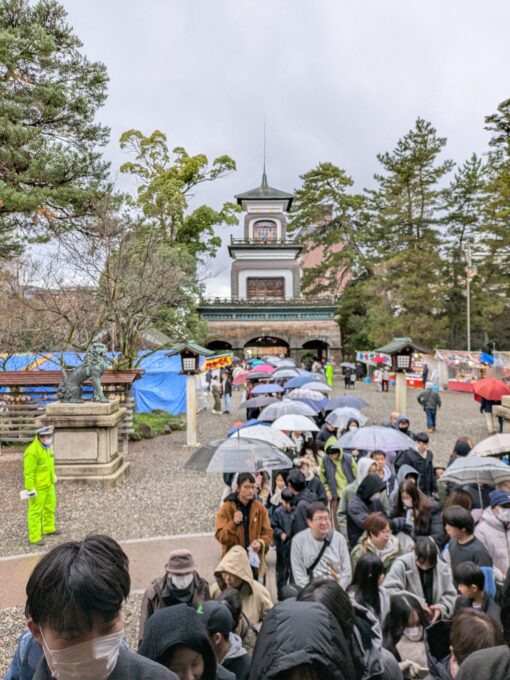
When: Jan 1 or 2
Where: Shrines and Temples around the city - we recommend Oyama Shrine and Natadera
Description: Hatsumode, the first visit to a shrine of the new year, is an important cultural event across the country. To locals, it signifies bringing in good luck and getting a good blessing or, more importantly, cleansing yourself of the misfortunes you may have suffered last year. Places are usually open at midnight to bring in the new year. After your blessing, enjoy something to eat from the many street food vendors to warm your self up. There's something nice about being in the long line of people and sharing the excitement of what the coming year has in store. It gets chilly, so bring a hat and a scarf!
Dezome-Shiki
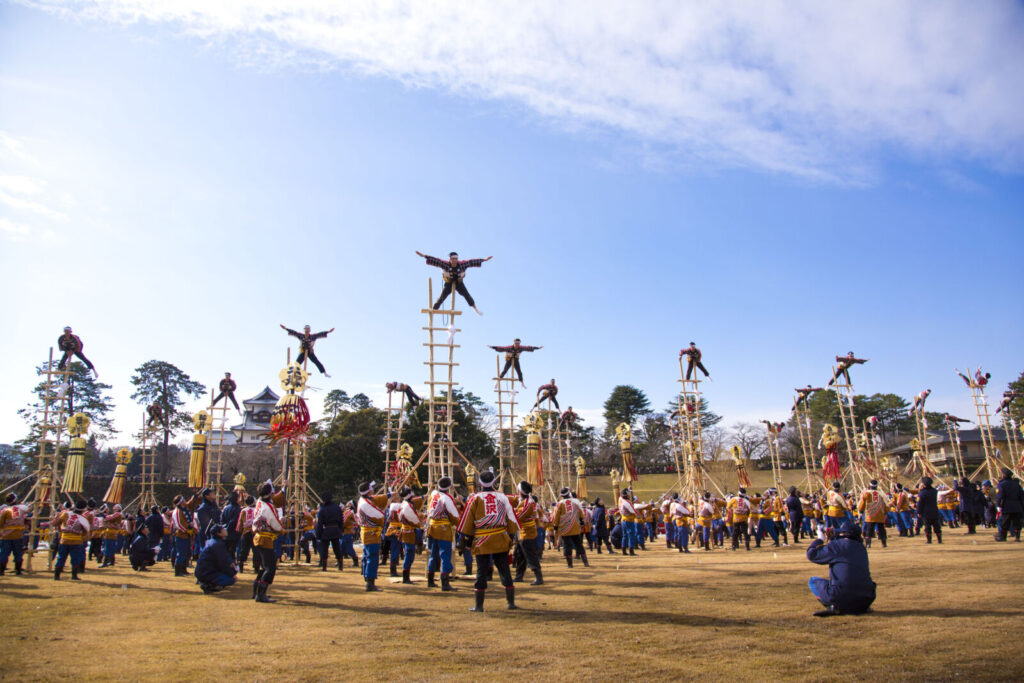
When: First Sunday of January at 10:00 A.M.
Where: Kanazawa Castle Park
Description: More than 1000 of Kanazawa's firefighters gather in Kanazawa Castle Park and perform acrobatic stunts and show off traditional firefighting techniques from high ladders. They also do displays of modern and practical firefighting drills. Bring your umbrella, though; the firefighters incorporate hoses into their dance by firing them up into the air.
February
Kenrokuen "Winter Stage" Illuminations
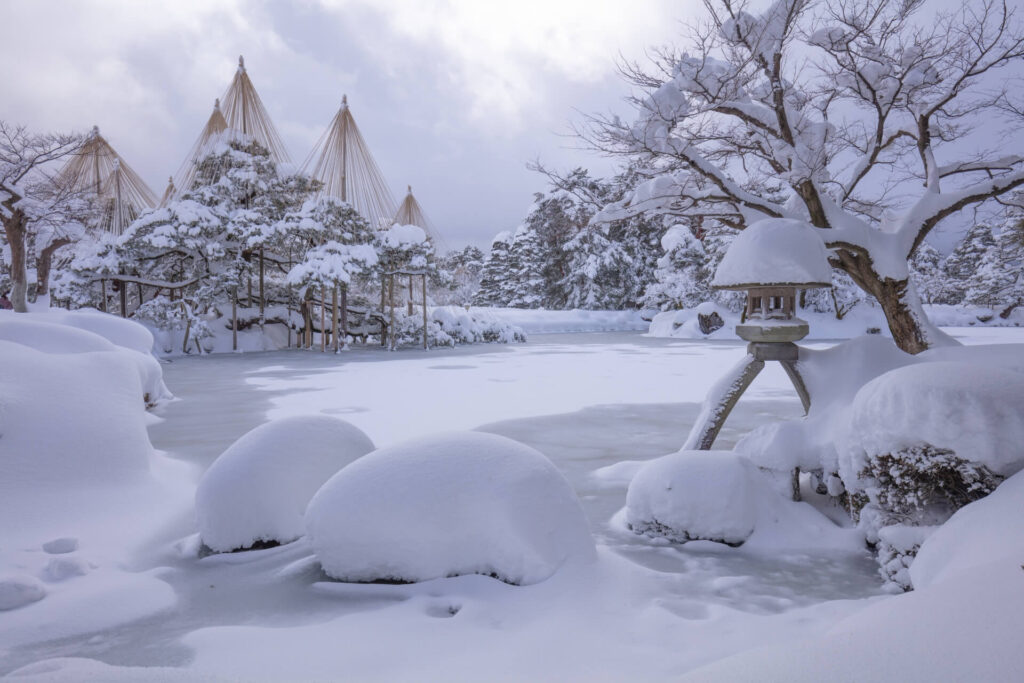
When: Every Saturday in February
Where: Kenrokuen Garden
Description: Snow transforms the famous Kenrokuen Garden into a winter paradise. In the evening, the garden opens with a light up event, allowing visitors to freely explore and take in the snowscape. Bring some good snow boots and a thick jacket, as it gets very cold at the top of the garden. It's definitely worth it, though!
Hakusan Snow Man Festival
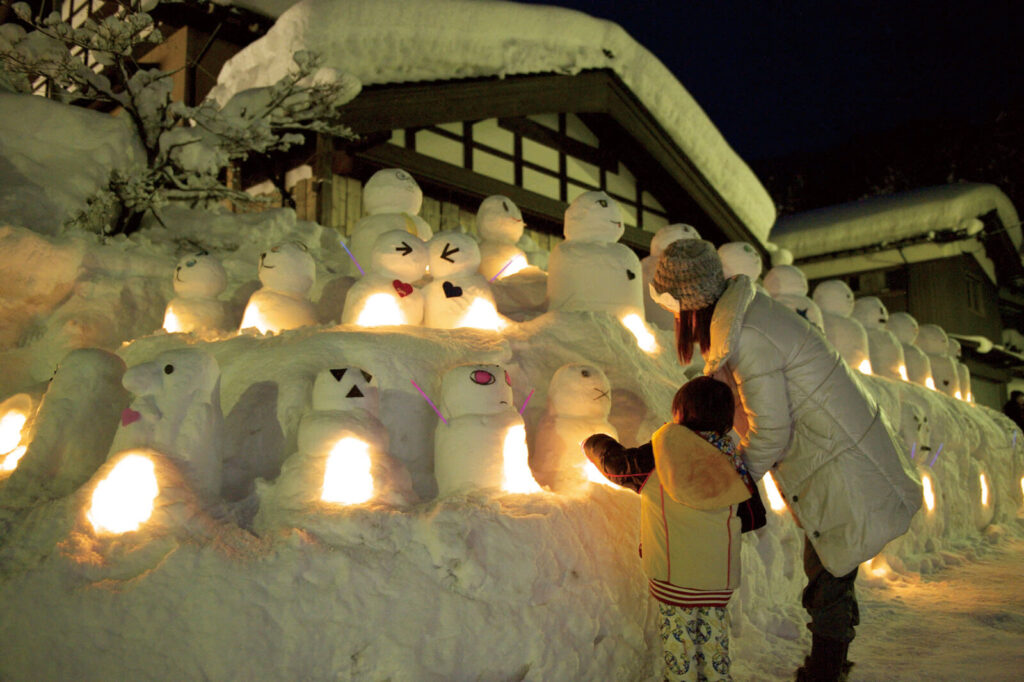

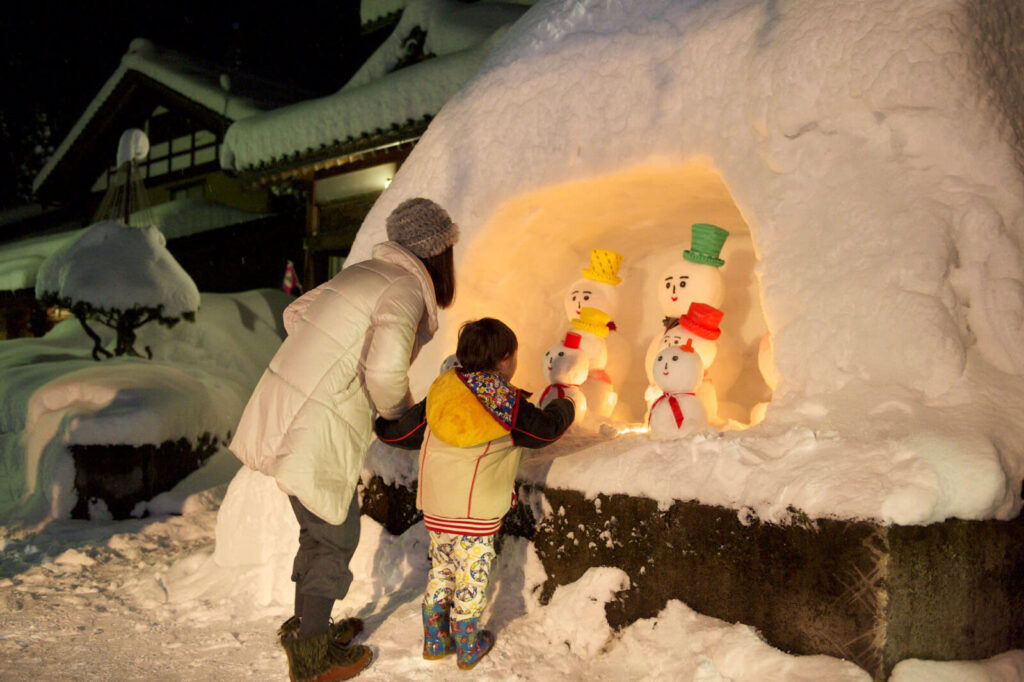
When: Early February
Where: Shiramine Town
Description: The villagers of Shiramine make nearly 3,000 snowmen littered around the town. Some are lit up and most are decorated slightly differently. The event is free, but a bit of a pain to get to: from Kanazawa Station, take the JR Hokuriku main line to Nishi-Kanazawa Station, then change and take Hokuriku Railway to Tsurugi Station. From there, it the bus ride to Shiramine is just over an hour.
Katsuyama Sagicho Festival
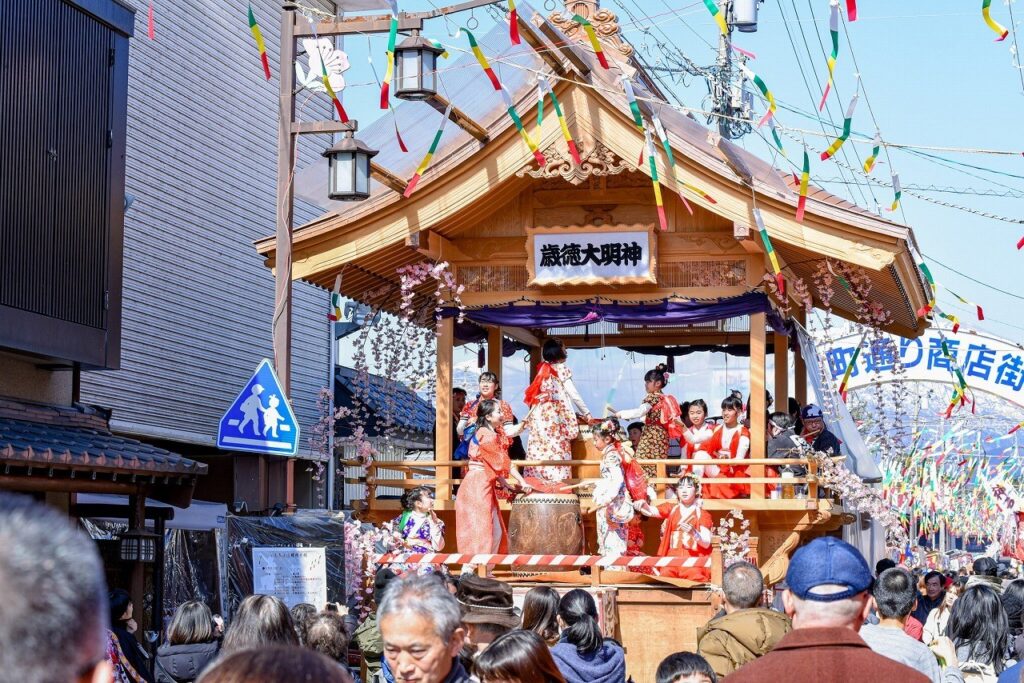
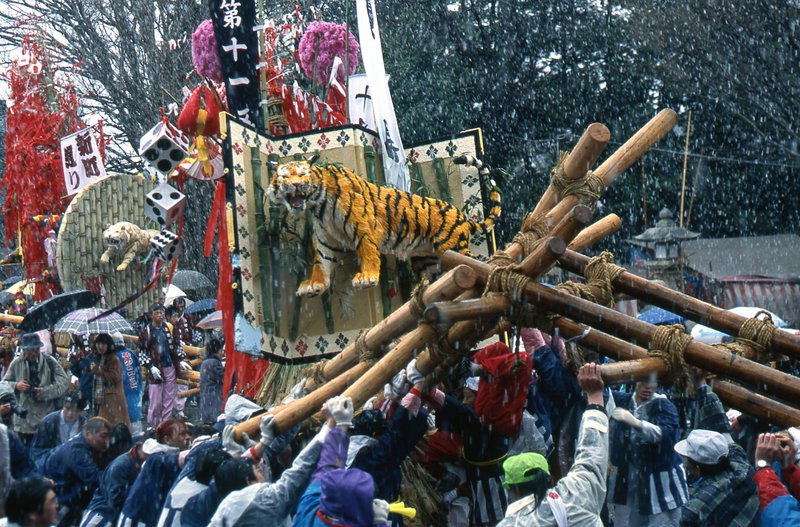
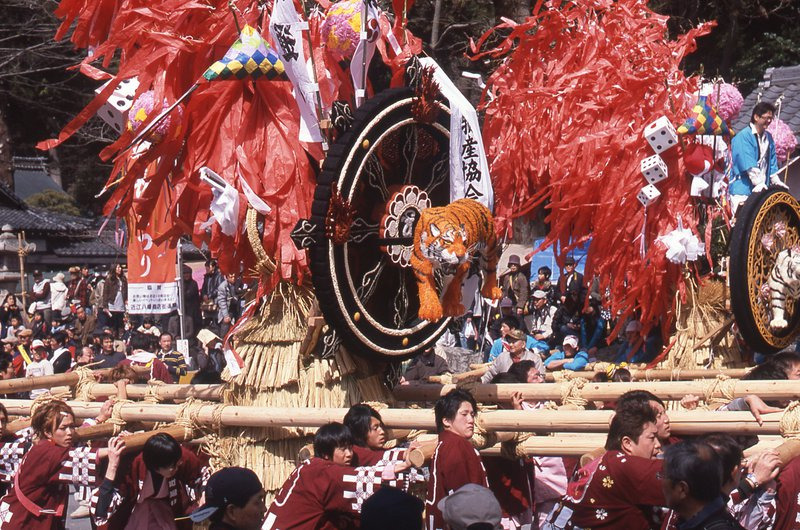
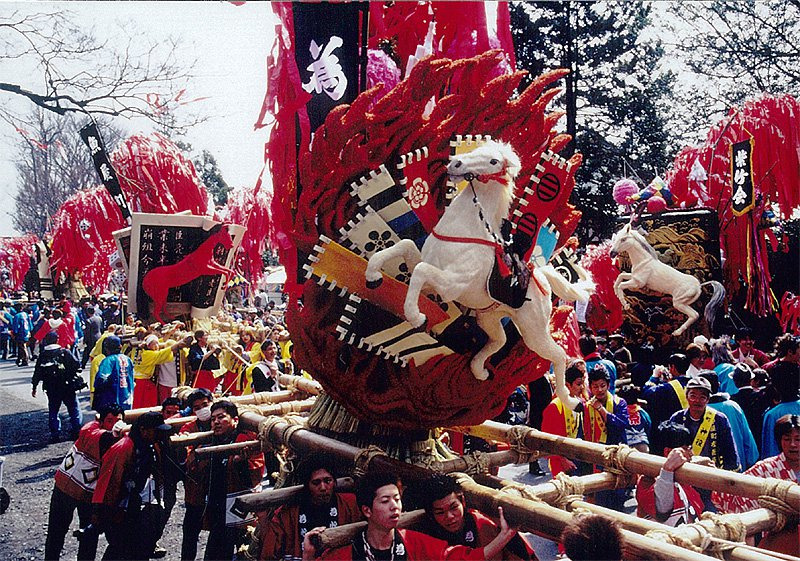
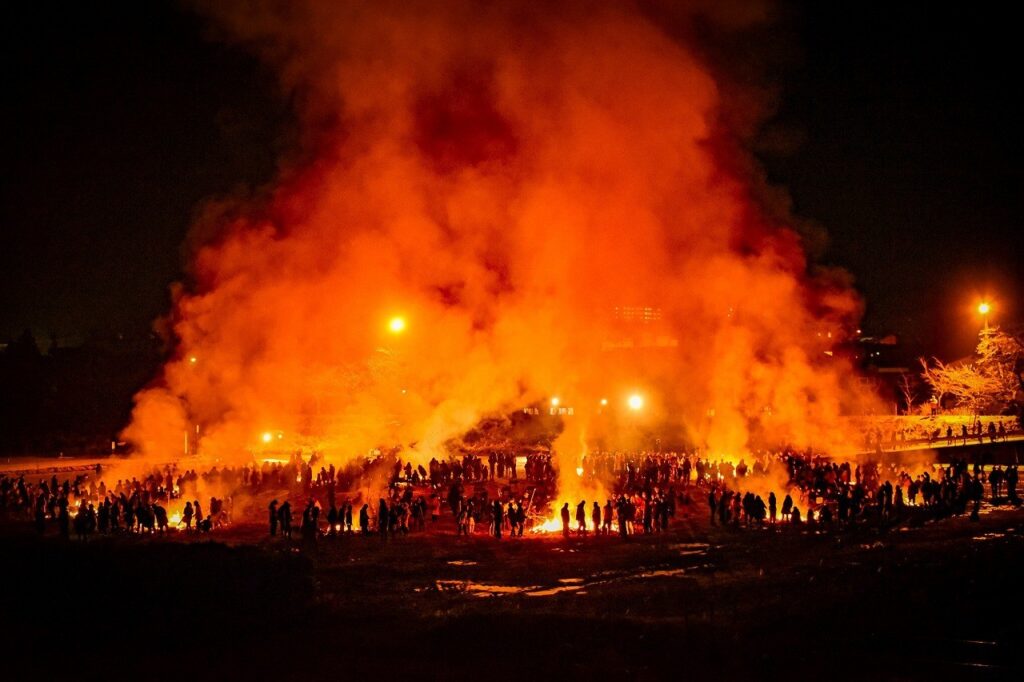
When: The last full weekend of February
Where: Katsuyama City, Fukui Prefecture
Description: The first mention of this festival dates back to more than 300 years ago, and it has been held every year since. People celebrate the end of winter in the snowy region, welcoming the spring and praying for a bountiful harvest. Around the town, performers play songs from the tops of twelve towers. The highlight of the festival is a massive bonfire at the close of play on the Sunday. The starting flame is carried from the town's main shrine to near the river, where the townspeople cook mochi, praying for the year to bring them good health, good luck, and happiness.
March
Maeda Family Hina Dolls Exhibition
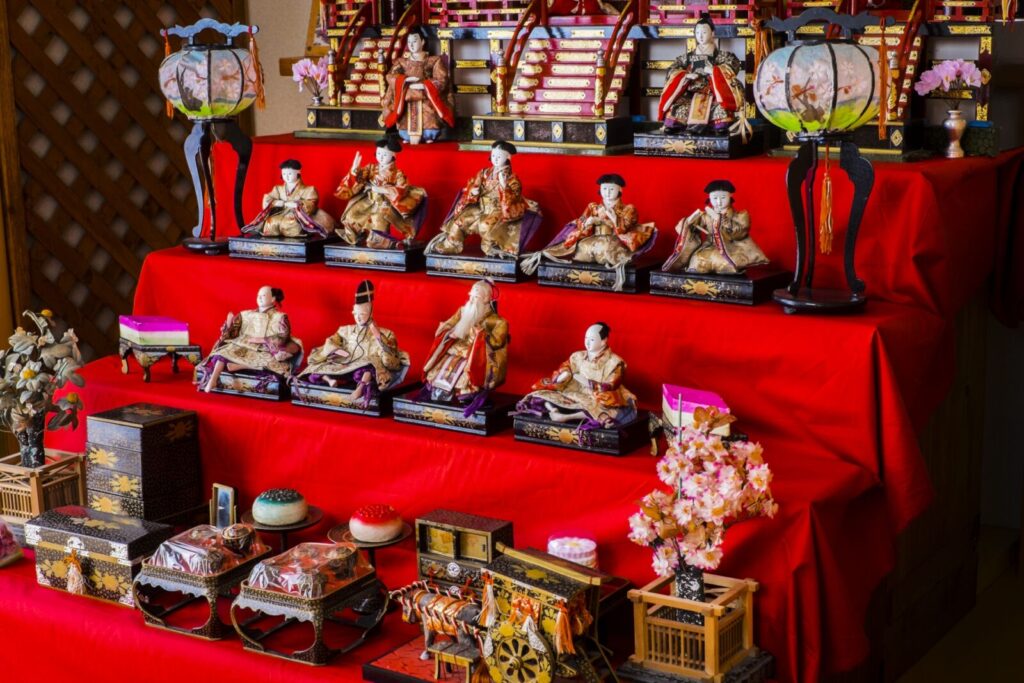
When: Starts before March 3 and finishes in April
Where: Seisonkaku
Description: Hina Dolls are a March staple for families across Japan, who set up displays of exquisite ornamental hina dolls. The dolls represent various members of the imperial court, their attendants and all the bells and whistles associated with a wedding in the Heian Period (794 - 1185). The former daimyo's villa, Seisonkaku, displays an elaborate set of hina dolls that were used by the Maeda family themselves.
April
Cherry Blossom Viewing "Hanami"
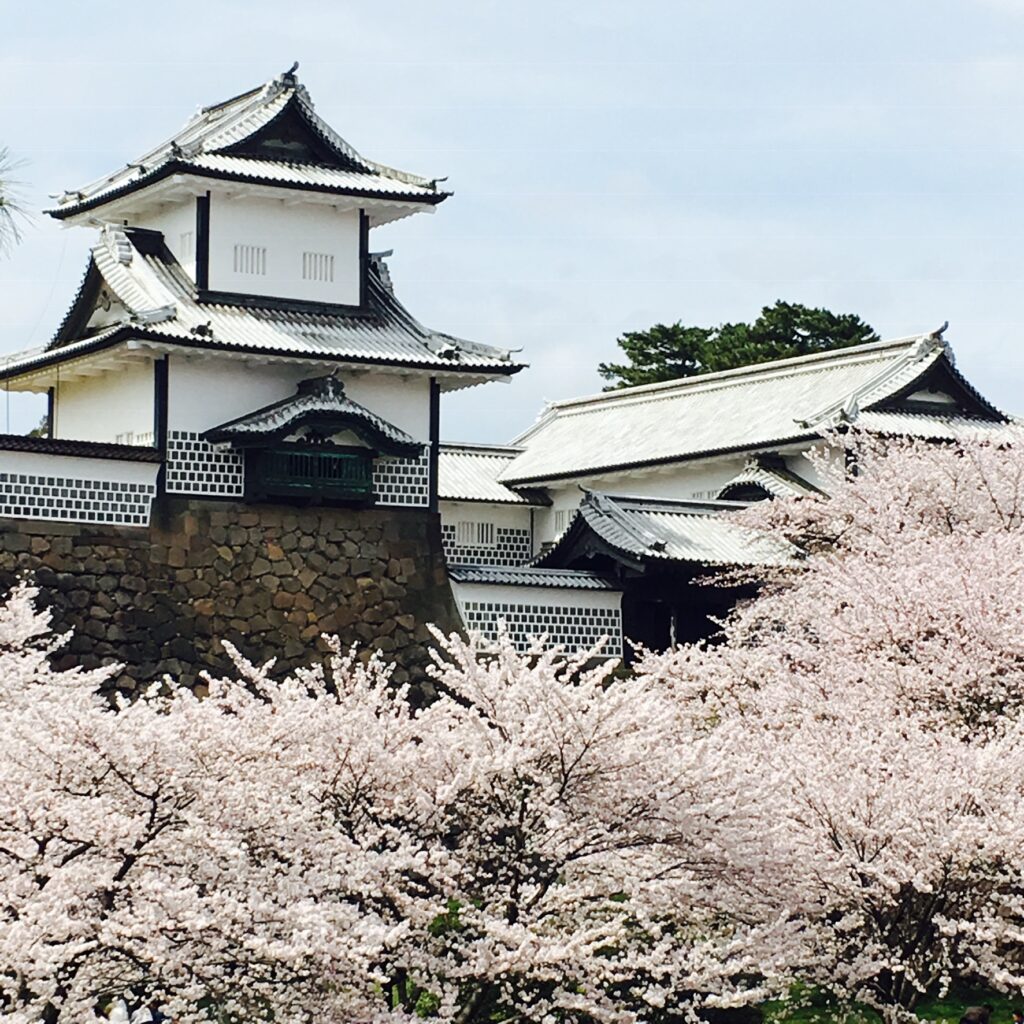
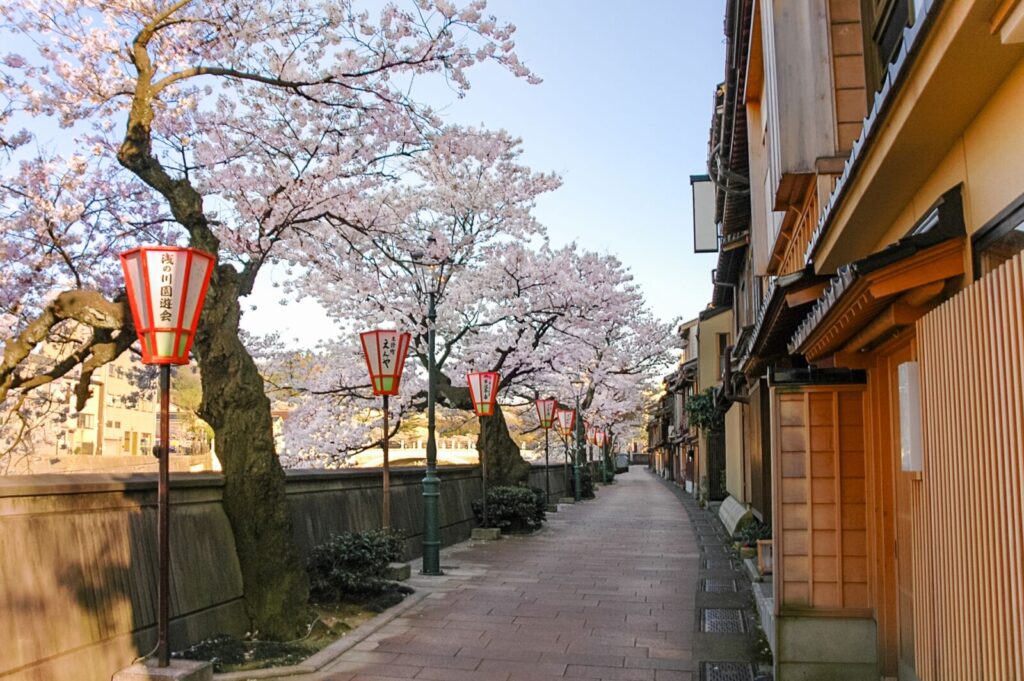
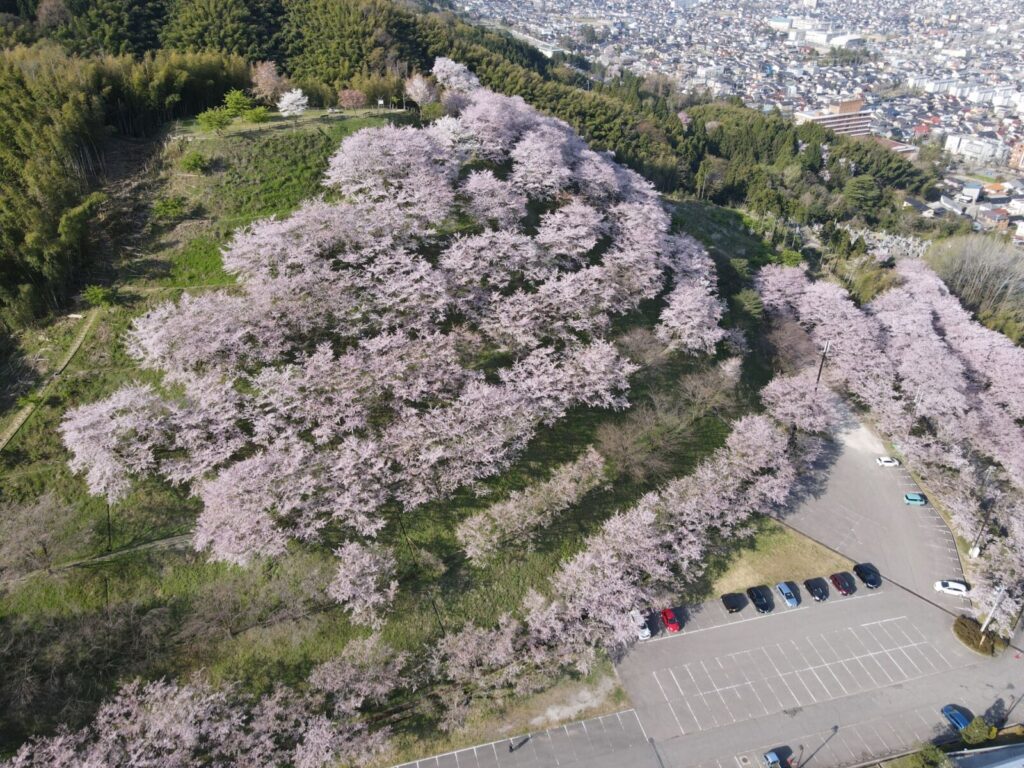
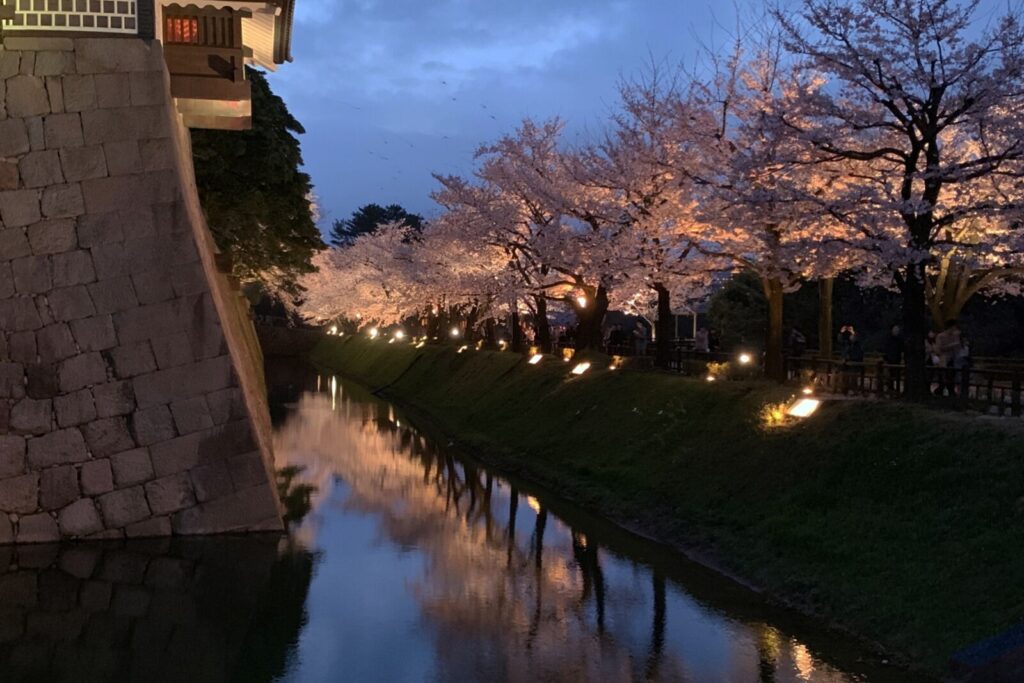
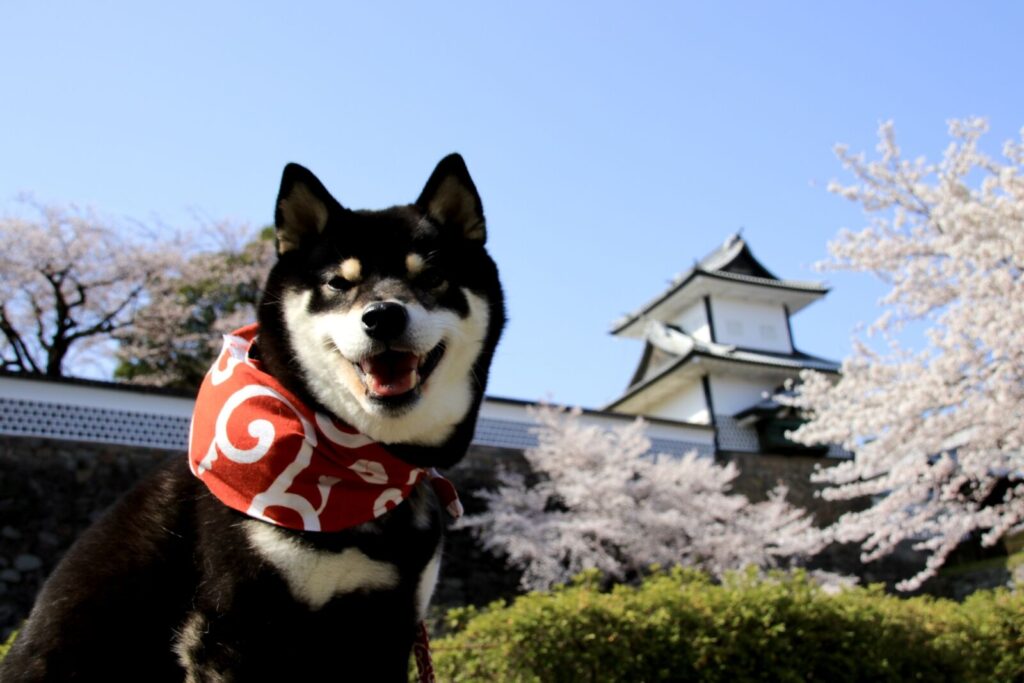
When: First week of April
Where: Various sites across Kanazawa, we recommend Kanazawa Castle Park
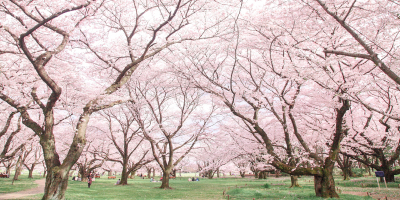
Description: The highlight of the year! Cherry blossoms come full-swing into Kanazawa around the first week of April. Kanazawa Castle has cherry blossom trees all over the park, making it a great place to check out. Also worth visiting is the Sai River, which is lined with the trees, too.
Noto-Kashima Station Cherry Blossoms
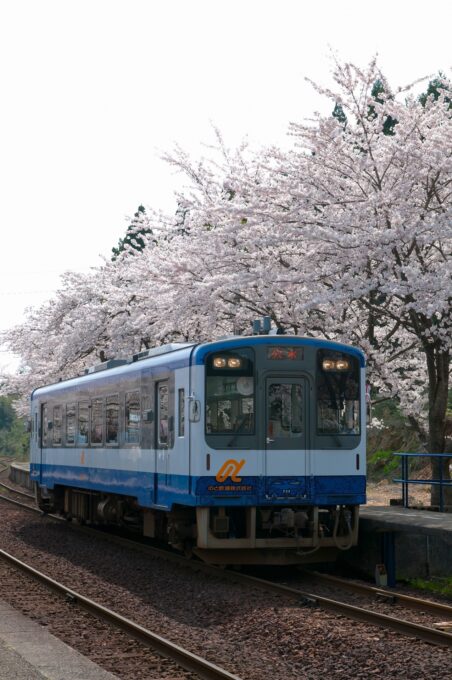
When: First week of April
Where: Various sites across Kanazawa
Description: Also known as the Noto Sakura Station, this rail route is one of Japan's most scenic in the cherry blossom season. More than 100 trees line the tracks. While you wait for the picture that everyone wants - of the train arriving into the station against the backdrop of the cherry blossoms - the station organises performances and there are stalls around with seasonal delicacies like oyster rice.
To get there from Kanazawa Station, take the IR Ishikawa Railway Line to Nanao Station, then change to the Noto Tetsudo Local line to Noto Kashima Station.
It's a lengthy trip, but you'll have seen some of the most scenic views in and around Kanazawa, complete with one of Japan's best sights. Even locals are jealous of those who make the trip!
Kenrokuen "Spring Stage" Illuminations
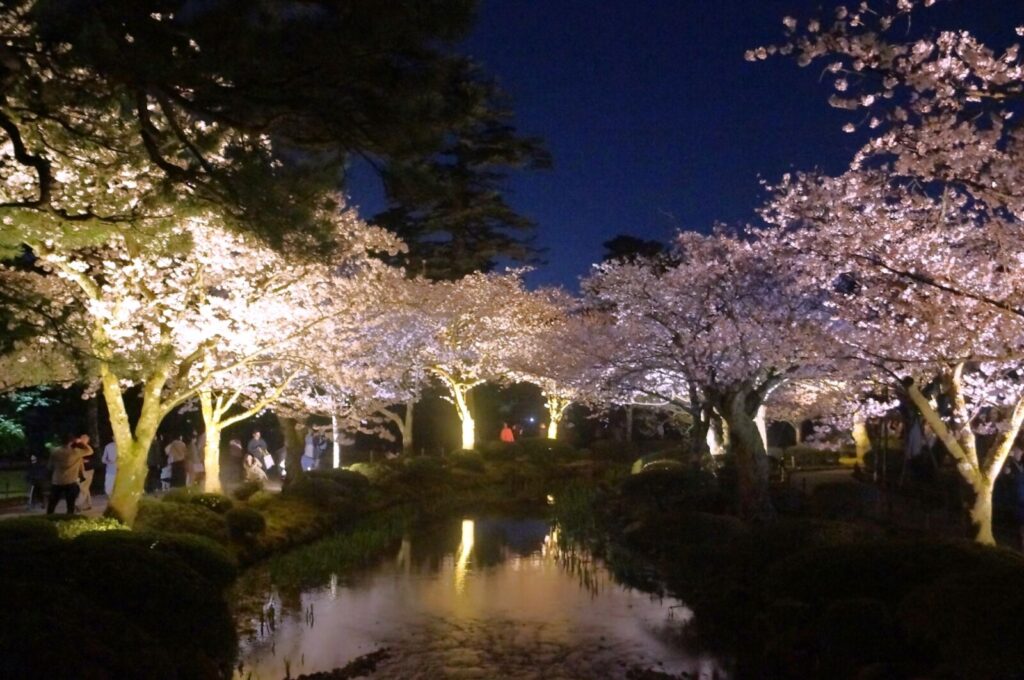
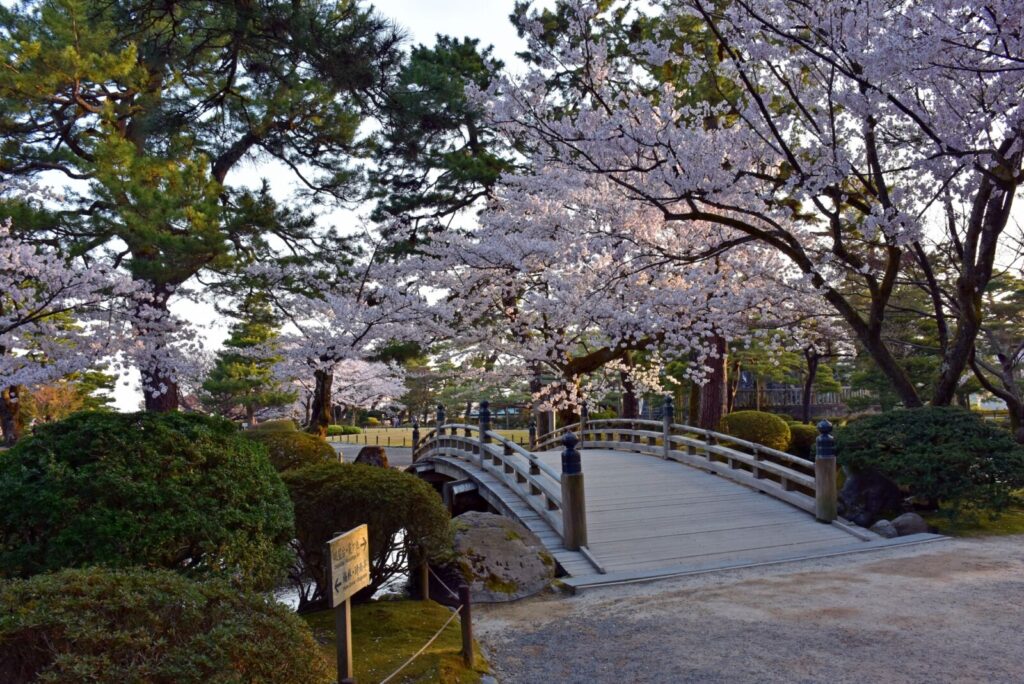
When: Weekends and Holidays over the last two weeks of April and first two weeks of May
Where: Kenrokuen Garden
Description: Kenrokuen has evening illuminations and free entry during the peak cherry blossom season, allowing all visitors to Kanazawa to view the more than 400 cherry blossom trees in the garden. The petals illuminated from beneath make them contrast beautifully against the night sky. If you're in Kanazawa for the cherry blossom season, this is a must-see event!
Kagayaki Idol Festival
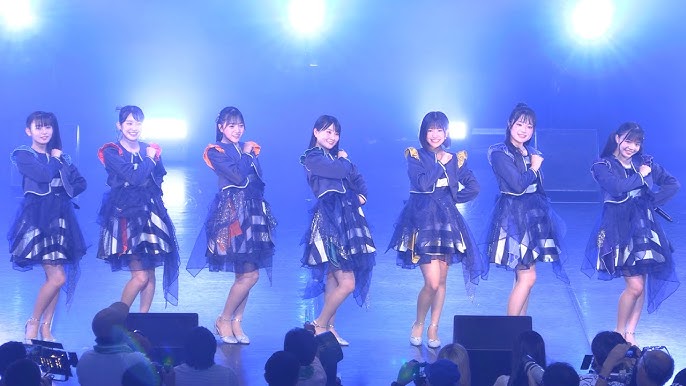
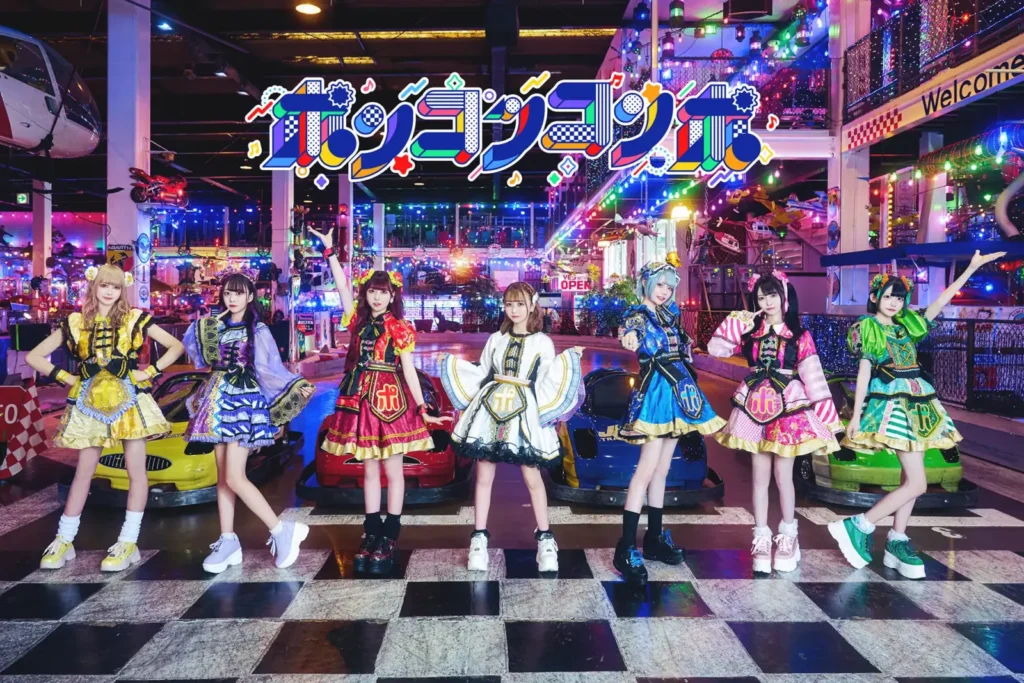
When: Around April 20
Where: Seven venues around Kanazawa, including the Kanazawa Theatre
Description: A bit of a curveball for most people who are coming to Japan, but you may have done a deep dive into the idol culture popular with many Japanese people. The Kagayaki Festival is the largest in this part of Japan and is held for two days in mid-April. Definitely a thing most visitors won't see!
May
Seihakusai
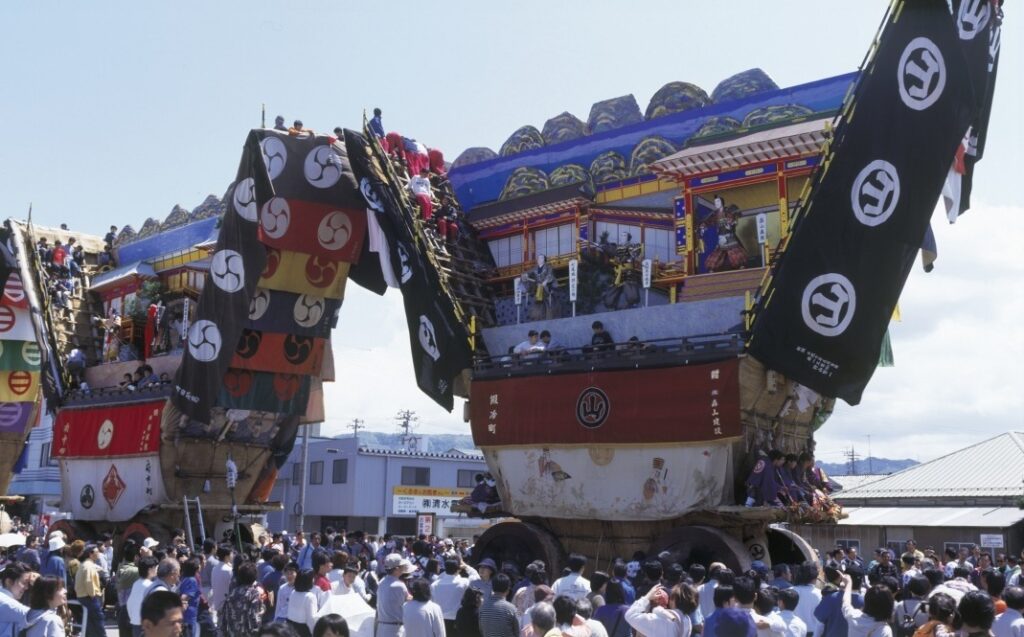
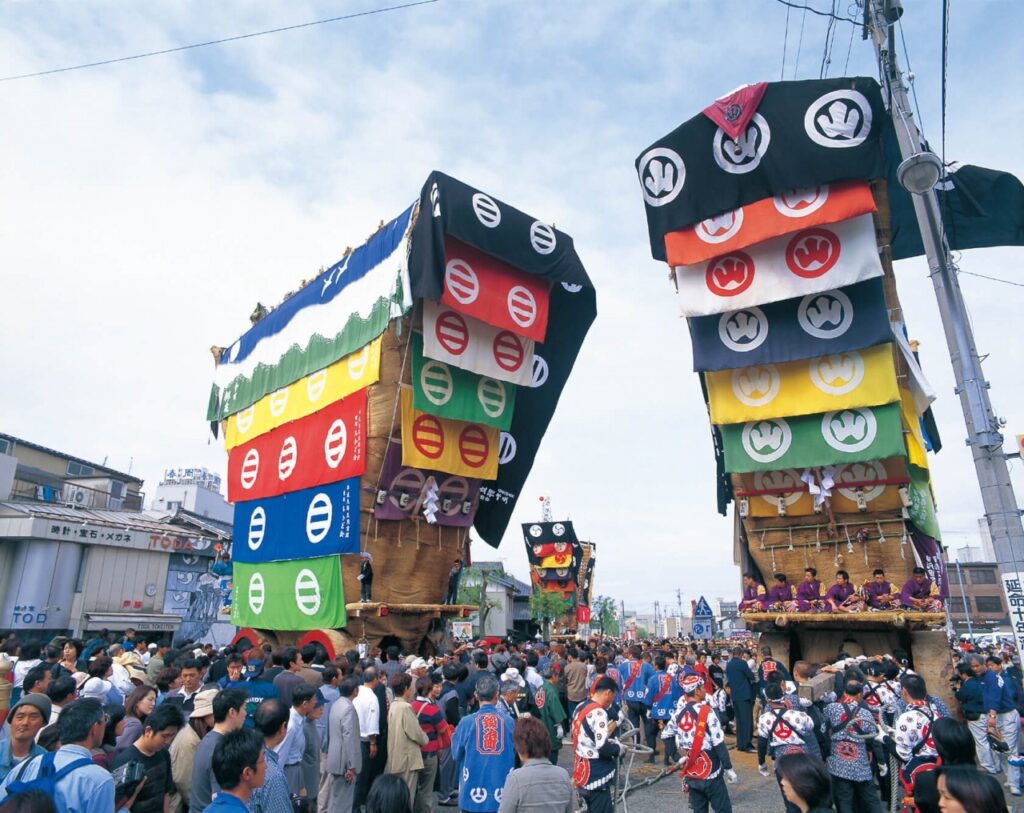
When: First weekend of May, usually around 3 - 5
Where: Starts at Otokunushi Shrine and walks to Nanao City Centre
Description: This festival gets its name from a ceremony where offerings wrapped in green leaves are made to the gods. It is now the largest festival in the Noto Peninsula. Townspeople build giant floats that look like upside-down mountains and move them around yellow "Wasshoi!" At night, there's also a variety of events involving the floats.
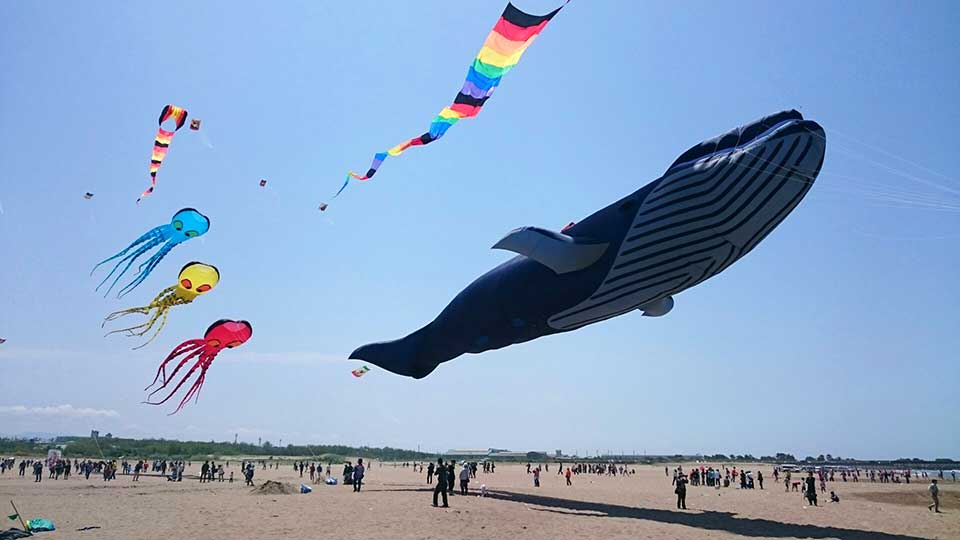
Uchinada World Kite Festival
When: First Sunday in May
Where: Uchinada Beach
Description: Nearly 40,000 people from across the world visit Uchinada Beach in early May to fly kites. At the festival, 1,800 kites of all shapes and sizes are flown. Some are as big as literal whales, while others are decorated with samurai, styled as ukiyo-e wood block paintings, or whatever took the artist's fancy.
Tateyama Snow Wall Opens
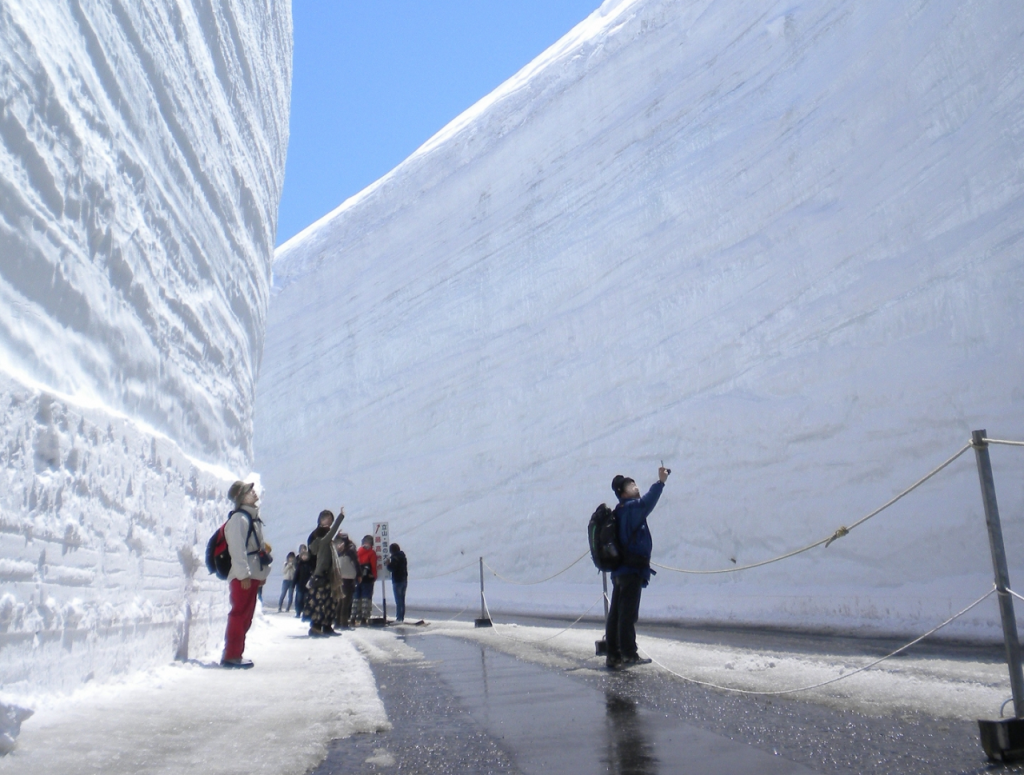
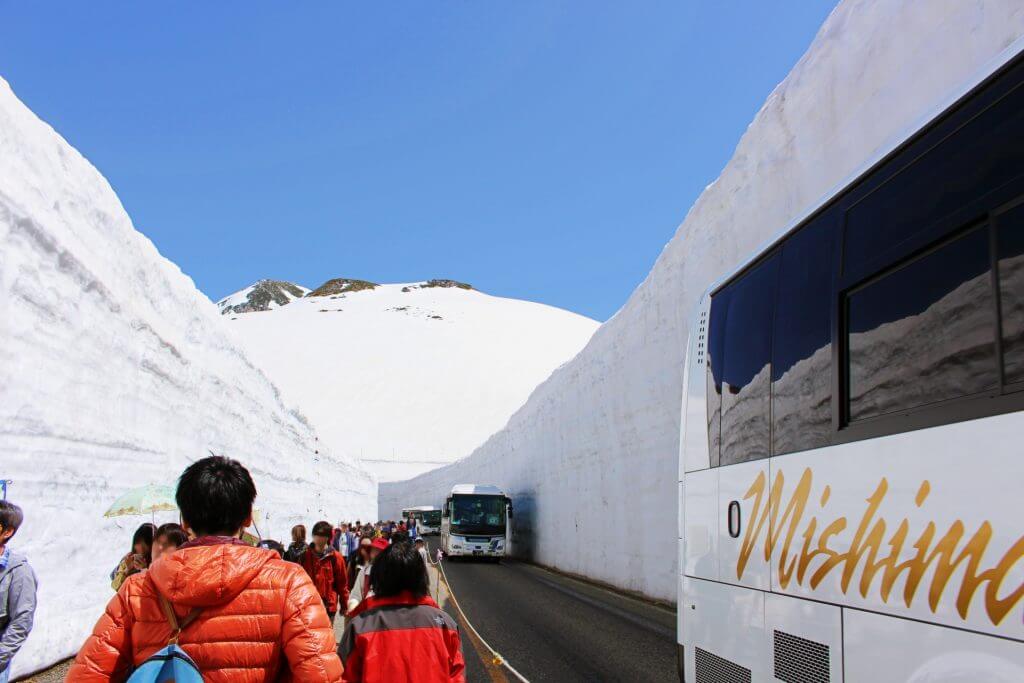

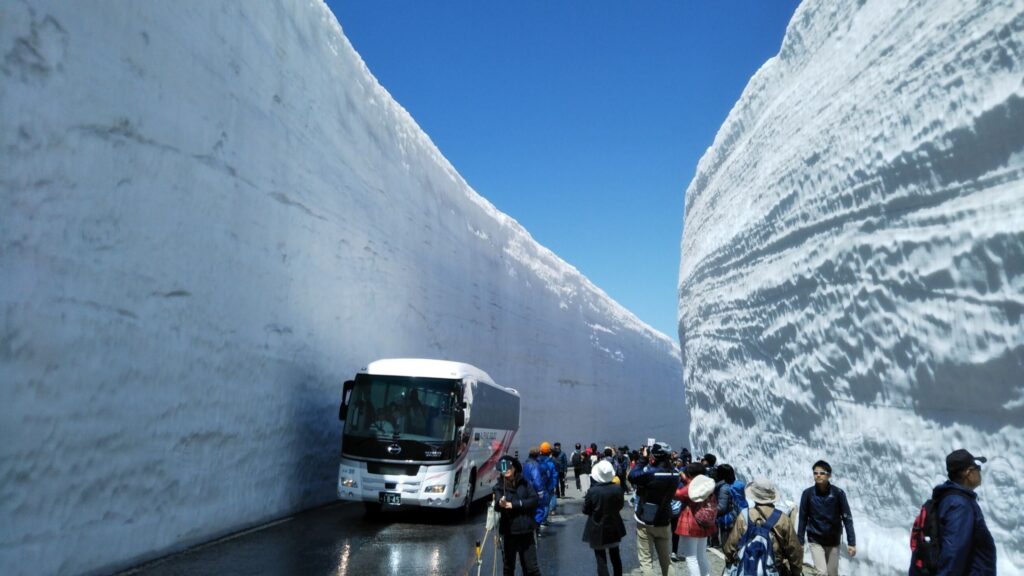
When: Depends on the year, but usually May 1st.
Where: Murodo, "the Ceiling of Japan," on Tateyama
Description: One of Japan's most famous winter scenes actually isn't open in the winter, it opens from May. The Tateyama Snow Wall is a genuinely breath-taking sight: a literal mountain of snow piled up to 20 metres (60ft) high. Snowfall during the winter months is so severe that climbing the mountain is impossible so, once the snow calms down, workers begin clearing the road to make it safe to travel. When they finish, the snow wall opens. Also in the area are several hiking routes, spectacular mountain views and Japan's highest-altitude onsen. Interested in going yourself? Check out our Tateyama Alpine Route Snow Wall and Mysterious Valley tour, already taking reservations for the 2026 season!

Recommended
1 Day Tour from Kanazawa or Toyama: Tateyama Alpine Route Snow Wall and Mysterious Valley
June
Hyakumangoku Festival
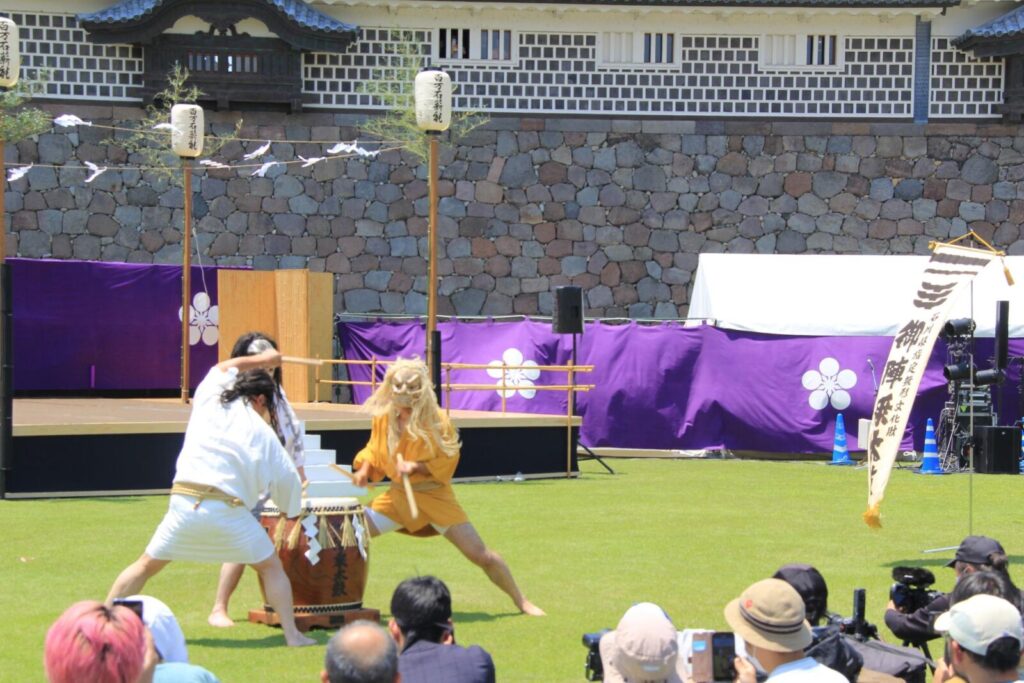
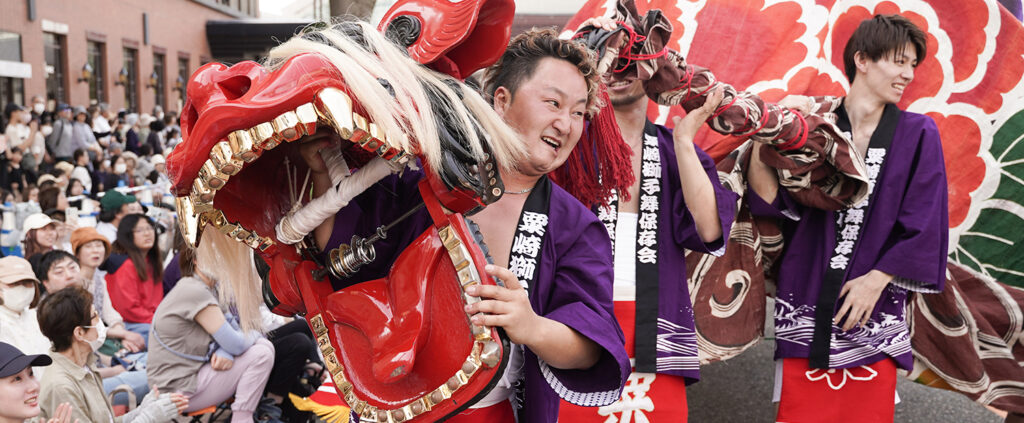
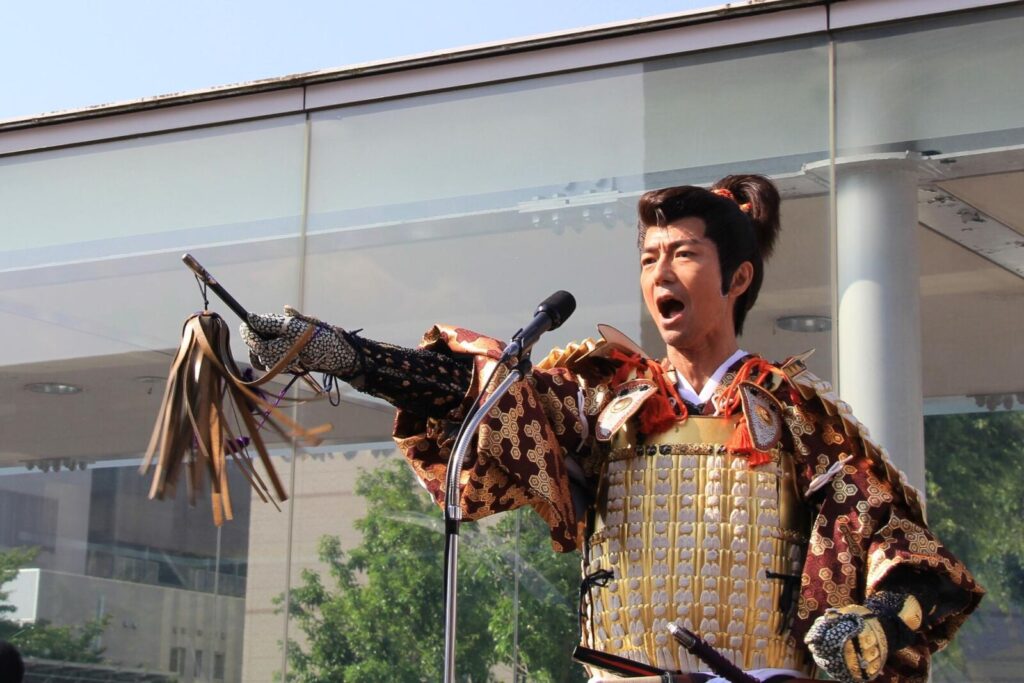
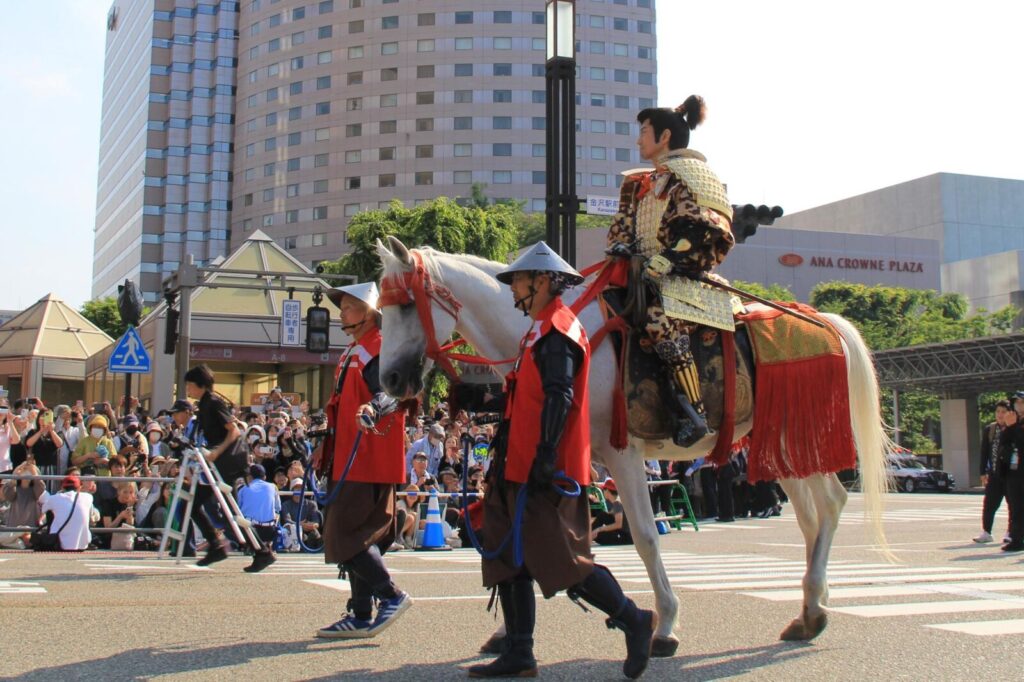
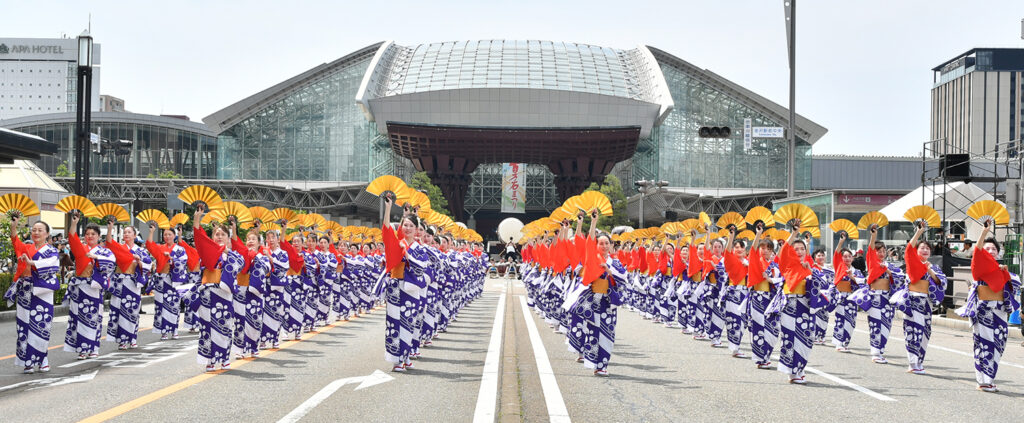
When: The first weekend in June, main parade on the Saturday
Where: Parade starts at Kanazawa Station and ends at Kanazawa Castle Park, events around the city.
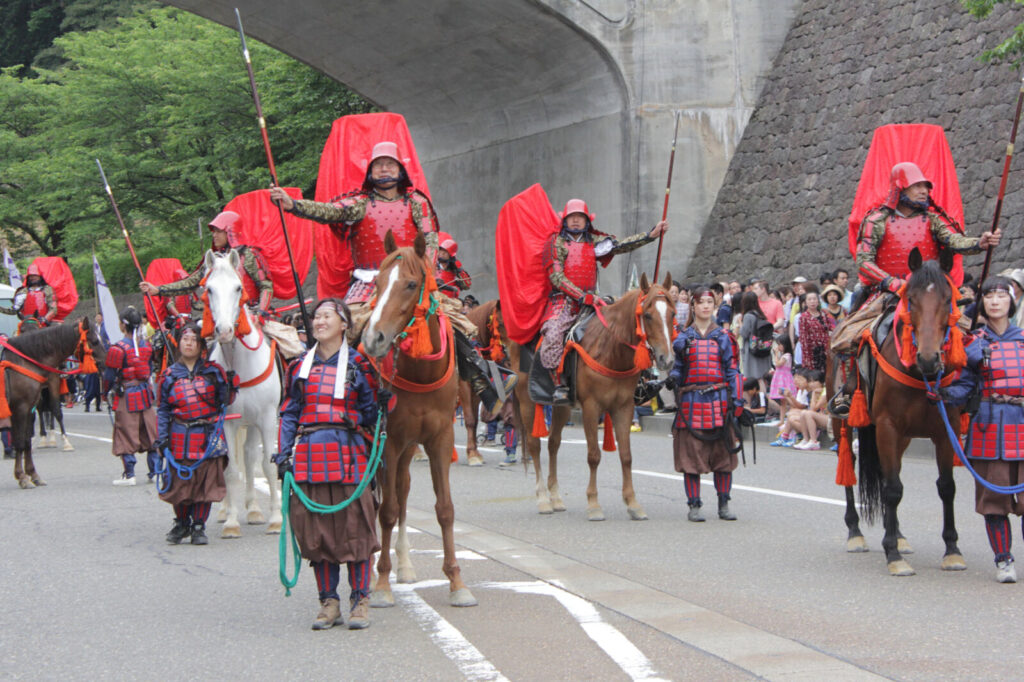
Description: The festival commemorates the first lord of Kanazawa, Maeda Toshiie, first arriving in the city in 1583. The Maeda's rule is considered a golden era for the region, so the main festival celebrates their governance. The festival features a lantern-making and a taiko drum procession done by local schools; a massive parade with a marching band, lion dance, traditional bridal procession (re-enacting a Tokugawa Shogunate daughter, Tamahime, marrying into the Maeda family), and actors replicating the military procession of Toshiie's arrival at Kanazawa Castle; finally, on the third day, a massive bonfire, Noh theatre performances and tea ceremonies.
Million Rock Festival
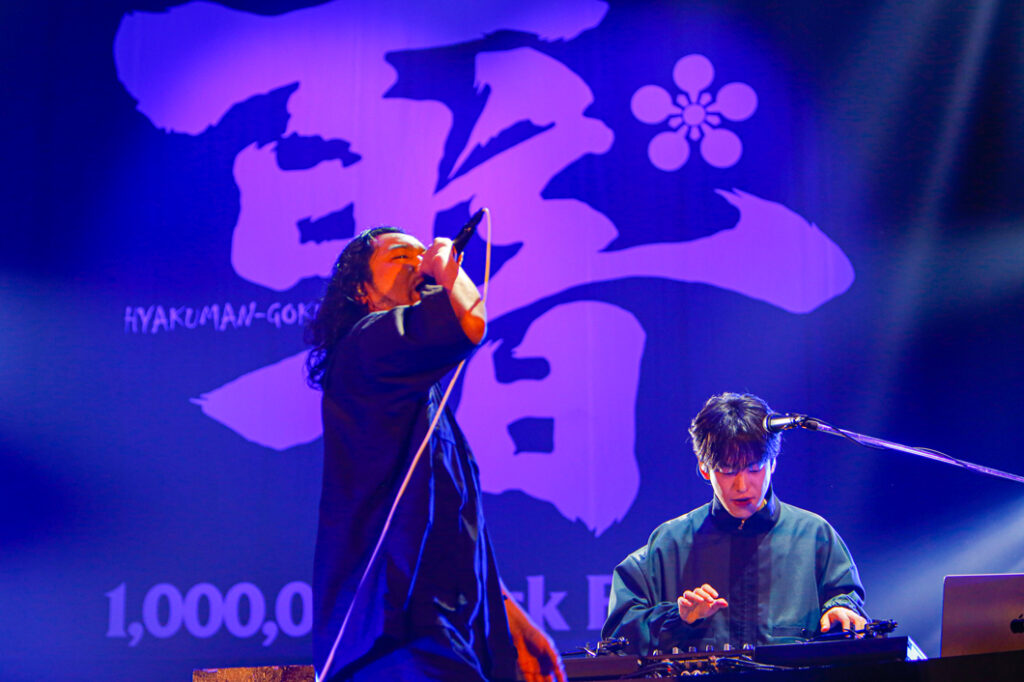
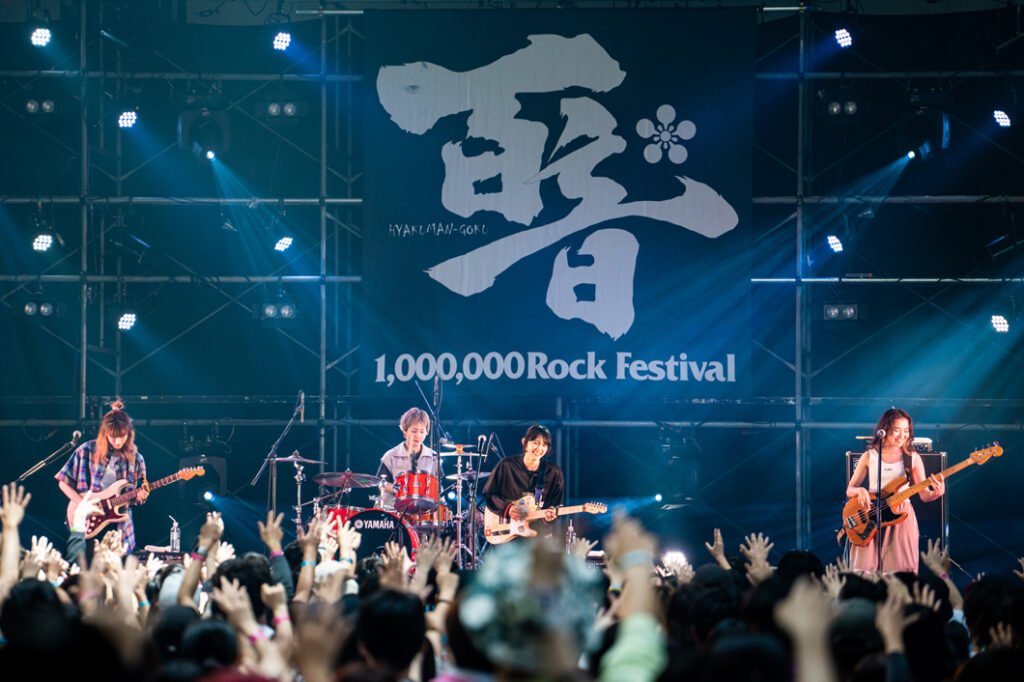
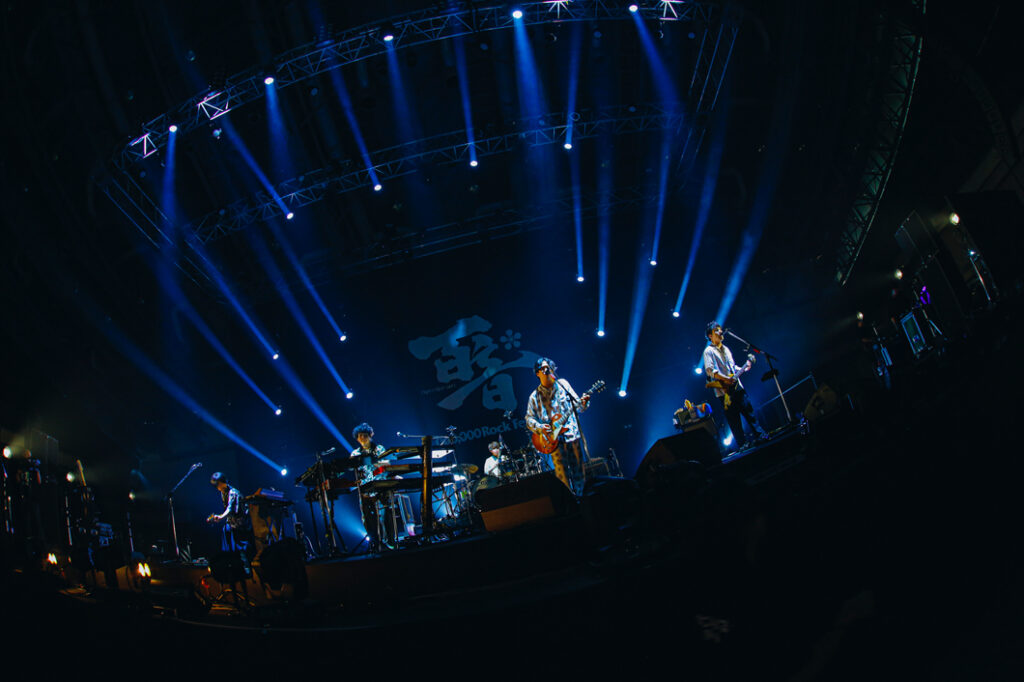
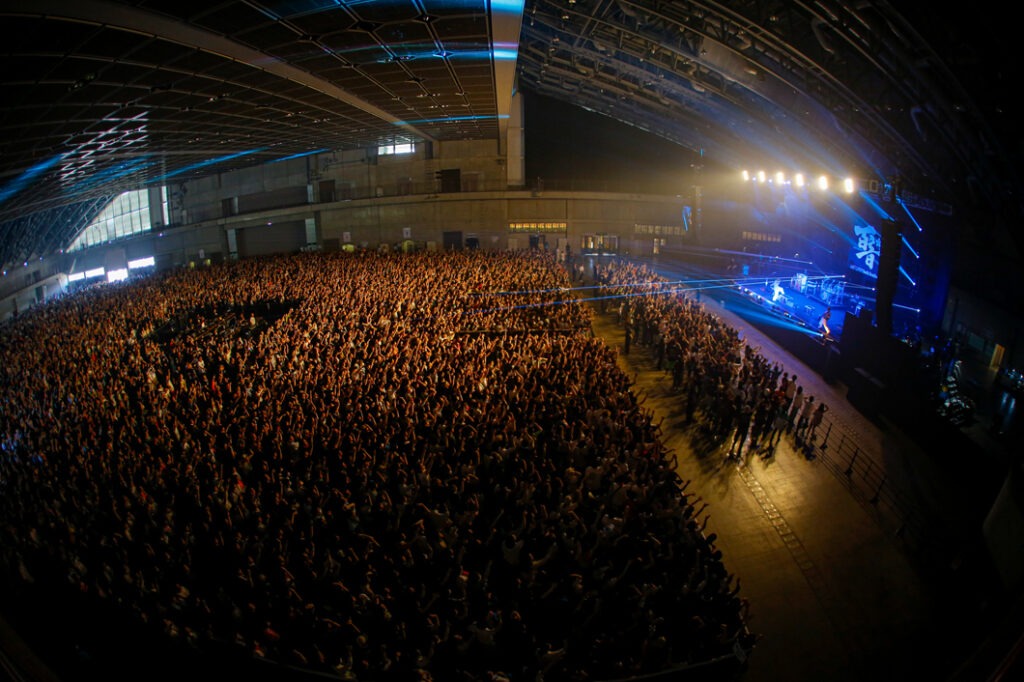
When: The first weekend in June (concurrently with the Hyakumangoku Festival)
Where: Seibu Ryokuchi Park - Exhibition Halls and surrounding areaas
Description: One of Japan's most underrated music festivals, the Million Rock Festival brings some of the biggest rock groups in the country, supported by up-and-coming musicians. Much cheaper than it's bigger brother Fuji Rock, a day ticket here costs JPY9,900. A definite draw for those into Japanese music or general fans of live music!
Kenrokuen Fireflies Event
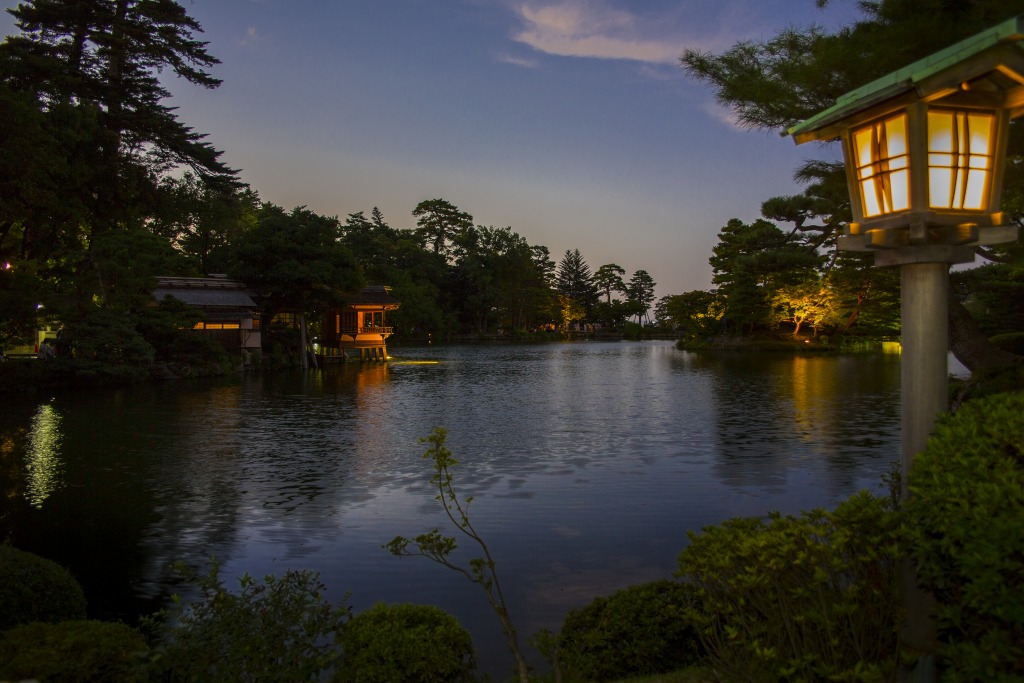
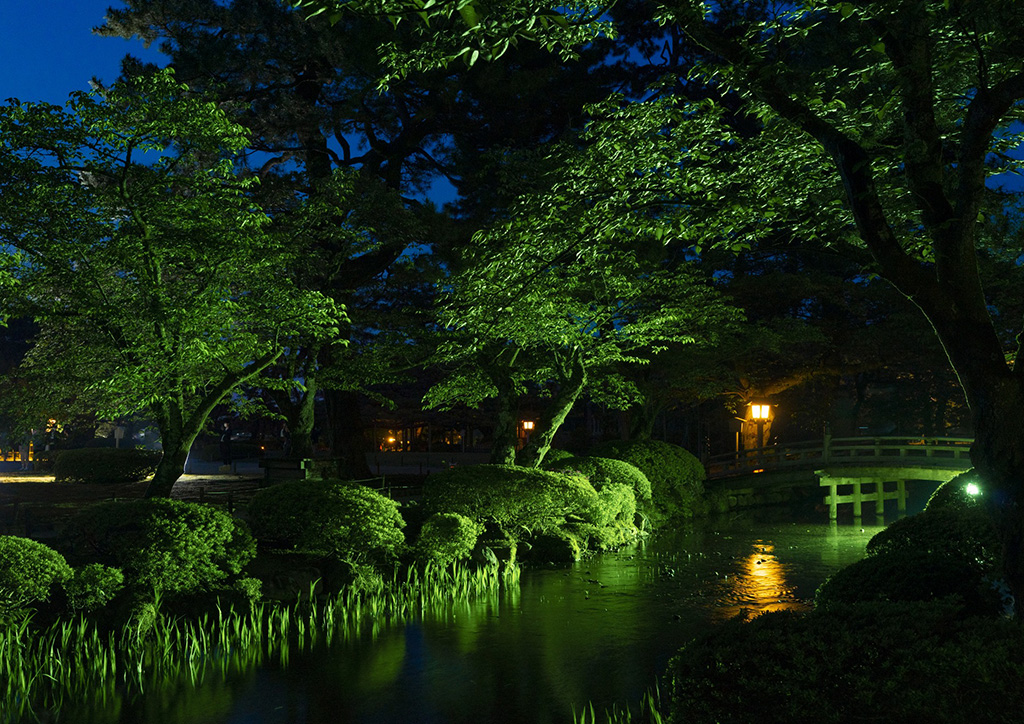
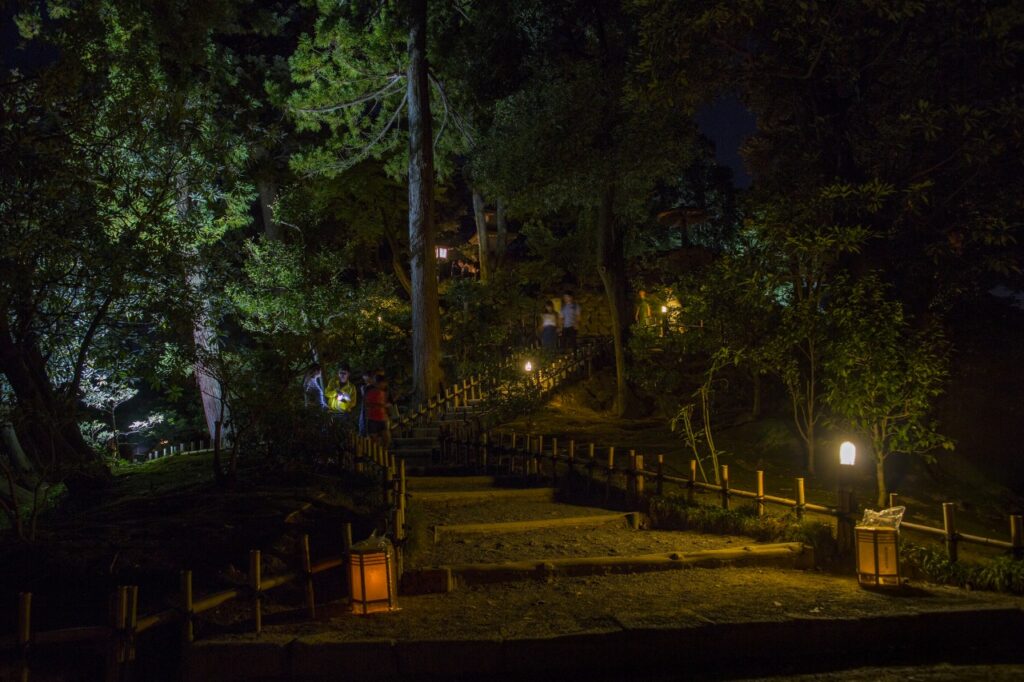
When: Last Saturday and Sunday of June and first Saturday and Sunday of July
Where: Kenrokuen Garden
Description: Elusive fireflies can be seen across the various sights at the Kenrokuen garden in the early evenings in summer. To manage your expectations, though, they're not an abundance like you may have seen in other countries. Instead, the much cooler evening air is a great time to explore the garden in soft light if you've been struggling with the summer heat!
July
Abare Festival
When: First Friday and Saturday of July
Where: Ushizu, Noto City
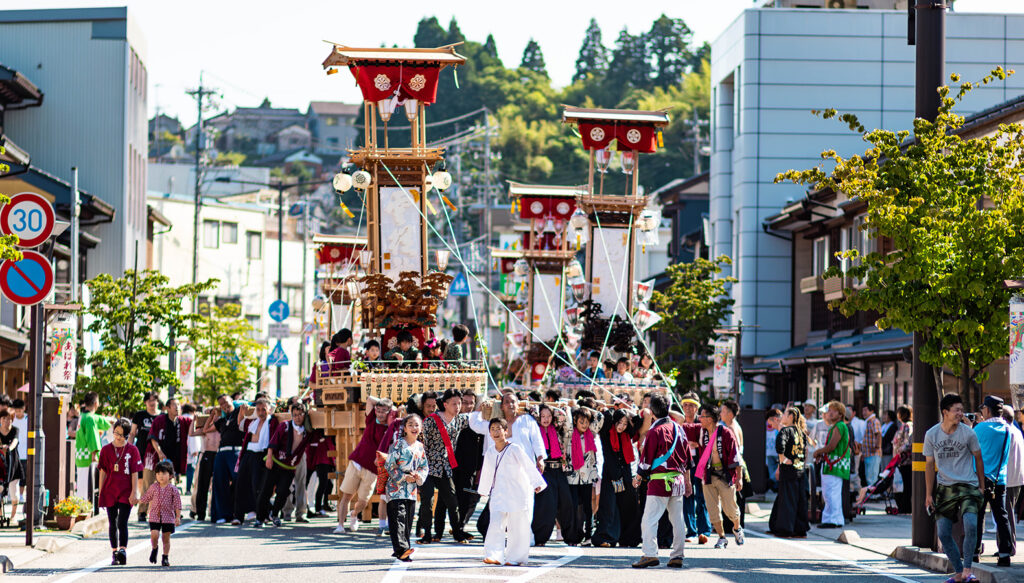
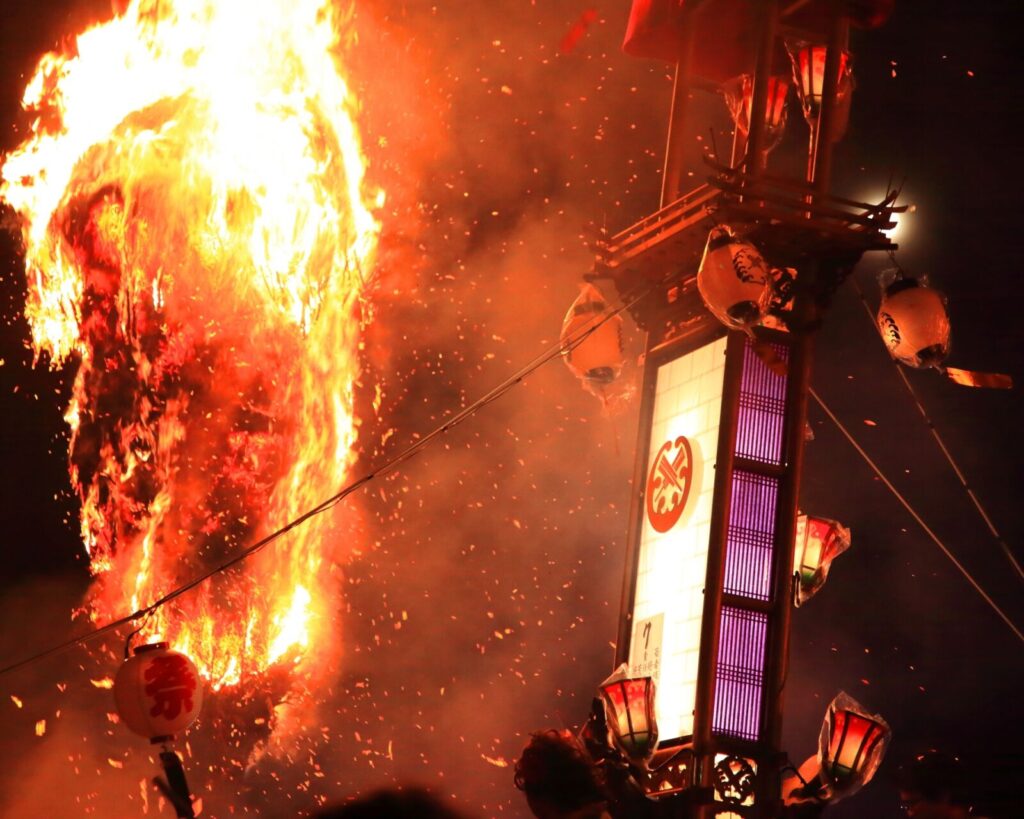
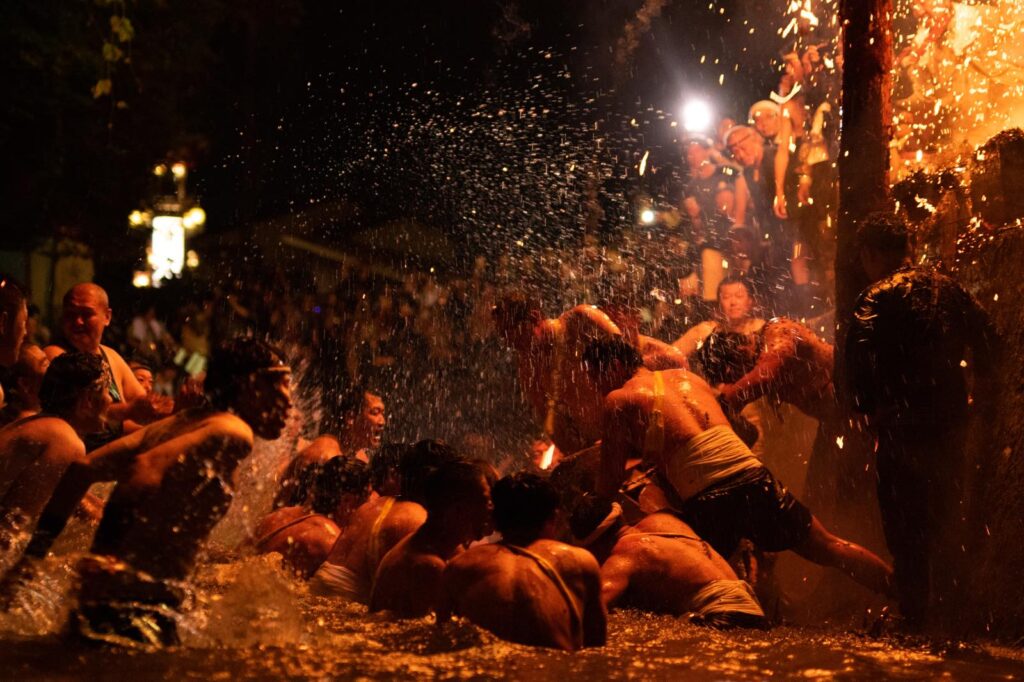
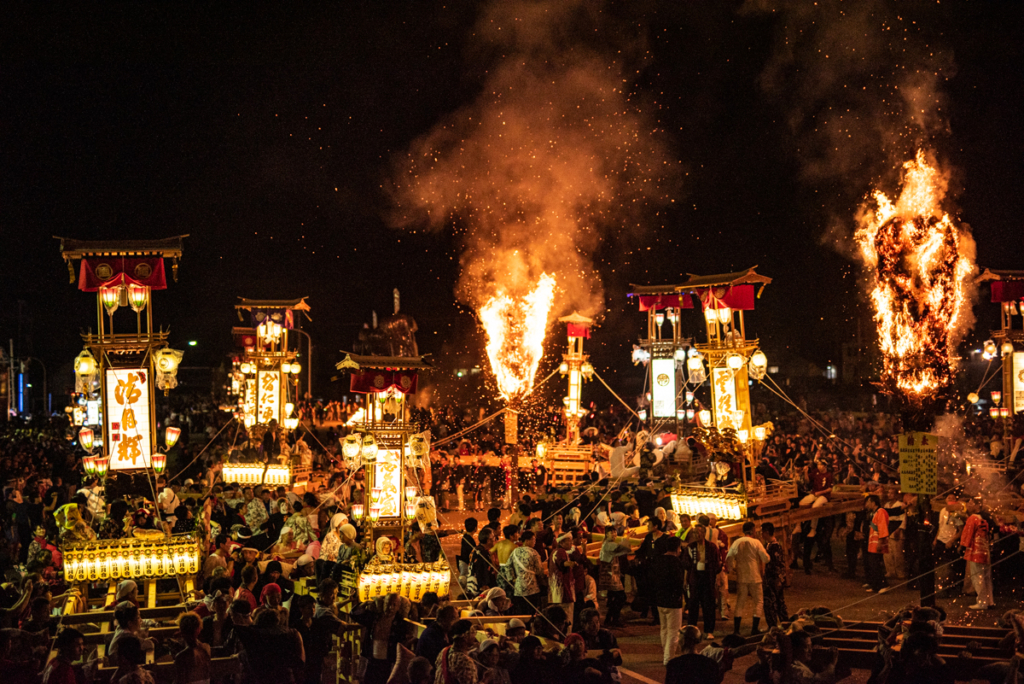
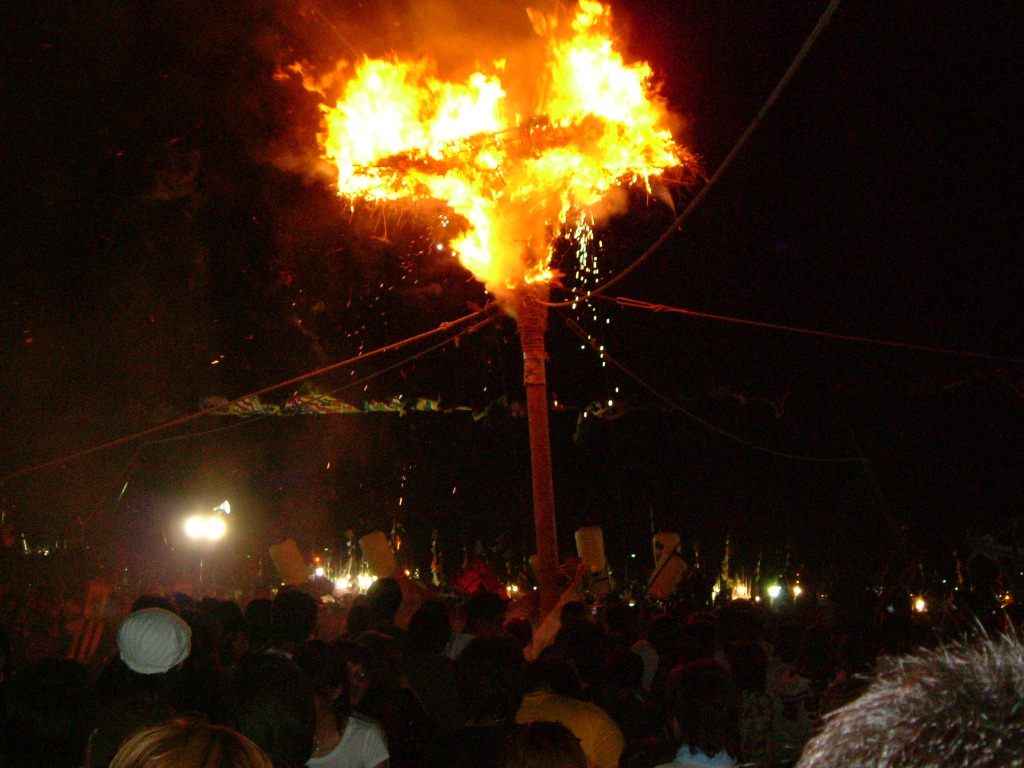
Description: One of Japan's most unique and eye-grabbing festivals, the Abare Festival began as a prayer to stop a plague spreading through the area more than 350 years ago. Around 40 giant lanterns are carried through the town, burned, and thrown into the sea to please Susano'o, the Shinto god of storms.
Iidamachi Toroyama Festival
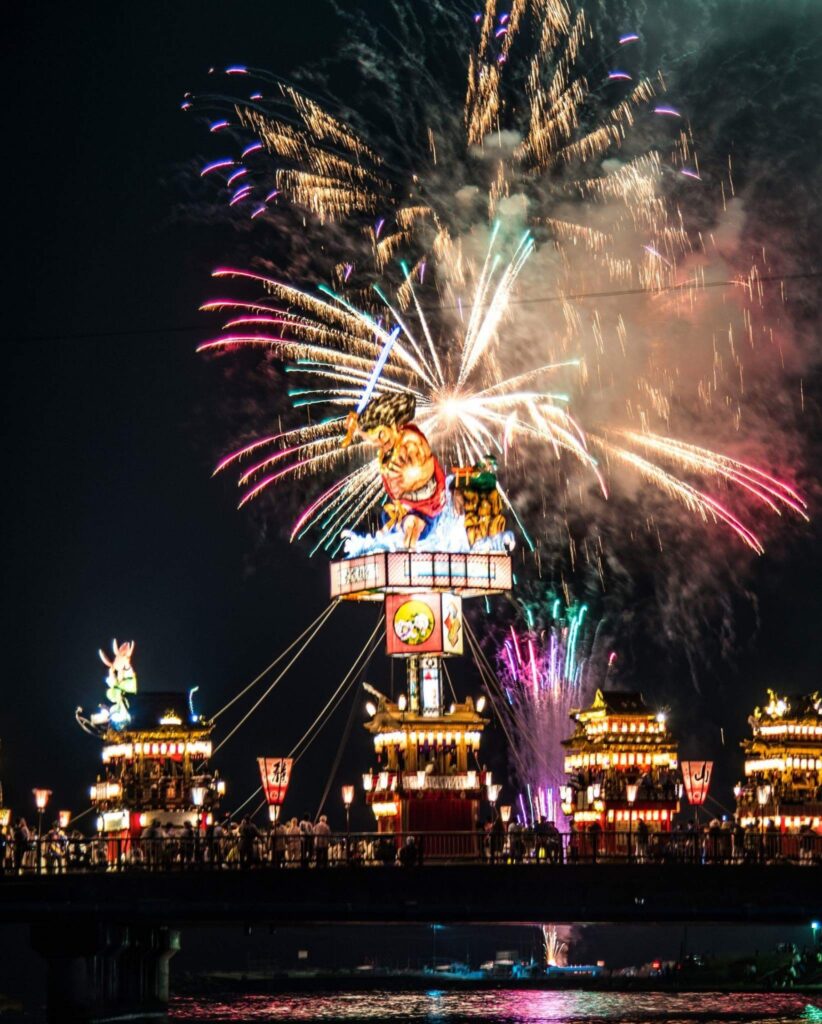
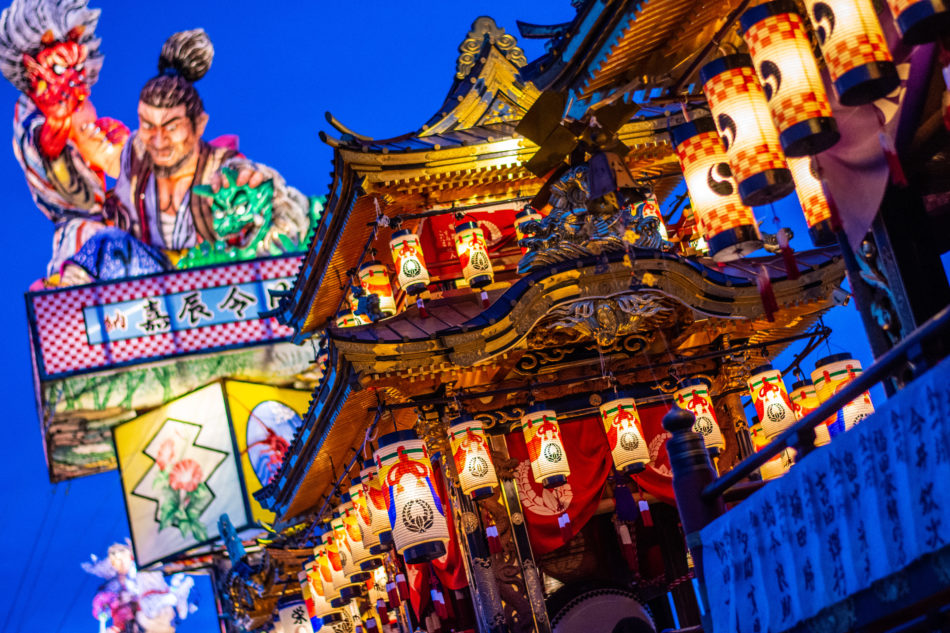
When: July 20th
Where: Kasuga Shrine, Iidamachi, Suzu City, ends at the Iidaminato Park area.
Description: The Iidamachi Toroyama Festival began around 370 years ago, when villagers prayed to the gods of the Kasuga Shrine to come and enjoy the cool evening breeze. They built huge lanterns (up to 16 metres tall) to help lead the gods to the oceanfront and celebrated with fireworks displays. Usually, there are around nine floats made and a special portable shrine, called a "Sakaki Mikoshi" to help transport the gods, which are paraded through the town.
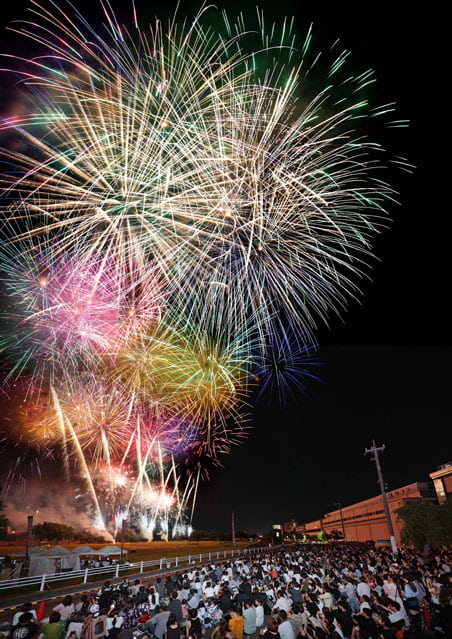
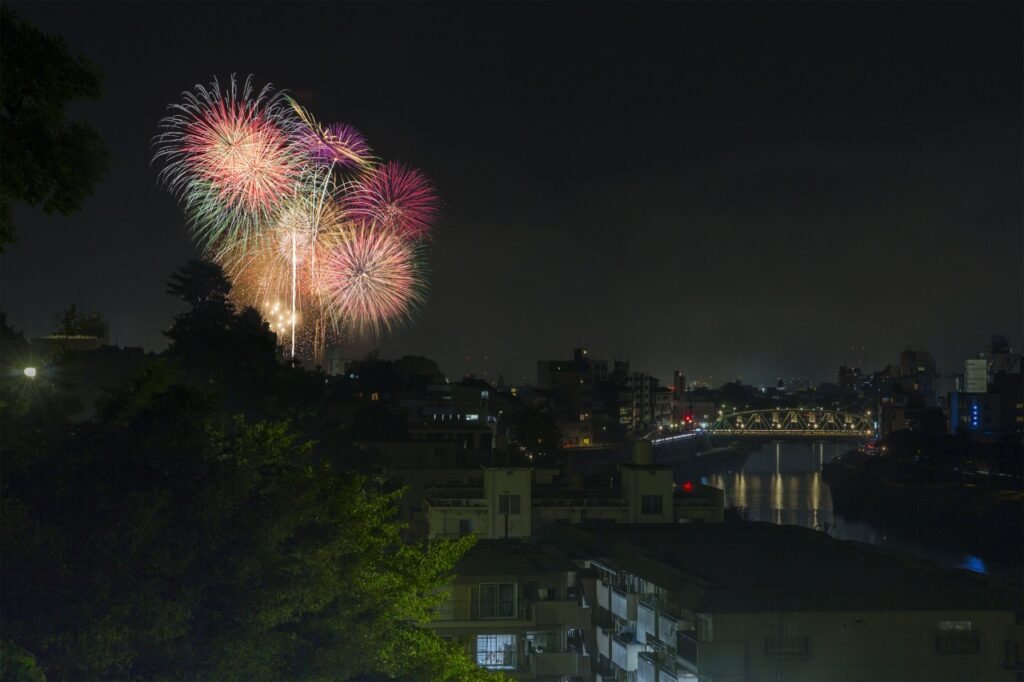
Kanazawa Fireworks Festival
When: Last Saturday in July
Where: By the Sai River, with many people gathering along the Sai River Walk
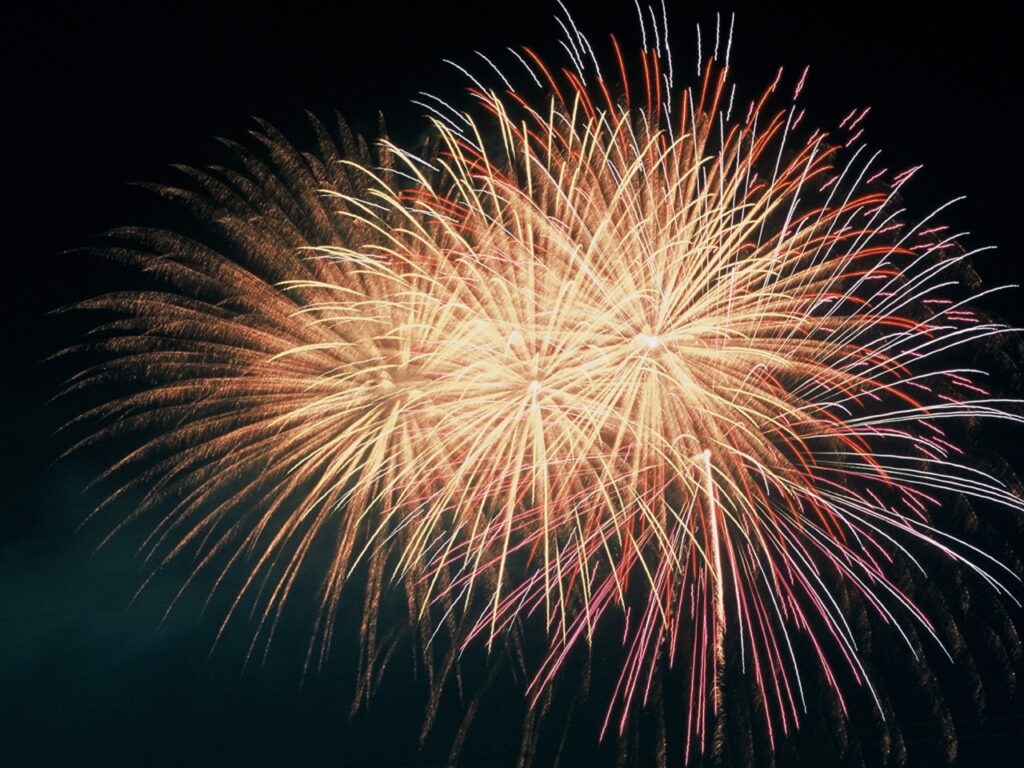
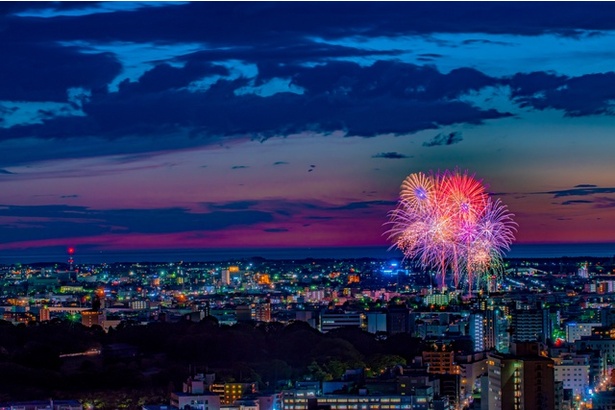
Description: The only fireworks festival in Kanazawa City. Around 12,000 fireworks are set off during the display. They can be seen from various points around the city. If you're lucky, your hotel room might look directly out at them!
August
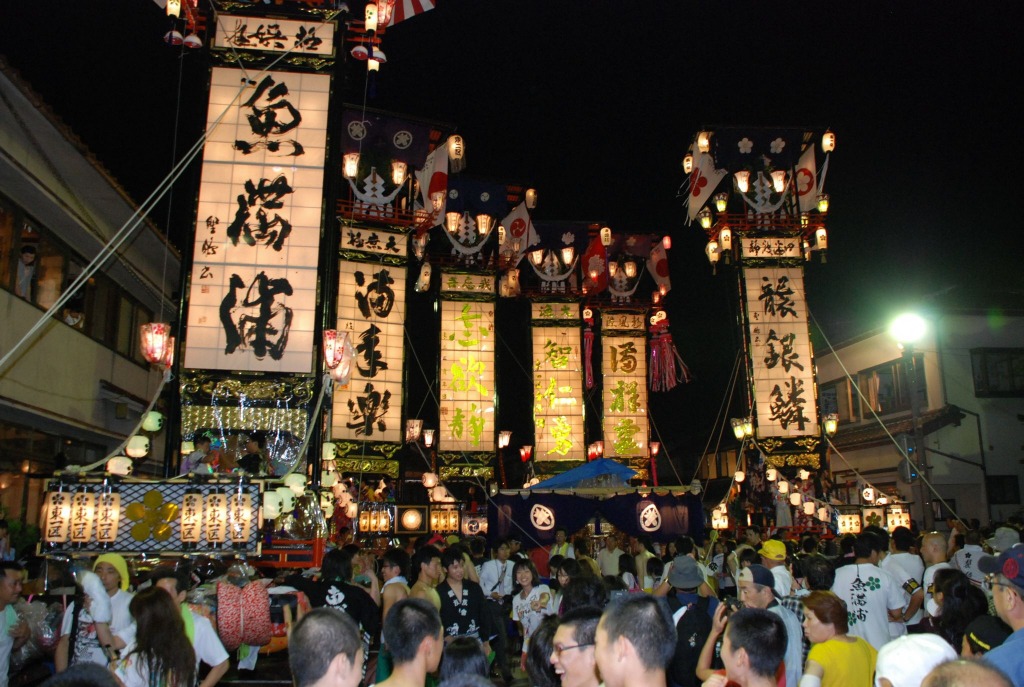
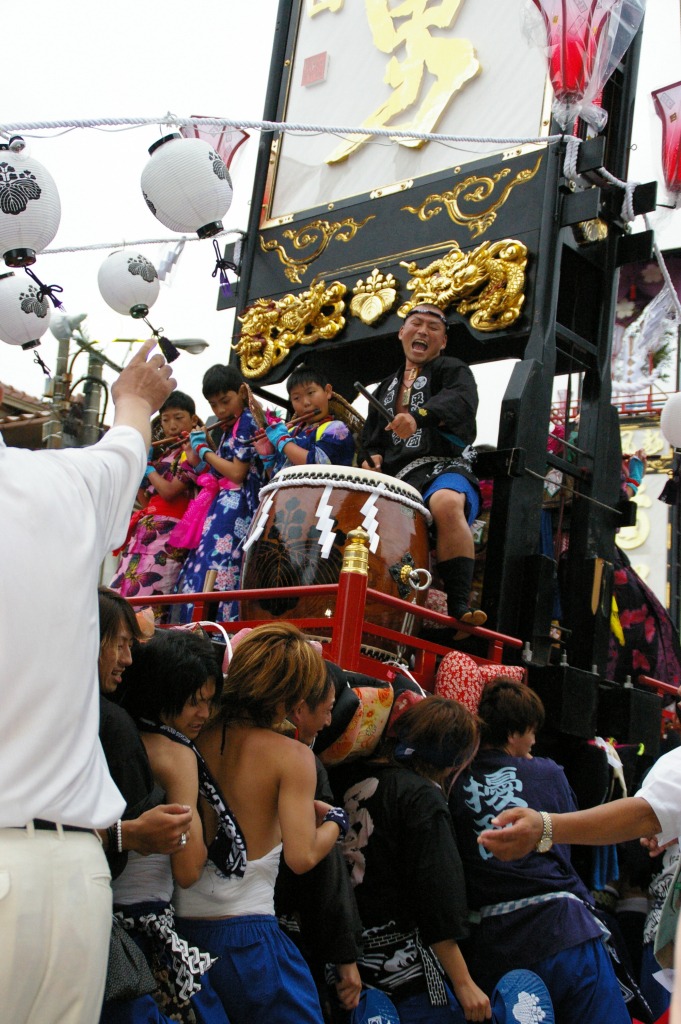
Issaki Boto Festival
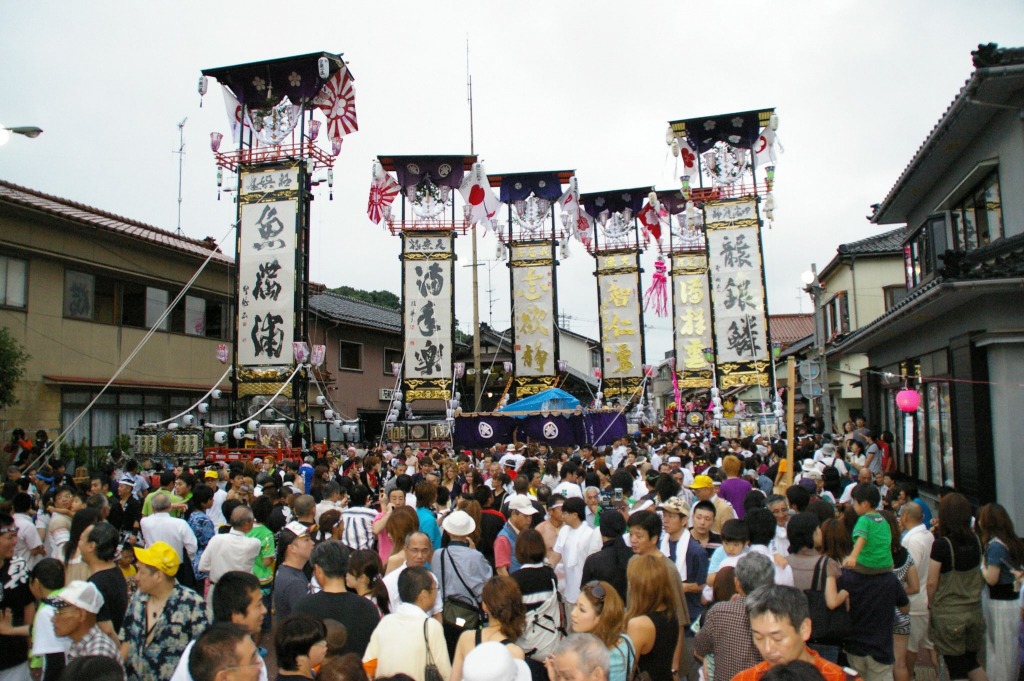
When: First Saturday in August
Where: Ishizaki Fishing Port
Description: This festival is to get the local fishermen riled up for the upcoming season. They build kiriko floats, wear traditional fishermen attire and parade through the cloud chanting "Sakasai, Sakasassai, Iyasakasaa!" - local chants to psyche themselves up as they carry the massive floats. In the evening, they perform a wild lantern dance
Takarazuka Tanabata Kiriko Festival
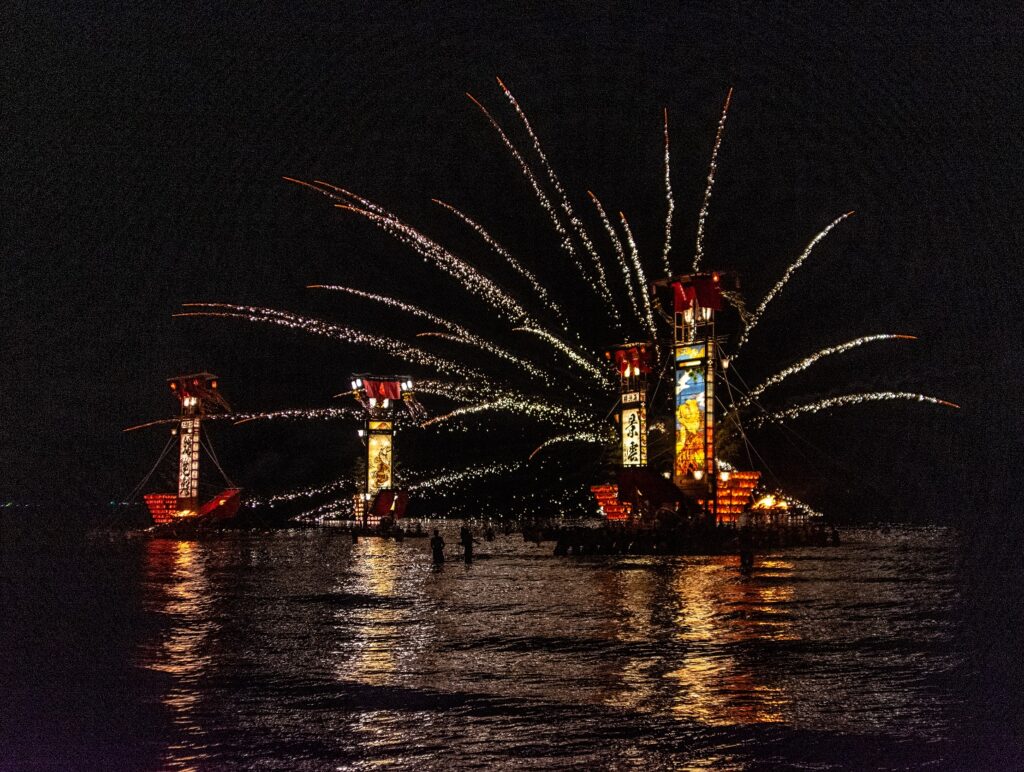
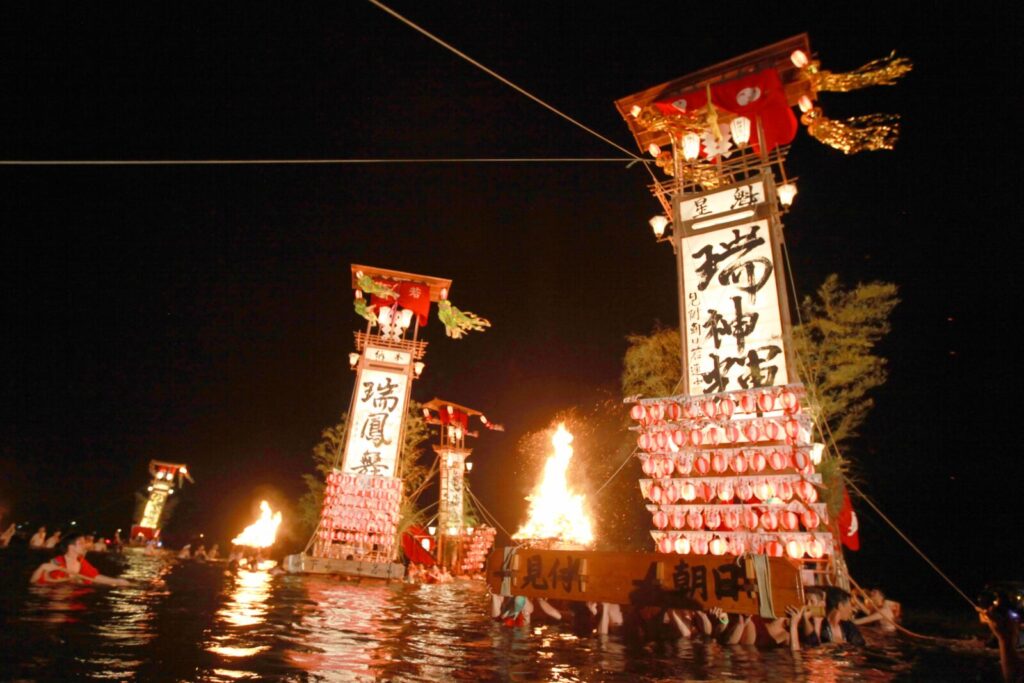
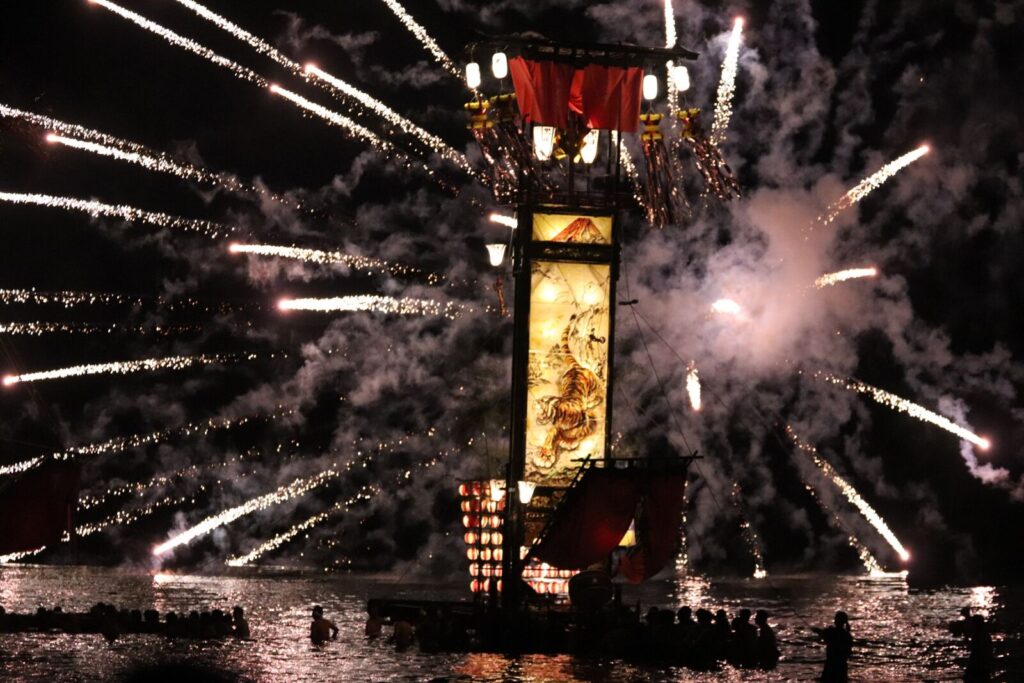
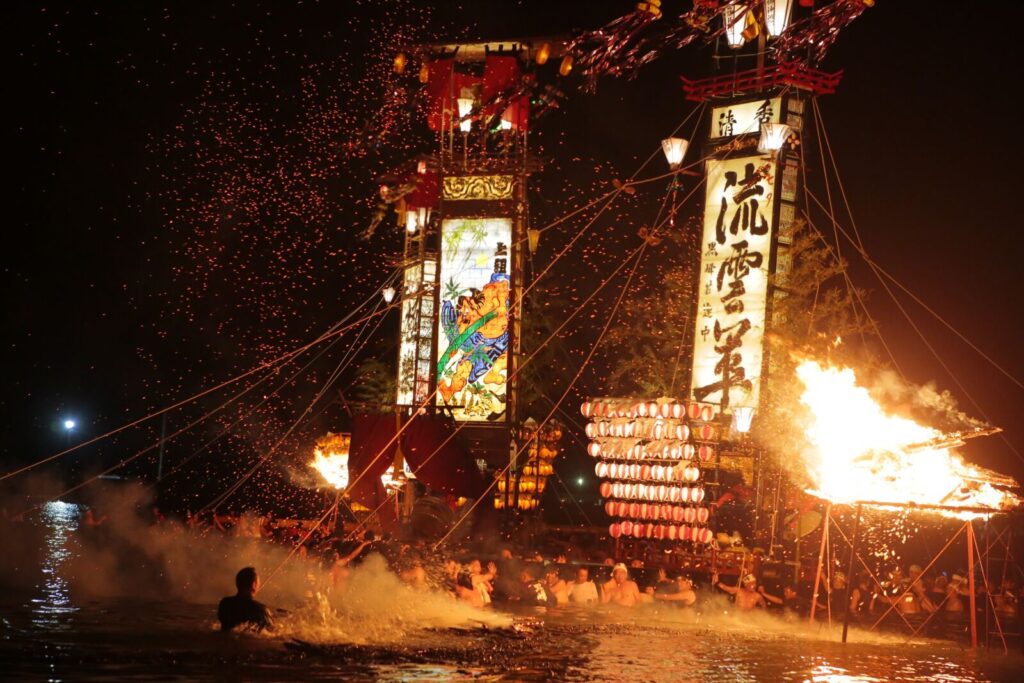
When: First Saturday in August, from 6:00 P.M.
Where: Mitsuke Beach, Suzu CIty, Noto Peninsula
Description: This festival celebrates the beginning of O-bon, an important time of year when Japanese people honour the spirits of their deceased ancestors. The large floats, called kiriko, are decorated and carried by groups of 100 people through the town in a parade. After a ceremony, they are brought out into the water and the villagers dance in the water lit by massive torches. As the dance continues, fireworks are launched overhead in one of Japan's most beautiful festival views.
Kenrokuen "Summer Stage" Illuminations
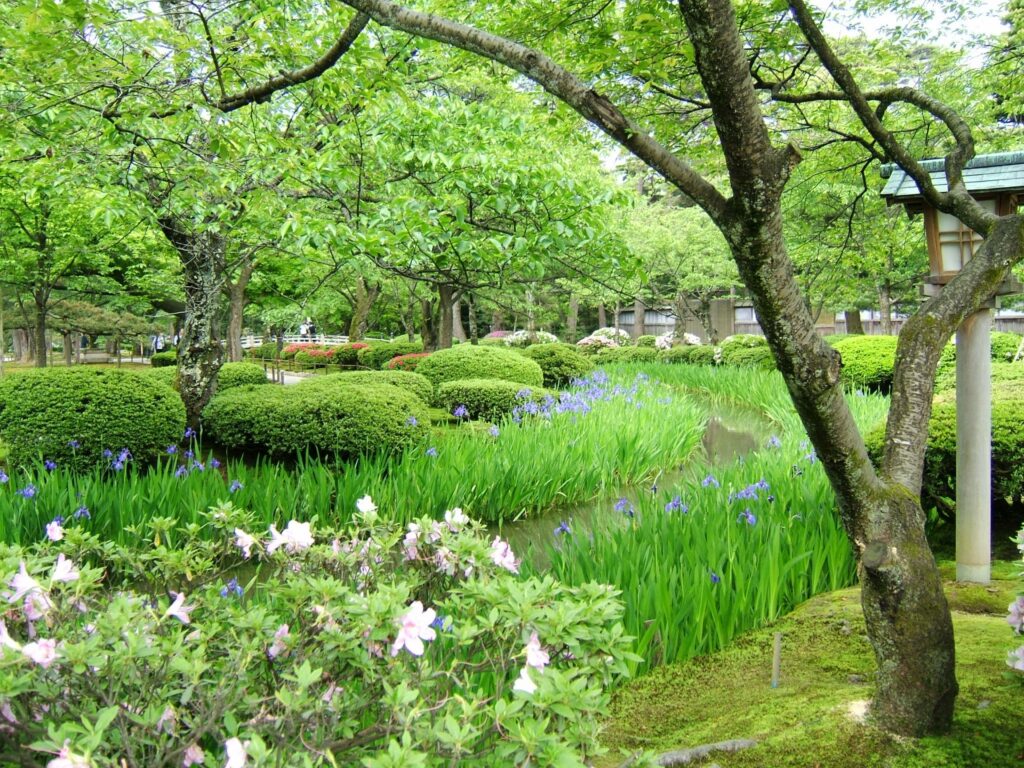
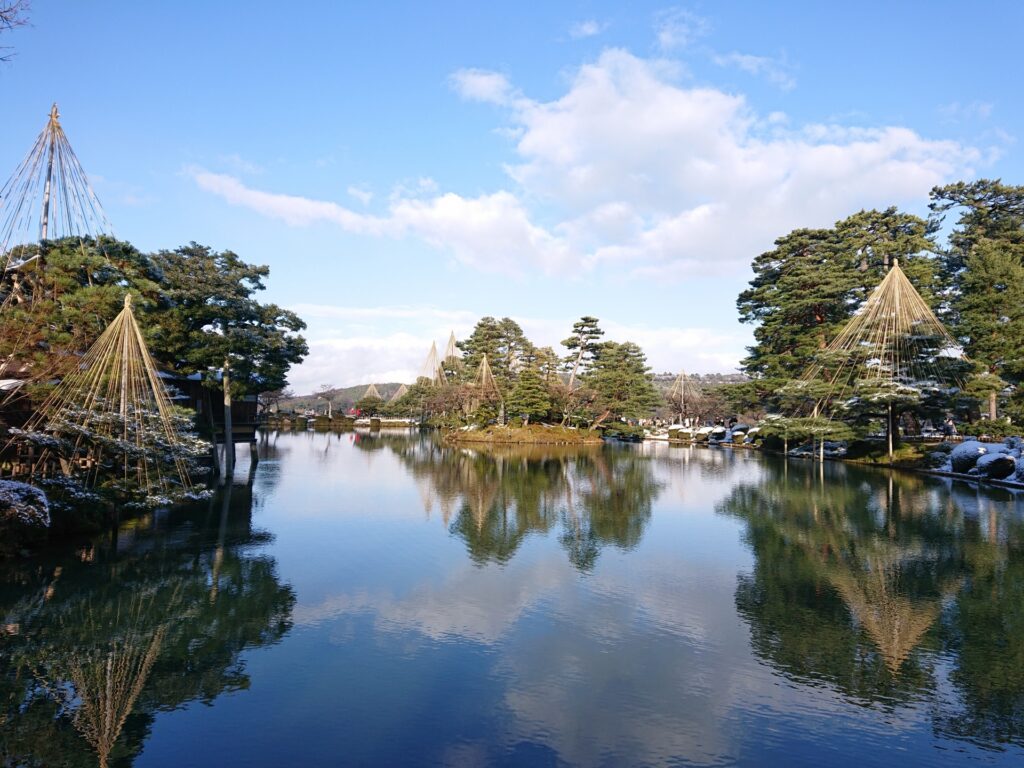
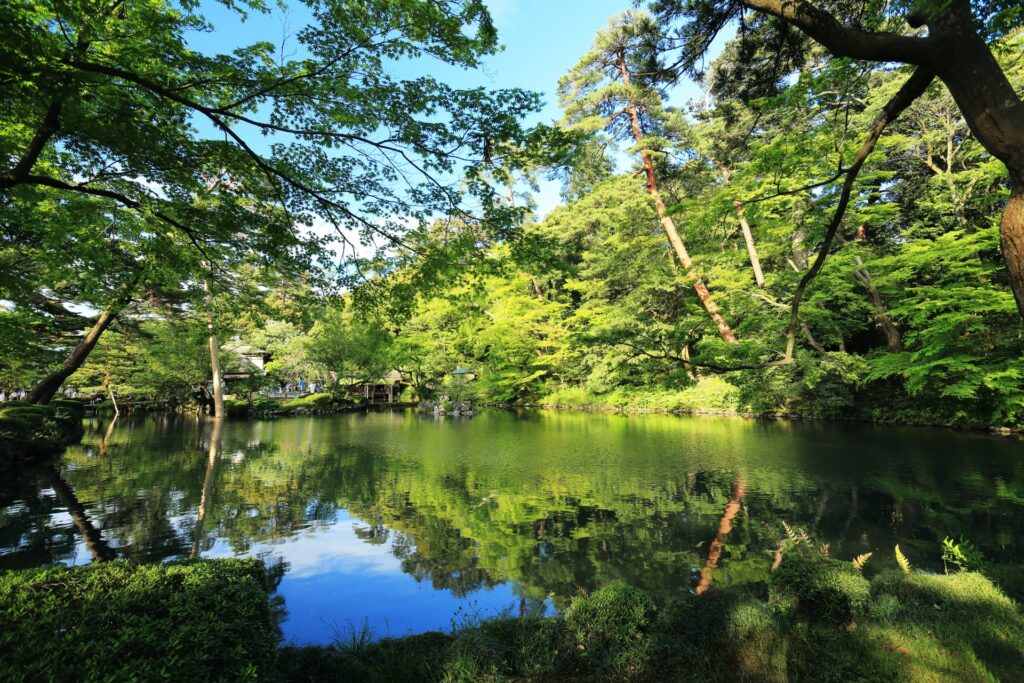
When: Every Saturday evening in August
Where: Kenrokuen Garden
Description: The garden opens again in the cool summer evenings. Visitors are invited to take in the illuminated garden for free. Sometimes there are musical performances held.
Kawakita Fireworks Festival
When: First Saturday in August
Where: By the Tedori River, Kawakita Town
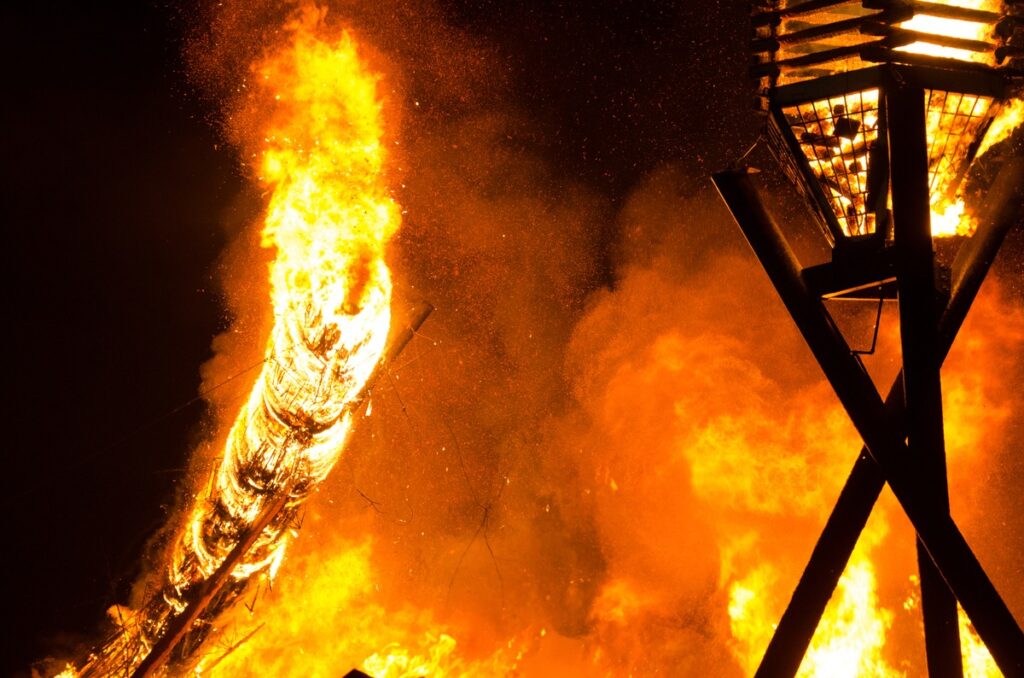
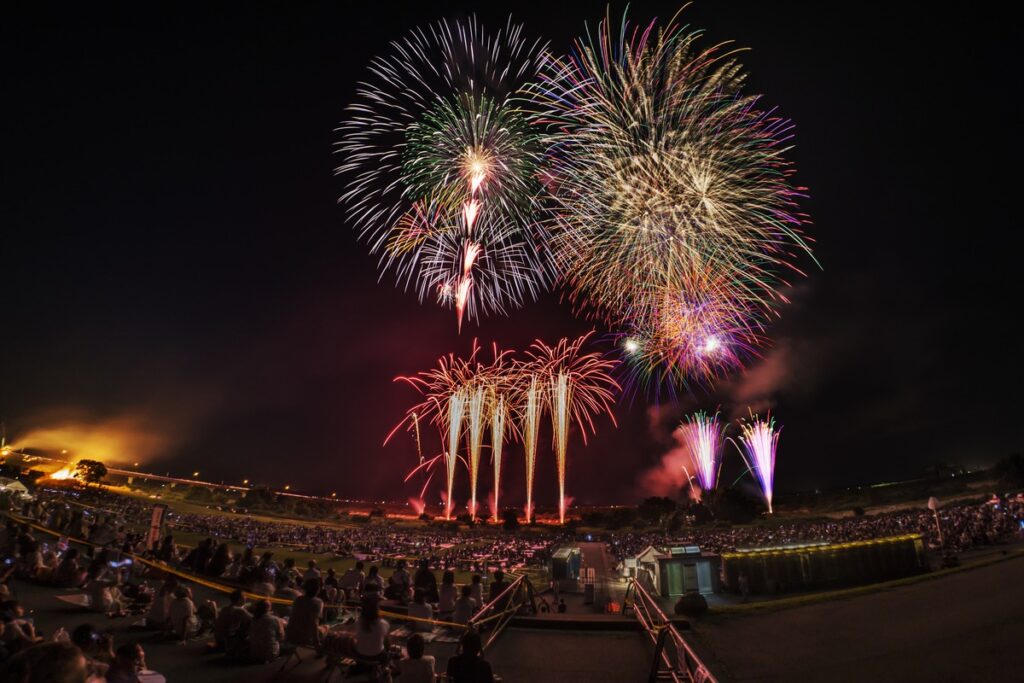
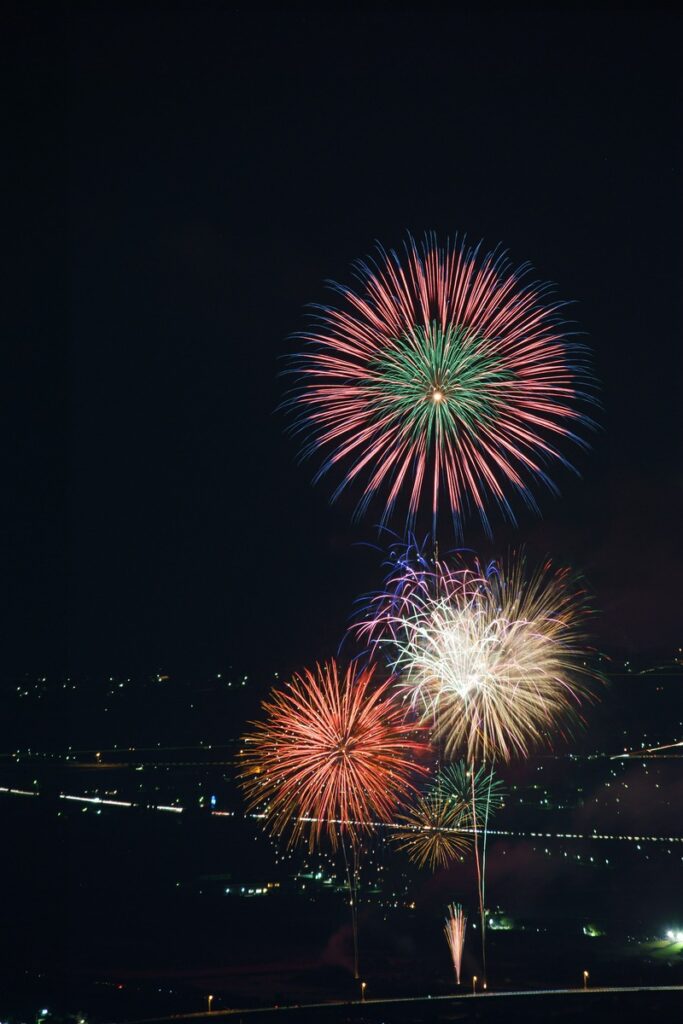
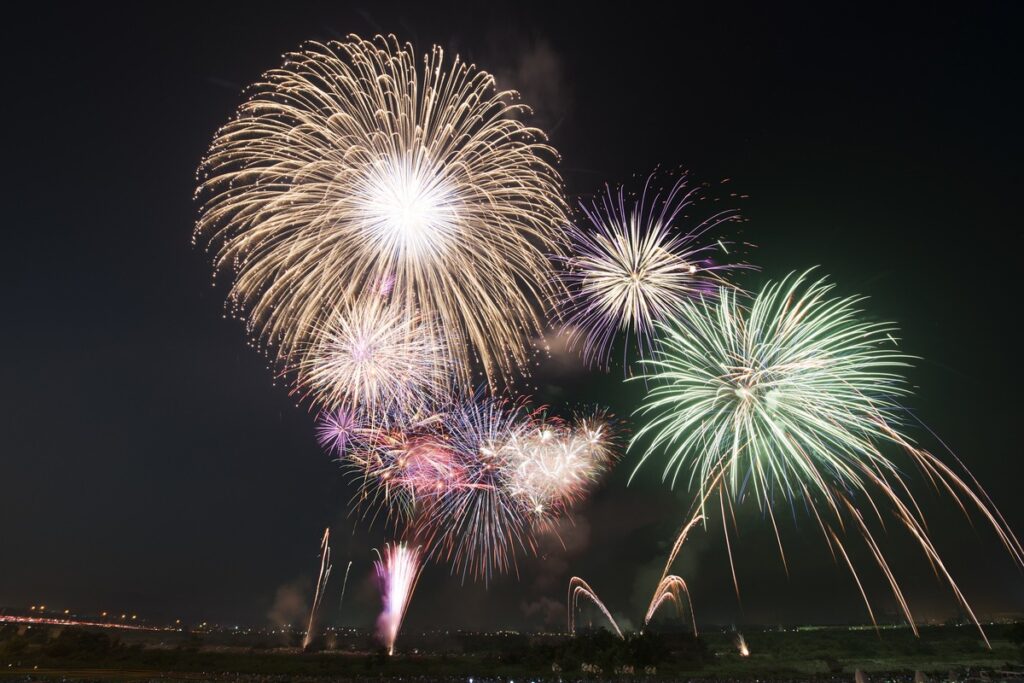
Description: This is the largest fireworks display in the Hokuriku region, with more than 20,000 fireworks set off over the Tedori River. During the day, local teams perform a local "Yosakoi Dance" and compete in taiko drum performances. In the evening, a 40-meter-tall bonfire is lit while a ceremonial drum procession plays. When it's all over, the town celebrates with a massive fireworks display.
Saikai Festival
When: ~August 14
Where: Saikai Shrine, Hakui District
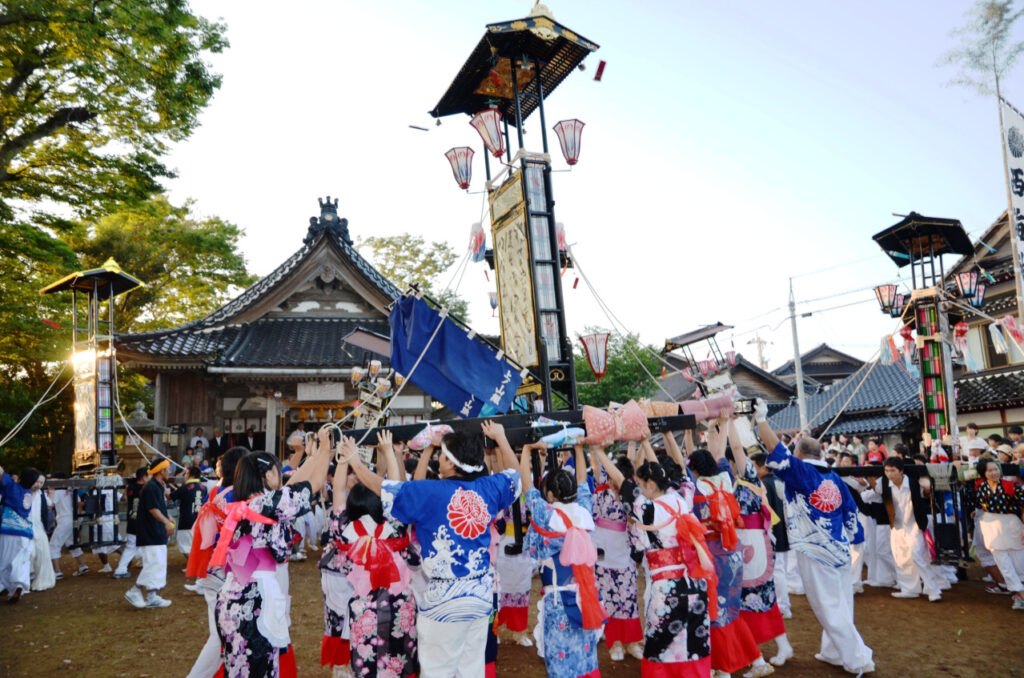
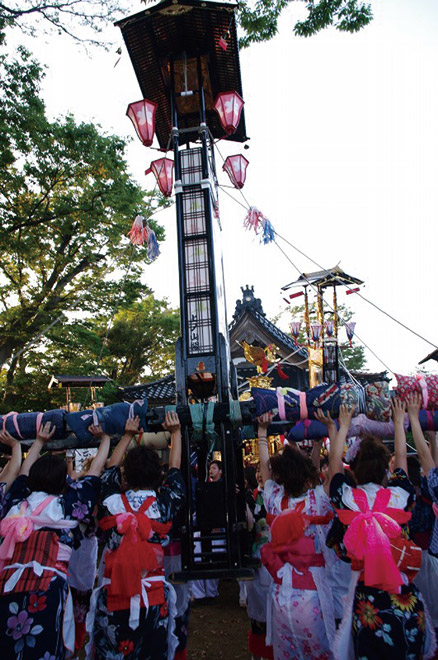
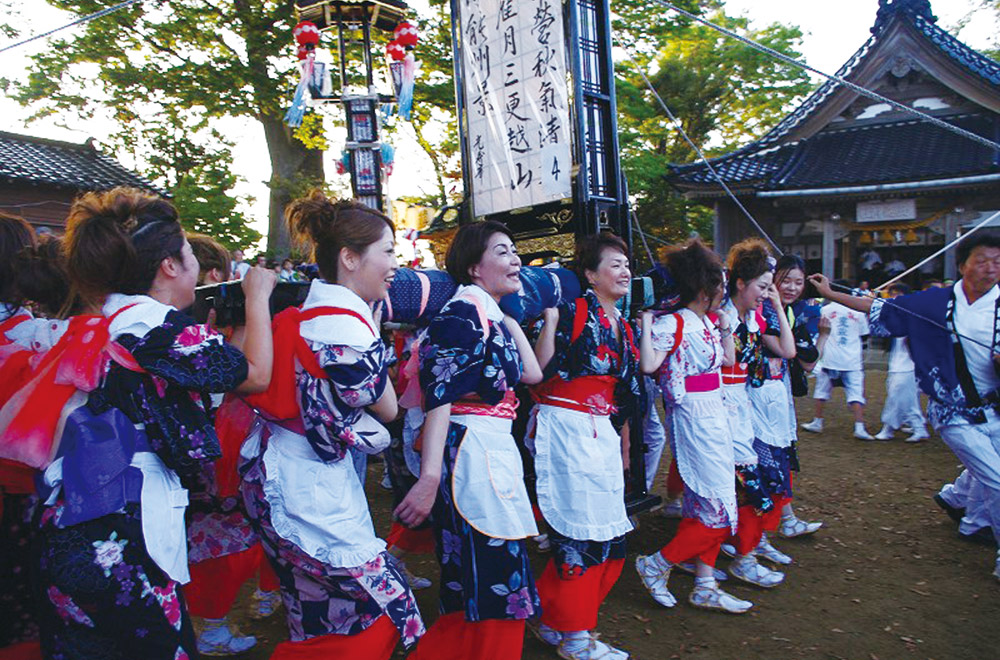
Description: Something that separates this festival from others is how involved women are. Wearing yukata, traditional summer clothes, they help carry the kiriko lanterns. The festival is traditionally to pray for a good fishing season and safety at sea. The highlight of the festival is when the kiriko are carried up the hill in a mad rush, then are incorporated into a wild dance. In the past, the festival was only for men, but their wives began taking a larger and larger role in place of their husbands who were out to sea. Now, they are an integral part of the festival.
Another important festival is a kind of battle involving the kiriko lanterns and the mikoshi, a portable shrine made so the deity can take part in the festivities and cleansing rituals. The kiriko "block" the mikoshi as it travels back to the shrine in the hopes of prolonging the festival. Villagers cheer the kiriko on as they dash around until midight.
Okinami Taigyo Festival
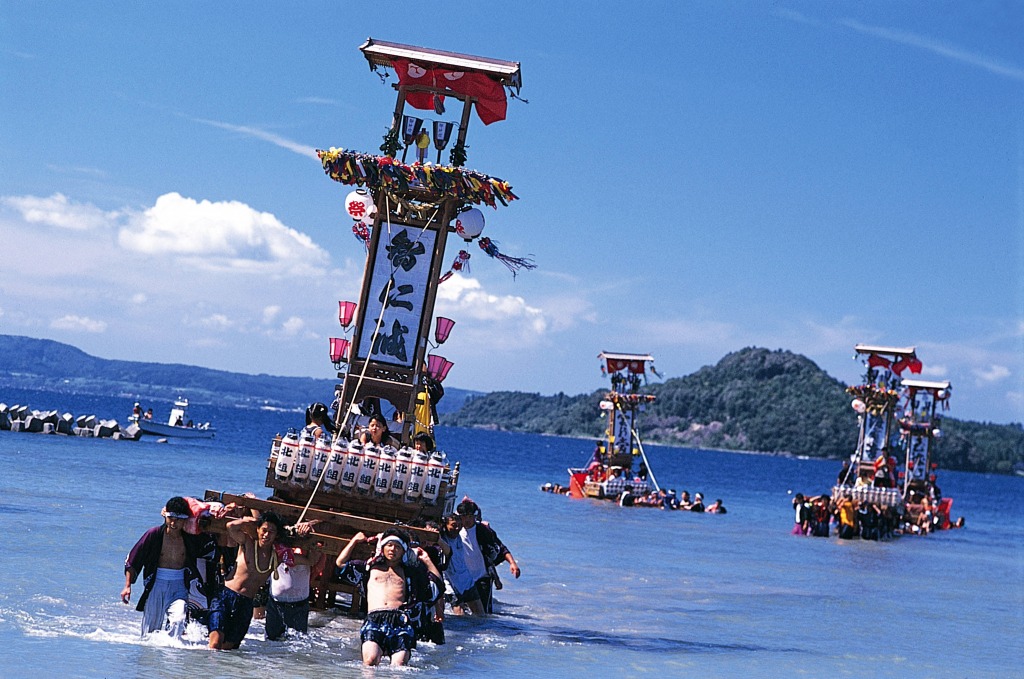
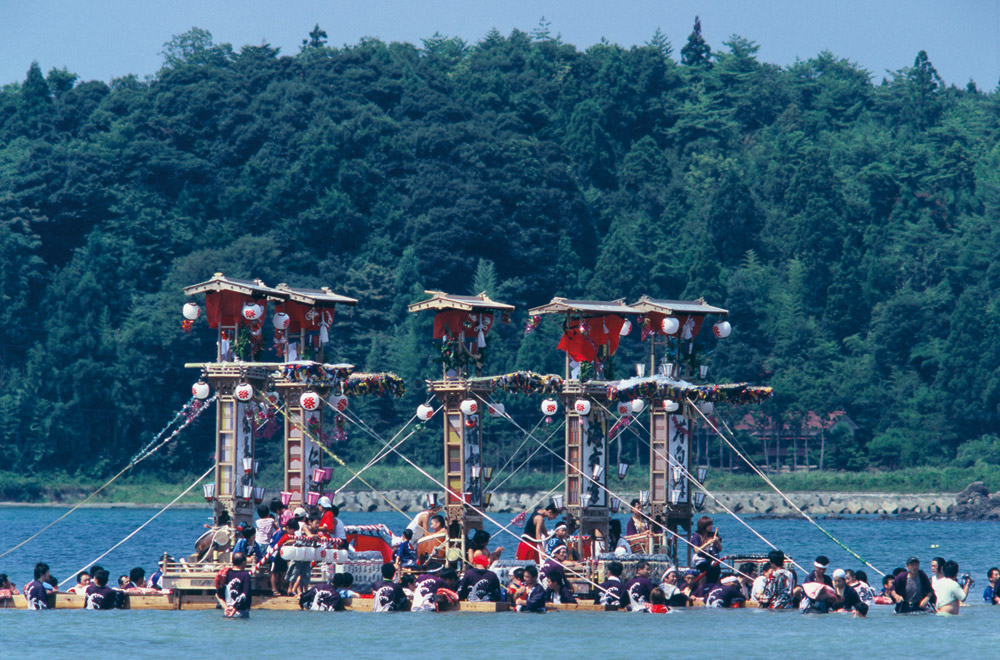
When: August 14th and 15th
Where: Tattonohama Beach, Okinami Town
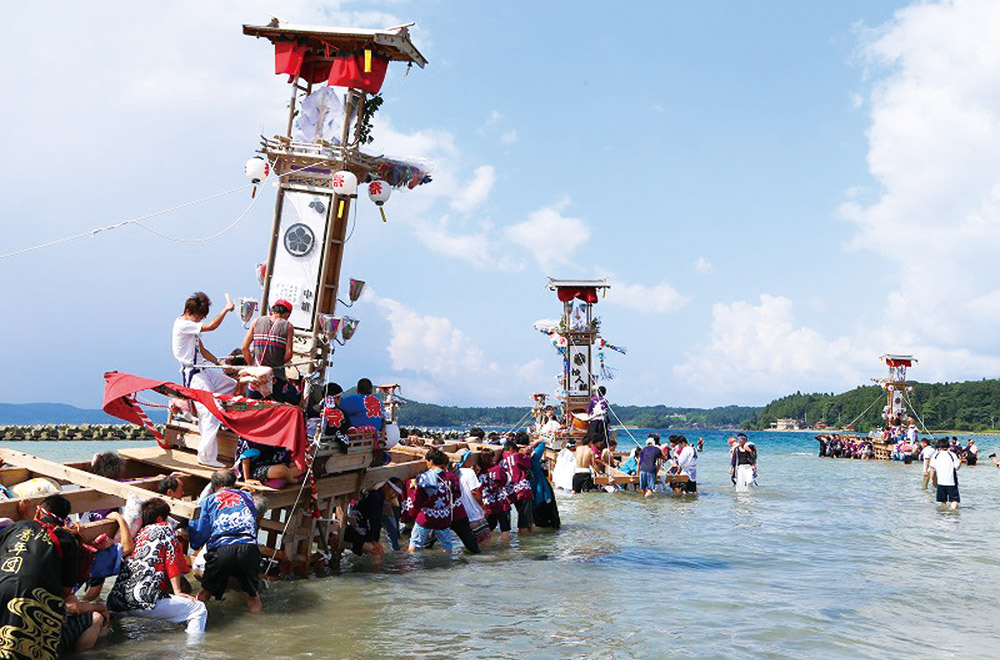
Description: Unlike other local festivals, which reach their climax in the evening, this festival peaks in the daytime. The "Great Catch" festival appeases the god worshipped at Okinami Suwa Shrine, who is said to have washed ashore, purifying the land protected by it and praying for a good catching season and safety while out at sea. The villagers bring kiriko floats down to the ocean, perform local taiko drums, then depart out to sea one-by-one. The villagers carrying the kiriko struggle under its weight in the water and returns to the beach once the ritual is finished.
Wajima Taisai Festival
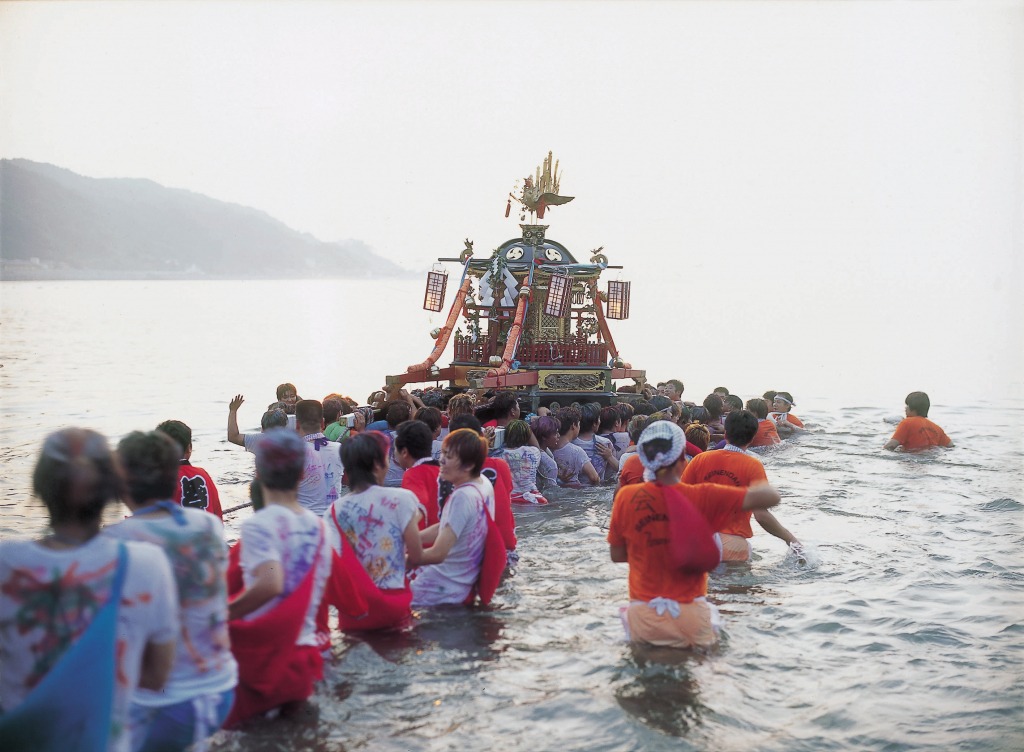
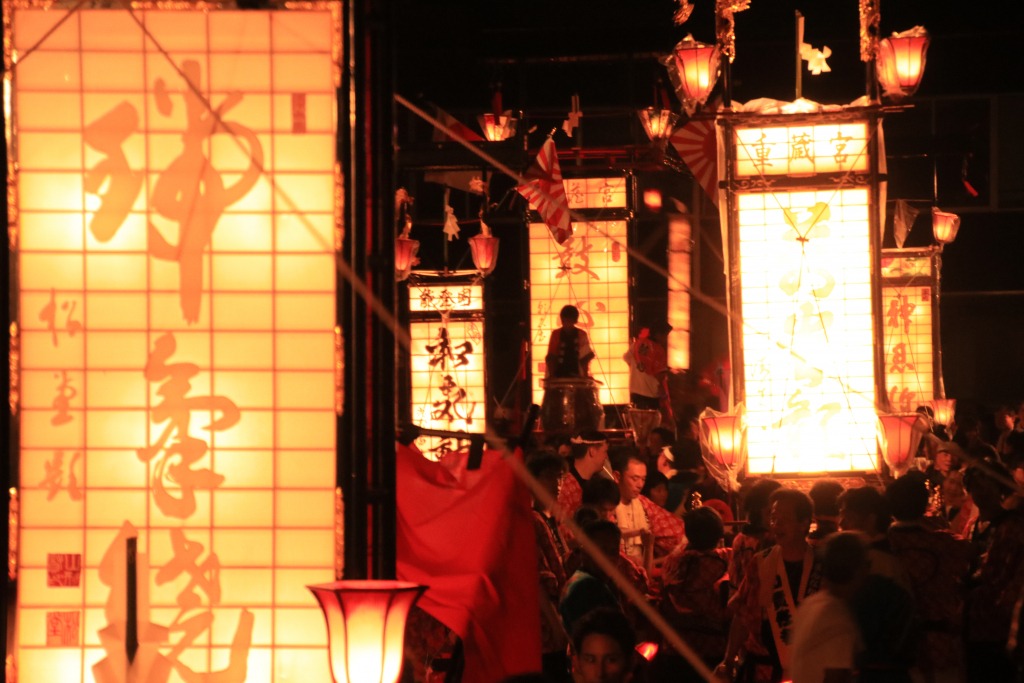
When: August 22 - 25
Where: Around the town, but main events at the Wajima Marine Town Park
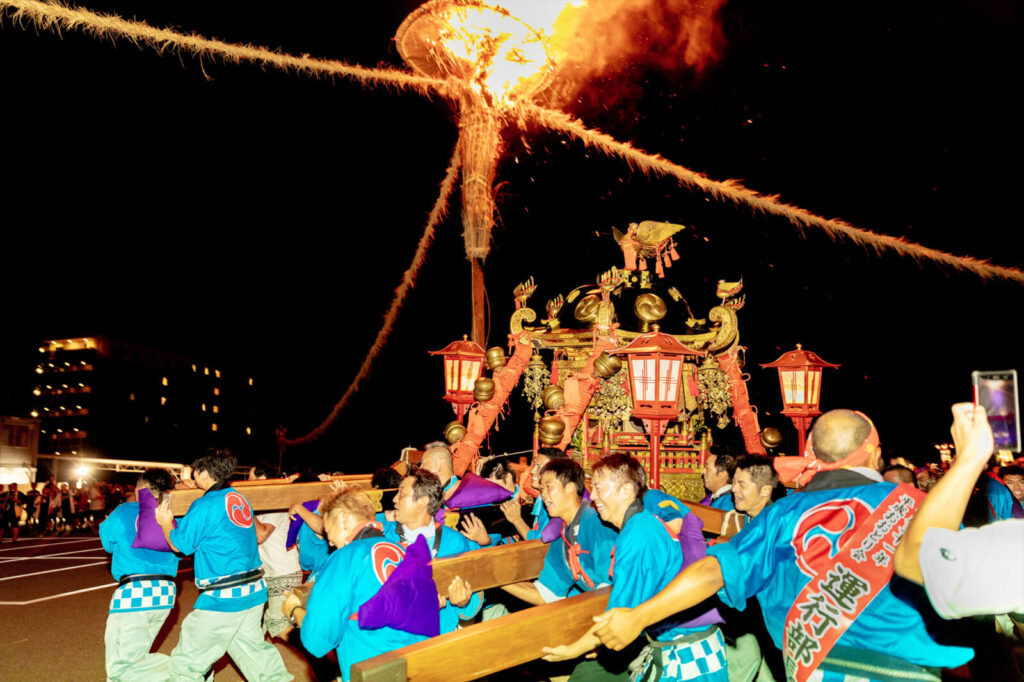
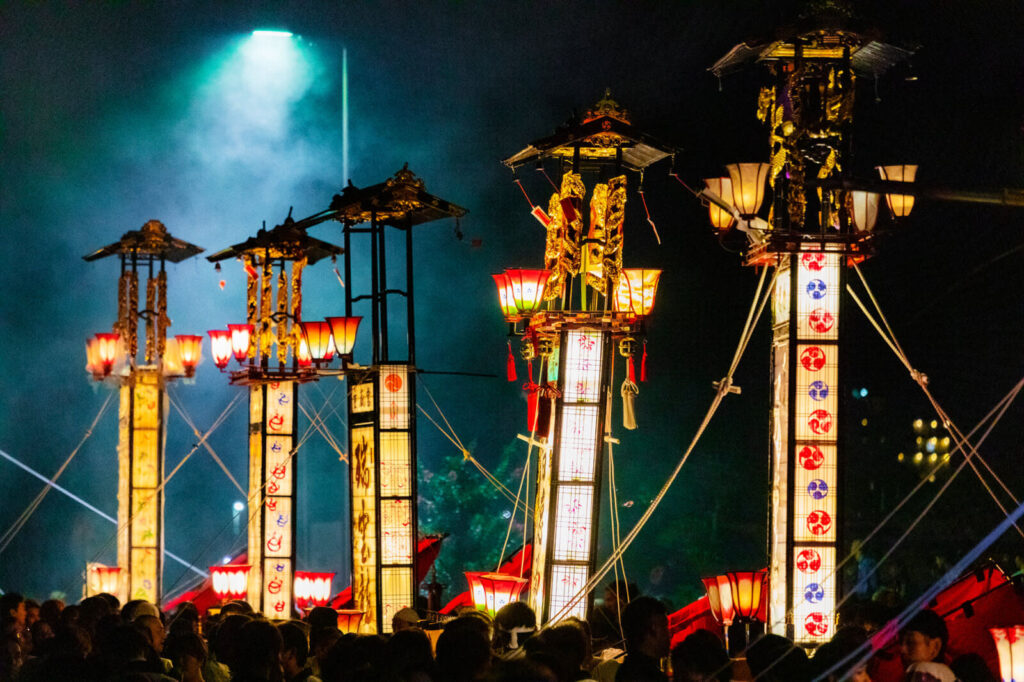
Description: This multi-day festival involves more kiriko latnerns, mikoshi portable shrines, fire and wild dances. It brings together two local deities: one from the mountains and one out to sea. The female mountain god is brough to the sea to meet her lover in the water. The god is shy, though, and will only allow herself to be seen by women. So local men dress in colourful women's dresses and wear makeup. Along the way, children try to stop them. Local legends say the longer this battle is drawn out, the better the catch will be.
Other events through the weekend involve a 10-metre high torch and a challenging to claim one of three blessed amulets destined to bring their bearers good luck. Another finds lanterns shaped like fish celebrating the local fishermen.
September
Kogisode Giriko Festival
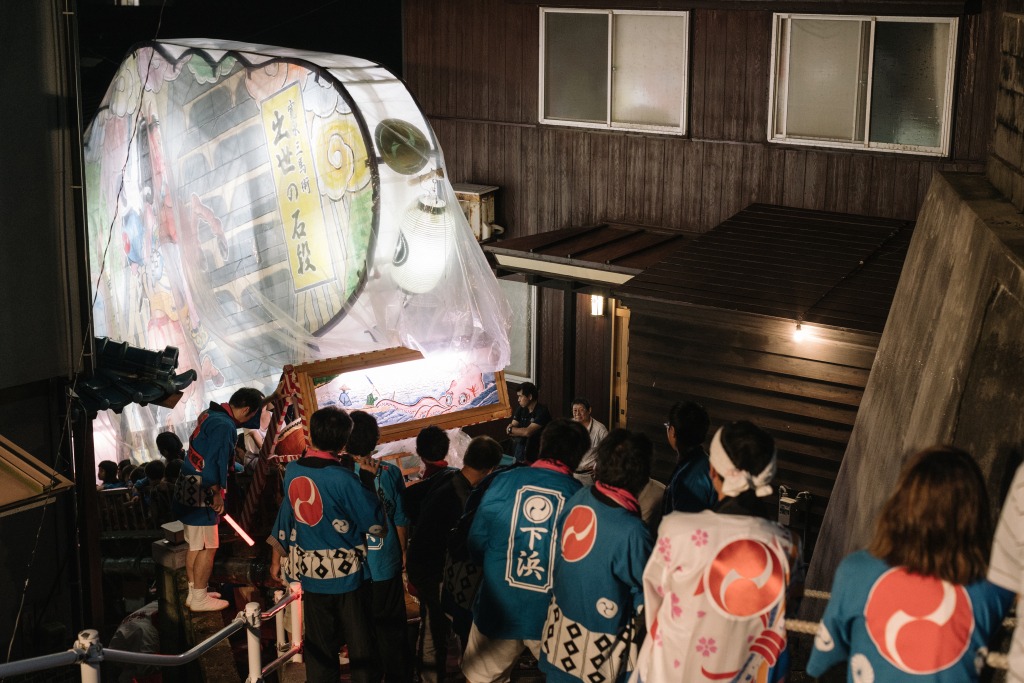
When: Third Saturday and Sunday in September
Where: Parade around Ogi Town ending at Mifune Shrine
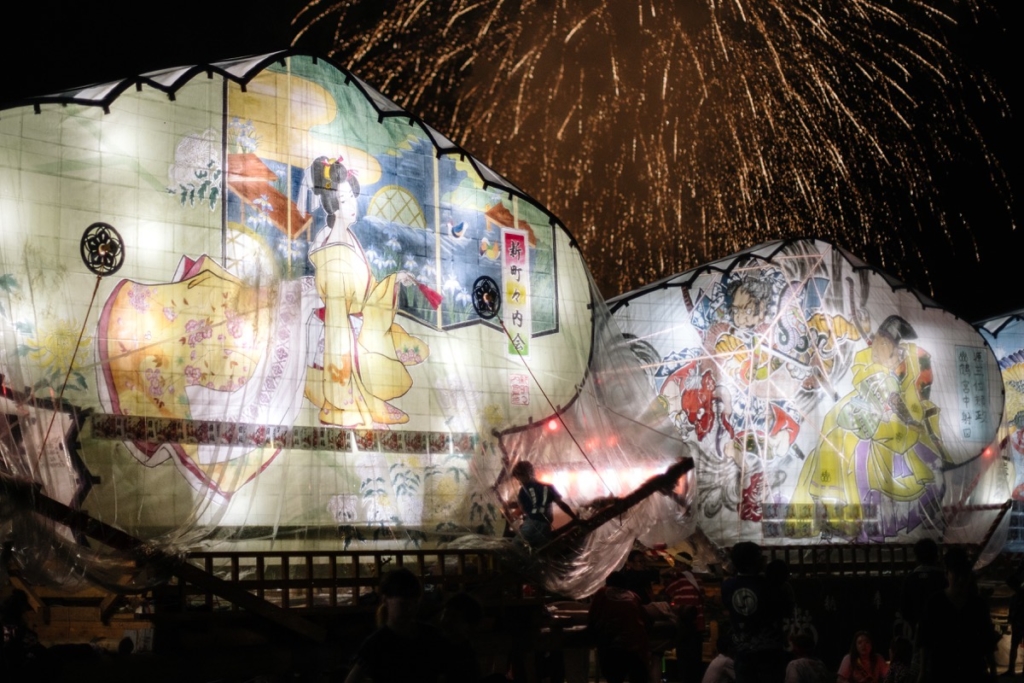
Description: Floats bearing beautiful depictions of women are carried around the town. Traditionally, these were used as lanterns around the town but were gradually replaced by electric lighting. At the climax of the festival, the villagers carrying the floats charge up a steep hill towards the shrine. Those who successfully help carry the float up are said to be blessed with strength and good fortune through the year.
Kanazawa Jazz Street
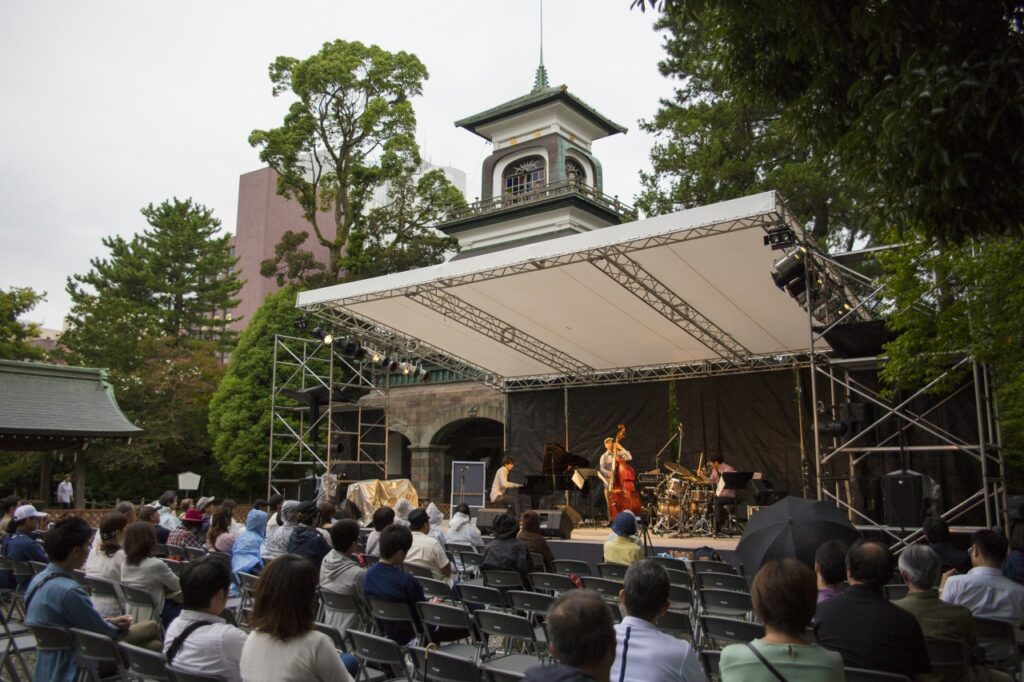
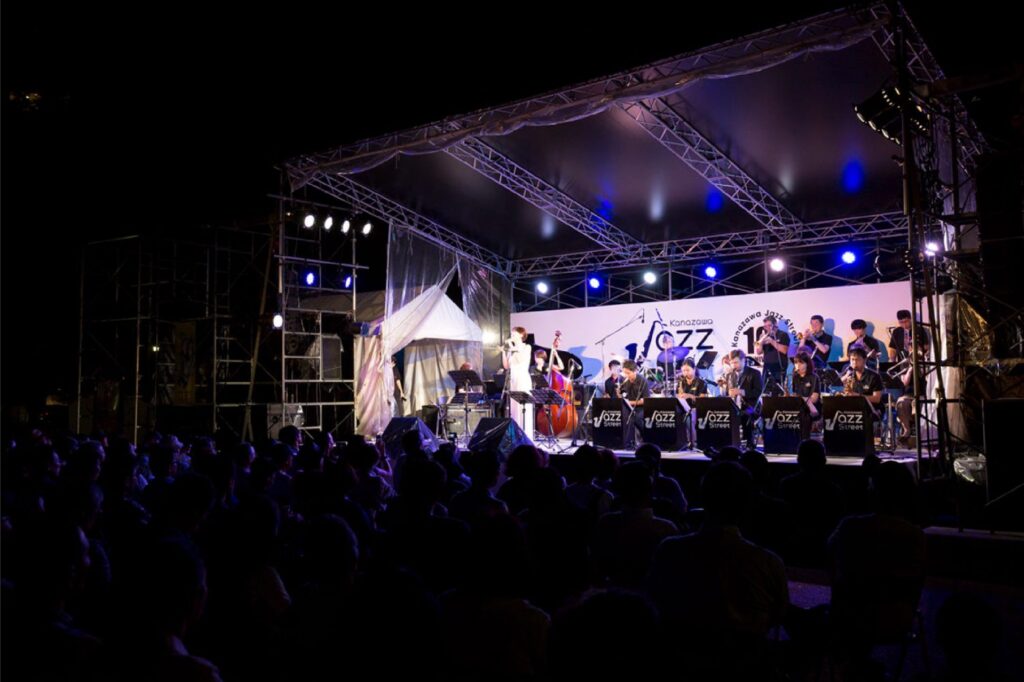
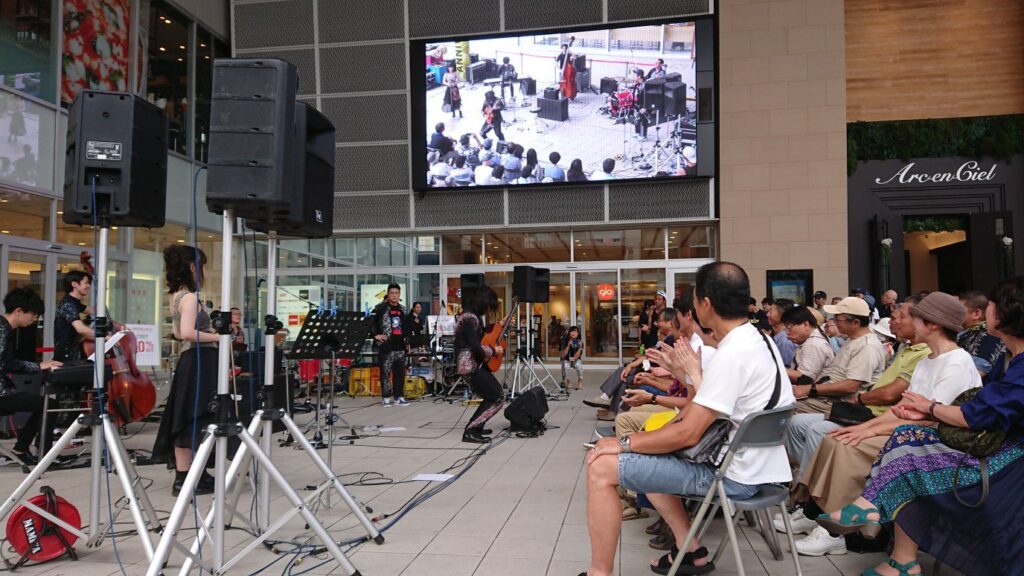
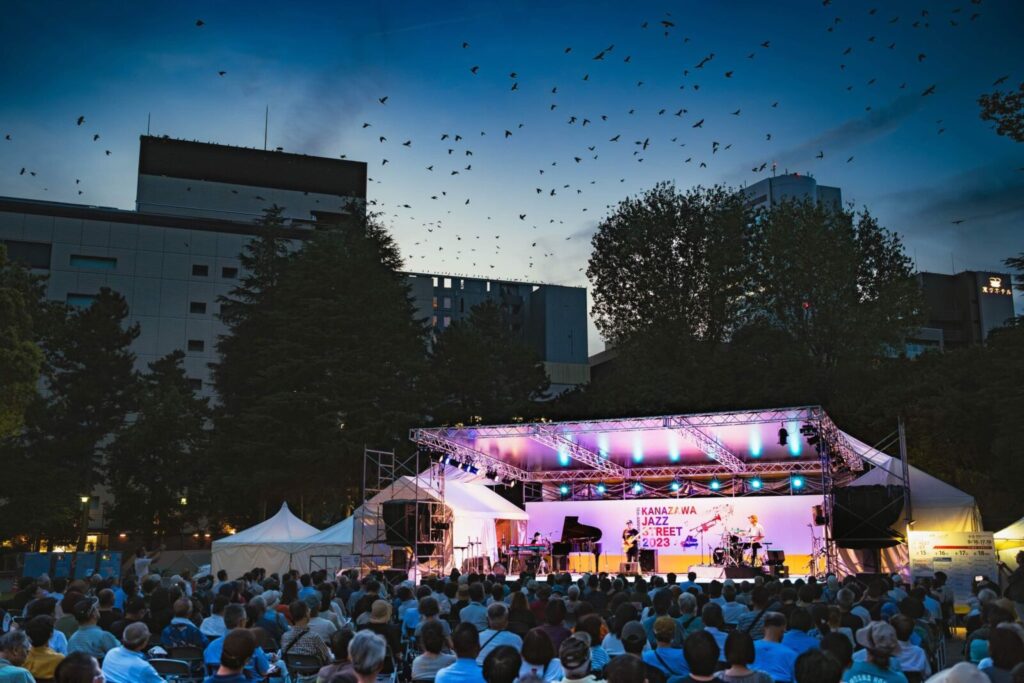
When: September 12 - 15
Where: Venues around the city, including outside Oyama Shrine and Kanazawa Station
Description: Another for the music lovers. This jazz festival features artists from across the world over its three days. Some of the events are free, while others require tickets. Now in its 16th year, the Jazz Street festival has become a Kanazawa staple.
October
Horai Festival
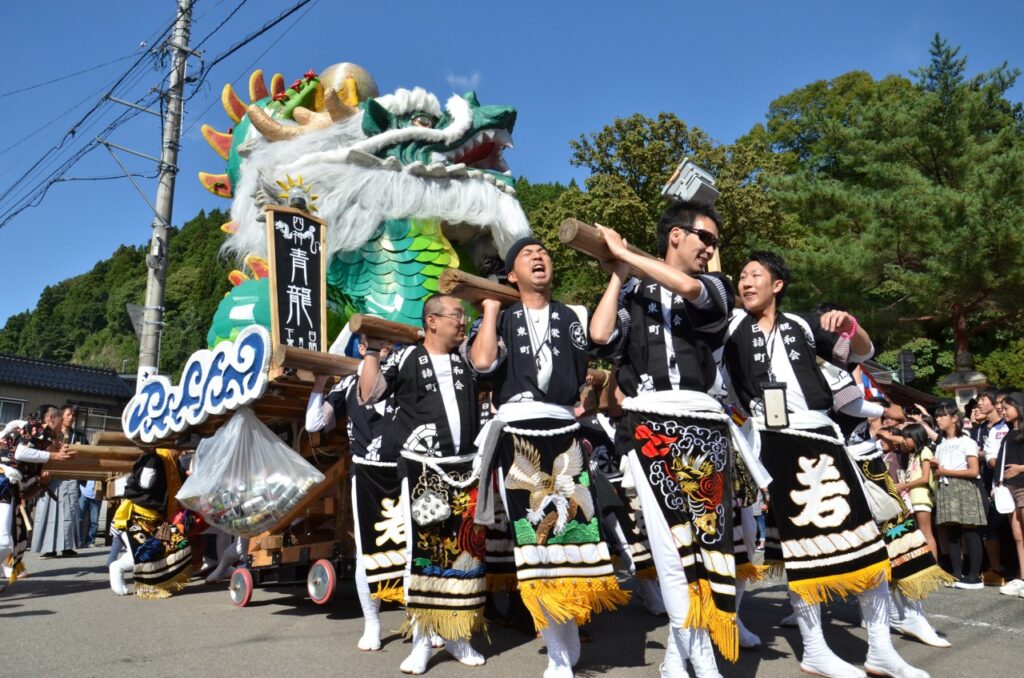
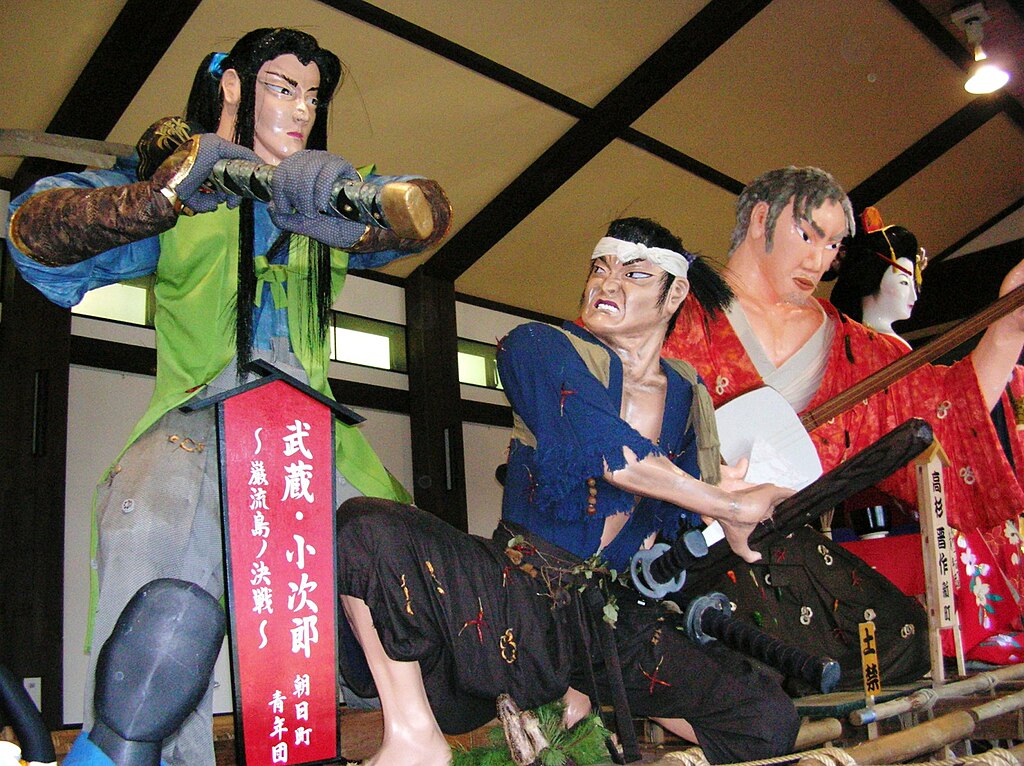
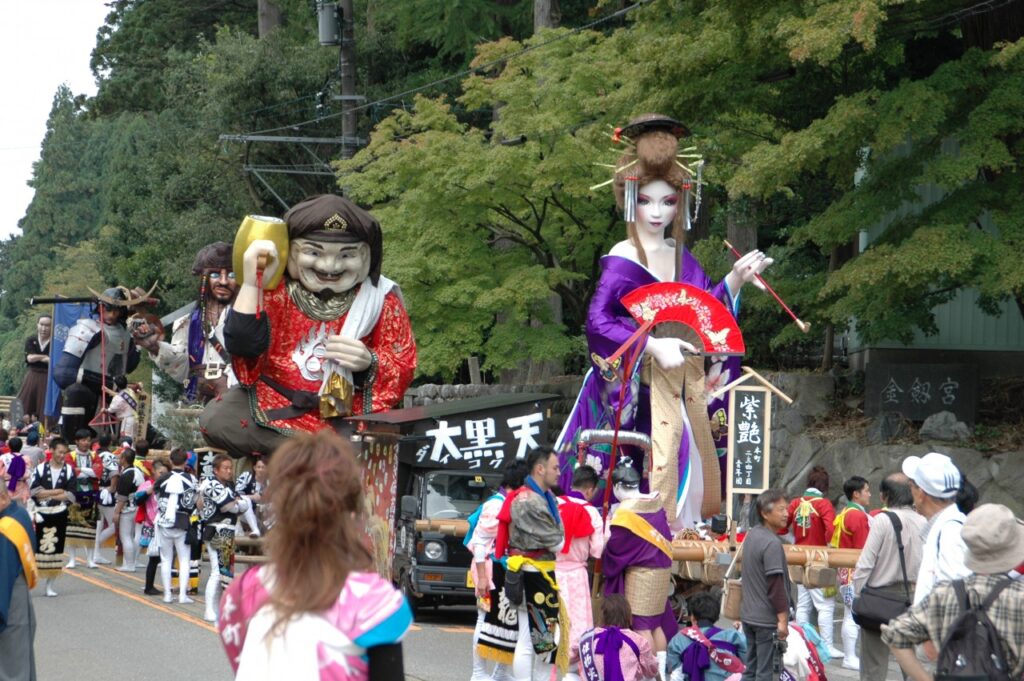
When: First full weekend in October
Where: Tsurugi town and Kinken-gu Shrine
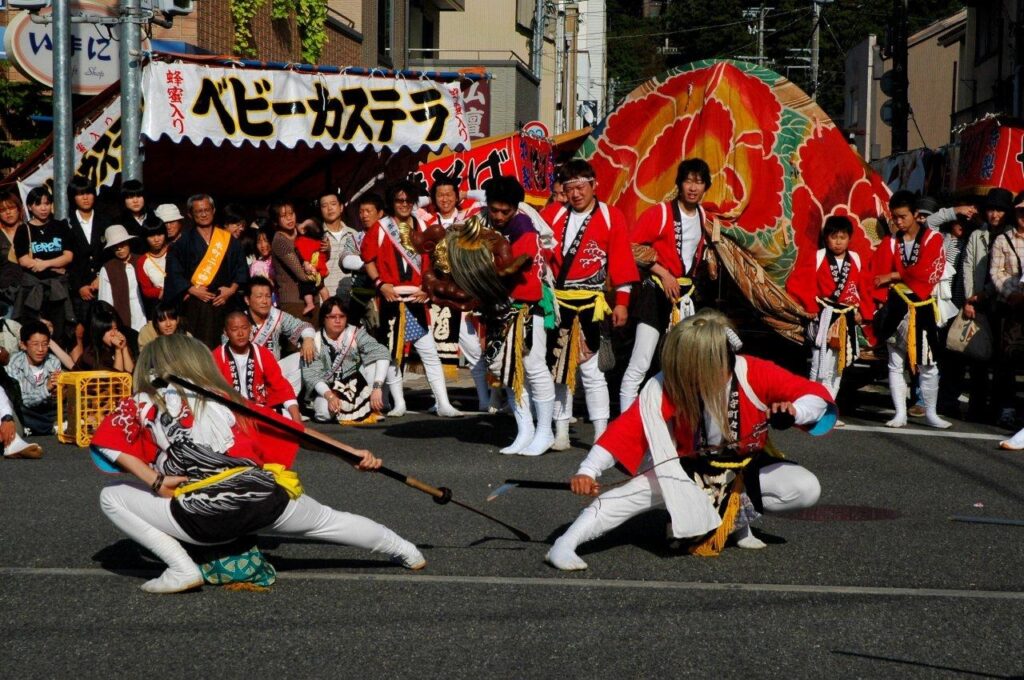
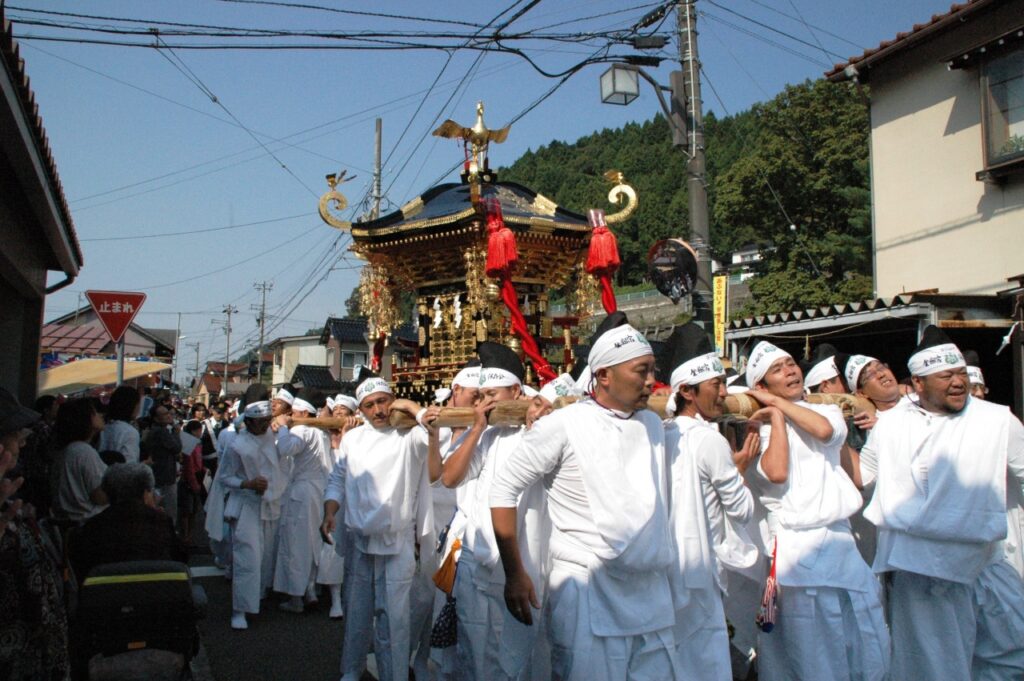
Description: This harvest festival has been held for more than 800 years. A portable shrine is carried through the town, accompanied by massive carvings of massive lions, fierce samurai and depictions of various yokai, spirits that can have the faces of animals and the bodies of humans. Usually, the leader of each team stands astride the float, urging those carrying it onwards and getting spectators to cheer for them. In the evening, everything is illuminated while the region's traditional lion dance is done. On Sunday, the groups compete to decide whose float will spend the year in a place of honour atop a steep hill overlooking the town.
Sake Marche
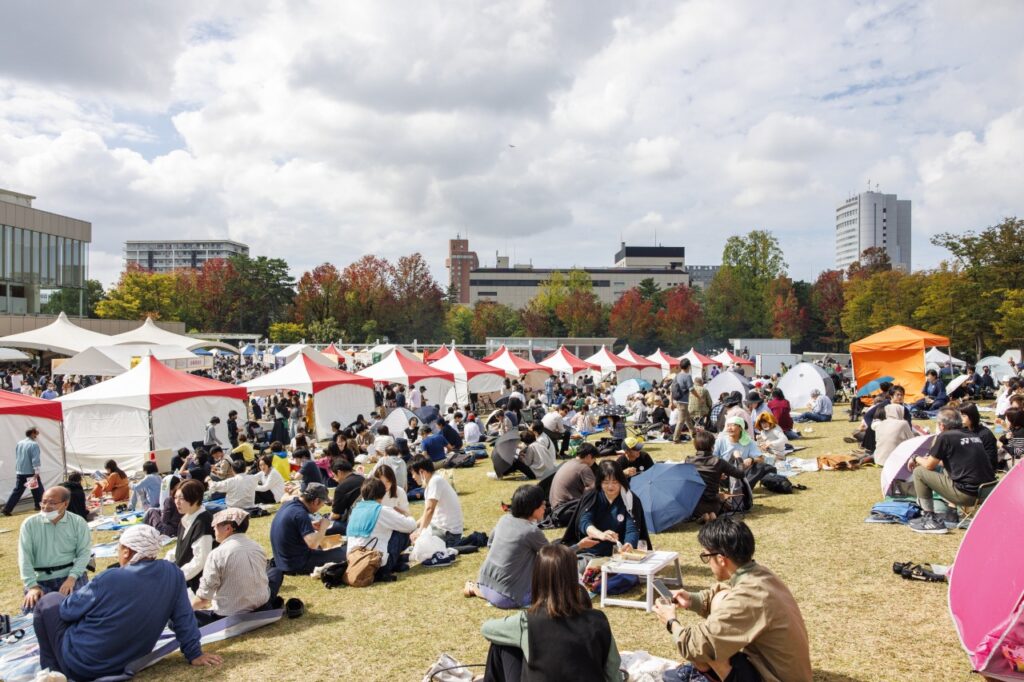
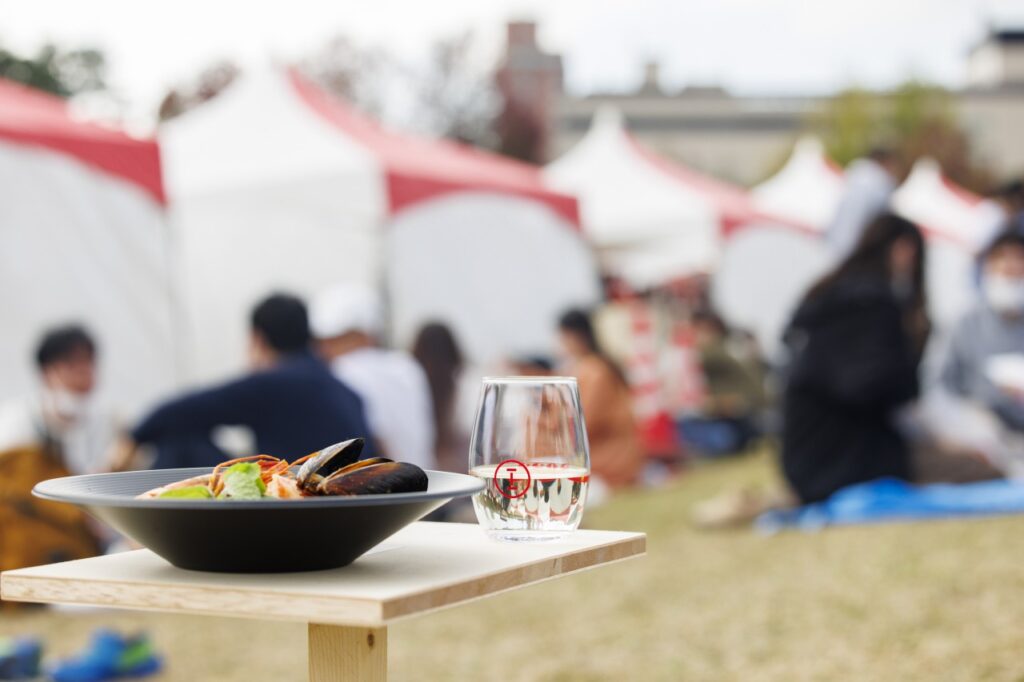
When: First weekend in October
Where: Shiinoki Guest House
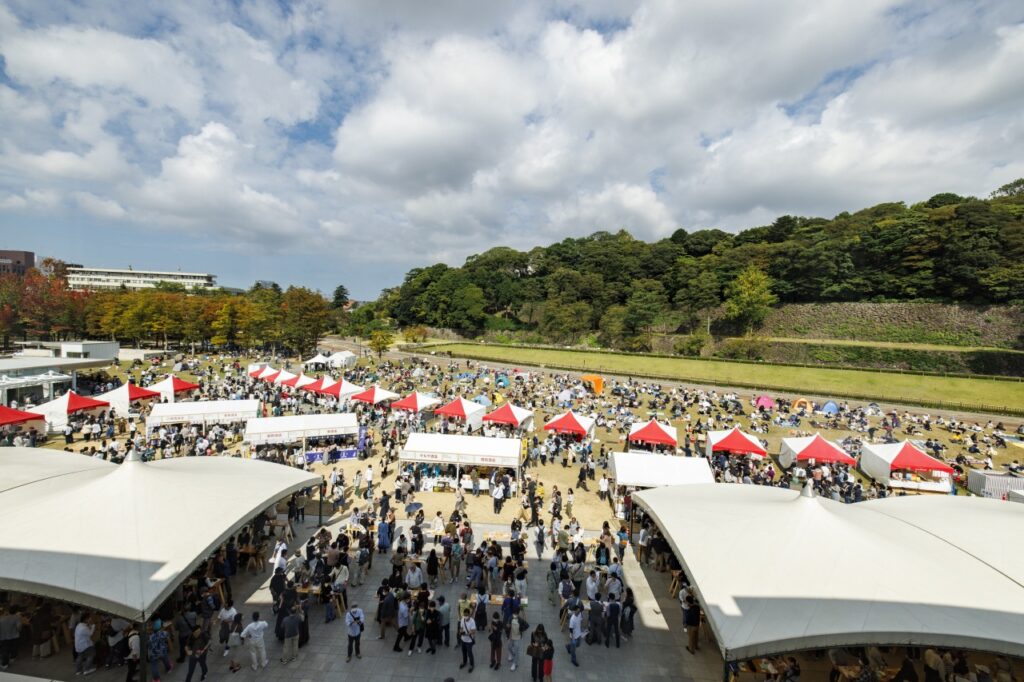
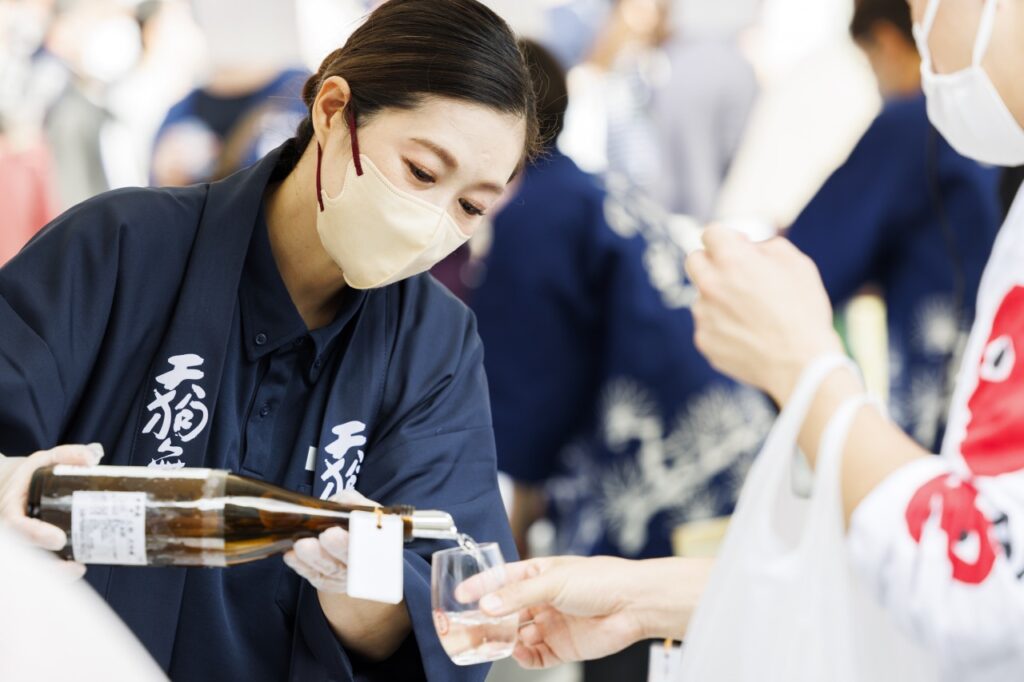
Description: Sake Marche is an immensely popular event for local distilleries to show what they've got. Kanazawa and the surrounding areas boast a fantastic array of sake distilleries, thanks in part to the crystal-clear water of the sacred mountain Hakusan. Sake Marche gives people the chance to taste the best of the best of Ishikawa, with plenty of delicious food on offer as well to pair with it.
Yuwaku "Bon Bori" Lantern Festival
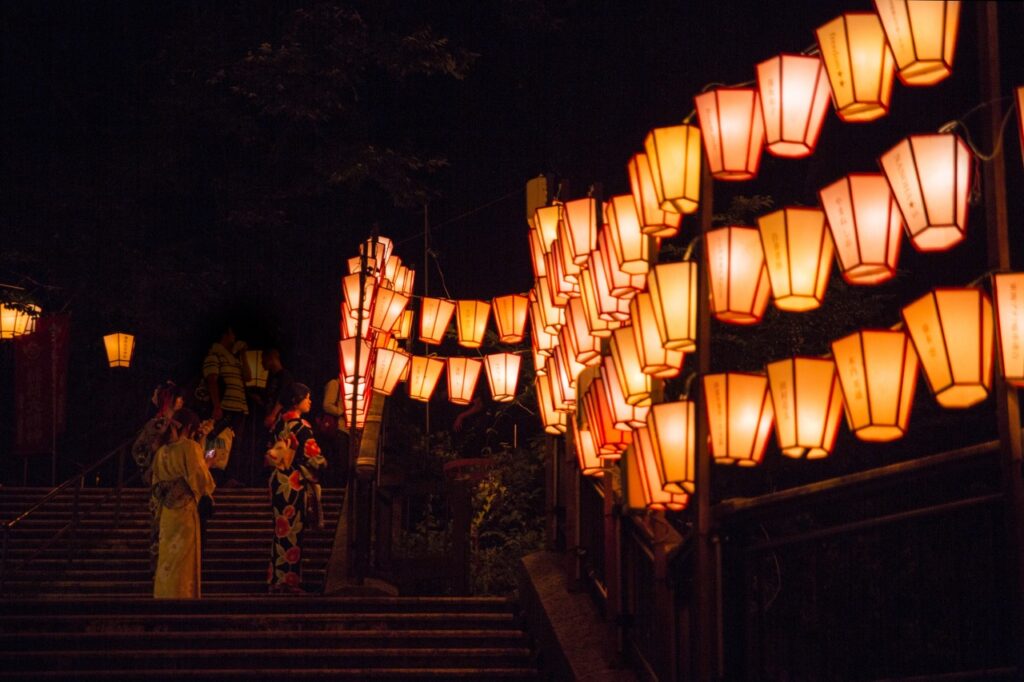
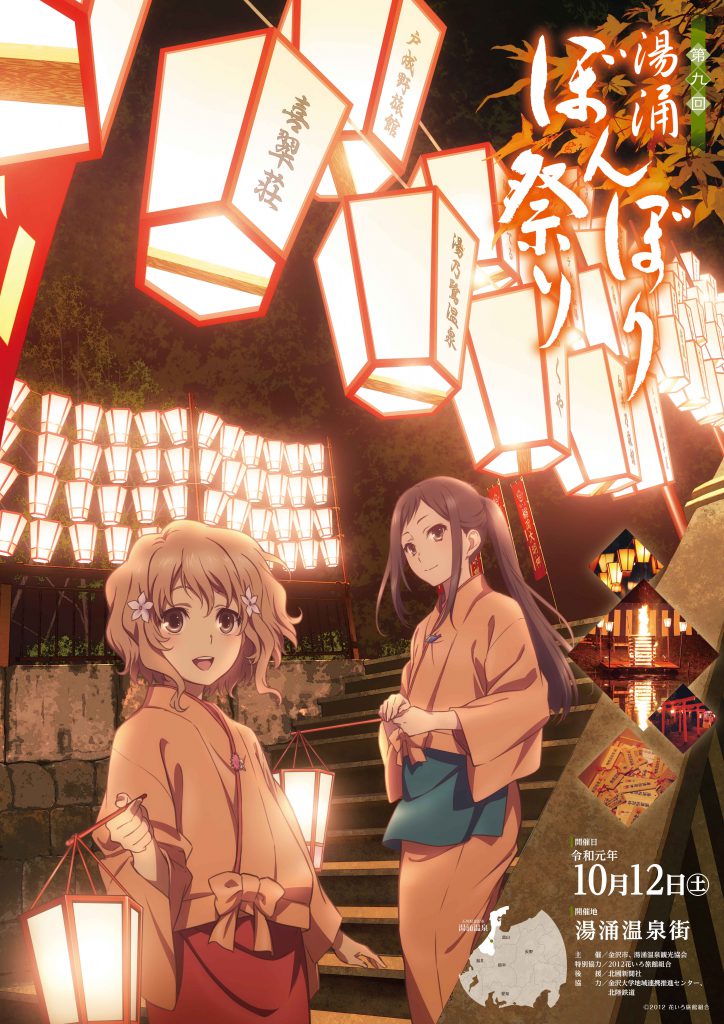
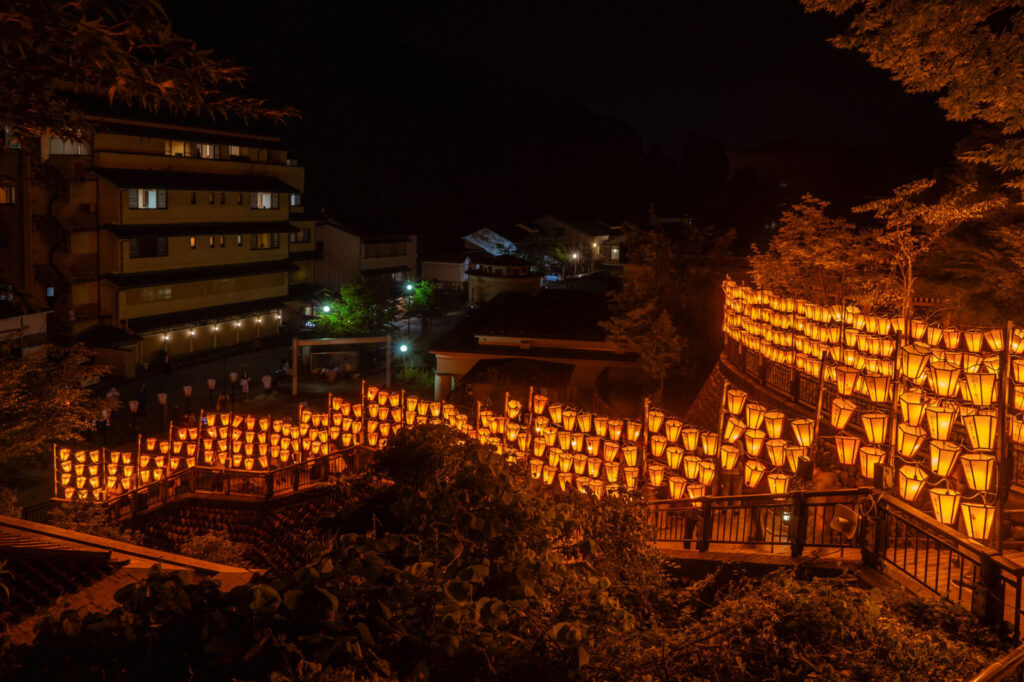
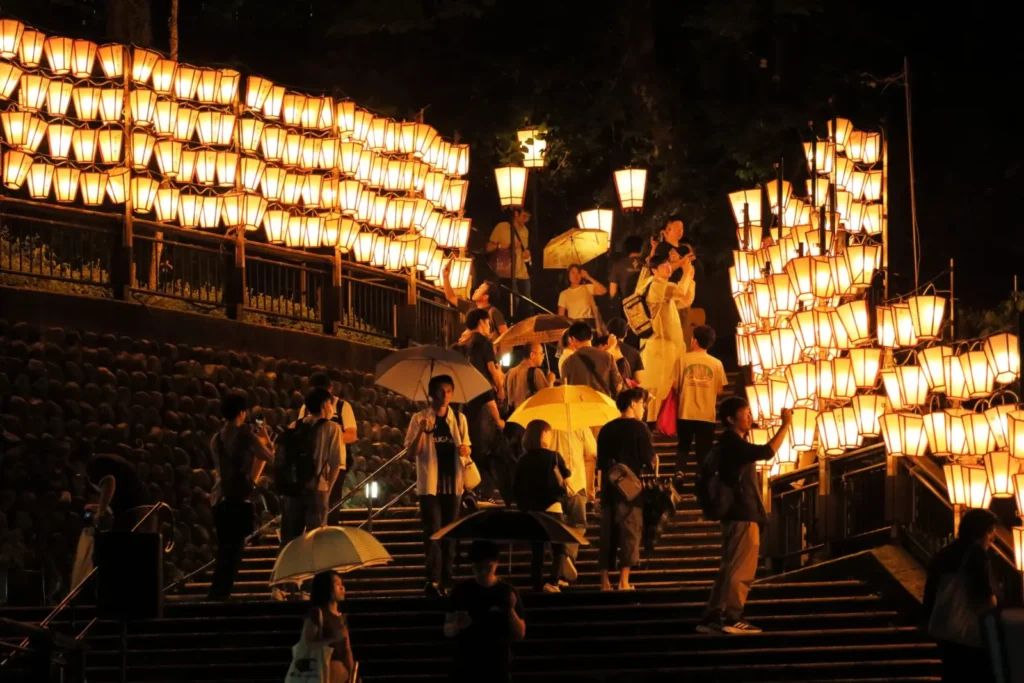
When: October 18
Where: Yuwaku Onsen
Description: Yuwaku Onsen was used as inspiration for a popular anime "Hanasaku Iroha" in 2011, which brought Ishikawa's smallest onsen town into the spotlight. Hoping to capitalise on the interest, the town decided to recreate the festival depicted in the anime and was met with great success. Thousands of lanterns are hung around the town, creating a soft and warm atmosphere in the October evenings. The lanterns light the way through the town for the god of Yuwaku Inari Shrine to get home without getting lost. As a thanks for being guided, the god brings the wishes of the people, written on the lanterns, to the wider pantheon in the realm of the gods.
Kanazawa Marathon
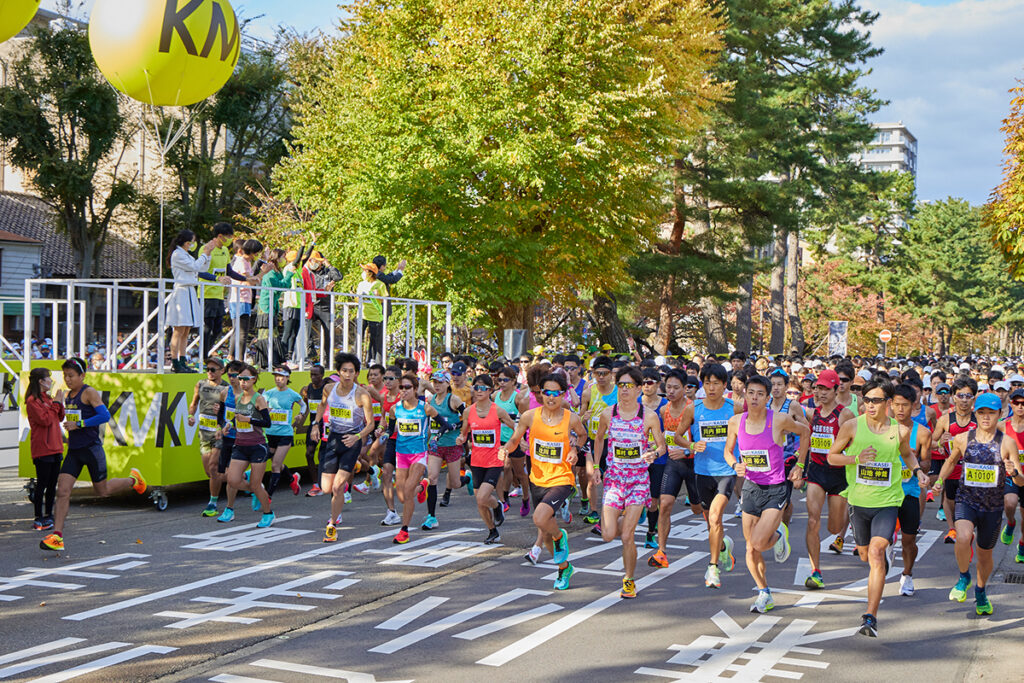

When: Last Sunday in October
Where: Route around the city, starting at the 21st Century Museum of Contemporary Art
Description: The Kanazawa Marathon has become one of the city's biggest events on the calendar, drawing thousands of runners excited to see all of Kanazawa's sights on the route, including Omicho Market, Kanazawa Station, Oyama Shrine, Nishi Chaya District, Higashi Chaya District, and ending at the Seibu Ryokuchi Park. The marathon is one of the most popular of its kind in Japan, so a must-see for avid runners visiting around the time!
Kenrokuen "Autumn Stage" Fall Foliage Illuminations
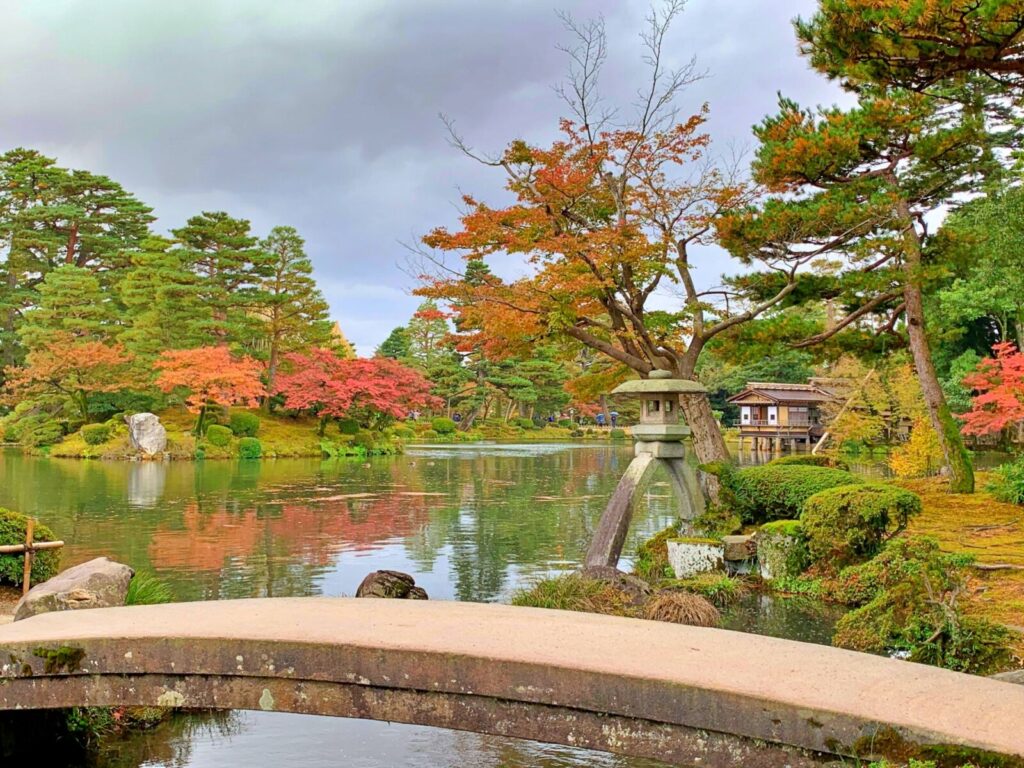
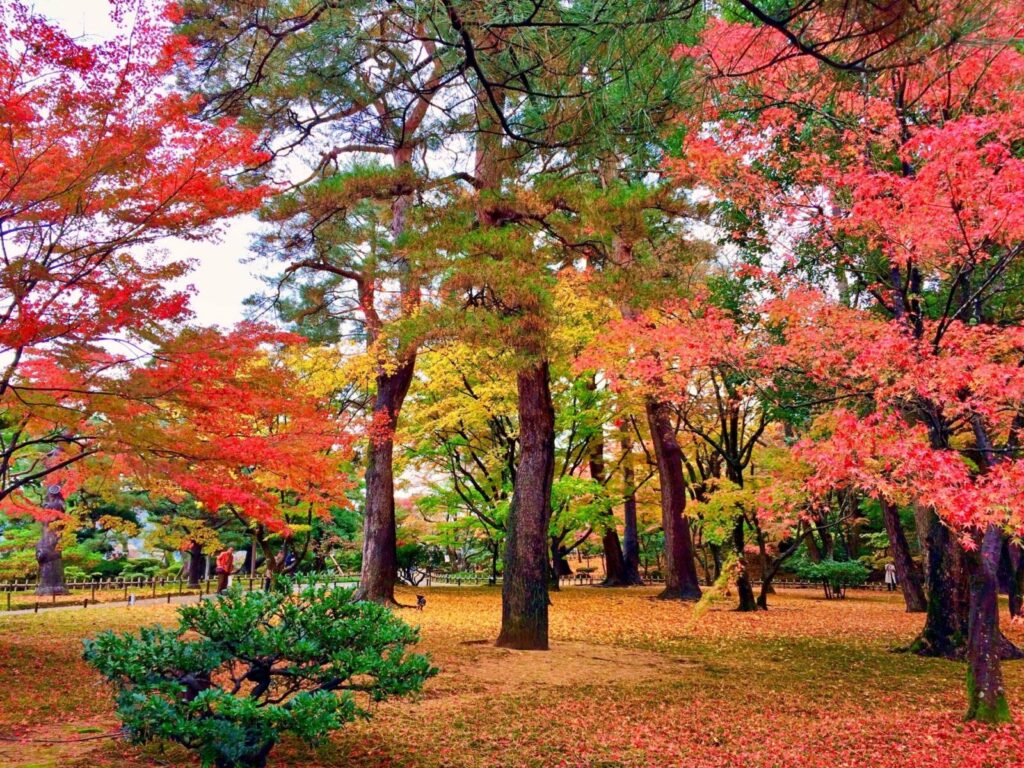
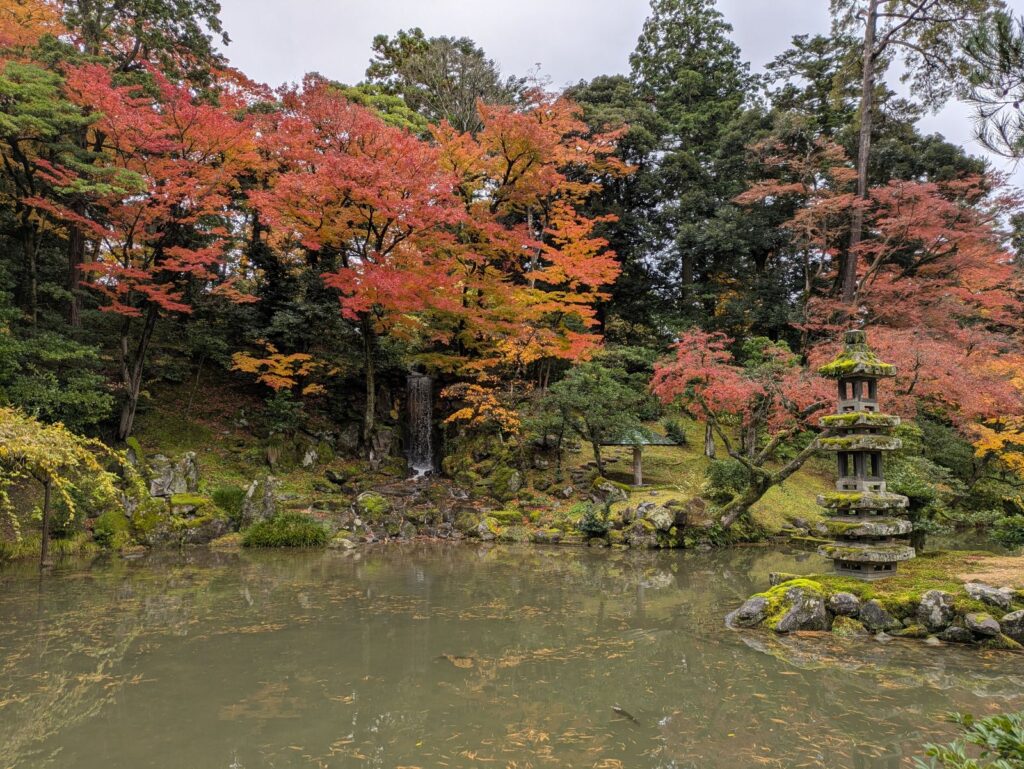
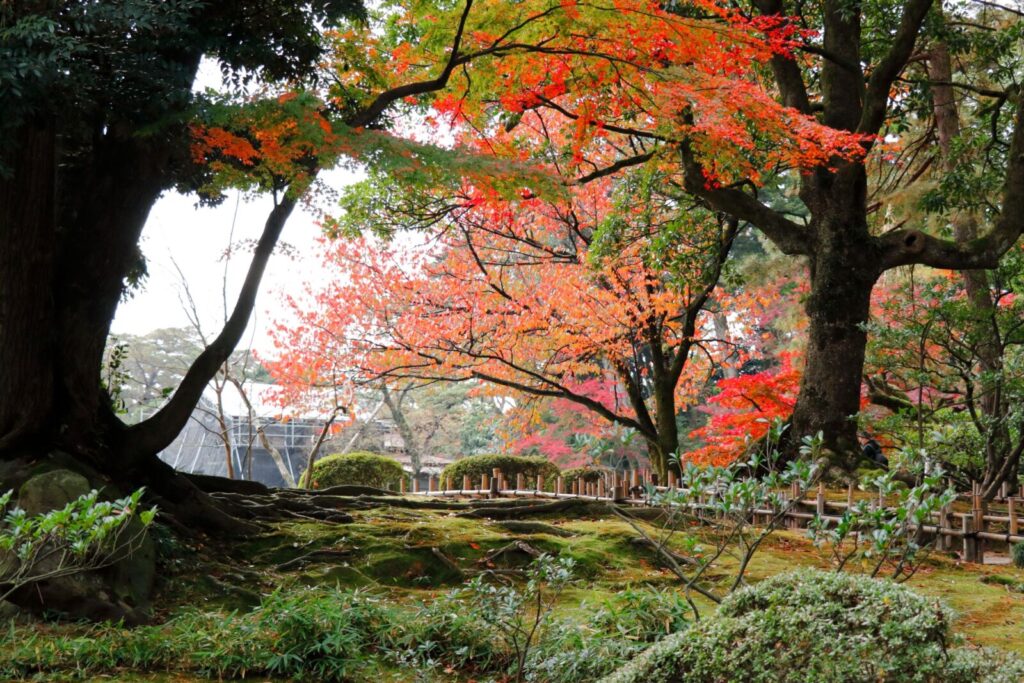
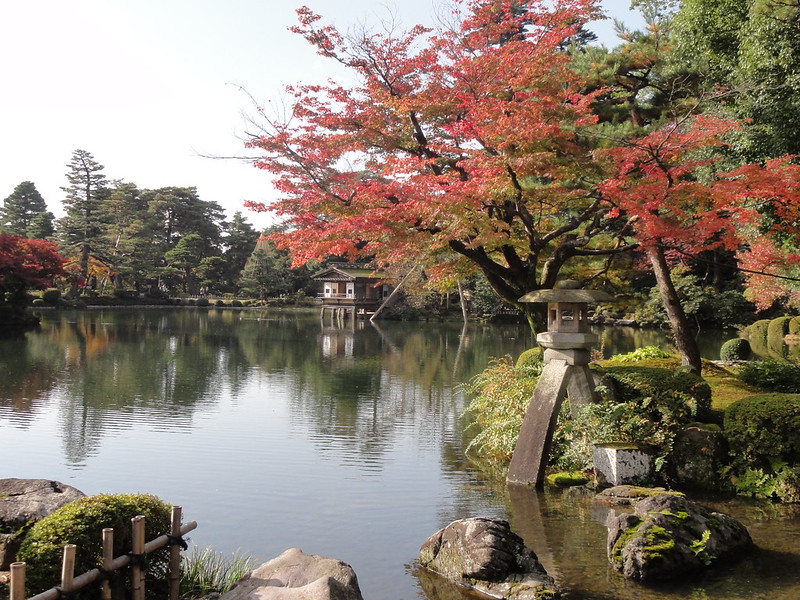
When: Starting last Saturday in October, every weekend until the end of November.
Where: Kenrokuen Garden
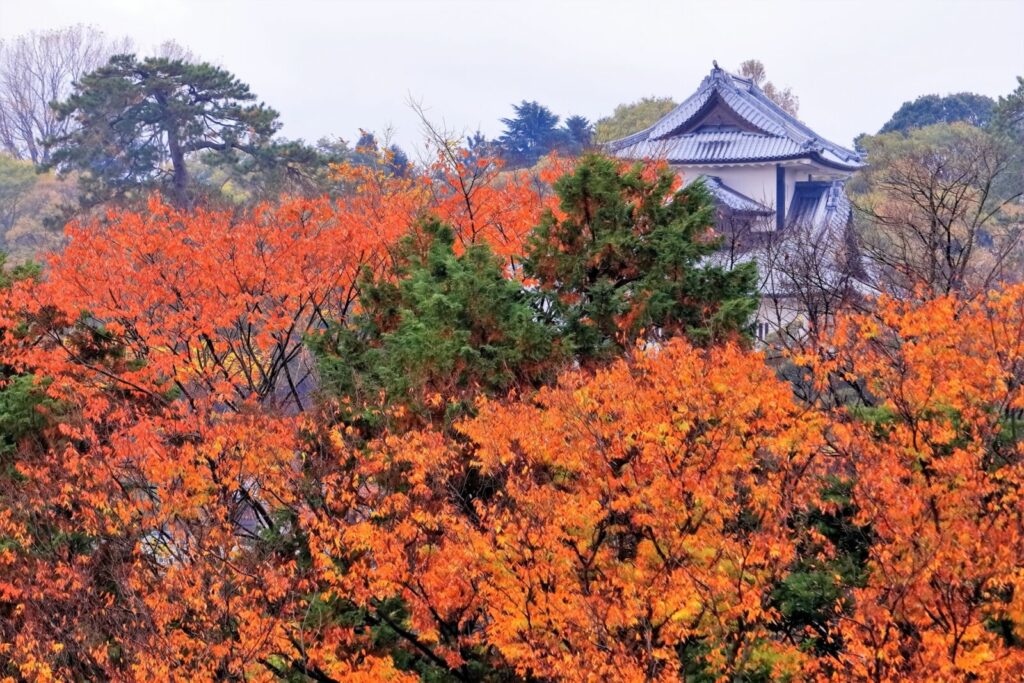
Description: See Kenrokuen in its most beautiful season. The autumn leaves in the garden turn into every shade of red, orange and yellow. In the evenings, the garden is opened and illuminated to give people the opportunity to see the leaves contrasted against the night sky.
November
Ishikawa Food Festival
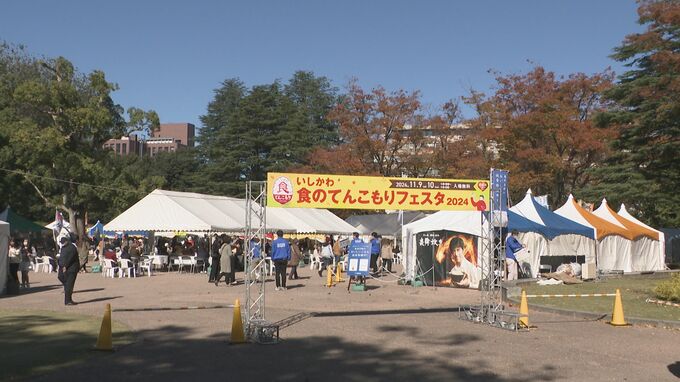

When: First full weekend in November
Where: Ishikawa Shikou Memorial Park
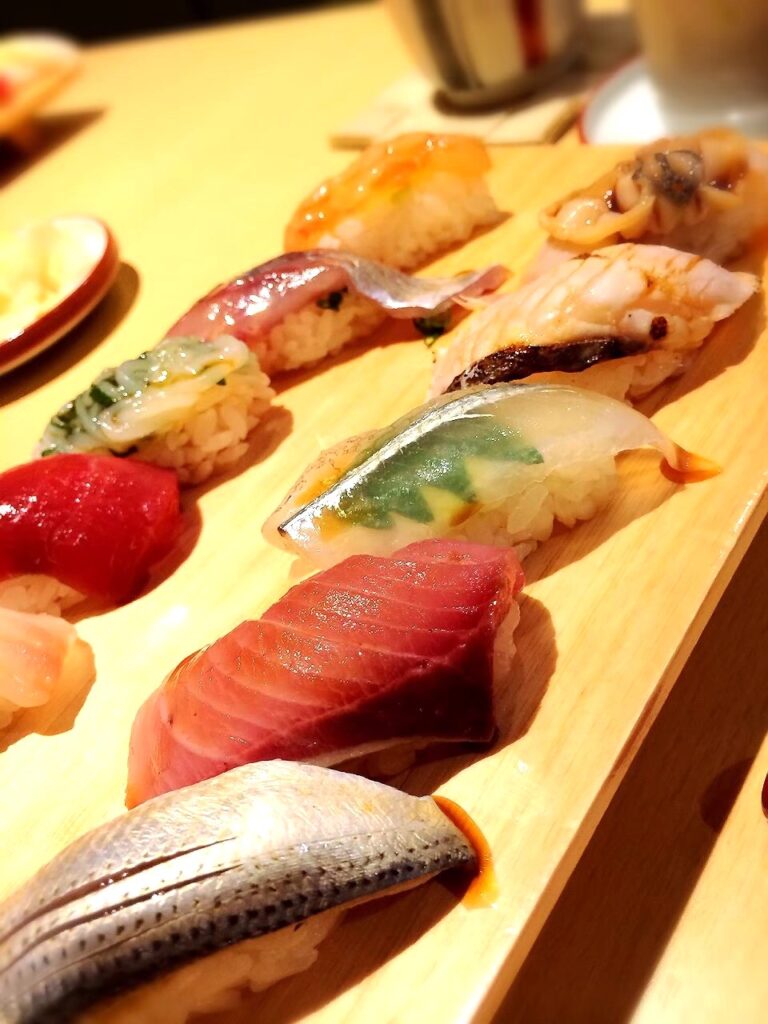
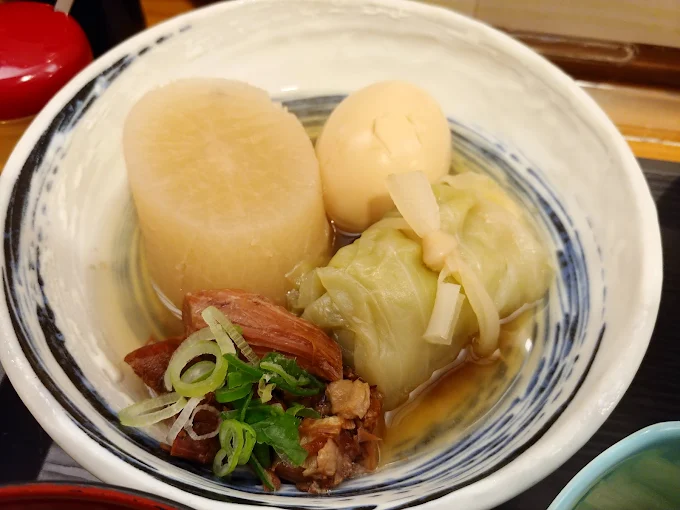
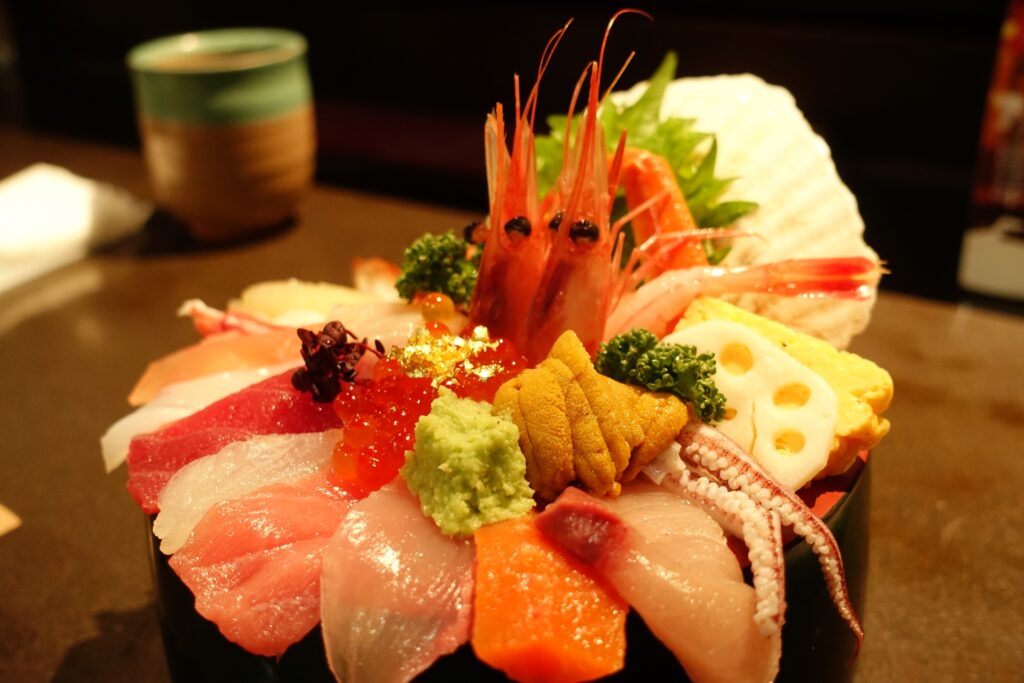
Description: This event celebrates all the great food available throughout Ishikawa Prefecture. A number of stalls pop up around the park, offering curry, fish bowls, oden and many more. For foodies, this is the perfect time to visit Kanazawa!
Kanazawa Cosplay Festival



When: November 23rd
Where: Shiinoki Guest House
Description: A great event for any anime and manga enthusiasts. Kanazawa Cosplay Festival is still in its grassroots phase, but had massive growth for its third outing in 2024. You may wish to wear your own cosplay to the event - all are encouraged to take part!
December
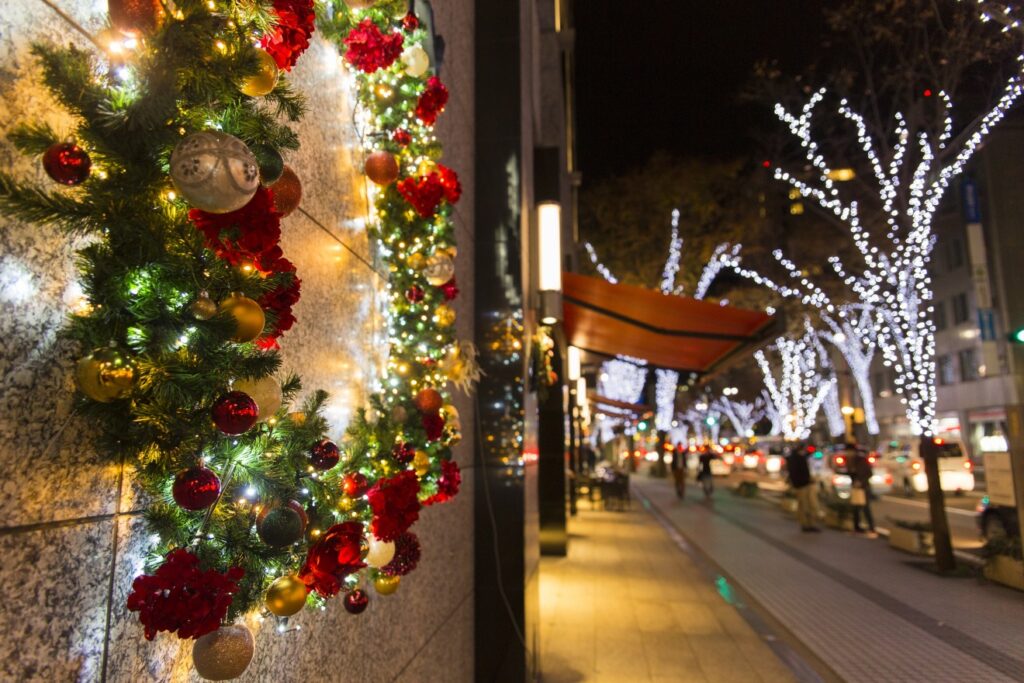
Kanazawa Christmas Market
When: Starts from December 7
Where: Dome, the underground area in front of Kanazawa Station
Description: Through the underground walkway, more than 100 stalls and shops set up, selling a variety of Christmas goods, gifts, and food to fight the cold!
Things to Do Around Kanazawa
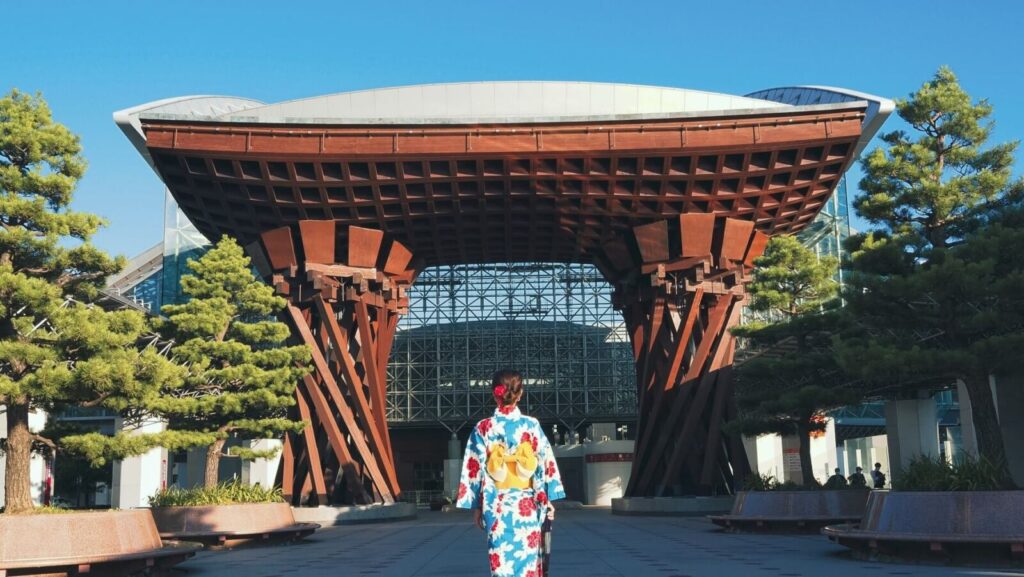
If you're planning a trip to the region and are looking for help on the things to see and do around Kanazawa, be sure to check out our "Things to Do Around Kanazawa" guide! This handy guide will give you all the best activities in and around the city so you can best plan your trip. It also includes information about where to stay in the city and how to get to there.
If you're looking for some more in-depth guides, we've got you sorted! Kanazawa is known for its museums, so you may be interested in our "Best Museums in Kanazawa" guide. If you're looking for something seasonal we have pages on the Best Tours and Itineraries around Kanazawa for Spring, Summer, Fall and Winter.
For the foodies out there, we've prepared a curated list of Kanazawa's Famous Foods, which includes recommendations on the best spots to get the local delicacies. With all the shrines and temples in Japan, you might have started (or be looking to start) collecting goshuin. These red stamps are unique to each shrine and temple across the country and are an increasingly popular activity. To learn more, have a look at our guide on the Best Goshuin in Kanazawa!
Finally, if it's mementos that you're on the hunt for, look no further than our "Best Souvenirs to get from Kanazawa" page! It'll give you ideas of what's on offer from this wonderful city: from gold leaf goods to cute mascot characters, there's something for everyone.
Frequently Asked Questions
Is Kanazawa worth visiting?
Kanazawa is a great city with a wonderful blend of historical sites, preserved traditional crafts, modern museums and a spread of delicious restaurants. It's a perfect spot to spend two to four days, as it also doubles-up as a good base to visit some of Central Japan's more remote locations.
Is the Hyakumangoku Festival any good?
We love the festival! The whole city becomes electric as it gears up for the festival and the parade is really fun to watch. It's also kept very central, so if you're looking to explore, your journey isn't as inconvenienced as it may be in other cities in Japan.
I want to go to a festival in the Noto Peninsula, but I'm not sure how to get there. Can you help?
Of course, we also offer private tours and transport in and around the Kanazawa area, and other regional destinations. We can also arrange for both custom tours with an English-speaking guide or a private charter.
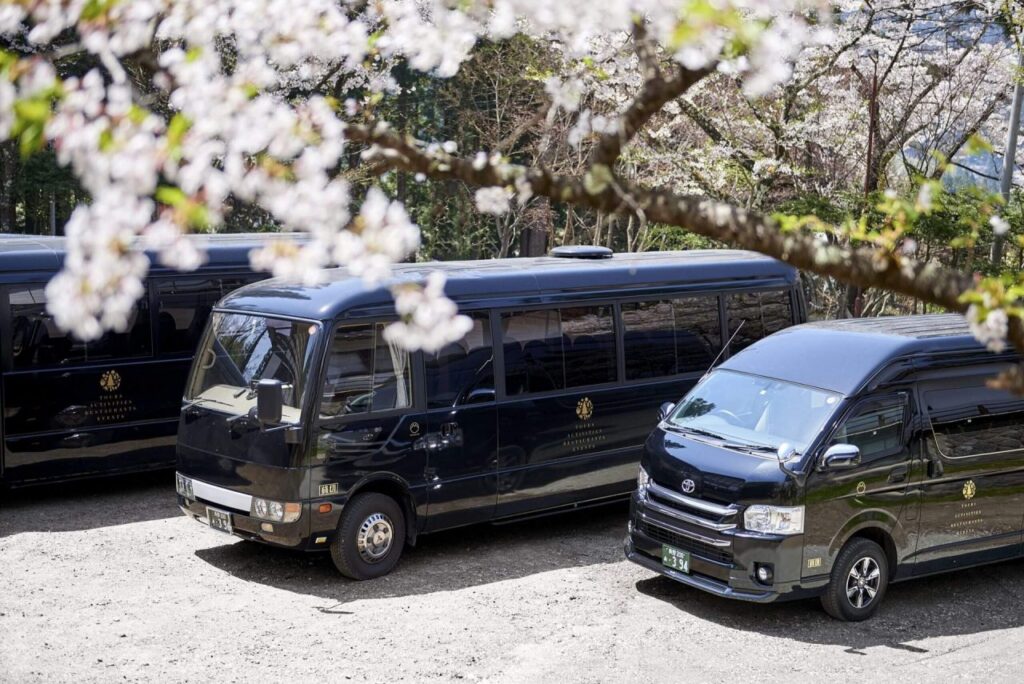
Our drivers and vehicles are fully certified, allowing us to transport you to and from your preferred destinations in combination with any activity that suits your schedule. All vehicles are well-maintained and in good condition, allowing you to relax and enjoy your ride to wherever you are going.
With door-to-door service, we can pick you up from where you are and take you to where you want to go anywhere in Central Japan and the neighboring regions.
For more information, please check our standard charter rates or contact us for a custom trip. We’d love to be part of your adventure in Japan and help you discover even more!
What are the best things about Kanazawa?
Kanazawa's best feature is undoubtedly the variety of things it has to offer visitors. If you're into museums, you are spoiled for choice. The 21st Century Museum of Contemporary Art is the jewel in the crown of Kanazawa's culture quarter - also close to the DT Suzuki Museum, the Ishikawa Prefectural Museum of Art and the National Crafts Museum. If you're still hungry for a museum, check out our "Best Museums in Kanazawa" page for more!
If you're into samurai and history, there's the Nagamachi Samurai District, Kanazawa Castle Park, and Kurando Terashima's House to learn more about the famous warriors and their way of life. For the shrine- and temple-lovers, Oyama Shrine is a one-of-a-kind shrine and serves as the main place of worship for Kanazawa, while the Ninja Temple is unique for a different reason - its hidden traps and trick rooms mean there's plenty to discover!
Kanazawa also has plenty to offer foodies. Check out our Kanazawa's Famous Foods page to get a sense of what the region has to offer!
Of course, there's all this and more. If you're interested in taking a tour around Kanazawa, check out our highly-rated Samurai, Matcha, Gardens and Geisha tour. Running all year round, this tour takes you to all of Kanazawa's main sights in just a day. Get the most out of your trip to the beautiful Hokuriku region!
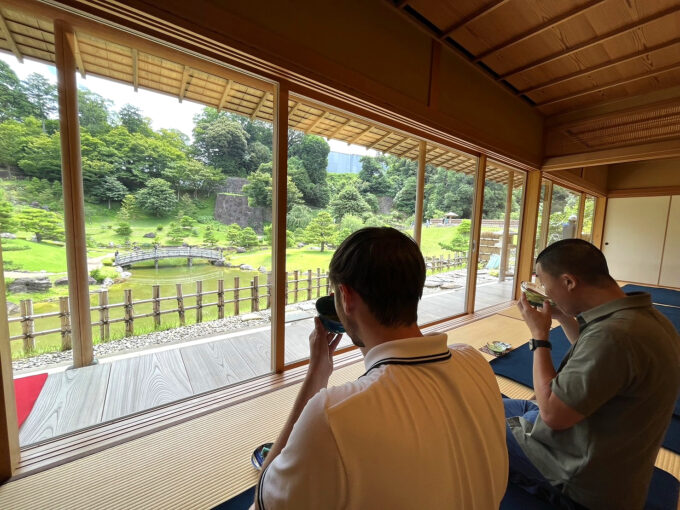
When is the best time to visit Kanazawa?
Kanazawa is great all year round, but some people may struggle in the hot and humid summers. Snow Monkey Resorts recommends visiting in April-May or October-November. Those times offer Kanazawa at its best - hundreds of cherry blossoms blooming in spring, and the fantastic fall foliage in autumn. If you're traveling here in the autumn, check out our "Best Spots for Autumn Leaves Around Kanazawa" page to get the best sights around town!