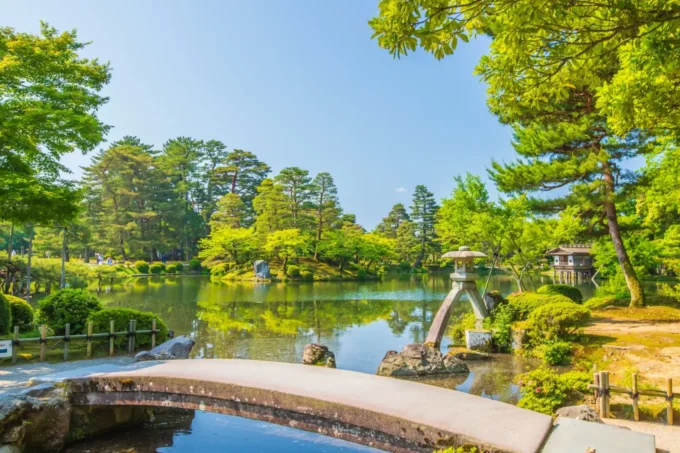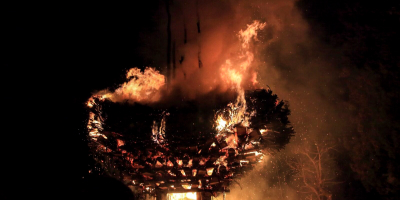
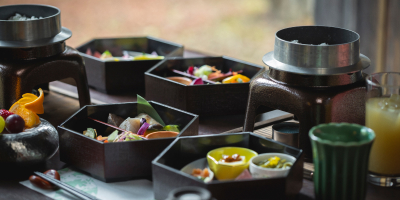
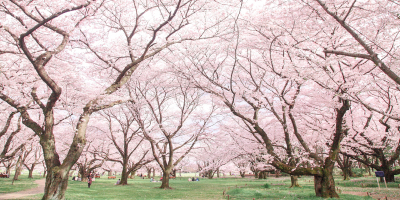



The shrine is a must-visit while you're here in Kanazawa, so come with us as we learn more about the shrine's unique history and significance to the people here.
Enshrining the First Lord
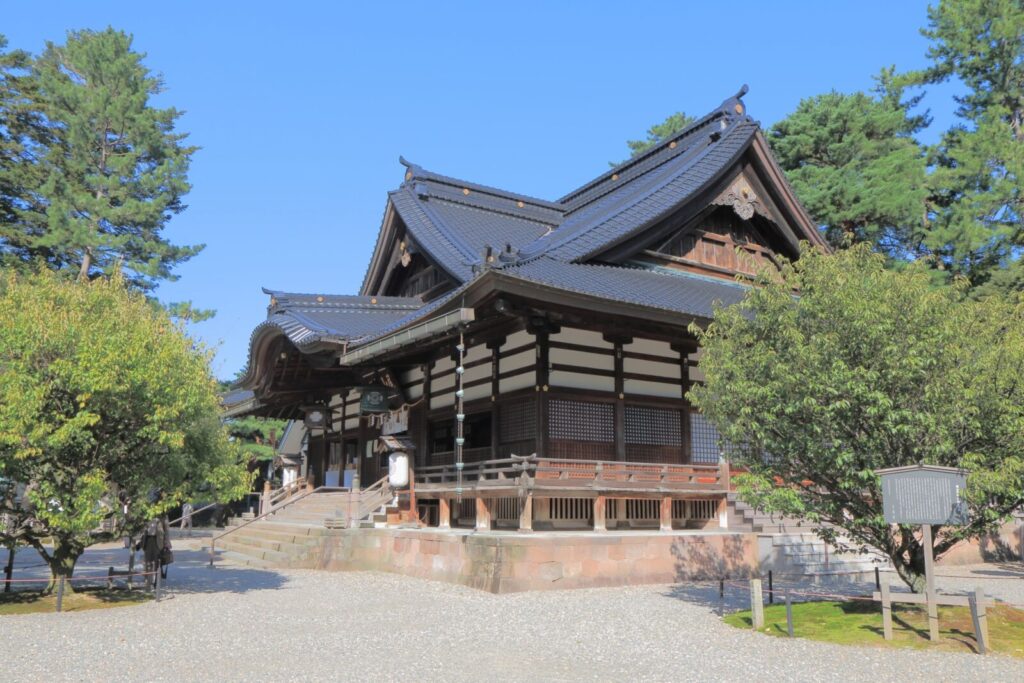
Oyama Shrine is dedicated to the first Lord of Kanazawa, Maeda Toshiie. Until 1580, Kanazawa was controlled by the Ikko-Ikki, a militant Buddhist sect. For nearly 100 years, the city was known as the "Peasant's Kingdom" for being the seat of the Ikko-Ikki's power. Through a series of battles, the land was given to the Maeda.
With them came a period of great peace and prosperity for Kanazawa and its people. The samurai army of the Maeda moved into the city and its population boomed. This era, which lasted until 1870, is still seen as a golden age for the city.
Toshiie died in 1599 and his son, Toshinaga, wanted to deify his father. Due to political tensions, however, he instead enshrined the spirit of Toshiie in Utatsu Shrine just outside of the Higashi Chaya District. Until the end of the Edo Period, the Maeda family were enshrined there.
The land that Oyama Shrine currently sits on was originally the residence of a Maeda grandmother. After she died, the land sat unused for a time until it was bought by the city and turned into a shrine honouring the Maeda in 1873. By this time, the era of the samurai had finished and the Maeda clan, along with most of their former retainers, were in the process of relocating to Tokyo. The city government bought the land and re-enshrined Toshiie and his wife Matsu here, making them the guardians of Kanazawa and its people forever.
The Shrine Today
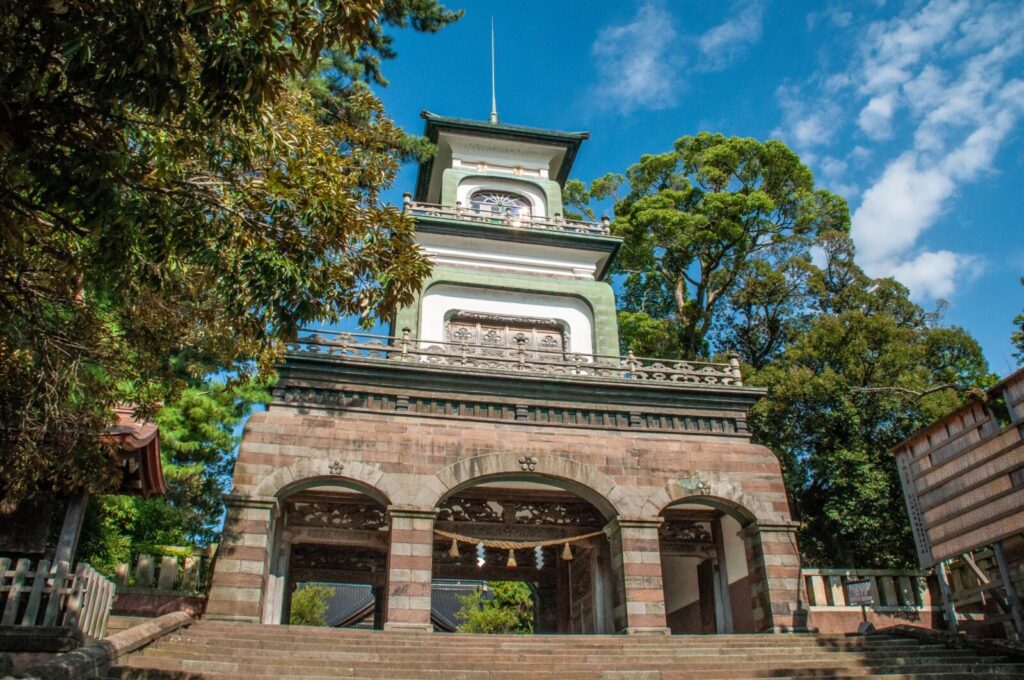
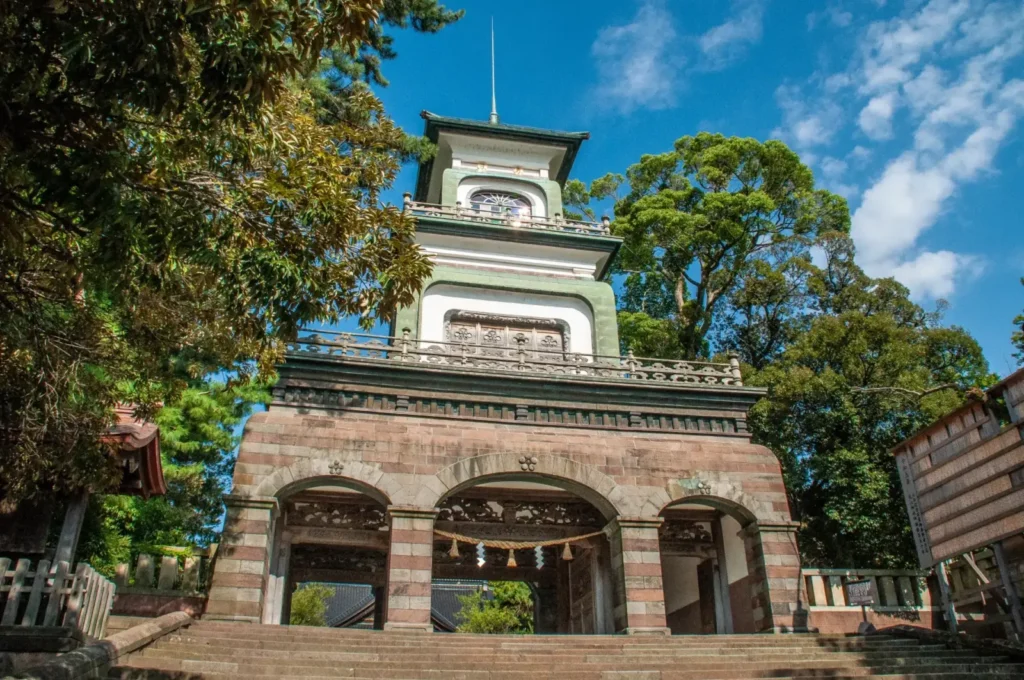
Today, the shrine is a popular destination for both locals and visitors. The main entrance to the shrine is of particular note due to its dyed glass window. The panes were brought from Venice. A Dutch architect also had significant input on the designs - he advised installing the first lightning rod in Japan to help protect the building during the many winter storms the region experiences. The gate also has Chinese influence, the main gate featuring designs that were popular across the Sinosphere at the time. The gate lights up in the early evening, from sundown until 10:00 P.M., so bring your camera and get a picture of the shrine in the evening!

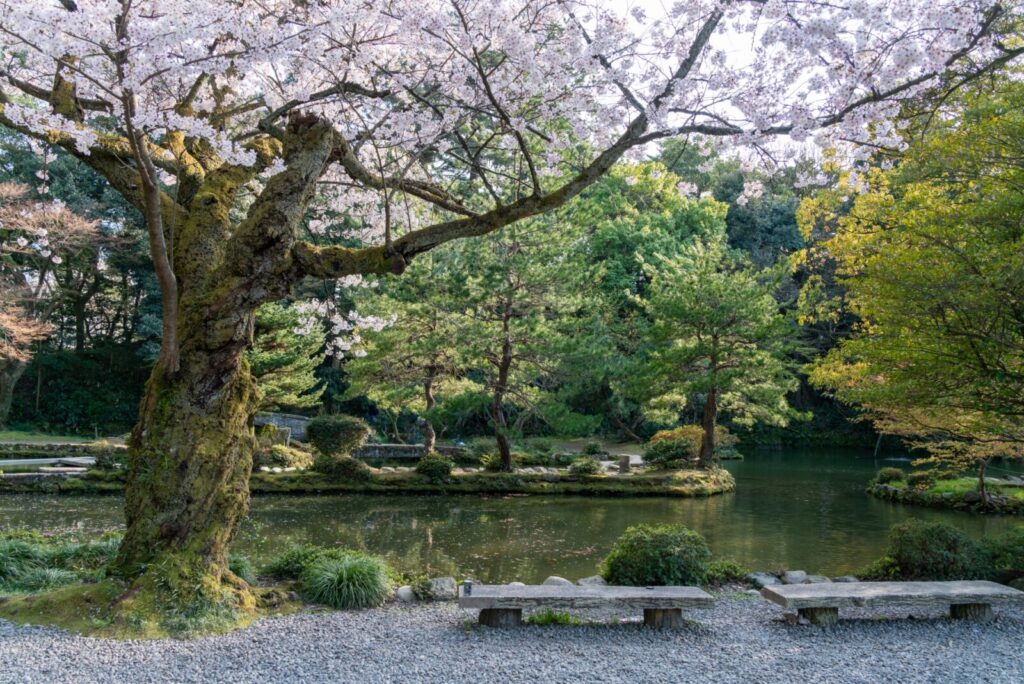
We can see a statue dedicated to Maeda Toshiie by the small pond, which is in the shape of a biwa, a Chinese guitar. The statue shows Toshiie wielding his signature spear: Yari no Mataza. To his side is a stone carving of Matsu, his wife. She volunteered herself as a hostage during heightened political tensions after Toshiie's death threatened to break out into war.
Events at Oyama Shrine
The highlight of the year at Oyama Shrine is the Hyakumangoku Festival, held in mid-June every year. The festival honours the Maeda clan, and Toshiie in particular, so the shrine features prominently in the festivities.
It also hosts its own event on April 27th every year, marking the anniversary of Toshiie's death. People gather and offer tea and sweets to Toshiie's spirit. There are also dance performances by some of the shrine handmaidens.
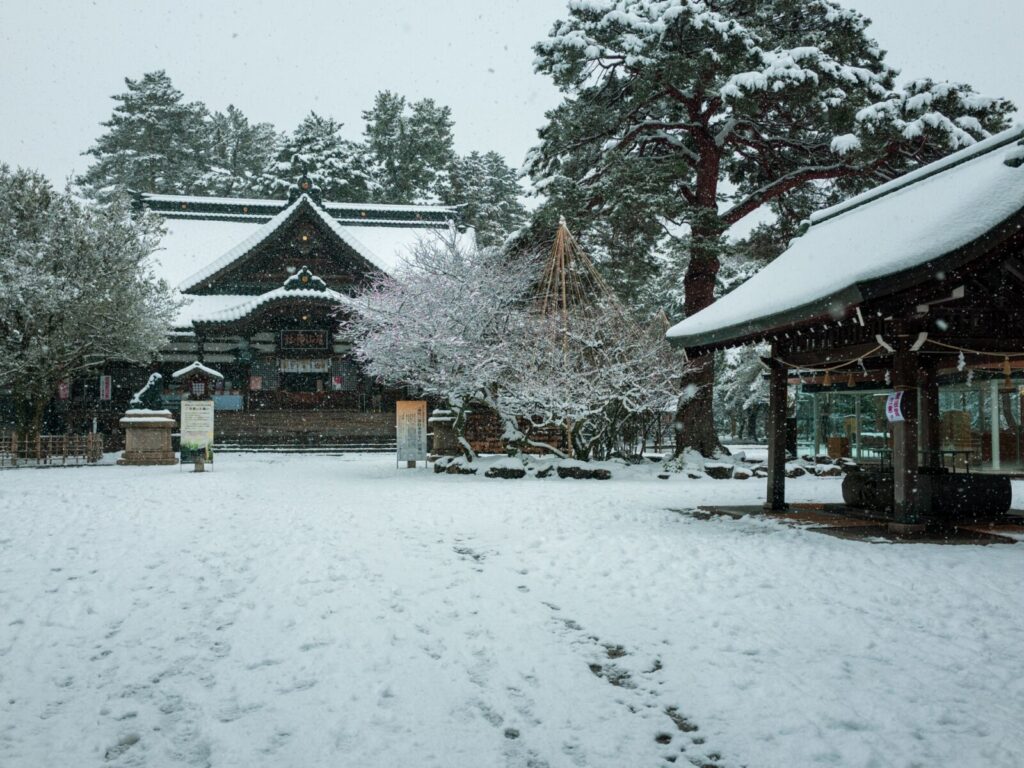
If you visit in the winter months, you have the chance to see one of Japan's most unique festivals - Setsubun - held in the first week of February. People dress up as demons called oni and get dried beans thrown at them in a ritual to chase away bad luck for the coming year.
Facilities at Oyama Shrine
Visitors to the shrine will be most interested in the shrines good luck charms, Omamori, which are available in the small shop made of glass in the centre of the grounds.
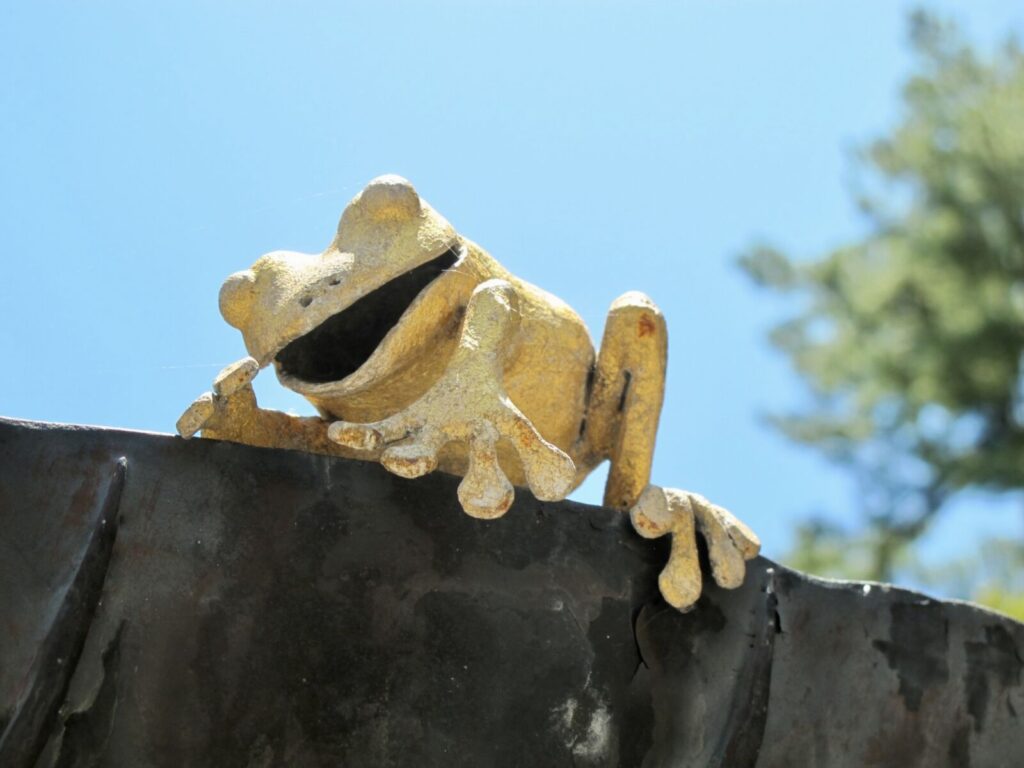
If you're feeling adventurous, find the sculpture of a lilypad with gold-leaf frogs on it. Frogs are heralds of change in Japan, as the Japanese word for frog and the verb "to change" are homonyms. If you want change, touch a frog! Snow Monkey Resorts is not legally responsible for whether the change is good or bad, though, so get froggy at your own risk!
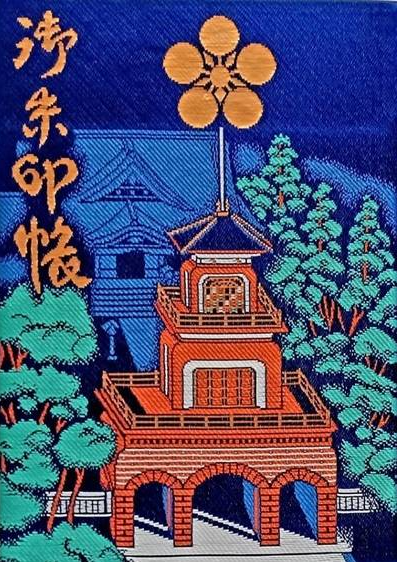
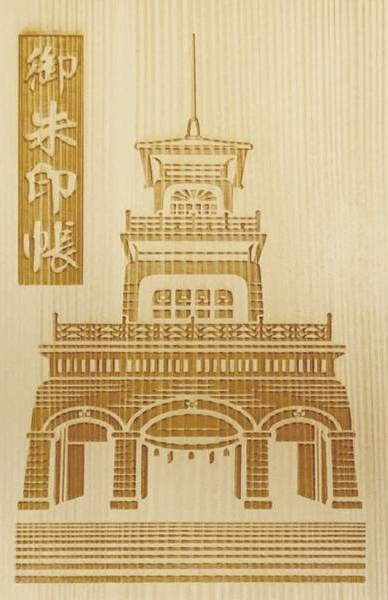
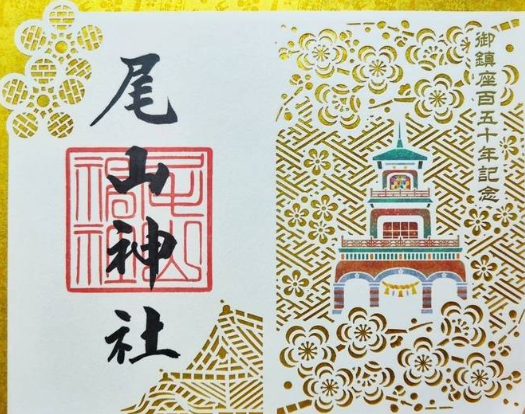
Also of note are the shrine's goshuin, unique red stamps and their special books. Oyama Shrine has several books which showcase the gate. One has woodcarving on it, referencing the detailed woodcarvings that can be seen in the gate itself. The stamp itself is also beautiful - the fancier option featuring gold paper and a colourful picture of the gate.
Frequently Asked Questions (FAQ)
Is Oyama Shrine free to visit?
Yes, it is. Most shrines are free to enter. If you'd like to support the upkeep of the shrine, consider buying a good luck charm or getting a goshuin stamp.
What time is Oyama Shrine open?
The grounds are generally open 24/7. The shrine office is open from 9:00 A.M. to 5:00 P.M.
I saw some kind of service inside the shrine, what was that?
The shrine offers a variety of services, including blessings several times a day. For these, people pay a fee to the shrine and the priest does a special prayer for them. Blessings can be for good luck starting a new job, going on a long journey, having a baby, getting married, or even washing away perceived bad luck.
Can I take a tour that goes to Oyama Shrine?
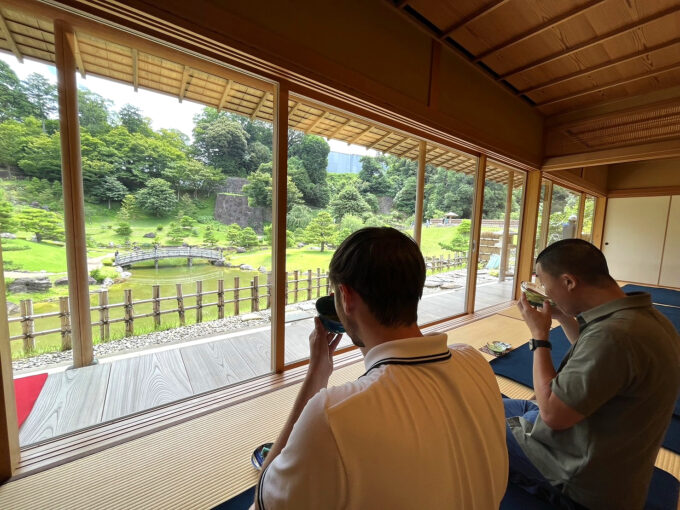
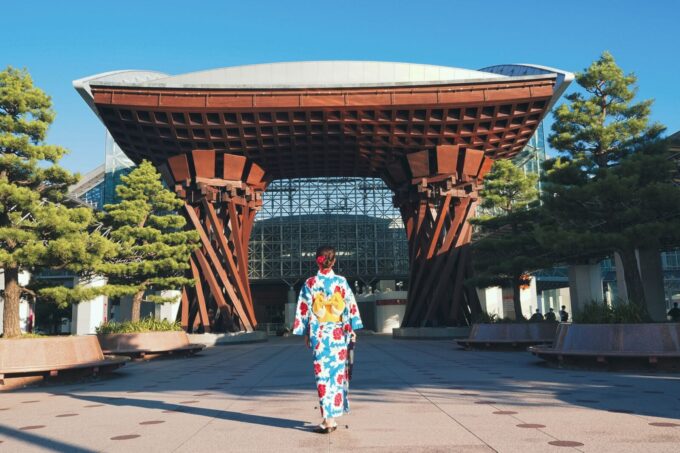
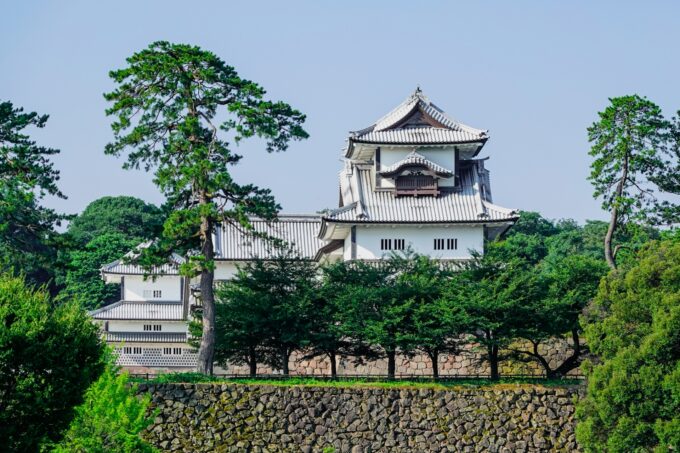
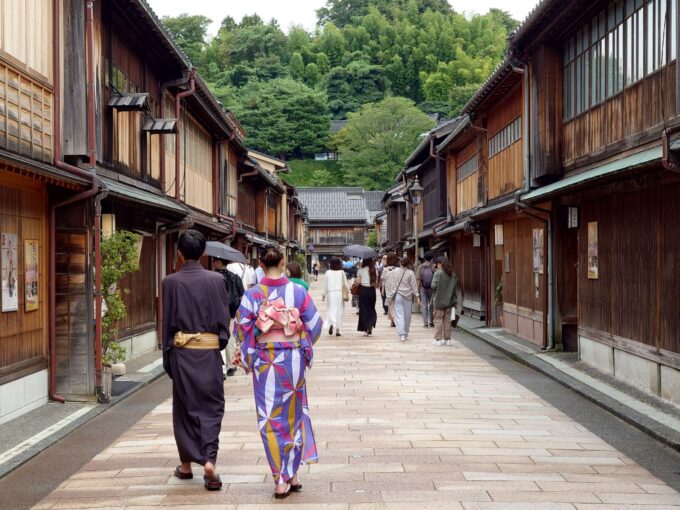
If you're interested in a tour to Oyama Shrine, check out Snow Monkey Resorts' highly-rated Samurai, Matcha, Gardens and Geisha tour. In one day we'll take you to all of Kanazawa's must-see attractions, including a guided walk through the shrine and its garden.