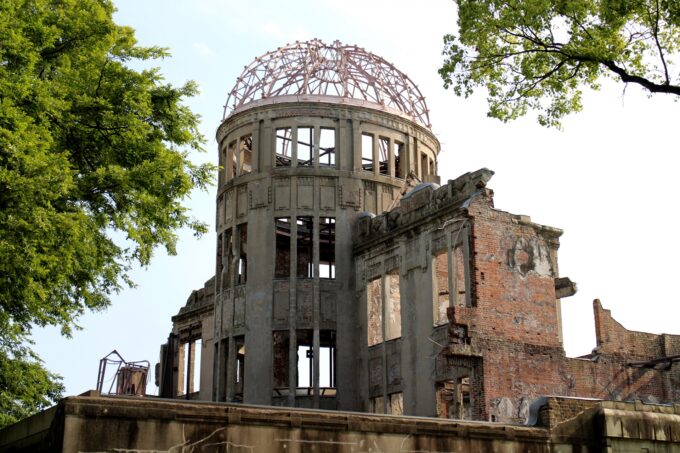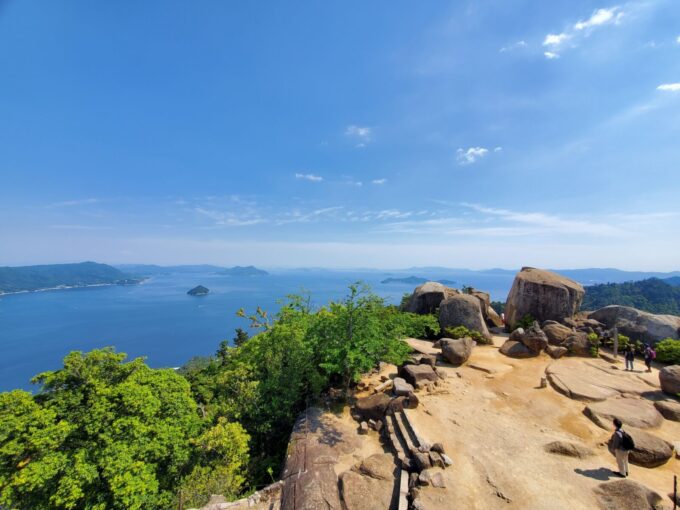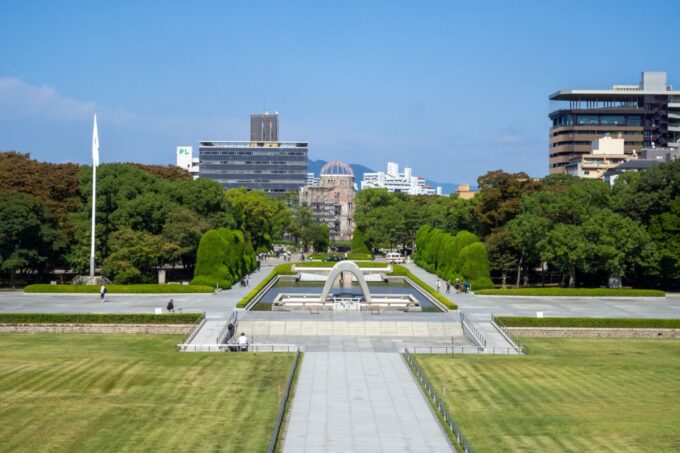


Around the world, Hiroshima is most known as the target of the first nuclear weapon attack and most who visit city tend to only approach it from this point of view. While locations such as the Atomic Bomb Dome and the Peace Memorial Museum are undoubtedly indispensable in any Hiroshima trip, the city and its surrounding prefecture are home to other places filled with rich history, scenic beauty, and cultural importance.
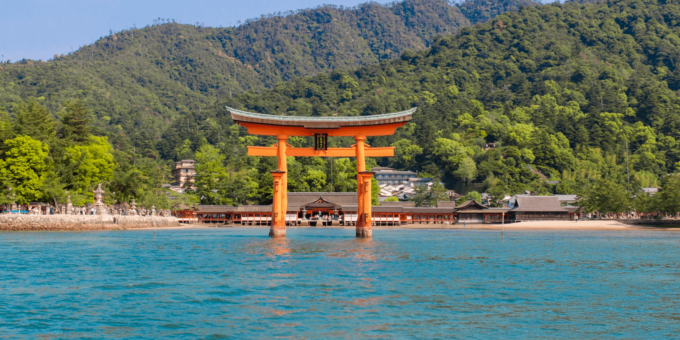
One such place is the breathtaking island of Miyajima, one of Japan's top three scenic spots where visitors can find the iconic "floating" Itsukushima Shrine. However, there are many more locations which are relatively unknown to foreign travelers and even some locals. Below, you will be able to find a list of these underrated hidden gems of Hiroshima.
Mitaki-dera Temple
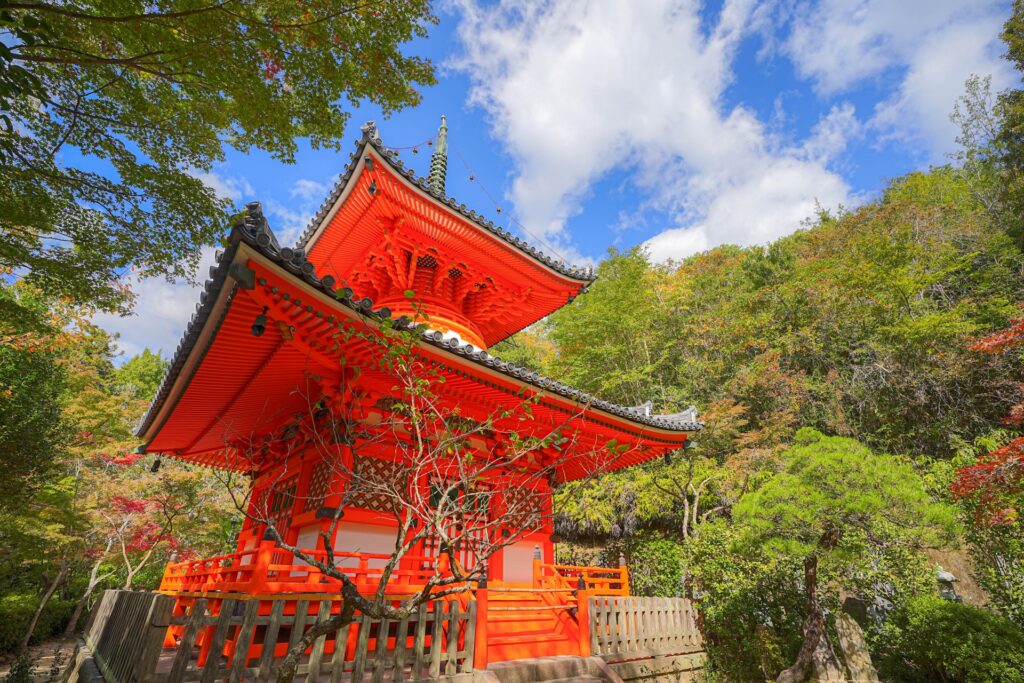
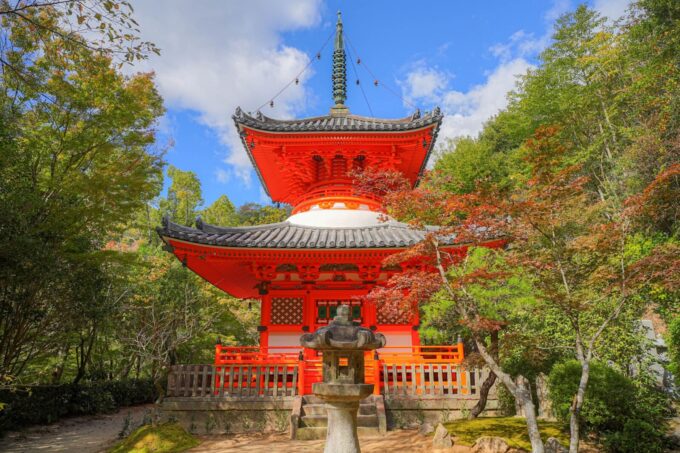
When discussing Hiroshima's hidden gems, Mitaki-dera is often at the top of the list. This peaceful Buddhist temple is located in the outskirts of the city of Hiroshima at the base of a mountain, and despite overflowing with scenic beauty, it receives very few visitors throughout the day.
Getting to the temple is not too difficult using public transportation, as there is a specific bus which runs from Hiroshima Station to the temple for just JPY240. However, the downside to this bus is that it only runs once per hour, which is one of the reasons it is not a much more popular sightseeing location.
If you happen to have 2 or 3 hours to spare during your visit to Hiroshima, we highly recommend making a stop by this temple and enjoying its architectural and natural beauty.
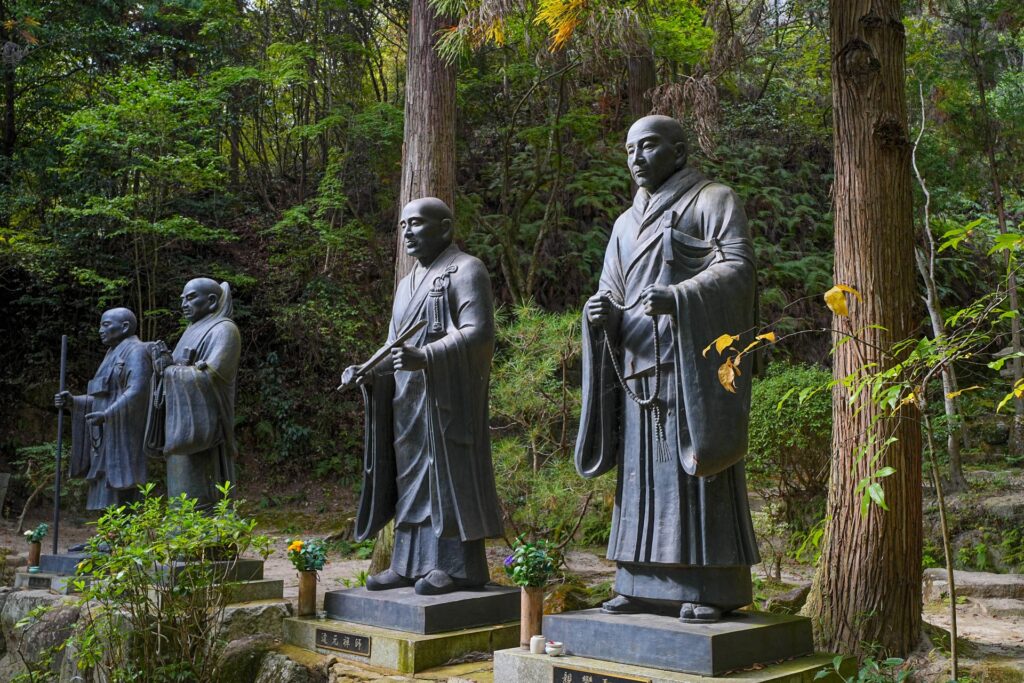
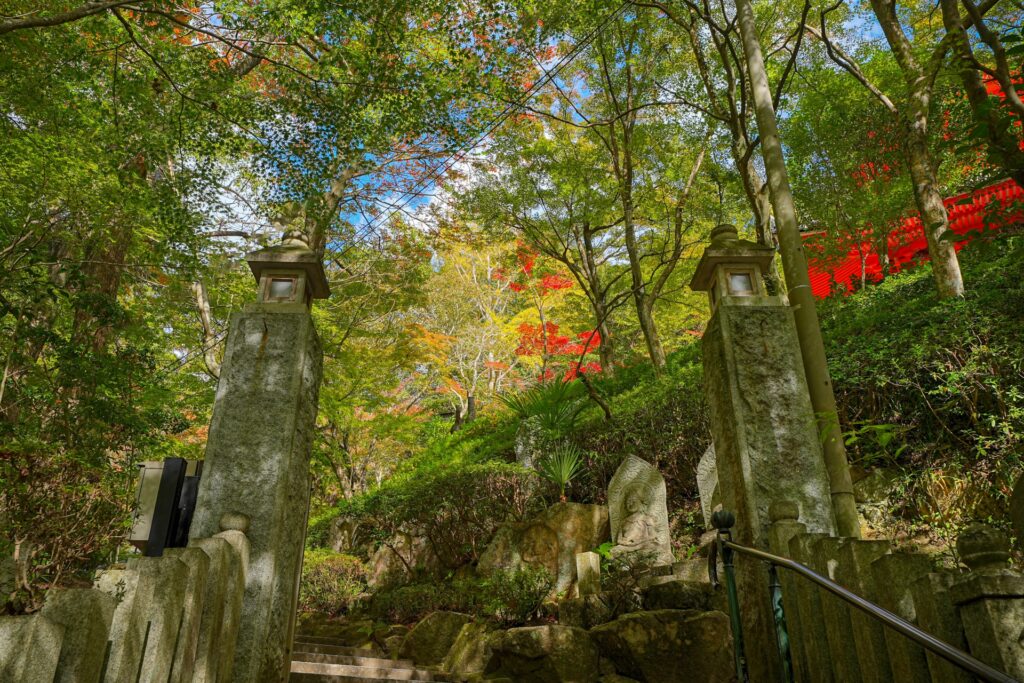
We recommend joining a guided tour to Mitaki-dera as there is very little information offered in English at the temple in regards to its history and different structures. Our tour below includes a visit to the temple and also stops at highlighted locations within the city such as the Atomic Bomb Dome, Peace Memorial Museum, and Hiroshima Castle.
Sake Capital Saijo
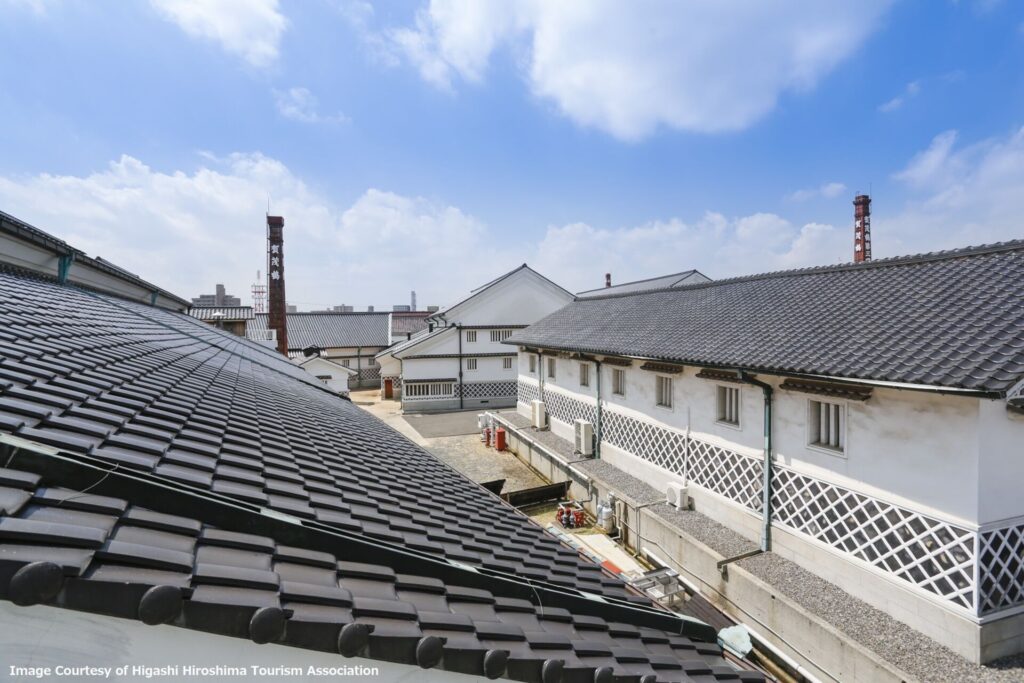
Hiroshima Prefecture is also home to the town of Saijo, one of Japan's "sake capitals." It is a place in which sake is still produced using traditional methods by multiple breweries. Every October, Saijo hosts a popular 2-day sake festival, but throughout the rest of the year it still possible to visit the town for some sake tasting and brewery tours.
Most of the breweries in Saijo are located only a 5 to 10 minute walk away from the JR Saijo Station, which itself is only about a 36-minute train ride away from the JR Hiroshima Station. It is a fantastic place to learn about the process of sake making, sample a local specialty, and discover more about the history of Hiroshima.
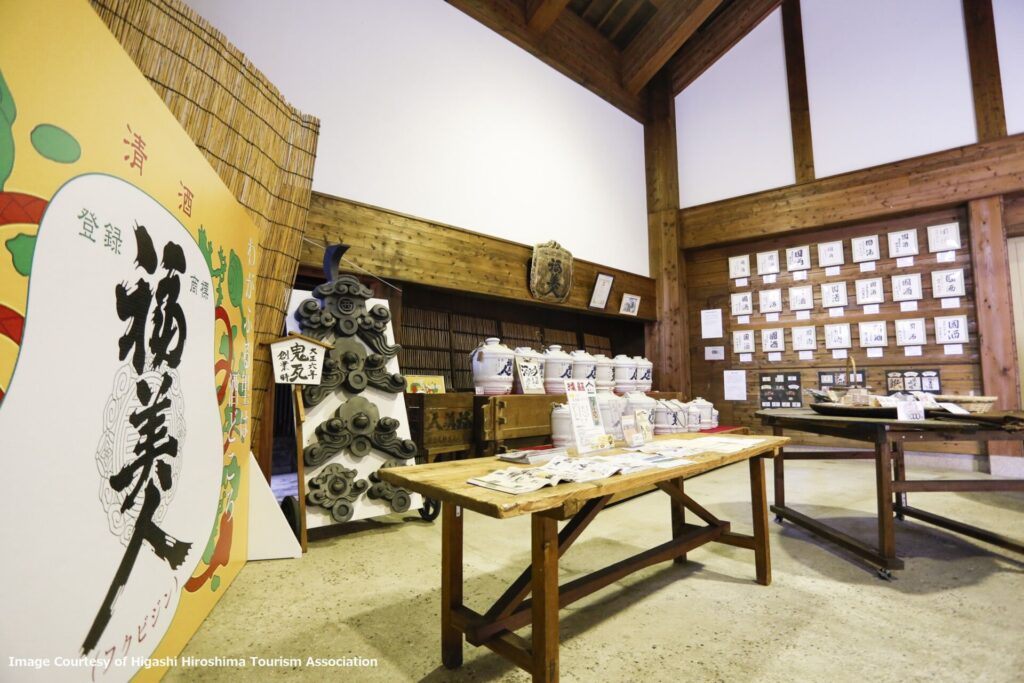
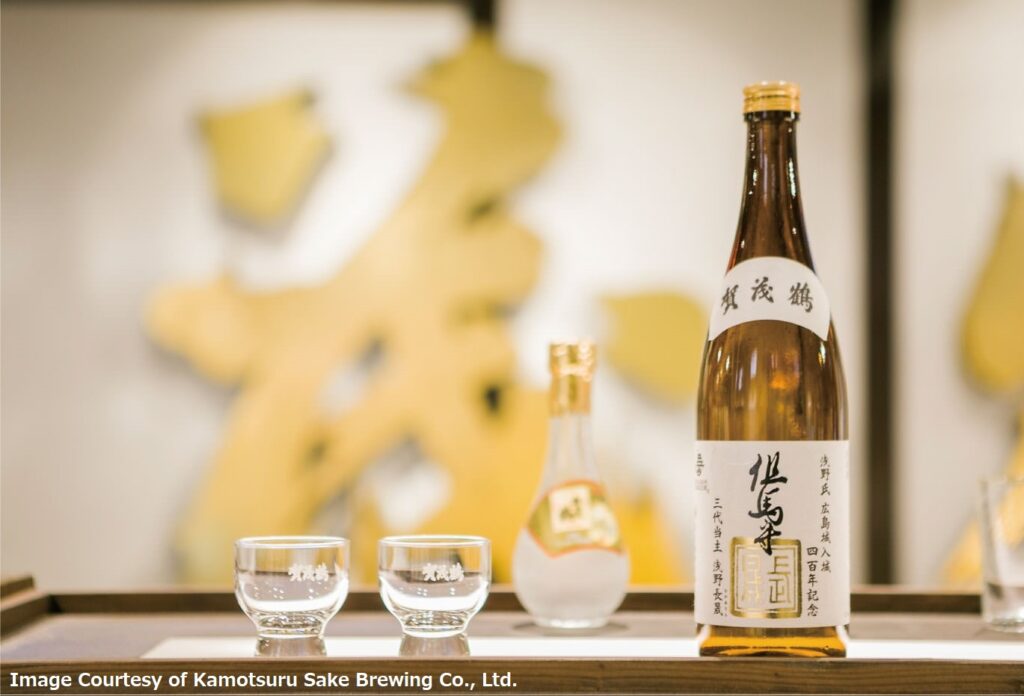
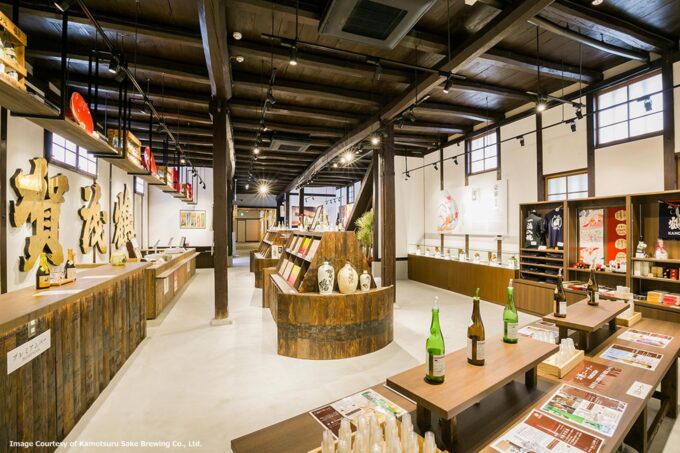
If you'd like to make the most of your visit to Saijo, we highly advice joining a guided tour of the area to get a better understanding of how sake is brewed and the differences between the drinks you will be tasting. While multiple companies offer tours in Saijo, ours includes the unique experience of touring the inside of one of the town's historic breweries!
Sandankyo Gorge
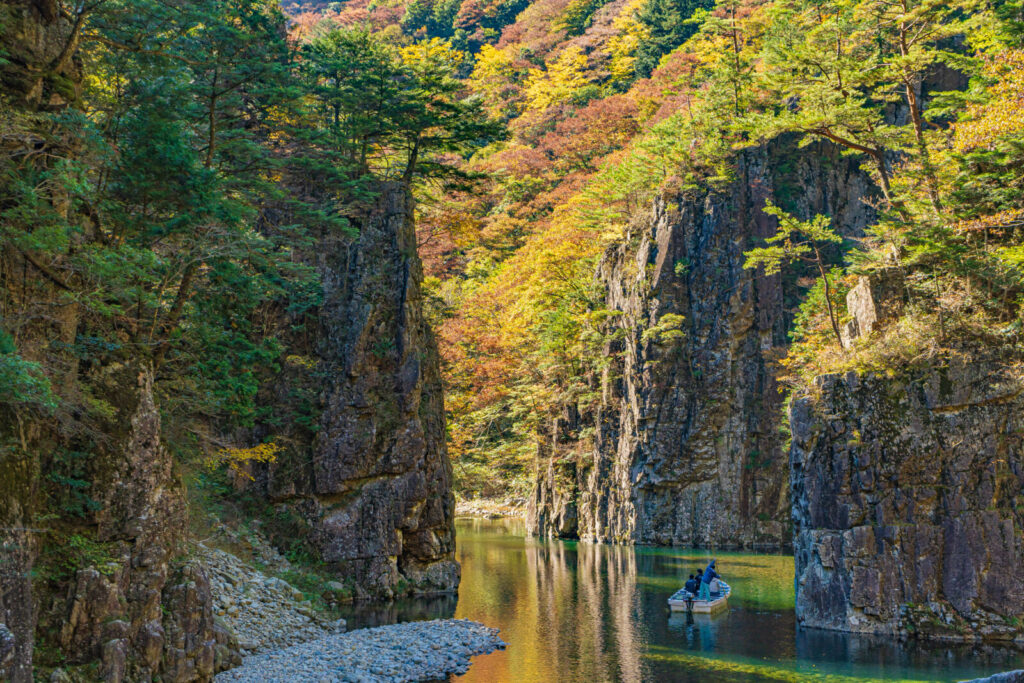
Extending 16 kilometers along the northernmost part of the prefecture, Sandankyo Gorge is one of Hiroshima's hidden natural treasures. As you walk along the different trails throughout the gorge you can encounter breathtaking waterfalls, flowing rivers and abundant plant life. Popular locations within Sandankyo Gorge include Kurobuchi Pool, Sarutobi Rock, and the Nidandaki and Sandandaki Falls.
This beautiful spot is seldom visited by foreign travelers due to its distance from the city of Hiroshima and the limited public transportation available to get there. There are only a couple of buses a day which operate between the city and gorge and the ride takes about 80 minutes in total. For those who love nature and hiking though, the time and effort it takes to reach Sandankyo Gorge is definitely worth it.
We recommend visiting the gorge between April and November, as the restrooms, restaurants, and ferry services are closed during the winter. Additionally, many of the most popular areas and walking courses in Sandakyo Gorge are currently inaccessible due to road collapses and falling rocks. It is still possible to visit the gorge and enjoy its stunning landscapes, but visitors should know that their experience will be somewhat limited.
Daisho-in Temple
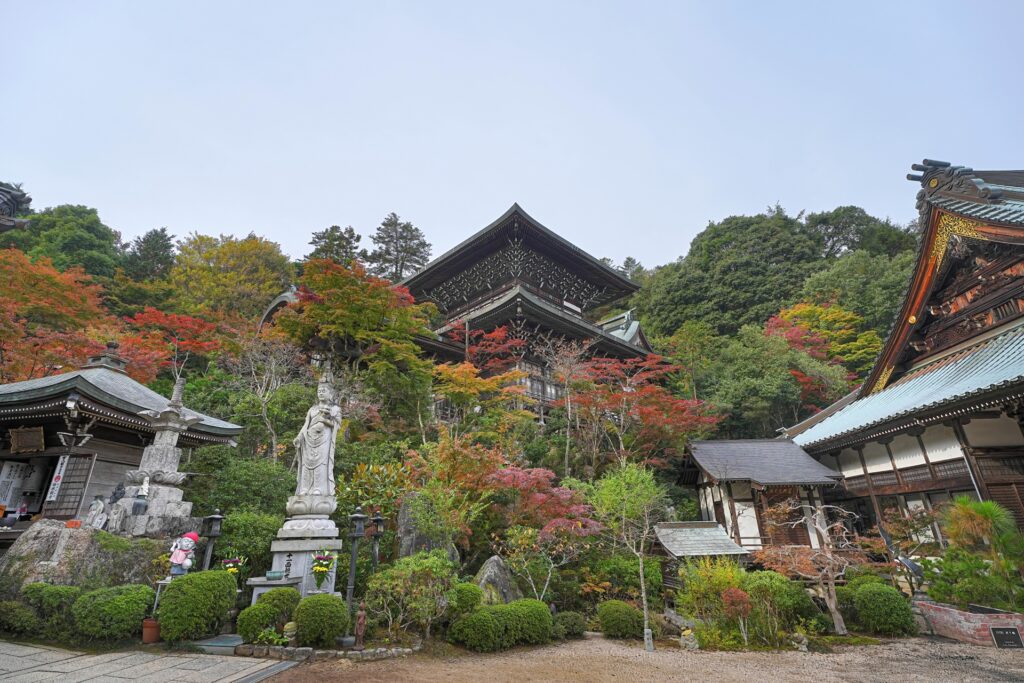
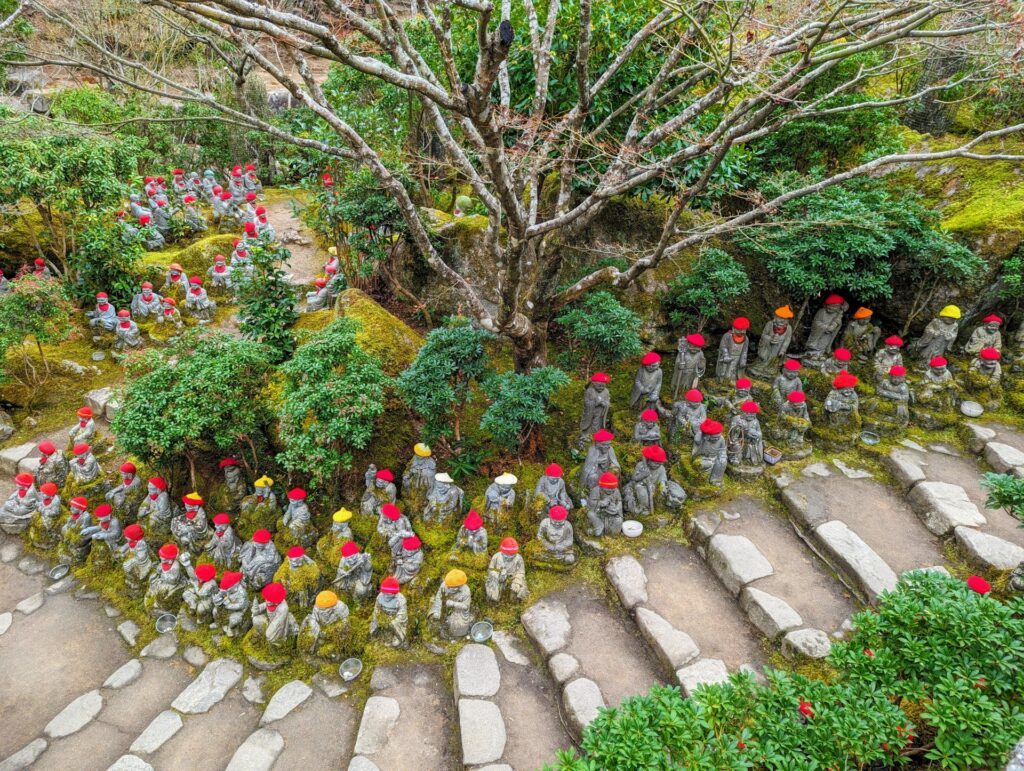
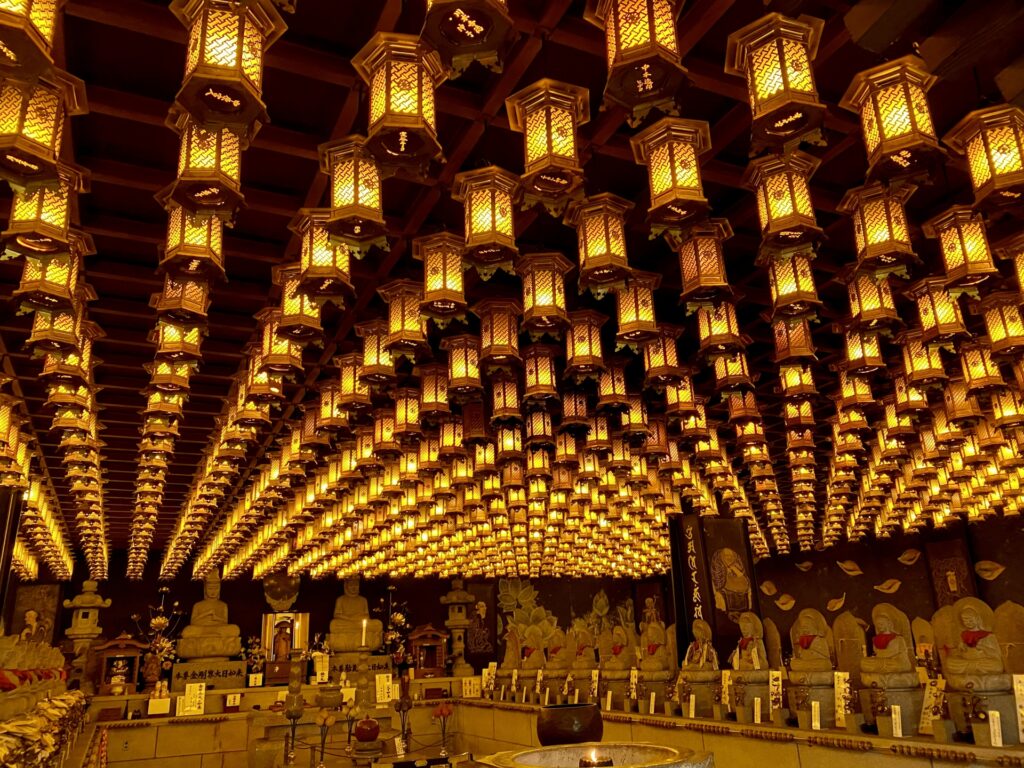
While the previously mentioned Miyajima is a very popular tourist destination, there are still some places on the island which many visitors don't know about. An example of this would be Daisho-in temple, a beautiful Buddhist complex located at the base of Mount Misen. This stunning temple is abundant in magnificent halls, unique statues, and lush greenery. Below one of the halls of the temple is also a "cave" with a ceiling covered with numerous lanterns. Everywhere you look, the temple has new surprise to discover.
As Miyajima can often feel very crowded, we encourage visitors to venture deeper into the island and reach Daisho-in temple. While this hidden gem might appear to be far away on maps of Miyajima's sightseeing spots, it is only about a 10-minute walk from Itsukushima Shrine. You can make the most out of your visit to the island by adding this temple to your itinerary.
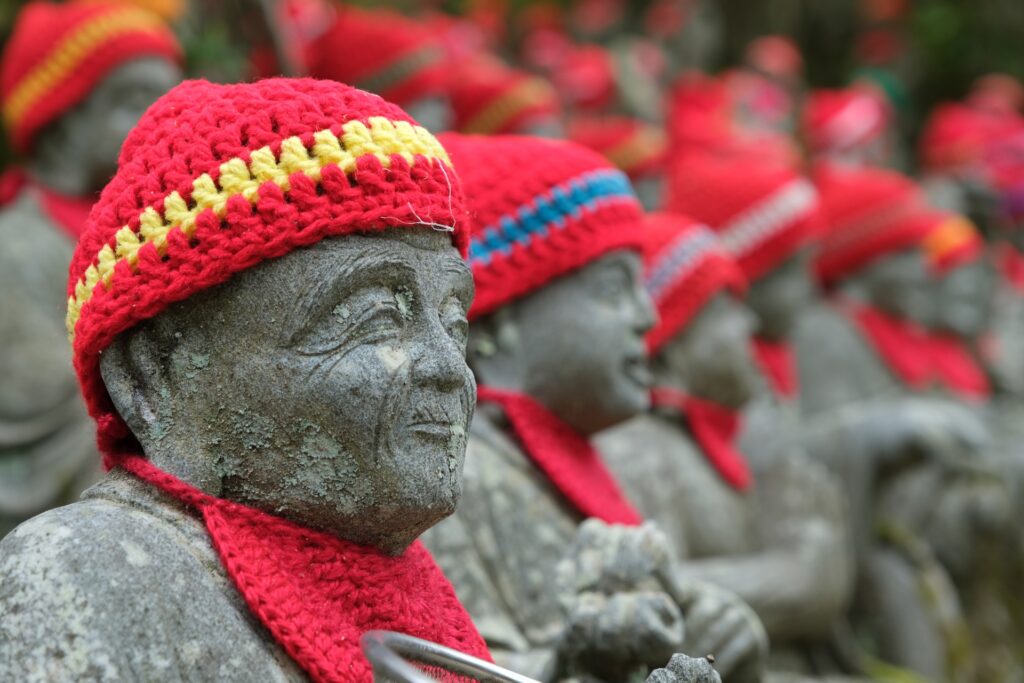
Our guided tour of Miyajima includes a stop by Daisho-in temple along with the famed Itsukushima Shrine. You also get the opportunity of exploring another lesser known location on the island, Senjokaku Pavilion, and riding the Mount Misen ropeway.
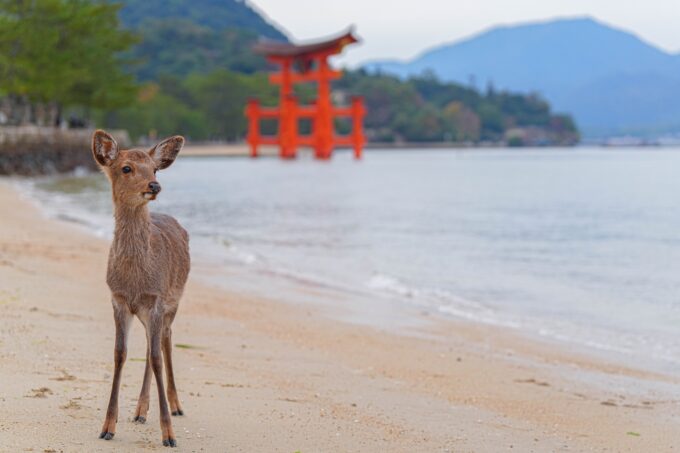
Naval Base Kure
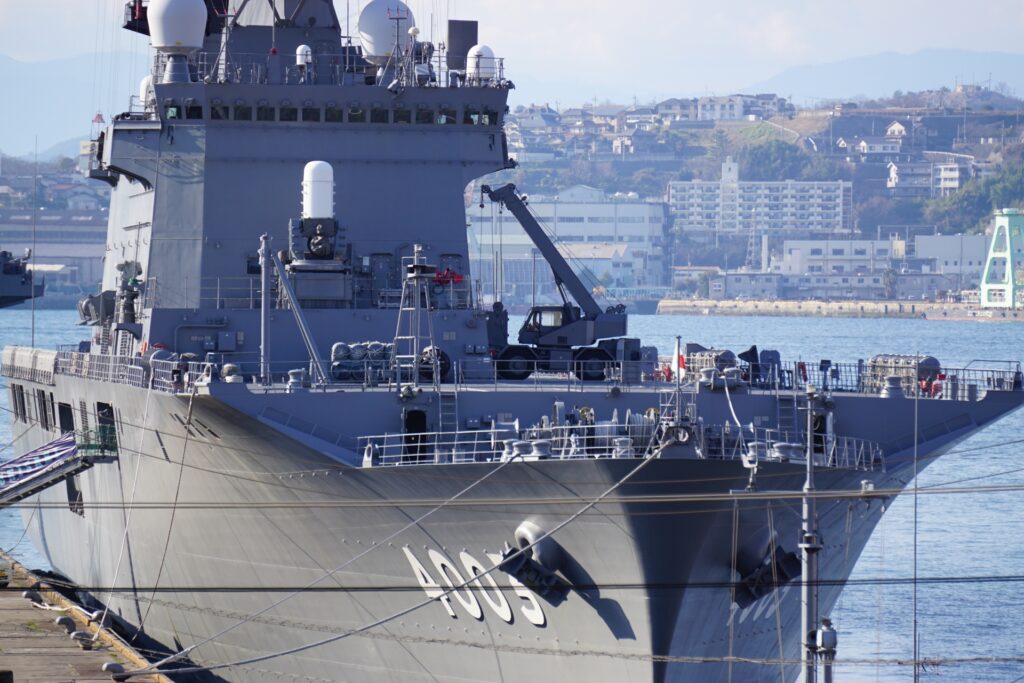
Hiroshima Prefecture has a rich history which extends far beyond the events of the second world war. For many years, one of its cities has served a crucial role as a naval base and shipyard. This city is called Kure and it is located on the eastern part of the prefecture. Back in the 19th century it became one of the first four naval bases of the Imperial Japanese Navy and it is also the place in which the largest battleship ever built, the Yamato, was constructed.
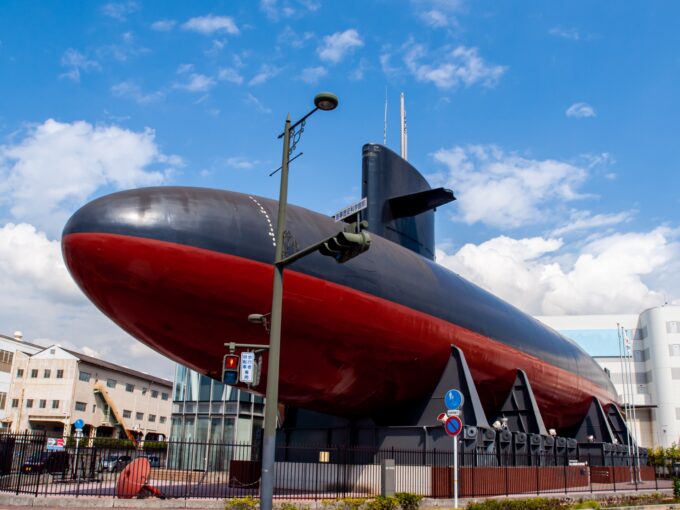
Nowadays, Kure serves as one of the bases for the Japanese Maritime Self-Defense Force (JMSDF) and hosts a large amount of submarines and a diverse collection of ships. It is a perfect place for fans of ships and naval history as there are multiple museums, sightseeing spots, and activities for visitors to enjoy. For example, the Yamato Museum has a 1/10th scale model of the battleship Yamato, the JMSDF Museum has a decommissioned submarine one can step into, and there is a mini-cruise one can take around the bay to get a closer look at the ships and submarines docked there.
While locals all know about Kure, many foreign visitors have never heard of the city before. Therefore, those who choose to go there for some sightseeing will most likely not encounter many tourists. Because of this, we consider Kure to be one of Hiroshima's hidden gems.
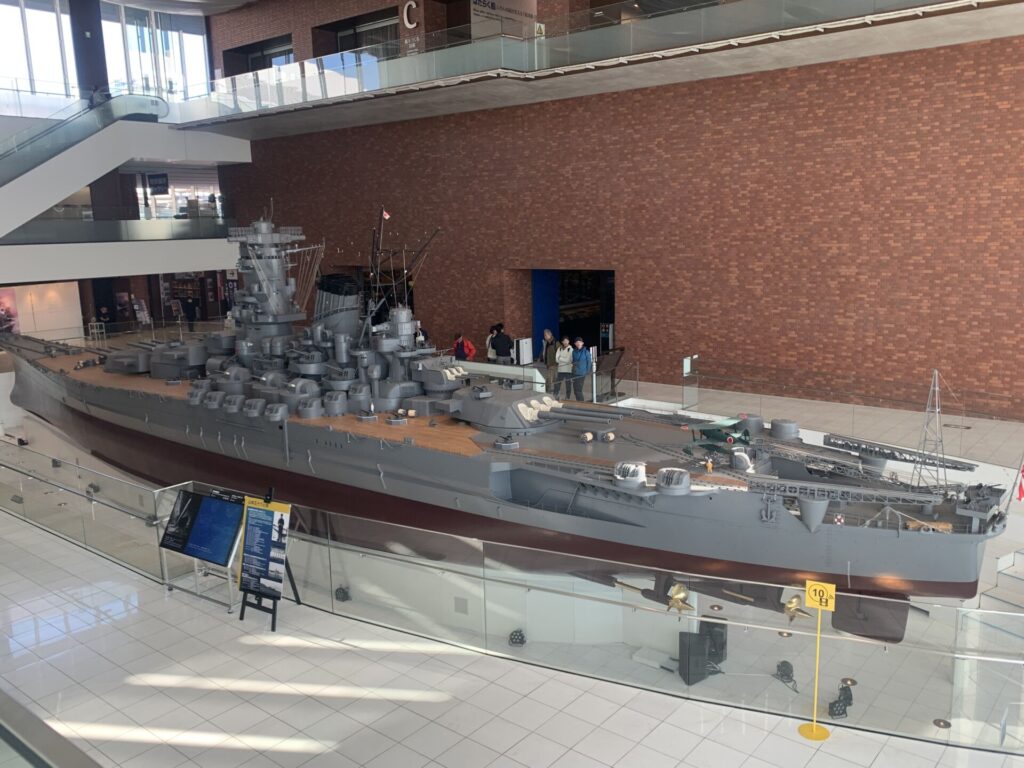
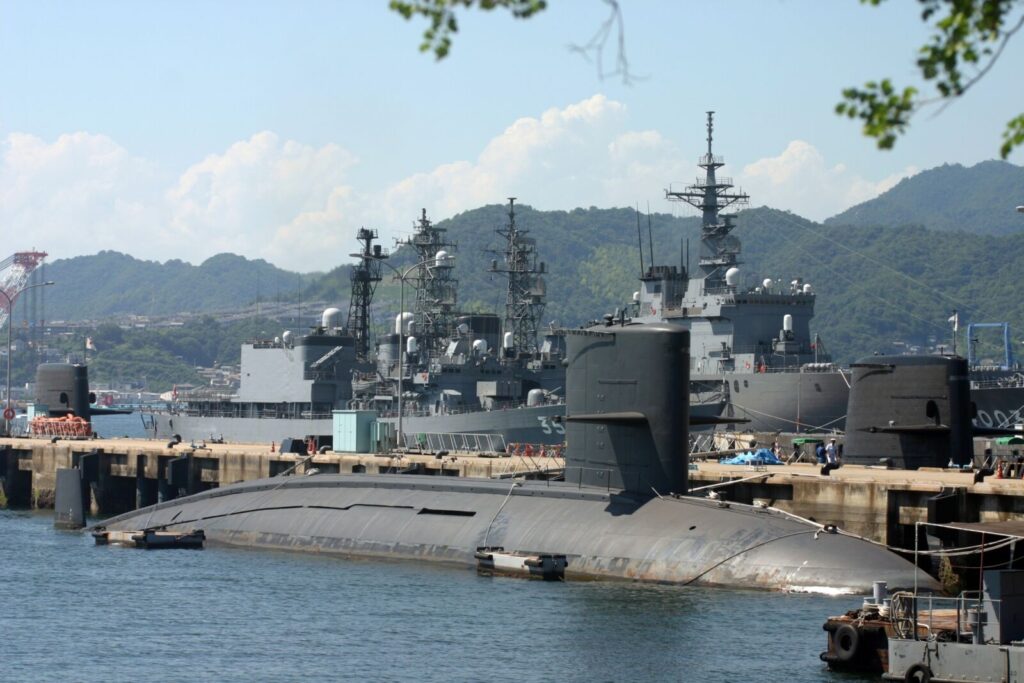
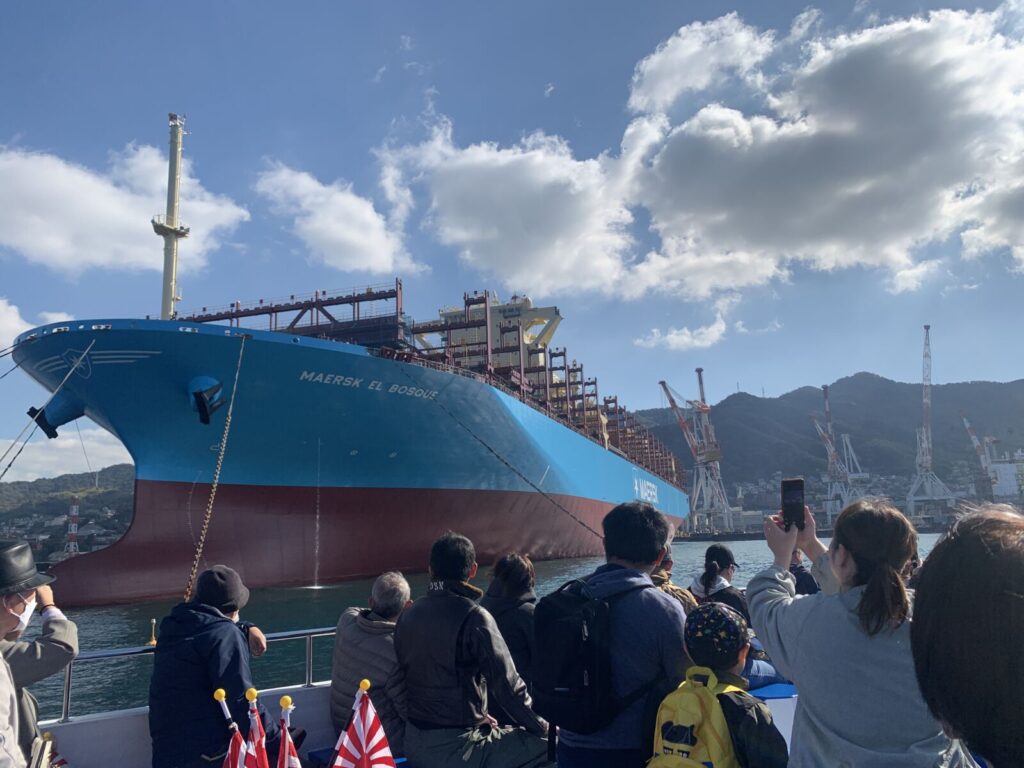
A day trip to Kure is a great way to add some depth and variety to your Japan travel itinerary. It is also a must for ship and history enthusiasts. Our guided tour to the city of Kure will allow you to visit all the museums mentioned previously, board the mini-cruise around the bay, and visit some additional sightseeing locations!
Rabbit Island

Japan is well known for its animal islands, but many people are not aware that Hiroshima has one of them! Located towards the eastern part of the prefecture, one can find Rabbit Island, a natural paradise full of adorable rabbits which roam freely around the island. Visitors can enjoy activities such as feeding the rabbits, cycling, hiking, camping, and much more! The cute and fluffy creatures which inhabit the island are used to tourists and therefore are not very shy, so you can expect to be approached by many rabbits looking for food.
Rabbit Island also has a "dark past" as it once served as a military base and later a poison gas manufacturing facility. If you walk around the island you can encounter ruins related to this facet of the island's history. This, together with the free roaming rabbits, make a visit to Rabbit Island a completely unique and remarkable experience.
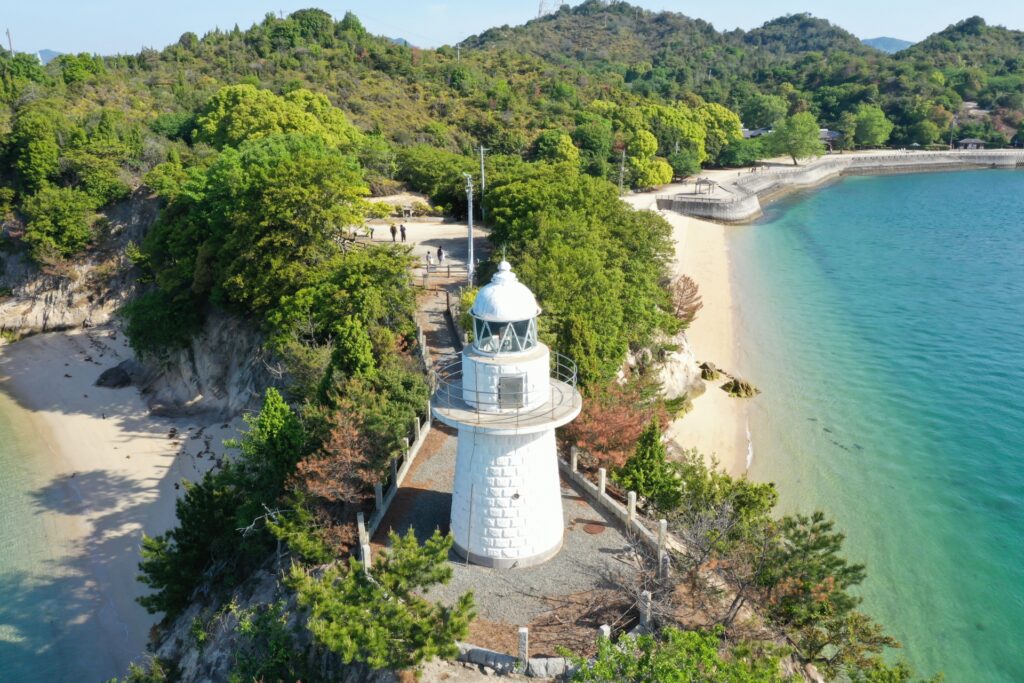
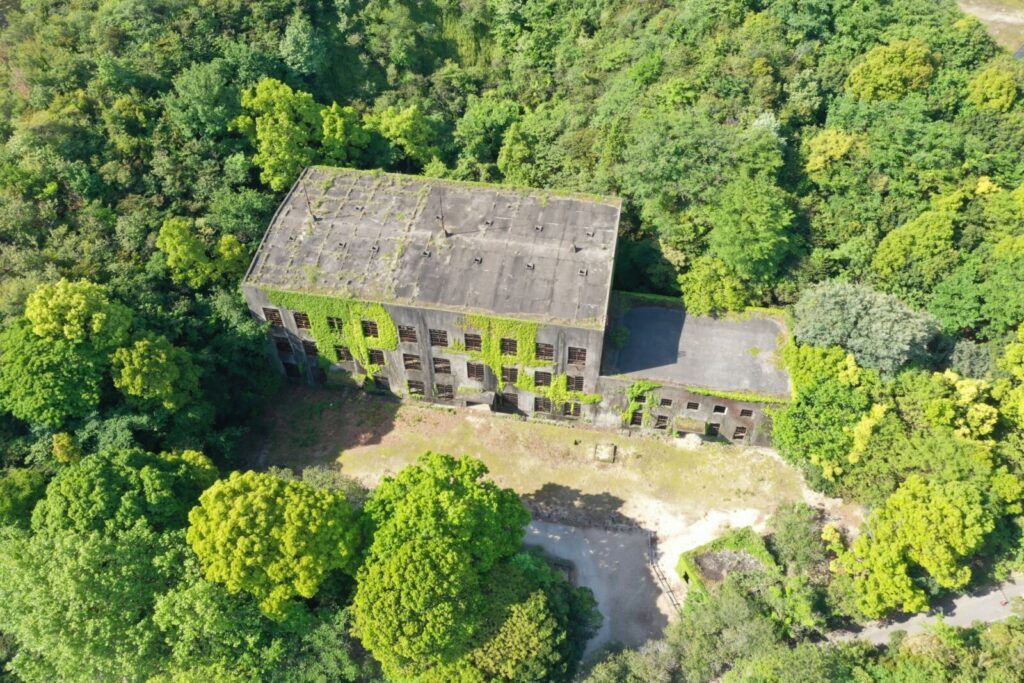
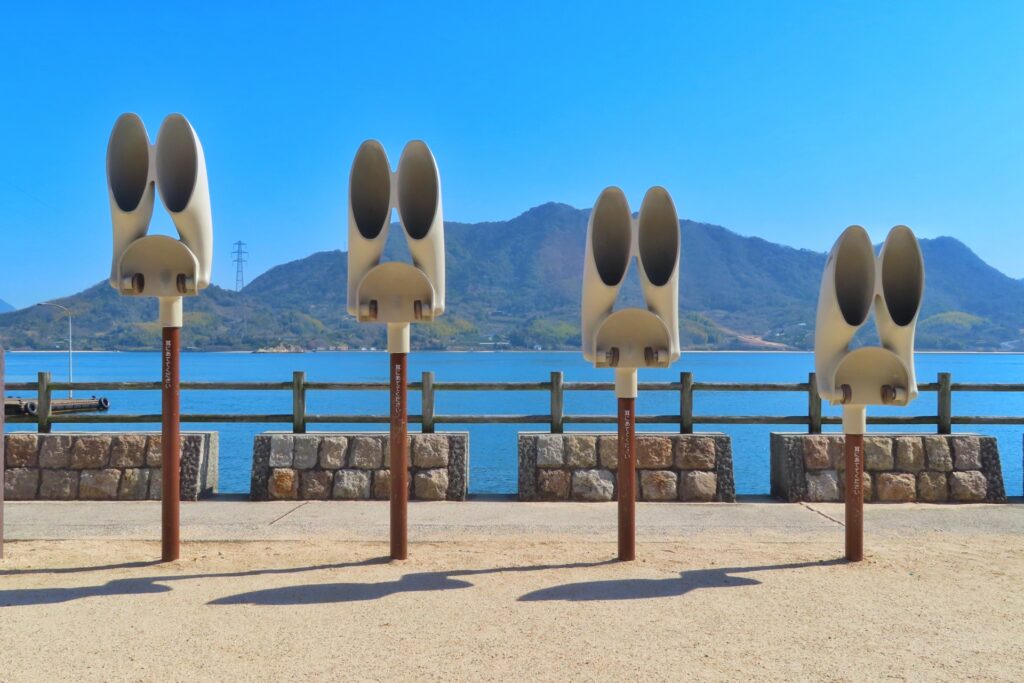

Getting to and from Rabbit Island can sometimes be a bit challenging, particularly figuring out the timing between the bus and the ferry. If you would like to enjoy a stress free trip to the island, we recommend booking our tour below in which our expert guides will take care of all the planning for you.

Takehara Townscape
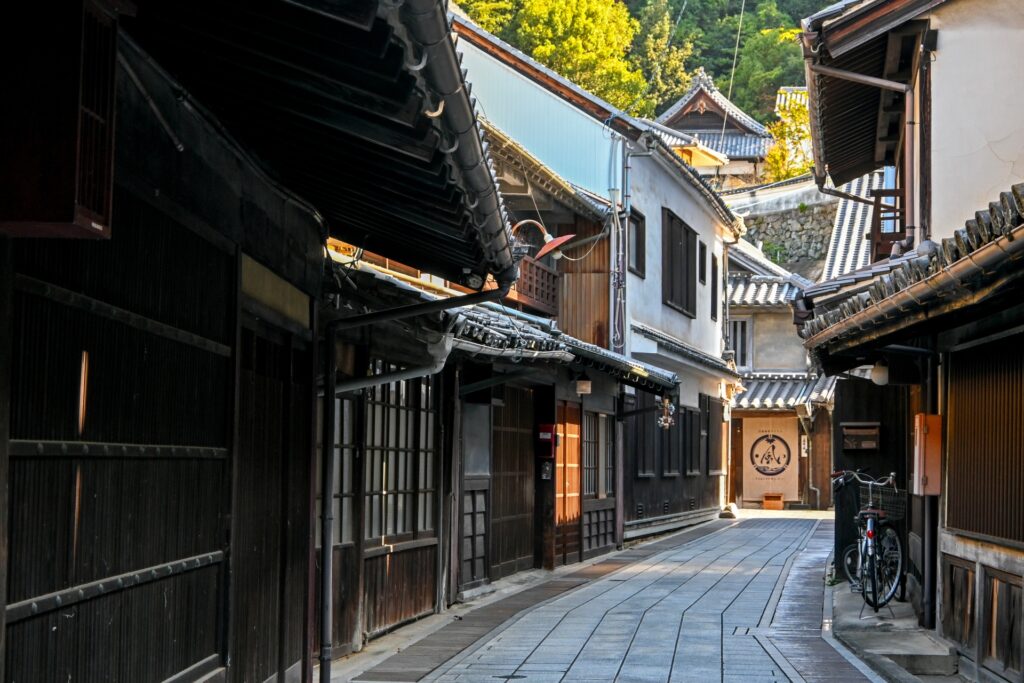
Sometimes described as a "little Kyoto," the Takehara Townscape Conservation Area is a small historical townscape located in the city of Takehara in Hiroshima Prefecture. The architecture and atmosphere in this area are reminiscent of a Japanese town during the Edo period. Compared to the crowded streets of Kyoto, the Takehara Townscape rarely receives any visitors. Still, there are a good amount of temples, museums, and historical residences one can enter and explore. If you are looking for a place that feels like "old Japan" then look no further than Takehara!
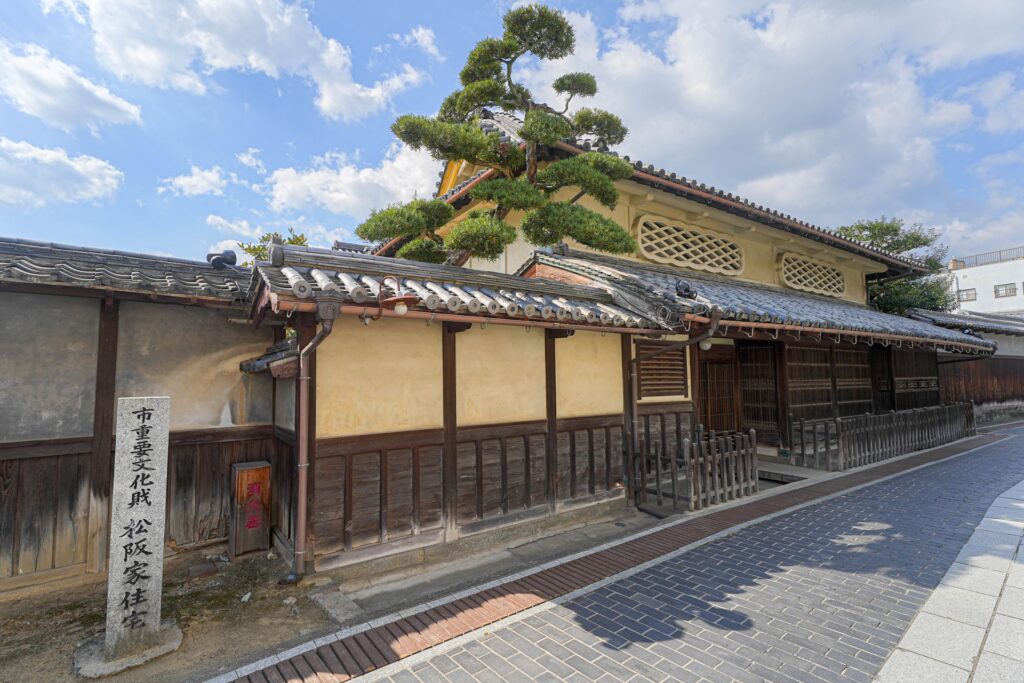
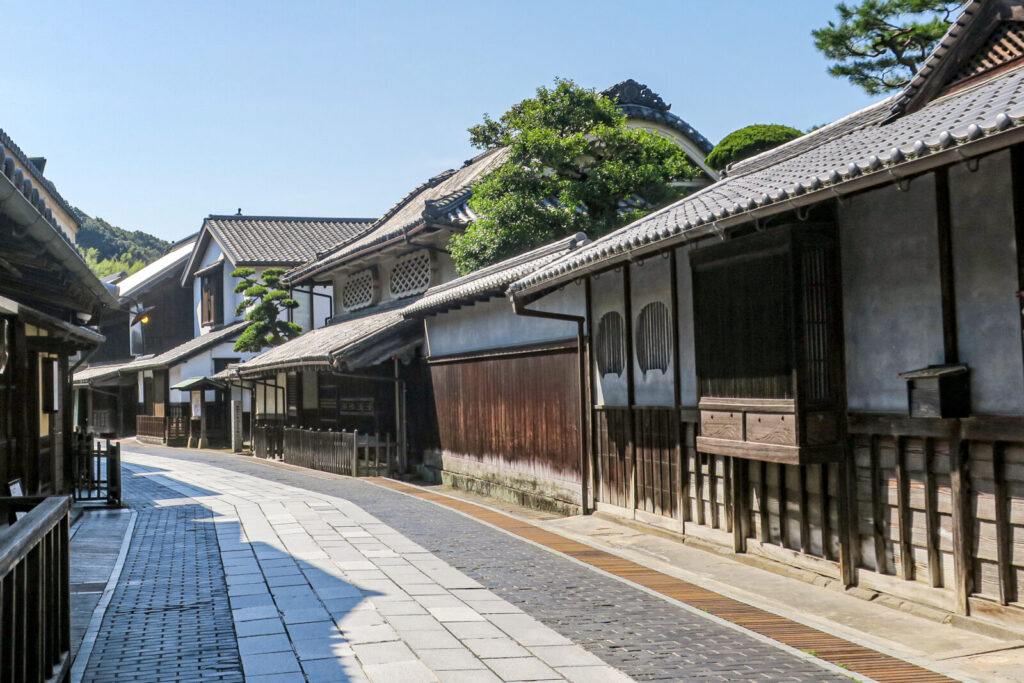
The Rabbit Island listed above is actually administered by Takehara, and the ferry terminal to access the island is only a 25 minute bus ride away from this townscape. Thus, we recommend making a stop by this relatively unknown location when getting to or returning from Rabbit Island.
Kosanji Temple
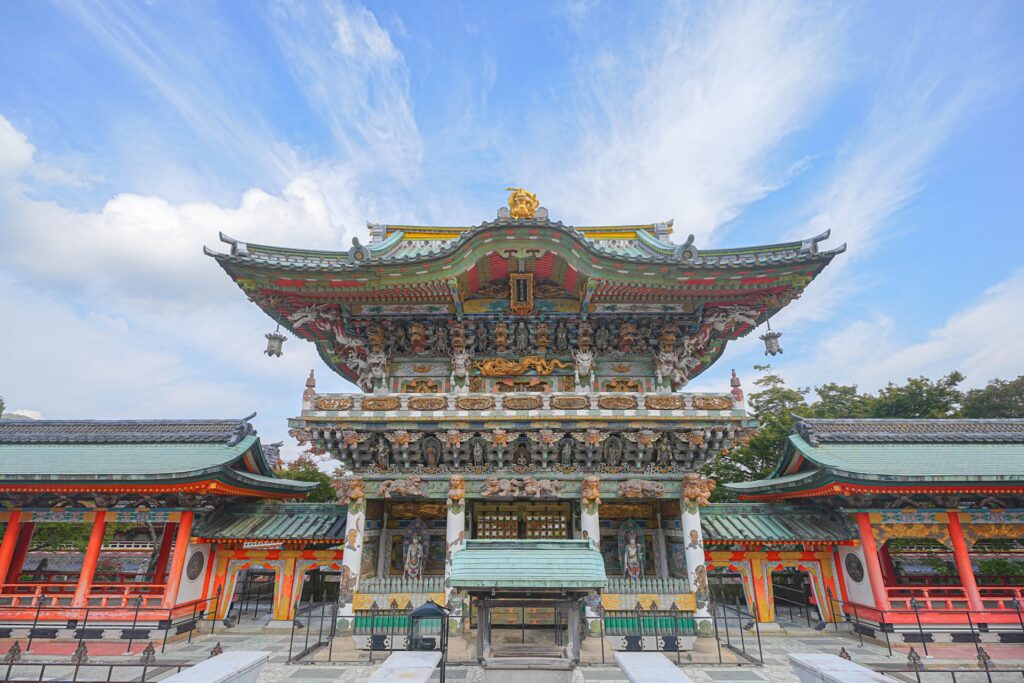
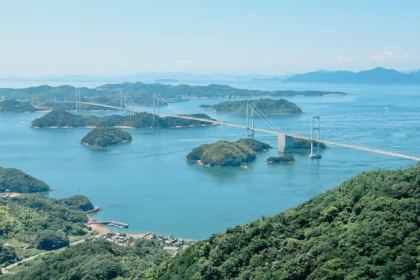
On an island of Hiroshima Prefecture known as Ikuchijima, lies the eclectic and fascinating Kosanji Temple. This Buddhist temple was built in the 20th century by a man who wanted to honor the memory of his mother after her passing. The vast temple grounds are covered in halls which are actually replicas of famous Shinto and Buddhist structures found throughout the rest of Japan. There is also a passage underneath the temple called the “Cave of 1,000 Buddhas" which is filled with Buddha statues and pictures representing hell and paradise.
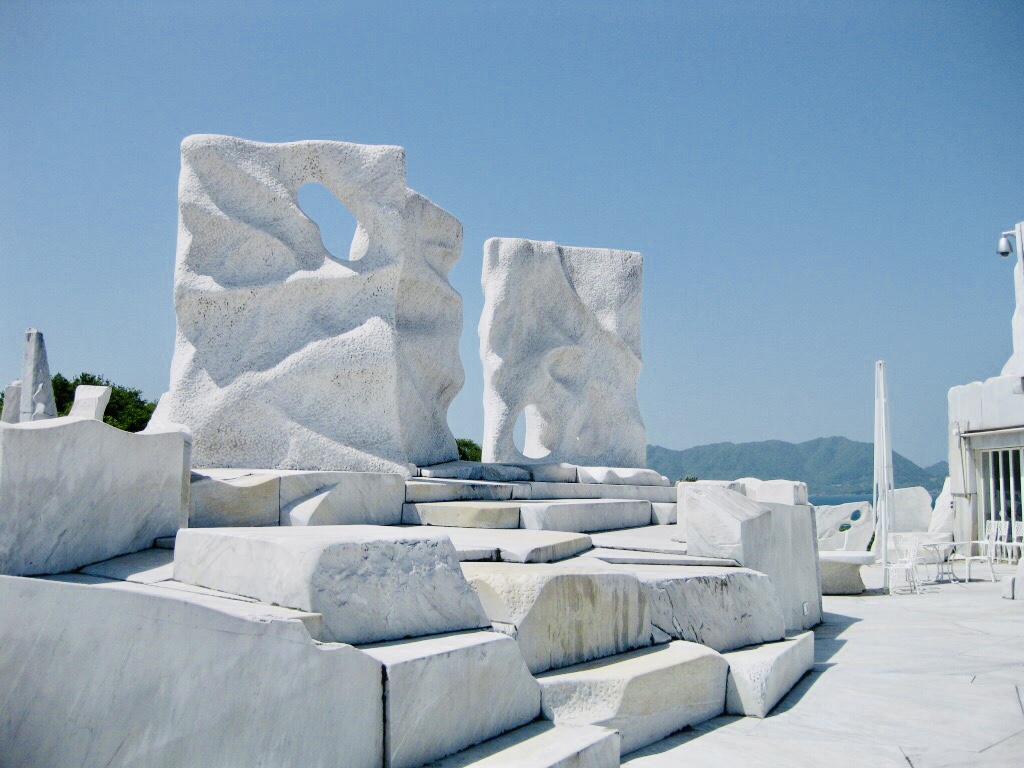
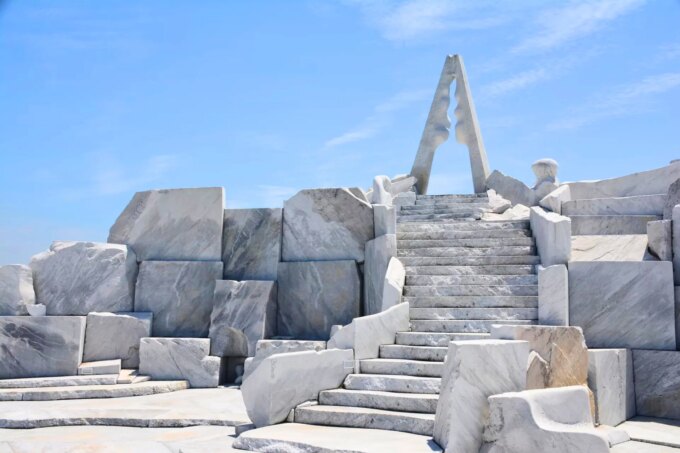
In an elevated area of the temple grounds also lies an extraordinary marble garden known as the "The Hill of Hope," which was created by the Japanese sculptor Itto Kuetani. It took around 16 years to complete this garden covered in marble structures of varying shapes and sizes.
Despite the outstanding beauty of this temple and the island that it is located on, very few people have heard about Kosanji Temple before. If you are looking for a truly unique experience for your trip to Japan, definitely consider paying a visit to this Buddhist Temple.
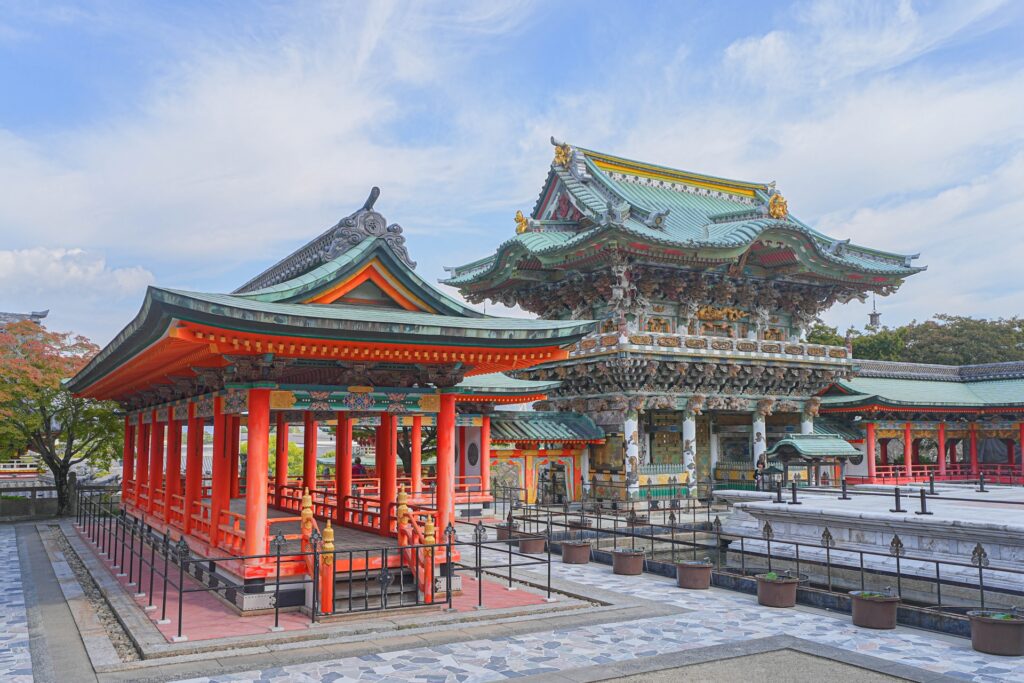
Getting to Kosanji temple can be a bit complicated as it requires boarding a specific ferry which only departs six times per day and must be payed in cash when boarding. Thus, we recommend joining a guided tour like the one below which includes a stop by the island and its temple.
Futabanosato Walking Trail
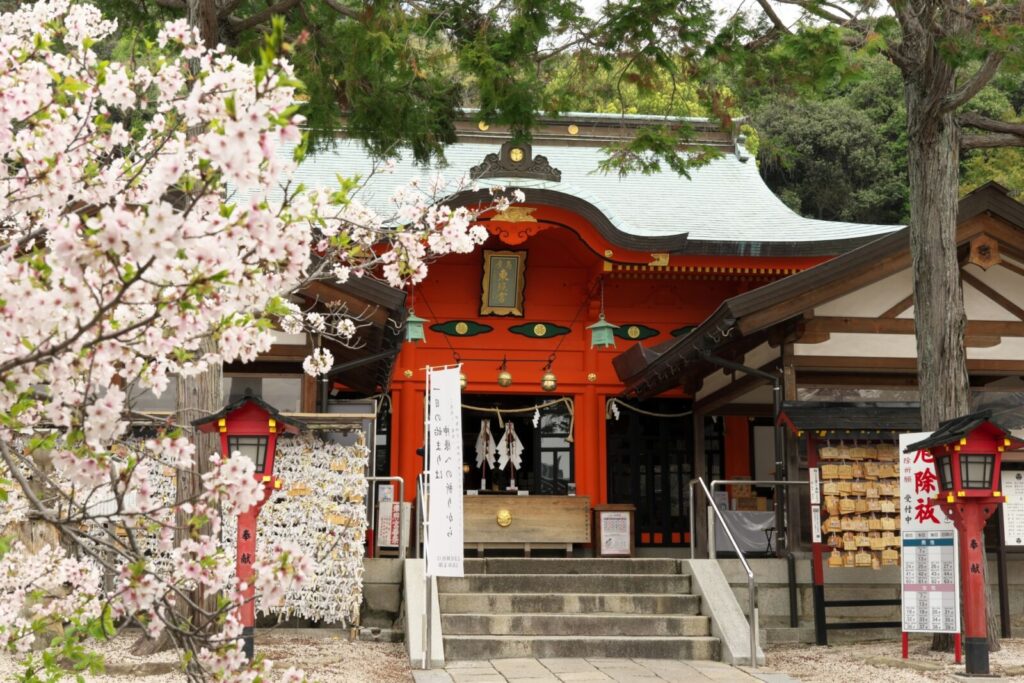
For those not wishing to travel very far outside the city, there is a hidden gem located very close to Hiroshima Station: the Futabanosato Walking Trail. This trail is about 10 kilometers long and includes stops at 16 different temples and shrines which date back to when Hiroshima was just a castle town. Many of the original buildings were destroyed during the atomic bombing but have since been rebuilt to help convey the history of the city.
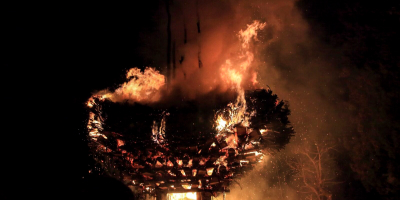
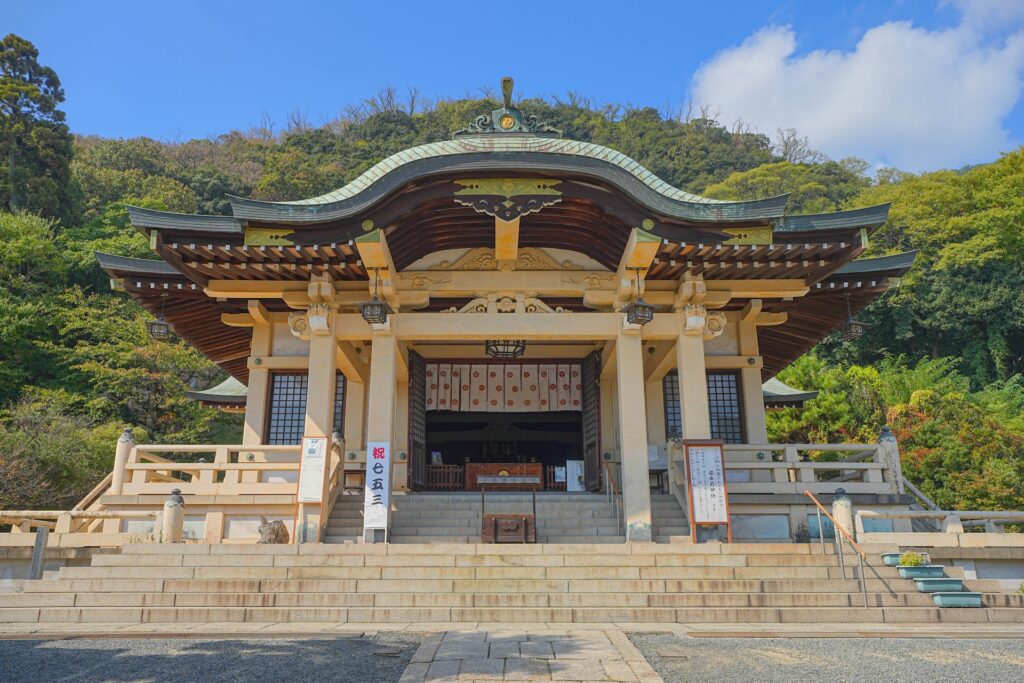
Some of the structures in the trail are quite impressive, with standouts such as the Mt. Futaba Peace Pagoda, the Hiroshima Toshogu Shrine (pictured above), and the Kinko Inari Shrine. The view of the city from the Peace Pagoda is also quite impressive and definitely worth the short hike.
You can start walking the trail from either its westernmost temple or its easternmost one. The official starting point though is "Fudo-in Temple," located in front of the Fudoin-Mae Station. You can grab a map for the walking tail at the Tourists Information Center in Hiroshima Station and then head out in your preferred direction. It is also not necessary to complete the entire trail and you can visit as many locations as you want to.
Old Port Town of Tomonoura
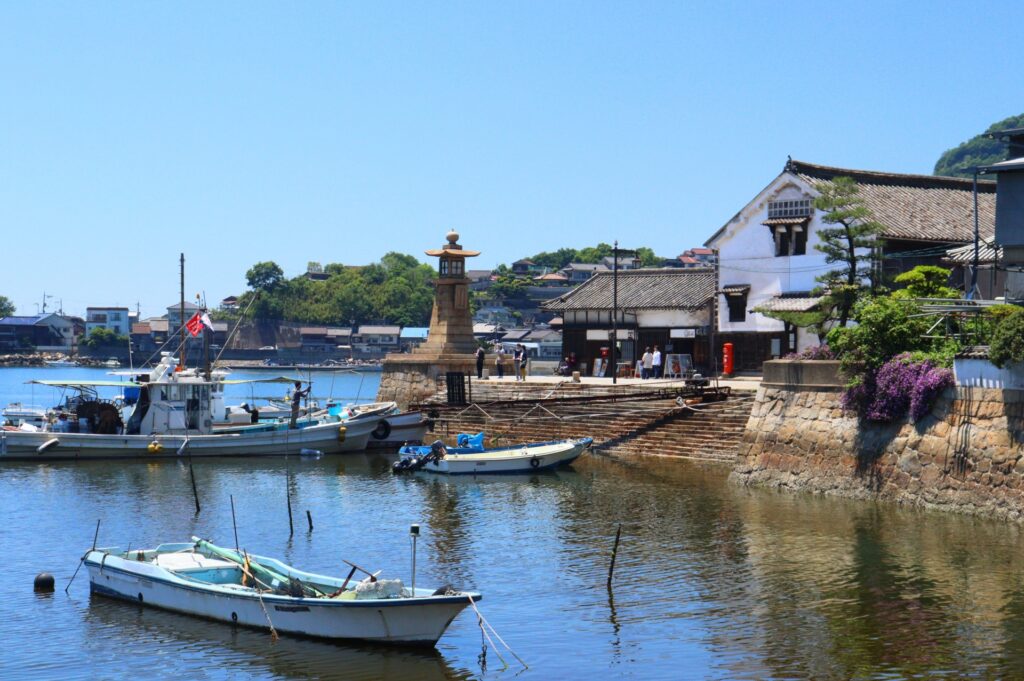
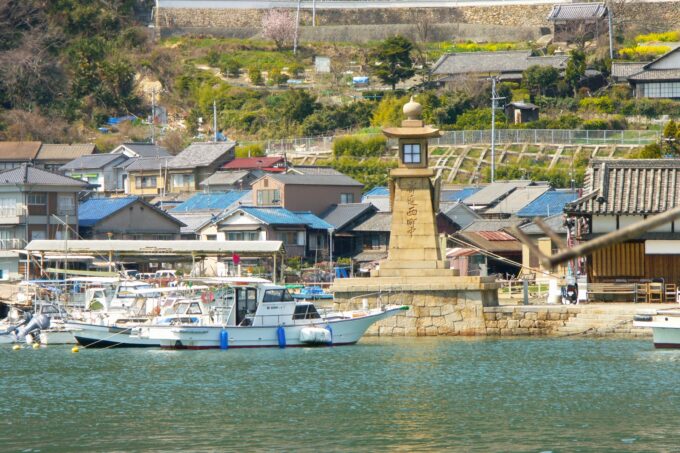
Tomonoura is a scenic port town belonging to the city of Fukuyama in Hiroshima Prefecture. This beautiful historic townscape captures the look and feel of an Edo period port and is a well-known sightseeing locations amongst locals. However, from a foreign traveler perspective it is must definitely a hidden gem as many don't even know about its existence.
This port town is another great place to visit when looking for the "old Japan" atmosphere and aesthetic. Additionally, Tomonoura provides stunning views of the Seto Inland Sea which it faces. You can enjoy walking around the port, entering historic buildings, and visiting old shrines and temples. There is even an opportunity to board a short 5-minute ferry to a beautiful uninhabited island, Sensui-jima, which lies off the coast of Tomonoura.
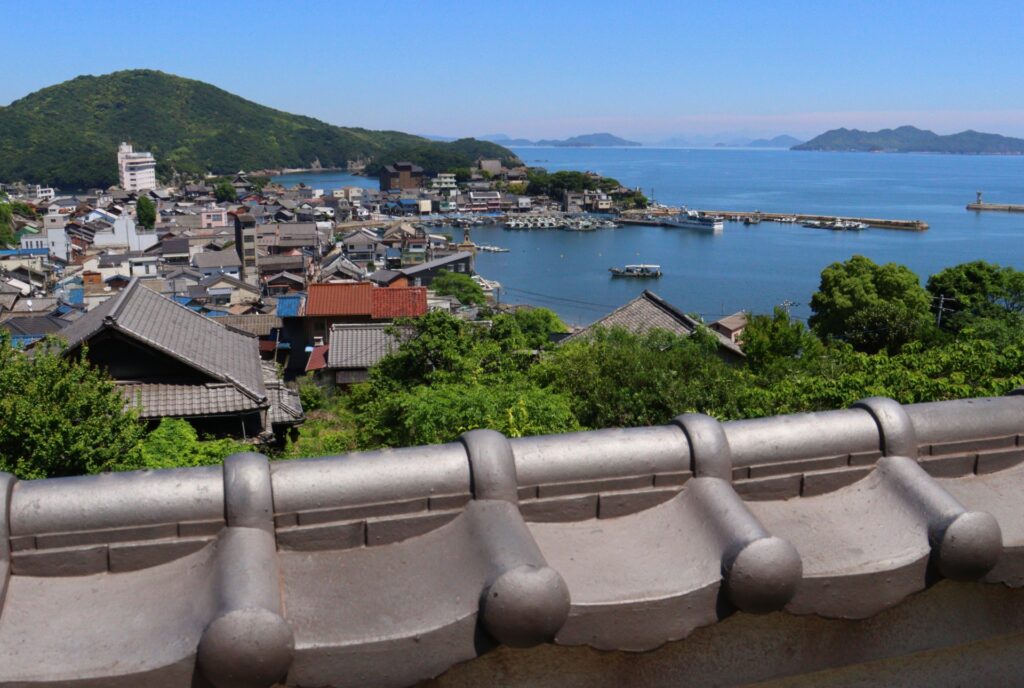
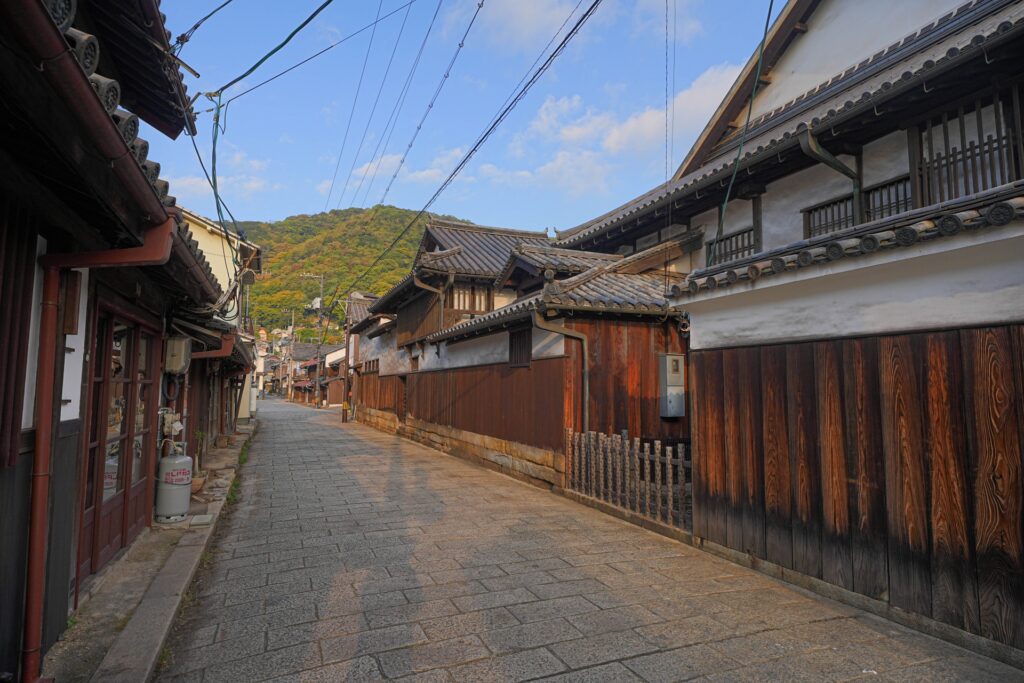
If you are ready to explore this picturesque townscape and other areas in the city of Fukuyama, then consider joining our 1-day tour listed below! Those planning to book should note that this tour starts and ends in Fukuyama Station, which can be accessed via the Shinkansen from Hiroshima Station.