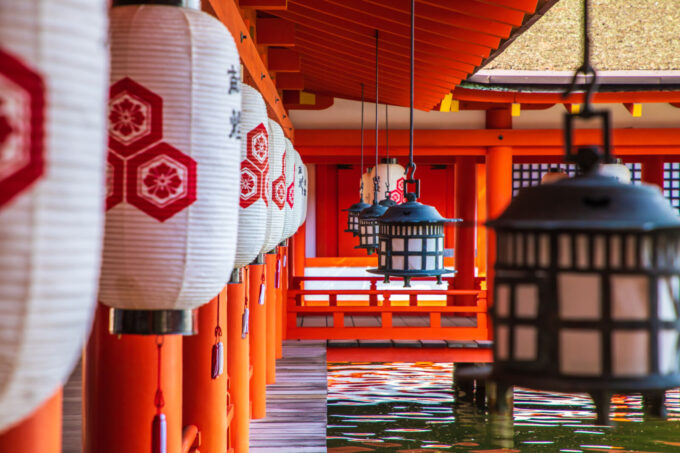


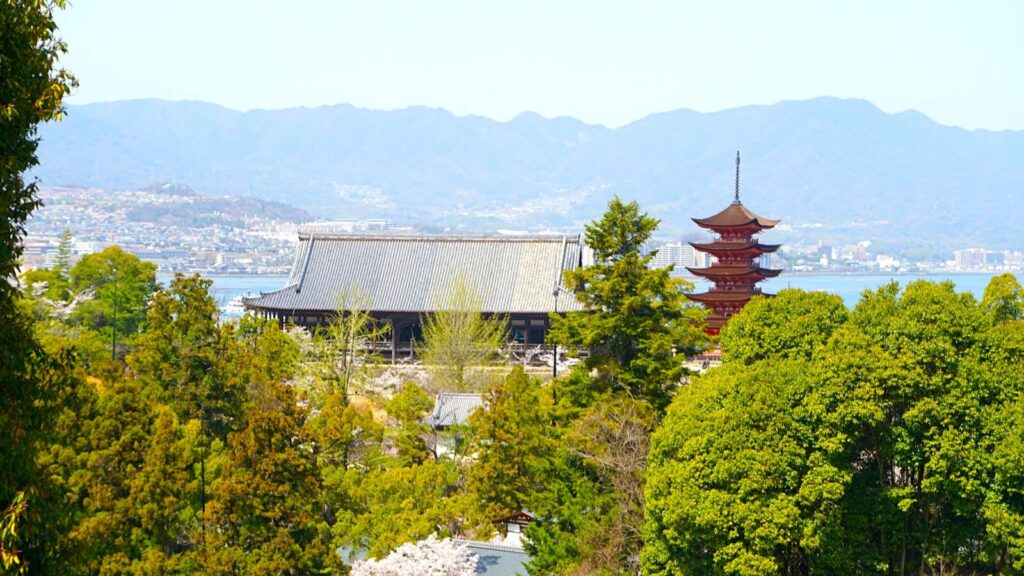
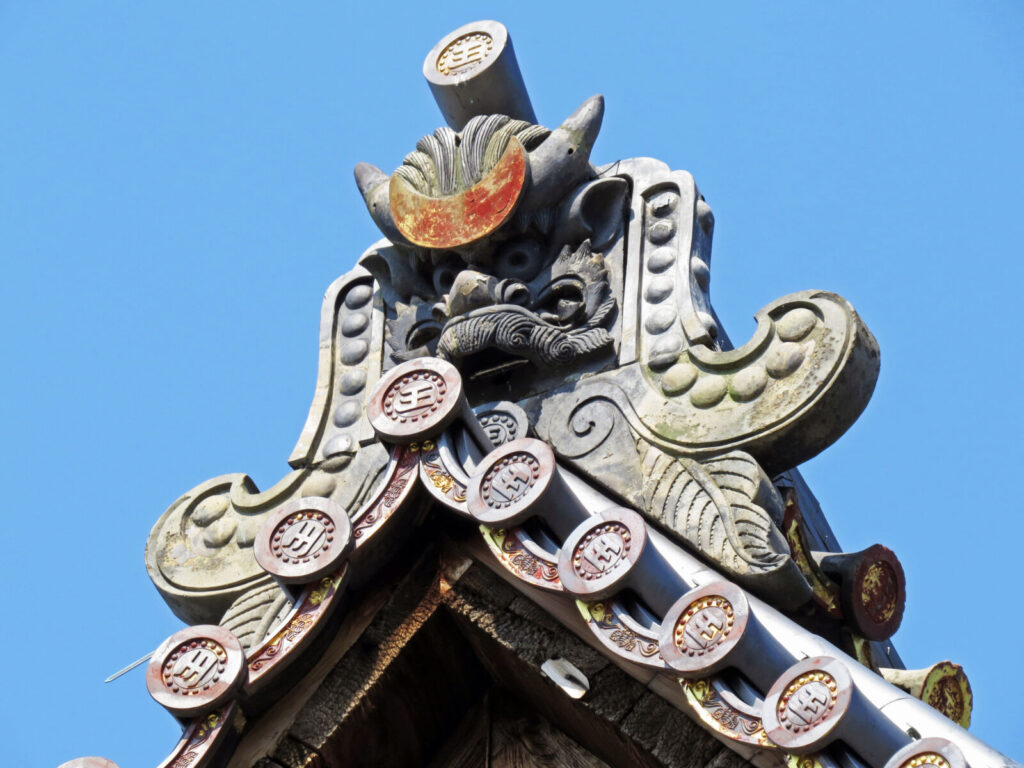
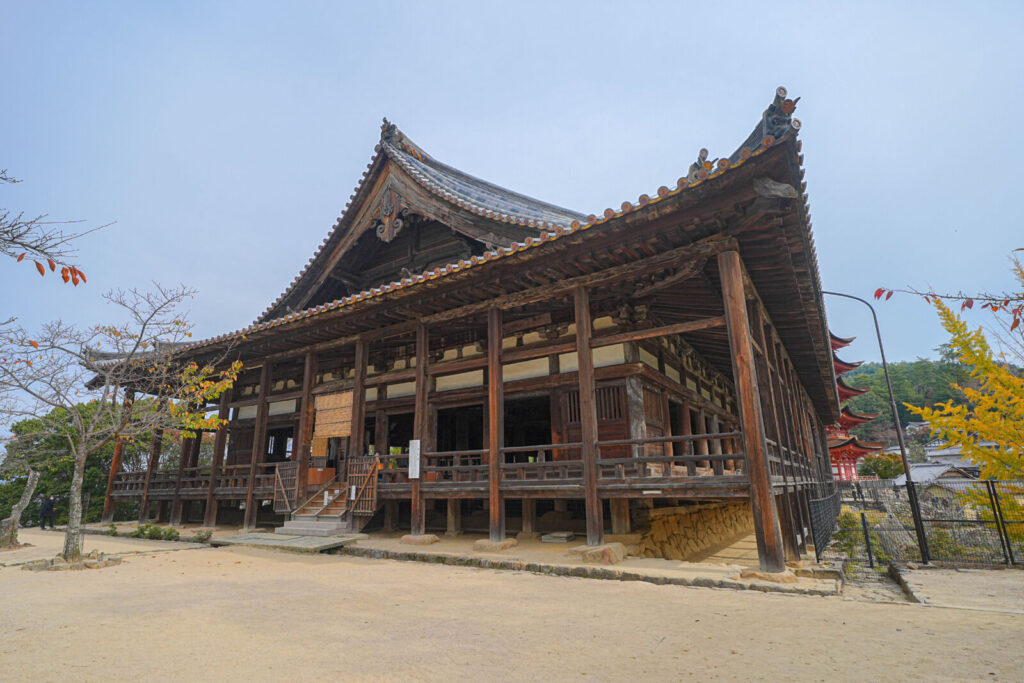
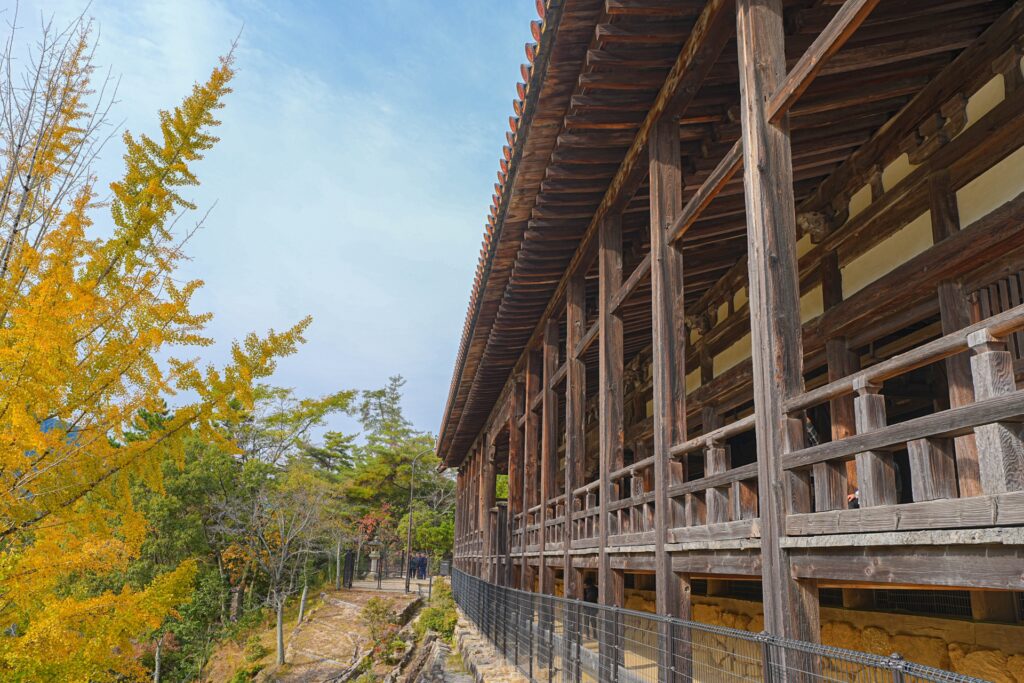
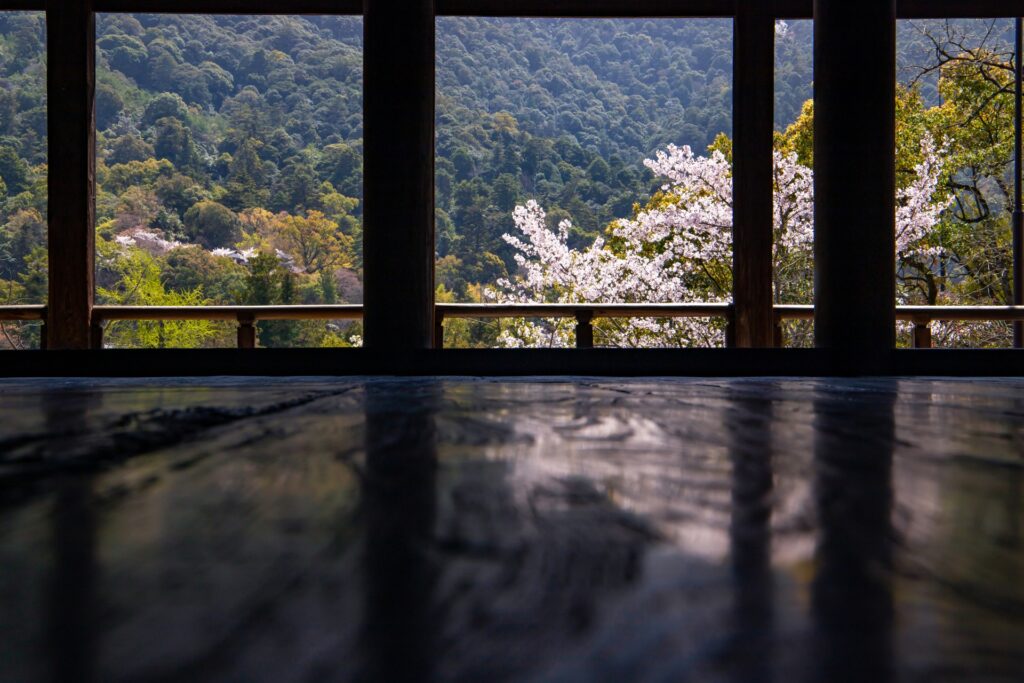
Entry to Senjokau Pavilion costs JPY100 for high school students and adults, and JPY50 for elementary and middle school students. When entering Senjokaku, it is necessary to take off one’s shoes and place them inside a provided plastic bag, which visitors have to carry around with them when exploring the structure. The building has two possible entrances which also serve as exits. Below you will find additional information about how to access Senjokaku Pavilion, the history of the hall, and tours which include a stop by this iconic landmark.
Note - The Five-storied Pagoda located next to the pavilion is currently undergoing major restoration work and is completely covered by scaffolding. It is estimated that this work will continue until December 20, 2025.
Where is Senjokaku Pavilion?
Senjokaku Pavilion is located on a small hill on the island of Miyajima. It has three possible access points, all of which involve ascending a significant amount of steps. The easiest set of stairs to locate is the one right next to the entrance of Itsukushima Shrine. The other two access points are a bit more difficult to find, with one located near the entrance of the island’s main shopping street, and the other on an inner street which borders the hill that structure lies on. It takes about 15 minutes to walk from the Miyajima ferry terminal to Senjokaku Pavilion. Unfortunately, since the pavilion can only be accessed by stairs, visitors with mobility issues might struggle with making a stop by this location.
You can find detailed information on how to get to Miyajima by visiting our dedicate Miyajima activity page.
History of Senjokaku Pavilion
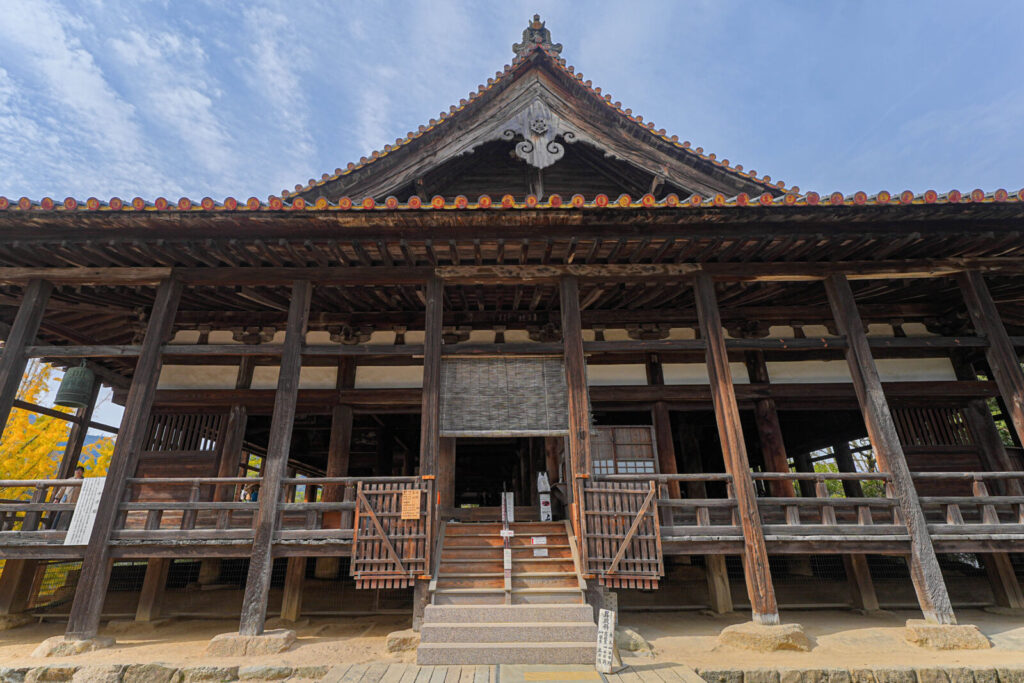
Construction of Senjokaku Pavilion began in 1587 under the order of Toyotomi Hideyoshi, one of the three great unifiers of Japan. He commissioned the building as a place to recite Buddhist sutras every month, but passed away before the structure could be completed. Due to this, the pavilion has a slight “unfinished” look with an exposed ceiling and bare exterior. Additionally, the hall is no longer used for its original purpose of reciting sutras, and instead enshrines the spirit of Hideyoshi himself. Shrines dedicated to Hideyoshi are typically referred to as either “Toyokuni” or “Hokoku” shrines, which explains the alternative name of this structure.
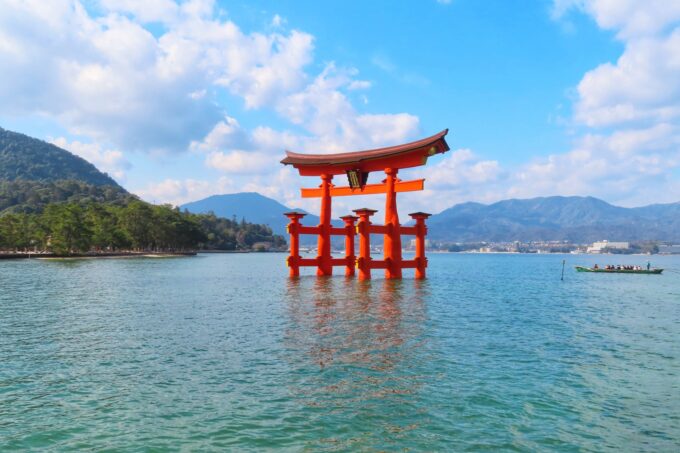
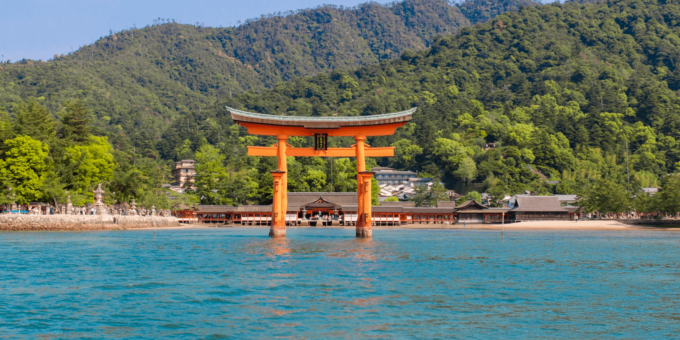
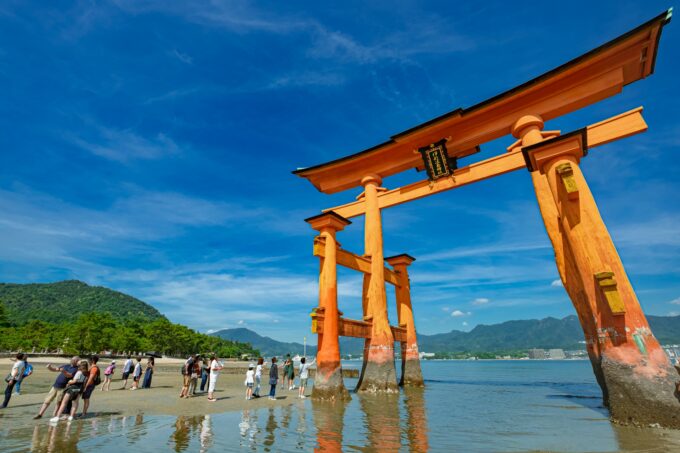
Hanging from the ceiling inside Senjokaku Pavilion are multiple paintings and illustrations originating from different buildings around the island. This eclectic collection of images adds to the charming and unique beauty of the hall. Inside, visitors can also observe a wooden pillar which was used as a measuring device when reconstructing the “floating” O-Torri gate in 1873. Lastly, since the Senjokau Pavilion of today is still the original structure from the 16th century and we know the exact date in which it was constructed, the building serves as a fantastic tool to approximate the age of other wooden structures on the island.
Tours Visiting the Pavilion
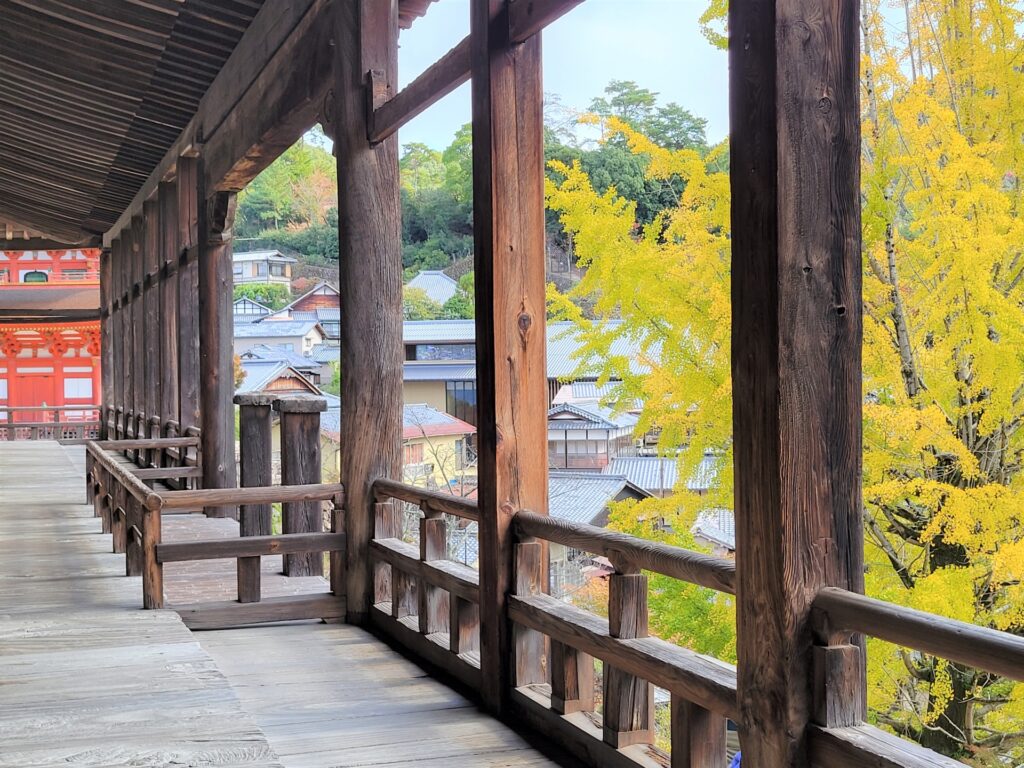
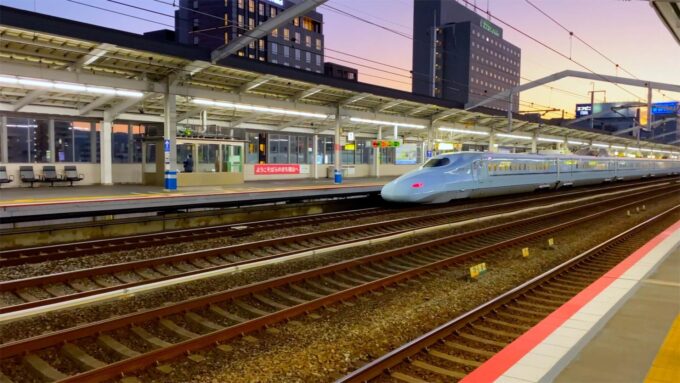
For those interested in visiting Senjokaku Pavilion, we offer several tours which make a stop by this magnificent location amongst many other incredible ones. Since planning a day visit to Miyajima can be complicated and stressful due to the ferries, all of these tours begin and end at Hiroshima Station.
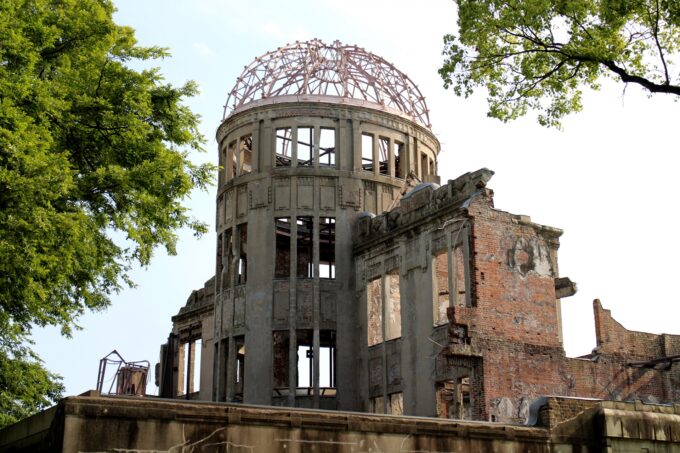
This first tour is perfect for travelers who only have 1 day to visit Hiroshima. On it, your guide will take you to all the main tourist spots in the city as well as in Miyajima. In the city center, you will stop by Shukkei-en Garden, Hiroshima Castle, the Atomic Bomb Dome, and the Peace Memorial Museum. You will then be able to ride a convenient ferry from Peace Memorial Park to the island of Miyajima, where you will visit Senjokaku Pavilion, along with the renowned Itsukushima Shrine and breathtaking Daisho-in Temple.
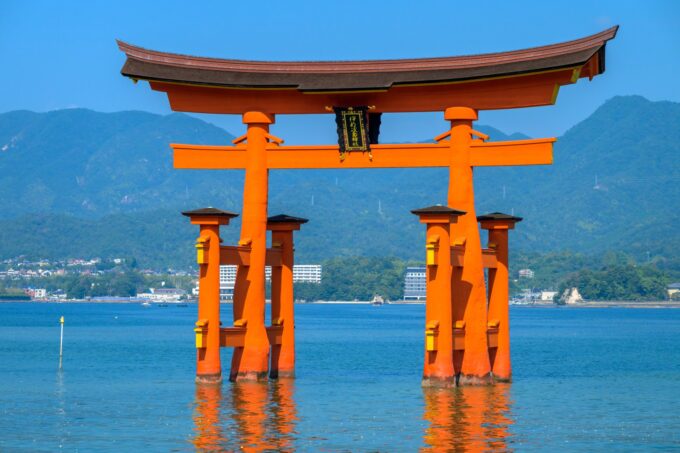
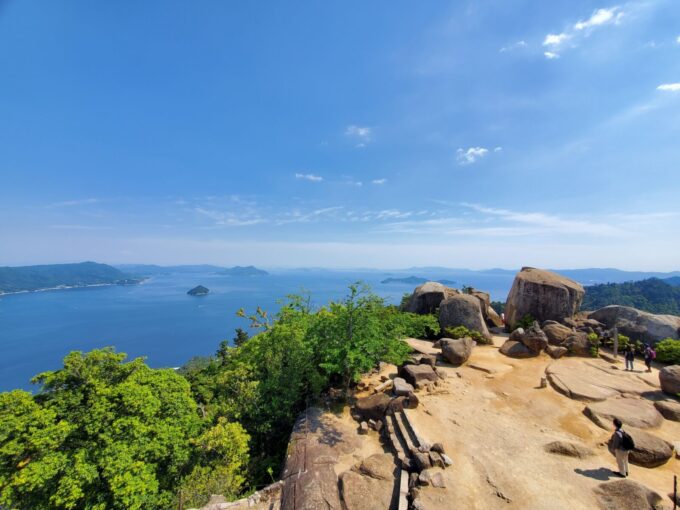
This second tour is recommended for guests who have already visited the main highlights in the city of Hiroshima, or to those interested in ascending Miyajima's mountain. The 1-Day Miyajima tour will allow guests to truly immerse themselves in the beauty and nature of the island, basking in its serene ambience and breathtaking landscapes. In addition to visiting the three Miyajima locations described in the tour above, you will be able to ride the ropeway up Mt. Misen and go on a short hike to reach the summit of the mountain with its stunning view of the Seto Inland Sea. For those most interested in the nature and mystique of Miyajima, this is the tour for you!
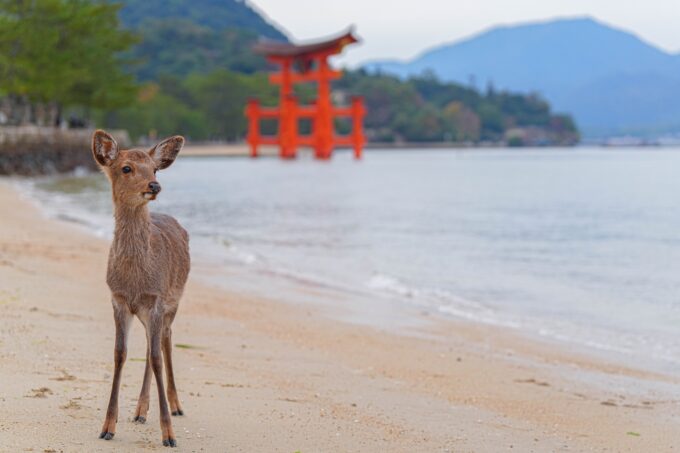
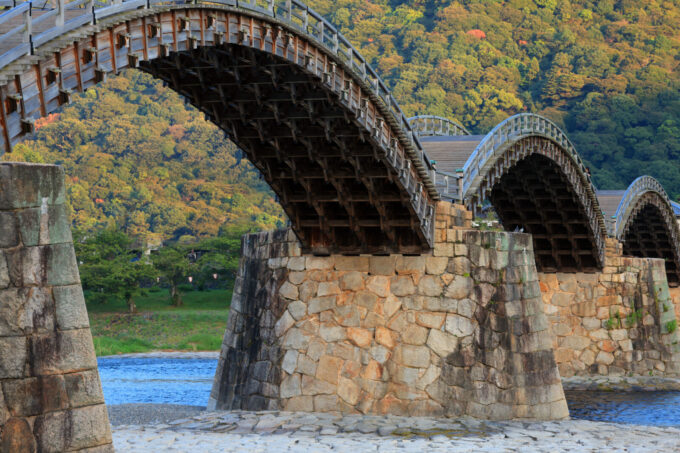
Finally, we also offer a more unique tour which is geared towards travelers who want to visit Miyajima but also prefer a bit more “off the beaten path” exploration. It is also particularly special because of the fact that you will be able to go to two different prefectures within one day. Located just a 25-minute train ride away from Miyajima, is the city of Iwakuni which lies within Yamaguchi Prefecture. This city is home to one of Japan's three most famous bridges, the Kintaikyo Bridge. On this tour, you will visit both Iwakuni and Miyajima and have the unique opportunity to view two of Japan's most iconic landscapes in a single day. Most foreign visitors don’t take the time to stop by Iwakuni, which means a less crowded and less touristy experience.
Of course, we don't only offer tours which stop by Miyajima, so if you would like to take look at the other places you can visit in Hiroshima, you can head over to our "Best Tours and Itineraries around Hiroshima" page.