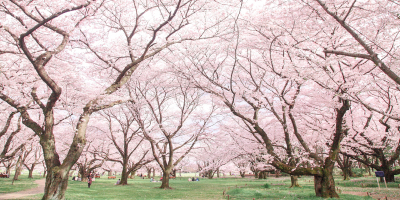
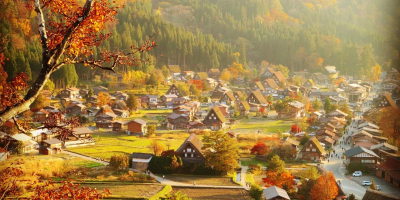
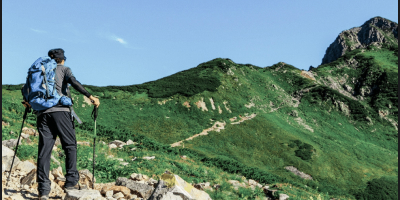

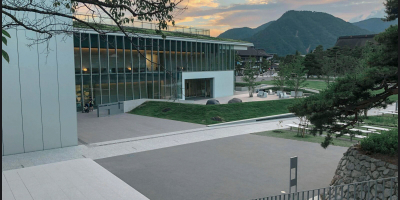
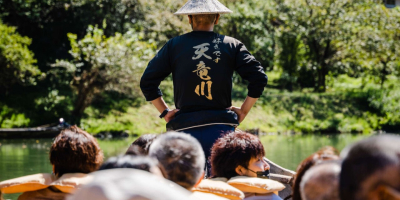
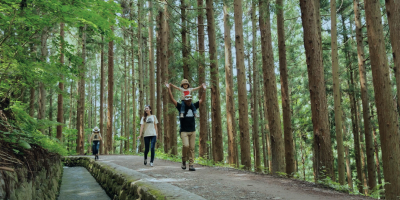

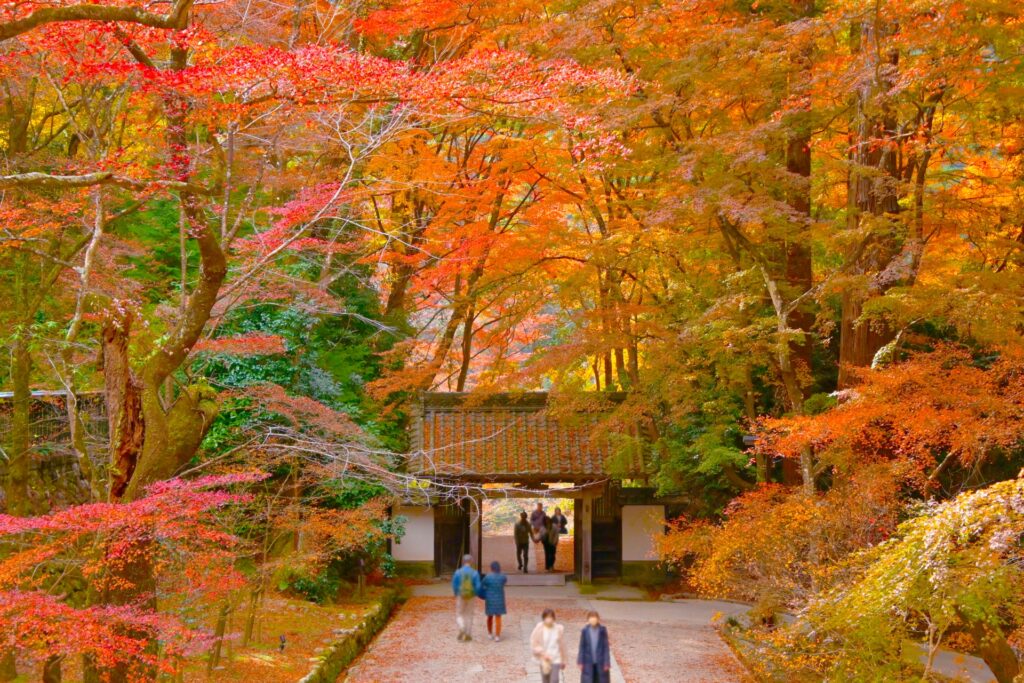
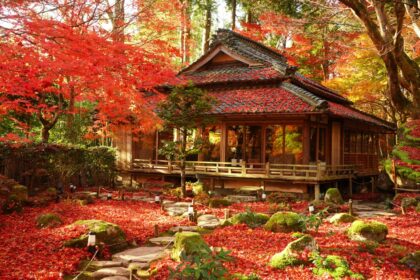
Approximately two hours from Nagoya using public transport, ‘Koraneki’ or the Koran Valley is regard as one of the reigon’s best locations for viewing autumn leaves., Known as ‘koyo’ in Japanese, enjoying the leaves is an autumn past-time that rivals the cherry blossoms of spring.
The annual Korankei Autumn Leaves Festival (香嵐渓もみじまつり) runs the whole month of November and includes a variety of events, food stalls, and illuminations until 9:00 p.m. every night.
On this page we will go over why Korankei is so famous for its fall foliage, and the best ways for you to enjoy the gorge.
A Brief History of Korankei
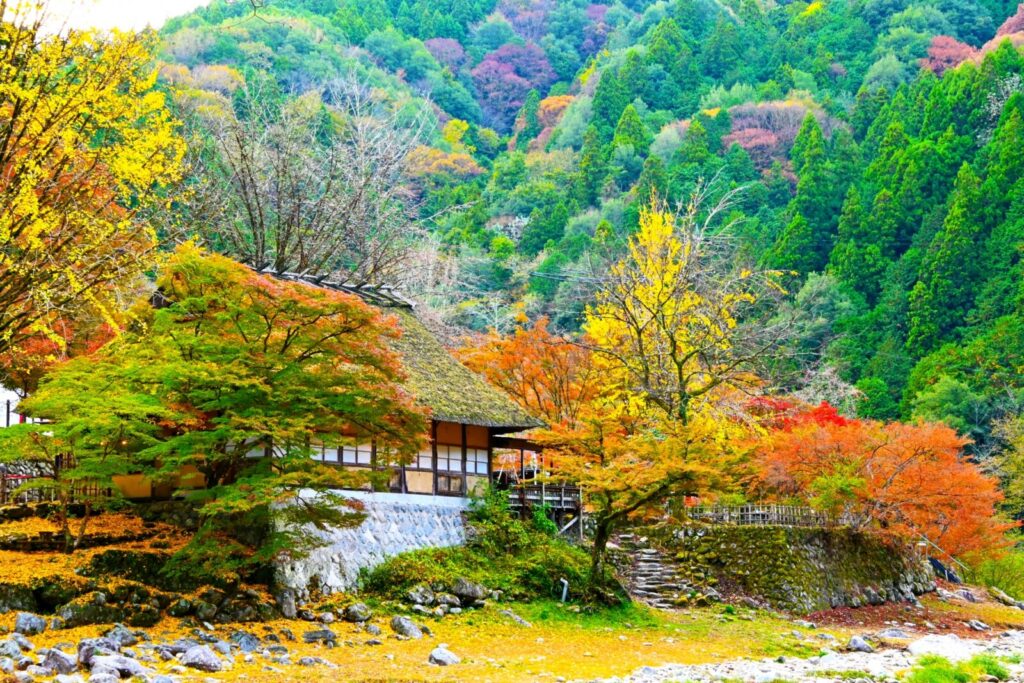
The story of Korankei's autumn foliage begins approximately 400 years ago.
In 1634, Sanei Kazuhisa, the 11th head priest of Kojakuji Temple, began planting maple and cedar trees along the route between the Tomoe River and the temple. According to local tradition, he recited one verse of the Heart Sutra as he planted each tree, making the work both a religious practice and an offering to nature.
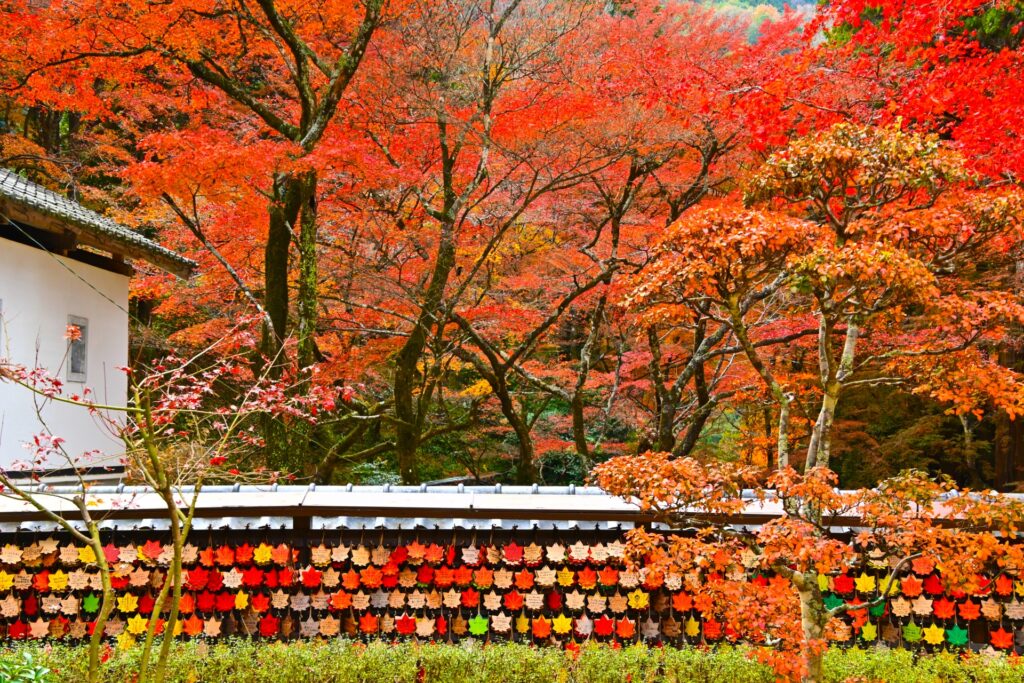
The maple trees were gradually expanded by local residents of Asuke. During the Taisho and early Showa periods, particularly in the 1920s and 1930s, local youth groups and women's associations also took part in volunteer tree-planting efforts. Their work helped create the extensive maple forest visitors see today.
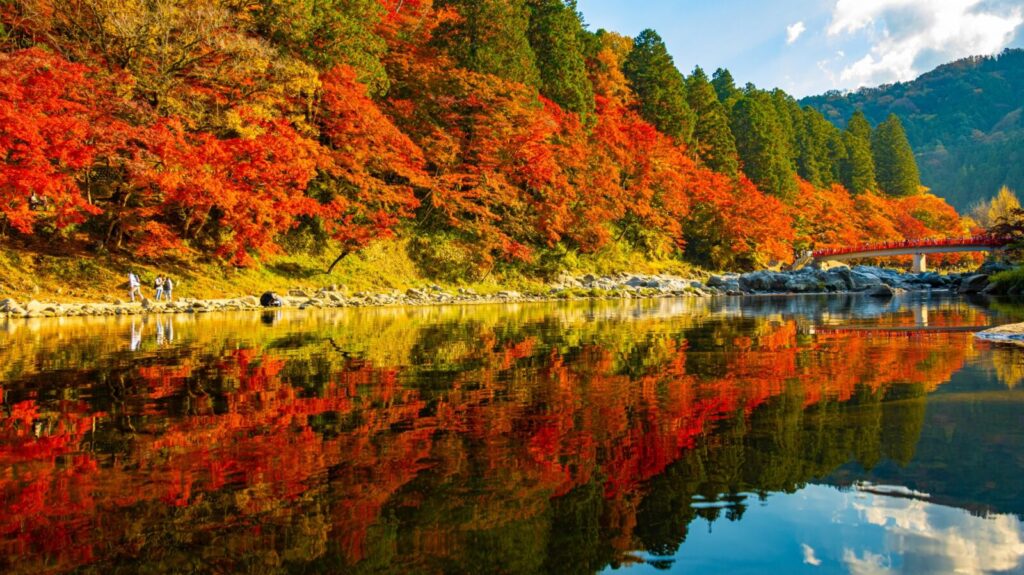
The name Korankei was officially adopted in 1930. It combines the character ko (香), associated with Kojakuji Temple and the idea of fragrance, with ran (嵐), referring to the cool mountain air that moves through the valley. Together, the name reflects the landscape around the temple, river, mountains, and maple trees.
Today, more than 4,000 maple trees representing 11 species grow in Korankei. Among them are varieties such as Iroha-momiji and Yamamomiji.

The Korankei Autumn Leaves Festival
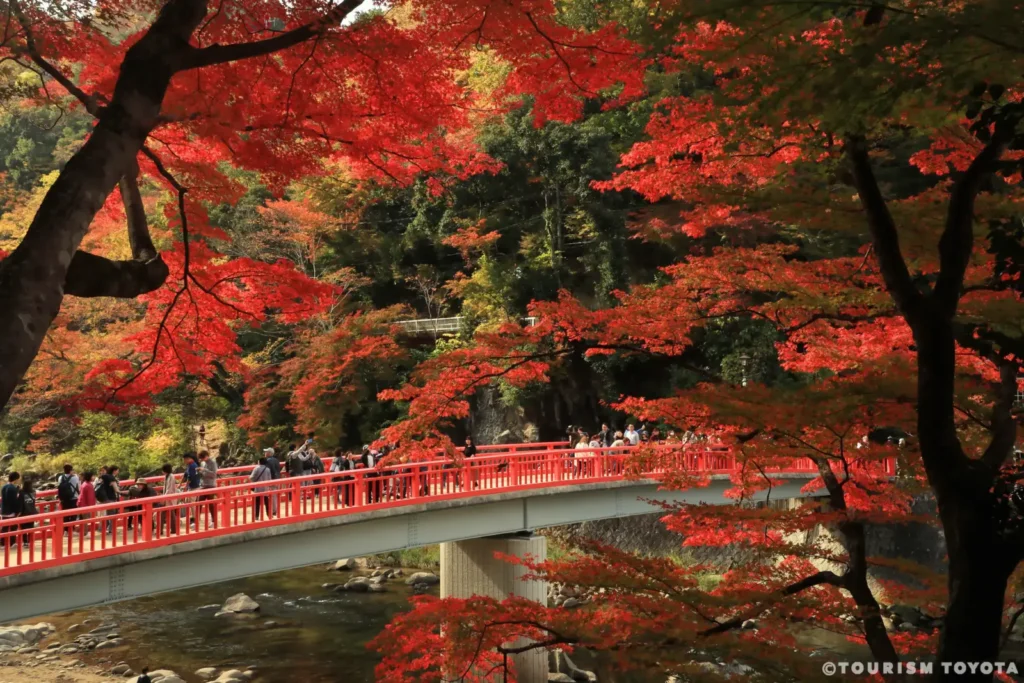
The autumn foliage festival has a long history of its own. The first festival was held in 1950 as part of celebrations marking the 60th anniversary of Asuke's town administration.
The event has since become an established part of the autumn calendar in Aichi Prefecture. During the festival, visitors can enjoy the foliage during the day and return after sunset to see the illuminated trees.
The Korankei Autumn Leaves Festival runs from November 1 through November 30 each year. The grounds themselves are open at all times, while special nighttime illumination is available every day in November until 9:00 p.m.
Food stalls and local shops operate during the festival, making it possible to combine a visit to the foliage with an introduction to regional food and local products.
Admission to Korankei itself is free. Some attractions and facilities, including parking and the Sanshu Asuke Yashiki open-air museum within Korankei Hiroba, require payment.
What to See at Korankei
The main attraction is the concentration of maple trees along the Tomoe River and the surrounding valley. The combination of colorful trees, flowing water, and the mountainous landscape makes the area particularly attractive for photography.
Kojakuji Temple is another important stop. The temple is closely connected to the history of Korankei's maple trees and provides a cultural context for understanding why the landscape was developed in the first place.
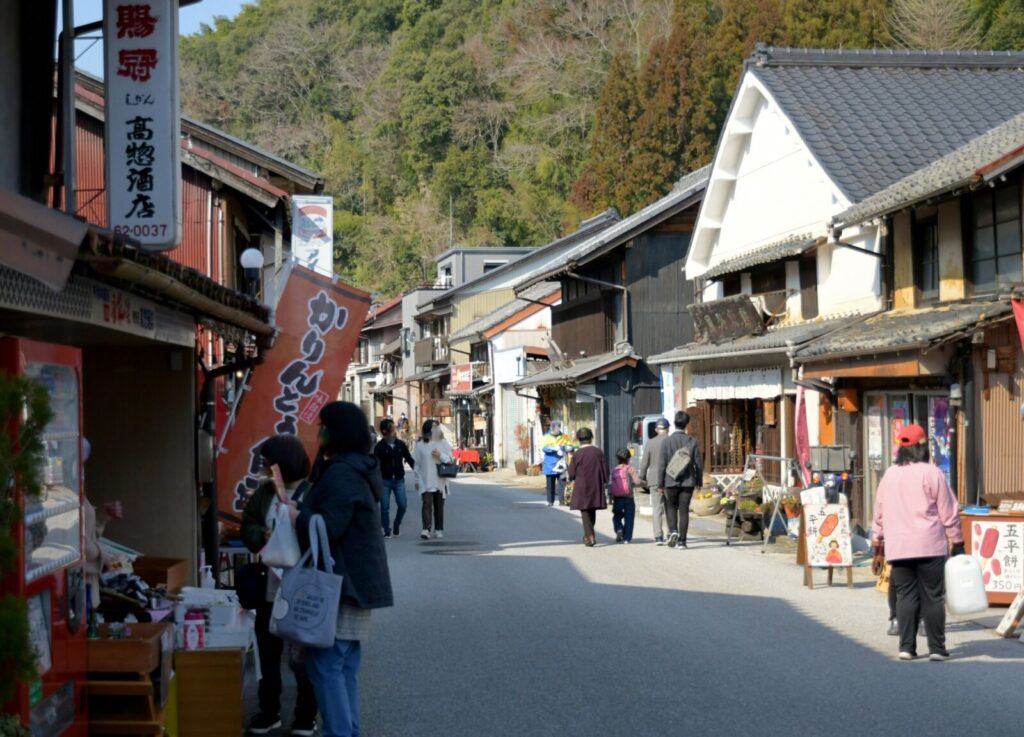
Visitors can also explore the historic Asuke area, which has preserved traditional streets and buildings. Asuke developed as an important transportation and commercial center, and its historic character provides a useful complement to the natural scenery of Korankei.
Visiting Korankei at Night
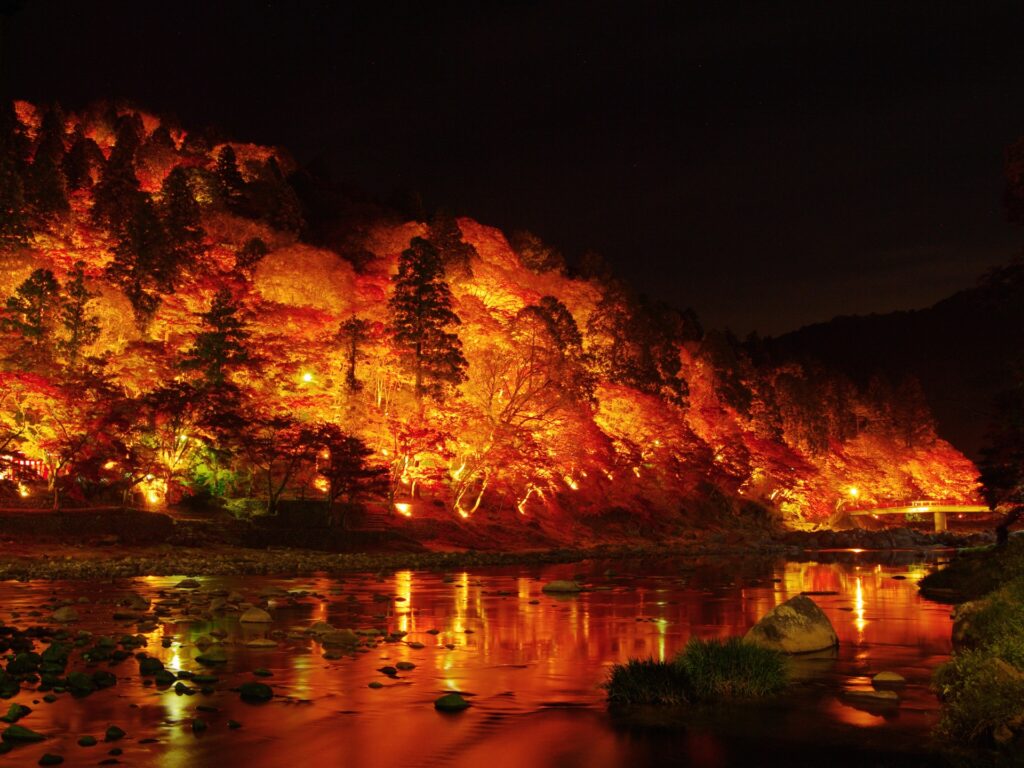
One of the most popular features of the autumn festival is the nighttime illumination.
During November 2026, the maple trees will be illuminated until 9:00 p.m. every night. Seeing the foliage after dark offers a different experience from visiting during daylight, as the lighting emphasizes the colors and shapes of the trees along the river.
Visitors should be aware that the surrounding mountains are not open for unrestricted nighttime hiking. Although there have been no reported bear sightings at Korankei, wild boar and deer live in the surrounding mountains and are more likely to be encountered between sunset and early morning.
For safety reasons, the three routes leading toward the summit of Mount Iimori are closed to nighttime access. Visitors can still go as far as the grounds of Kojakuji Temple, but they cannot continue from there toward the mountain summit after the designated nighttime closure.
When Is the Best Time to Visit?
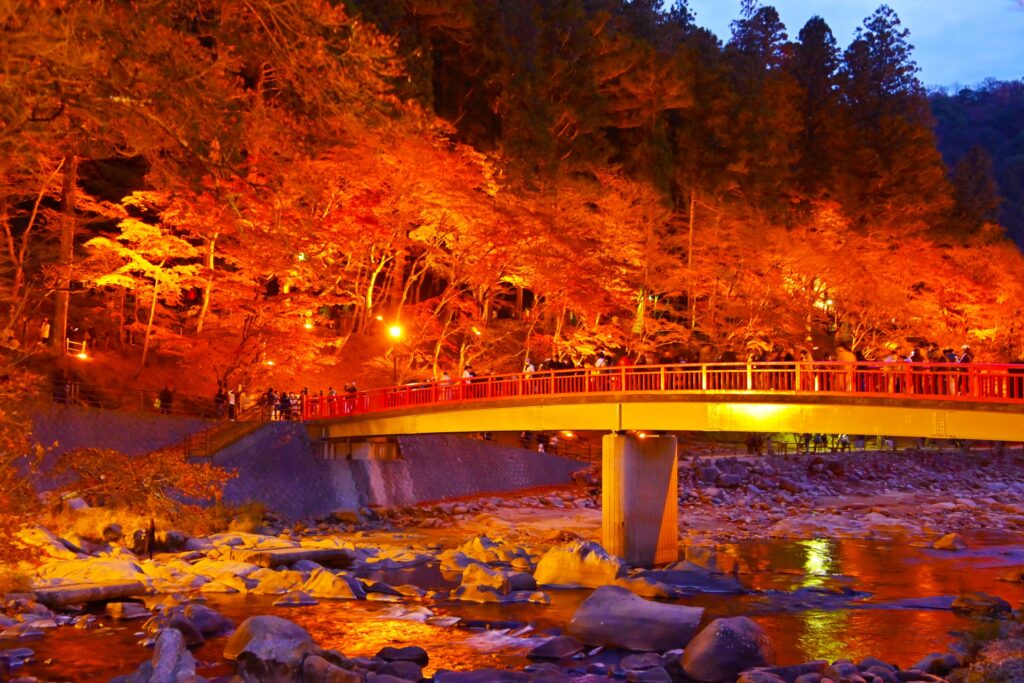
November is the main season for the Korankei Autumn Leaves Festival, but foliage conditions vary from year to year depending on weather. Typically the end of November into early December is the best for peak colors.
If seeing the foliage at its peak is your main priority, check recent local foliage reports shortly before your visit rather than relying only on a fixed calendar date.
Weekends and the middle of November can be particularly busy. Travelers who prefer a quieter experience should consider visiting on a weekday, arriving earlier in the day, or visiting in early December after the festival is over.
An early visit also makes it easier to explore the area before the crowds increase and gives you time to visit Kojakuji Temple and the historic Asuke district.
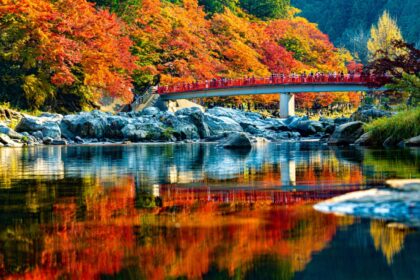
Guided tour of Korankei
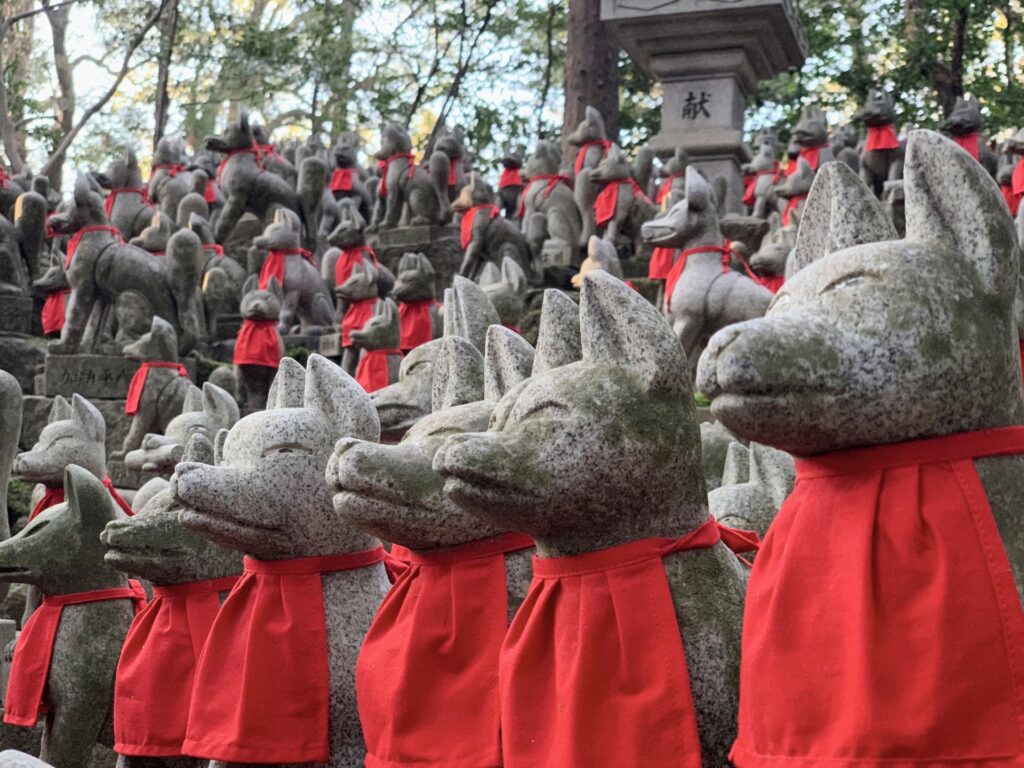
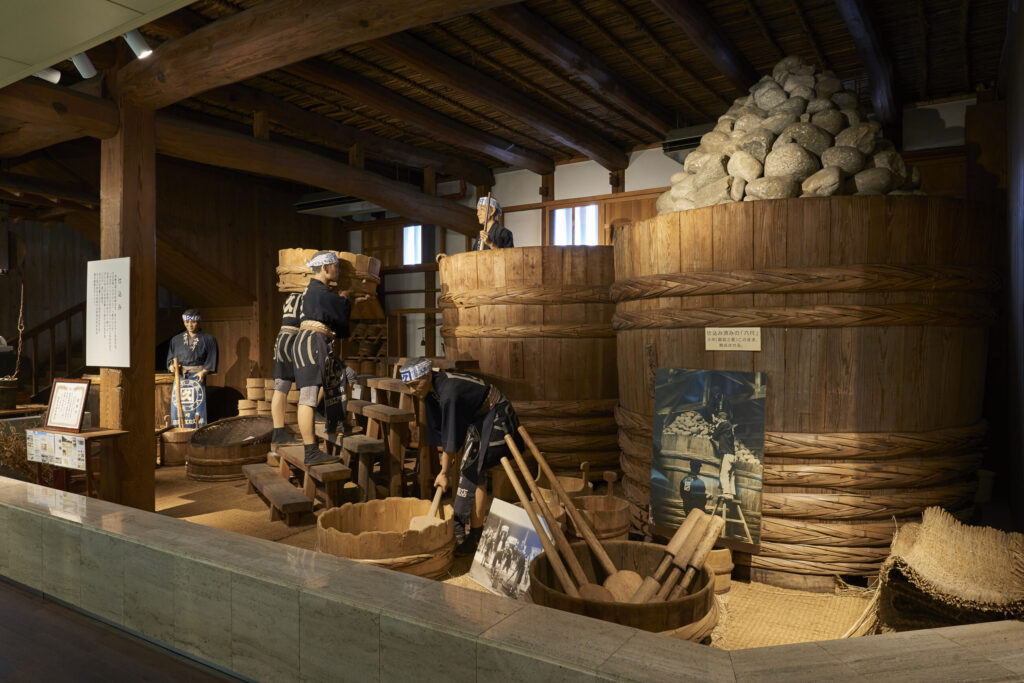
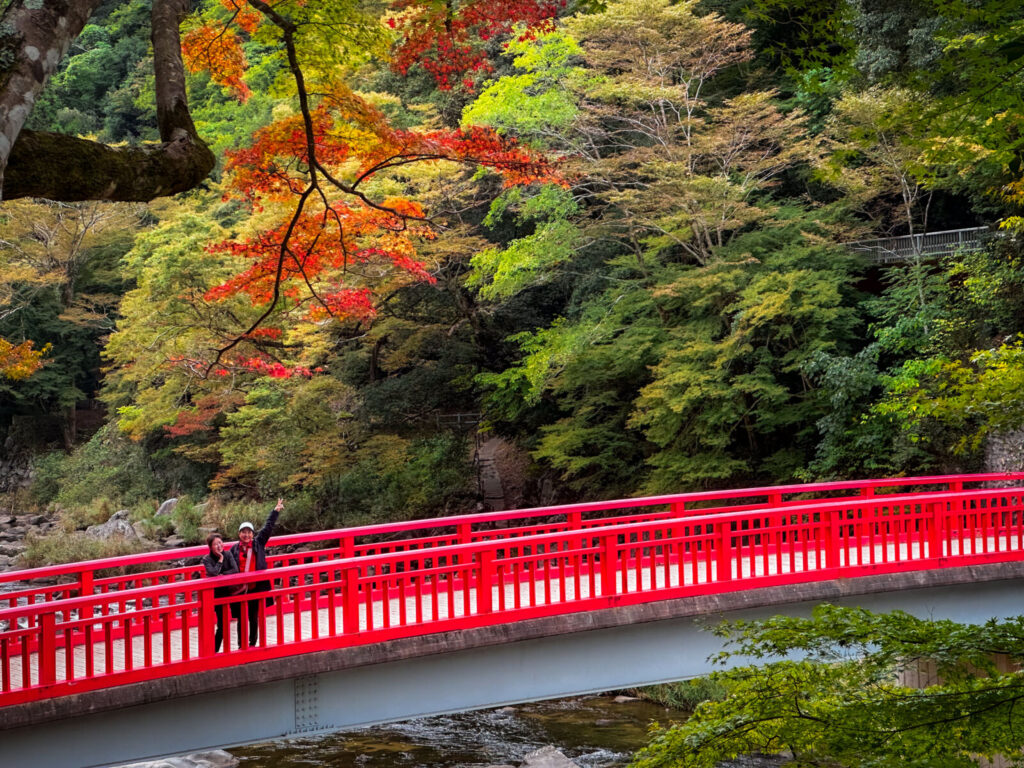
Recommended Tour: Snow Monkey Resort's 1-Day Tour from Nagoya: Korankei Gorge & Fox Shrines—A Photographer's Paradise is not only a photographer’s dream, taking you to some of Nagoya’s most photogenic spots, but also offers a perfect blend of nature, culture, and timeless beauty.
Travel to the iconic Toyokawa Inari Shrine and capture the serene beauty of its one thousand stone foxes. Marvel at the natural beauty of Korankei Gorge, one of Japan’s top spots for autumn foliage, where the vibrant colors of over 4,000 maple trees reflect off the tranquil waters. Explore Sanshu Asuke Yashiki Village, a picturesque open-air museum, where rural charms and traditional crafts await.
How to Get to Korankei
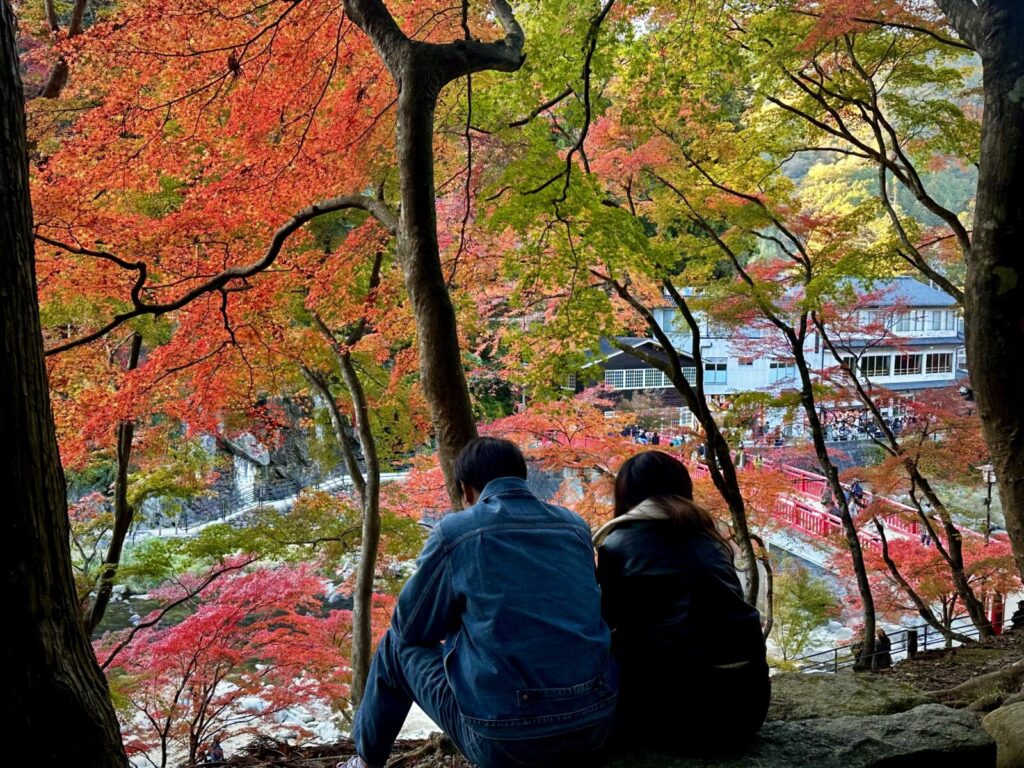
Korankei is in a mountainous area, so travel takes longer than the relatively short distance from central Nagoya might suggest. Public transportation is available, but visitors should allow sufficient time, particularly during the busy autumn season.
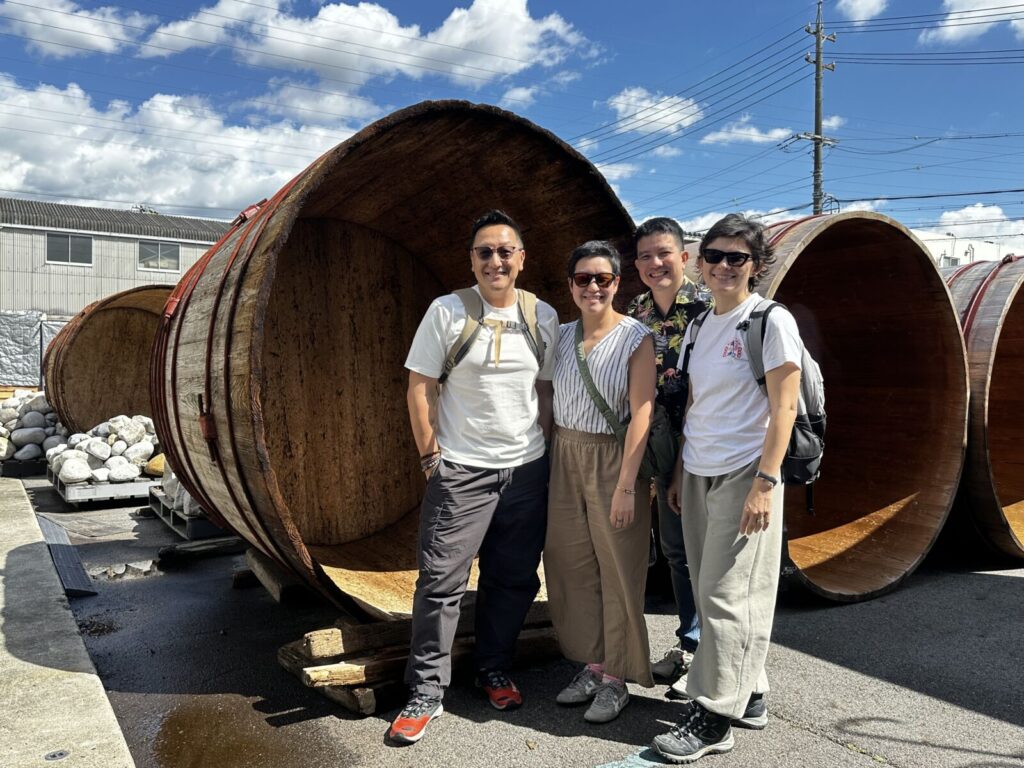
Our guided tour 1-Day Tour from Nagoya: Discover Aichi — Korankei, Miso, & Inari Shrine includes a stop in Korankei as well as several other interesting locations in the area including the famed 1000 fox shrine of Toyokawa Inari and a Miso factory in Okazaki. The tour includes round trip transportation from Nagoya and a dedicated, professional guide. Our tour departs Korankei before sunset, but if you are interested in viewing the illuminations, you are welcome to end the tour in Korankei and make your way back to Nagoya on your own.
Of course, we also offer private tours and transport in and around the Nagoya area, and other regional destinations. We can also arrange for both custom tours with an English-speaking guide or a private charter.
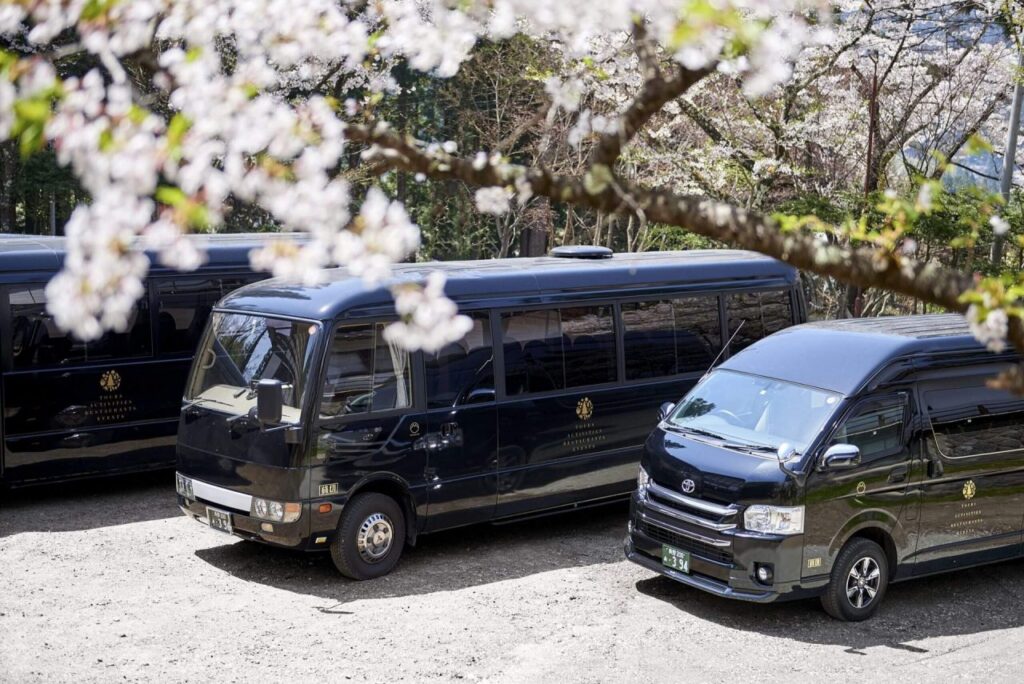
Our drivers and vehicles are fully certified, allowing us to transport you to and from your preferred destinations in combination with any activity that suits your schedule. All vehicles are well-maintained and in good condition, allowing you to relax and enjoy your ride to wherever you are going.
With door-to-door service, we can pick you up from where you are and take you to where you want to go anywhere in Central Japan and the neighboring regions.
For more information, please check our standard charter rates or contact us for a custom trip. We’d love to be part of your adventure in Central Japan and help you discover even more!
Frequently Asked Questions (FAQ)
When is the Korankei Autumn Leaves Festival in 2026?
The 71st Korankei Autumn Leaves Festival will be held from November 1 through November 30, 2026.
What time is Korankei open?
The Korankei grounds are open throughout the day. During the November festival, nighttime illumination continues until 9:00 p.m. every evening.
What is the best time to see the autumn leaves?
The festival runs throughout November, but the exact peak foliage period changes from year to year. Check the latest foliage conditions before your visit if seeing peak colors is important to you.
Is Korankei better during the day or at night?
Both offer different experiences. Daytime is best for seeing the surrounding mountains, river, temple, and traditional scenery. Nighttime offers the illuminated maple trees.
How long should I spend at Korankei?
Plan for at least several hours. This allows time to walk along the river, visit Kojakuji Temple, see the maple trees, and explore some of the surrounding Asuke area.
Where exactly is Korankei?
Korankei is located in Asuke-cho, Toyota City, Aichi Prefecture.
How do I get to Korankei from Nagoya?
If you wish to travel by public transportation, take the train toward Toyota or Jōsui and then continue by bus to Korankei. Because connections and seasonal bus schedules can vary, check the latest transportation timetable before traveling.
For a more convenient option, consider joining our 1-Day Tour from Nagoya: Discover Aichi — Korankei, Miso, & Inari Shrine with includes round-trip transportation from Nagoya Station.
Can I hike Mount Iimori at night?
No. The three routes leading to the summit of Mount Iimori are closed at night for safety reasons. Visitors can reach the grounds of Kojakuji Temple but cannot continue toward the summit after the nighttime restriction begins.