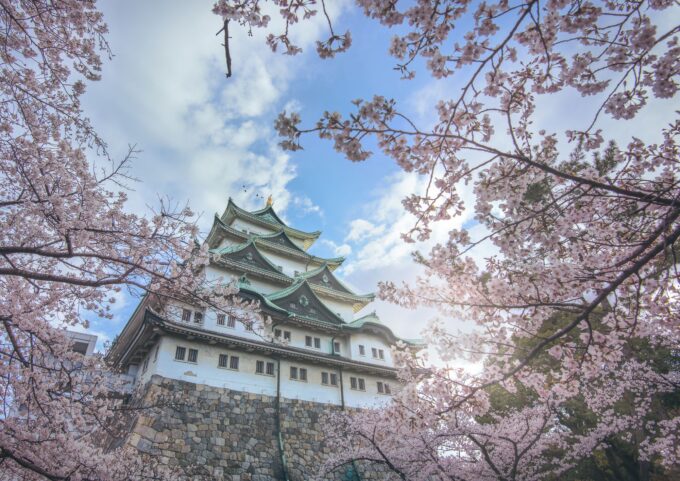



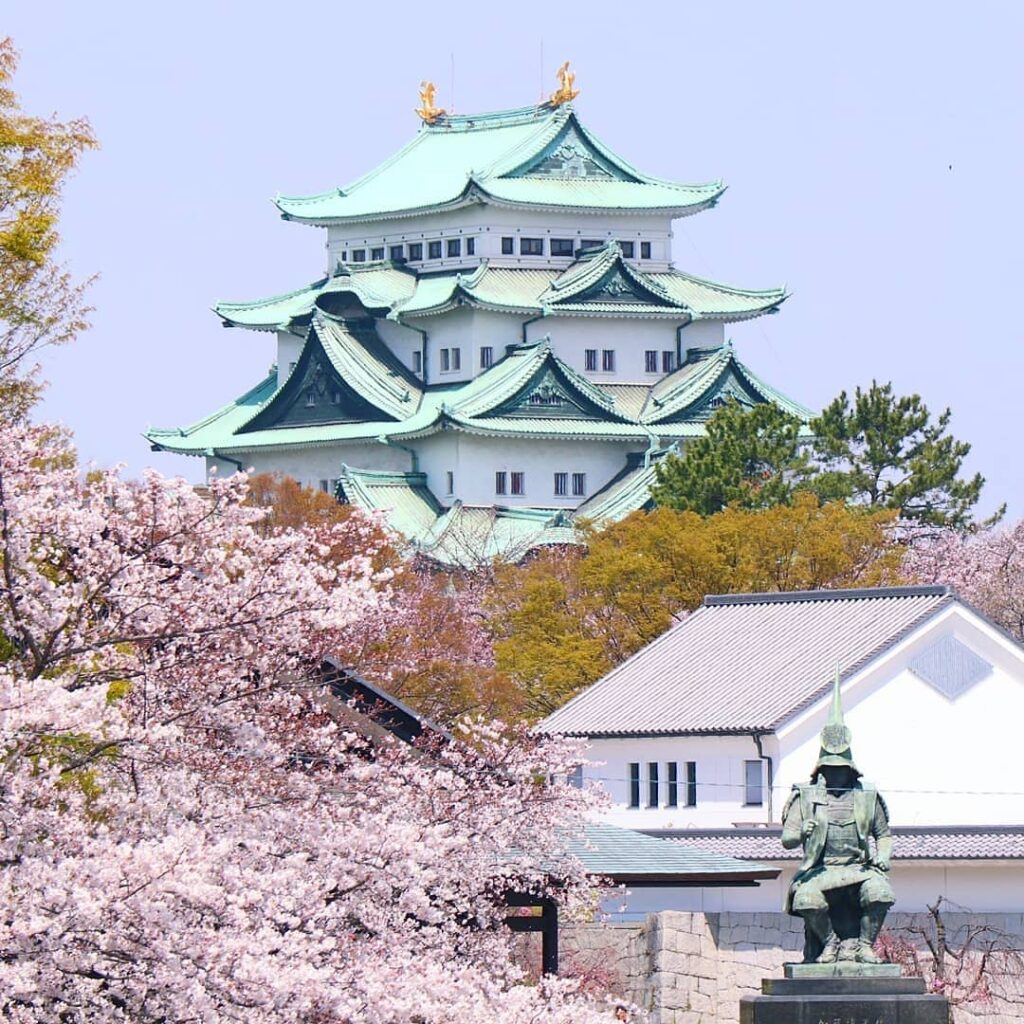
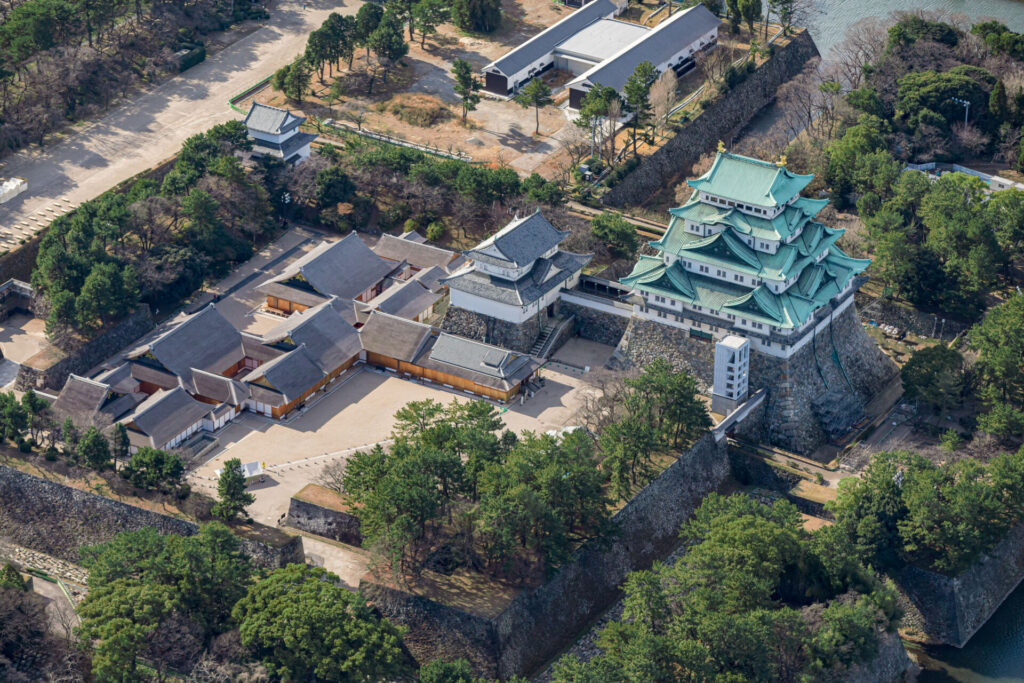
Nagoya Castle, located in Nagoya City, stands as one of Japan's most iconic and historically significant castles. Originally constructed in the early 1600s by Shogun Tokugawa Ieyasu, the castle has served as both a military stronghold and a symbol of Nagoya’s cultural identity. Renowned for its golden shachihoko (mythical tiger-fish roof ornaments), sprawling grounds, and reconstructed Honmaru Palace, Nagoya Castle continues to captivate tourists from around the world.
A Brief History of Nagoya Castle

- Completed in 1615 under Tokugawa Ieyasu during the Edo Period (1603–1868)
- Originally constructed to secure strategic routes and assert Tokugawa authority
- Became the first Japanese castle designated as a National Treasure
- Destroyed during WWII, but much of its original interior artwork was preserved
- Today, the Honmaru Palace has been painstakingly reconstructed, while the main keep awaits full wooded restoration using historical materials and techniques
Nagoya Castle was once the heart of the city and region. Constructed by Shogun Tokugawa Ieyasu, the castle was topped with golden “shachihoko” (tiger fish) and boasted the largest floor space of any tower keep in Japan. The castle, with its golden Honmaru Palace, became Japan’s first castle to be designated a National Treasure. As one of the most important castles in Edo Period Japan (1603-1868), the story of the castle is inextricable from that of the city and its people.
Kinshachi: The Golden Guardians of Nagoya Castle
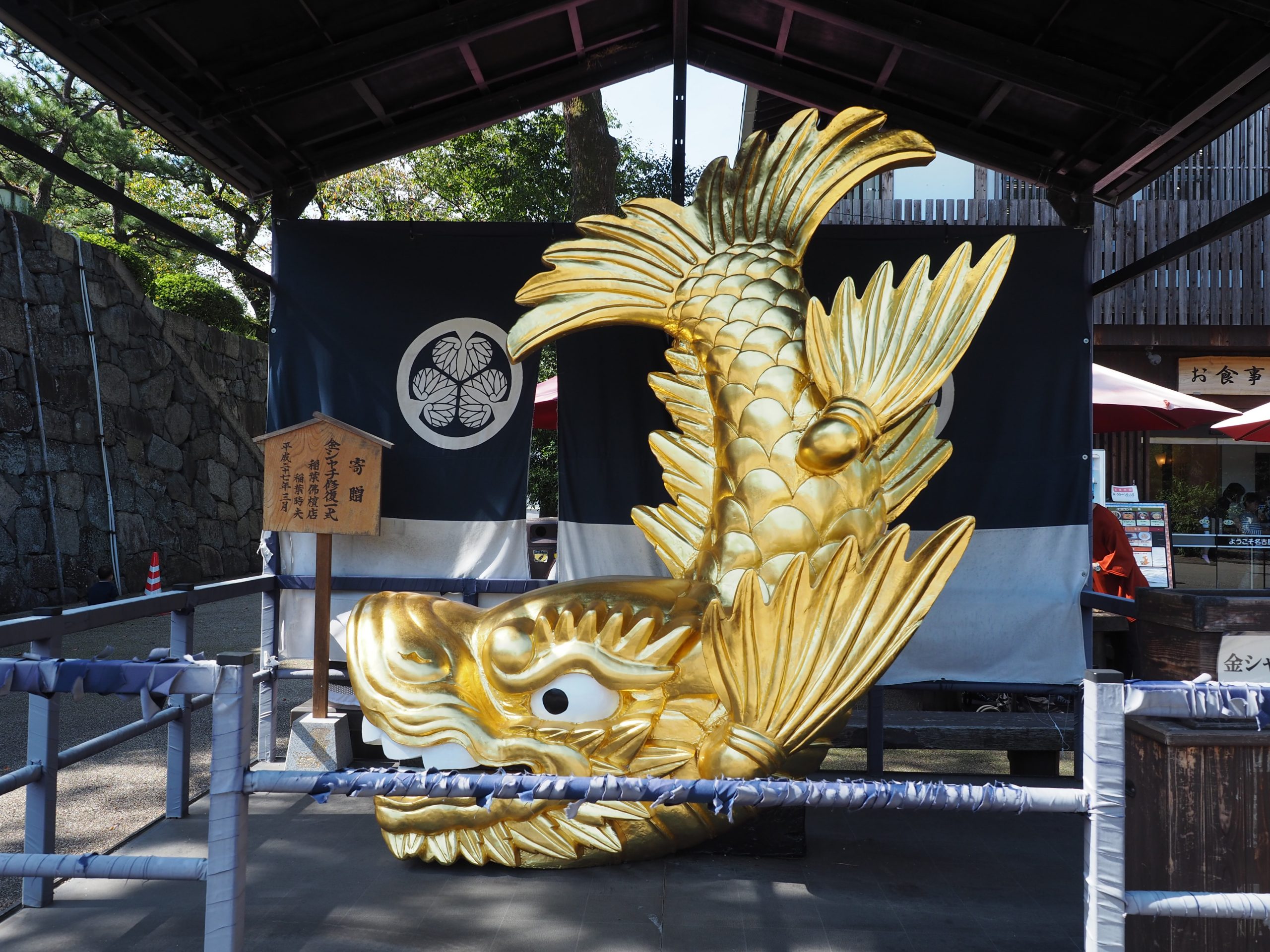
The roof of Nagoya Castle is famously adorned with two golden Shachihoko “tiger-fish” roof ornaments, nicknamed “Kinshachi”—mythical golden tiger-fish believed to protect the castle from fire. Their lore traces back to Japan’s unification period under Oda Nobunaga.
- Material: 18-karat gold
- Size: 2.6 meters tall (largest in Japan)
- Gold used: Approx. 320 kg (valued at ~400 million yen)
Shachihoko are mythical creatures thought to live in the cold northern oceans and possess the ability to swallow a massive amount of water and control the rain. According to legend, Oda Nobunaga, the first great unifier of Japan began placing figures of these mythical beasts atop his castles, with their tails pointing towards heaven, as talisman to prevent the spread of the number one threat to Japan’s great wooden castles—fire.
The pair of Kinshachi atop Nagoya Castle are covered in 18 karat gold and are the largest in Japan at roughly 2.6 meters in height. They were originally made by melting down 320 kg of gold coins (worth about 400 million yen). It is said that during the Edo period, the glitter of the Kinshachi seemed to reach the Tokaido Road.
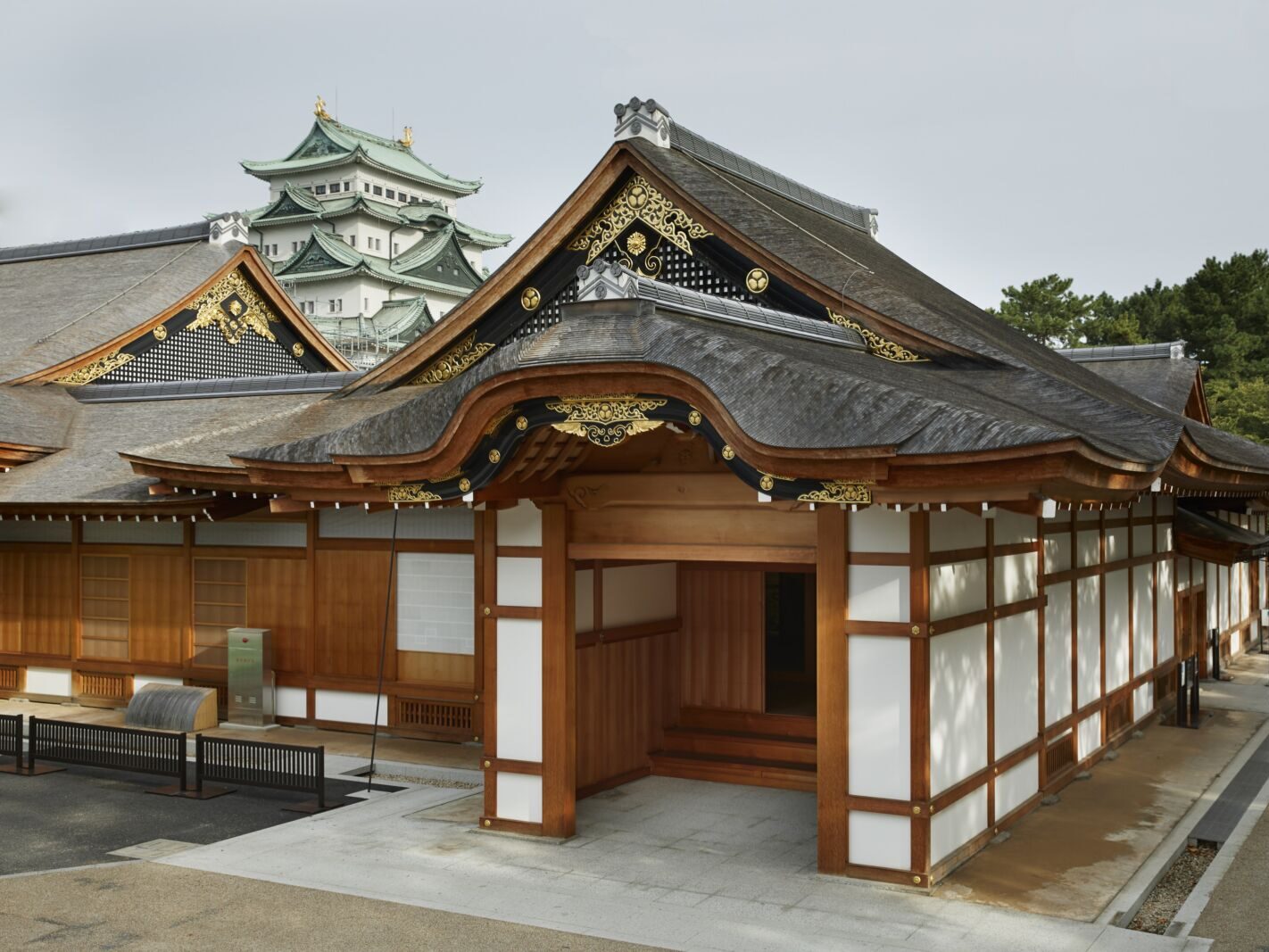
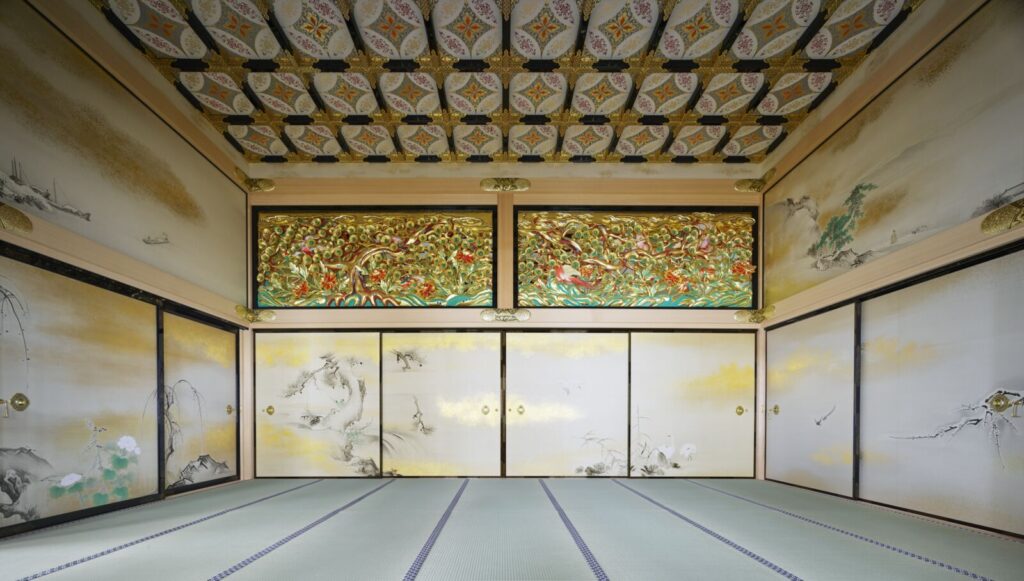
Sadly, the castle and the Kinshachi were largely destroyed in air raids during the Second World War, however, due to the castle’s importance, 1,047 of the gilded sliding doors, decorative screens, and ornate decorations were stored for safekeeping and therefore remain intact. The Honmaru palace has been faithfully reconstructed and today stands with some original structures, including moats, walls, and turrets, as the city’s main tourist attraction.
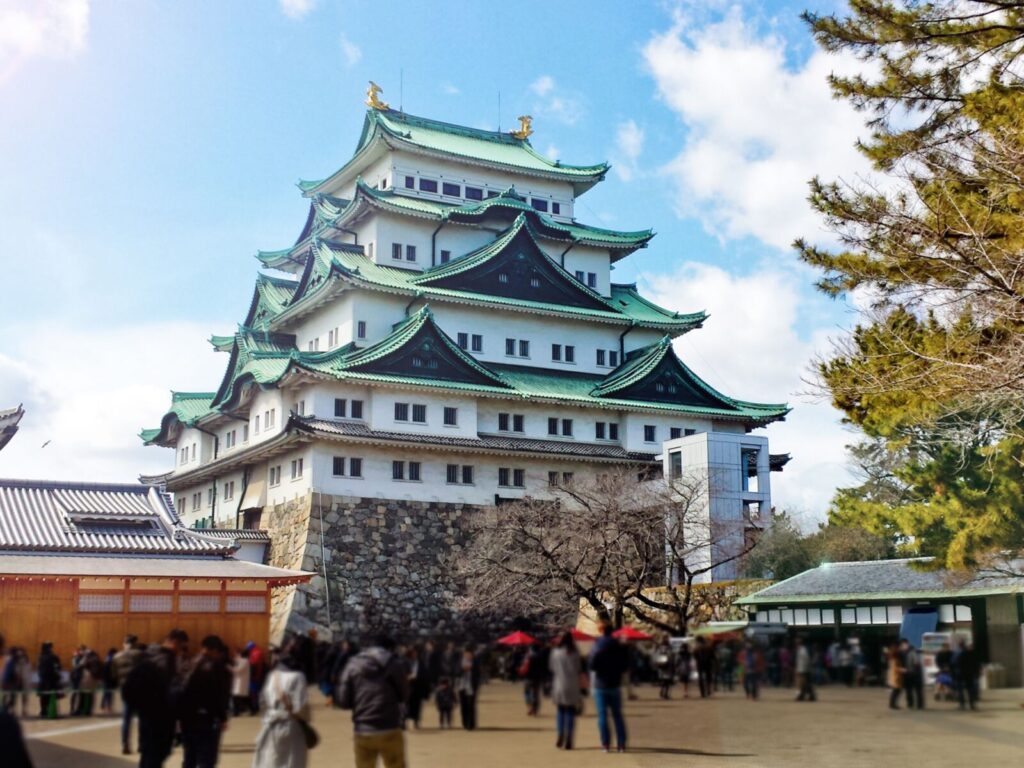
As such an important historical and cultural site, Nagoya castle’s main keep was reconstructed shortly after the Second World War using steel reinforced concrete. While its appearance resembles the original tower, the interior was turned into a museum showcasing many local historical items, images, and models. However, concerns over earthquake resistance and aging have forced the closure of the keep. Nagoya City is currently in the process of authentically rebuilding the keep using the abundant historical materials and records dating as far back as the Edo Era.
Touring Nagoya Castle
A tour of the interior of Honmaru palace and exploration of the castle grounds should certainly be at the top of any tourists’ destinations in Nagoya. Learn more about the fascinating history and hidden secrets of Nagoya Castle by joining one of our tours of Nagoya with an English-speaking guide.
Main Attractions:
- Honmaru Palace: Faithfully rebuilt with original materials and craftsmanship
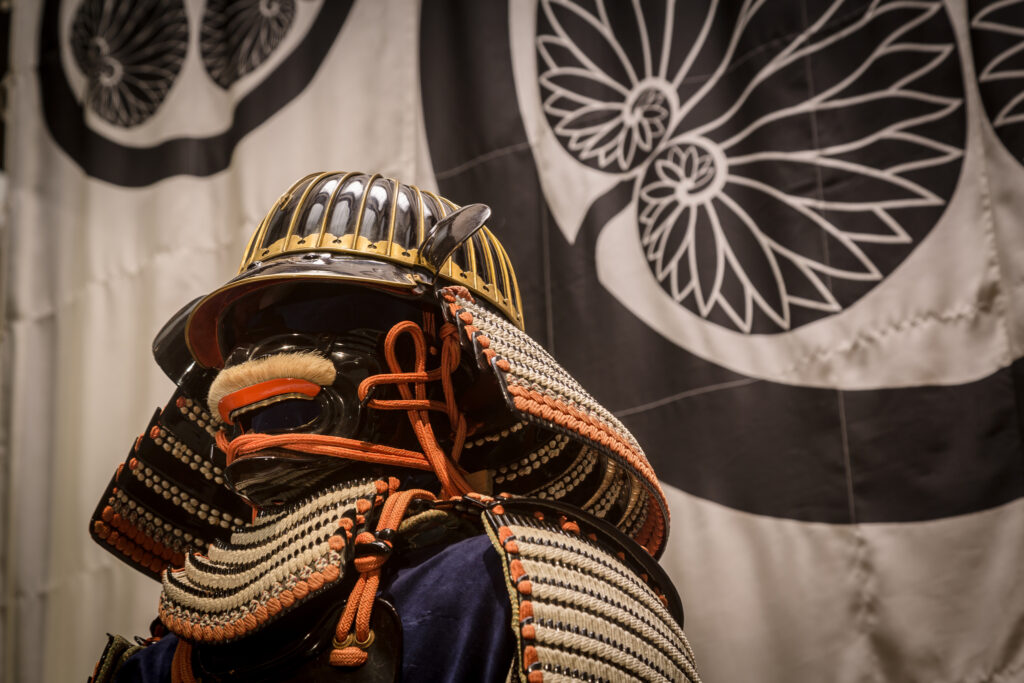
- Castle Museum: Exhibits showcasing Edo-period artifacts, dioramas, and samurai armor
- Moats, Walls, and Turrets: Some remain original and are open to the public
- Kinshachi Statues: View up close on-site or in the museum display
Current Status:
- Main Keep: Closed for seismic reconstruction using traditional wooden techniques
- Honmaru Palace: Fully open to visitors and highly recommended
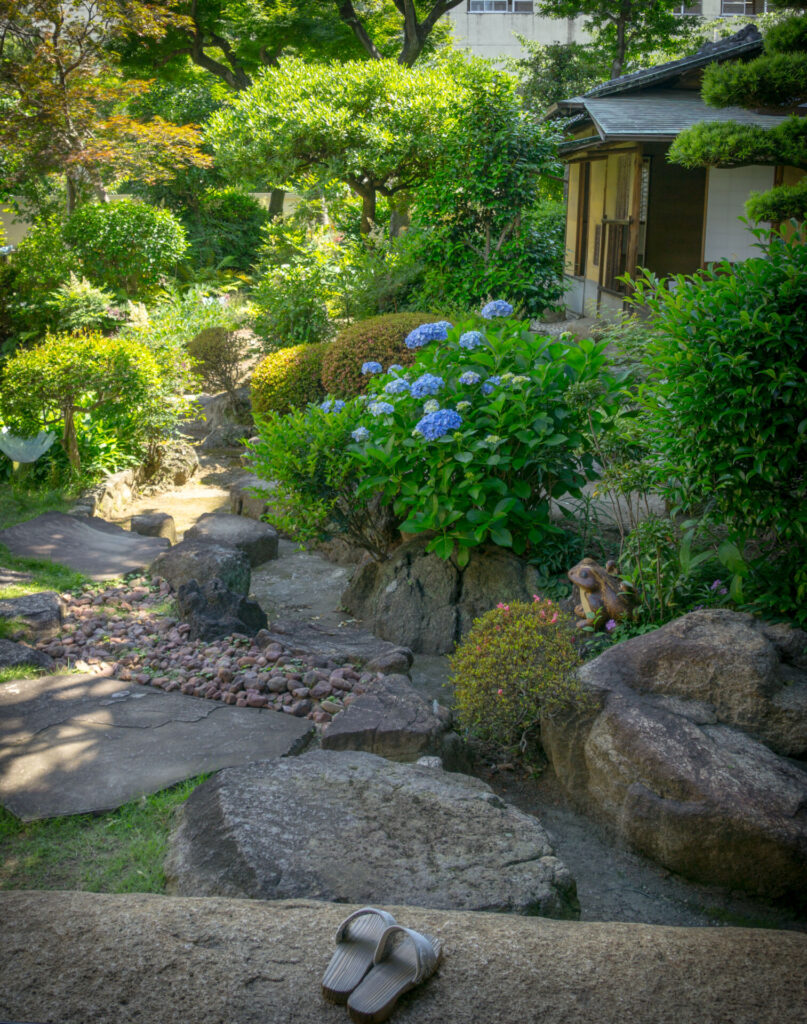
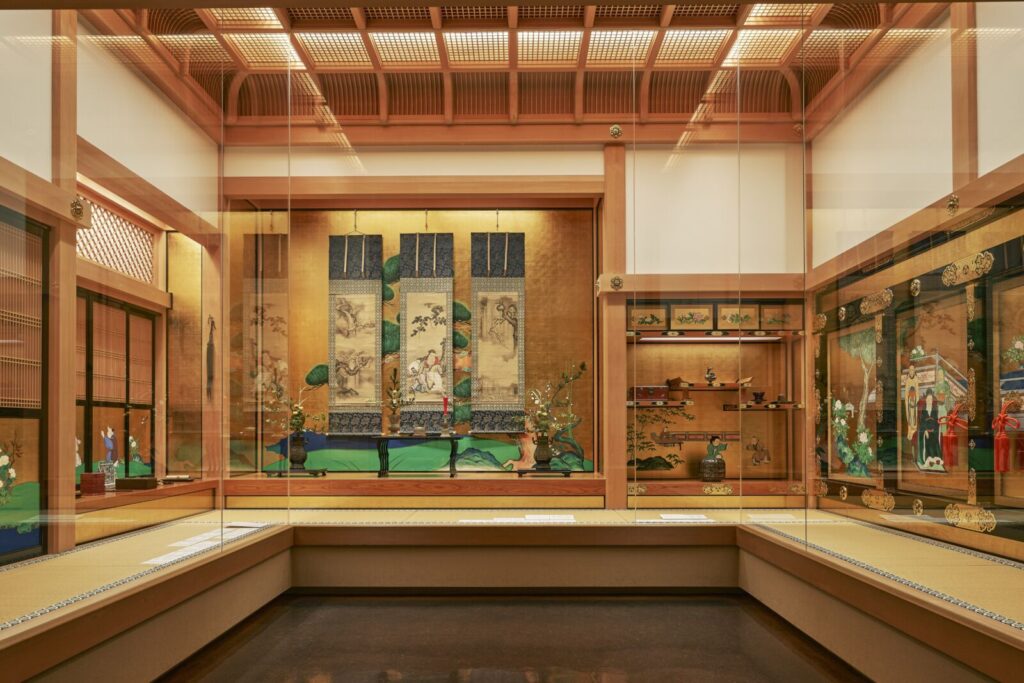
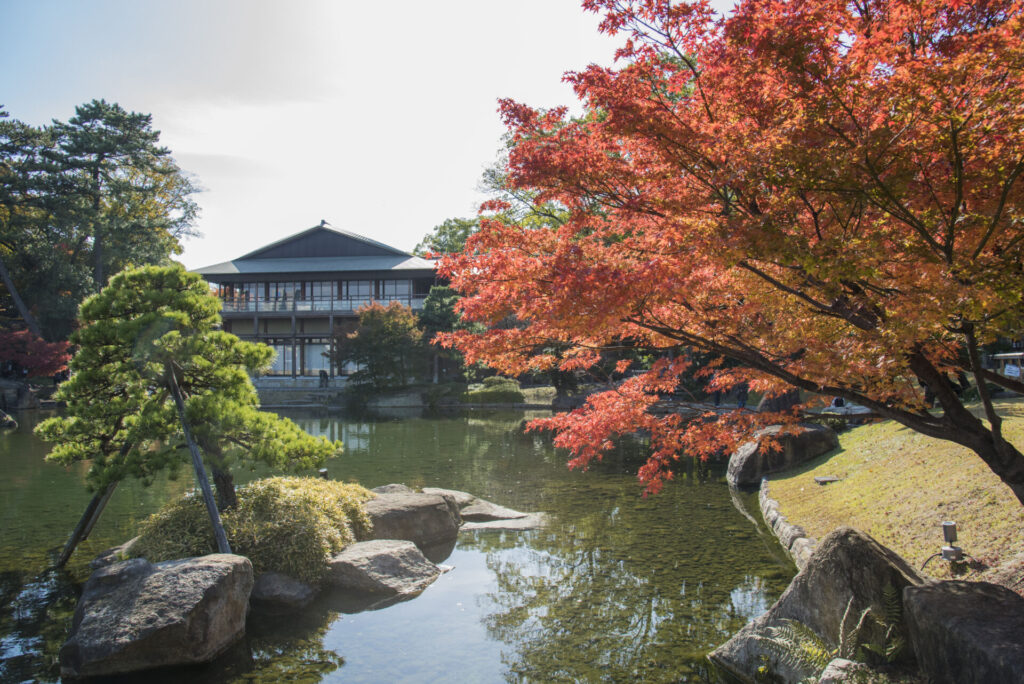
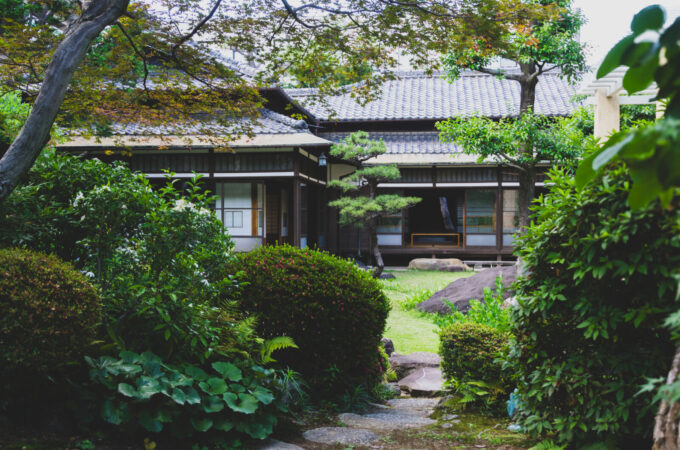
Recommended Tour: Snow Monkey Resort's 1-Day Guided Garden Walk through Nagoya's Castle, Gardens, and Historic Estates will take you into several historical estates and private gardens of Nagoya's titans of industry. Marvel at the gilded artwork and golden screens in Honmaru Palace and sip tea while gazing at a garden designed for a daimyo as you are led by an experienced, English-speaking guide through Nagoya on this full-day tour.
Frequently Asked Questions (FAQ)
What is the significance of the golden Kinshachi on top of castles in Japan?
The Kinshachi are mythical creatures believed to protect castles from fire. Their placement on castle rooftops was symbolic and practical in ancient Japan.
Can you go inside Nagoya Castle’s main tower?
Currently, the main keep is closed due to reconstruction and safety concerns. However, the palace is open and is highly worth visiting.
Is Nagoya Castle wheelchair accessible?
Yes, most areas of the castle grounds and Honmaru Palace are wheelchair accessible. However, some areas may have traditional features like tatami flooring or rough gravel.
When is the best time to visit?
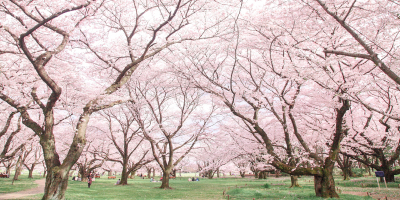
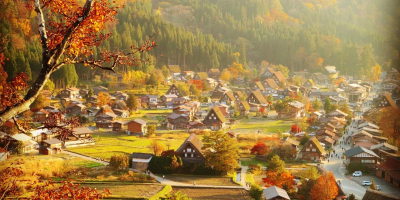
Spring (cherry blossom season) and autumn (fall foliage) offer the most scenic views. Try to avoid New Year holidays when the castle is closed.
Are English tours available of Nagoya Castle?
Yes! Snow Monkey Resort offers English-speaking guided tours of Nagoya Castle year-round for deeper insights and a more interactive experience. All tours are led by locally-based guides and will take you around the must-see sights in Nagoya, as well as some lesser known gems.
Of course, we also offer private tours and transport in and around the Nagoya area, and other regional destinations. Our drivers and vehicles are fully certified, allowing us to transport you to and from your preferred destinations in combination with any activity that suits your schedule. All vehicles are well-maintained and in good condition, allowing you to relax and enjoy your ride to wherever you are going.
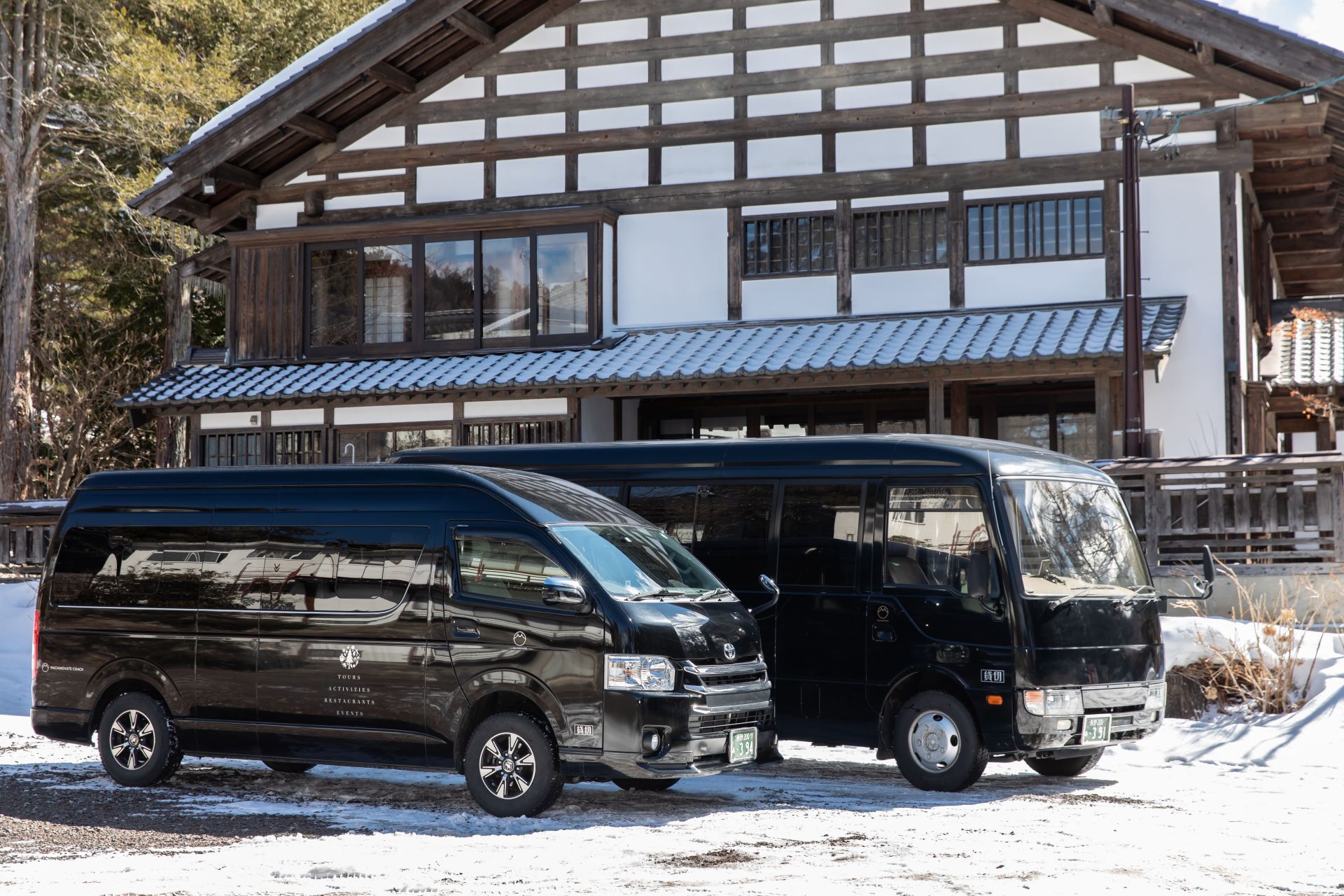
We can arrange both private tours with an English-speaking guide or a private charter. With door-to-door service, we can pick up you up from where you are and take you to where you want to go anywhere in Central Japan and the neighboring regions. For more information, please click HERE to check availability and pricing for your trip. We’d love to be part of your adventure in Central Japan and help you discover even more!