

One of the Three Great Gardens of Japan
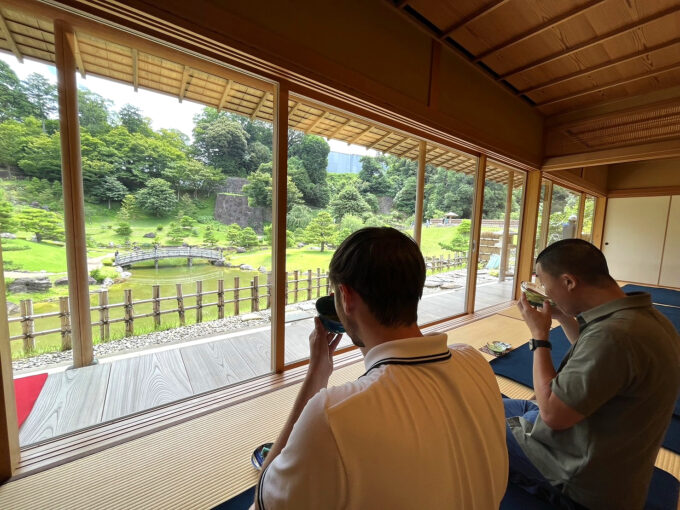
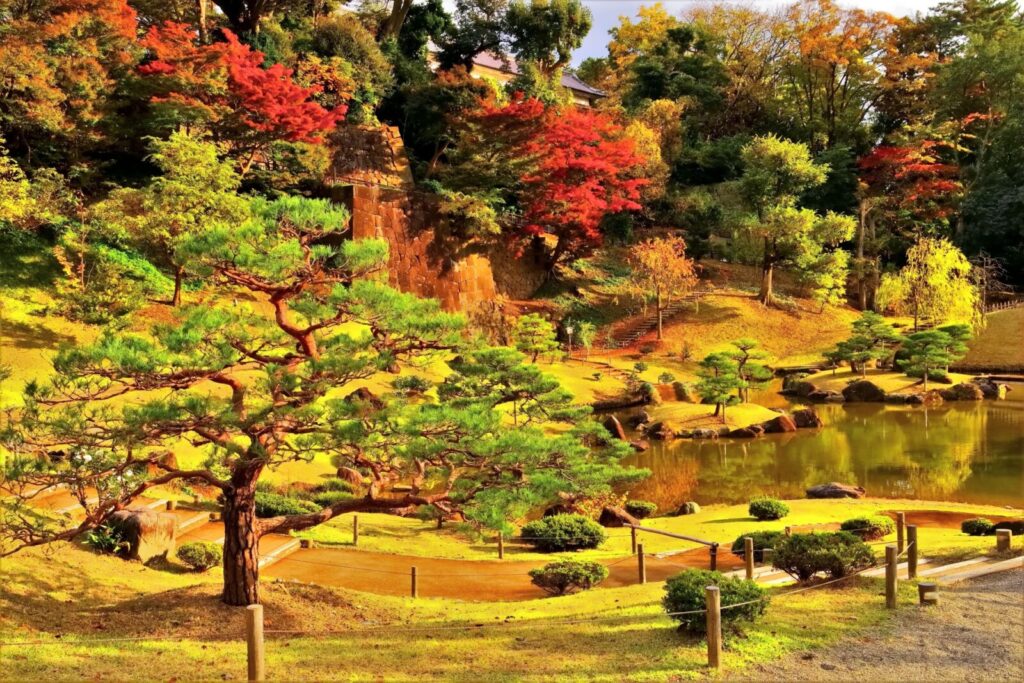
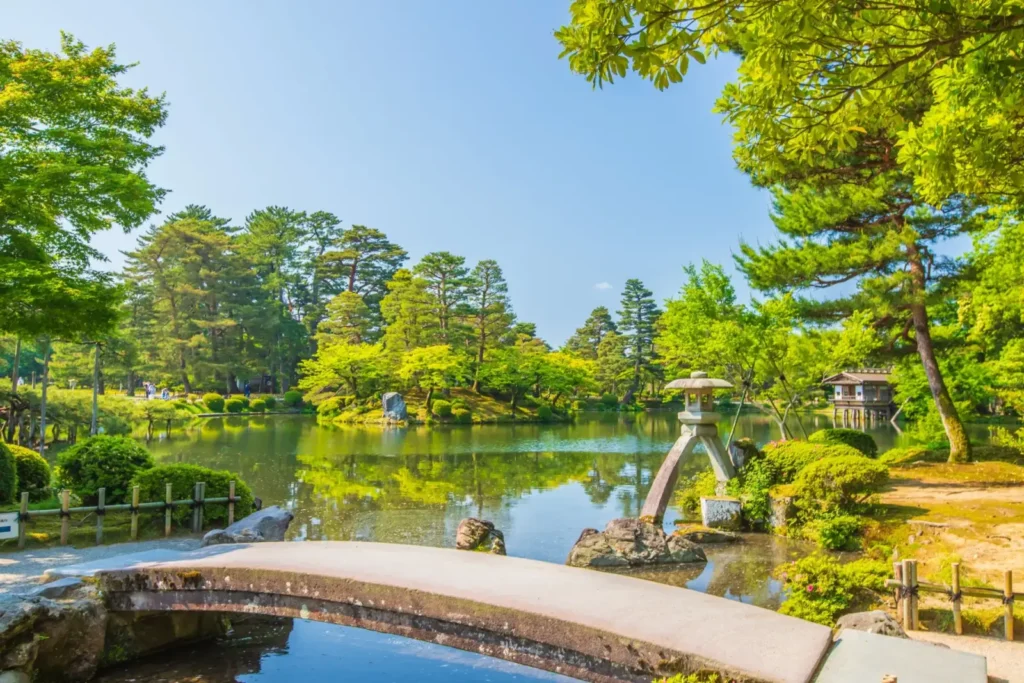
Kanazawa is famous for being flush with tradition. This is seen through its romantic cityscape, historical arts and crafts, and beautiful gardens. Translated as the ‘Garden of the Six Sublimities’, Kenrokuen Garden is designed according to Chinese landscape theory and the six essential attributes needed to create an ideal garden. The garden is regularly cited as one of Japan’s most beautiful, with each season imbuing the grounds with its own unique beauty. Explore it at your own pace and find your favorite spot among the hundreds of scenes throughout the garden.
A Brief History of Kenrokuen Garden
Opened to the public in 1871, Kenrokuen Garden was originally reserved for the ruling Maeda clan, who were the wealthiest and most powerful family during the Edo Period (1603-1868) behind the Togukawa Shogunate.
In 1601, a daughter of the Tokugawa clan married into the Maeda family and, as a gesture of good faith, the second lord of Kanazawa built housing just outside the castle grounds for the 300 escorts who accompanied her from Tokyo. The area, called Edo-machi, is now a series of small cafes and shops along the promenade leading into Kenrokuen.
It wasn't until 1676 that the garden was officially constructed on the orders of the fifth lord, who wanted a villa overlooking the castle. As the Edo Period progressed, other lords expanded the garden and put their own personal touches on it. The 13th lord took particular interest in the garden; several of the most visually-interesting trees were planted by his own hand and he oversaw the construction of the Seisonkaku Villa. Local legends say that he got the seeds during a visit to Biwa Lake and brought them back to Kanazawa.
What makes Kenrokuen Garden so special?
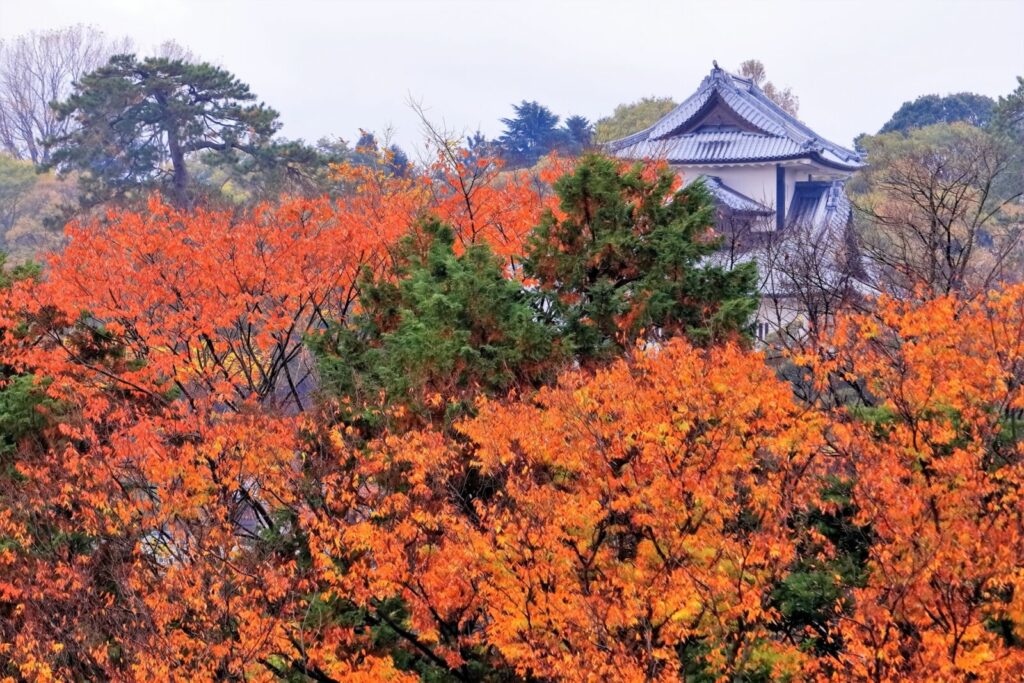
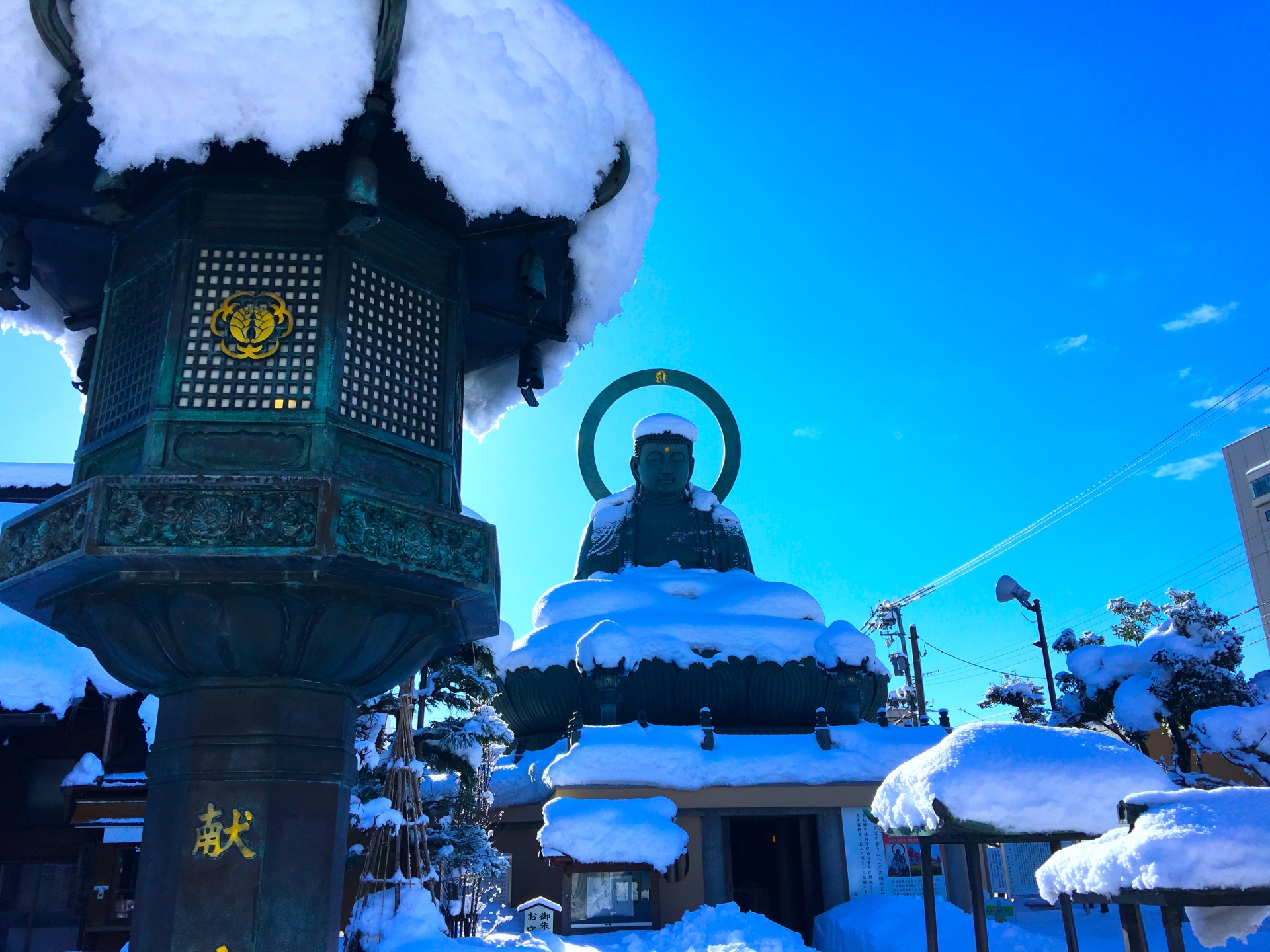
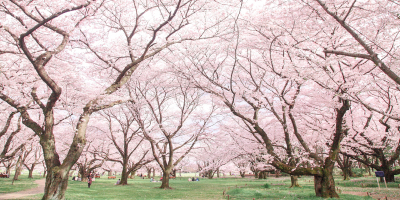
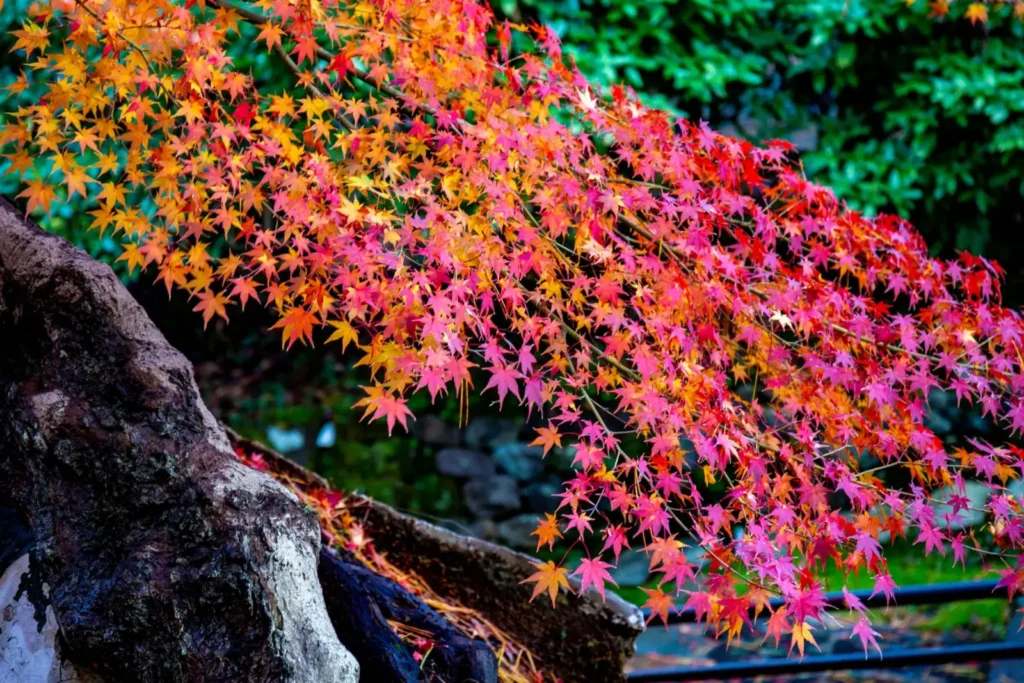
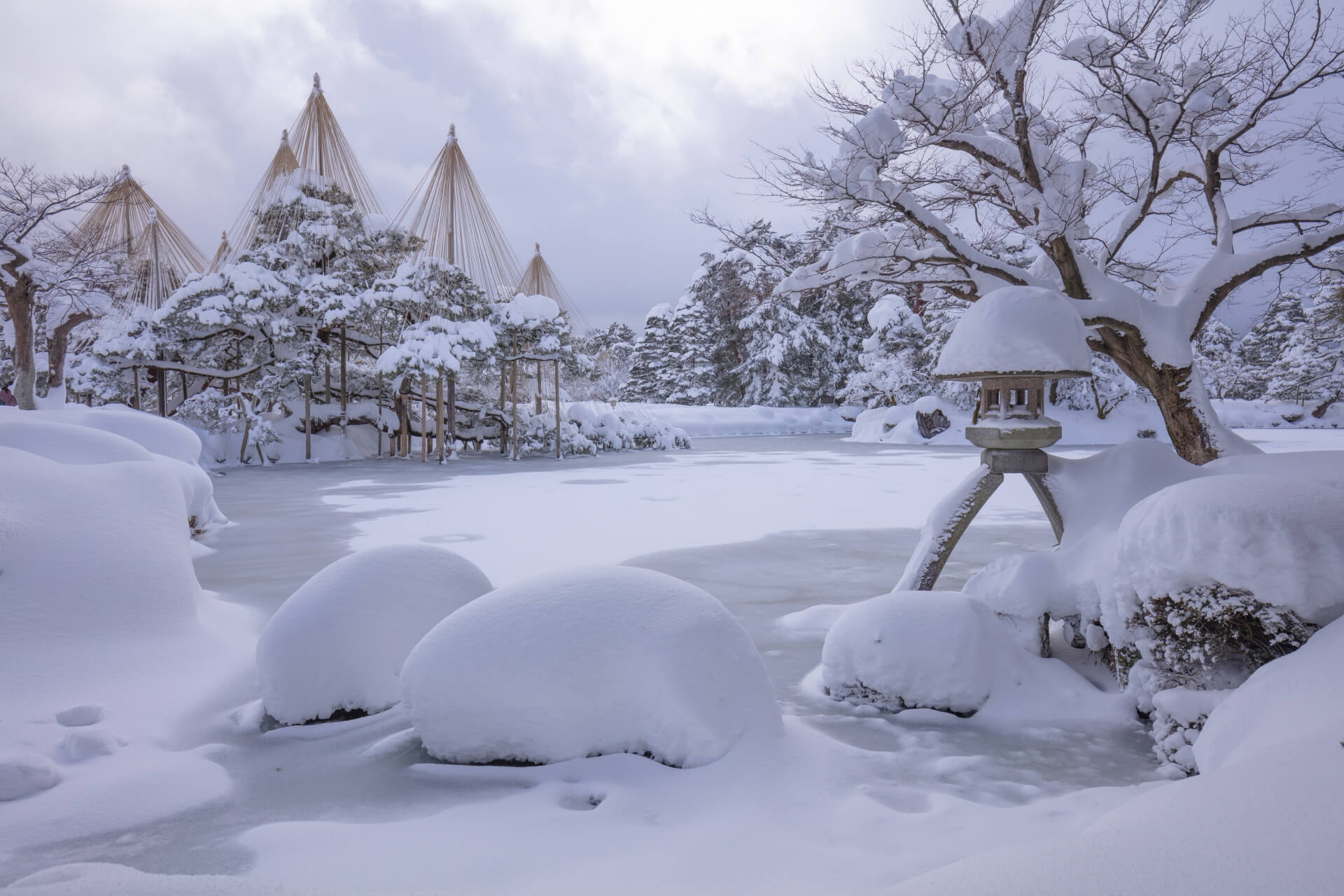
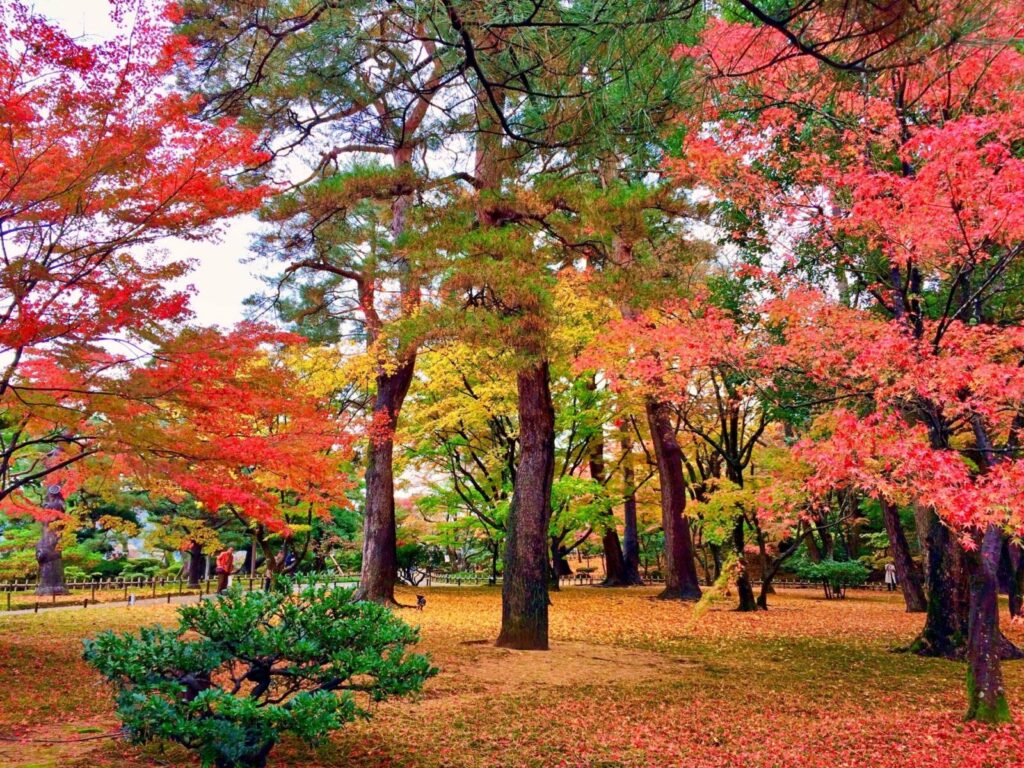
Water features, landscaped gardens, bridges, viewpoints and teahouses make the garden very pleasant to wander through. Each season brings with it something special. The winter brings heavy snow and the beautiful golden tree supports that contrast well against the white snow. The spring starts at the end of February and March with plum blossoms that are followed by cherry blossoms around the first week of April. In summer the garden acts like an excellent retreat from the heat, with its forests and water features. The autumn leaves begin to change at the end of October but don't come to full color until the beginning of November. There really is something for everyone in every season.
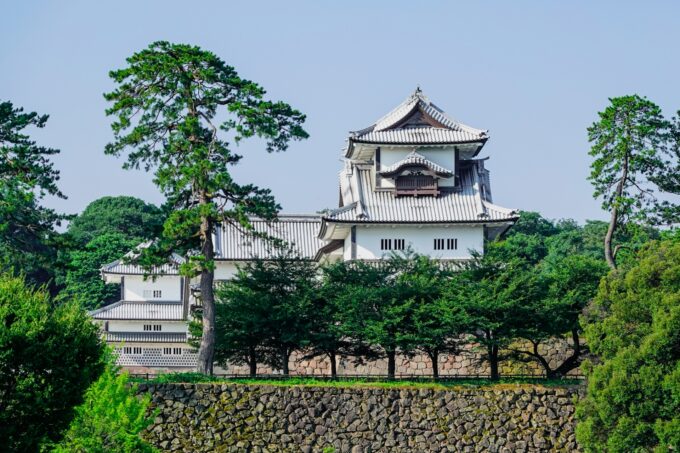
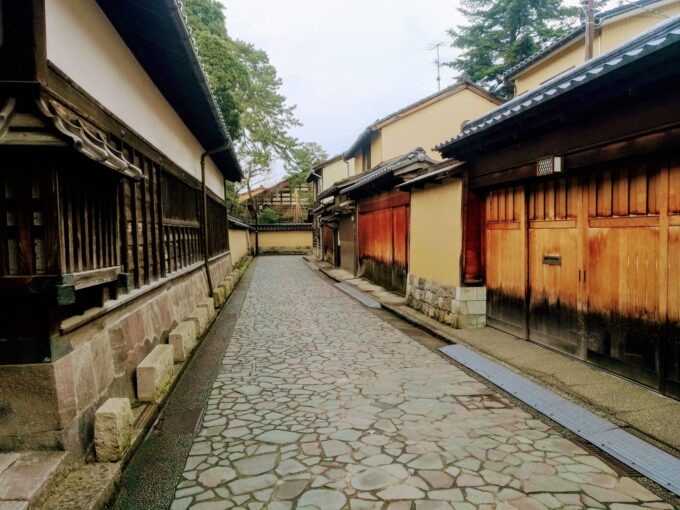
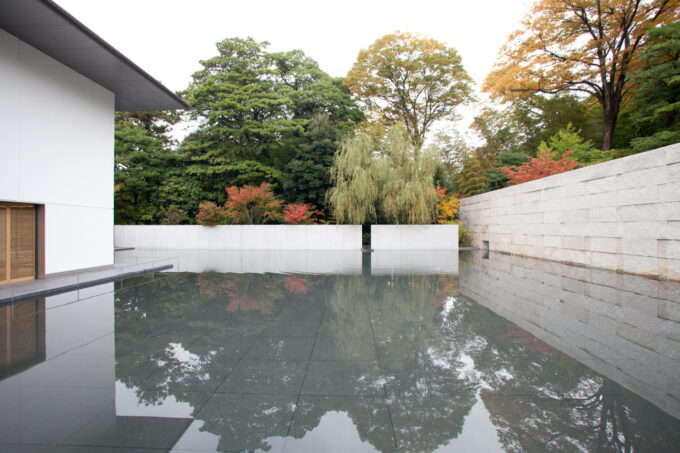
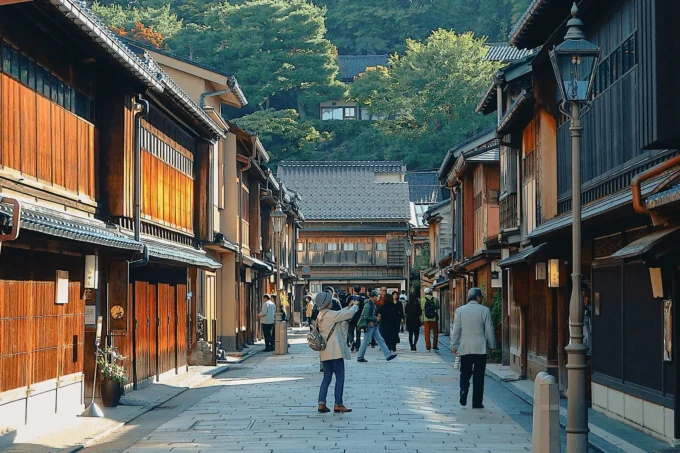
Kanazawa is quite friendly for those who are looking to walk around the city and there are many sites that are within a 5-20 minute walk of Kenrokuen Garden. It directly adjoins Kanazawa Castle Park at its entrance but also is next to the daimyo villa of Seisonkaku and Ishiura shrine, famous for its pond and tunnel of torii gates. The Higashichaya Teahouse District, Oyama Shrine, DT Suzuki Museum, 21st Century Museum and Kazuemachi Geisha District are all also within a comfortable walk and help you dive even deeper into this fascinating city.
Touring Kenrokuen
Kenrokuen is visually stunning, and a simple walk around the garden is sure to be a highlight of anybody's time in Kanazawa. However, if you'd like a more in-depth visit to the garden to learn more about its history and importance to the region, a guided tour should be at the top of the list. Check out our "Glamor of the Geisha" tour. On this tour, you'll see all the garden has to offer, including a look inside the Seisonkaku villa, originally built for the mother of the 13th lord. You'll also get insight into the lives of geisha in Kanazawa's famous Higashi Chaya District, one of the largest geisha districts in Japan.
Kenrokuen Tours and Charters
Interested in visiting Kanazawa and Kenrokuen in particular? If you are adding Kanazawa to your Japan itinerary, but are worried about the logistics of getting to and from the city, Snow Monkey Resorts has a range of tours and charters to help you make your way around Central Japan.
Frequently Asked Questions (FAQ)
What time does Kenrokuen open and close?
From March 1 through to October 15, Kenrokuen is open from 7:00 A.M. to 6:00 P.M.
From October 16 through to February 28/29, Kenrokuen is open from 8:00 A.M. to 5:00 P.M
What's the building at the back of the garden?
That's Seisonkaku, a villa built for the mother of the 13th lord of Kanazawa. Inside is a beautiful evergreen garden and museum featuring rooms decorated with bright, vivid colours.
Is Kenrokuen wheelchair accessible?
The garden is wheelchair accessible. However, most of the paths have gravel on them which may be difficult for wheelchair users. The garden is also built on tiers and climbing the steep slopes may be difficult.
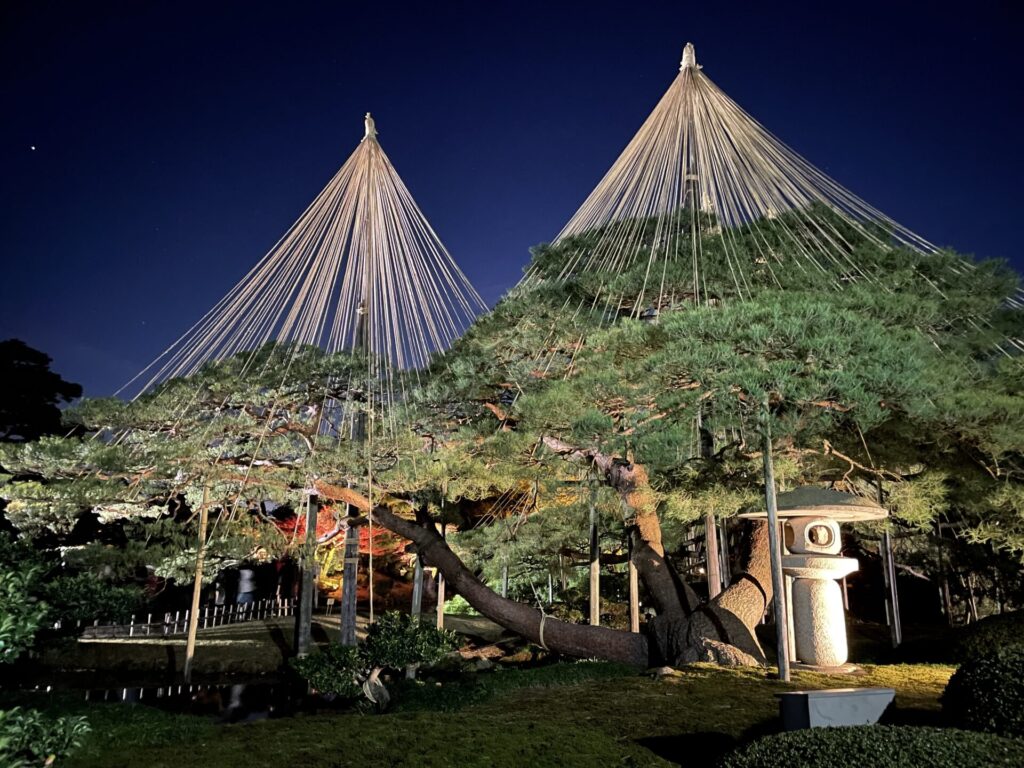
What are those ropes they put on the trees in winter?
In winter, the trees are supported by special structures called yukitsuri. Logs are raised and ropes tied to the branches of the trees. This helps them keep their shape against the heavy weight of the snow and adds a great silhouette to the tree when it's covered in snow.
Are English-speaking tours available at Kenrokuen?
Yes! Snow Monkey Resort offers English-speaking guided tours of Kenrokuen year-round for deeper insights and a more interactive experience. All tours are led by locally-based guides and will take you around the must-see sights in Kanazawa, as well as some lesser known gems.
What are the other two of Japan's "Three Great Gardens" ?
The others are Korakuen in Okayama City, Okayama Prefecture and Kairakuen in Mito City, Ibaraki Prefecture.