








Gujo Hachiman Castle: A Storied Past
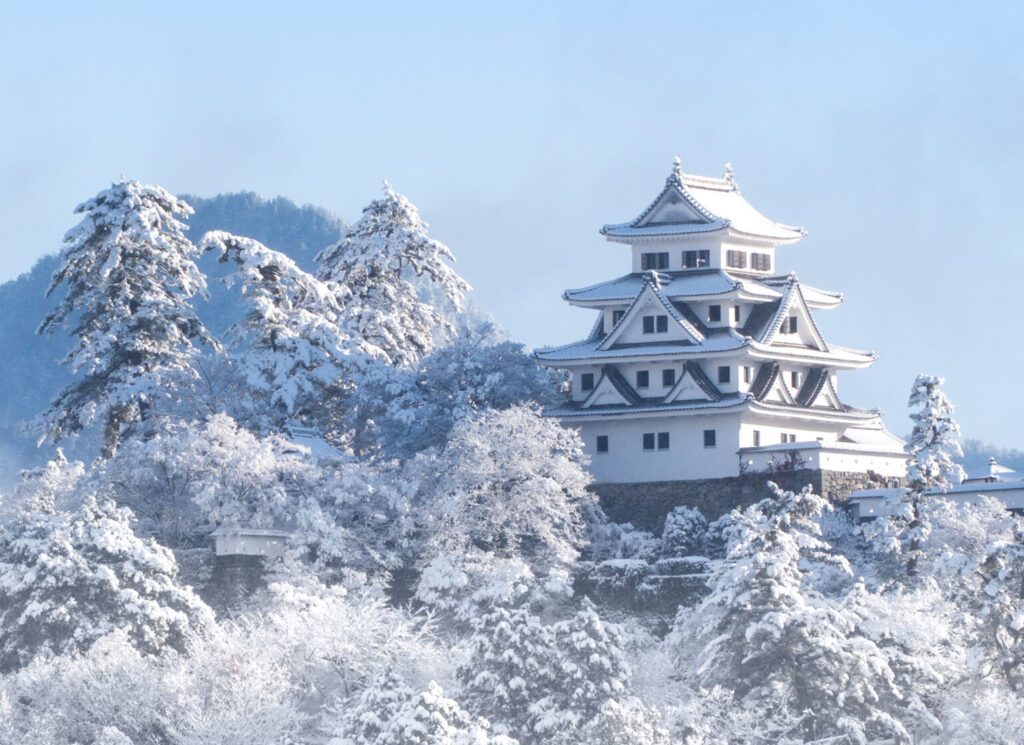

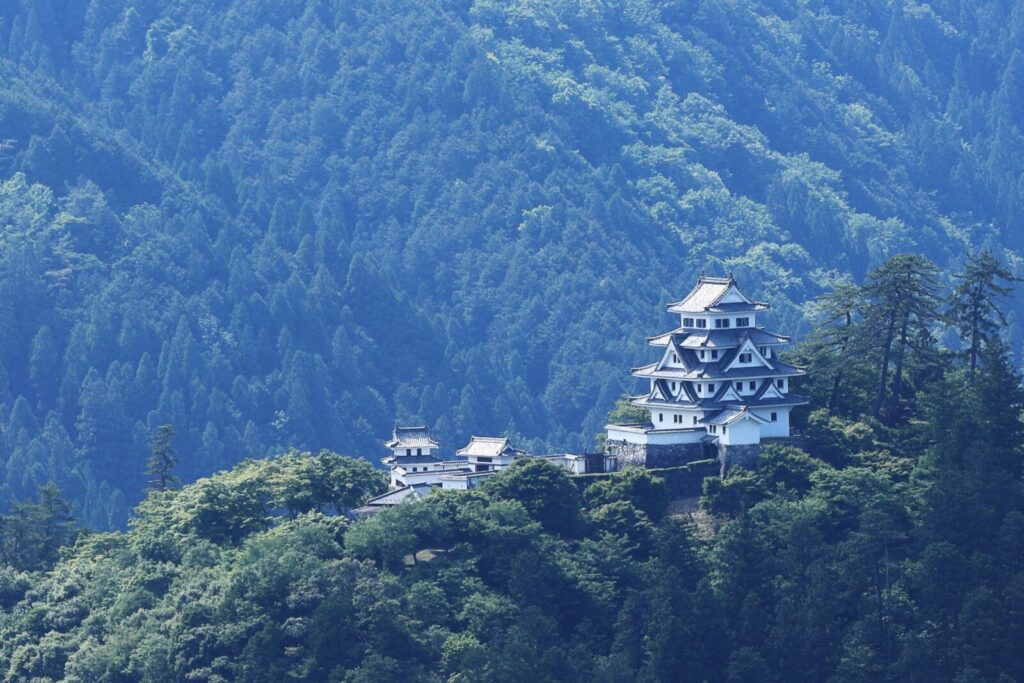
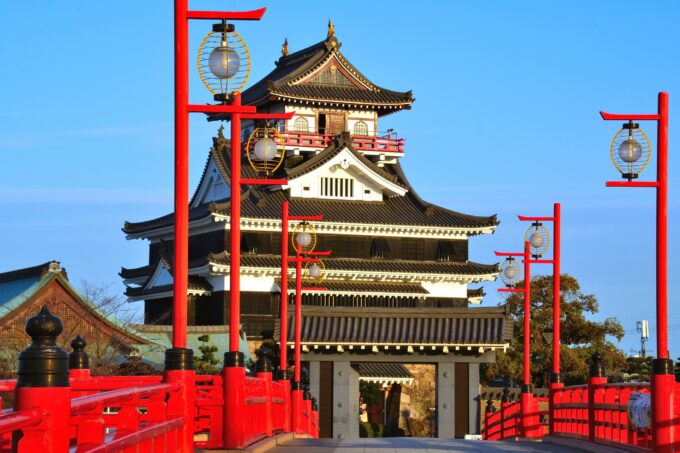
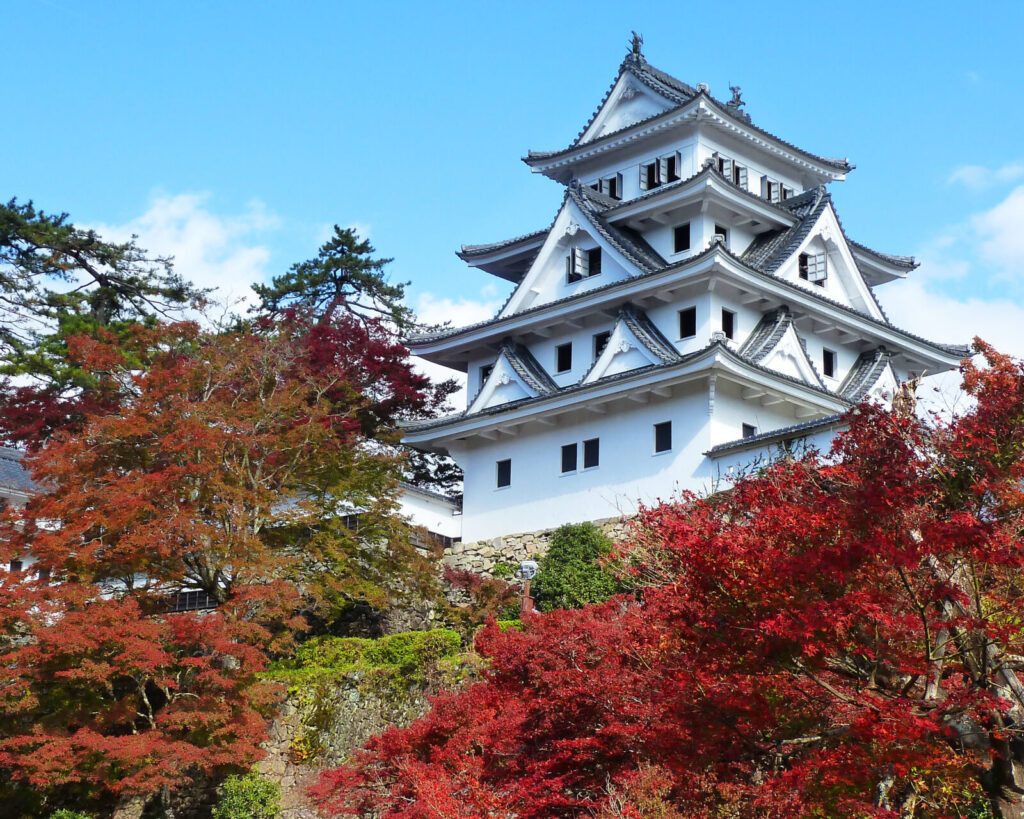
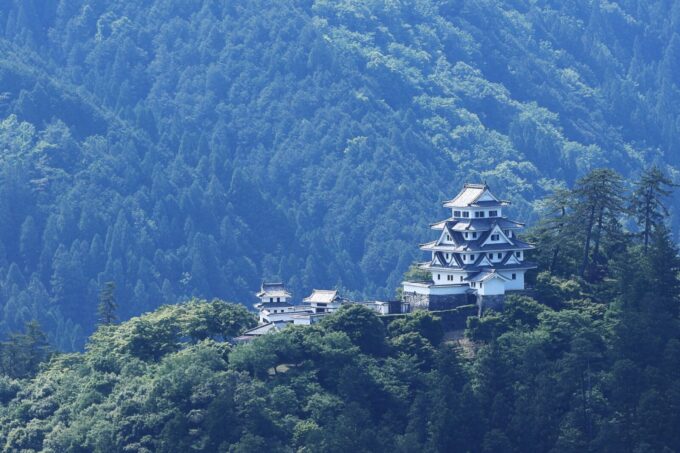
Gujo Hachiman Castle, perched majestically above the town, is a cornerstone of Gujo Hachiman's heritage. Erected in the 16th century, it has significantly shaped the town's history and identity.
The original castle buildings were dismantled during the Meiji period, but a wooden reconstruction of the main keep was completed in 1933. Modelled on Ogaki Castle, the reconstructed keep is one of Japan's oldest surviving wooden castle reconstructions, while the remaining historic stone walls offer a connection to the site's earlier history.
Today, renowned as one of Japan's most beautiful mountain castles, Gujo Hachiman Castle offers visitors not only breathtaking views, but also a unique opportunity to step back into Japan's feudal era. Its enduring beauty and strategic significance underscore Gujo Hachiman's status as a historic castle town, attracting those eager to explore its legacy and revel in the spectacular scenery it commands.
Cultural Richness and Living Waters of Gujo


Gujo Hachiman is famous for Gujo Odori, a traditional summer dance festival with a history spanning more than 400 years. Held on selected evenings from July to early September, the festival welcomes visitors to join the dancing alongside local residents. Its highlight is the four nights of all-night dancing during Obon in mid-August, when celebrations continue until the early morning. This vibrant celebration is a profound expression of Gujo's cultural identity, inviting everyone to partake in the joyous revelry and connect with the town's rich historical tapestry.
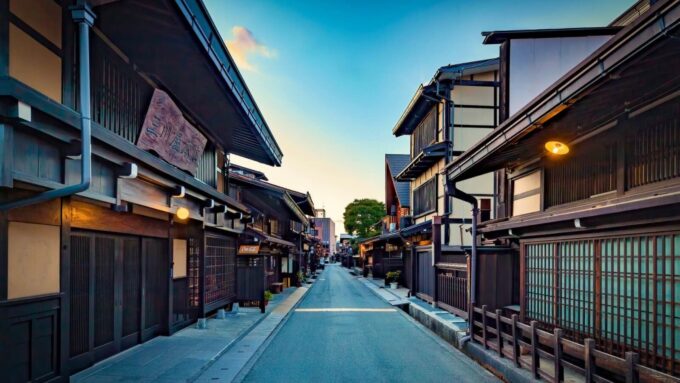
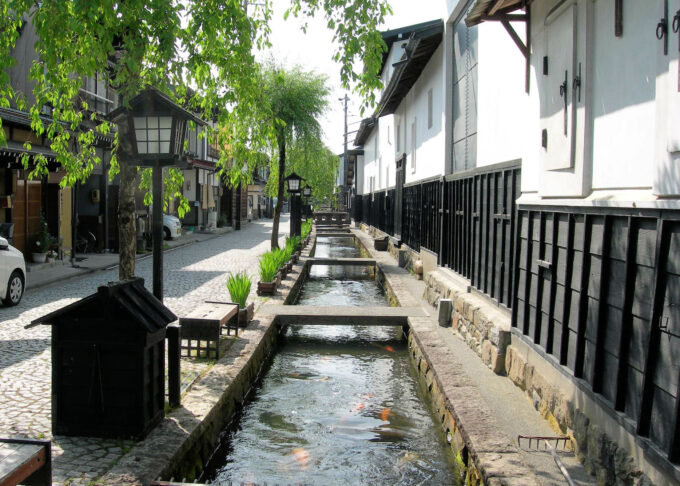
The town's character is also embodied by its clear, flowing waterways, essential to both its heritage and daily life. These streams and canals, integral for historical defense and utility, now symbolize Gujo's commitment to nature and tradition. Observing or interacting with these waters offers a direct link to Gujo's past, highlighting a sustainable relationship with the natural environment.
Artisanal Craftsmanship


Gujo Hachiman is a haven for artisans and gourmands alike, celebrated for its distinctive craftsmanship and delectable cuisine.
The town takes pride in its food replica artistry, a unique craft that attracts enthusiasts keen to explore this meticulous art form. Visitors have the opportunity to delve into workshops, creating lifelike wax food samples, emblematic of Japan's culinary aesthetics.
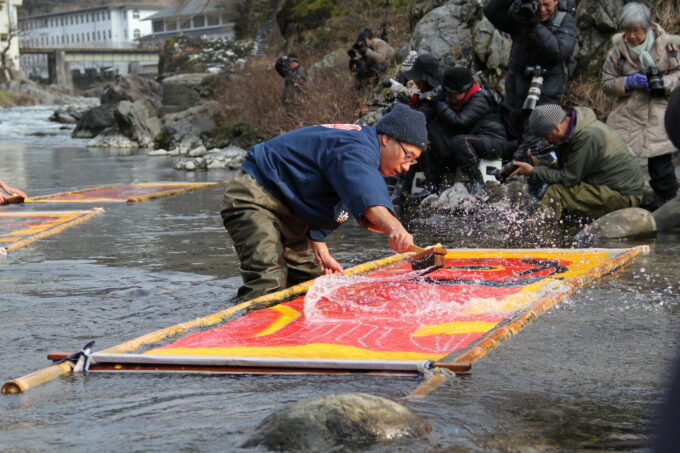
Gujo is also celebrated for its traditional fabric dyeing techniques, particularly indigo dyeing, which has been preserved by local artisans for generations. Visitors can witness the detailed process of creating beautiful, intricate patterns on fabric, an art that captures the essence of Gujo's artistic heritage.
Plan Your Visit: Discover Gujo's Timeless Charm
Embark on a journey to Gujo Hachiman and discover a town where tradition and nature blend harmoniously. Whether you're drawn by the allure of artisanal crafts, the taste of authentic local cuisine, or the serene beauty of its waterways, Gujo offers a palette of experiences to enchant every visitor.
How to get there:
By Train:
--From Takayama Station: There's no direct train line. But it is possible to catch the JR Limited Express train to Mino-Ota Station and transfer to the Nagaragawa Railway for Gujo-Hachiman. (Would recommend travelling by bus)
--From Nagoya Station: Take a train to Mino-Ota Station and transfer to the Nagaragawa Railway for Gujo-Hachiman. The total journey takes about 2 to 2.5 hours.
By Bus:
--From Takayama: Direct buses connect Takayama and Gujo-Hachiman, offering scenic views along the way.
--From Nagoya: Direct highway buses are available from Nagoya (Meitetsu Bus Center) to Gujo-Hachiman, taking about 2 hours. This can be more convenient than the train and drops you closer to the town center.
By Car:
--Gujo-Hachiman is accessible via the Tokai-Hokuriku Expressway. Exiting at Gujo-Hachiman IC puts you close to the town center. The drive from Nagoya takes about 1 to 1.5 hours, and from Takayama, it's also about 1 to 1.5 hours, depending on traffic and weather conditions.
Planning your journey to Gujo Hachiman in advance allows you to immerse fully in the town's enchanting ambiance and rich cultural heritage. While there are public transport options available from Takayama, choosing one of our expertly crafted tours ensures a stress-free experience, allowing you to delve deeper into Gujo Hachiman's history and traditions without the inconvenience of navigating on your own. Discover our selection of tours below and find the ideal addition to your exploration of this timeless Japanese treasure.
Join us on Our Gujo Hachiman Tours
Discover the charm of Gujo Hachiman, where history and craftsmanship converge against a backdrop of stunning natural beauty. Marvel at the Gujo Hachiman Castle, celebrated for its architectural splendor and panoramic vistas.
Learn about the town's famous Gujo Odori dance festival at a local museum, where visitors can discover the traditions behind this centuries-old celebration.
Experience the meticulous art of food replica crafting, a testament to Japanese culinary detail. Savor local flavors and partake in the festive atmosphere, capturing the essence of Gujo's rich heritage and welcoming community.
Frequently Asked Questions
Where is Gujo Hachiman located?
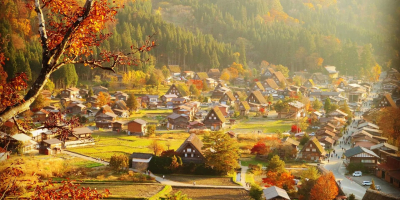
Gujo Hachiman is a historic town in Gifu Prefecture, central Japan, situated along the Yoshida River. It is known for its traditional streets, clear waterways, historic castle, and summer dance festival.
What is Gujo Hachiman famous for?
Gujo Hachiman is best known for its Gujo Odori dance festival, historic townscape, and picturesque waterways. The town is also famous for Gujo Hachiman Castle and its tradition of producing realistic food replicas for restaurant displays.
When is the best time to visit Gujo Hachiman?
Gujo Hachiman is worth visiting throughout the year. Summer is especially popular for the Gujo Odori festival, while spring and autumn offer pleasant conditions for sightseeing. Winter is generally quieter, with occasional snowfall.
Can visitors participate in the Gujo Odori festival?
Yes. Visitors are welcome to join the traditional dances alongside local residents, and no previous experience is necessary. The festival takes place on selected evenings from July to early September, including four nights of all-night dancing during Obon in August.
How do I get to Gujo Hachiman from Nagoya or Takayama?
From Nagoya, visitors can travel by highway bus or take a train via Mino-Ota Station and the Nagaragawa Railway. From Takayama, travelling by bus is generally more convenient, although train connections via Mino-Ota are also possible.
How much time should I spend in Gujo Hachiman?
Allow around three to four hours to explore the historic streets, castle, and waterways. A full day is ideal for visiting museums, trying a food replica workshop, and enjoying the local food. An overnight stay is worthwhile during the summer dance festival.