


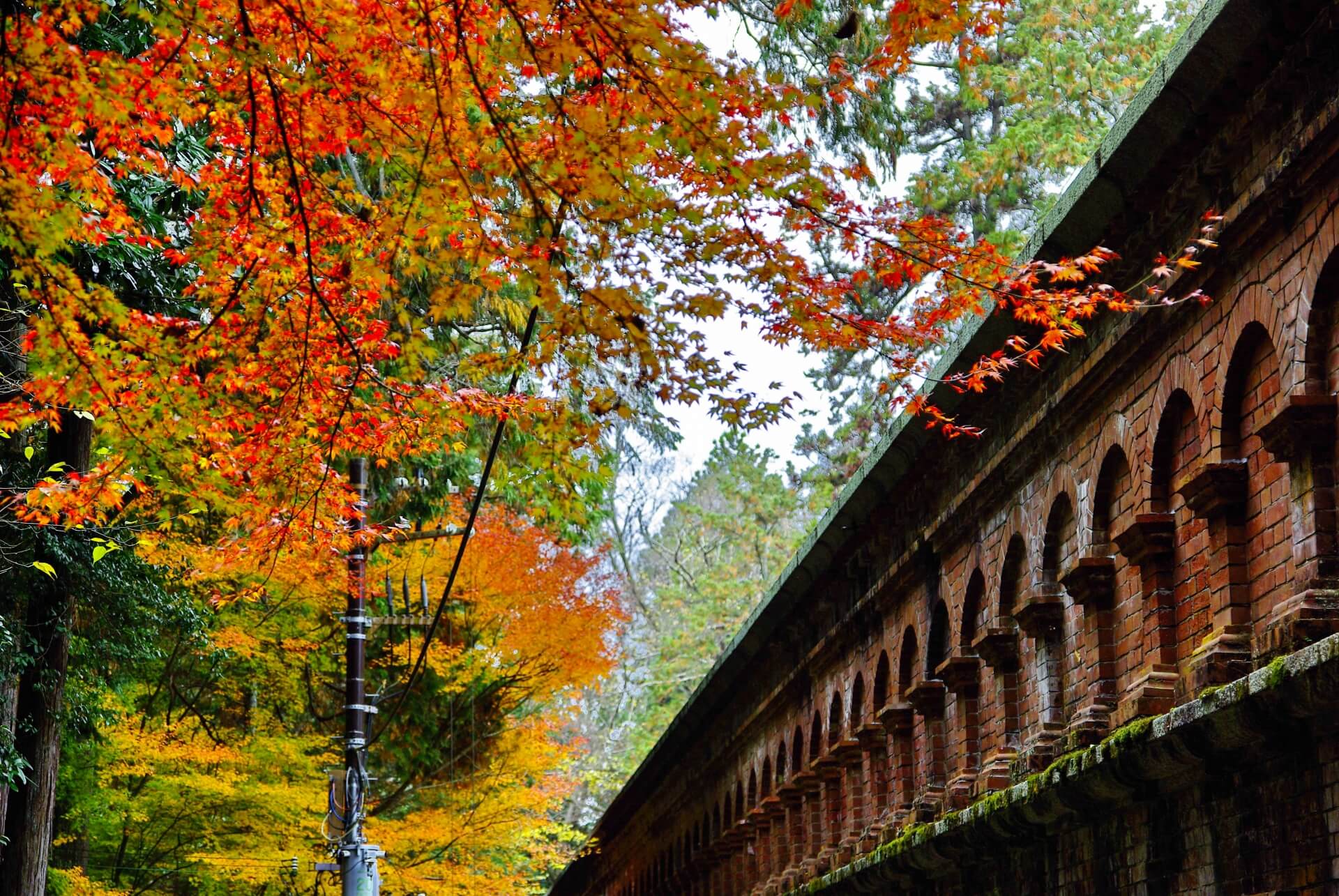
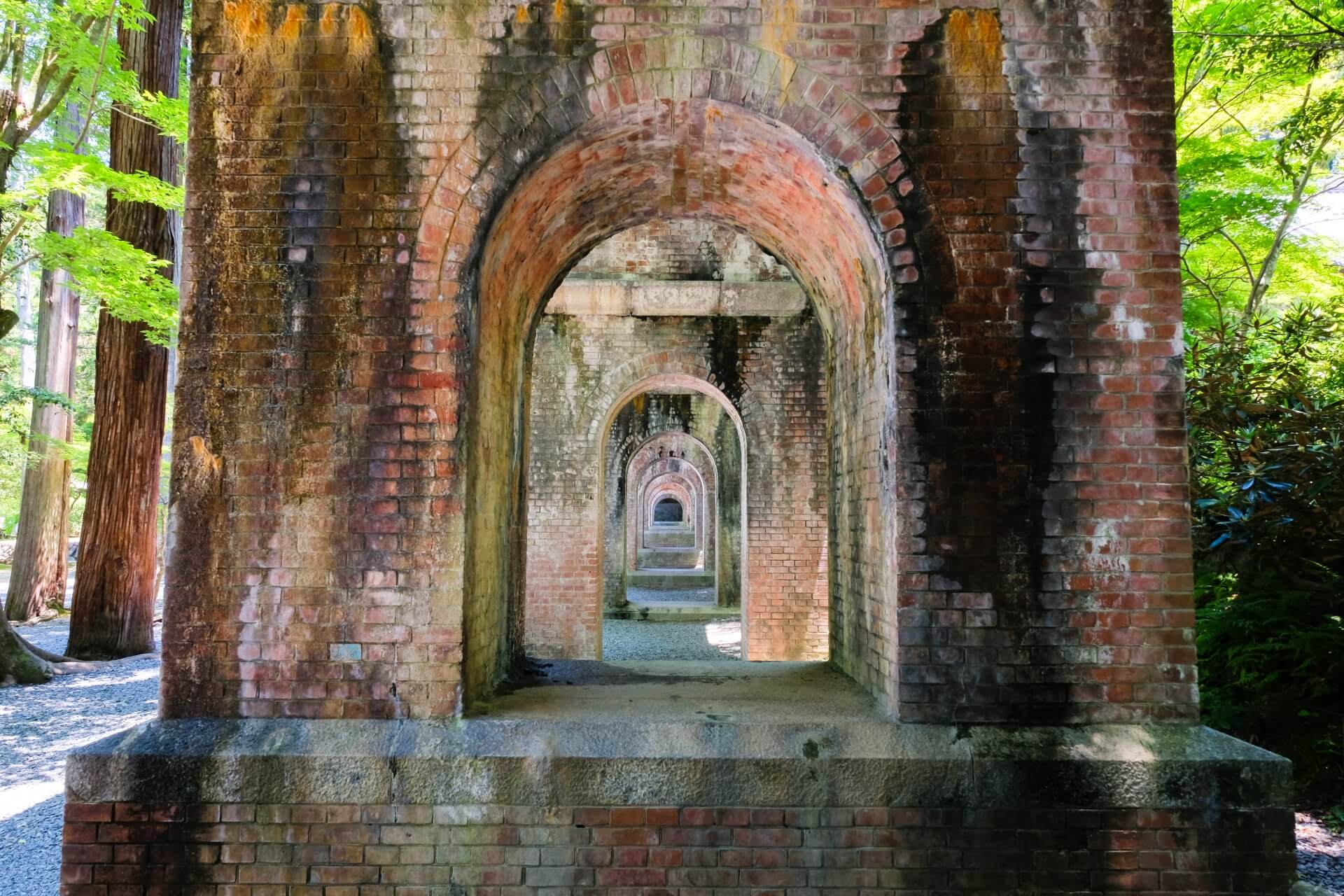
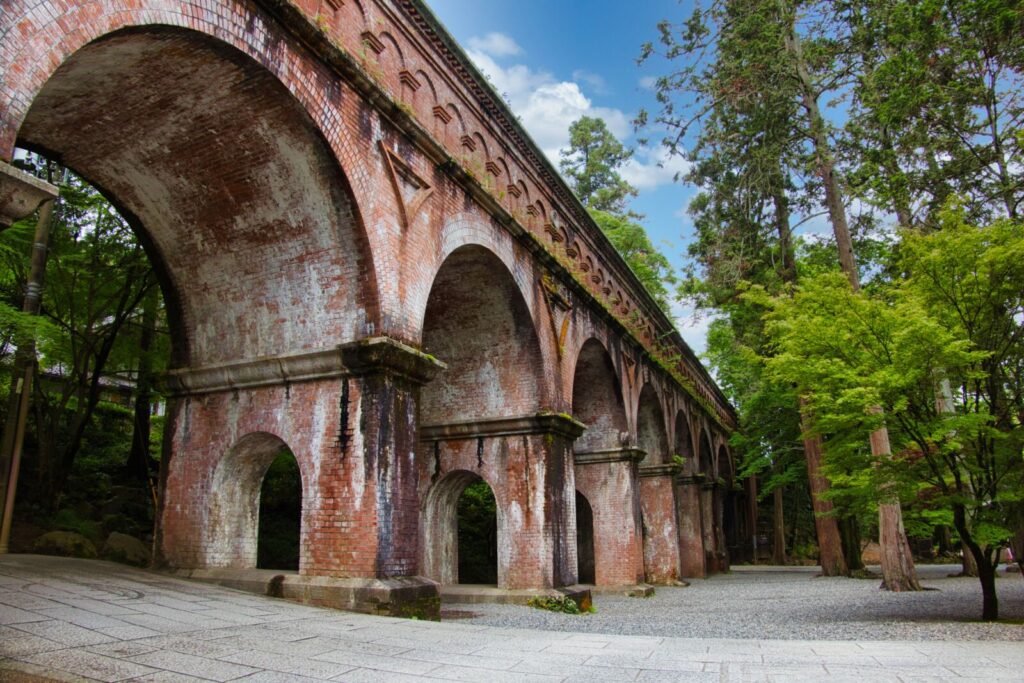
Nestled within the tranquil grounds of Nanzen-ji Temple, the Suirokaku Aqueduct is one of Kyoto's most unexpected landmarks. Completed in 1890 during the Meiji Era (1868-1912), this striking red-brick structure forms part of the Lake Biwa Canal system, an ambitious engineering project that helped transform Kyoto during a period of dramatic change.
At first glance, the Western-style arches may seem out of place among the traditional temples and gardens of Higashiyama. Yet over time, the aqueduct has become one of Kyoto's most beloved and photographed sights, admired for the way its industrial design blends harmoniously with the surrounding landscape.
Today, visitors come to appreciate not only its unique appearance but also the remarkable story behind its construction.
The Canal That Helped Revitalize Kyoto
Following the transfer of Japan's capital from Kyoto to Tokyo in 1868, the city faced a period of economic uncertainty. Government officials, merchants, and skilled workers relocated to the new capital, leaving many concerned about Kyoto's future.
In response, local leaders launched the Lake Biwa Canal project, a bold plan to bring water from Lake Biwa in neighboring Shiga Prefecture into Kyoto. The canal would provide drinking water, support agriculture and industry, improve transportation, and eventually power Japan's first commercial hydroelectric power station.
The project is widely regarded as one of the most important developments in modern Kyoto history and played a significant role in the city's revival.
The Vision of a Young Engineer
The canal was designed by Sakuro Tanabe, a talented engineer who was only in his early twenties when he was entrusted with the project. Despite his youth, Tanabe successfully oversaw one of the largest civil engineering projects of the Meiji Era.
His innovative work earned him national recognition and helped establish modern engineering practices in Japan. Today, he is remembered as one of the key figures behind Kyoto's modernization.
Tours of the Suirokaku Aqueduct
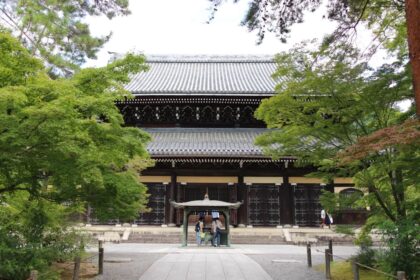
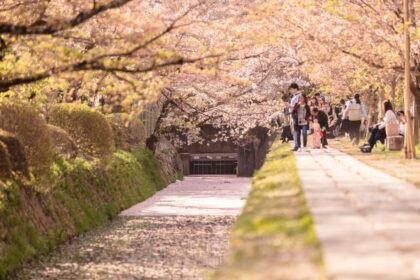
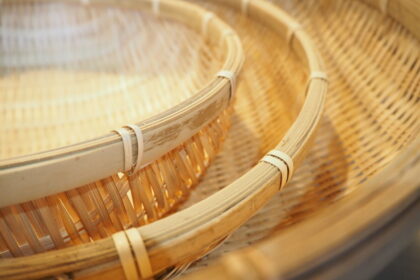
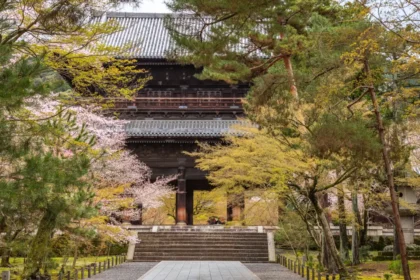
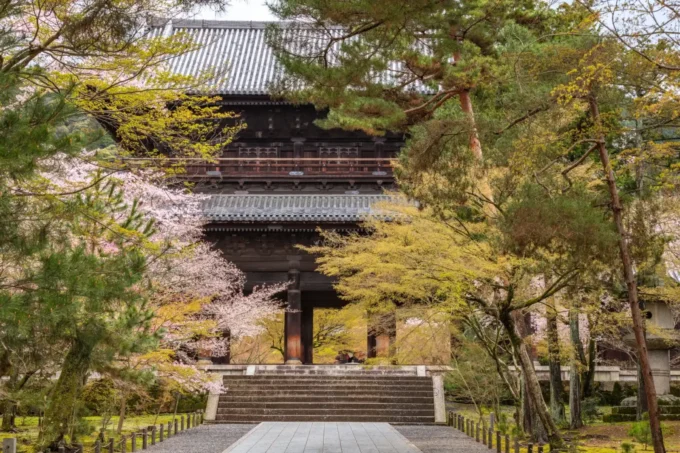
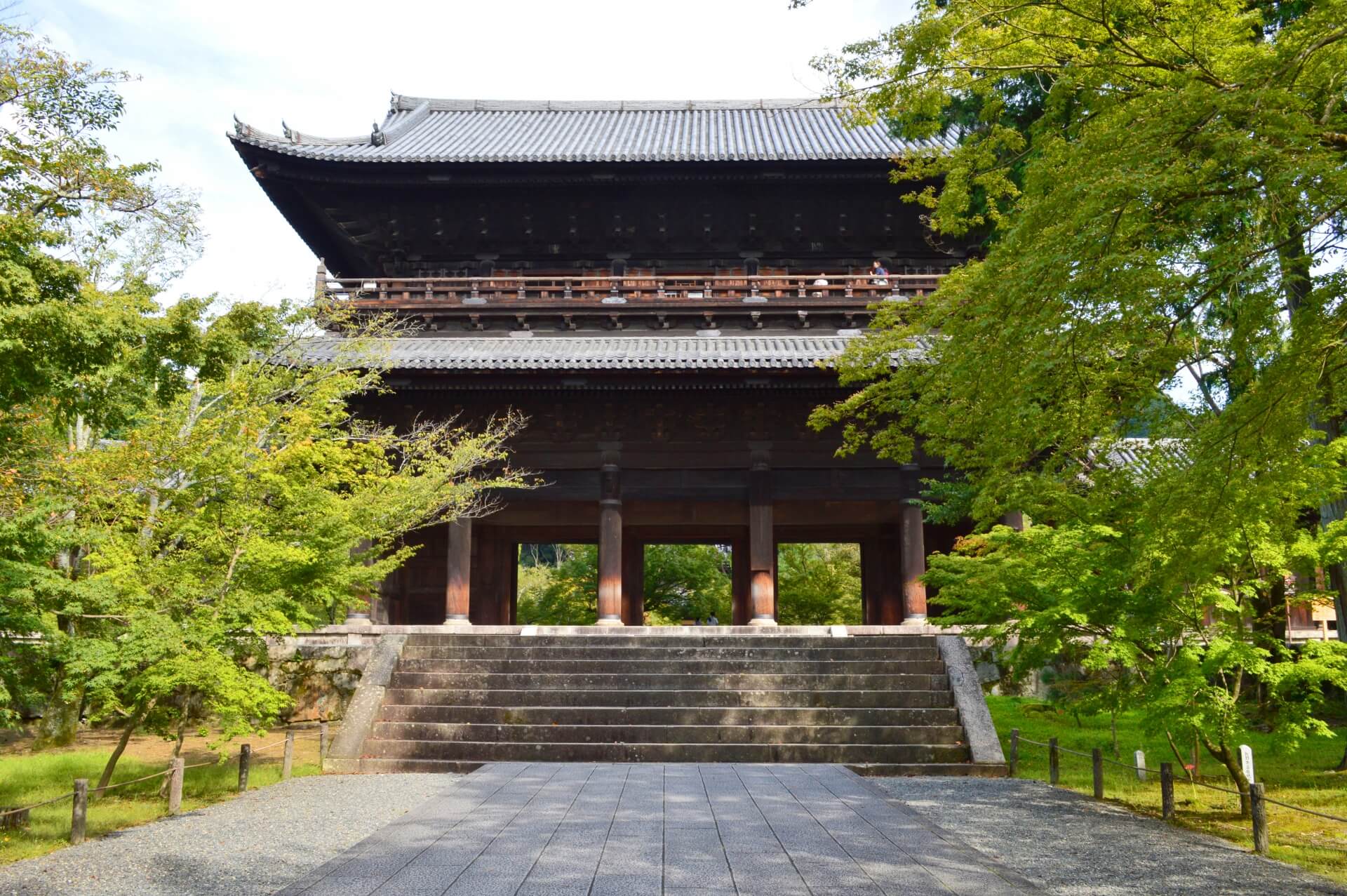
Explore the cultural richness of Kyoto with a visit to Nanzenji, Ginkakuji, and a bamboo basket weaving experience. Start at Nanzenji, a grand Zen Buddhist temple known for its impressive Sanmon gate and beautiful rock gardens. Walk along the Philosopher's path to Ginkakuji, the Silver Pavilion, where you can admire the elegant simplicity of its architecture and stroll through its exquisite moss garden. Finally, immerse yourself in a traditional bamboo basket weaving experience, where a skilled craftsman will guide you in creating your own beautiful and functional bamboo art, providing a hands-on connection to Japan’s artisanal heritage.
Booking is as easy as clicking the link above and selecting your preferred date! If you would prefer, a private tour can also be arranged - please click the 'Inquiry' button below and we will get back to you as soon as possible!
A Controversial Addition to Nanzen-ji
When plans were announced to route part of the canal through the grounds of Nanzen-ji Temple, many residents objected. Critics feared that a modern brick aqueduct would disrupt the atmosphere of one of Kyoto's most important Zen temples.
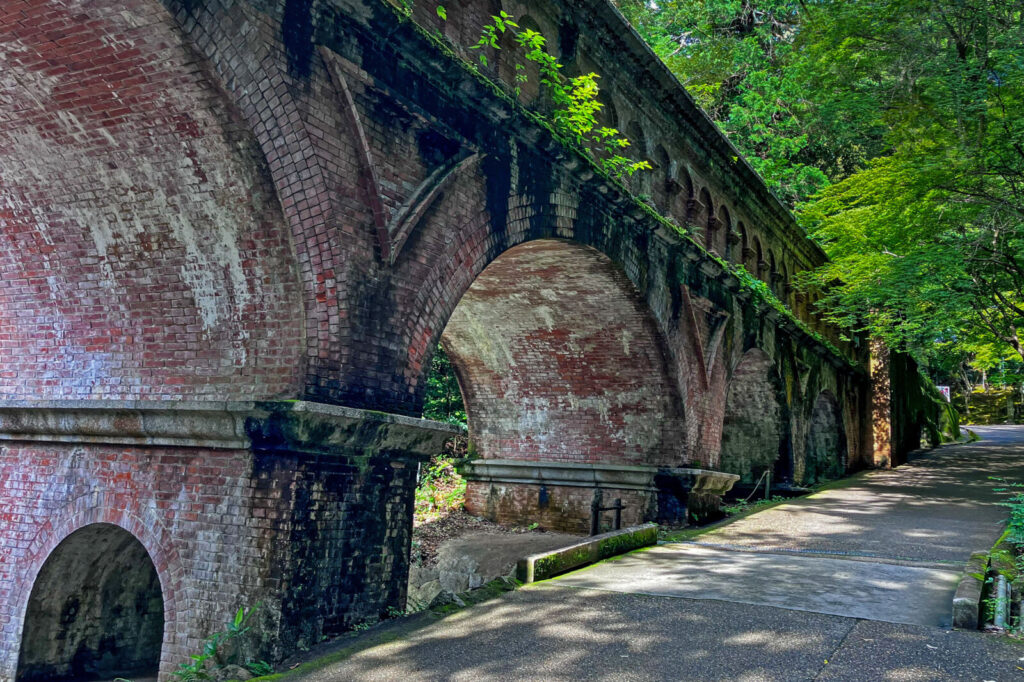
However, the completed structure proved surprisingly elegant. The repeating brick arches complemented the natural scenery and temple architecture, eventually becoming an iconic feature of the complex. What was once controversial is now considered one of Kyoto's most distinctive landmarks.
More Than Just an Aqueduct
The Lake Biwa Canal had a lasting impact on Kyoto beyond transportation and industry. The reliable water supply allowed many gardens, villas, and temples to incorporate flowing streams, ponds, and waterfalls into their designs.
Several famous Meiji-era gardens in the Nanzen-ji area owe their beauty to water provided by the canal system, demonstrating how this engineering project influenced Kyoto's cultural landscape as well as its economy.
Highlights
- Built in 1890 during the Meiji Era
- Approximately 93 meters in length
- Constructed using red brick and granite
- Part of the historic Lake Biwa Canal system
- Located within the grounds of Nanzen-ji Temple
- One of Kyoto's most popular photography locations
- Featured in numerous films, television programs, and travel publications
Best Time to Visit
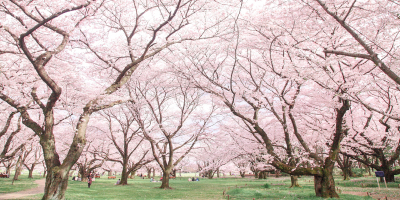
Spring (March-April) Cherry blossoms create a beautiful contrast against the red-brick arches.
Summer (May-August) Lush greenery surrounds the aqueduct and temple grounds.
Autumn (October-November) The most popular season, when vibrant maple leaves frame the arches in shades of red, orange, and gold.
Winter (December-February) A quieter time to visit, offering peaceful views and excellent photography opportunities without the crowds.
Access
By Train
Take the Kyoto Municipal Subway Tozai Line to Keage Station. From the station, the aqueduct is approximately a 10-minute walk.
By Foot
The aqueduct is located near the southern end of the Philosopher's Path and can easily be combined with a walk through Kyoto's Higashiyama district.
Nearby Attractions
- Nanzen-ji Temple
- Nanzen-in
- Konchi-in Temple
- Philosopher's Path
- Keage Incline
- Murin-an Garden
- Eikando Temple
- Heian Shrine
Planning Your Kyoto Trip?
If you’re still shaping your itinerary, start with our 7-Day Kansai Japan Highlights Itinerary, which combines Kyoto, Osaka, and Nara into a balanced first visit. For inspiration and practical tips, see our 40 Things to Do in Kyoto, Nara, and Osaka, including seasonal ideas and neighborhood recommendations.
Looking to go deeper? Our Best Tours in Kyoto page highlights cultural experiences that go beyond the usual sights. If you’re deciding where to base yourself, our guide on staying in Osaka or Kyoto breaks down the pros and cons of each.
For themed travel, don’t miss our Essential Guide to Geisha in Kyoto, or explore Kansai’s brewing heritage with our Top 10 Sake Breweries to Visit in Kansai. Finally, for help making restaurant reservations in Kyoto, check out our Guide on Making Reservations in Kyoto
Frequently Asked Questions
Is the Suirokaku Aqueduct free to visit?
Yes. Visitors can walk beneath the aqueduct free of charge as part of the Nanzen-ji Temple grounds.
How much time should I allow?
Most visitors spend 15 to 30 minutes exploring and taking photographs, although many combine the aqueduct with a broader visit to Nanzen-ji and nearby attractions.
Can you walk on top of the aqueduct?
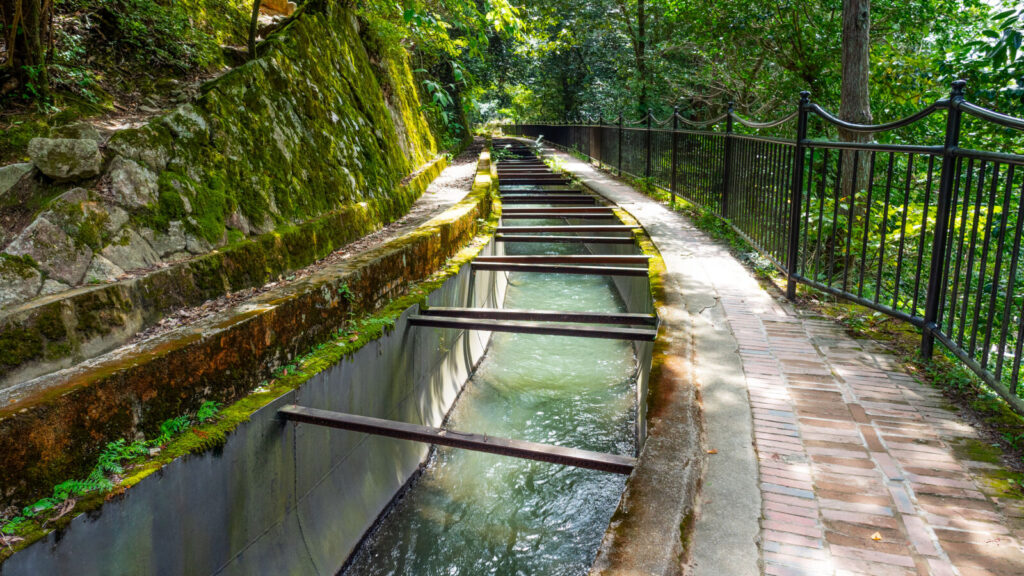
The canal route above the arches is accessible as part of a walking path, allowing visitors to see the waterway that still carries water today.
Is the aqueduct still in use?
Yes. The structure remains part of the Lake Biwa Canal system and continues to carry water through Kyoto.
When is the best time for photography?
Autumn is the most popular season, particularly from mid-November to early December, when colorful maple leaves surround the arches. Early morning is often the best time to avoid crowds.