



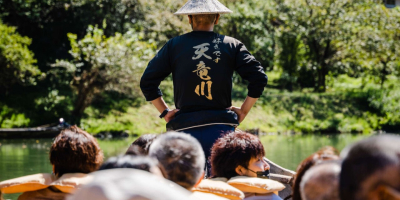
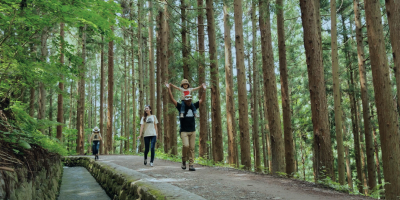


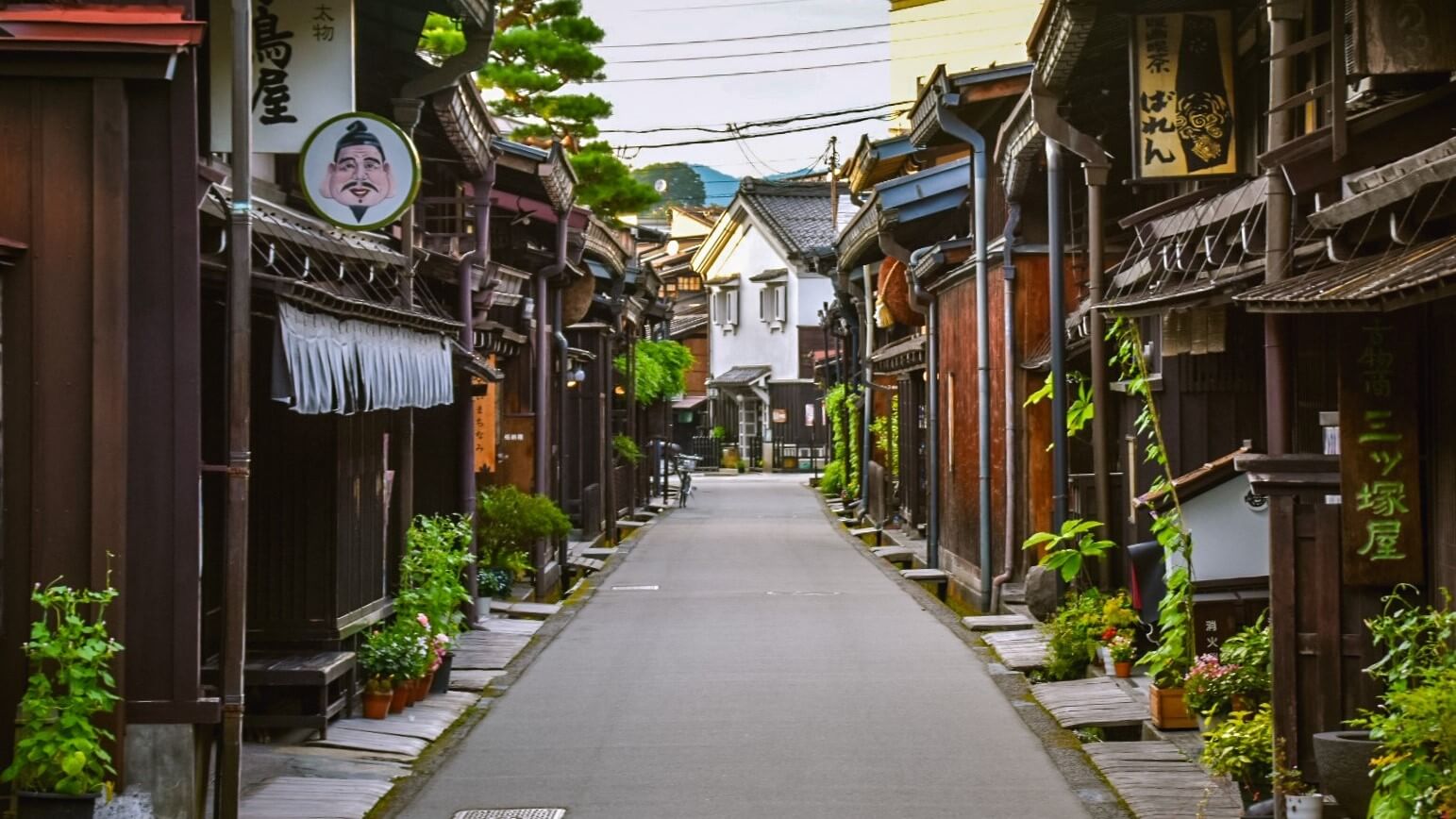
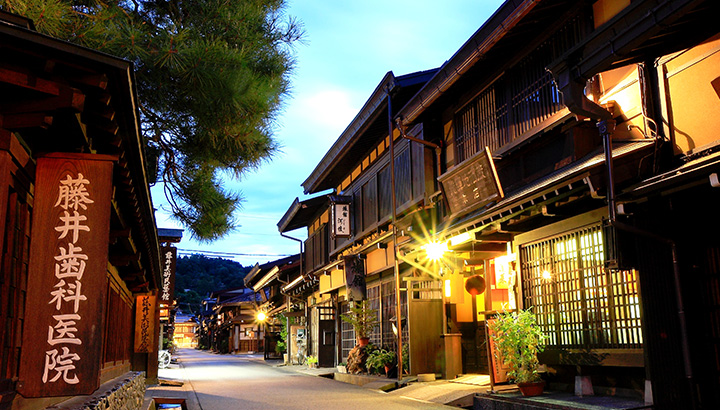
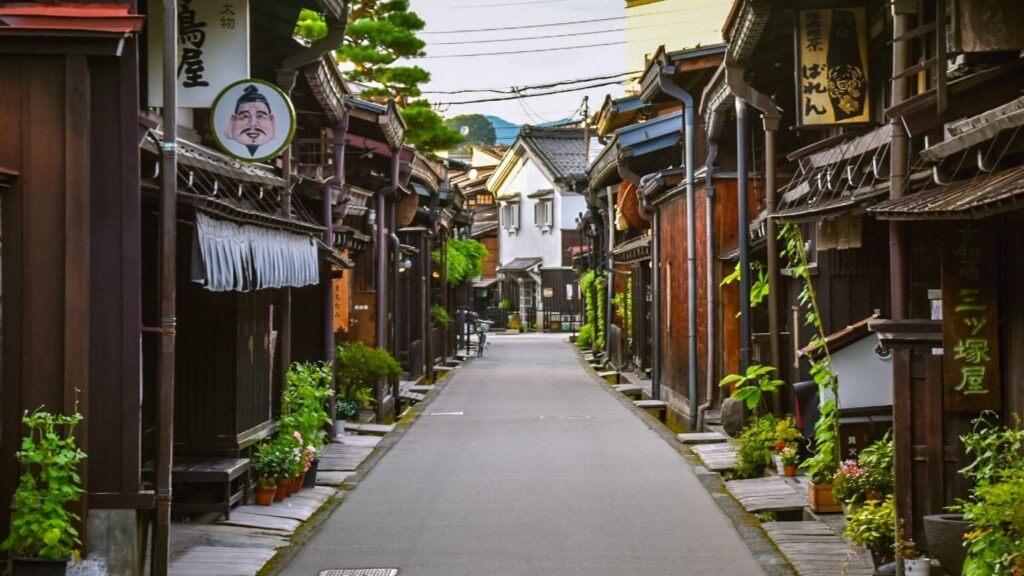
Located in the mountains of Central Japan, Takayama is one of the best places to experience the history, culture and natural beauty of the Hida region. Best known for its beautifully preserved Historic Old Town, the city retains much of the traditional streetscape that developed during the Edo Period (1603–1868), when Takayama flourished as a prosperous merchant town renowned for its highly skilled carpenters and craftsmen.
Today, the historic streets of Sanmachi are lined with traditional wooden buildings housing sake breweries, restaurants, cafés, craft shops and museums. Beyond the Old Town, visitors can explore Takayama Jinya, browse the city’s famous morning markets, sample local specialities including Hida beef and Takayama ramen, or experience the spectacular Takayama Festivals held each spring and autumn.
Takayama is also an excellent base for exploring the wider region. The UNESCO World Heritage villages of Shirakawa-go and Gokayama, the mountain scenery of Kamikochi, Shinhotaka and Okuhida, and historic destinations such as Hida-Furukawa and Matsumoto can all be reached from the city.
Whether you are visiting for a day or using Takayama as a base for several nights, this guide introduces 25 of the best things to do in and around Takayama, along with information about where to stay and how to make the most of your time in the Hida region.
Where is Takayama?
Takayama is located in the mountainous Hida region of northern Gifu Prefecture, in the heart of Central Japan. Surrounded by the mountains of the Japanese Alps, the city is ideally positioned between some of the region’s most popular destinations, making it both a worthwhile destination in its own right and an excellent base for exploring Central Japan.
Despite its mountain setting, Takayama is well connected by public transport. Direct Limited Express Hida trains connect the city with Nagoya and Toyama, while highway buses operate between Takayama and cities including Kanazawa, Matsumoto, Tokyo and Osaka. For detailed routes, journey times and ticket information, see our guide on how to get to Takayama.
Many of the region’s most popular destinations can be visited from Takayama. Hida-Furukawa lies a short train journey to the north, while buses travel west to Shirakawa-go and east through Hirayu Onsen toward Kamikochi and the Shinhotaka Ropeway.
For visitors travelling through Central Japan, Takayama works particularly well as part of a route connecting destinations such as Nagoya, Kanazawa, Toyama and Matsumoto, while offering access to some of Japan’s most spectacular mountain scenery along the way.
Best Things to do Around Takayama
1 / EXPLORE THE TAKAYAMA OLD TOWN / All Year Round
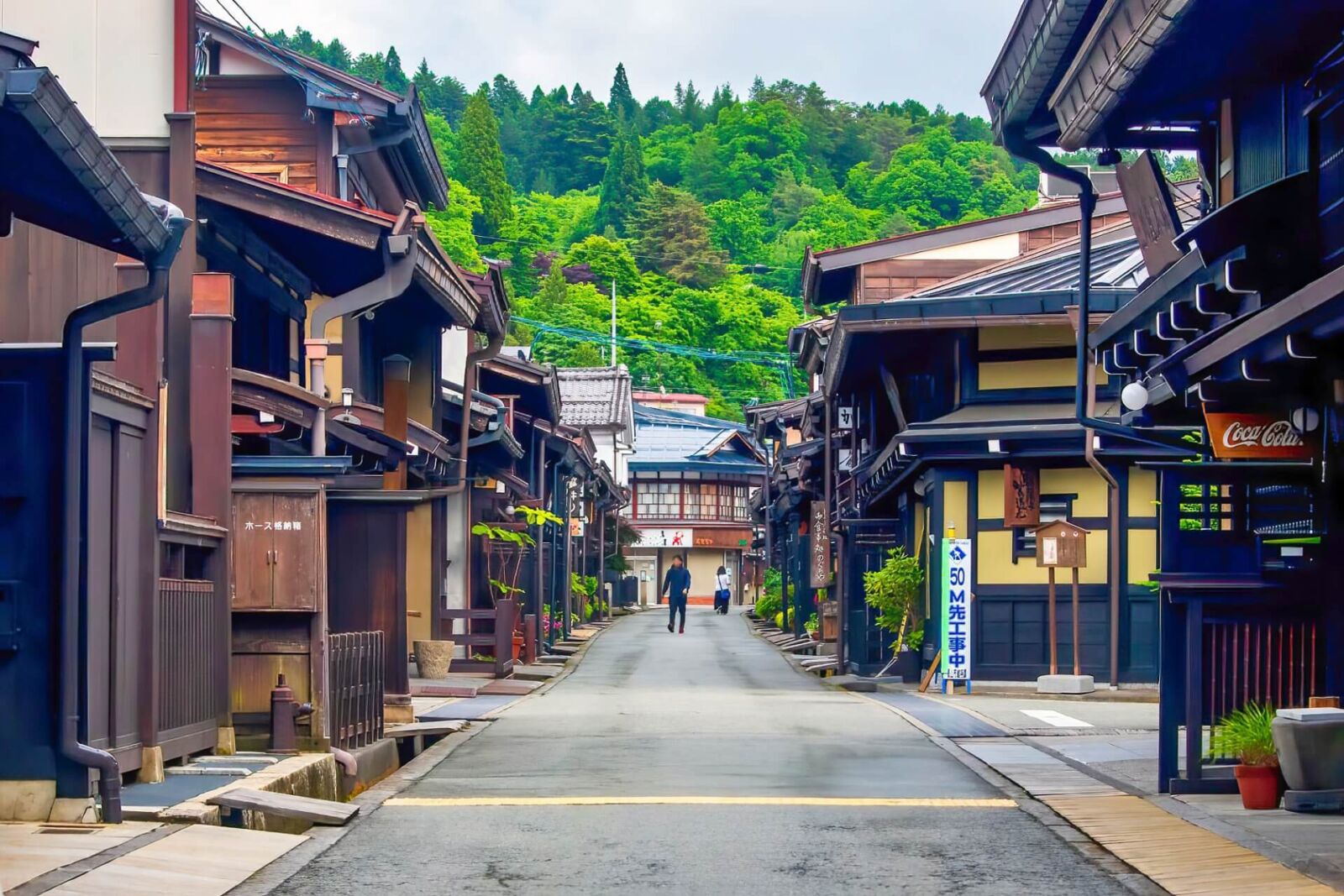
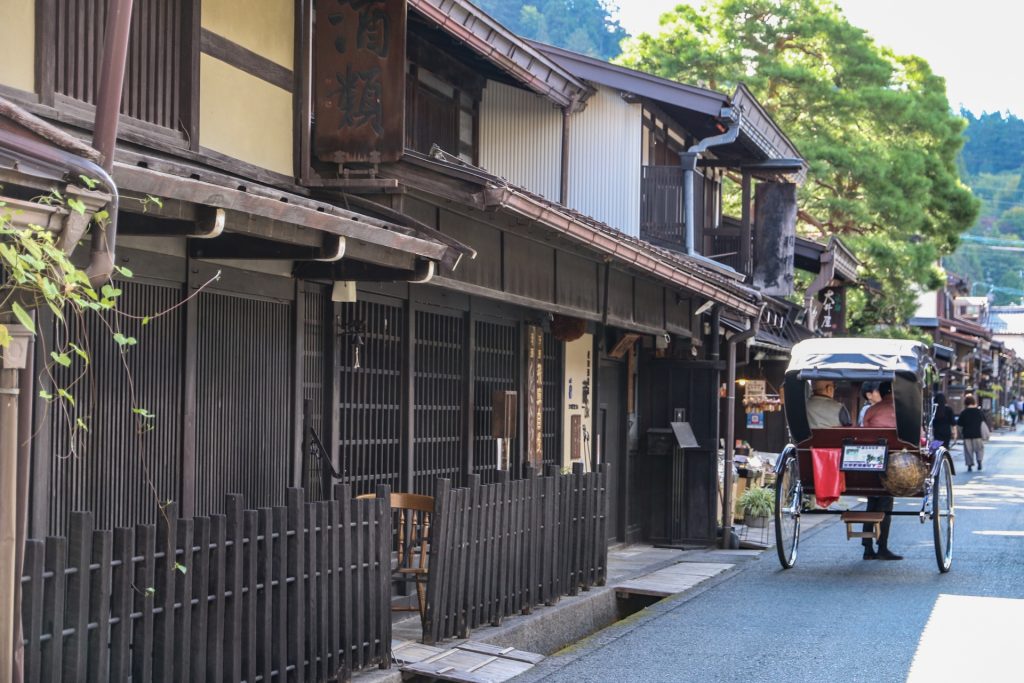
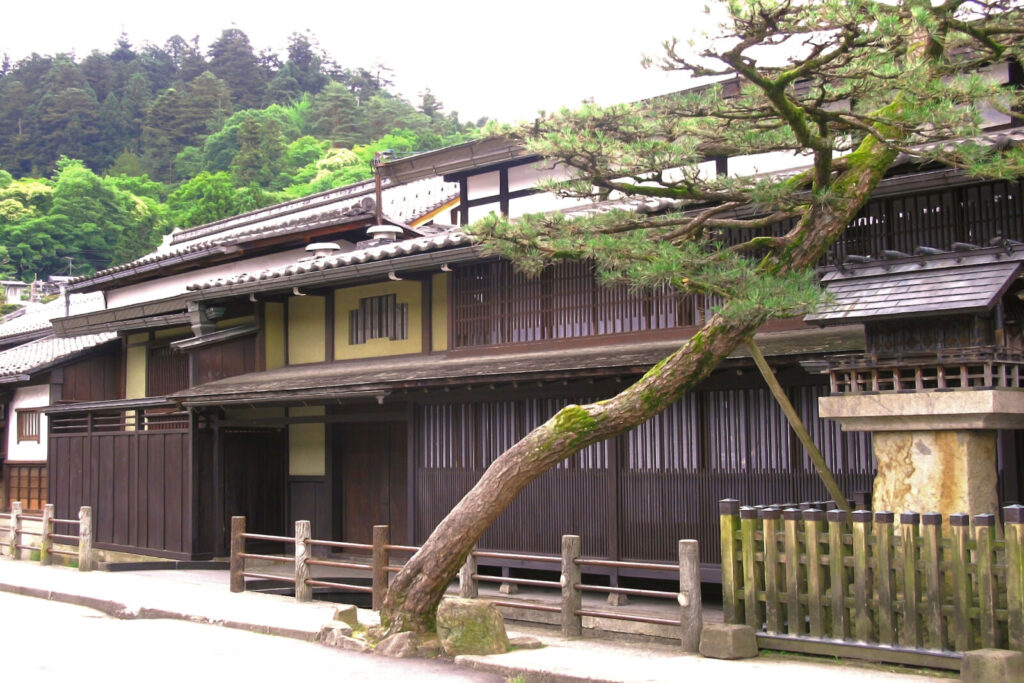
Takayama’s Historic Old Town is the heart of the city and the perfect place to begin exploring. Centred around the streets of Sanmachi, the district is known for its beautifully preserved wooden merchant houses, many of which are now home to local shops, cafés, restaurants, museums and sake breweries.
Allow at least two hours to wander through the area, sample local food and sake, browse traditional crafts and appreciate the distinctive architecture of the Hida region. The Old Town is particularly enjoyable in the early morning, before the streets become busy, and can easily be combined with the nearby Miyagawa Morning Market, Takayama Jinya and Nakabashi Bridge.
Visitors interested in seeing more than the main shopping streets should also explore the quieter lanes north of Sanmachi, where traditional merchant houses, temples and sake breweries reveal another side of Takayama’s historic centre.
2 / TAKAYAMA JINYA / All Year Round
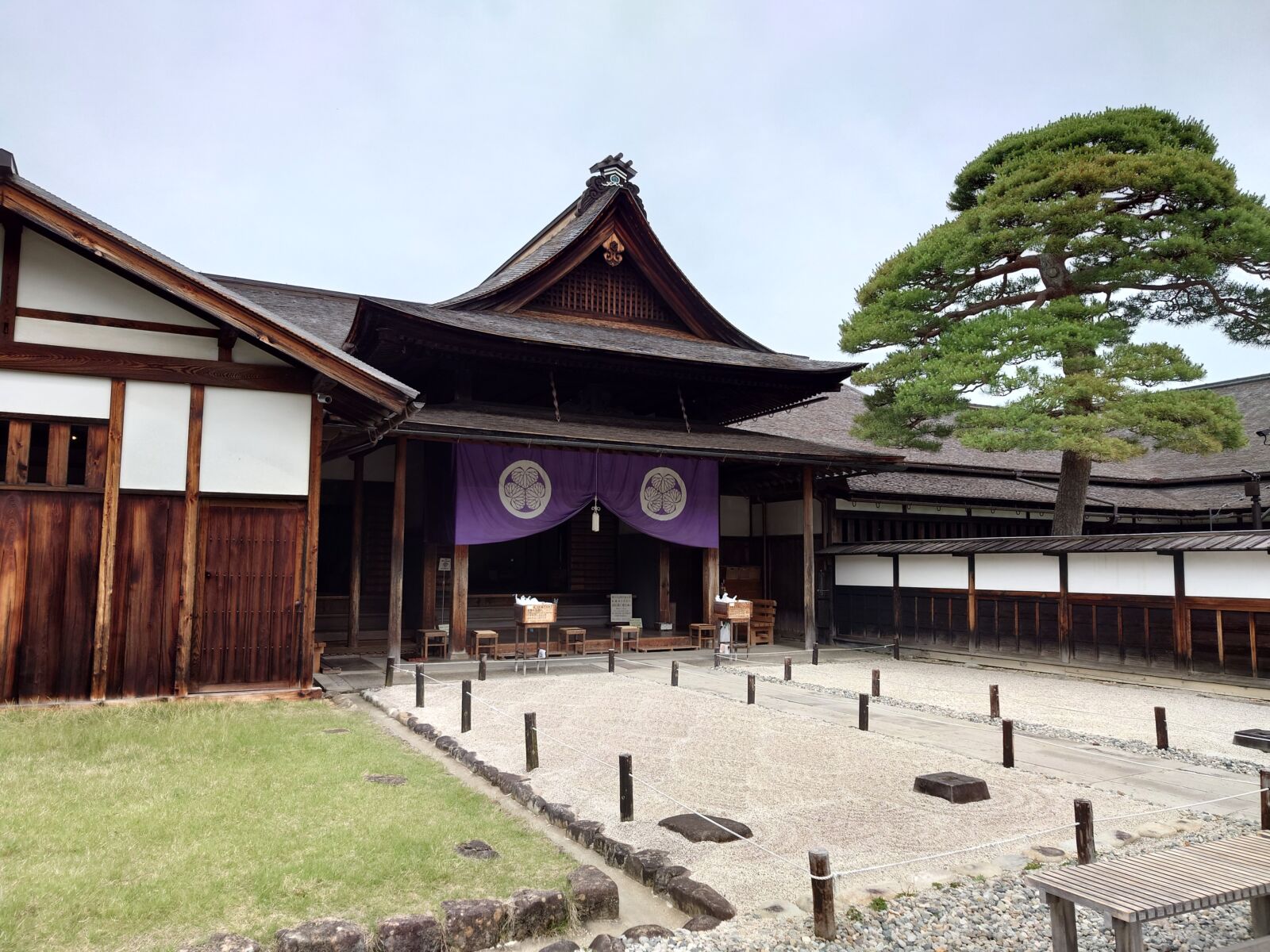
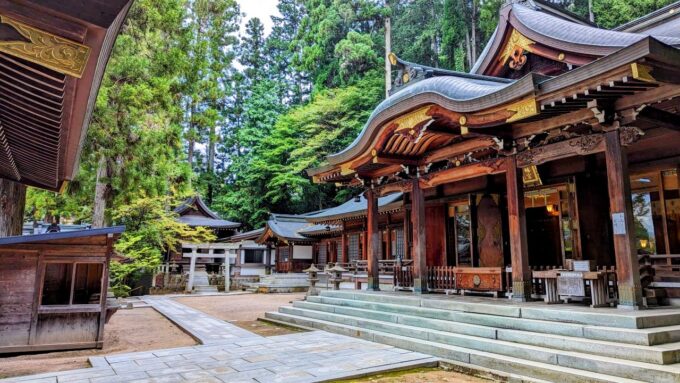
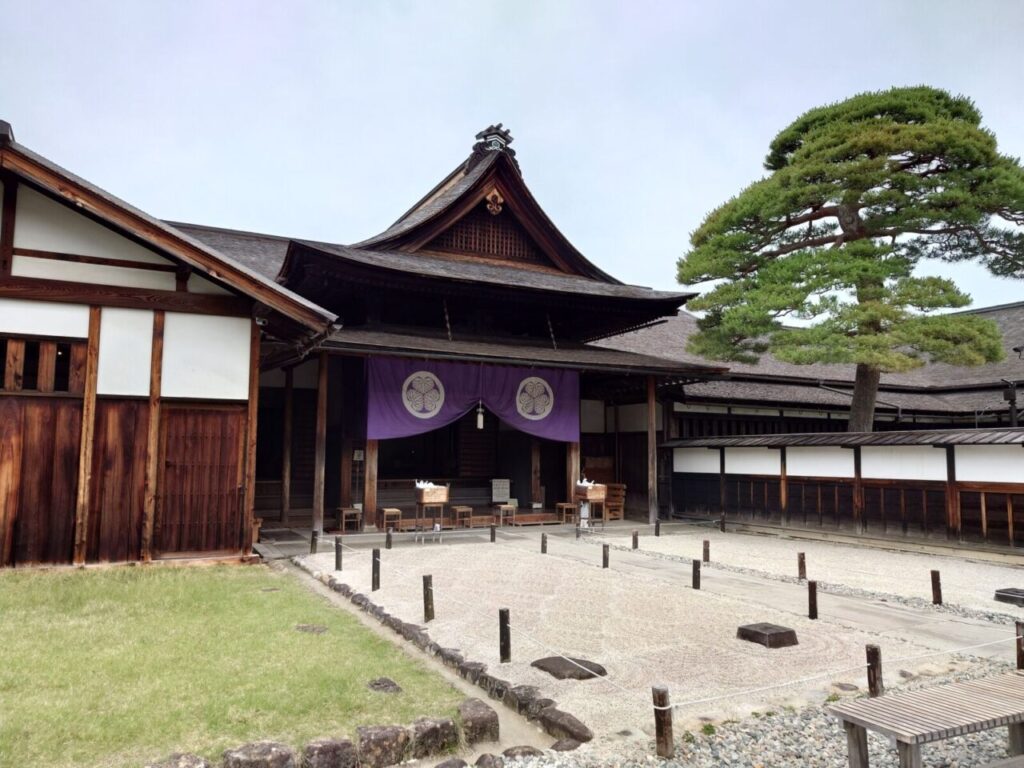
Located just a short walk from the Old Town, Takayama Jinya offers a fascinating look into the city’s history during the Edo Period. The complex served as an important government office when the Hida region came under the direct control of the Tokugawa Shogunate.
Today, visitors can explore its beautifully preserved tatami rooms, administrative offices, residential areas and historic rice storehouse. Together with its traditional architecture and gardens, Takayama Jinya provides an excellent introduction to the history of Takayama and the wider Hida region.
Best Selling
1-Day Tour from Takayama: Explore Scenic Old Japan in Takayama and Shirakawa-go
- Spots:
- TakayamaShirakawago
- Pick-up:
- Takayama
- Drop-off:
- KanazawaTakayama
3 / TAKAYAMA MORNING MARKETS / All Year Round
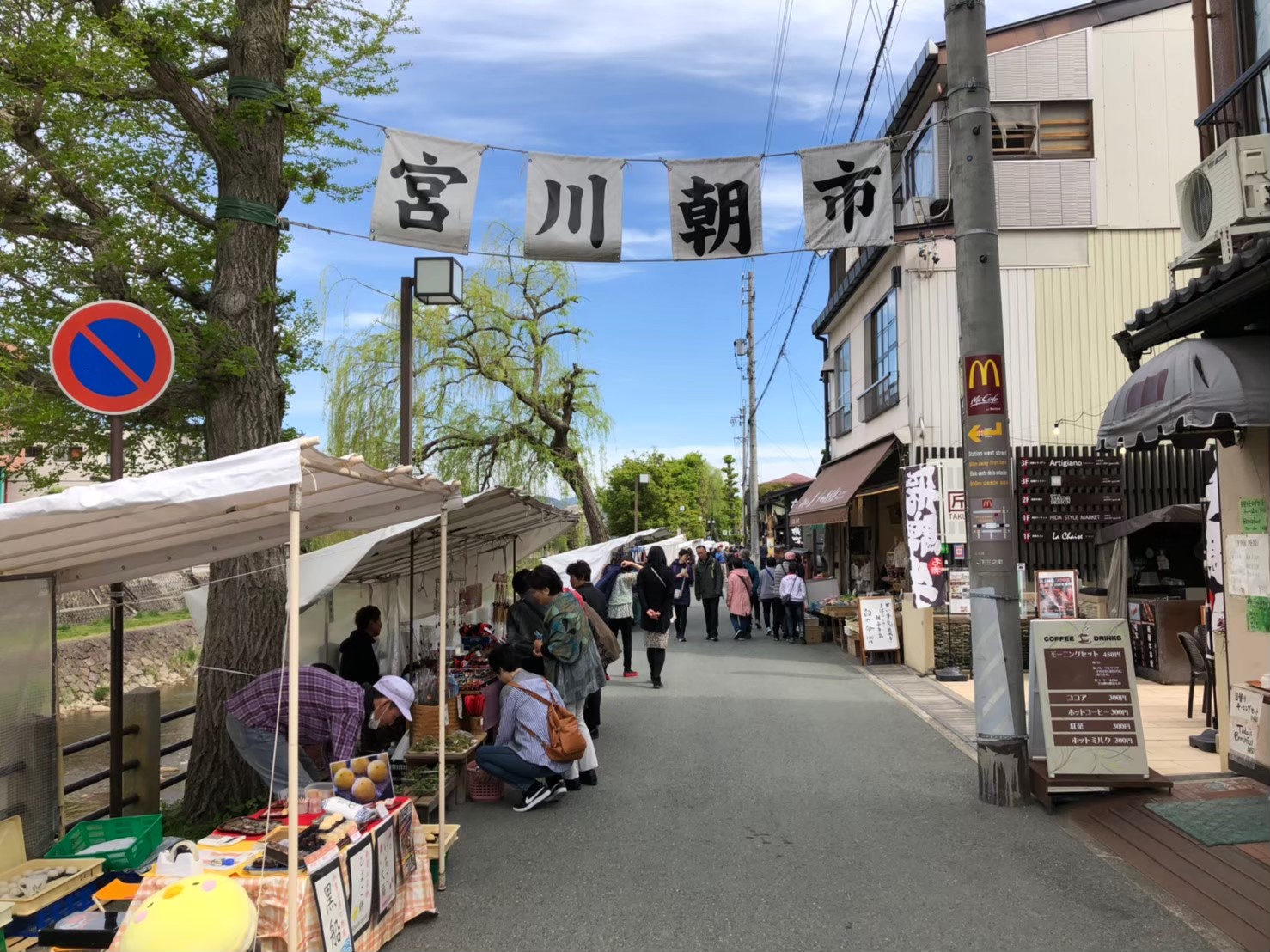
Start your day at one of Takayama’s Morning Markets, a tradition that has been part of daily life in the city for generations. Takayama has two main markets, each offering a slightly different experience.
The Miyagawa Morning Market stretches along the Miyagawa River and features stalls selling local produce, snacks, sweets, flowers, crafts and souvenirs. Its location beside Takayama’s Historic Old Town makes it easy to combine with a walk through Sanmachi.
The smaller Jinya-mae Morning Market is located directly outside Takayama Jinya and traditionally has a stronger focus on locally grown fruit, vegetables, pickles and other regional products. The selection at both markets changes with the seasons, weather and availability of local produce, so no two visits are exactly the same.
Some stalls may accept only cash, making it helpful to carry smaller yen notes and coins when browsing.
4 / TRY HIDA BEEF & TAKAYAMA’S LOCAL FOOD / All Year Round
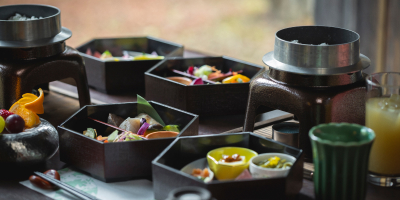
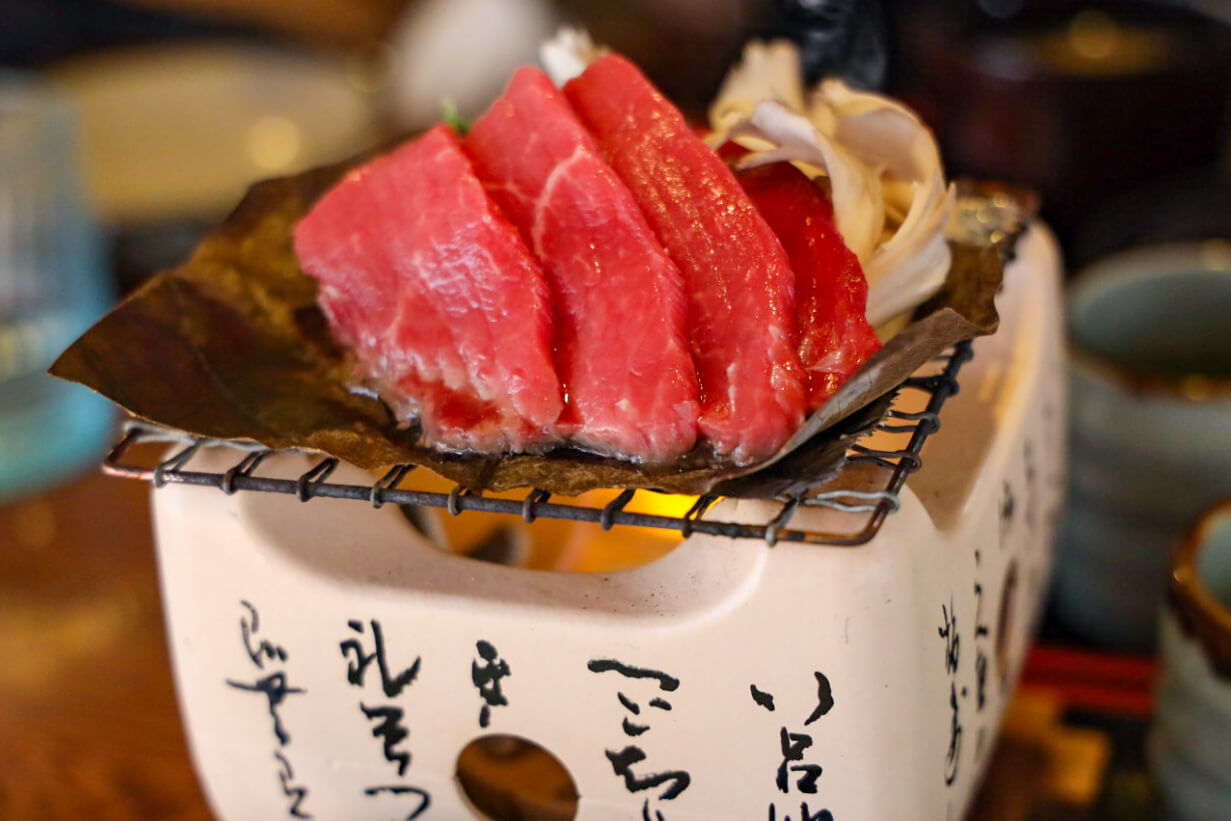
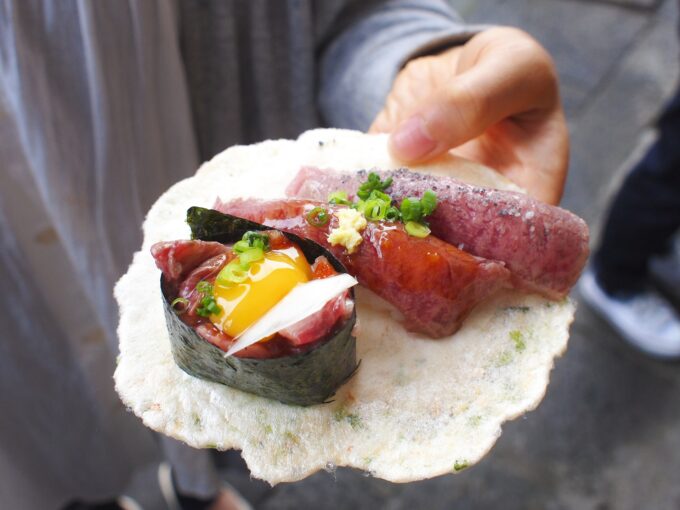
Food is an important part of any visit to Takayama, with Hida beef being the region’s most famous speciality. Known for its rich marbling and tender texture, Hida beef can be enjoyed in everything from yakiniku and steak to sushi and small street-food snacks found throughout the Old Town.
There is plenty more to try beyond Hida beef. Local favourites include Takayama ramen, hoba miso grilled on a magnolia leaf, mitarashi dango and locally brewed sake. Exploring the city’s restaurants, markets and food stalls is one of the easiest ways to experience the flavours and traditions of the Hida region. Our guide to the best places to eat in Takayama provides more information about local dishes and recommended restaurants.
5 / TAKAYAMA FESTIVALS / April 14–15 & October 9–10
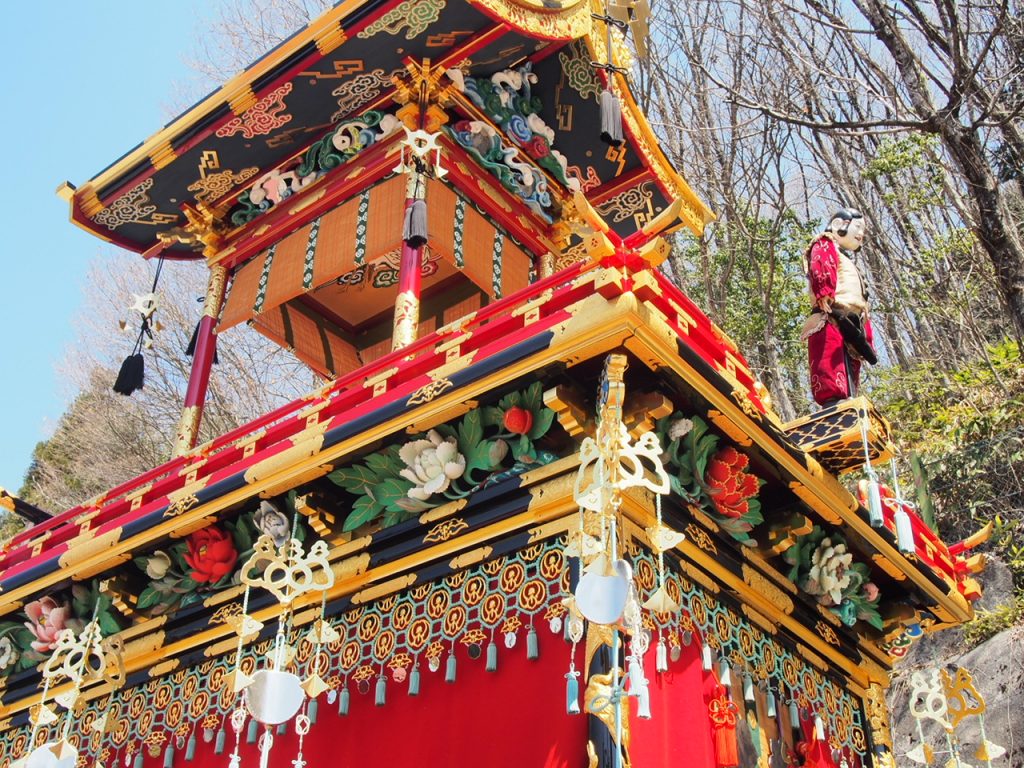
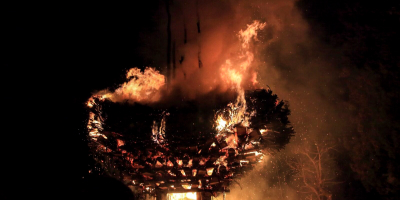
The Takayama Festival is one of the city’s most celebrated traditions, held twice each year in spring and autumn. The festival is famous for its elaborately decorated yatai floats, traditional performances and lively atmosphere as the historic streets of Takayama fill with visitors.
The Spring Festival, or Sanno Matsuri, takes place on April 14 and 15, while the Autumn Festival, known as Hachiman Matsuri, is held on October 9 and 10. Both offer a spectacular opportunity to experience Takayama’s craftsmanship and traditions, with processions, performances and beautifully illuminated floats bringing the city’s history to life. See our seasonal guides for more information about visiting Takayama in spring and Takayama in autumn.
6 / SEE THE FESTIVAL FLOATS & SAKURAYAMA HACHIMANGU / All Year Round
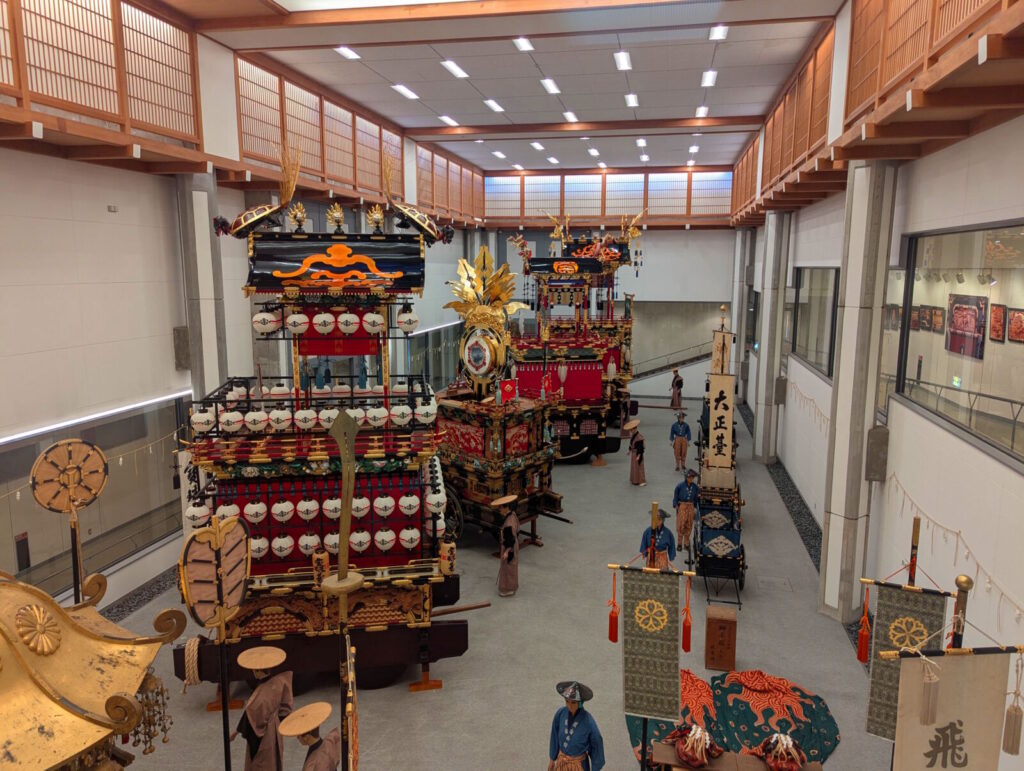
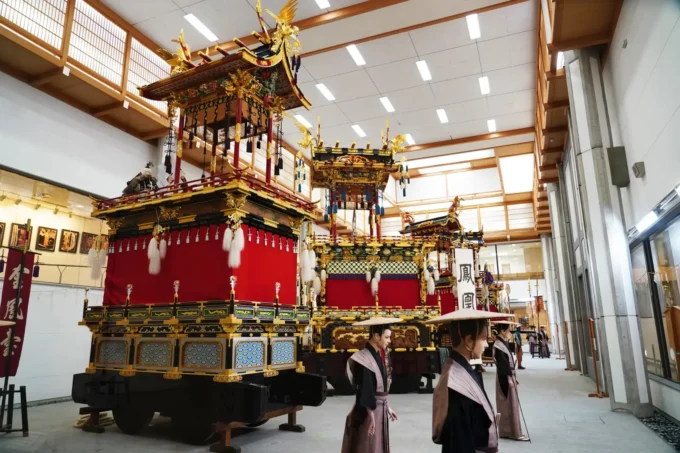
If your visit does not coincide with the Takayama Festival, the Takayama Festival Floats Exhibition Hall offers the chance to see some of the magnificent yatai floats up close throughout the year. Several of the floats used during the Autumn Takayama Festival are displayed on rotation, allowing visitors to appreciate their intricate carvings, metalwork and decorative details.
The exhibition hall stands beside Sakurayama Hachimangu Shrine, the centre of Takayama’s Autumn Festival. Combining the two provides an easy way to discover more about the craftsmanship, religious traditions and festival culture that have shaped Takayama for generations.
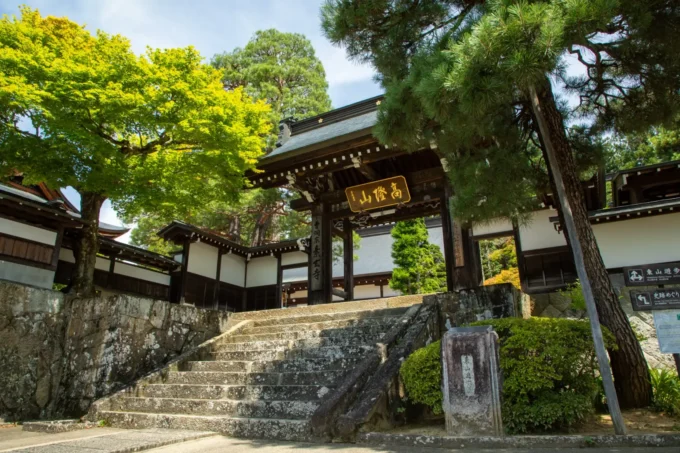
7 / WALK THE HIGASHIYAMA TEMPLE DISTRICT / All Year-Round in suitable weather
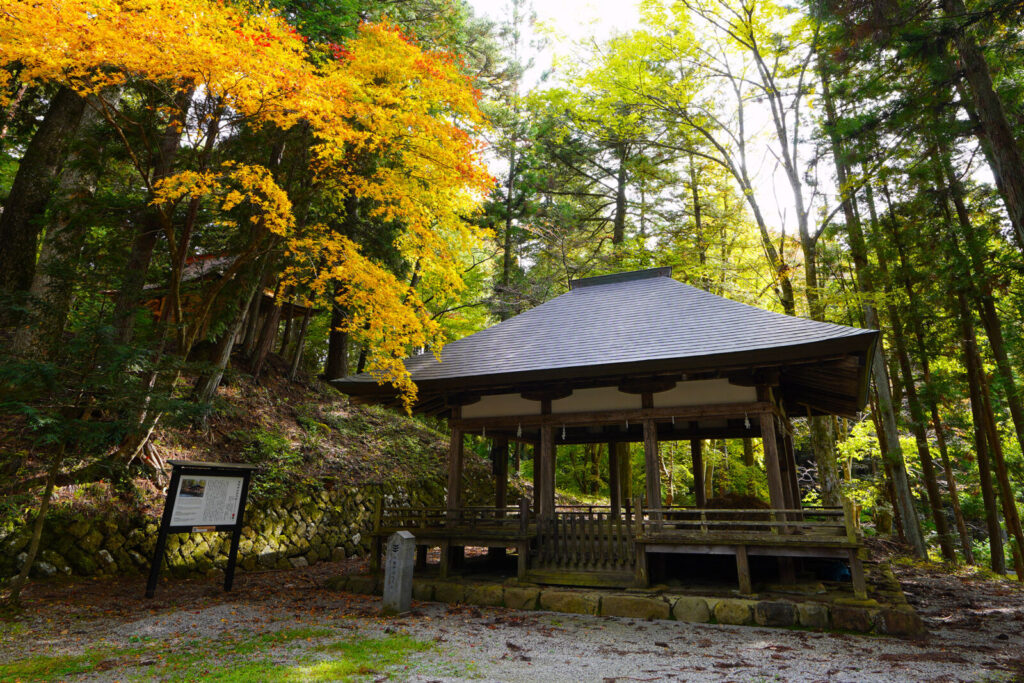
For a quieter side of Takayama, the Higashiyama Temple District stretches along the eastern edge of the city and is home to a collection of historic temples and shrines. The area was established under the influence of Kyoto’s Higashiyama district and offers a peaceful escape from the busier streets of the Old Town.
The Higashiyama Walking Course connects the temple district with the wooded surroundings of Shiroyama Park and the former site of Takayama Castle. Following the route is a great way to explore Takayama on foot while discovering temples, forest paths and another side of the city’s history.
8 / VISIT HIDA FOLK VILLAGE / All Year Round
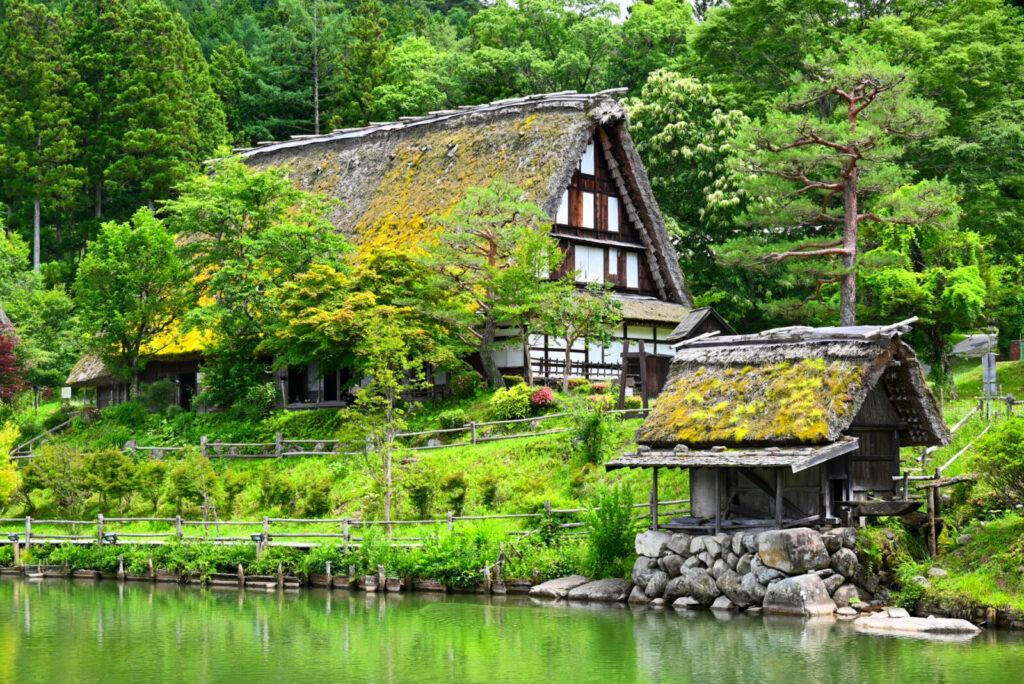
Located just outside central Takayama, Hida Folk Village (Hida no Sato) is an open-air museum featuring more than 30 traditional buildings relocated from communities throughout the Hida region. Set around a peaceful pond and surrounded by forest, the village preserves examples of traditional farmhouses, storehouses and other buildings that once formed part of everyday life in the mountains.
Visitors can step inside many of the buildings to learn about traditional Hida lifestyles, architecture and craftsmanship. With its changing scenery throughout the seasons, Hida Folk Village is also an easy way to experience the region’s rural heritage without travelling far from Takayama.
Recommended
1-Day Tour from Takayama: Hida's Hidden Gems - Hida Folk Village, Limestone Caves and the Shinhotaka Ropeway
- Spots:
- TakayamaShinhotaka
- Pick-up:
- Takayama
- Drop-off:
- Takayama
9 / EXPLORE HIDA-FURUKAWA / All Year Round
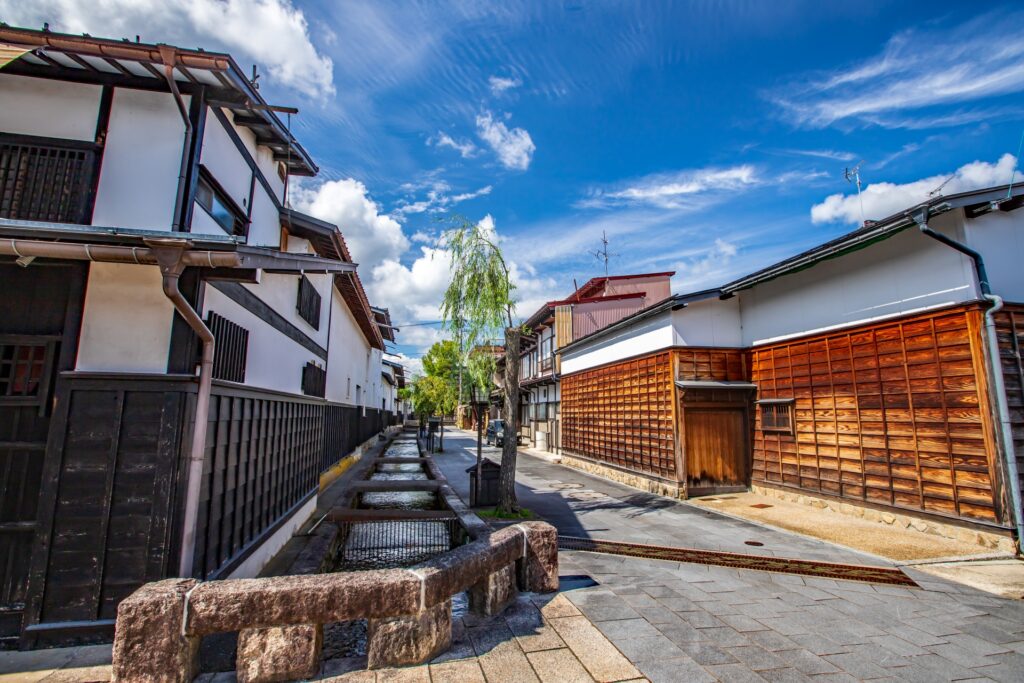
Just a short journey north of Takayama, Hida-Furukawa is a charming historic town known for its traditional streets, white-walled storehouses and peaceful canals filled with colourful carp. With fewer visitors than Takayama, the town offers a relaxed atmosphere and an opportunity to experience another side of the Hida region.
Spend some time exploring the historic town centre, visit local sake breweries and craft shops, or simply wander along the Setogawa Canal. Hida-Furukawa is easily accessible from Takayama, making it an excellent half-day trip or addition to a longer stay in the region.
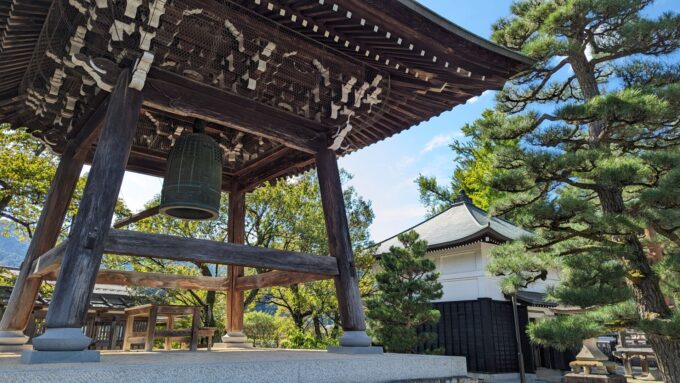
10 / VISIT SHIRAKAWA-GO / All Year Round
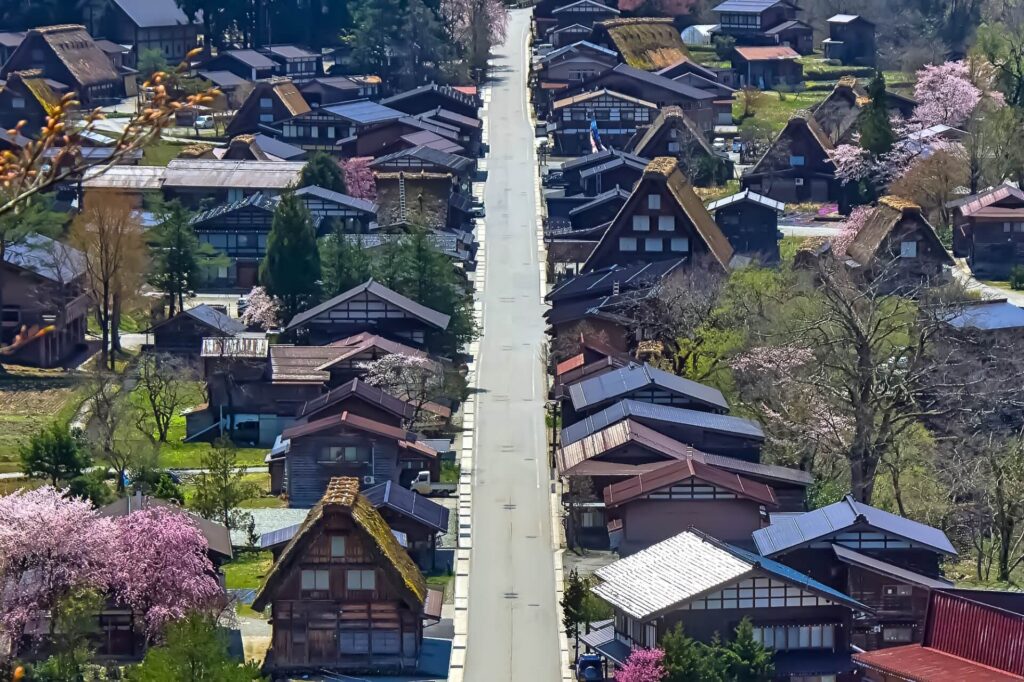
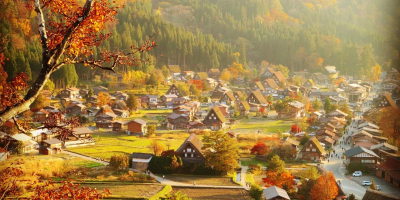
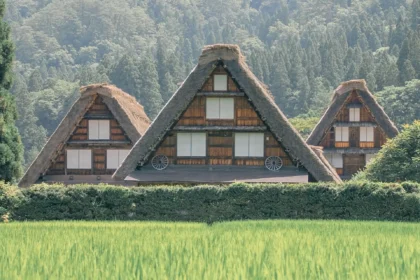
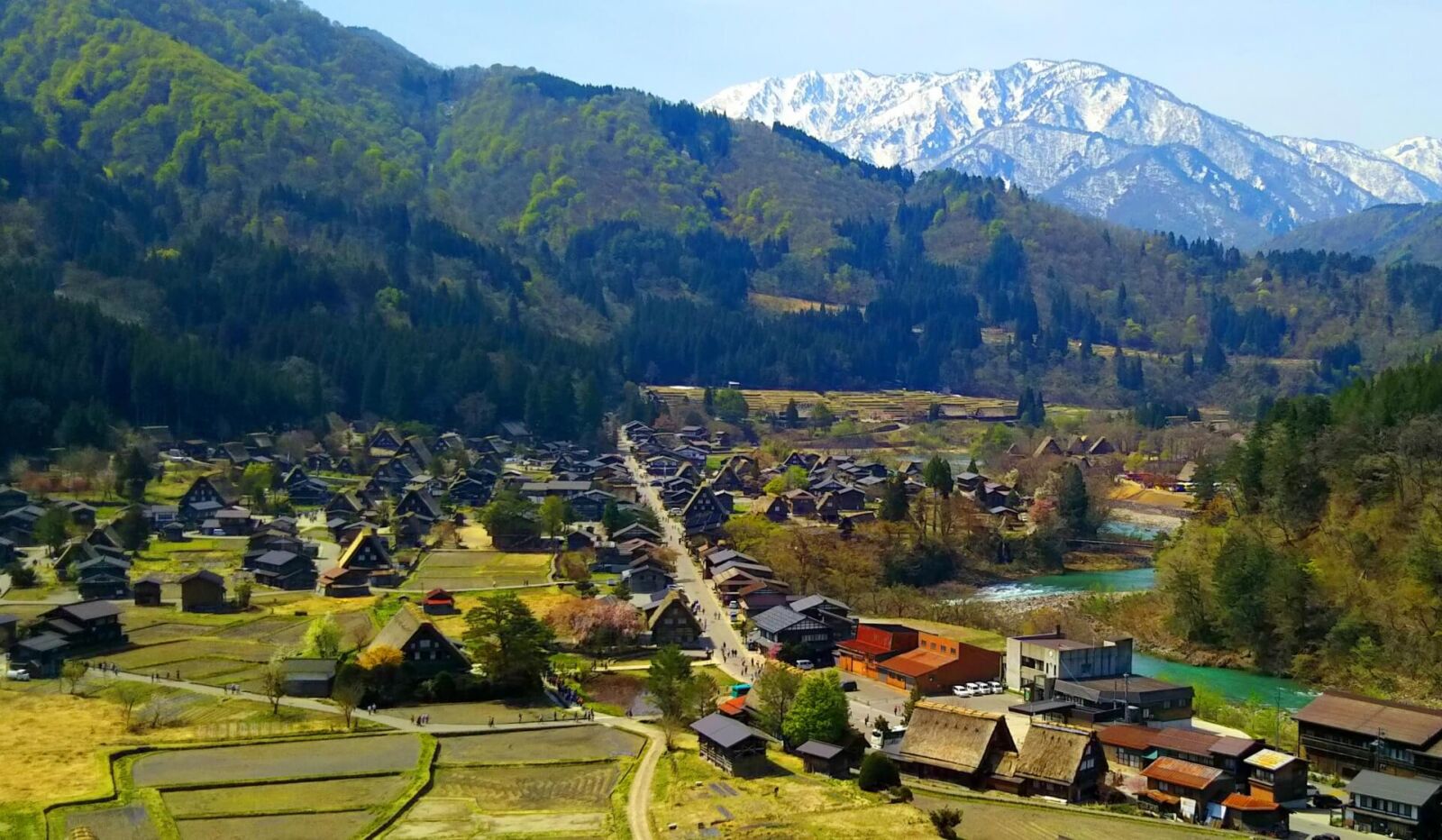
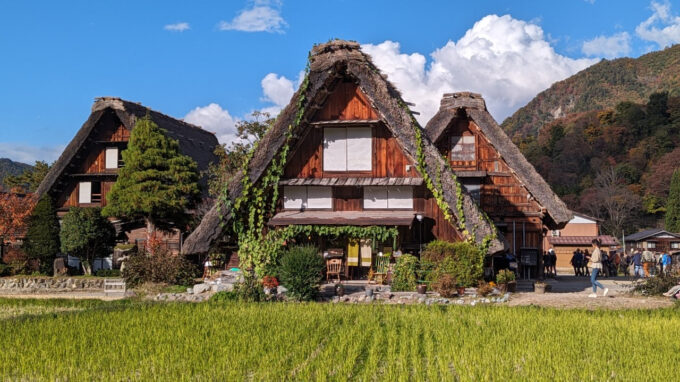
Less than an hour from Takayama, Shirakawa-go is a UNESCO World Heritage destination famous for its traditional gassho-zukuri farmhouses. Surrounded by mountains, the village of Ogimachi is home to dozens of these distinctive steep-roofed houses, some of which have stood for hundreds of years.
Visitors can wander through the village, step inside historic farmhouses and enjoy panoramic views from the observation area overlooking Ogimachi. With each season bringing a completely different landscape, from deep winter snow to green rice fields and colourful autumn foliage, Shirakawa-go is one of the most rewarding day trips from Takayama.
Best Selling
1-Day Tour from Takayama: Explore Scenic Old Japan in Takayama and Shirakawa-go
- Spots:
- TakayamaShirakawago
- Pick-up:
- Takayama
- Drop-off:
- KanazawaTakayama
11 / EXPLORE THE HIDA GREAT LIMESTONE CAVE / All Year Round
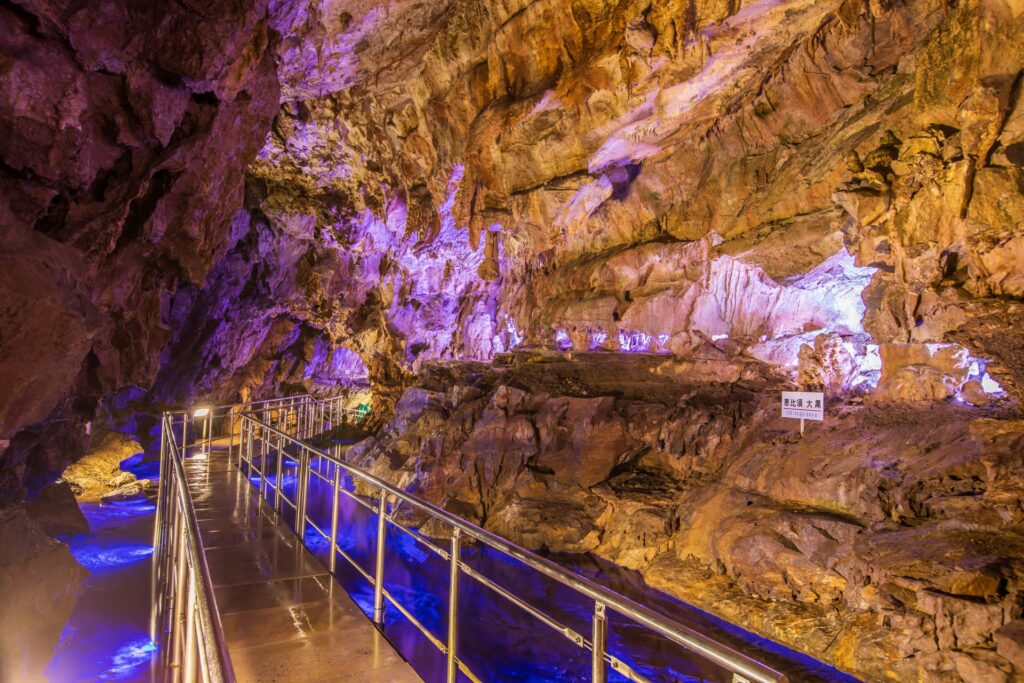
Located in the mountains between Takayama and the Okuhida region, the Hida Great Limestone Cave offers a completely different experience from Takayama’s historic streets. The cave extends for hundreds of metres through the mountainside, with pathways leading past impressive limestone formations created over thousands of years.
The cool underground environment makes the cave particularly refreshing during the warmer months, while its location makes it easy to combine with other attractions east of Takayama. Visitors can also explore the adjoining Ohashi Collection Museum before or after entering the cave.
12 / RELAX IN GERO ONSEN / All Year Round
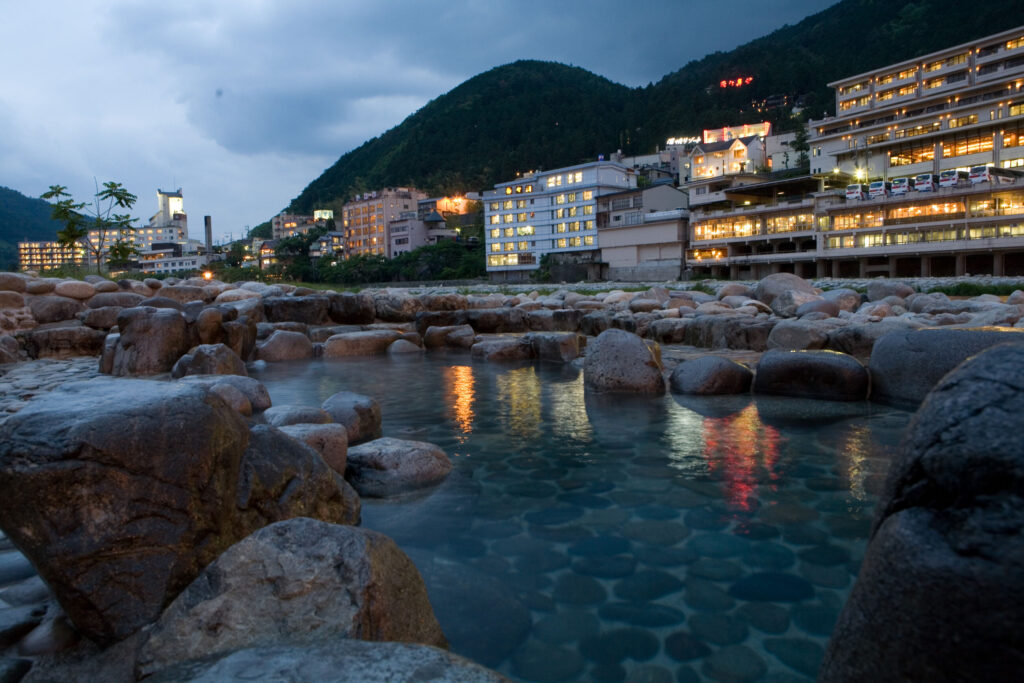
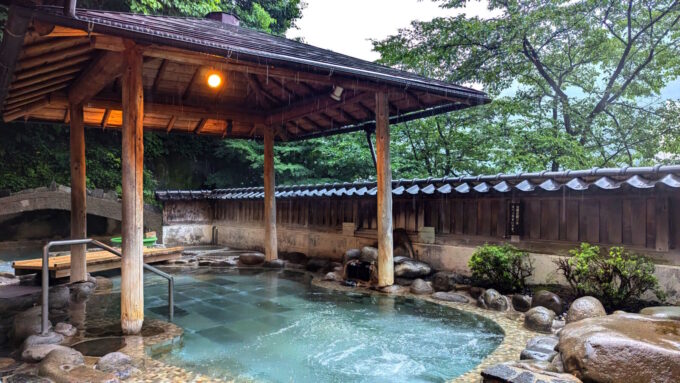
Located south of Takayama, Gero Onsen is one of Japan’s most famous hot spring towns and an easy trip from the city. Set along the Hida River and surrounded by mountains, Gero has been celebrated for its hot spring waters for centuries and offers everything from traditional ryokan baths to public bathhouses and footbaths.
Visitors can spend the day exploring the compact town, soaking in an onsen and enjoying the relaxed atmosphere, or stay overnight for the full hot spring experience. With direct train connections from Takayama, Gero is an easy addition to a journey through the Hida region.
13 / DISCOVER GOKAYAMA / All Year Round
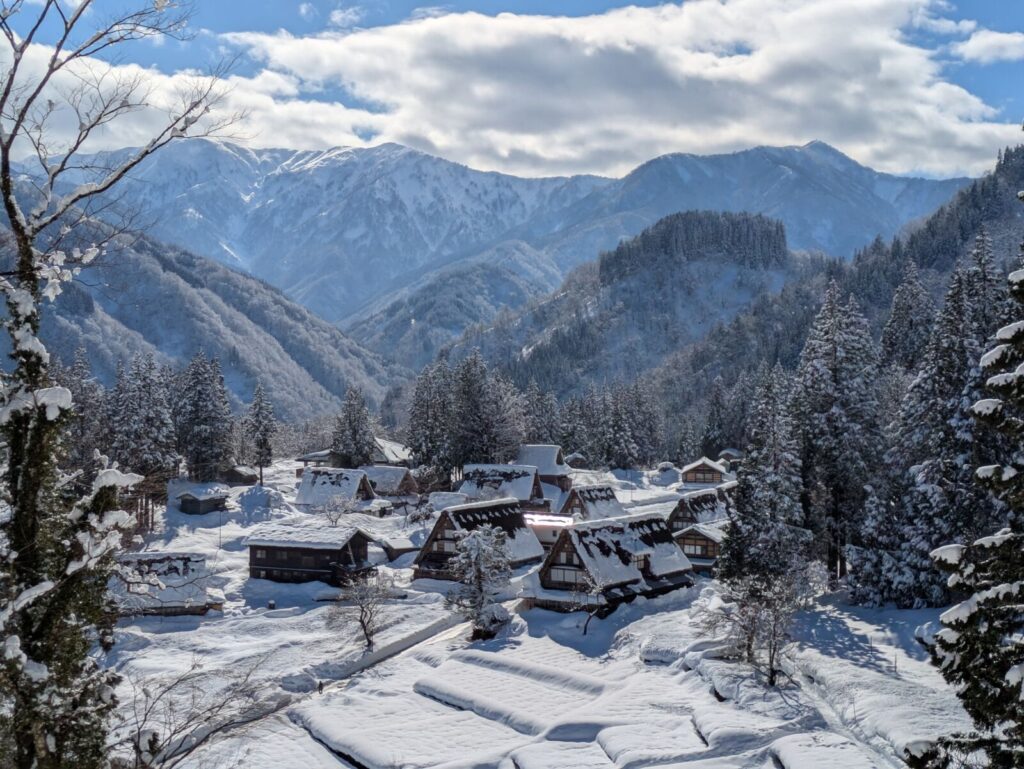
Sharing UNESCO World Heritage status with Shirakawa-go, Gokayama is home to the historic villages of Ainokura and Suganuma. Hidden among the mountains of neighbouring Toyama Prefecture, these smaller communities preserve traditional gassho-zukuri farmhouses in a quieter and more rural setting.
Ainokura is the larger of the two villages and is closely connected to Gokayama’s traditional washi papermaking culture. Suganuma is more compact and includes museums introducing the region’s historic industries and daily life. Public transport is more limited than at Shirakawa-go, so visitors should check connections carefully or explore the villages as part of an organised tour.

14 / RELAX IN HIRAYU & OKUHIDA ONSEN / All Year Round
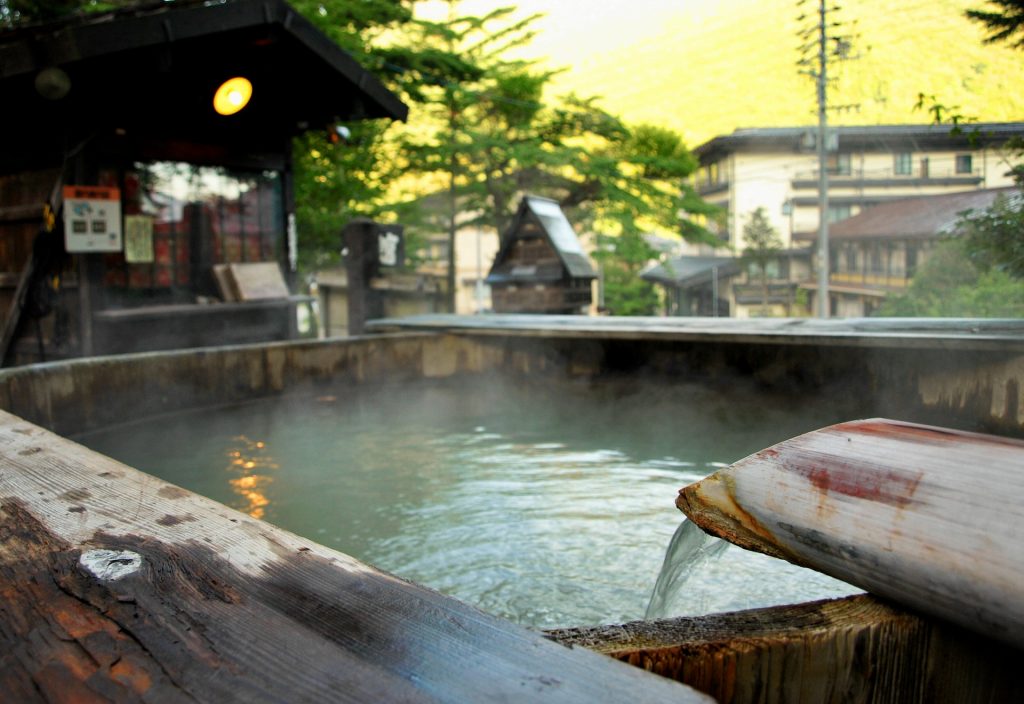
East of Takayama, Okuhida Onsen is a collection of five hot spring villages surrounded by the Northern Japanese Alps. The area is especially known for its open-air baths, mountain scenery and traditional ryokan, making it an excellent place to relax away from the city.
Hirayu Onsen is the largest and most accessible of the five villages and serves as a transport hub for Kamikochi and Shinhotaka. Some ryokan offer bathing to non-staying visitors, but availability and admission hours vary, so visitors hoping to enjoy a day-use onsen should check directly before travelling.
15 / RIDE THE SHINHOTAKA ROPEWAY / All Year Round
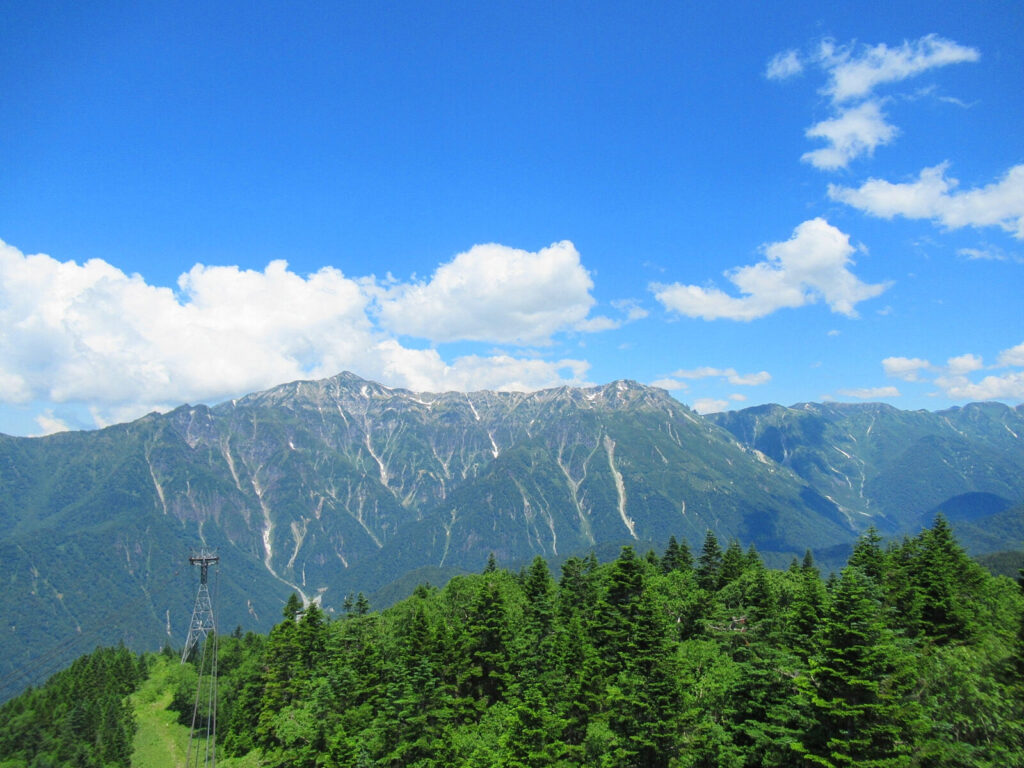
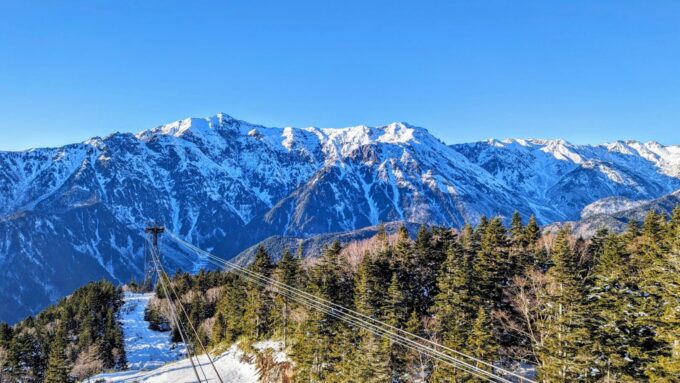
Rising high into the Northern Japanese Alps, the Shinhotaka Ropeway offers some of the most spectacular mountain views within reach of Takayama. The journey includes Japan’s only double-decker gondola, carrying visitors up to the upper station at more than 2,000 metres above sea level.
From the observation deck, visitors can enjoy panoramic views across the surrounding peaks, with the scenery changing dramatically throughout the year. Lush summer mountains, brilliant autumn colours and deep winter snow each offer a completely different experience, making Shinhotaka a rewarding destination across the seasons.
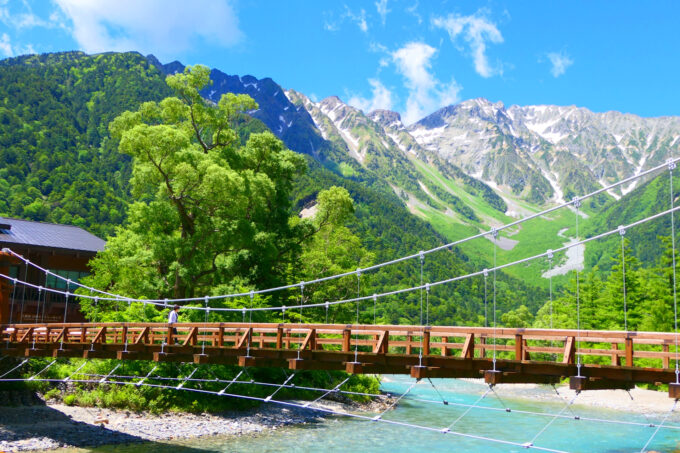
16 / EXPLORE KAMIKOCHI / Mid-April to Mid-November
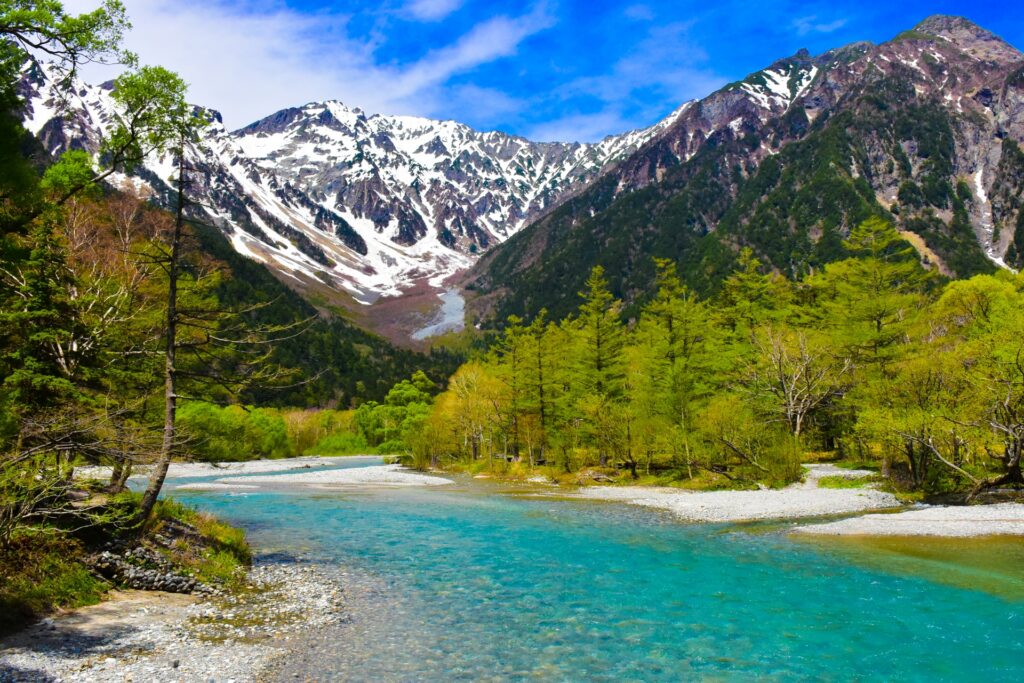
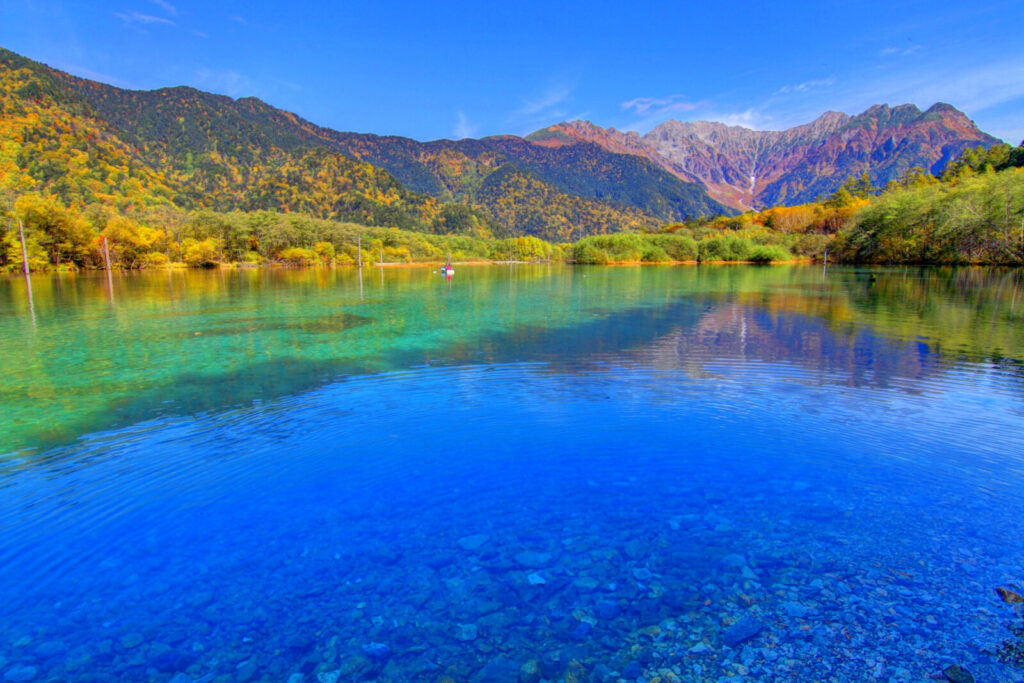
Set deep within the Northern Japanese Alps, Kamikochi is one of Japan’s most spectacular alpine destinations. The valley follows the clear waters of the Azusa River beneath towering mountain peaks, with popular sights including Kappa Bridge, Taisho Pond and Myojin Pond.
Private vehicles are not permitted inside Kamikochi, helping preserve its peaceful natural environment. Visitors travelling from Takayama must connect through Hirayu Onsen, while access closes during winter. See our guide on how to get to Kamikochi for current transport information.
17 / EXPERIENCE MOUNT NORIKURA / Summer to Autumn
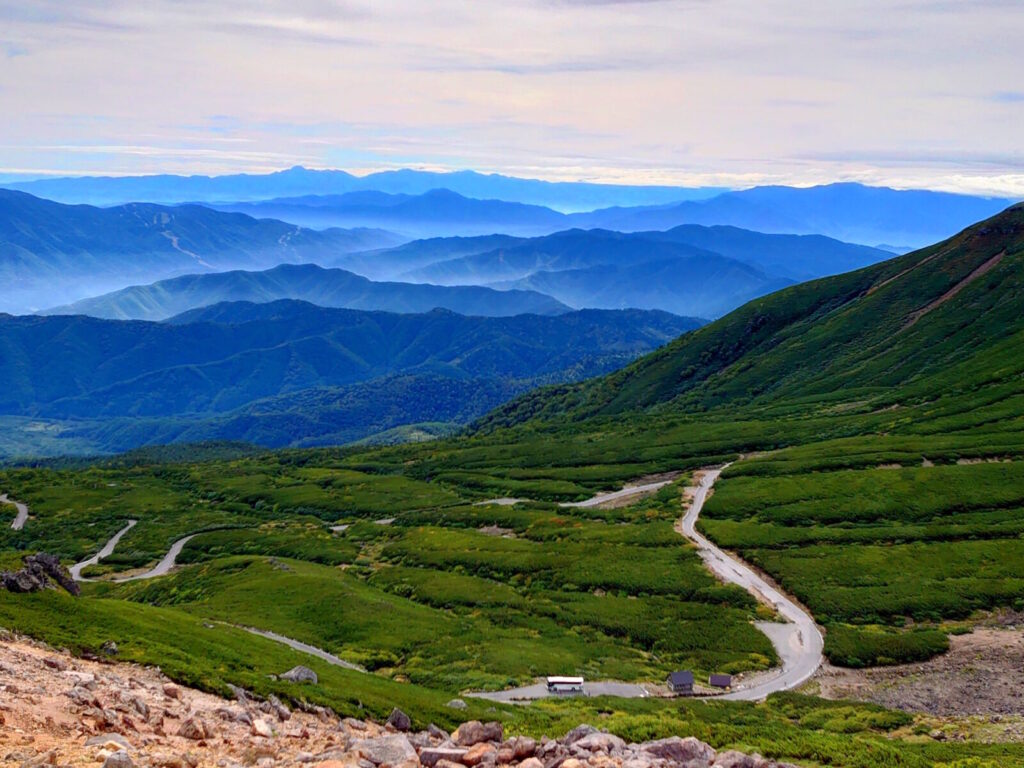
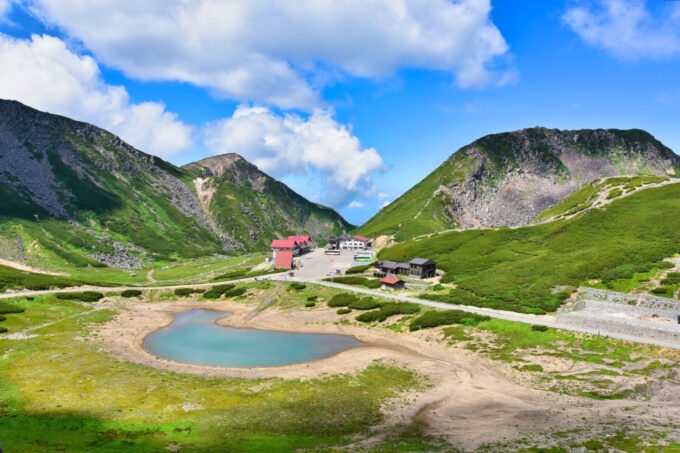
Rising to 3,026 metres on the border of Gifu and Nagano prefectures, Mount Norikura offers visitors the chance to experience the high mountains of the Japanese Alps without requiring a demanding multi-day hike. During the warmer months, buses climb the spectacular mountain road to Tatamidaira, located at around 2,700 metres above sea level.
From Tatamidaira, visitors can enjoy alpine scenery, seasonal wildflowers and walking trails surrounded by dramatic mountain views. More adventurous visitors can continue toward the summit, while shorter walks make Norikura accessible to those simply wanting to experience the atmosphere of Japan’s high mountains.
18 / EXPLORE GUJO HACHIMAN / April to November
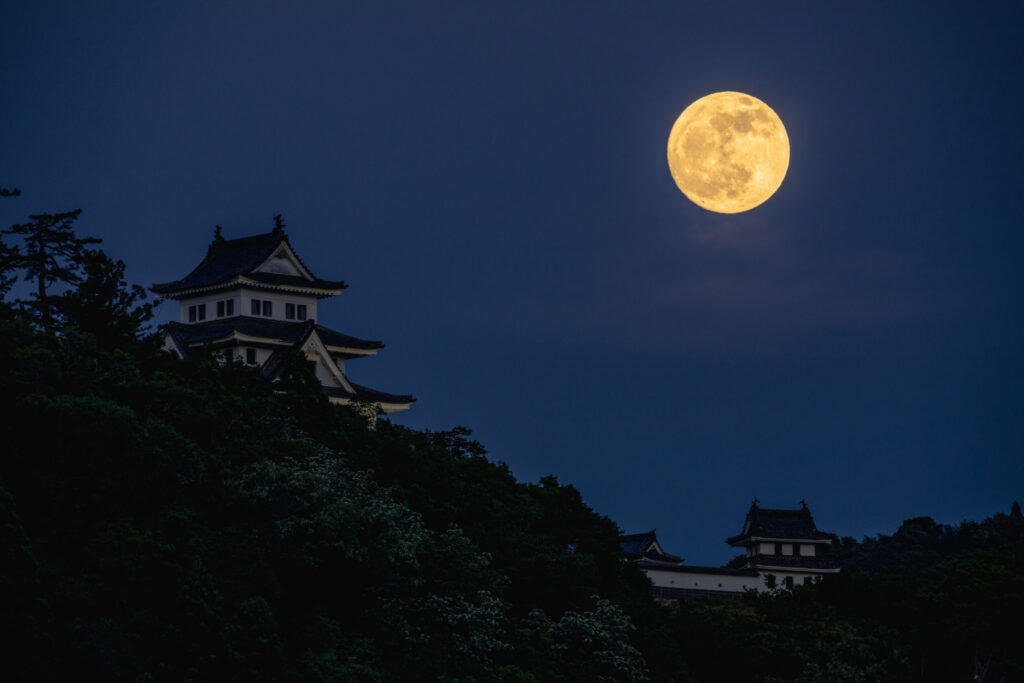
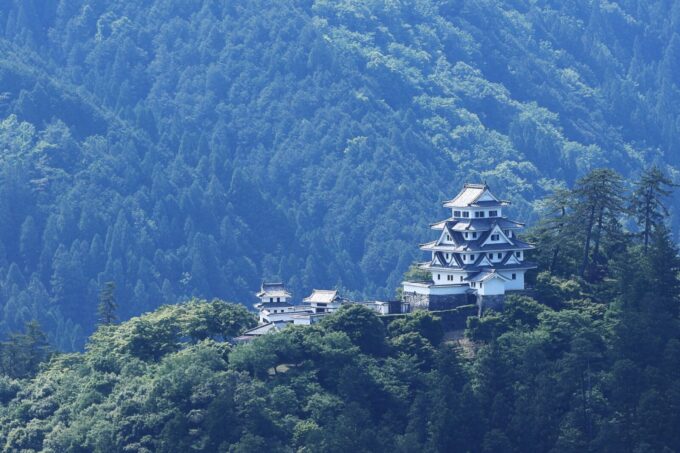
South of Takayama, Gujo Hachiman is a historic castle town known for its traditional streets, clear waterways and distinctive local crafts. Gujo Hachiman Castle overlooks the town, while canals and waterways flow through the historic centre below.
Gujo is especially famous for Gujo Odori, a traditional dance festival held over an extended period each summer and recognised as one of Japan’s most celebrated bon odori traditions. Outside the festival season, visitors can explore the castle, historic streets, temples and waterways at a much more relaxed pace.
19 / VISIT MATSUMOTO & MATSUMOTO CASTLE / All Year Round
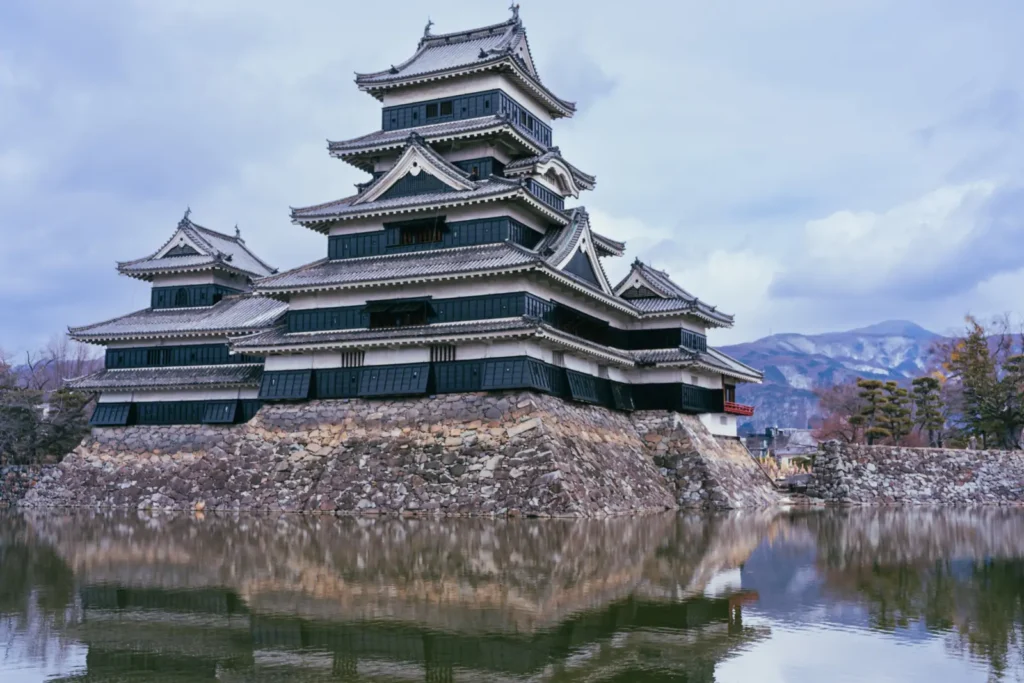
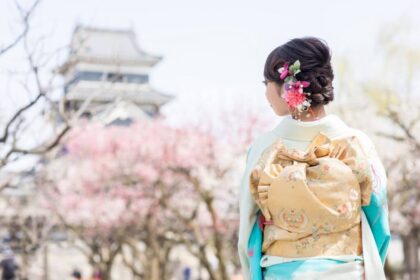
On the eastern side of the Japanese Alps, Matsumoto is a historic city best known for magnificent Matsumoto Castle. With its distinctive black exterior and surviving original wooden keep, the National Treasure is one of Japan’s most important historic castles.
Beyond the castle, visitors can explore the traditional storehouses of Nakamachi, the shops and cafés of Nawate Street, and the Matsumoto City Museum of Art. Direct buses cross the Japanese Alps between Takayama and Matsumoto, making the city a particularly natural next destination for travellers continuing east toward Nagano or Tokyo.
20 / VISIT TOYAMA / All Year Round
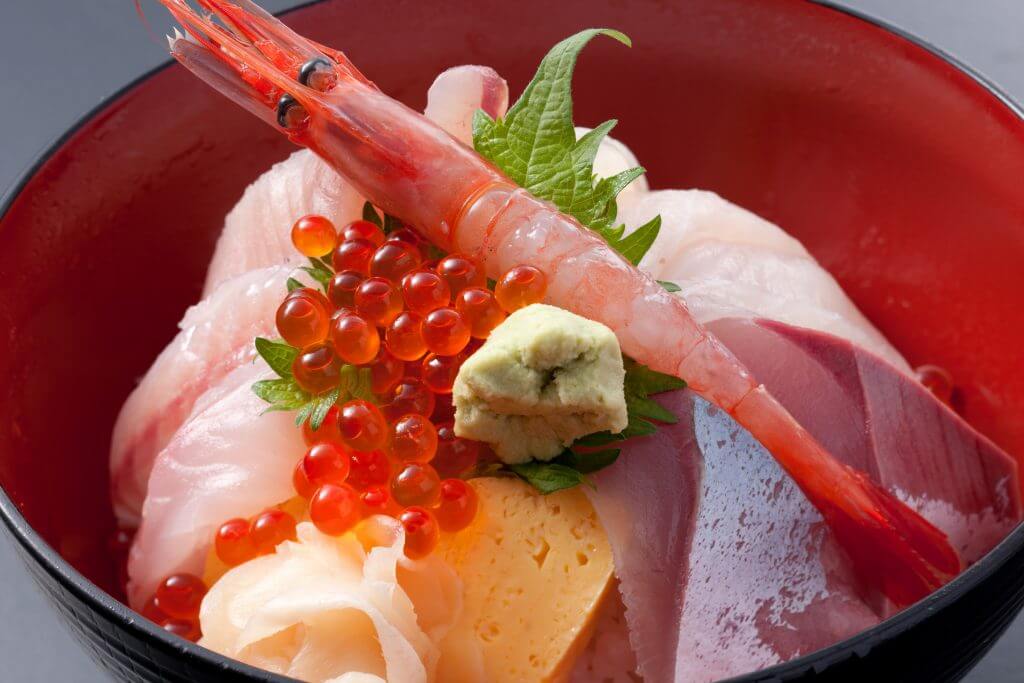
North of Takayama, Toyama sits between the Sea of Japan and the Northern Japanese Alps. The city is known for fresh seafood, Toyama Glass Art Museum, Toyama Castle Park and impressive views toward the Tateyama mountain range.
The Limited Express Hida connects Takayama directly with Toyama, making it a natural next stop when travelling north. Toyama also provides access to the Hokuriku Shinkansen, Tateyama-Kurobe Alpine Route, Kurobe Gorge and destinations along the Sea of Japan coast.
21 / CONTINUE YOUR JOURNEY TO KANAZAWA / All Year Round
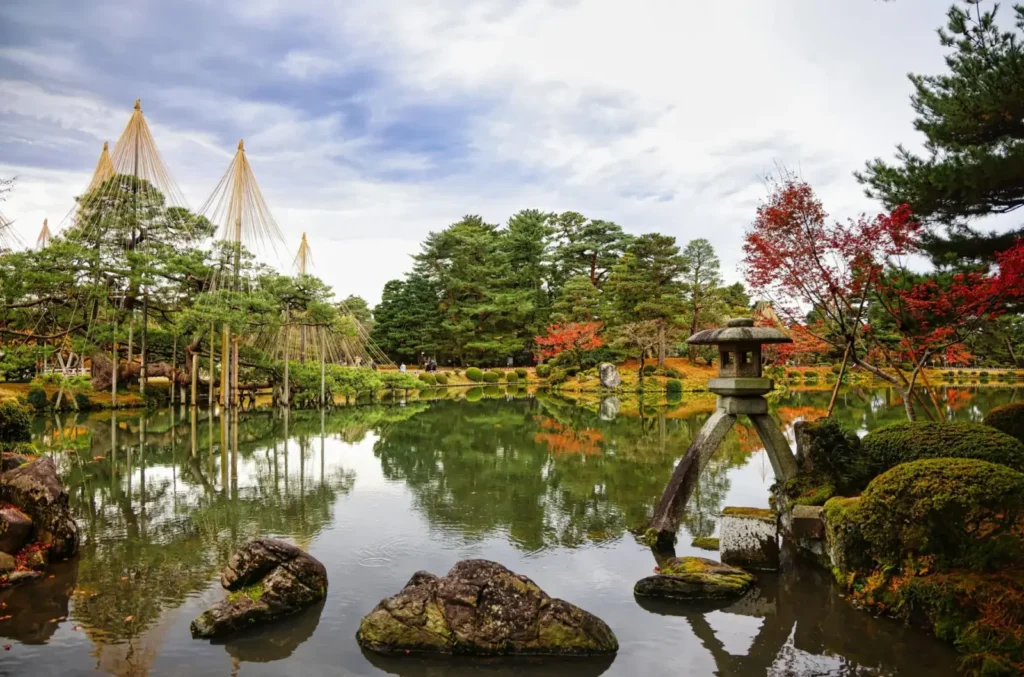
West of Takayama, Kanazawa is one of Central Japan’s most rewarding historic cities. Best known for Kenrokuen Garden, Kanazawa Castle and its preserved samurai and geisha districts, the city also has a thriving food and craft culture shaped by its location on the Sea of Japan.
Highway buses connect Takayama with Kanazawa through the mountains, with some services stopping at Shirakawa-go. Travelling through the World Heritage village allows visitors to continue west without returning to Takayama. Kanazawa can also be reached by travelling north to Toyama and transferring to the Hokuriku Shinkansen. See our guide on how to travel from Takayama to Kanazawa for the available options.
22 / VISIT TAKAYAMA’S SAKE BREWERIES / All Year Round
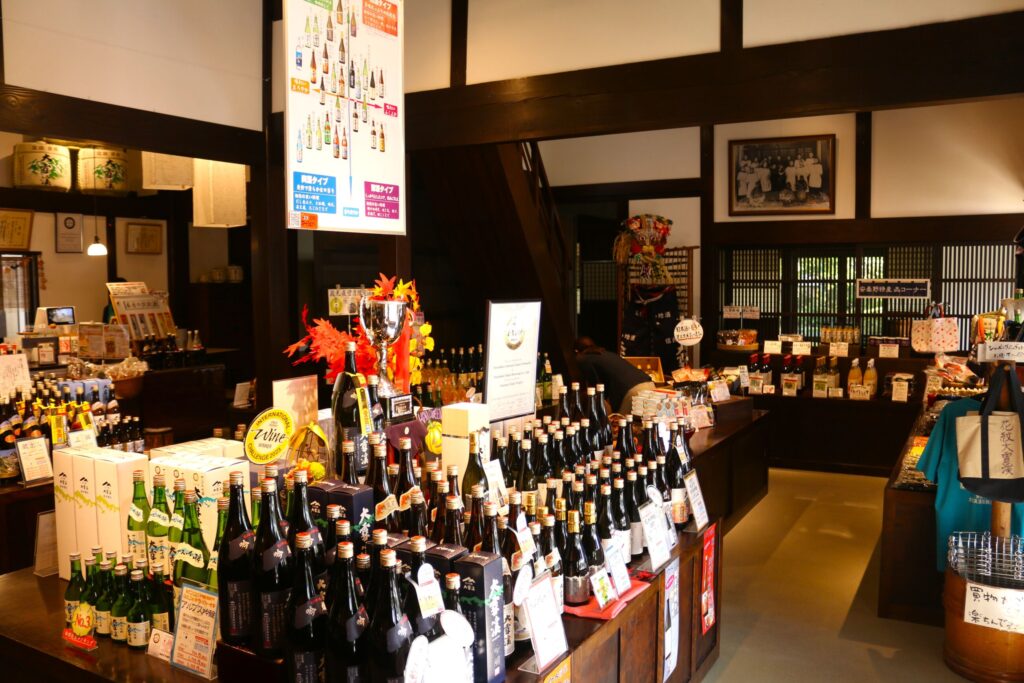
Takayama has a long tradition of sake brewing, supported by the clean mountain water, quality rice and cold climate of the Hida region. Several historic breweries can be found around Takayama’s Old Town and are easily recognised by the large sugidama cedar balls hanging above their entrances.
Many breweries welcome visitors into their shops and offer samples of locally produced sake, although tasting options and charges vary. Winter is an especially interesting season, when freshly brewed sake becomes available. Visitors must be at least 20 years old to drink alcohol in Japan, and anyone driving should not participate in tastings.
Visitors who would prefer a guided introduction can also join our Takayama Foodie Adventure, Showa Era & Old Town Tour, which concludes with a local sake-tasting experience.
23 / SEE TAKAYAMA’S CHERRY BLOSSOMS / Typically Mid to late April
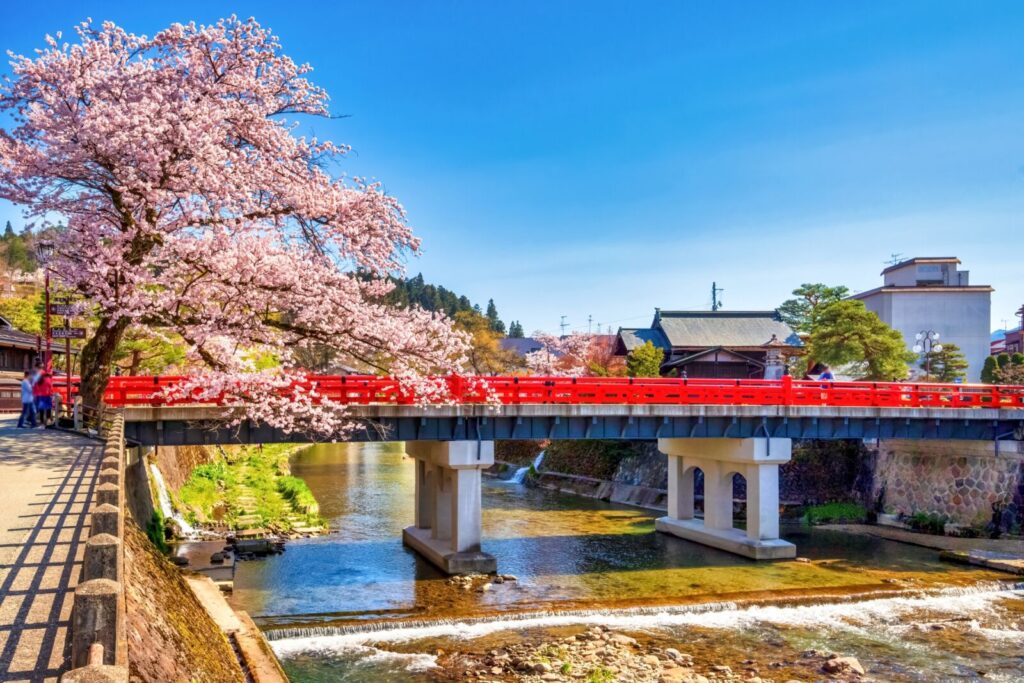
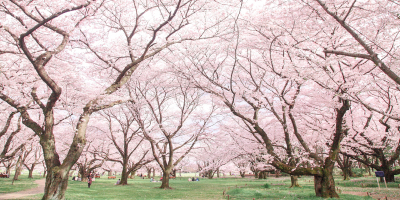
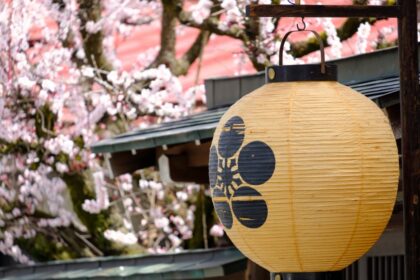
Spring brings cherry blossoms to Takayama slightly later than many of Japan’s major cities, thanks to the cooler mountain climate of the Hida region. When the blossoms arrive, parks, riversides, temples and historic streets throughout the city take on a completely different atmosphere.
Popular places to enjoy the blossoms include the Miyagawa River, Nakabashi Bridge and the area around Takayama Jinya, while quieter spots can be found throughout the surrounding countryside. If you are planning a spring visit, our Takayama Cherry Blossom Guide covers some of the best places and typical timing for seeing the blossoms around the city.
24 / EXPERIENCE TAKAYAMA’S AUTUMN COLOURS / October to November
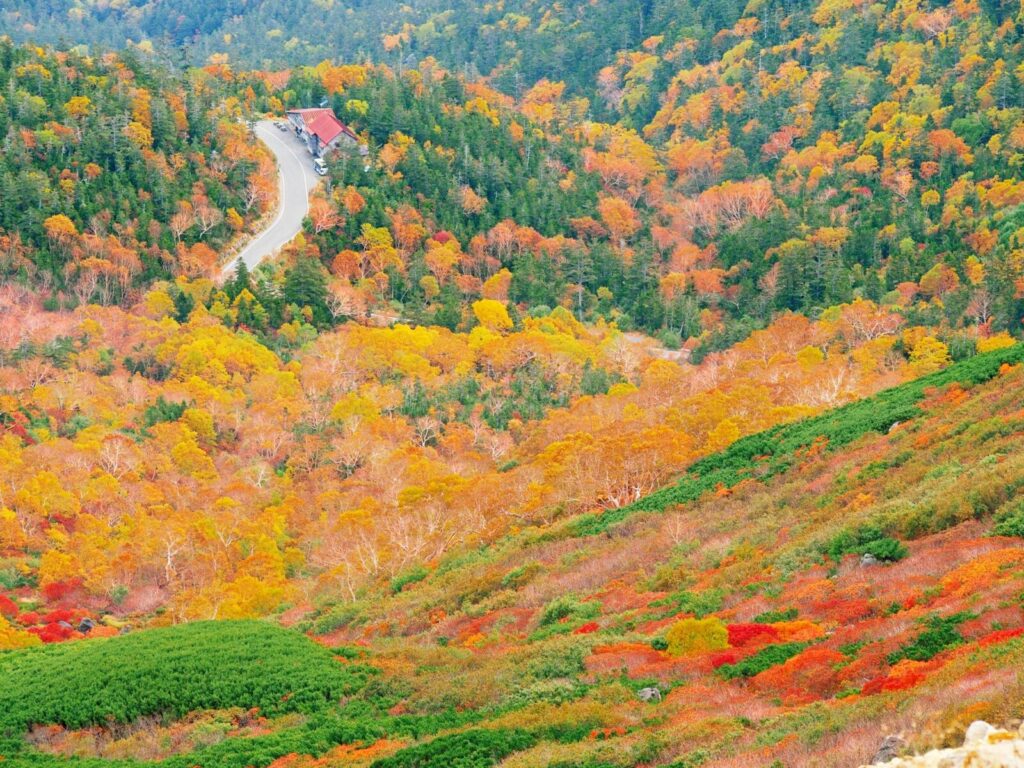
Autumn is one of the most beautiful times to visit Takayama, as the forests and mountains of the Hida region turn brilliant shades of red, orange and gold. Thanks to the large differences in elevation around the region, the autumn colours begin high in the Japanese Alps before gradually making their way down toward Takayama.
This creates a long season for enjoying the changing leaves, with destinations such as Shinhotaka and Okuhida offering spectacular mountain scenery earlier in autumn, followed by colourful landscapes around Takayama itself later in the season. See our Takayama Autumn Leaves Guide for more information on where and when to experience the colours.
25 / ENJOY WINTER IN TAKAYAMA & THE HIDA MOUNTAINS / December to March
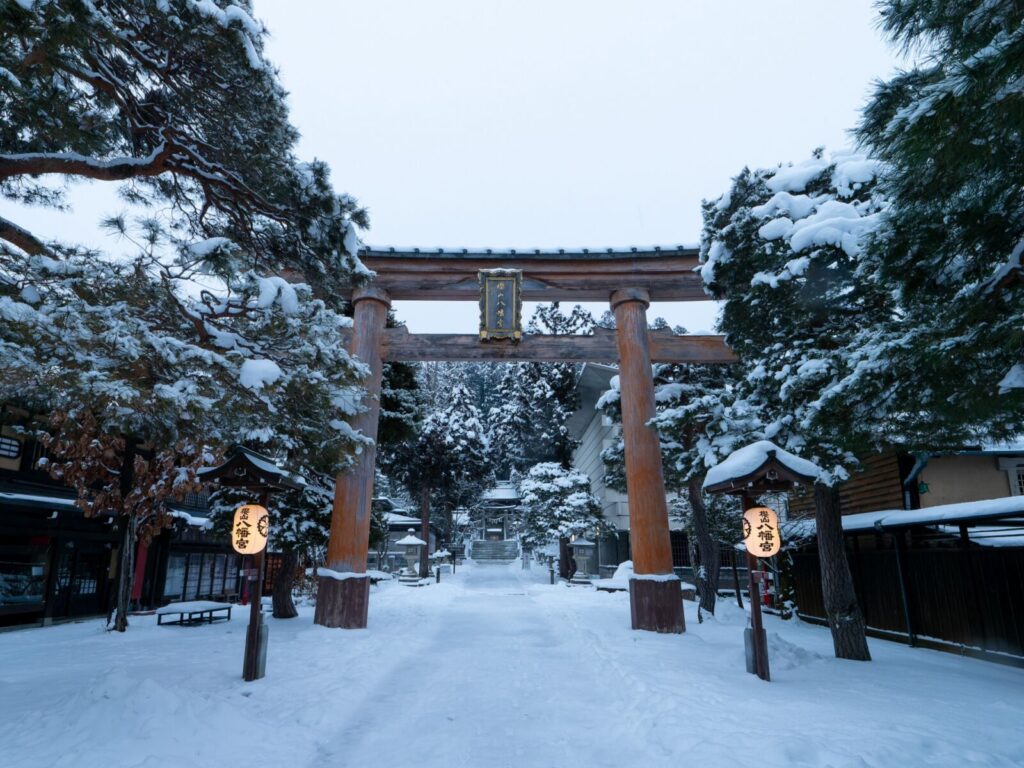
Winter transforms Takayama and the surrounding Hida region, with snow covering the historic streets, traditional villages and mountains of the Japanese Alps. Visitors can enjoy a quieter atmosphere in the city, warming regional food and seasonal sake, while Shirakawa-go, Okuhida and Shinhotaka offer especially dramatic winter landscapes.
Snow and ice can affect roads, walking conditions and transport services, so warm clothing and waterproof footwear with good grip are important. Our guides to the best places to visit in Takayama during winter and what to pack for Takayama provide further seasonal advice.
Best Tours and Itineraries in Takayama & Shirakawa-go
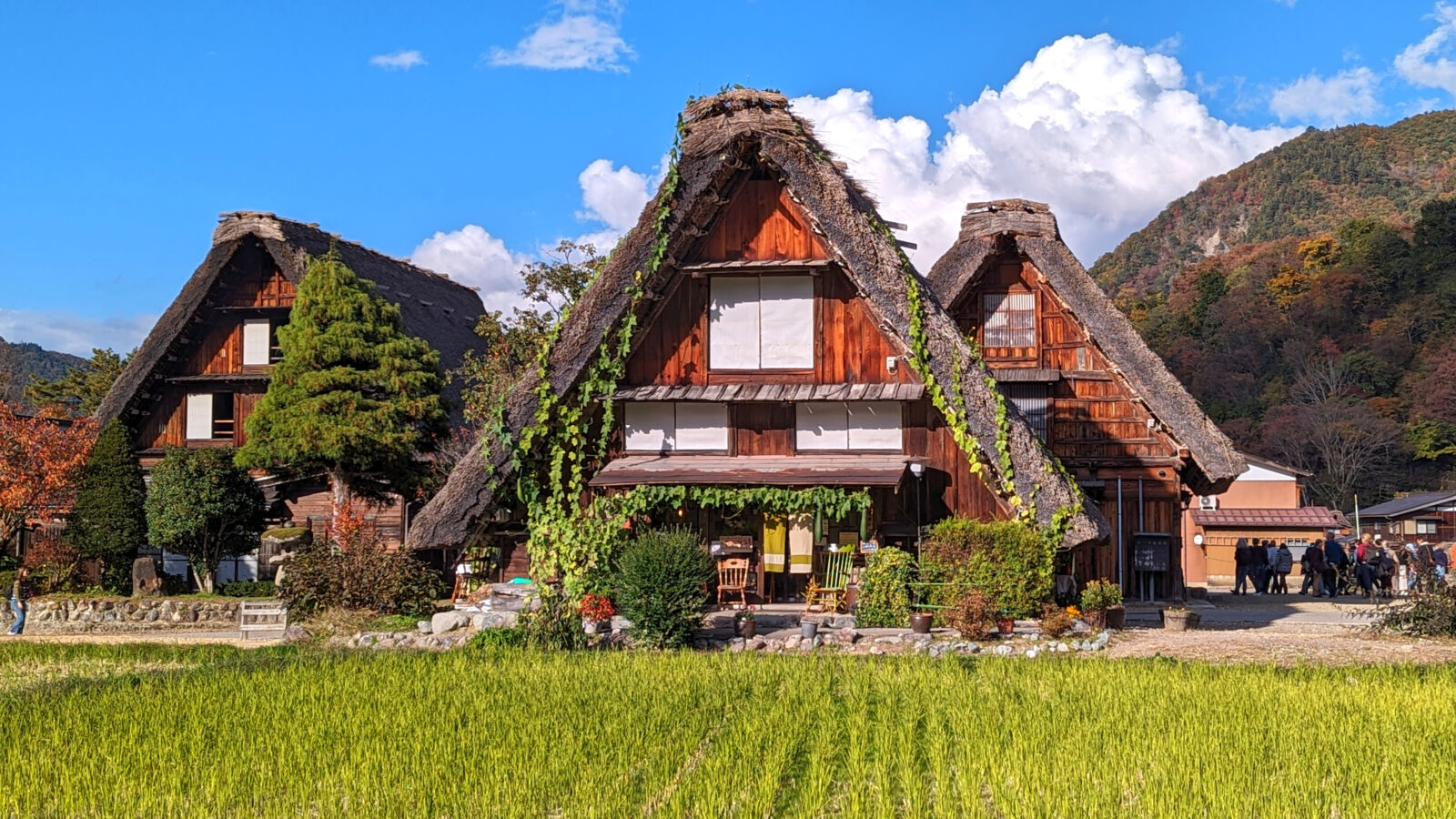
Takayama is an excellent base for exploring the Hida region and Japanese Alps. Many of the destinations featured above can be visited independently, while guided tours are helpful for reaching places with limited public transport and understanding the history, culture and traditions of the region.
One day: Focus on central Takayama, including the morning markets, Takayama Jinya, the Old Town and either the Higashiyama Temple District or Hida Folk Village.
Two days: Explore central Takayama on your first day, followed by a visit to Shirakawa-go or the villages of Gokayama.
Three days or more: Add Hida-Furukawa, Gero Onsen or a seasonal journey into the Japanese Alps, choosing between Kamikochi, Shinhotaka and Mount Norikura.
Our Takayama tours include cultural experiences within the city, visits to the World Heritage villages and journeys into the surrounding mountains. For additional planning ideas, see our guides to the best tours and itineraries in Takayama and Shirakawa-go and the best day trips from Takayama.
Where to Stay When Visiting Takayama?
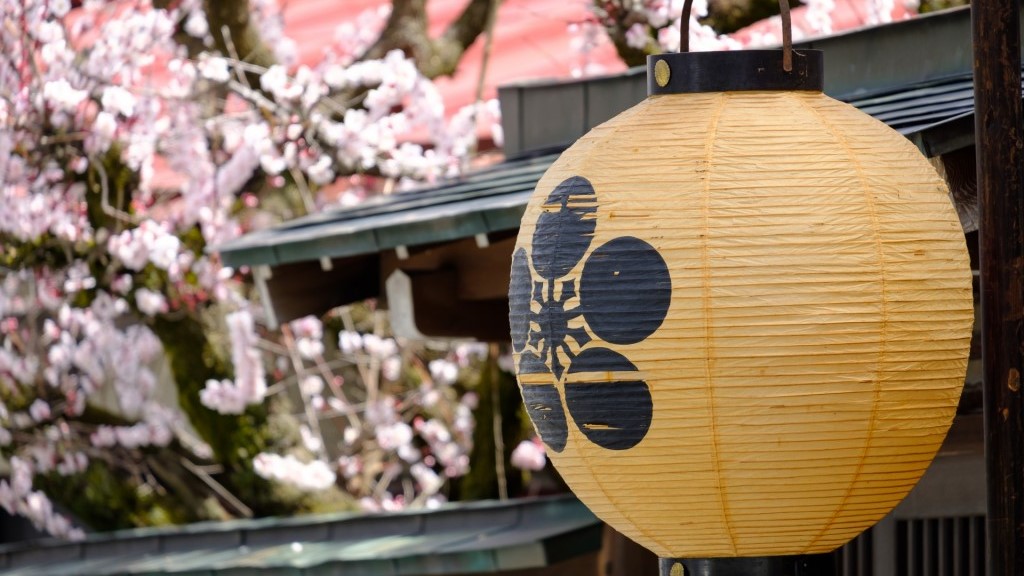
Takayama offers accommodation ranging from traditional ryokan and family-run guesthouses to modern hotels and hostels. First-time visitors often prefer the central Takayama area, where the Old Town, morning markets, Takayama Jinya and many restaurants can be reached on foot.
Accommodation near Takayama Station is particularly convenient for travellers taking trains, buses or guided day tours. Those seeking a quieter mountain stay with traditional hot springs can instead consider the Okuhida Onsen area. For more advice on choosing between locations and accommodation styles, see our guide to the best places to stay in Takayama.
Getting to & Around Takayama
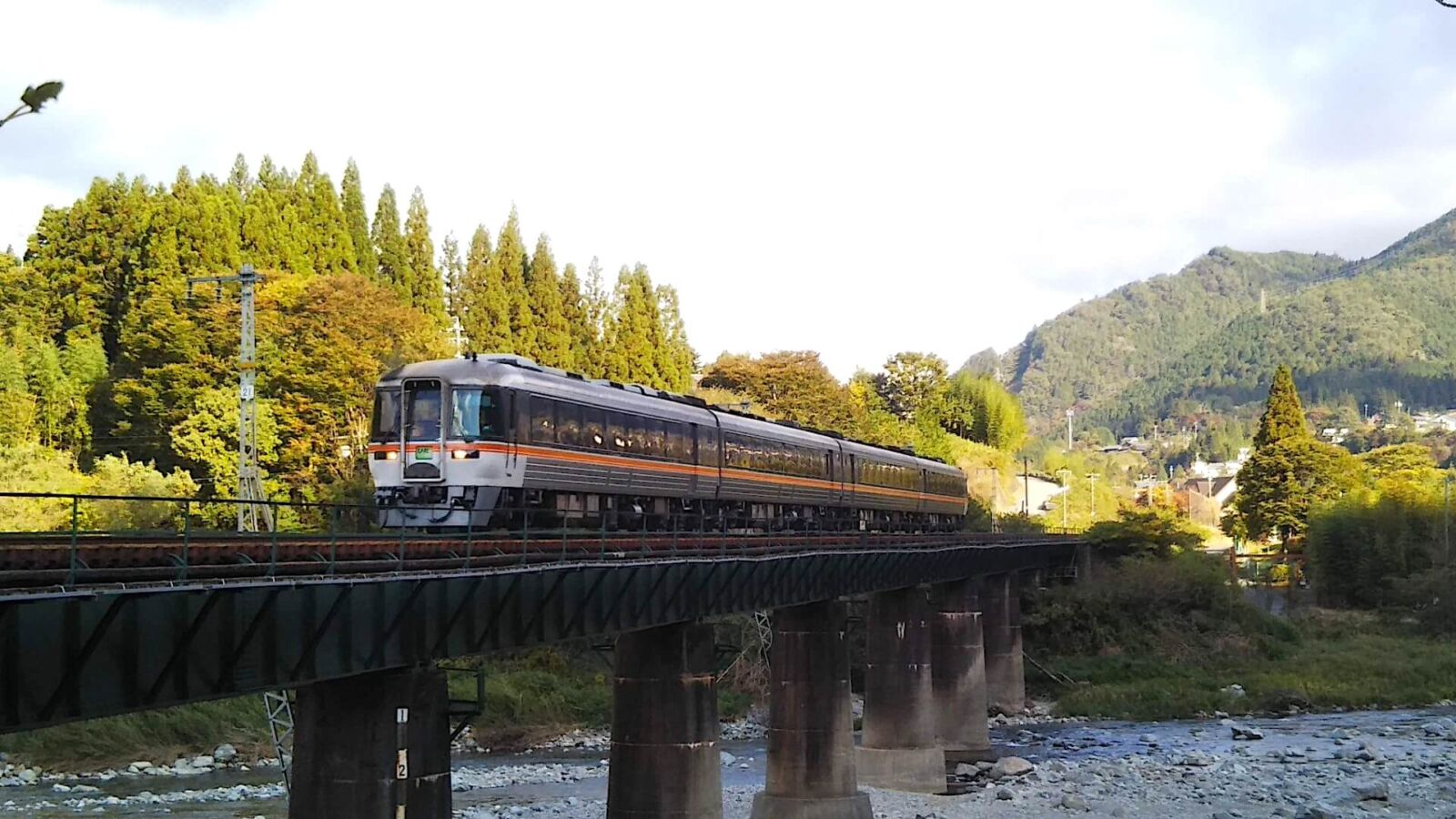
Despite its mountain location, Takayama is well connected by train and highway bus. The Limited Express Hida connects the city with Nagoya and Toyama, while highway buses operate from destinations including Kanazawa, Matsumoto, Tokyo and Osaka. See our guide on how to get to Takayama for detailed route information.
Central Takayama is compact and easy to explore on foot, with the station, Old Town, Takayama Jinya and morning markets located relatively close together. Local services such as the Machinami Bus and Sarubobo Bus are useful for reaching attractions outside the central walking area, including Hida Folk Village.
Regional buses depart from the Takayama Nohi Bus Center beside Takayama Station and provide access to Shirakawa-go, Hida-Furukawa, Hirayu Onsen and Shinhotaka. Some highway bus services require reservations, particularly those travelling to Shirakawa-go and Kanazawa, so travellers should check the conditions for their chosen departure.
Book With Us! Nagano's No.1 Tour & Charter Operator

Why choose us?
Awarded a 2022 TripAdvisor Travelers’ Choice Award for our 1-Day Snow Monkeys, Zenko-ji Temple & Sake Tour – recognised as one of the Top 10 Experiences in Japan – we have the local knowledge and experience to help you get the most out of your time in Japan.
Got a question about visiting Takayama and Central Japan? Contact us and let’s get planning together!
Frequently Asked Questions About Takayama
How many days do you need in Takayama?
For most visitors, two to three days is a good amount of time to spend in Takayama. One day allows you to explore the Old Town, morning markets, Takayama Jinya and other central attractions, while additional days give you time to visit destinations such as Shirakawa-go, Hida-Furukawa or the Japanese Alps.
Is Takayama worth visiting?
Yes. Takayama combines a beautifully preserved historic centre with traditional food, sake, festivals and easy access to some of Central Japan's most spectacular mountain scenery. It is particularly well suited to travellers interested in Japanese history and culture while also providing an excellent base for exploring the wider Hida region.
What is Takayama famous for?
Takayama is best known for its Historic Old Town, twice-yearly festivals, Hida beef, local sake and traditional craftsmanship. It is also a popular base for visiting Shirakawa-go and the Japanese Alps.
Can you visit Shirakawa-go from Takayama?
Yes. Shirakawa-go can be reached from Takayama by highway bus, guided tour or private vehicle. Some bus services require reservations and can sell out during busy travel periods.
When is the best time to visit Takayama?
Takayama is a year-round destination, and the best time depends on what you want to experience. Spring brings cherry blossoms and the Spring Takayama Festival, summer provides access to the Japanese Alps, autumn offers colourful foliage and the Autumn Takayama Festival, while winter transforms the city and surrounding mountains with snow.
Does Takayama get snow?
Yes. Takayama experiences cold, snowy winters, typically from December through March, although conditions vary each year. Snow gives the Old Town and surrounding Hida region a particularly atmospheric appearance, while nearby mountain destinations such as Shirakawa-go, Okuhida and Shinhotaka generally receive even heavier snowfall.
Is Takayama easy to explore on foot?
Yes. Many of Takayama's main attractions are concentrated around the city centre and are easily explored on foot. The Old Town, Takayama Jinya and morning markets are all within walking distance of Takayama Station, while buses, guided tours or private transport are more convenient for destinations outside the city.
How do you get to Takayama?
The Limited Express Hida connects Takayama with Nagoya and Toyama. Highway buses also operate from cities including Kanazawa, Matsumoto, Tokyo and Osaka. See our complete guide on how to get to Takayama for detailed route information.