










Ask Japanese food lovers where they'd return for a second or third trip, and Nagoya is often near the top of the list.
While Osaka is well known for its street food and Sapporo for its sea food, Nagoya has quietly developed one of Japan's most distinctive regional food cultures. Known as Nagoya Meshi, its cuisine is built around rich hatcho miso, charcoal-grilled eel, handmade noodles, and hearty dishes that locals have perfected over generations.
If you only have a limited time in Nagoya to sample its delicious cuisine, these are the six dishes worth building your itinerary around.
How We Chose These Restaurants/Recommendations
We regularly revisit the restaurants featured in this guide and prioritize places that consistently deliver excellent food, strong local reputations, and a dining experience we'd confidently recommend to friends. Rather than simply listing the most famous restaurants, we've focused on establishments that best represent Nagoya's food culture today.
6 Essential Nagoya Foods Every Serious Food Lover Should Try
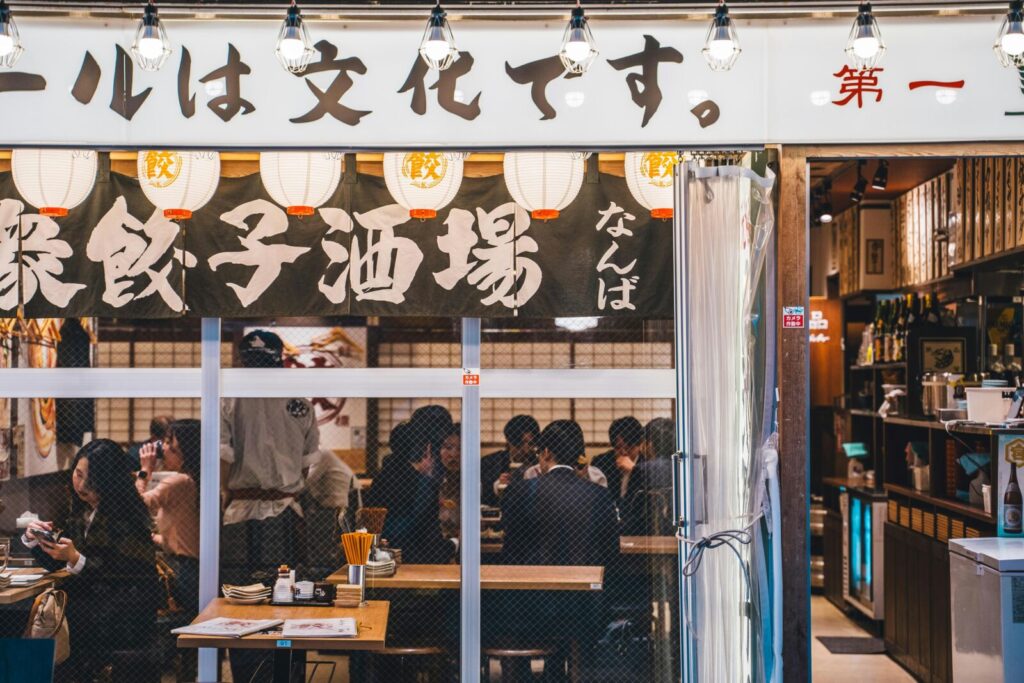
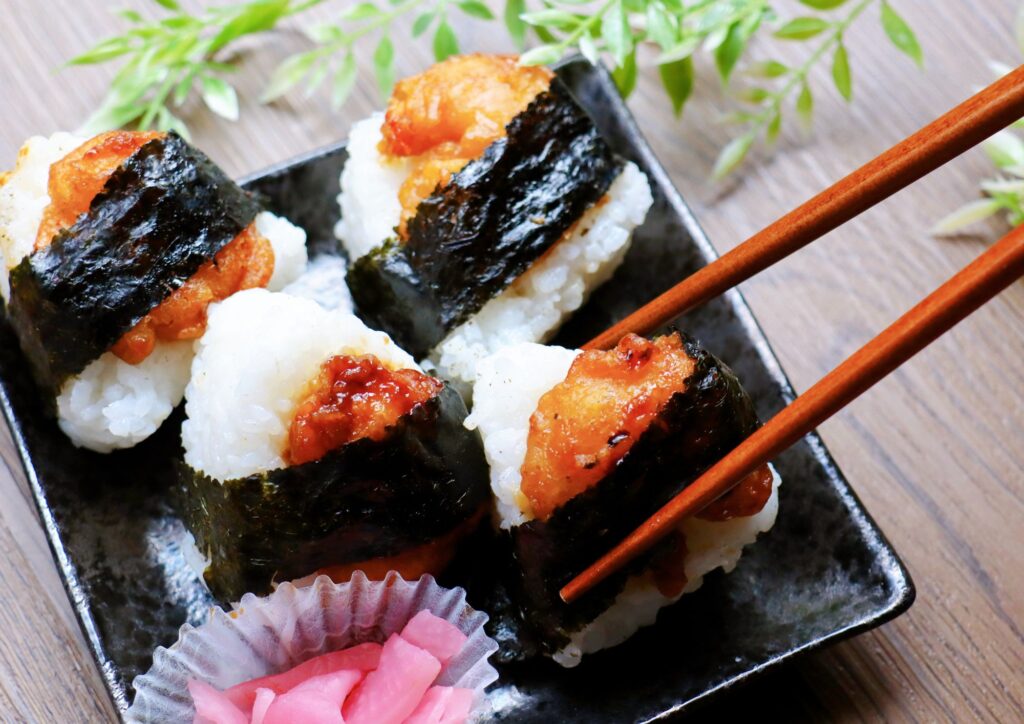
Nagoya Meshi follows its own unique style of familiar feeling, hearty, comfort foods and includes specialties such as miso-katsu (deep fried pork cutlets covered in rich red miso sauce), tebasaki (crispy fried chicken wings), tenmusu (miniature rice balls filled with crunchy shrimp tempura), and so much more.
But with hundreds of restaurants serving Nagoya Meshi, choosing where to eat can be surprisingly difficult. A restaurant that's merely "popular" isn't always the most memorable. We've highlighted places known for consistency, craftsmanship, and strong local reputations.
Miso Katsu
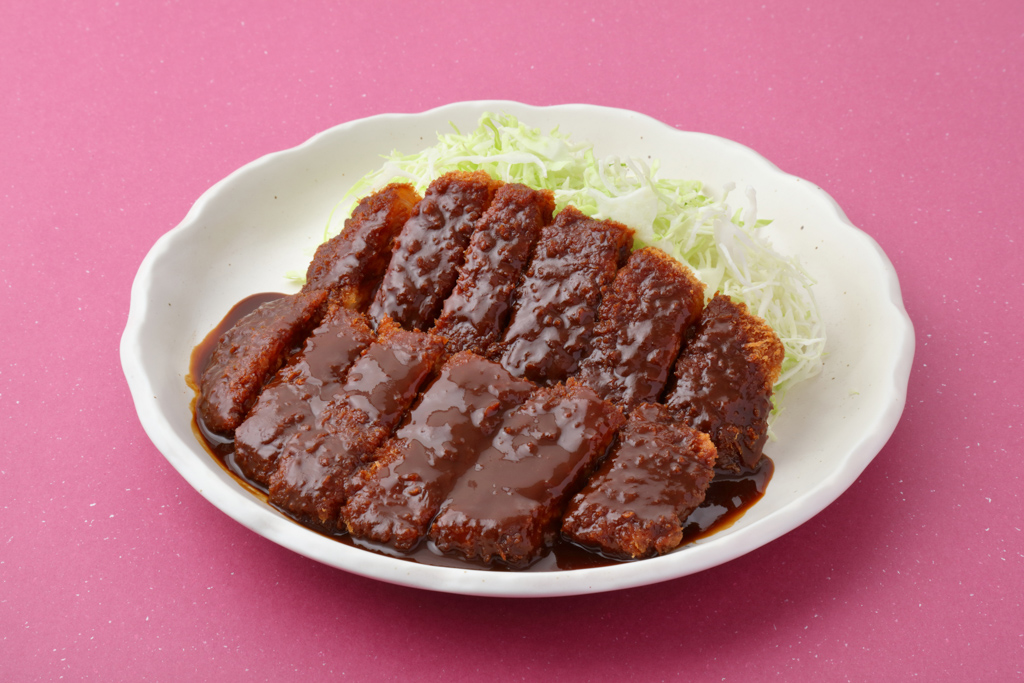
Why Nagoya's Miso Katsu is a Must:
The dish that likely best defines Nagoya’s bold culinary identity is miso-katsu, a variation of the popular Japanese katsu (breaded and deep-fried pork cutlet) that is smothered in a rich, dark miso-based sauce. While katsu itself originates from Western influences during the Meiji era (1868-1912), the use of miso to coat the cutlet is a uniquely Nagoyan innovation. The strong, earthy flavor of miso – especially hatcho miso, which is a staple in Nagoya's cuisine – is the key to this dish’s identity.
The hatcho miso delivers a deep, earthy richness with a subtle bitterness that balances the crisp pork cutlet, creating a flavor unlike the sweeter miso found elsewhere in Japan.
This dish is particularly popular as a meal on-the-go, with many locals and travelers alike enjoying it as a satisfying lunch in a bento box or between two slices of bread as a "sando."
A Local Institution:
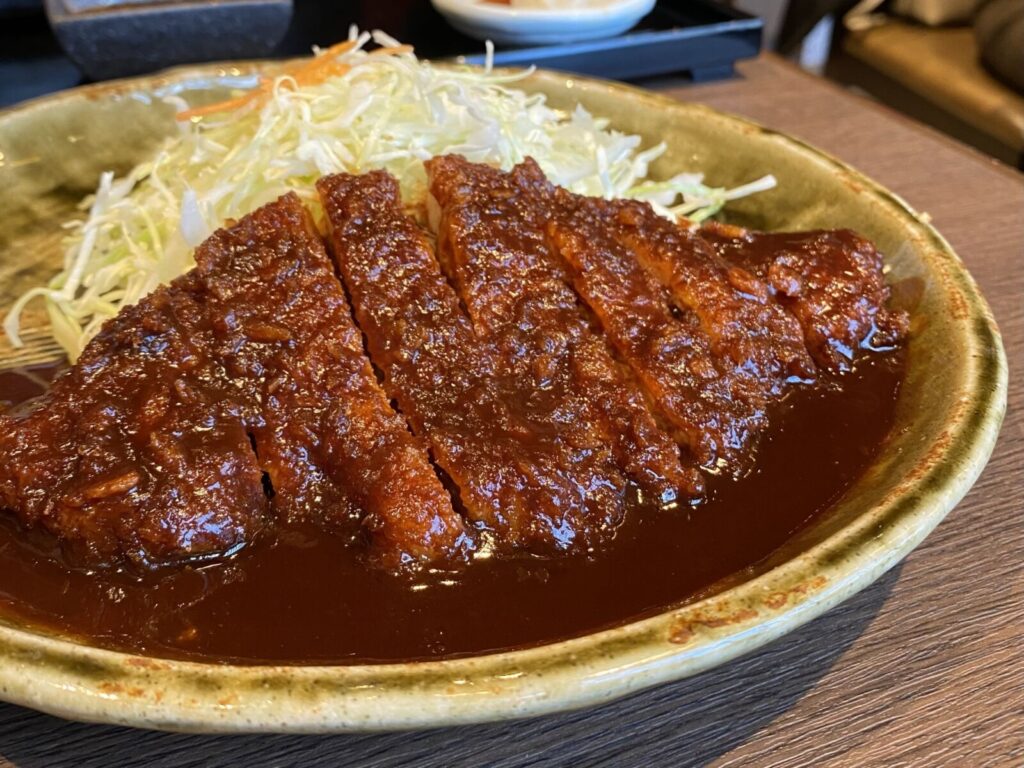
Yabaton is Nagoya's best-known miso-katsu restaurant for good reason. It invented the dish and has been serving locals since 1947. Yabaton's rich hatcho miso sauce has become the benchmark against which many locals judge the dish and remains a prime destination for an authentic experience.
Expect queues during lunch, but service is efficient and ideal for first-time visitors wanting to understand why miso-katsu became synonymous with Nagoya.
If you're looking to try Yabaton's Miso Katsu for yourself but don't want to worry about getting a reservation, this shop is a stop on our 1-Day Tour: Nagoya's Highlights and Small Bites.
Tip from our Guides:
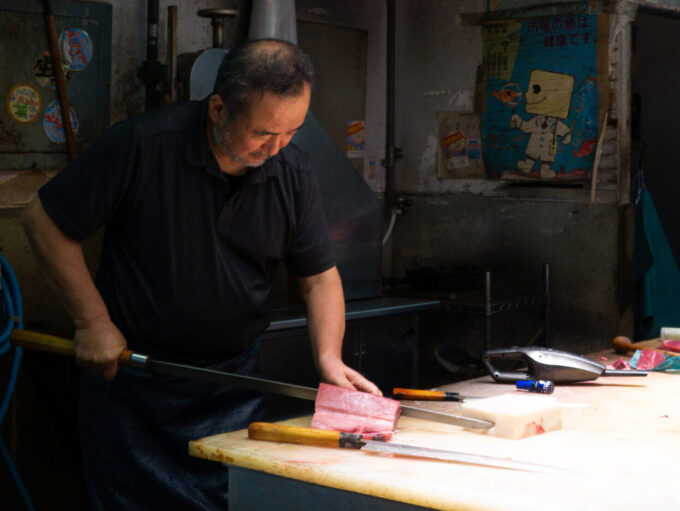
Miso Katsu almost always comes with shredded cabbage to balance the richness. But there should also be some other seasoning items on the table/counter. We recommend eating it with the spicy mustard (karashi) like the locals as it really adds more dimension to the dish.
Hitsumabushi
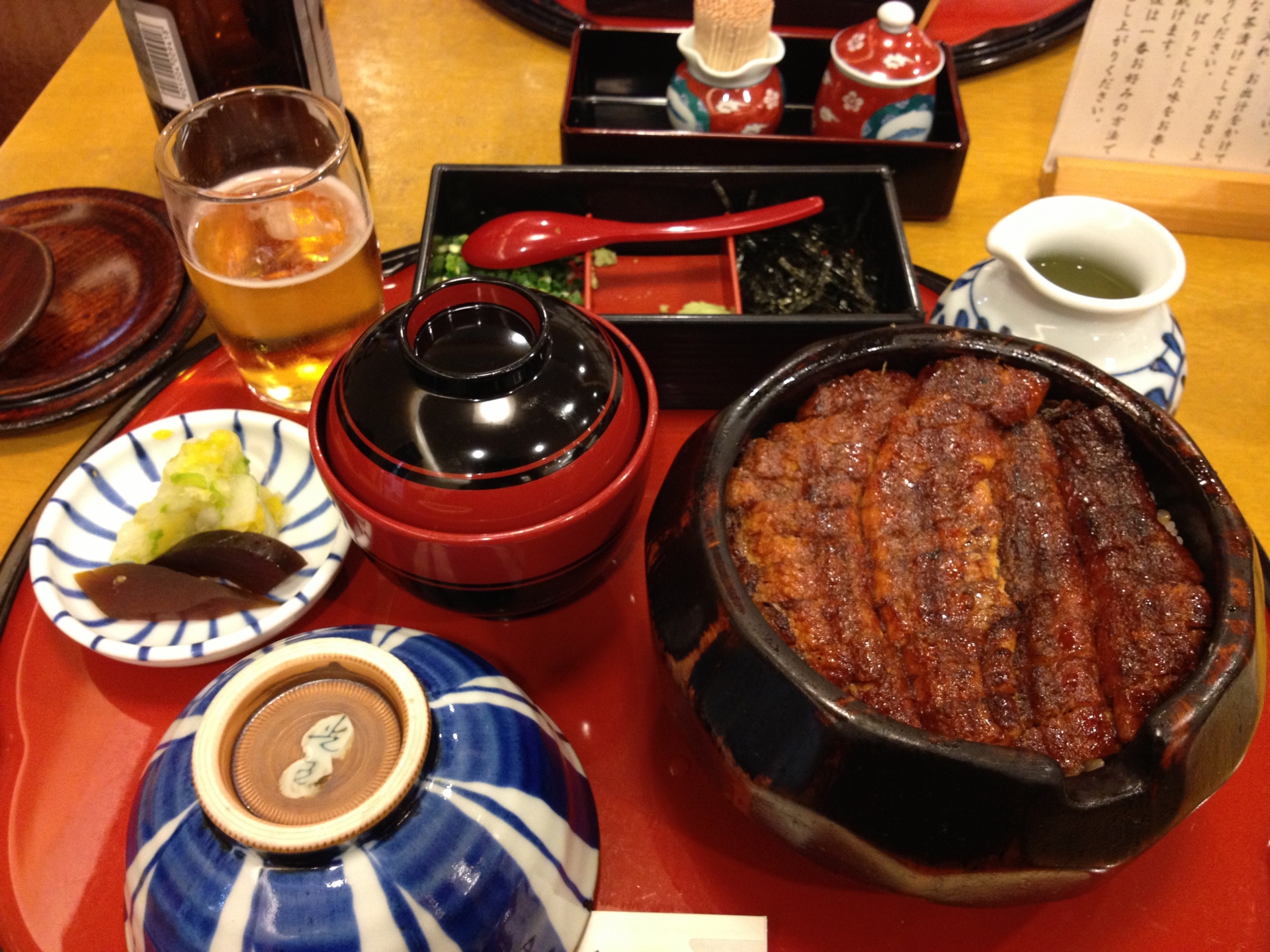
Why Nagoya's Eel is a Must:
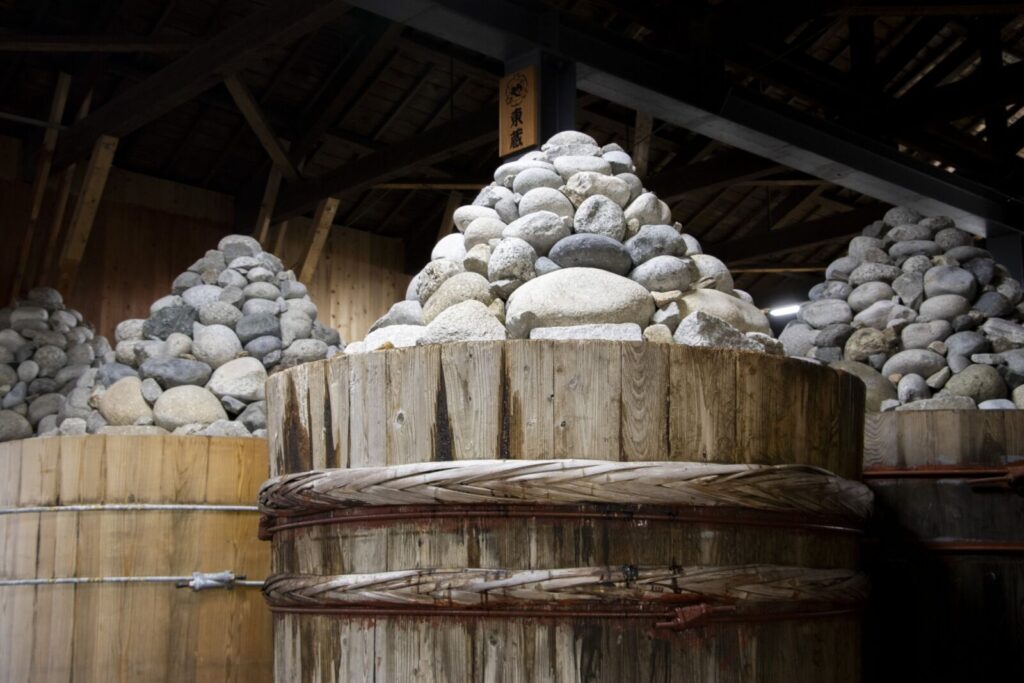
Nagoya is Japan’s largest producer of unagi (freshwater eel), and it is in this city where one of the most refined eel dishes, hitsumabushi, finds its roots. Hitsumabushi involves grilled eel glazed in a rich soy-based sauce, served over a bed of steamed rice. The eel is carefully prepared by being grilled over charcoal, imparting a deep smoky flavor that distinguishes it from other eel dishes across Japan.
The dish's preparation is an art in itself, particularly in Nagoya where eel is a crucial part of the region's historical and cultural fabric. The Tokugawa family, which made Nagoya its base during the Edo period (1603-1868), were known to favor eel, considering it not only a source of nourishment but a symbolic representation of the city's culinary sophistication. Over time, hitsumabushi evolved to offer diners a multi-sensory experience, with the option to eat the eel in various ways: plain, with condiments like wasabi, green onions, or nori (seaweed), or in a flavorful broth to transform the dish into a soup.
Where We'd Send Friends:
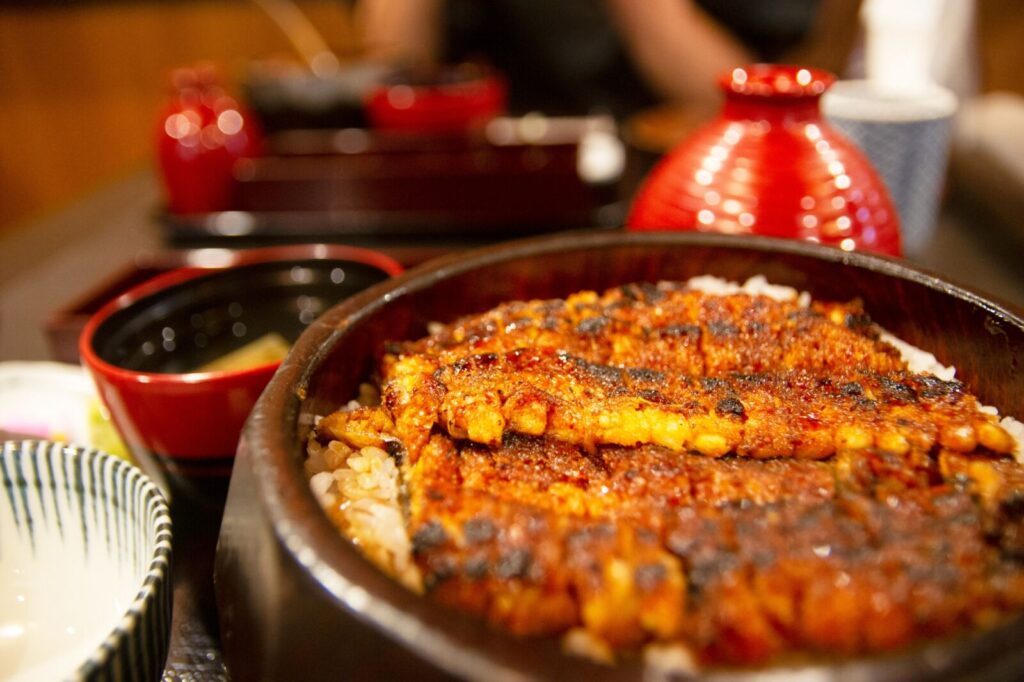
Maruya Honten is one of Nagoya's most respected destinations for hitsumabushi, serving expertly charcoal-grilled eel with a crisp exterior and tender, flavorful interior. Their careful grilling technique and high-quality eel make it a favorite among both locals and returning visitors looking for an authentic taste of Nagoya's signature dish.
This is an excellent choice for first-time visitors wanting to experience hitsumabushi the traditional way, including the three recommended styles of eating: on its own, with condiments, and finally as ochazuke with hot broth. Expect queues during peak lunch and dinner hours, but the efficient service and consistently high quality make the wait worthwhile.
Tip from our Guides:
Never mix everything together immediately. The traditional way is to enjoy it in stages.
Tebasaki
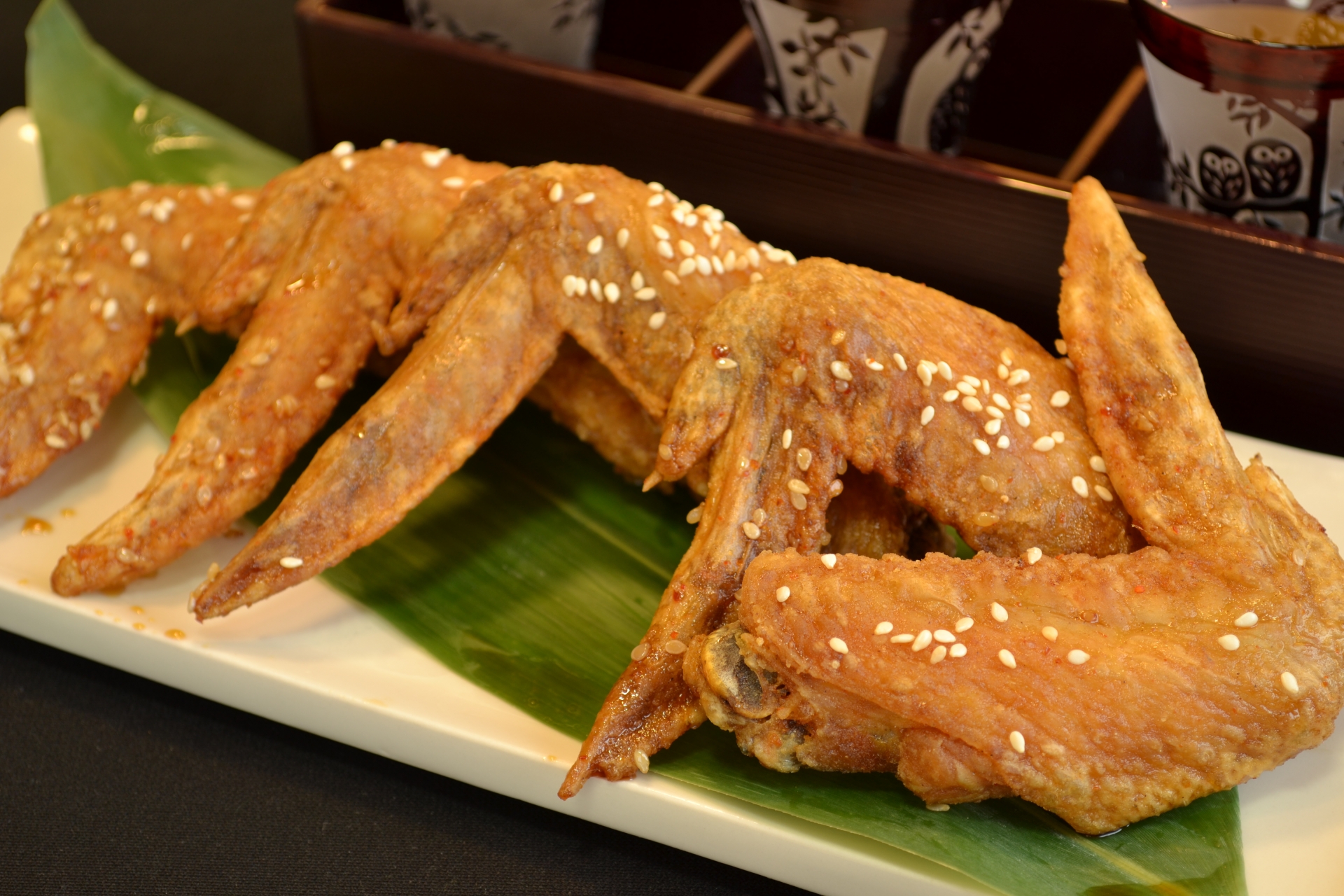
Why Nagoya's Chicken Wings are a Must:
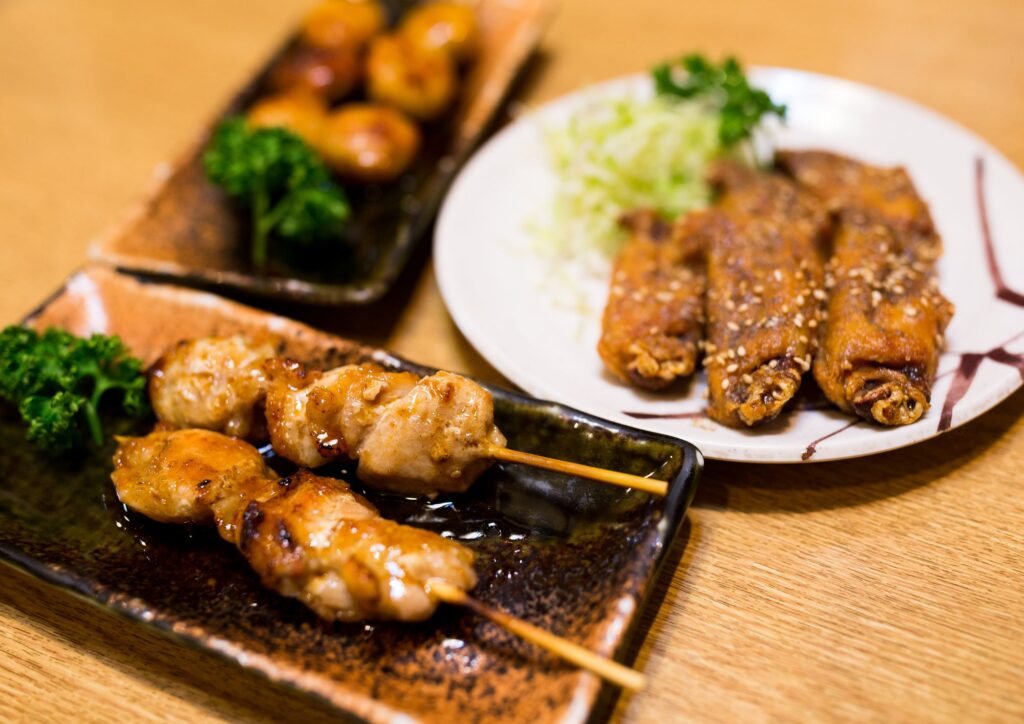
The unique style of tebasaki, Nagoya’s famous chicken wing, has roots in the city's izakaya culture and the working-class communities that came to prominence during the post-war economic boom. Deep-fried and coated in a sweet-and-salty sauce, tebasaki wings are often seasoned with a liberal amount of pepper, and then garnished with sesame seeds. The result is a crunchy, flavorful dish that embodies the region’s love for bold flavors and satisfying textures.
These wings are a favorite of salarymen and young people who gather at izakayas (Japanese pubs) after long days of work, creating a communal, casual dining atmosphere. The dish's combination of salty, sweet, and spicy elements reflects the influence of the city’s access to various spice trade routes, as well as its penchant for seasoning dishes with a strong umami flavor.
Our Guides' Favorite Stop:

Torikai Nagoya Cochin specializes in premium Nagoya Cochin chicken, one of Japan's most prized native breeds, making it an excellent place to experience tebasaki at its best. Their wings are perfectly crisp, generously seasoned with Nagoya's signature sweet-and-spicy glaze, and paired with an extensive menu showcasing the versatility of this famous local chicken.
Ideal for travelers looking to experience Nagoya's lively izakaya culture in a comfortable setting, Torikai is just as suitable for a relaxed lunch as it is for dinner with drinks. Expect a refined take on Nagoya's famous chicken wings, along with attentive service and plenty of opportunities to sample other regional specialties.
Tip from our Guides:
Skip the chopsticks (or fork). The best way to eat tebasaki is with your hands.
Tenmusu
Why Tenmusu is a Must in Nagoya:
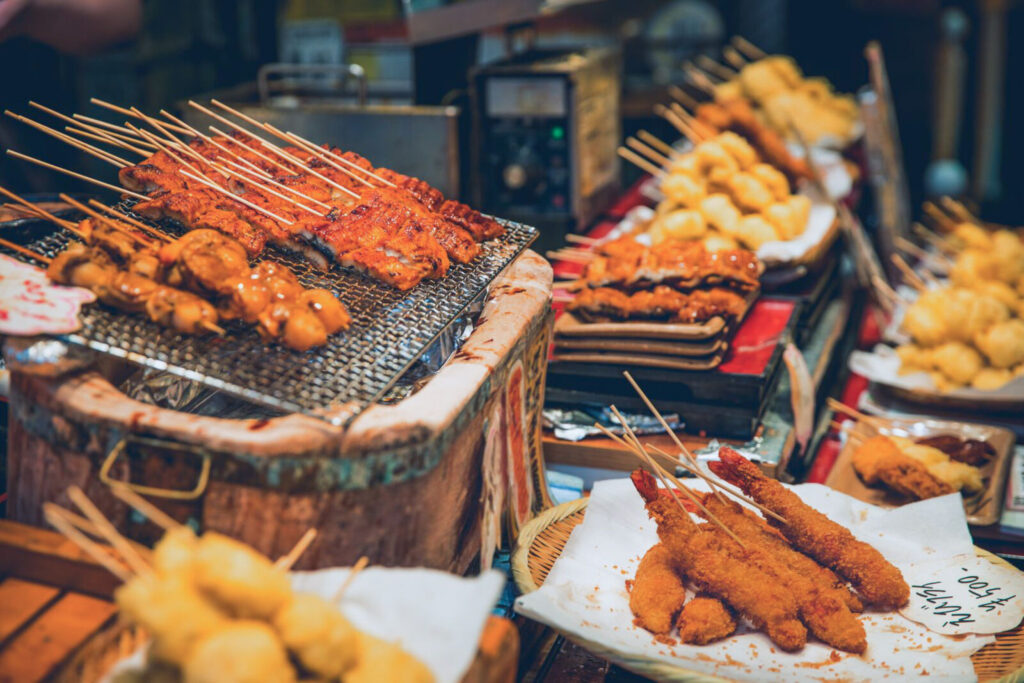
An intriguing fusion of two iconic Japanese dishes, tenmusu blends the crispy delight of tempura with the comfort of an onigiri (rice ball). The crispy tempura (traditionally shrimp) is wrapped in a ball of seasoned rice, then lightly glazed with soy sauce or mirin to add an additional layer of flavor. The creation of this dish is a perfect example of the innovative spirit of the region, reflecting the city’s willingness to experiment with traditional ingredients to create something new.
A Neighborhood Favorite:
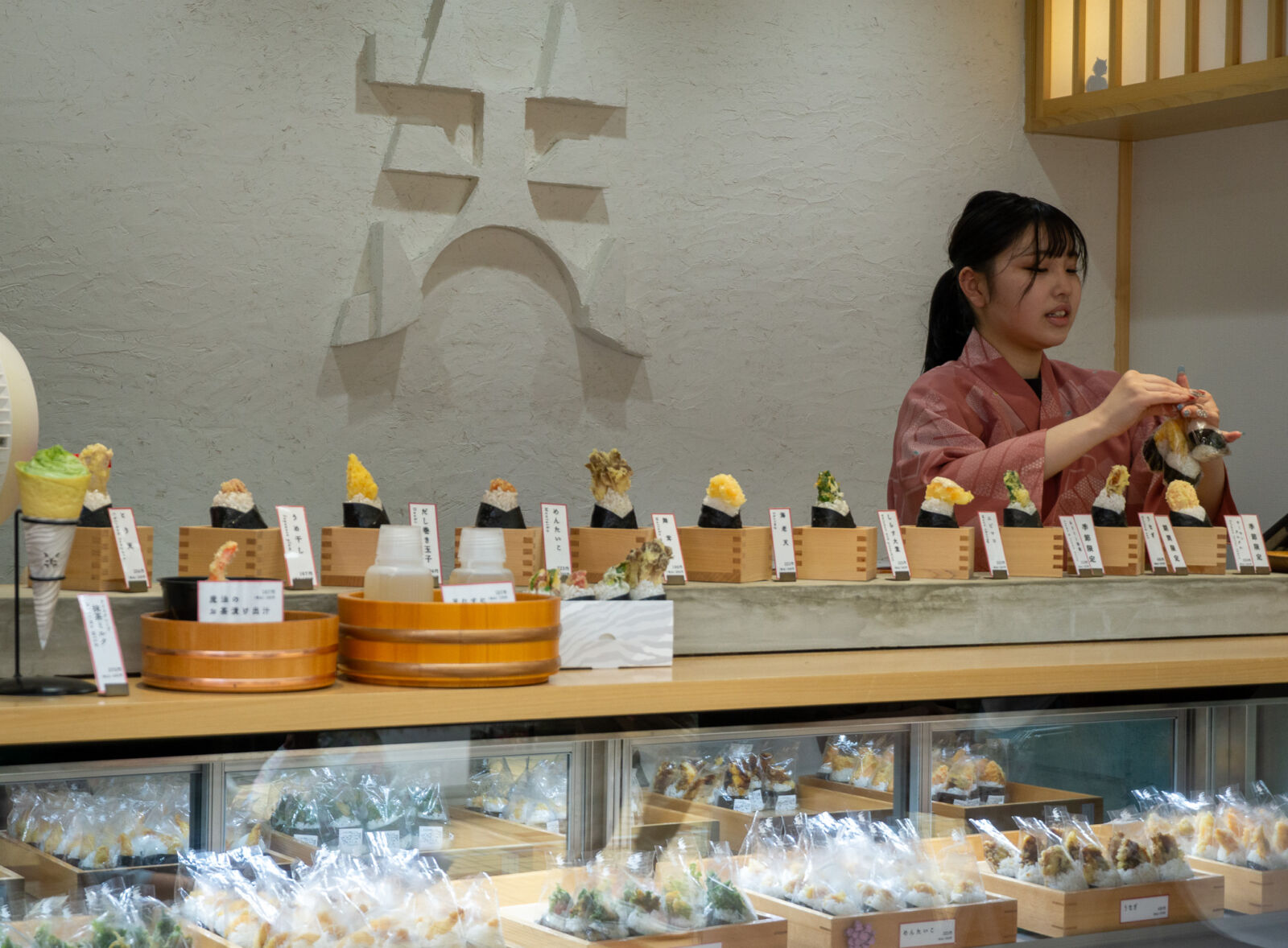
Located in the vibrant Osu shopping district, Oniten has built a loyal following by focusing on one thing: exceptionally well-made tenmusu. Each bite-sized rice ball is carefully wrapped around freshly fried shrimp tempura, creating the perfect balance of crispy, savory, and satisfying flavors that has made this Nagoya specialty so beloved.
Oniten is perfect for travelers exploring Osu who want a quick but memorable local snack rather than a full meal. Expect a casual atmosphere, freshly prepared tenmusu, and seasonal varieties that make it easy to sample more than one flavor before continuing your day.
This dish is also included on our 1-day guided food tour of Nagoya.
Tip from our Guides:
The traditional shrimp is a must, but if you have room, we also recommend trying whichever vegetable is in season when you are traveling (in the summer, anything with shiso is a must).

Kishimen
Why Kishimen is a Must:
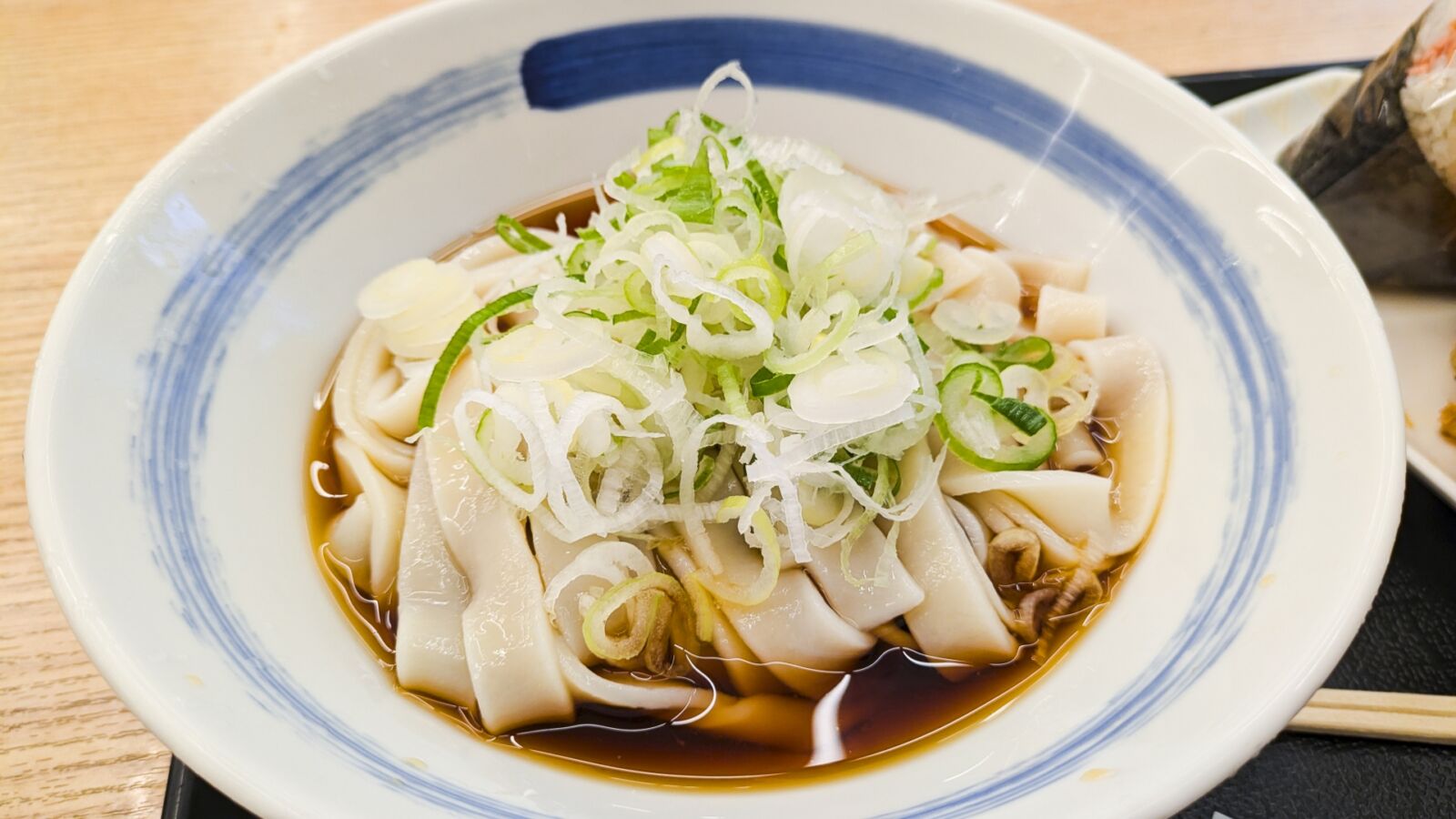
Kishimen noodles are flat, wide, and often served in a savory, soy-based broth. While udon (thick wheat noodles) is ubiquitous throughout Japan, kishimen offers a different texture and mouthfeel, with the flat shape allowing for a unique soup-to-noodle ratio. The dish is often garnished with ingredients like tempura, kamaboko (fish cakes), and green onions, creating a comforting bowl of noodle soup that has been a staple of Nagoya for centuries.
The origins of kishimen can be traced back to the Edo period, during which Nagoya was a hub for trade, culture, and culinary development. The flat noodle style is believed to have emerged as a regional adaptation of the thicker, rounder udon noodles, with kishimen being favored by locals for its more substantial texture and ability to absorb the rich broth.
Hidden In Plain Sight:
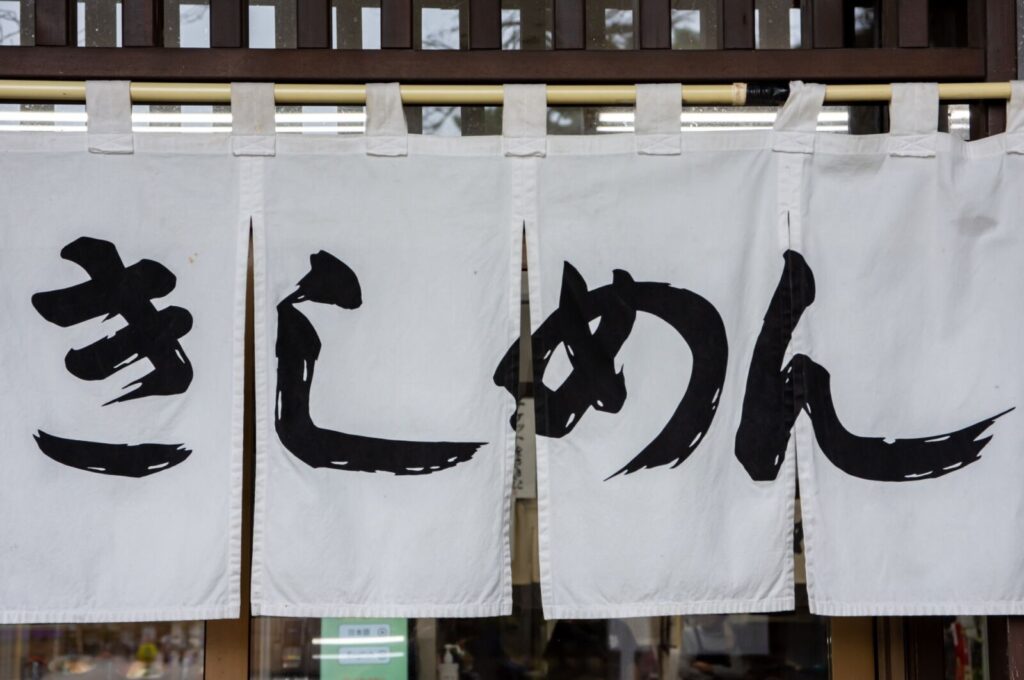
Few restaurants offer a more quintessential Nagoya experience than Nadai Kishimen Sumiyoshi, located directly on the platforms of JR Nagoya Station. Serving freshly prepared kishimen to commuters and travelers for decades, it's one of the city's most iconic places to enjoy these silky, flat noodles in their simplest and most authentic form.
This is the perfect stop for visitors arriving in or departing from Nagoya who want an authentic local meal without straying far from the station. Expect a fast-paced standing noodle shop with quick service, excellent value, and surprisingly high-quality broth—proof that some of Japan's best regional dishes can be found in the most unassuming places.
Tip from our Guides:
Slurping noodles is perfectly acceptable in Japan and helps cool the noodles while enhancing their aroma. It's a normal part of enjoying noodle dishes, so feel free to slurp away!
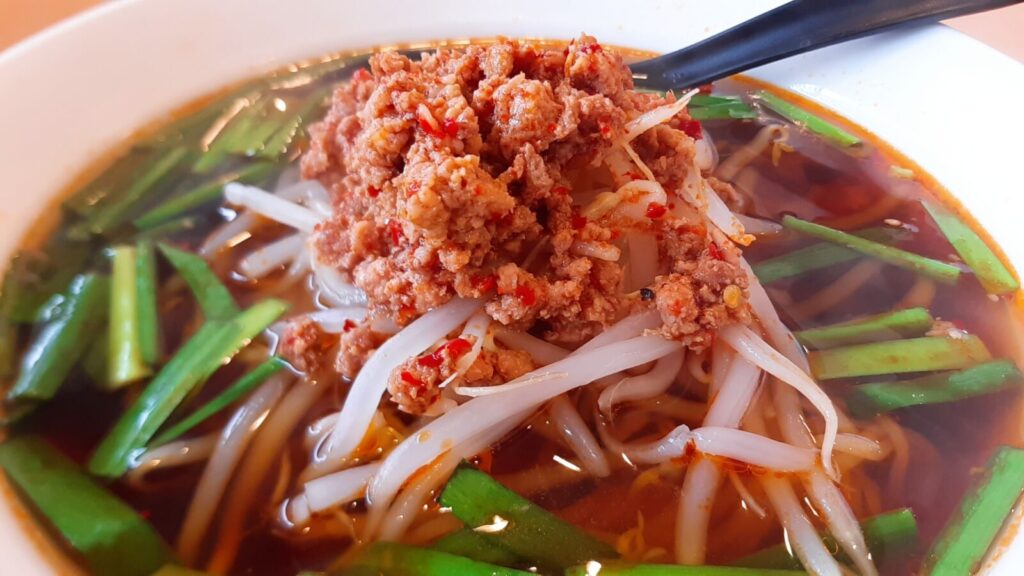
Misonikomi Udon
Why Misonikomi Udon is a must in Nagoya:
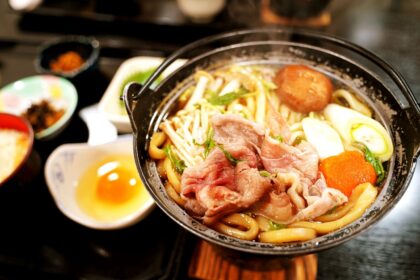
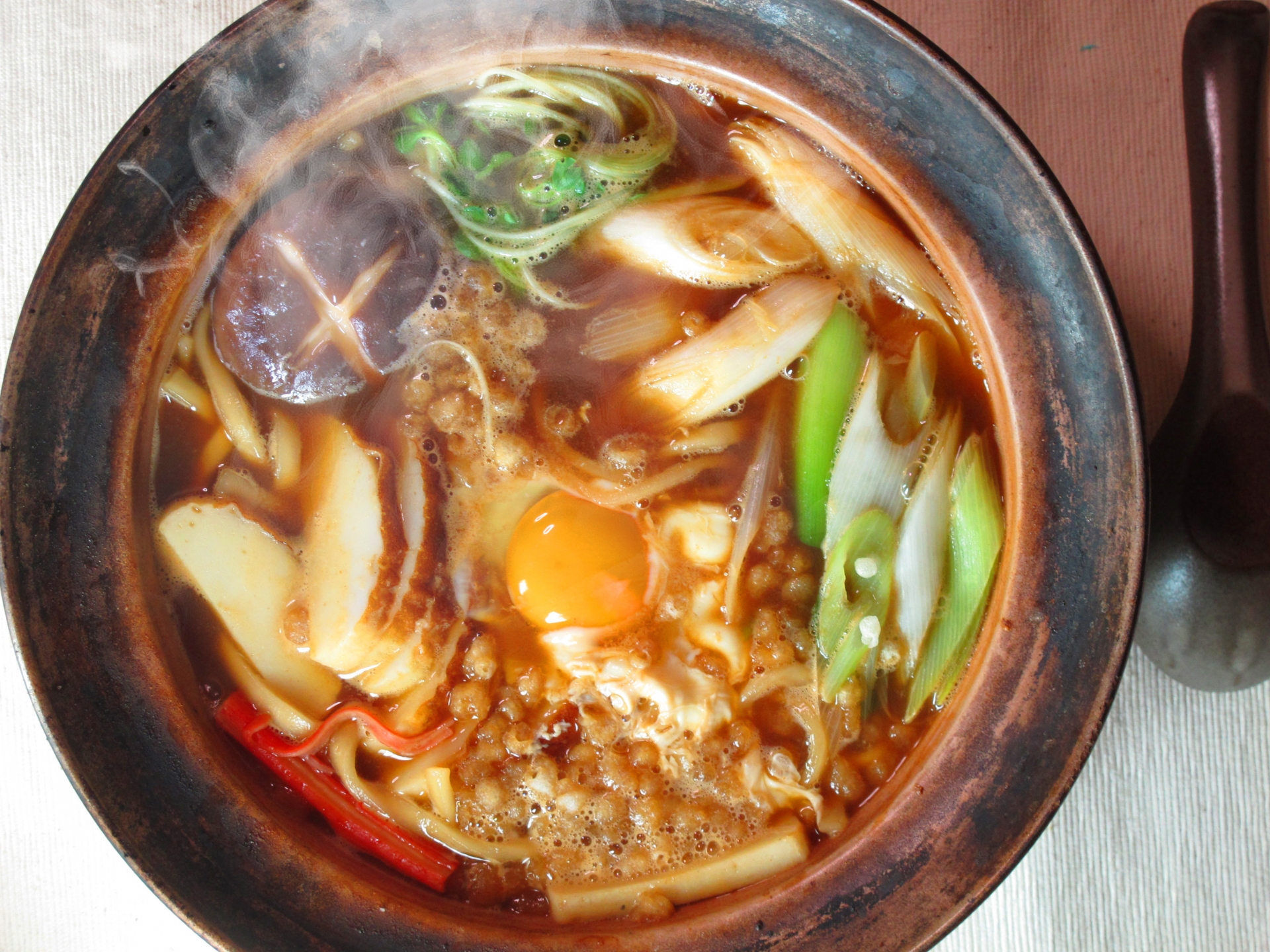
Misonikomi udon is a hallmark of Nagoya’s comfort food culture. Utilizing extra thick udon noodles and a rich red miso broth, this unique take on udon is served in an earthen pot and garnished with spring onions, chicken, mushroom, raw egg and ‘mochi’ (rice cakes). It’s a filling dish perfect for travelers looking to warm up after a long day of sightseeing.
Where We'd Personally Return:
Yamamotoya has become synonymous with misonikomi udon, serving one of Nagoya's most iconic comfort foods for generations. Their signature clay pot udon features thick, intentionally firm noodles simmered in a deeply flavored broth made with rich hatcho miso, creating a dish that perfectly represents Nagoya's bold culinary identity.
This is the ideal restaurant for visitors wanting to experience one of Nagoya's defining regional dishes, especially during the cooler months. Expect your meal to arrive bubbling hot in a traditional earthenware pot, with noodles that are firmer than standard udon by design. The rich broth, generous toppings, and warming flavors make it one of the city's most satisfying meals and an essential stop for anyone exploring Nagoya Meshi.
Tip from our Guides:
The dish is served bubbling hot in an earthenware pot (donabe), and the thick noodles continue cooking from the residual heat. If you leave it too long, the noodles can become softer than intended.
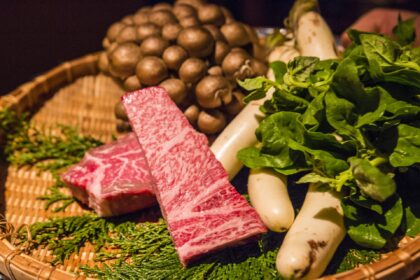
Experience Nagoya With Someone Who Knows Where Locals Actually Eat

The biggest challenge isn't finding Nagoya's famous dishes—it's choosing among hundreds of restaurants serving them.
Our local guides introduce you to family-run eateries, neighborhood favorites, and regional specialties while explaining the history behind Nagoya Meshi. Rather than spending your trip comparing reviews, you'll know exactly what to order and why each dish matters.
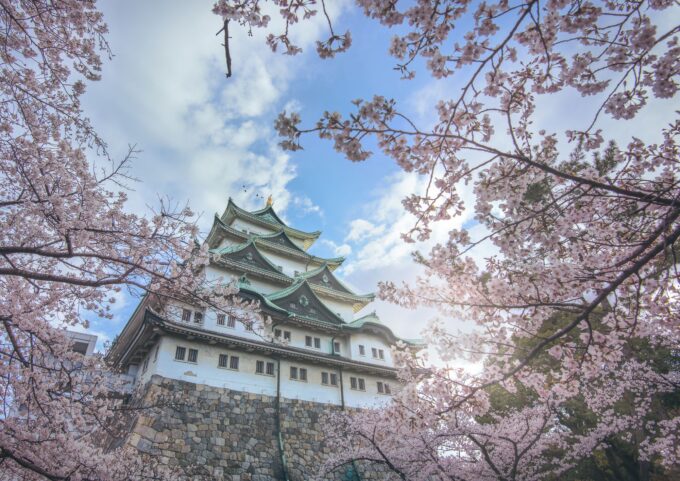
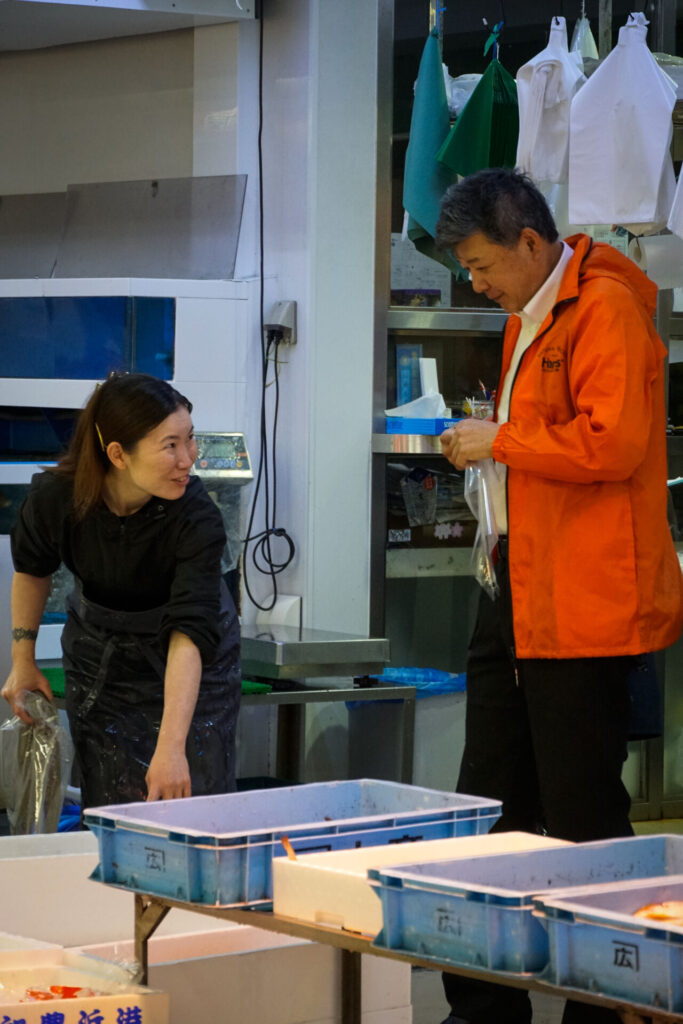
Plus, as we eat our way through Nagoya, you will also be able to marvel at the gilded artwork and golden screens in Honmaru Palace, relax as you gaze upon the reflecting pond of Mirai Tower, and learn about the day’s fresh catch at a bustling fish market as you are led by an experienced, English-speaking guide through Nagoya on this full-day tour.
If you're visiting Nagoya for its food, this is the quickest way to experience the city's culinary culture with confidence.
Great meals rarely happen by accident.
If you're visiting Nagoya to understand its food culture, not simply tick famous dishes off a list, our local guides help you spend less time researching and more time eating exceptionally well.
Join our Nagoya Highlights & Small Bites Tour to discover the stories, neighborhoods, and restaurants that define Nagoya Meshi beyond the guidebooks.
Frequently Asked Questions
Is Nagoya famous for food?
Yes. While many travelers associate Japan's culinary scene with Tokyo or Osaka, Nagoya has one of the country's most distinctive regional food cultures. Known collectively as Nagoya Meshi, the city's cuisine is built around bold flavors, hearty portions, and ingredients unique to Aichi and Central Japan, particularly rich hatcho miso. If you're searching for the best food in Nagoya, you'll discover everything from grilled eel and miso-katsu to hand-cut noodles and crispy chicken wings. It's an excellent destination for travelers who want to explore regional Japanese cuisine and Central Japan food beyond the usual tourist routes.
What is Nagoya Meshi?
Nagoya Meshi refers to the collection of iconic local dishes that originated in Nagoya and the surrounding Aichi region. Rather than focusing on delicate flavors, Nagoya Meshi celebrates bold seasoning, satisfying portions, and traditional ingredients such as hatcho miso. Popular Nagoya specialties include miso-katsu, hitsumabushi (grilled eel over rice), tebasaki (peppery chicken wings), kishimen noodles, misonikomi udon, and tenmusu. If you're wondering what to eat in Nagoya, these dishes form the foundation of any good Nagoya food guide and offer one of Japan's most memorable introductions to Japanese comfort food.
What is the best food in Nagoya?
The best food in Nagoya depends on your tastes, but we think these six dishes are essential:
- Miso-katsu – Crispy pork cutlet topped with rich hatcho miso sauce.
- Hitsumabushi – Charcoal-grilled eel served three traditional ways.
- Tebasaki – Sweet, peppery chicken wings best enjoyed with a cold beer.
- Misonikomi Udon – Thick udon simmered in a hearty miso broth, one of Nagoya's signature Japanese comfort food dishes.
- Kishimen – Flat wheat noodles served in a light, savory broth.
- Tenmusu – Bite-sized rice balls wrapped around crispy shrimp tempura.
Many visitors begin with famous establishments, but some of the most memorable meals can be found in authentic Nagoya restaurants and family-run eateries tucked away in local neighborhoods. Exploring hidden restaurants in Nagoya is one of the best ways to experience the city's food culture beyond the guidebooks.
What is the best season for food in Nagoya?
Nagoya is an excellent food destination year-round, with each season offering something different.
- Spring: Bamboo shoots, mountain vegetables, and seasonal seafood begin appearing on local menus.
- Summer: Freshwater eel reaches peak popularity, making it the perfect time to enjoy hitsumabushi.
- Autumn: Mushrooms, chestnuts, and other seasonal ingredients pair beautifully with rich Aichi cuisine.
- Winter: Comforting dishes such as misonikomi udon and miso-katsu are especially satisfying during the colder months.
We feel that autumn and winter are the best times to enjoy many of Nagoya's heavier/richer meals like Miso Katus or Misonikomi Udon, but summer is the best season for eel lovers.
Are there any English guided food tours in Nagoya?
Our 1-Day Tour: Nagoya's Highlights and Small Bites will not only give you a taste of the wonderful flavors of the region and introduce you to some of the most notable landmarks in the city, but also provide you with the confidence to go out and try more Nagoya Meshi on your own.
Why Join a guided food tour in Nagoya?
Joining an English-speaking food tour in Nagoya is one of the easiest ways to discover where locals eat in Nagoya while learning the stories behind the city's famous dishes. Our knowledgeable guides can introduce you to authentic Nagoya restaurants, explain the history of Nagoya Meshi, and help you confidently order dishes you might otherwise overlook.
Some of Nagoya's best restaurants are small, book out quickly, or have Japanese-only reservation systems. Joining a local guide is one of the easiest ways to discover excellent alternatives without spending hours researching.
Small-group tours frequently reach capacity during spring and autumn weekends, so we recommend reserving in advance if your travel dates are fixed.