
Hikone Castle, located in Shiga Prefecture near the shores of Lake Biwa, is one of the few remaining Japanese castles that retains its original keep. Designated as a National Treasure, Hikone Castle is celebrated not only for its historical significance but also for its harmonious blend of architectural styles, seasonal beauty, and well-preserved castle grounds. The castle offers visitors a rare glimpse into the world of Japan’s feudal lords and samurai, especially the influential Ii clan who ruled the region for centuries.
A Brief History of Hikone Castle
- Construction began in the early 1600s after the Battle of Sekigahara
- Commissioned by the Ii clan under the order of Tokugawa Ieyasu
- Completed in 1622 after nearly two decades of construction
- Originally built using materials repurposed from other dismantled castles
- Avoided destruction during the Meiji Restoration after a personal visit by the Emperor
- Served as the seat of the Ii clan for over 260 years
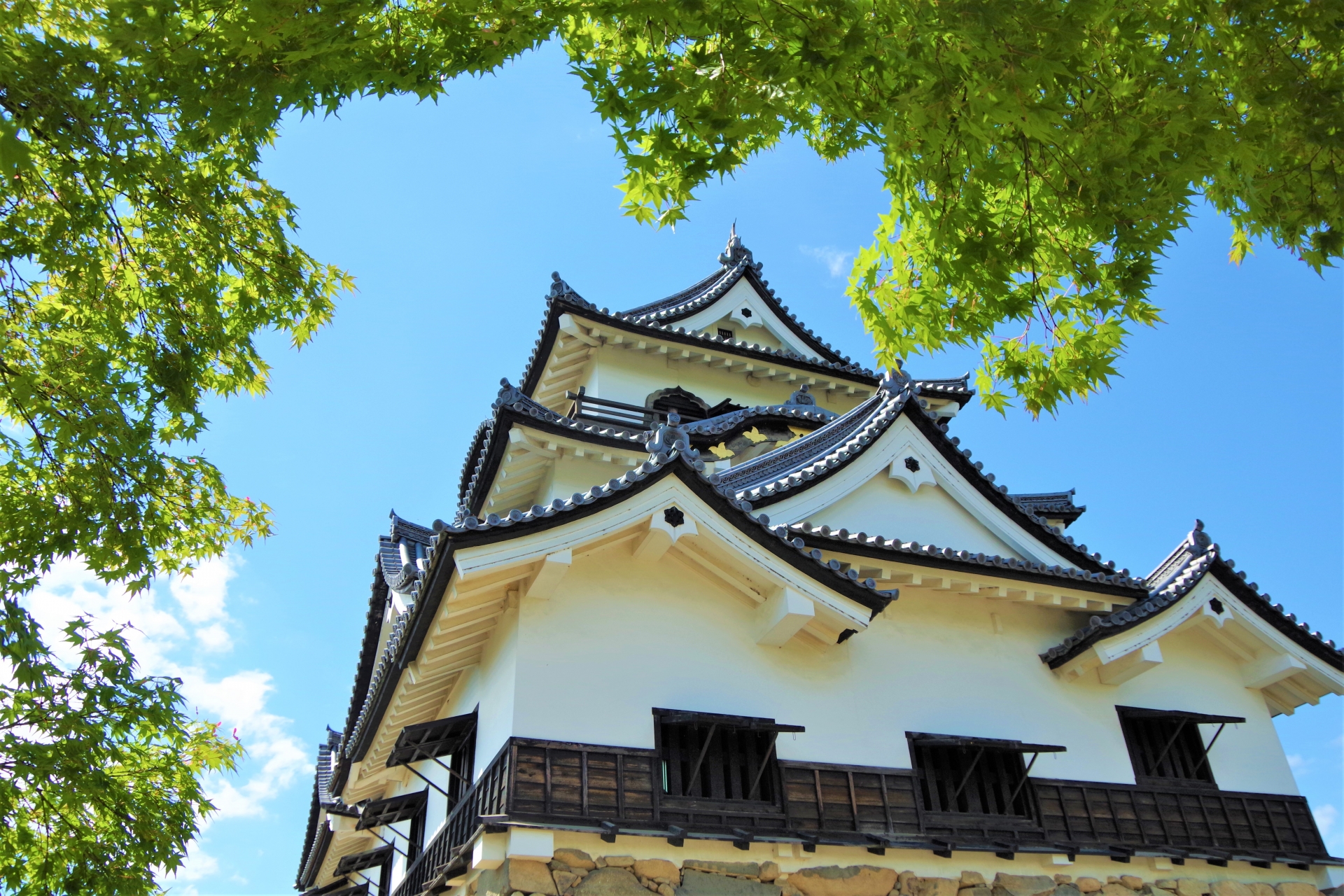
Hikone Castle is one of the twelve Japanese castles that still retain their original keeps. Additionally, Hikone Castle is one of only five castles to have been designated the status of a National Treasure (along with Inuyama, Matsumoto, Himeji, and Matsue castles).
The samurai lord Naomasa Ii was gifted the area now known as Hikone by Tokugawa Ieyasu after his service in the Battle of Sekigahara. However, Naomasa Ii passed away before the castle was ever constructed. The castle was completed in 1622 after nearly 20 years of construction and was the seat of power for the Ii clan for nearly 260 years.
In the late 1800’s, as a symbol of the end of the feudal system, the Meiji government ordered the demolition of many castles across Japan, including Hikone Castle. However, only one month after issuing this order, the Emperor visited Hikone and was convinced to suspend the castle’s destruction. Thus, Hikone Castle remains as one of the few surviving castles anywhere in Japan.
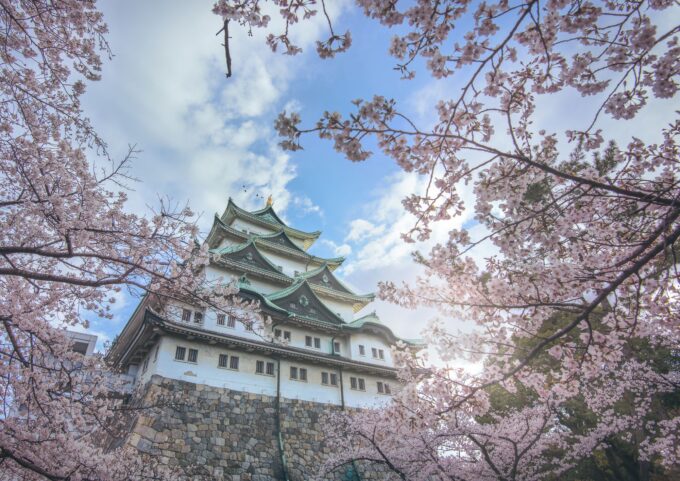
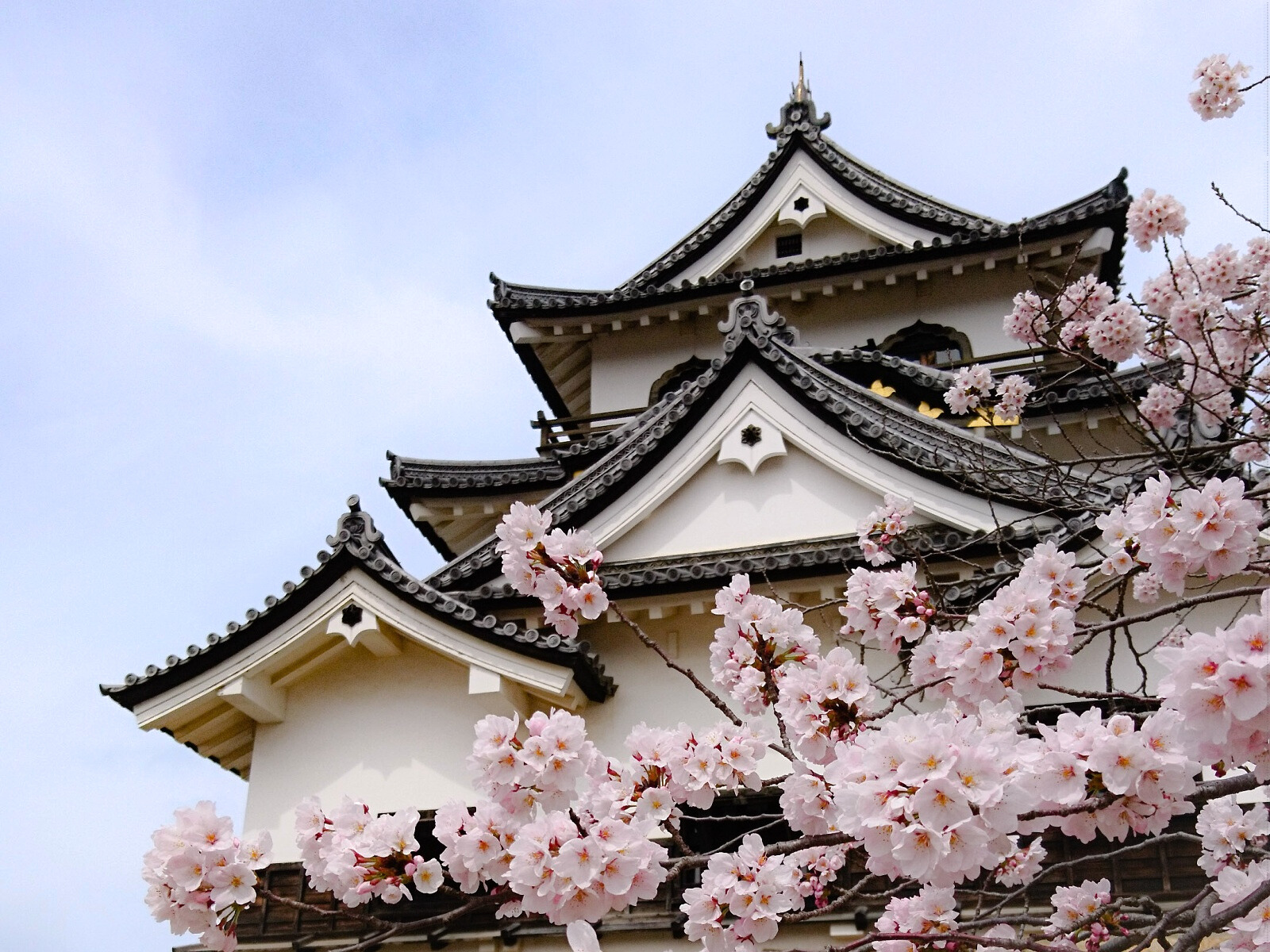
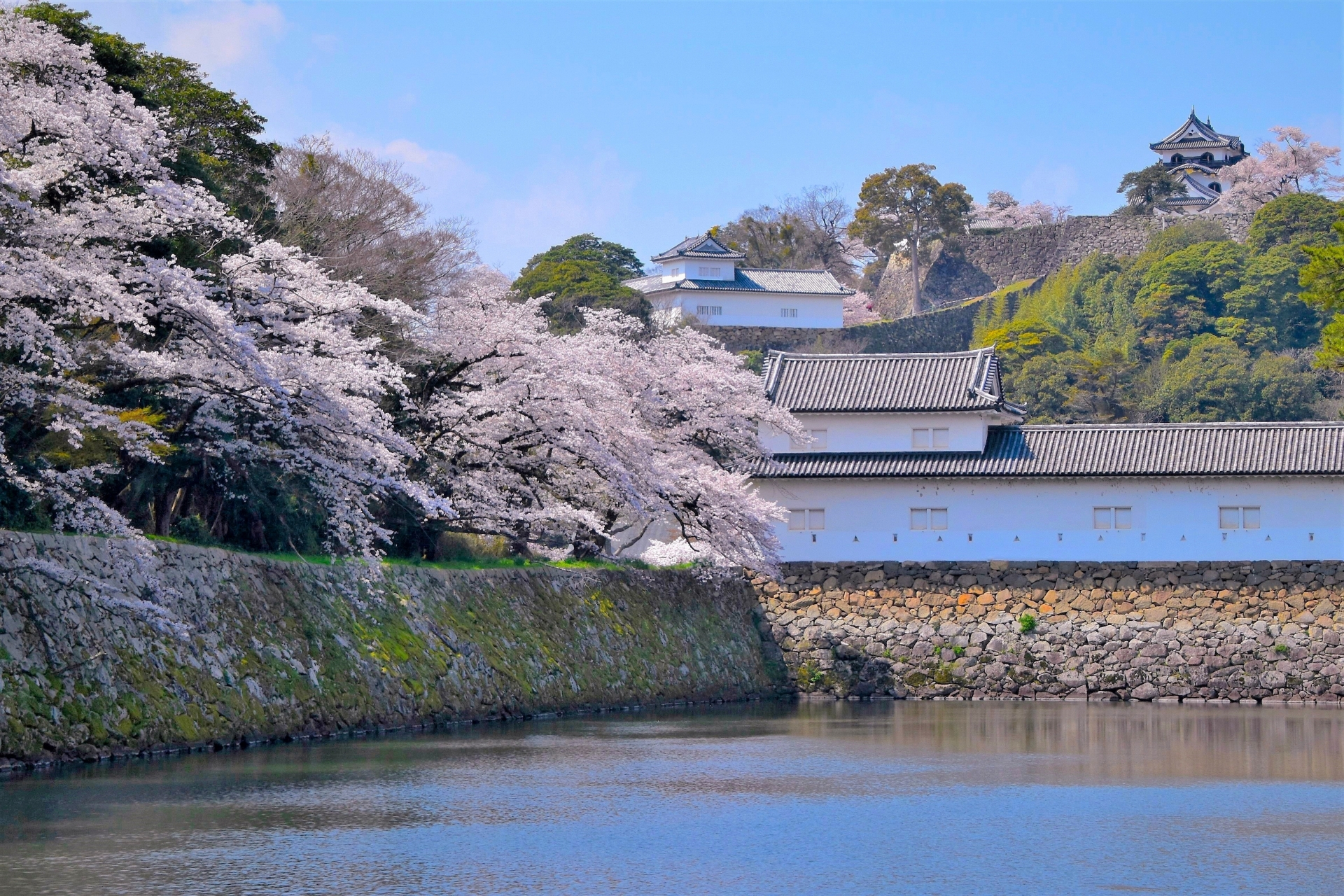
The three-story castle keep combines multiple different architecture styles and is particularly attractive in the spring when the 1200 cherry blossom trees surrounding the castle bloom. Nicknamed “the Water Castle,” Hikone Castle once stood along the shores of Lake Biwa and was originally encircled by a triple moat—remains today as a double moat.
Attractions Within the Castle Grounds
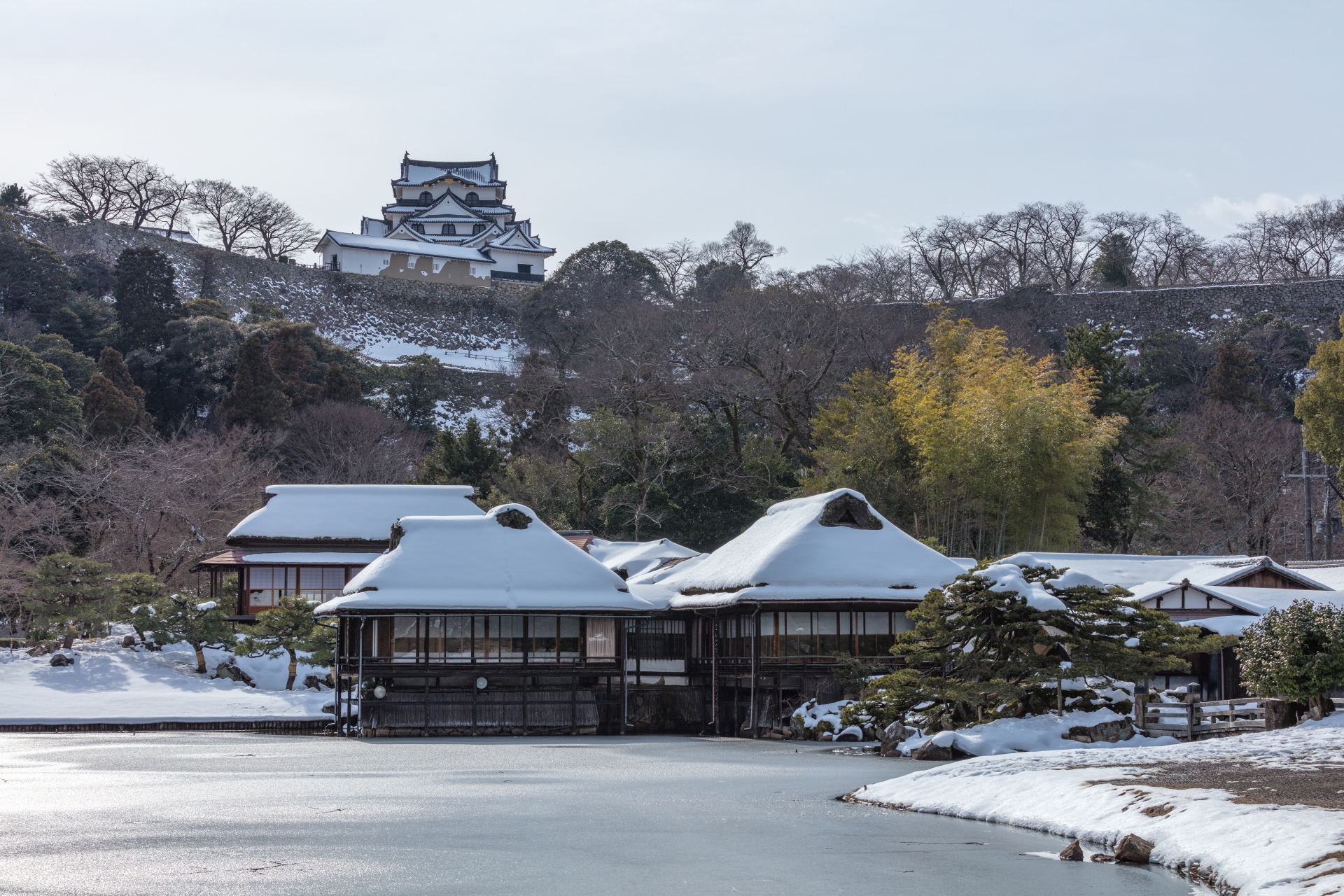
Hikone Castle is more than just a historic keep. The complex also includes:
- Hikone Castle Museum: Housed in the former palace, this museum showcases samurai armor, kimono, traditional musical instruments, and rare documents belonging to the Ii family.
- Genkyuen Garden: A tranquil Japanese landscape garden with a functional tea house where visitors can enjoy matcha while overlooking the inner moat.
- Horse Stables: The only surviving Edo-period horse stables in Japan, preserved on the castle grounds.
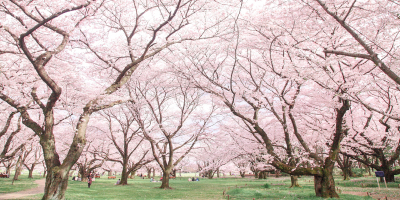
In spring, over 1,200 cherry blossom trees turn the castle into one of the most picturesque hanami spots in the country. The contrast of delicate blossoms against the stark white castle walls creates an unforgettable scene.
Frequently Asked Questions (FAQ)
Is Hikone Castle original?
Yes. Hikone Castle is one of only twelve castles in Japan that retain their original wooden keeps.
Why is Hikone Castle a National Treasure?
Its exceptional preservation, historical importance, and unique architectural design have earned it National Treasure status.
Can you go inside the main tower?
Yes. Visitors can climb to the top of the three-story keep for views of Lake Biwa and the surrounding city.
When is the best time to visit Hikone Castle?
Spring (for cherry blossoms) and autumn (for fall foliage) are the most scenic times to visit. The castle is open year-round.
Are English-speaking guides available?
Yes! We at Snow Monkey Resorts are proud to offer English guided tours of Hikone castle.
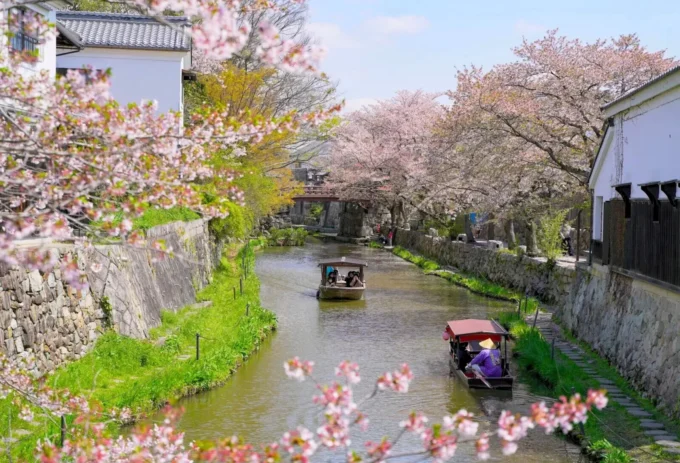
Recommended Tour: Snow Monkey Resort's 1-Day Tour from Nagoya: Castles and Canals in Hikone and Omi Hachiman will take you to two castle towns, Hikone, with one of the oldest castles in Japan, and Omi Hachiman, known for its charming canals. Taste Matcha, relax in peaceful gardens, and soak in the scenery as you are led by your experienced, English-speaking guide through this picturesque region of Japan.
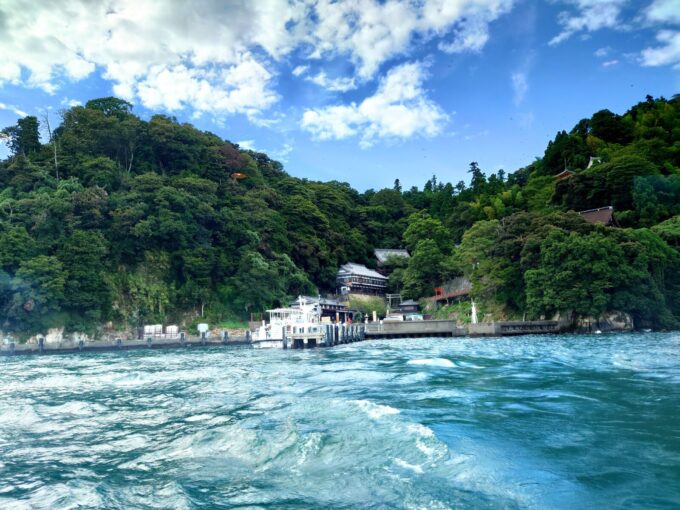
Recommended Tour: Snow Monkey Resort's 1-Day Tour of Chikubu Island, Hikone Castle & Lake Biwa takes you to one of Japan's few original castles, a sacred island shrine complex in the middle of Lake Biwa, and the historic streets of Nagahama. Explore Hikone Castle, cruise across Japan's largest lake to Chikubu Island to visit Hogon-ji Temple and Tsukubusuma Shrine, and enjoy free time in Kurokabe Square, Nagahama's charming merchant district. Led by an expert English-speaking guide, this tour offers the perfect introduction to the history, culture, and natural beauty of the Lake Biwa region.
How do I get to Hikone Castle?
From Nagoya Station, take the Tokaido Line or the Tokaido-Sanyo Shinkansen to Maibara Station then transfer to the Tokaido-Sanyo Line bound for Hikone Station. Hikone Castle is a twenty minute walk from Hikone Station. Total travel time: ~2 hr / 1520JPY; ~75mins / 4010JPY if using the Shinkansen
Of course, we also offer private tours and transport in and around the Nagoya area, and other regional destinations. We can also arrange for both custom tours with an English-speaking guide or a private charter.
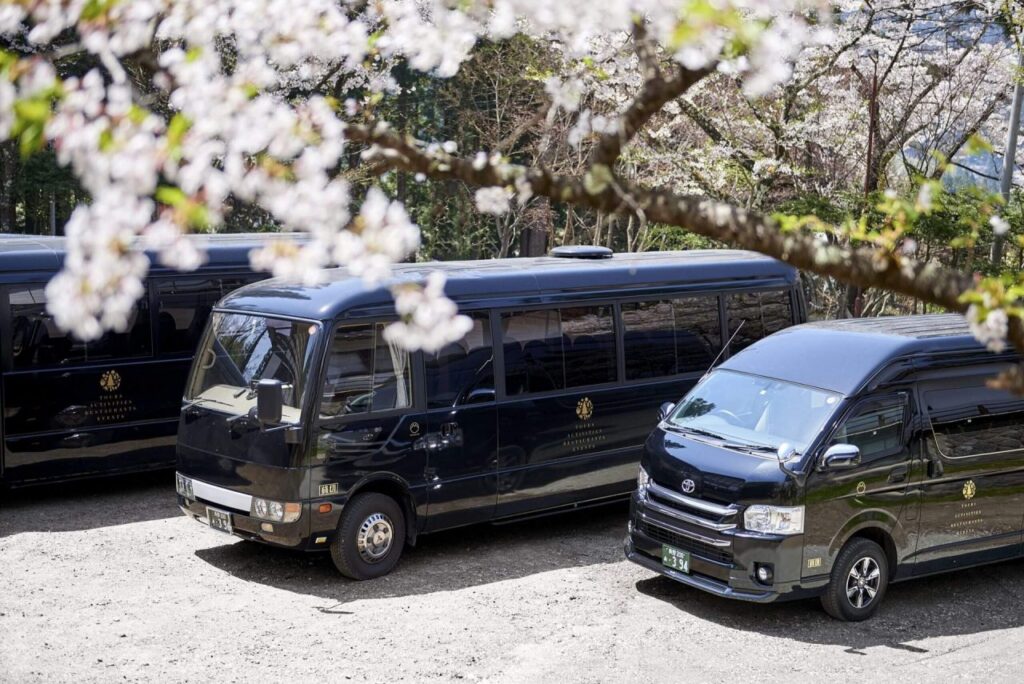
Our drivers and vehicles are fully certified, allowing us to transport you to and from your preferred destinations in combination with any activity that suits your schedule. All vehicles are well-maintained and in good condition, allowing you to relax and enjoy your ride to wherever you are going.
With door-to-door service, we can pick you up from where you are and take you to where you want to go anywhere in Central Japan and the neighboring regions.
For more information, please check our standard charter rates or contact us for a custom trip. We’d love to be part of your adventure in Central Japan and help you discover even more!
Additional Tips
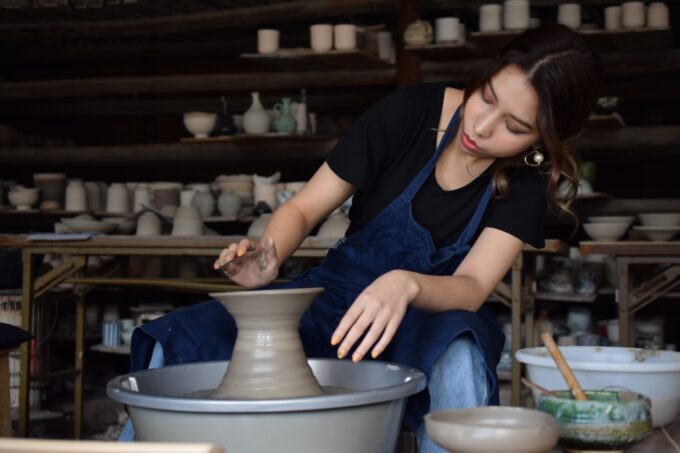
Food & Souvenirs: Shop for “Hikone yaki” (local pottery) and souvenirs featuring the castle’s mascot, Hikonyan at the nearby shopping and eating street!
Footwear Warning: You’ll need to remove your shoes to enter the keep. Socks with grip are recommended for climbing steep wooden stairs.
Photography: While photography is allowed in most areas, flash photography may be restricted inside the museum.
Seasonal Events: Check ahead for seasonal festivals, such as the Hikone Castle Festival in autumn.