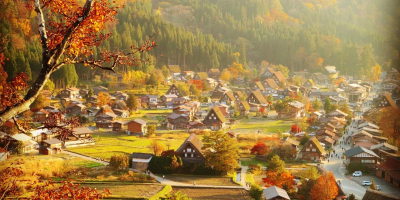

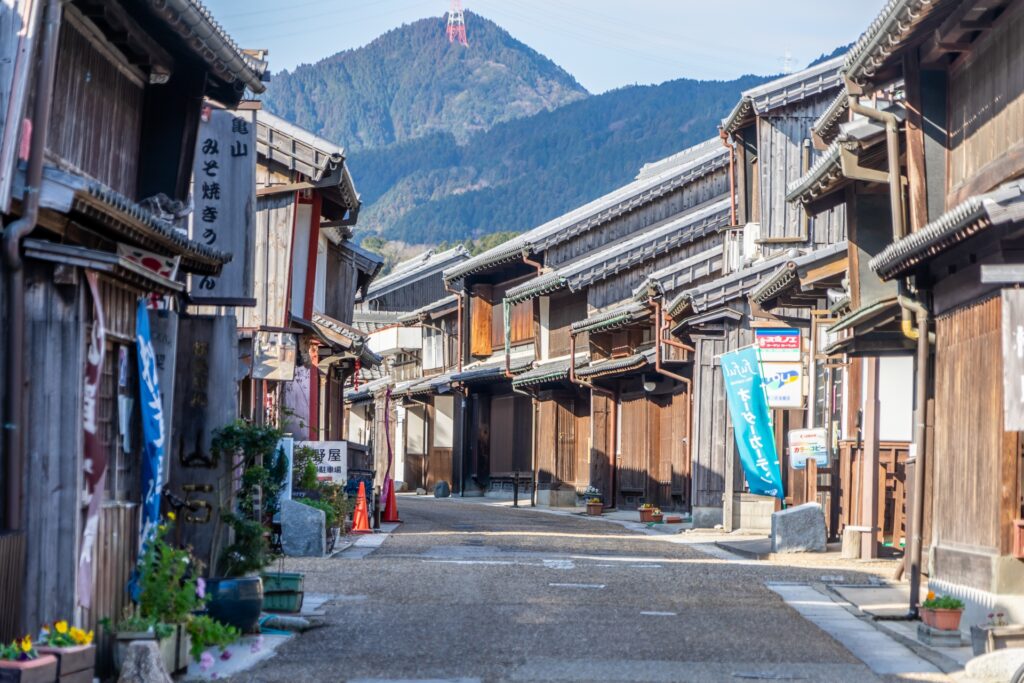
A post town along the historic Old Tokaido Road, Seki-juku in Mie Prefecture is one of the best-preserved post towns in Japan.
Once the 47th of the 53 post stations on the route from Edo (modern-day Tokyo) to Kyoto, Seki-juku thrived as a bustling crossroads of commerce, pilgrimage, and cultural exchange. With over 200 historic buildings still intact, the town offers a rare look into the life and architecture of Edo- and Meiji-era Japan. From grand inns and merchant homes, to annual festivals and ninja lore, Seki-juku invites travelers to walk in the footsteps of samurai, pilgrims, and ninja alike.
A Brief History of Seki-juku
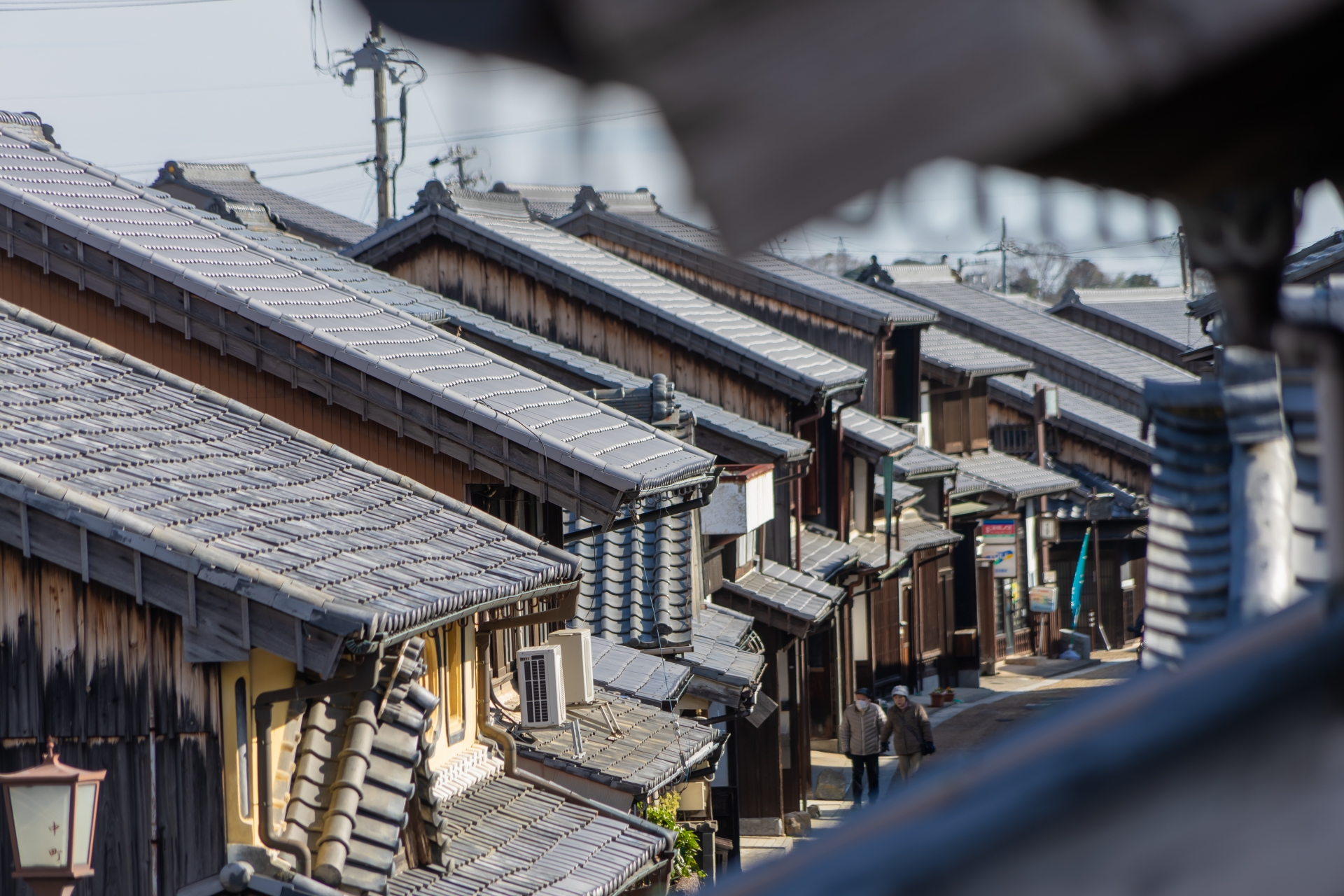
- Established as the 47th post town on the Tokaido, connecting Edo and Kyoto
- “Seki” comes from the ancient Suzuka Barrier (Suzuka no Seki), erected in the Nara period (710–794)
- “Juku” means a rest stop or post town
- Located at the intersection of the Isebetsu Kaidō and Yamato Kaidō, serving pilgrims headed to the Ise Grand Shrine
- Described in an 1843 guidebook as having 632 houses, two honjin, two wakihonjin, 42 hatago inns, and stables for packhorses
The Tokaido road was the most important route in Edo-era Japan as it linked Kyoto, the imperial capital, with Edo, the seat of the shogunate. Seki-juku was one of the most important post towns along the Tokaido road as it served as one of the three major checkpoints (along with Fuwa-juku in Mino Province and Awatari-juku in Echizen Province) where shogunate officials inspected travelers and goods.
Seki-juku’s prosperity came from its strategic location. In addition to its place along the main highway of Edo-ear Japan, it served as a major route for pilgrims visiting the Ise Grand Shrine and travelers to Yamato Province. These crossroads led to the development of accommodations, stables, signage systems, and a town infrastructure that still echoes today.
Recommended Tour: Snow Monkey Resort's 1-Day Tour from Nagoya: Myths and Mystery of Ninja and the Tokaido Road not only gives insight into the daily lives of ninja but also takes you along the most important route of Edo-era Japan, the Tokaido road, as you are led by an experienced English-speaking guide on a full-day tour from Nagoya.
Highlights of Seki-juku
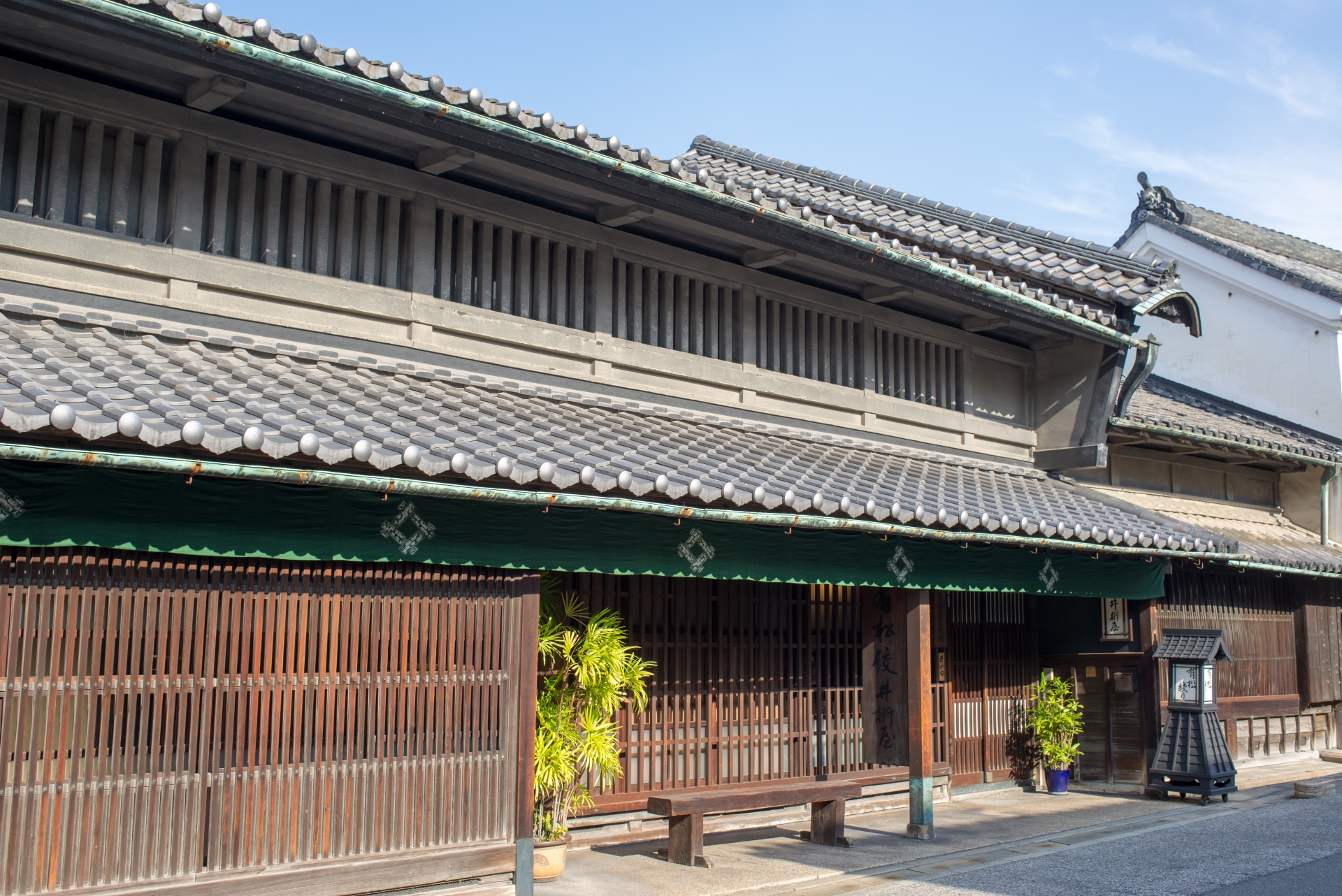
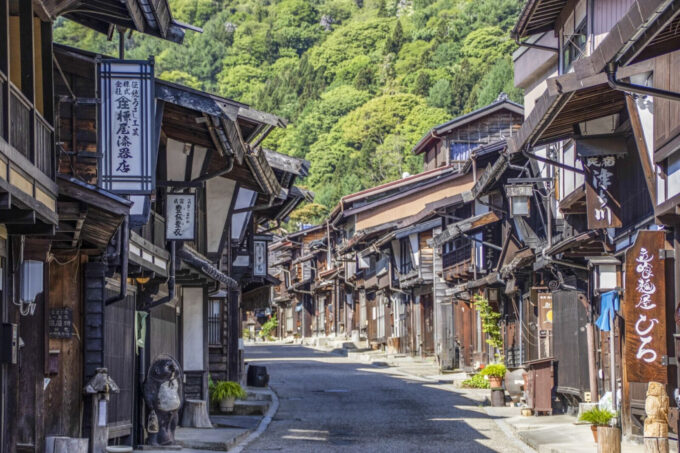
While many post towns on the Tokaido have modernized, Seki-juku still retains the atmosphere of the Edo era. Here you can enter several traditional inns and merchant houses along the 1.8 km main street that have been well-preserved.
Some of the best places in town to visit include the following:
Sekijuku Hatago Tamaya Historical Museum
A former high-class inn that could once accommodate 200 travelers, Tamaya now serves as a museum. Highlights include:
- A massive traditional kitchen with traditional tools and working cookstove
- Inner garden and storehouse featuring ukiyo-e prints and Tokaido artwork
- Displays of original inn registers, signboards, and historical photographs
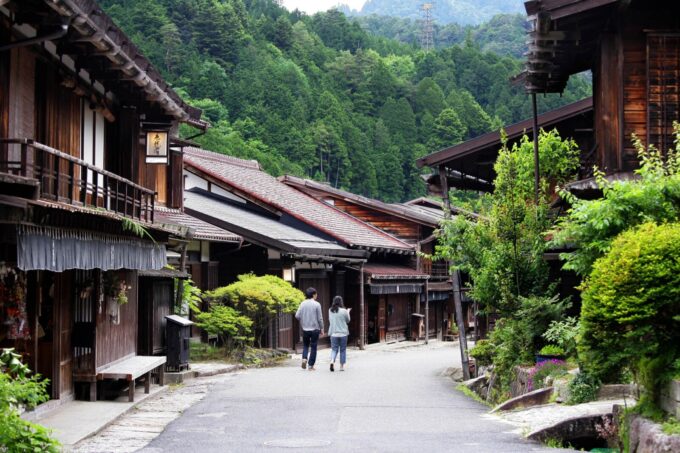
Best Selling
1-Day Tour from Nagoya: Hiking the Historic Nakasendo Trail
- Spots:
- NagoyaKiso Valley
- Pick-up:
- Nagoya
- Drop-off:
- Nagoya
Seki Machinami (Townscape) Museum
This restored 19th-century merchant house displays the everyday architecture and lifestyle of a traditional town resident.
- Edo- and Meiji-era household items such as cash boxes and step-chests
- Kugurido wicket doors, tokonoma alcoves, and mushiko-mado lattice windows
- Storehouse with a 1761 town map and chronological photo series of restoration efforts
Parade Float Museum & Gion Festival
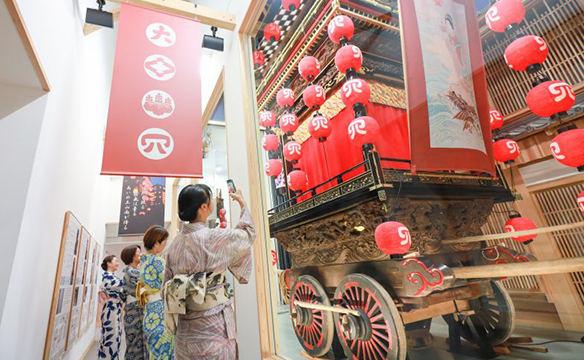
This museum is dedicated to the annual Seki Juku Gion Festival (held in late July). At the museum you can see a video of the festival and the following exhibits:
- A towering "yama" parade float decorated with embroidered curtains and lanterns
- A portable shrine (mikoshi) used in the procession from Seki Shrine
- Clothing worn by festival participants
Fukawaya Mutsudaijyou
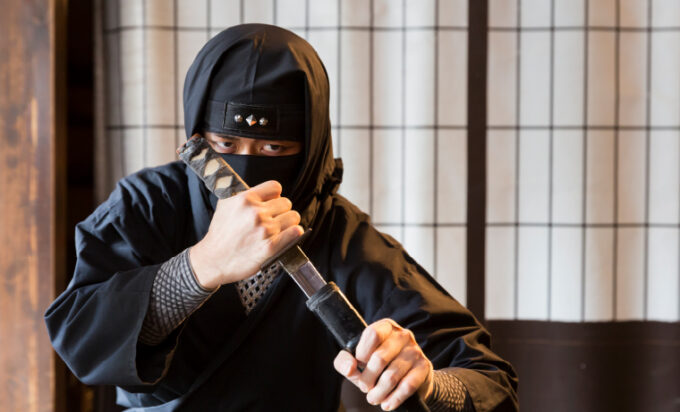
A confectionery shop in operation for over 370 years, famed for its “Seki no To” rice cake sweet, invented by a ninja descendant. In 2019, documents confirmed the shop once served as a ninja hideout.
Seki Jizoin Temple
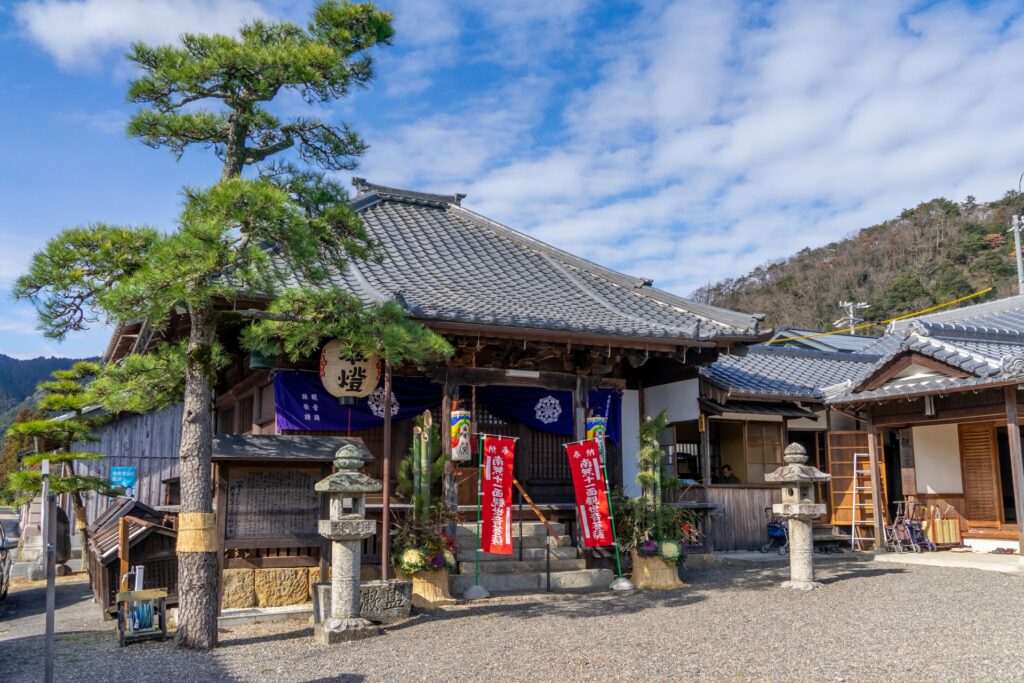
This historic temple was founded in 741 to protect the town from smallpox. It’s home to Japan’s oldest Jizo statue and is said to be the birthplace of the tradition of dressing Jizo statues in bibs.
Frequently Asked Questions (FAQ)
Can you stay overnight in Seki-juku today?
While the original inns (honjin and hatago) no longer operate, there are some nearby accommodations in Mie Prefecture. However we highly recommend staying in Nagoya which allows you to base yourself close enough to Seki-juku for a day trip, and still have the convenience of being on the Tokaido Shinkansen line.
When is the best time to visit Seki-juku?
Spring and autumn offer pleasant weather and beautiful scenery. The Gion Festival in July is also a major highlight.
Is the town wheelchair accessible?
Some museums and buildings may have steps or gravel paths, but many streets and key spots are relatively flat and accessible.
Are there tours in English of Seki-juku?
Yes! We at Snow Monkey Resorts are proud to offer a guided tour of Seki-juku.
Recommended Tour: Snow Monkey Resort's 1-Day Tour from Nagoya: Myths and Mystery of Ninja and the Tokaido Road not only gives insight into the daily lives of ninja but also takes you along the most important route of Edo-era Japan, the Tokaido road, as you are led by an experienced English-speaking guide on a full-day tour from Nagoya.
How do I get to Seki-Juku?
From Nagoya Station, Seki-juku can be reached in about 90 minutes by train (JR or Kintetsu rail lines). We highly recommend participating in a guided tour of Seki-juku for both the ease of transportation and the added insight provided by your guide.
Additional Tips for Visiting Seki-juku
- Try “Seki no To” from Fukawaya Mutsudaijyou: It’s not only delicious, but also historically linked to ninja culture.
- Keep an eye out for architectural details: Spot the differences between Edo and Meiji-era homes by observing the symmetry of second-floor windows.
- Bring cash: Small shops and museums may not accept cards.
- Combine with nearby sights: Include the Ise Grand Shrine or Nakasendo post towns in your itinerary for a broader experience of historic Japan.