

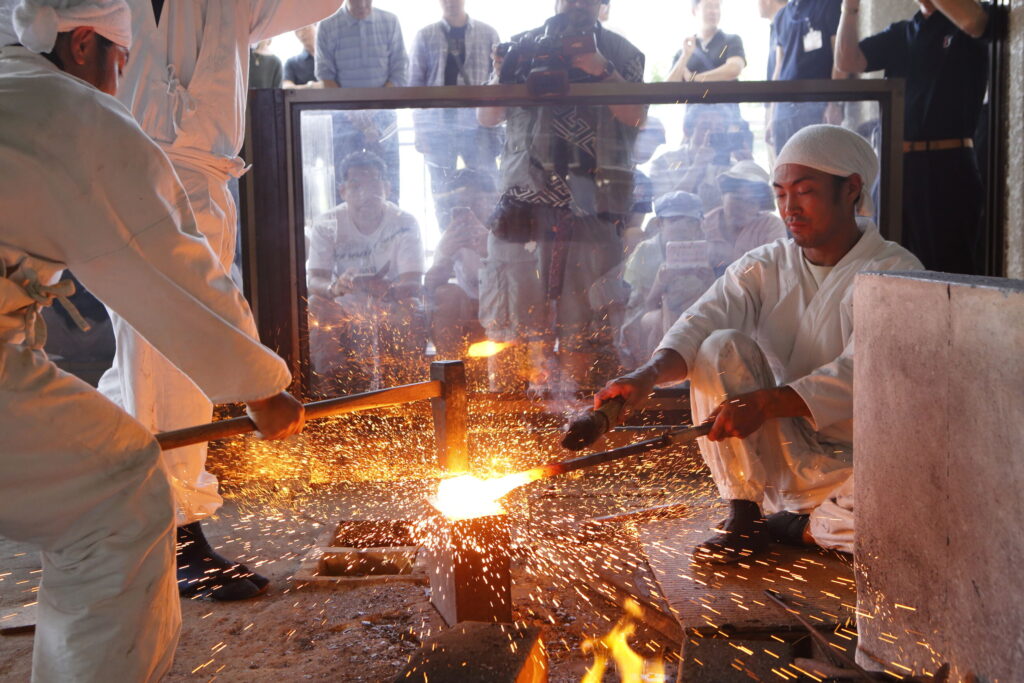
Located in Gifu Prefecture, Seki City has long been revered as the home of Japan’s finest blades. Famous among samurai as a place for swords which “never break, never bend, and are incredibly sharp,” Seki has preserved its blacksmithing heritage for over 800 years. From traditional samurai swords to modern kitchen knives, Seki continues to be one of the world’s foremost centers of cutlery production, rivaling Solingen in Germany and Sheffield in the UK.
A Brief History of Seki's Blade-Making Legacy
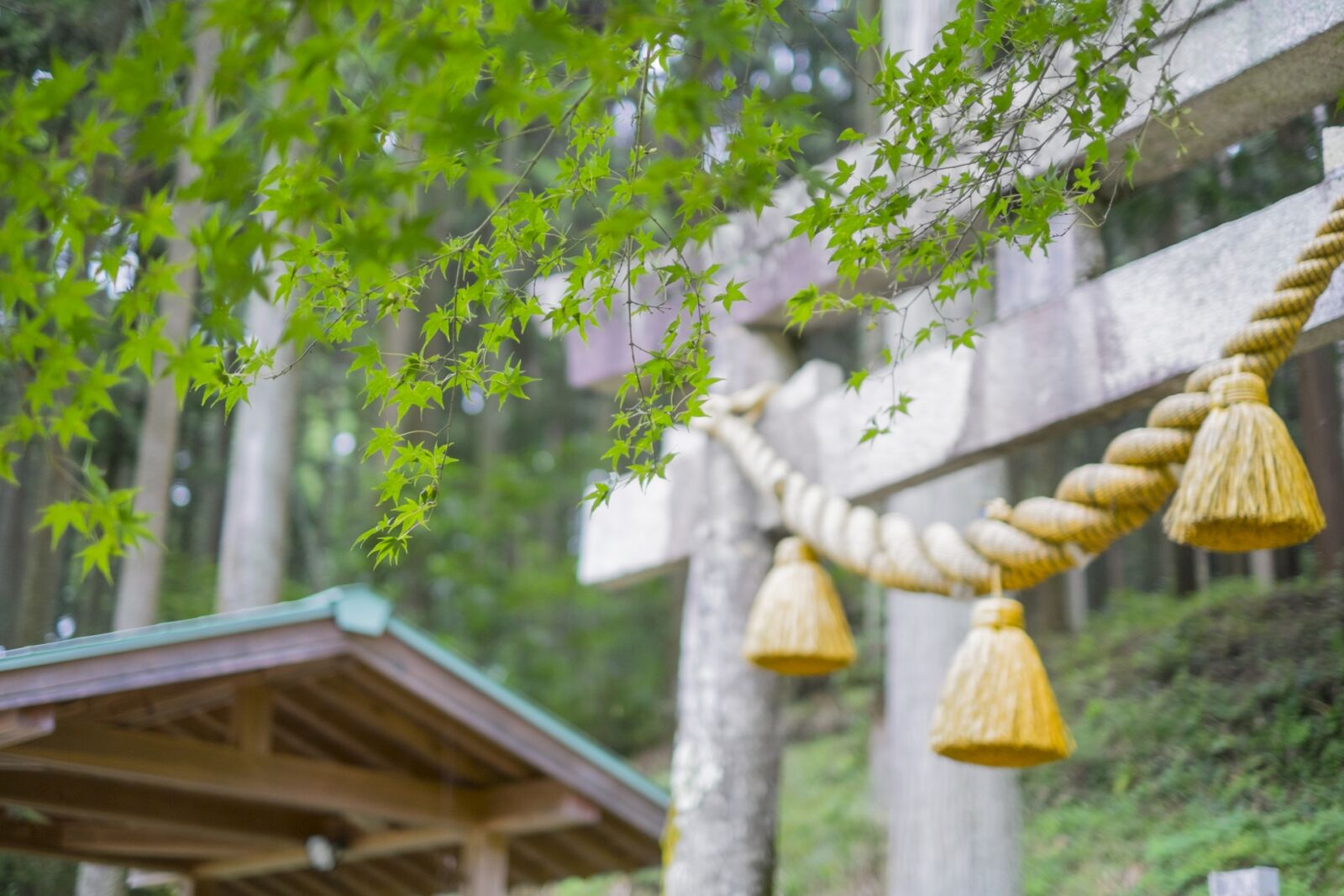
- Blade-making in Seki dates back to the Kamakura Period (1185–1333)
- Swordsmiths settled in the area due to the availability of high-quality clay, water, and charcoal
- One of the five major blacksmithing schools in Japan: Mino-den (Seki style)
- Reached its peak during the Muromachi Period (1336–1573)
- Famous swordsmiths include Kanemoto II (“Seki no Magoroku”) and Shizu Saburo Kaneuji
- Continues to produce blades using tamahagane, refined traditional iron sand
As warfare broke out across Japan in the 13th century, swordsmiths sought refuge and resources in Seki, discovering ideal conditions for blade-making. What began as a refuge became a powerful forge. Seki’s swordsmiths gained national recognition, contributing to Japan’s revered sword tradition with razor-sharp, unbreakable weapons.
During the Muromachi Period (1336-1573), there were over 300 blacksmiths concentrated in this picturesque region of Central Japan. They developed a new method of forging called the Shiho-zume Technique and specialized in making blades from Tamahagane Steel (steel made from iron sand).
Though swords are no longer tools of war, Seki’s craftsmanship lives on.
Today, the city is regarded as one of the world’s three major cutlery centers (along with Solingen in Germany and Sheffield in the UK), and is still home to around 100 blade manufacturers, and 10 active swordsmiths.
How to Visit Seki, Gifu
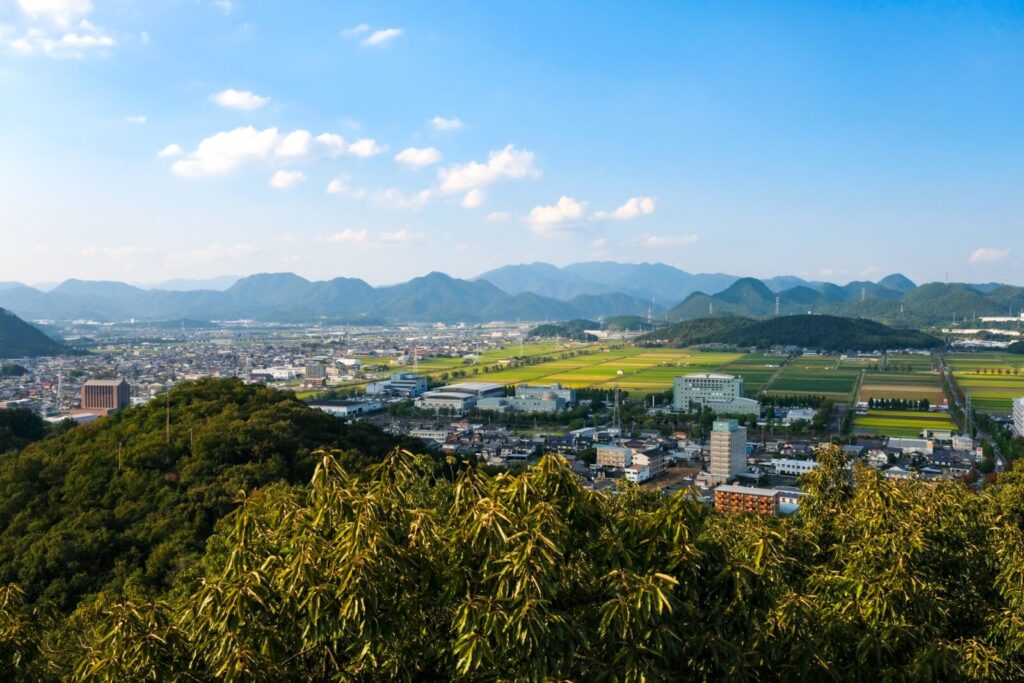
Seki City can be reached from Nagoya by bus, train, and guided tours.
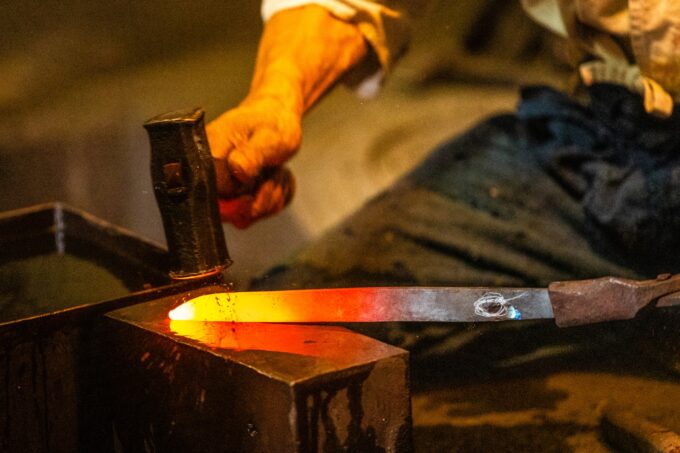
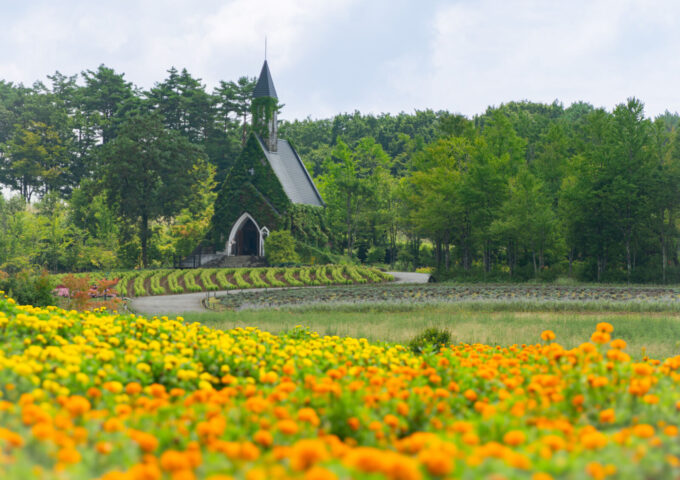
Visitors to Seki can explore both its deep samurai roots and modern craftsmanship through museums, galleries, and live demonstrations.
Main Attractions:
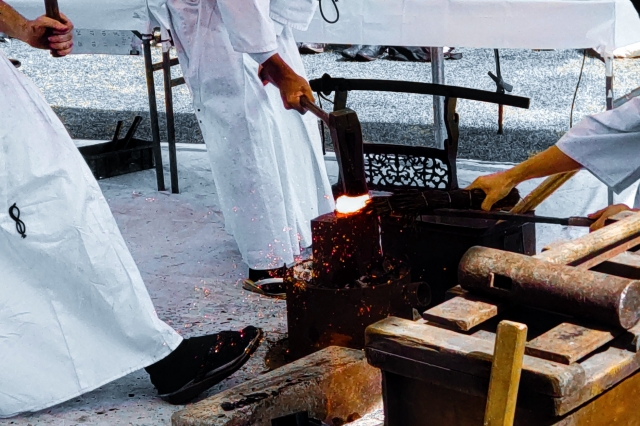
- Seki Swordsmith Museum: Learn the entire sword-making process and see live forging
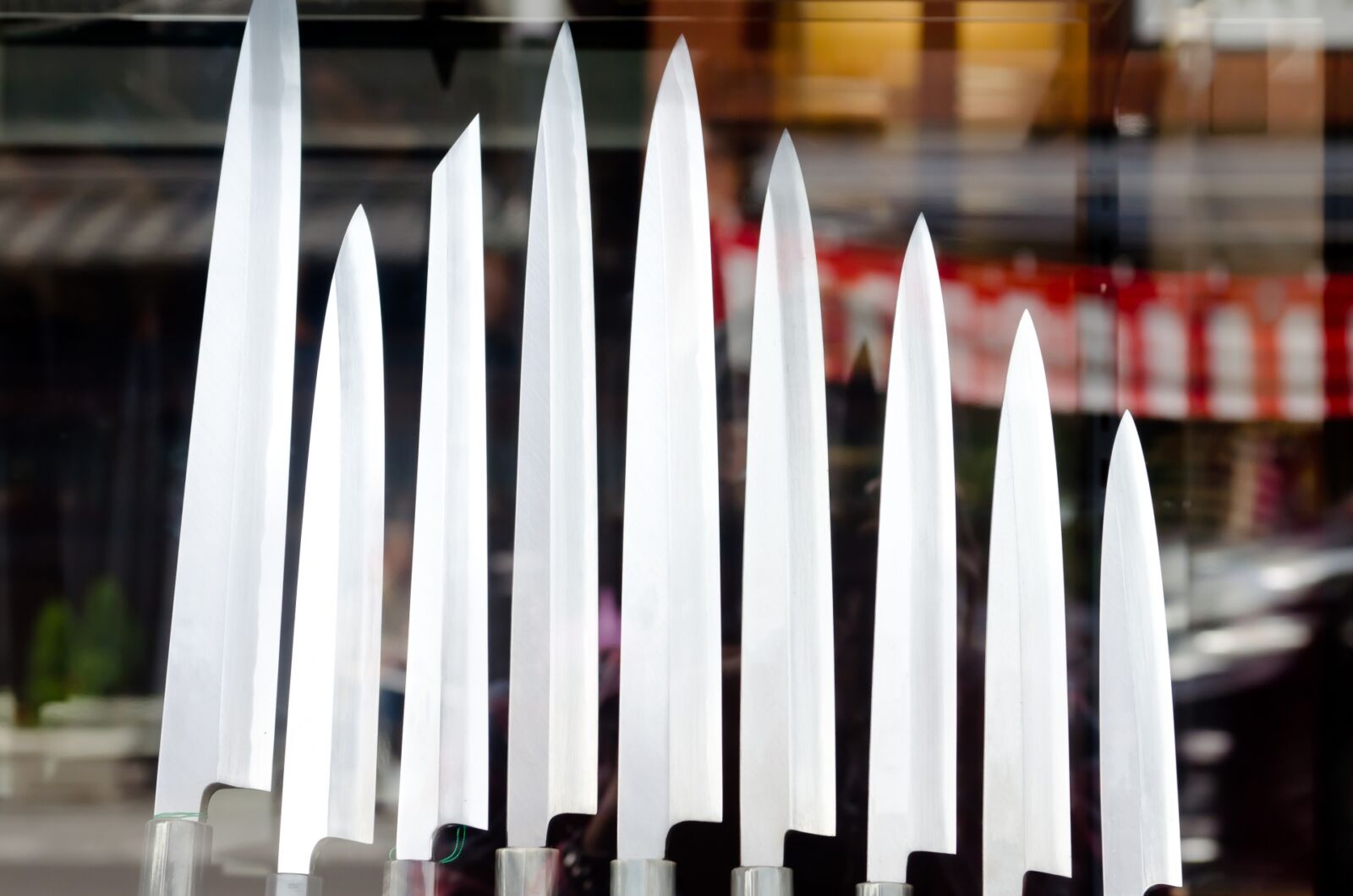
- Gifu Cutlery Hall: View over 2,000 types of knives, shop for local cutlery, and explore exhibits
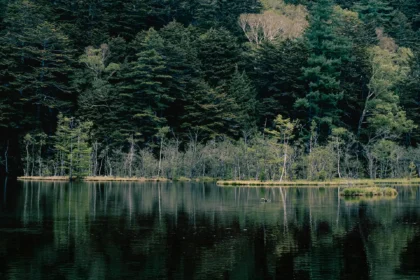
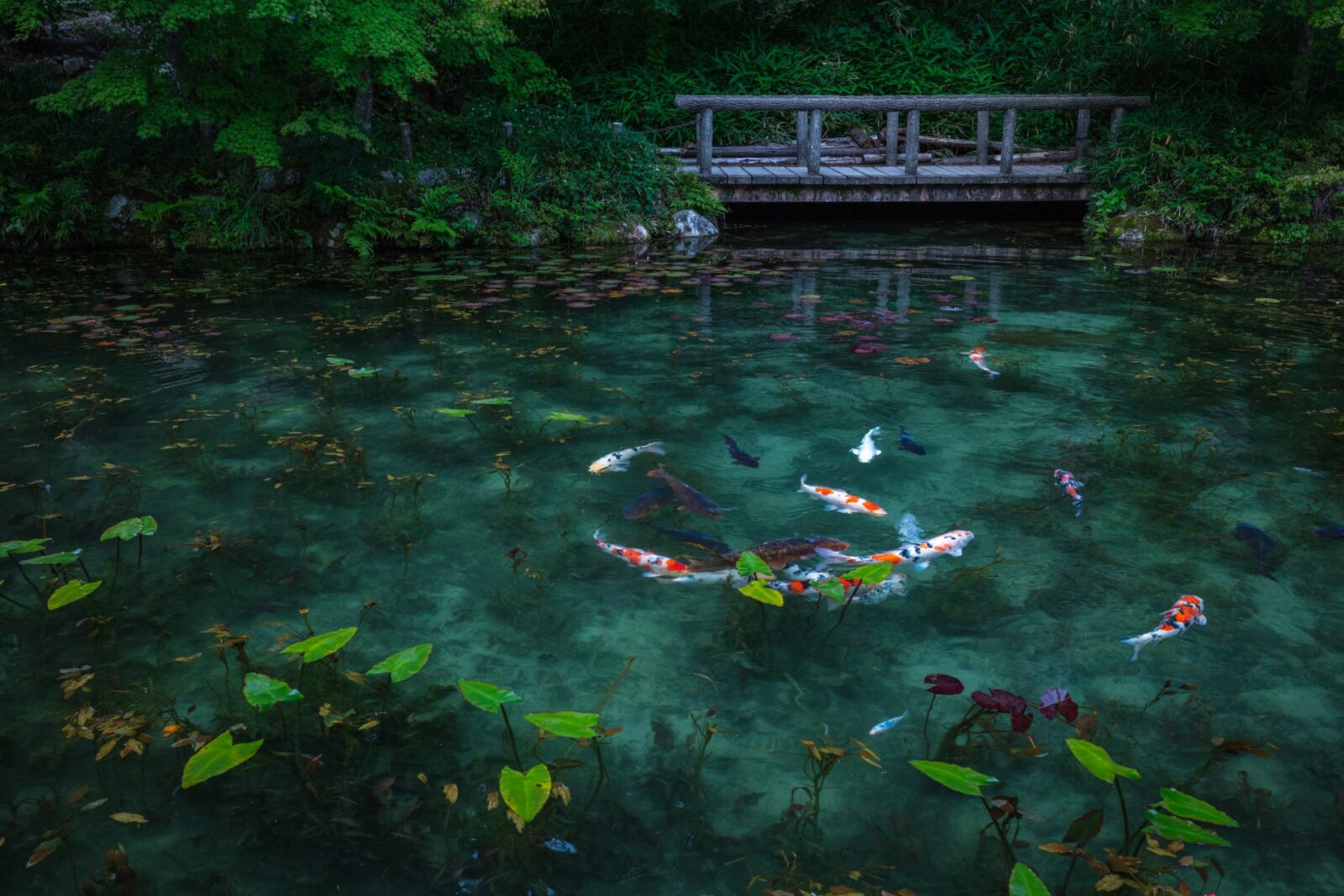
- Monet’s Pond: A serene natural spring resembling a Monet painting, located nearby
- Traditional Workshops: Watch or participate in forging and polishing demonstrations
- Local Cutlery Shops: Purchase high-quality, handcrafted Japanese kitchen knives
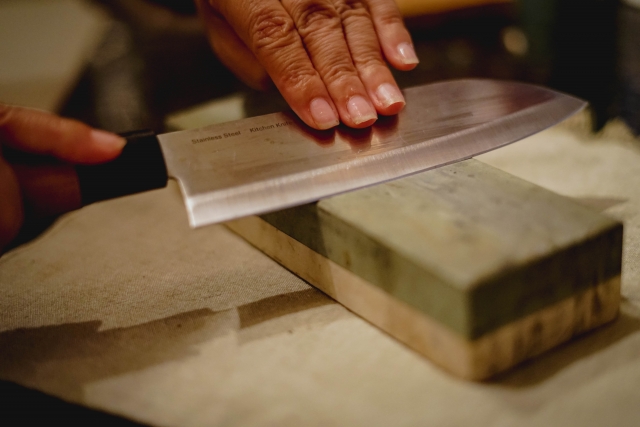
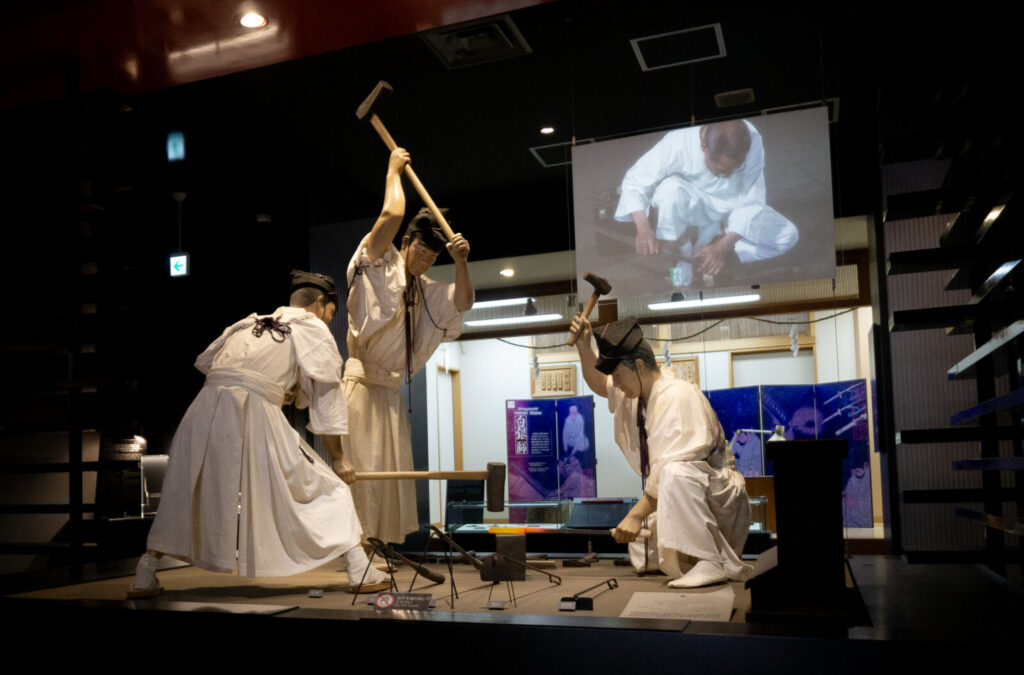
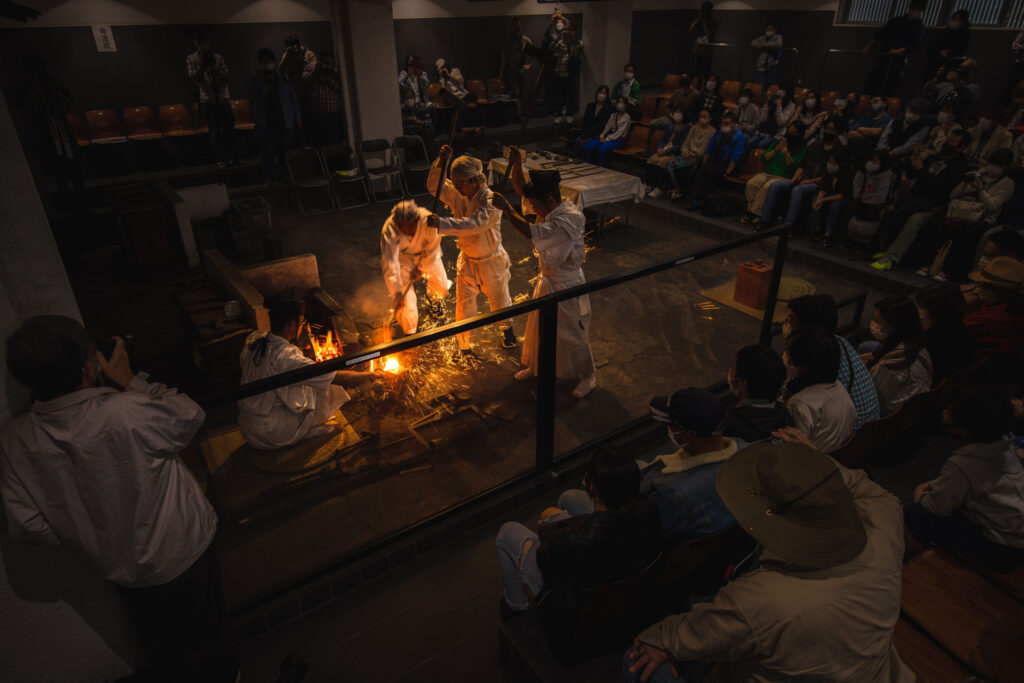
Major attractions in Seki include the Seki Swordsmith Museum—where you can learn about the process of crafting a sword from start to finish, and the Gifu Cutlery Hall—where you can tour a showroom with over 2,000 knives and locally made goods, or shop for a Japanese kitchen knife of your own.
Frequently Asked Questions (FAQ)
Why is Seki known as the “City of Blades”?
Seki’s reputation stems from its 800-year history of producing swords of exceptional quality. It became a hub for swordsmiths due to its ideal natural resources and its mastery of forging techniques.
Can you still see swordsmiths working today?
Yes! At the Seki Swordsmith Museum and other traditional workshops, visitors can observe swordsmiths at work using traditional methods and tools.
What is tamahagane steel?
Tamahagane is a type of steel made from iron sand and refined through a centuries-old smelting process. It is still used in Seki to make authentic Japanese swords.
Are the knives in Seki available for purchase?
Absolutely. The Gifu Cutlery Hall and many shops around Seki sell a wide range of handcrafted knives—from everyday kitchen blades to professional-grade tools.
Is Seki suitable for a day trip from Nagoya?
Yes. Seki can be reached from Nagoya by train or bus, making it a great day trip for those interested in traditional craftsmanship and Japanese history.
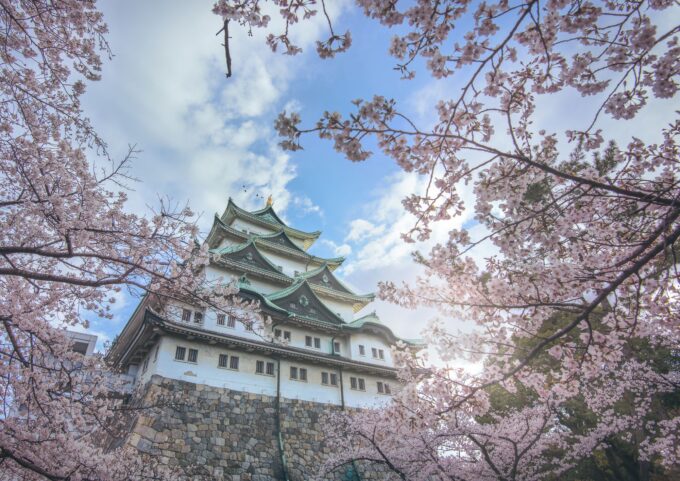
Recommended Tour: Embark on a captivating tour from Nagoya to explore the oldest castle in Japan, a National Treasure teahouse, a "city of swords," and the charms of Central Japan on Snow Monkey Resort's Private Tour from Nagoya: Samurai Swords and Japan's Oldest Castle.
Learn about the craftsmanship involved in creating a samurai sword, meet a bladesmith and learn how to properly sharpen a kitchen knife, and stroll along the streets of Inuyama where you can indulge a wide array of street food under the shadow of Japan's oldest original castle.
Additional Tips for Visiting Seki
- Plan Ahead: Live forging demonstrations at the Seki Swordsmith Museum may be scheduled, so contact us to discuss times in advance.
- Shopping Tip: Many local shops offer knife engraving services—a perfect personalized souvenir!
- Dress Comfortably: Some workshops and demonstrations are outdoors or in semi-open spaces.
- Festival Time: The Seki Cutlery Festival held in autumn is a great time to visit, with stalls, demonstrations, and rare knives for sale.