






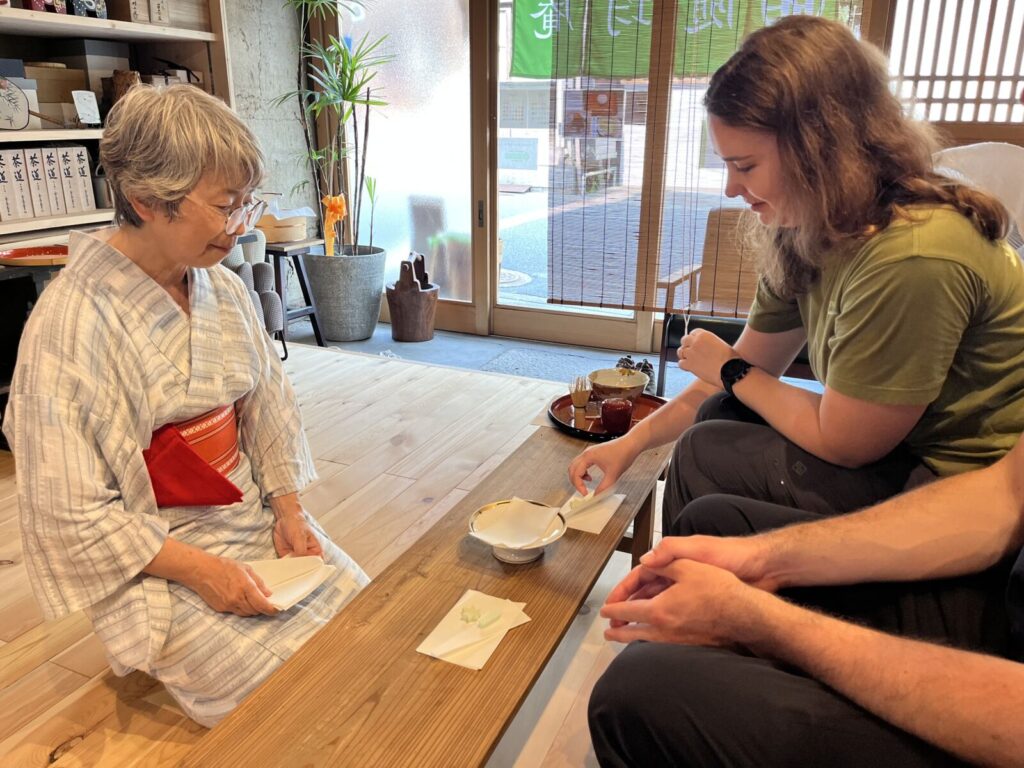
Tea ceremonies or ‘Sado’ in Japanese, offer a respite from the pace of modern life and provide time to relax and relish the sanctity of each moment and movement in life. Originally introduced from China, these ceremonies were refined over centuries to take on a distinctly Japanese appreciation and retain their popularity and significance to this day. For guests wishing to participate in the meditative experience of making your own 'Matcha' and then drinking it along with your compatriots, Nagano City is a great place to do so.
What is Matcha?
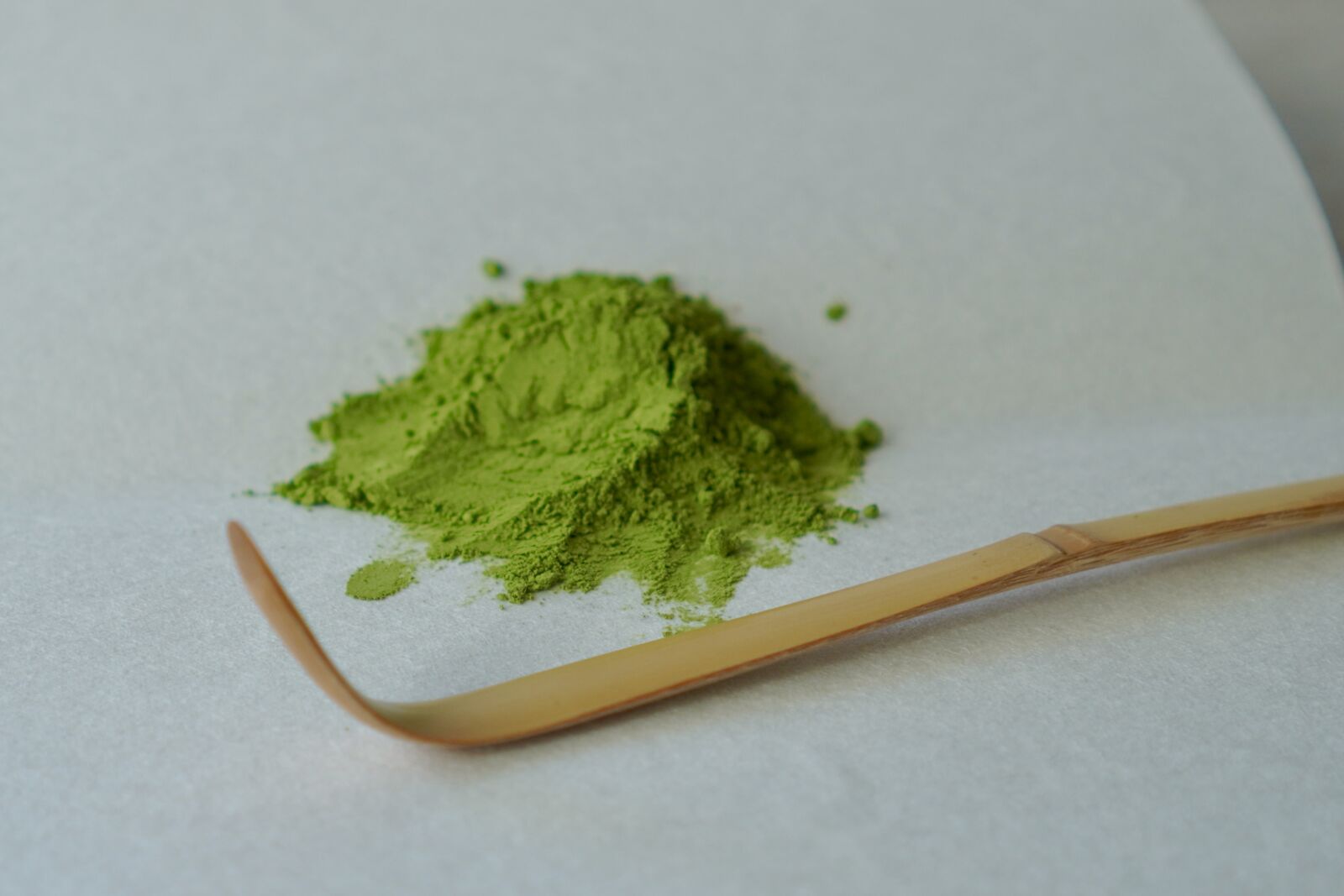
Matcha is a new hot trend all around the world, with Matcha Ice Cream, Matcha Mochi, and more showing up in cafes and supermarkets from Sydney to New York. But while many have enjoyed its signature strong and bitter flavor, what exactly it is made from perhaps remains a mystery to most.
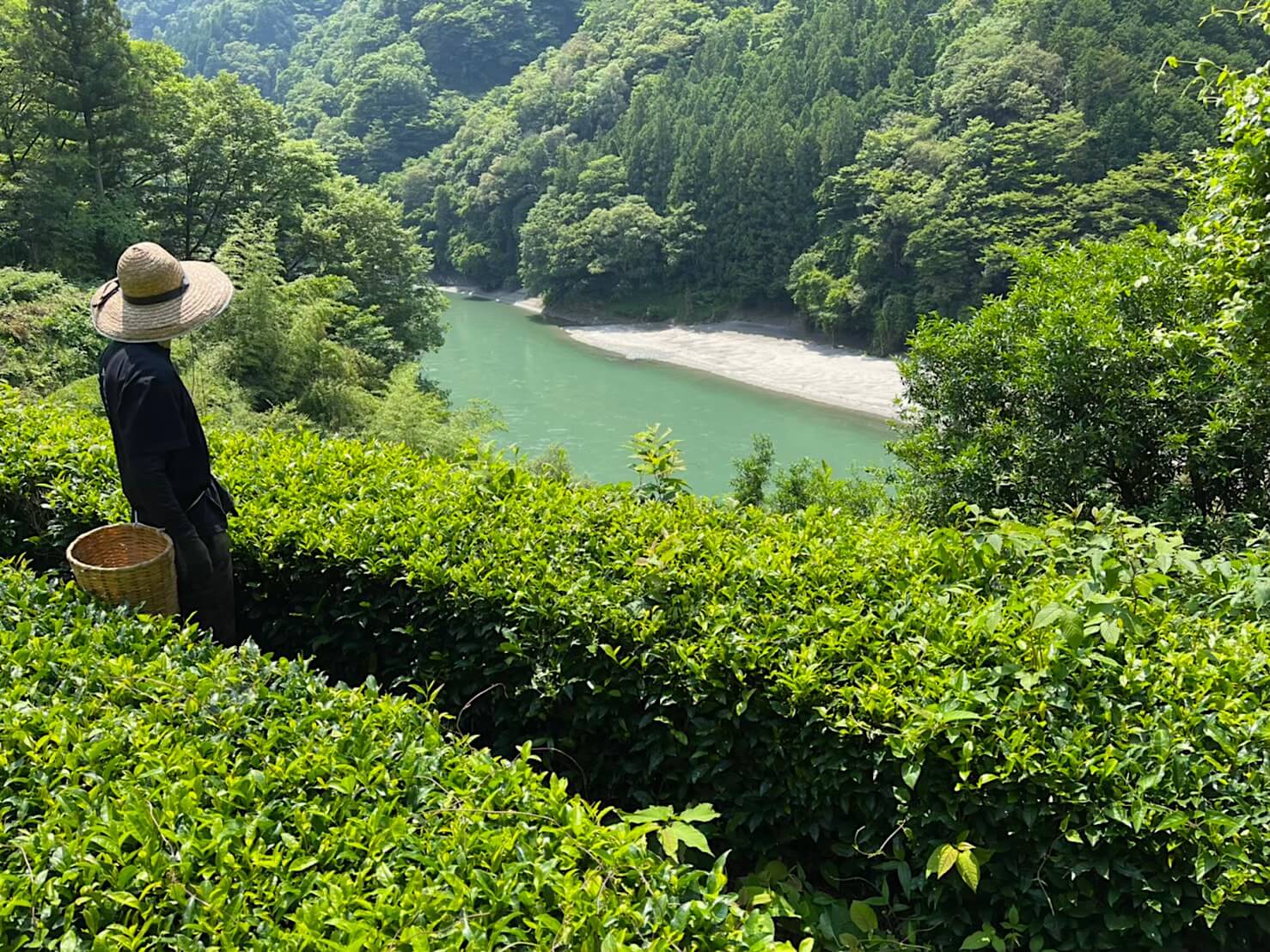
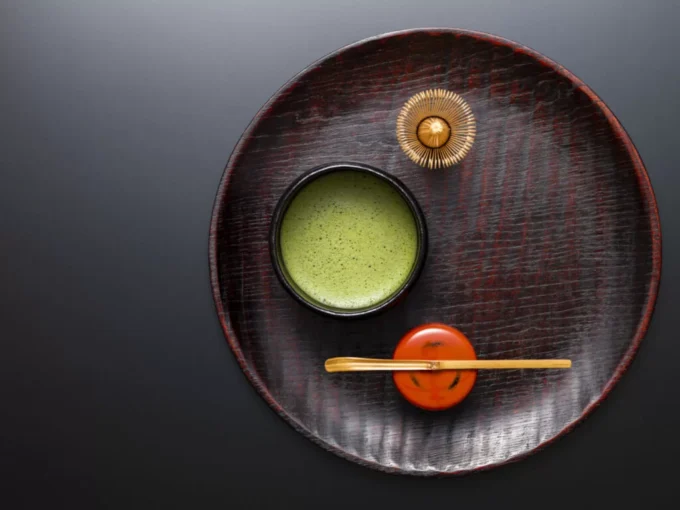
Matcha is of course a kind of green tea, harvested from the same plant as normal green tea. However, each step after the harvest is completely different. The tea leaves are first steamed after harvest, and then dried out. From the dried out tea, all stems and other hard parts are removed and only the soft parts of the leaves are left. These remaining leaves are then ground in a kind of mill until they are completely converted into a uniform, fine powder. When making Matcha Tea, you then put some of this powder in a bowl, add hot water, and stir until frothy with a special whisk known as a 'Chasen'. This means that unlike normal tea, where the leaves are only steeped in hot water before being removed, you are actually drinking the leaves when you have Matcha! This accounts for its health benefits and thicker texture when compared to other green teas.
Tea Ceremony in Japanese Culture
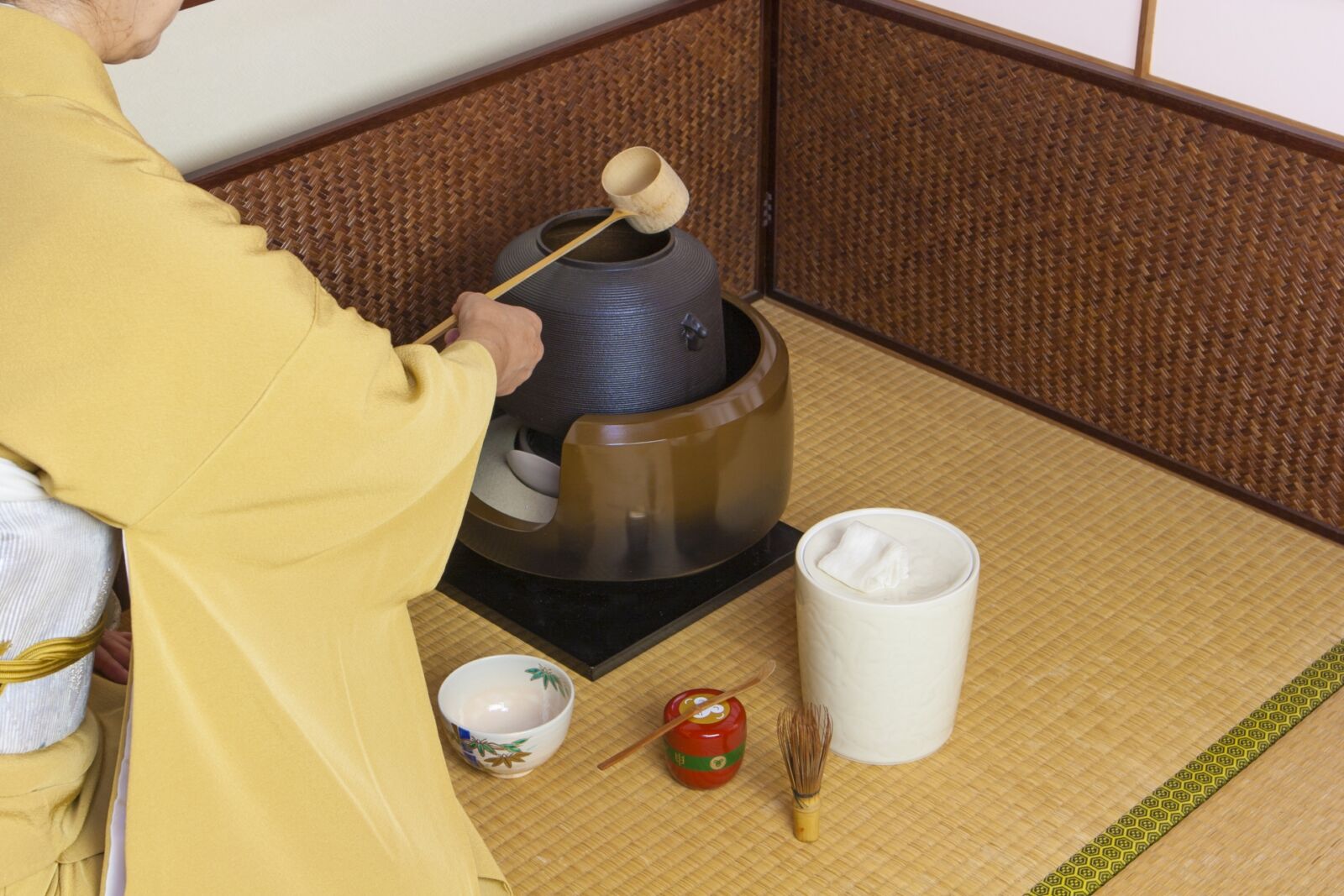
Traditionally, Matcha was most commonly drunken as part of a tea ceremony, known as 'Sado' in Japanese. Reaching its modern form somewhere around the late 1500s (exemplified by the famous master Sen no Rikyu), tea ceremony was an important tool of politics in the warring states period when powerful samurai lords would make alliances and deals during or after participating in a ceremony together. In the peaceful Edo Period (1699-1868) which followed, Tea Ceremony as an art form flowered and spread to people of all classes. It embodied a certain ideal of meritocracy and equality, with tea room doors being made so low that one would almost have to crawl in - designed to humble even the powerful and high born in the outside world before entering the tea room where skill and refinement instead defined a persons worth. Today tea ceremony perhaps doesn't enjoy the ubiquitous popularity it once had, but it is still a popular past time amongst Japanese of all ages and is a great way to learn about the elegance of traditional culture.
Participate in a Tea Ceremony on a Tour
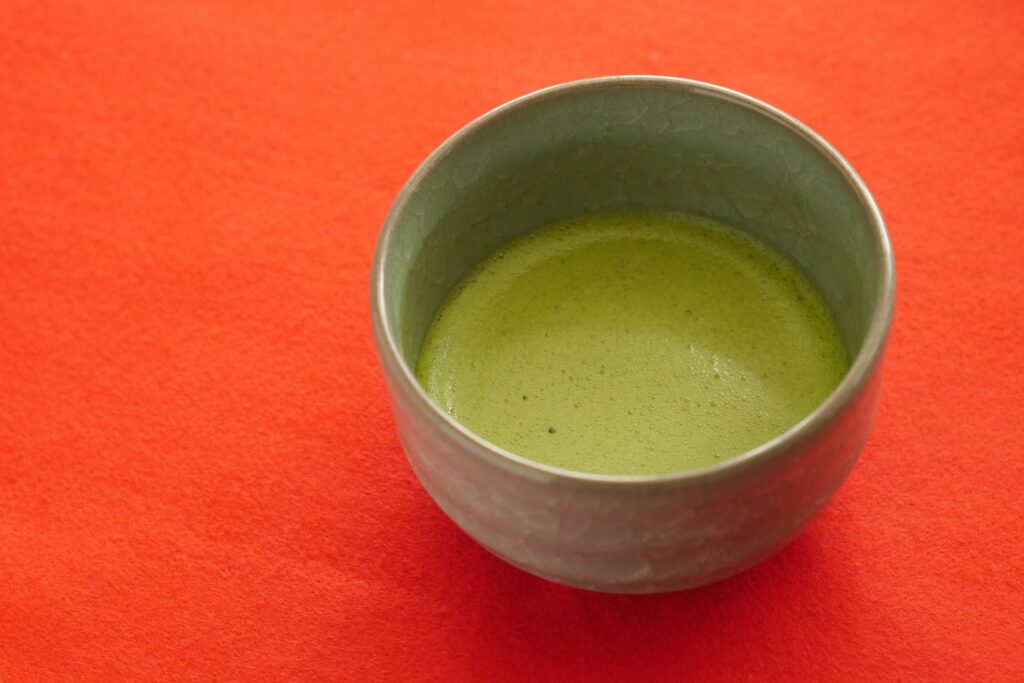
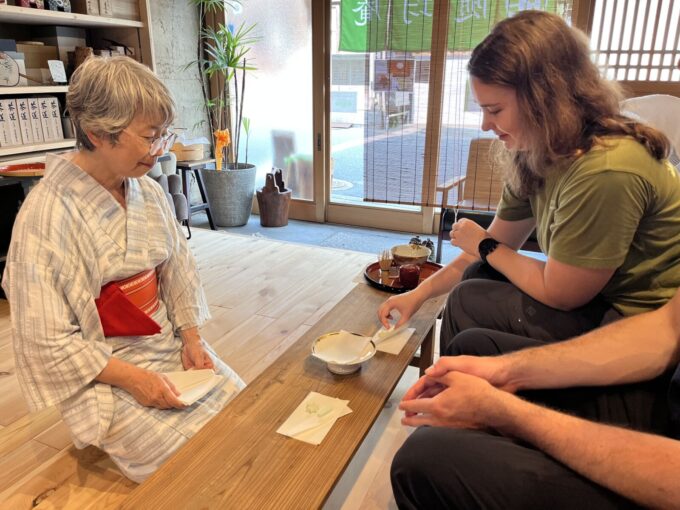
Fortunately for those looking to try this experience for themselves, we have two tours which include participation in a tea ceremony in Nagano City. With your guide by your side, you won't have any confusions or difficulties as you go through the ritual and can instead focusing on enjoying your tea.
Recommended
Half-Day Zenkoji Tour with Tea Ceremony
- Spots:
- Nagano
- Pick-up:
- Nagano City
- Drop-off:
- Nagano City
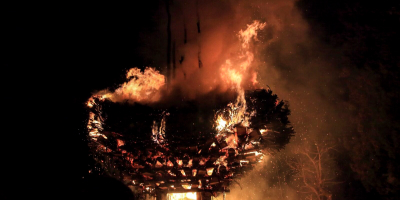
Zenkoji has a lot to offer, and on this fun half day tour your guide will lead you right into the heart of its history and traditions. Including a fire ceremony, oyaki lunch, sake tasting, and of course a tea ceremony, you can enjoy Japan's unique culture in only a short amount of time. Click the banner above for more details!
Recommended
Tea Ceremony and Zenkoji Experience Tour with 'Shukubo' Temple Lodging Stay
- Spots:
- Nagano
- Pick-up:
- Nagano City
- Drop-off:
- Nagano City
For those who really want to get to know Zenkoji, this tour with an included overnight stay at a shukubo, or pilgrims inn, is ideal. With a focus on Zenkoji and its surroundings, you will come away with a new appreciation for the sights, sounds, and flavors of this centuries old temple. The activities on the first day will be the same as the above half-day tour, but when everyone else is going home you will instead be checking in to your room at the shukubo! Book now to secure your room for the night.
Frequently Asked Questions (FAQ)
What is a Japanese Tea Ceremony (Sado)?
The Japanese Tea Ceremony, or ‘Sado’, is a traditional cultural ritual centered around the preparation and serving of Matcha green tea. It emphasizes mindfulness, respect, harmony, and tranquility. Participants learn to appreciate the precise movements, etiquette, and meditative qualities that make tea ceremony a unique cultural experience.
What is Matcha and how is it different from regular green tea?
Matcha is a finely ground powder made from specially grown green tea leaves. Unlike regular green tea, where leaves are steeped and removed, Matcha is whisked with hot water and fully consumed, providing a richer taste, thicker texture, and additional health benefits.
Where can I experience a traditional tea ceremony in Nagano City?
Nagano City, particularly near Zenkoji Temple, offers opportunities to experience authentic tea ceremonies. Guests can participate in tea preparation, drink Matcha together, and learn about the history and cultural significance of the ritual.
Who can participate in a tea ceremony in Nagano?
Tea ceremonies are open to everyone, regardless of experience or background. Both locals and international visitors can join, and no prior knowledge of Japanese tea culture is required.
What happens during a tea ceremony tour in Nagano?
Participants are guided step-by-step through the preparation and serving of Matcha. You will whisk the tea using a traditional ‘Chasen’, learn the etiquette of serving and receiving tea, and enjoy the meditative and reflective aspects of the ceremony. Tours often include cultural context and explanations by English-speaking guides.
How long did historical Japanese tea ceremonies last?
Traditional tea ceremonies from around 300 years ago could last an entire day. These elaborate ceremonies included esoteric rituals and practices that are not widely known today. Modern tea ceremonies in Japan are much shorter, designed to provide a meaningful yet accessible cultural experience in a fraction of the time.
Are tea ceremony tours combined with other experiences in Nagano?
Yes. Many tours combine tea ceremony participation with activities like the Goma Fire Ceremony, sake tasting, traditional meals such as oyaki, and even overnight stays at shukubo (temple lodgings). This allows visitors to immerse themselves in Japanese culture and Zenkoji’s history.
Can children participate in a tea ceremony?
Yes. Tea ceremonies are family-friendly, and children can enjoy learning about Japanese culture under adult supervision. The experience is safe, educational, and suitable for all ages.
Do I need to join a guided tour to experience a tea ceremony?
While guided tours are recommended for full cultural context, private arrangements or independent participation may be possible depending on availability. Visitors should contact local providers or Snow Monkey Resorts to confirm.
Why choose Snow Monkey Resorts for a tea ceremony in Nagano?
Snow Monkey Resorts provides expert English-speaking guides, convenient access from Nagano Station, and curated cultural tours. They ensure visitors fully understand and appreciate the tea ceremony while enjoying additional cultural activities in a safe and engaging environment.